The chemistry between Nicolas Altstaedt and Thomas Dunford was evident on an empty stage on Saturday night. The audience was ready for Altstaedt’s known technical style combined with Dunford’s virtuosity and for a conversation between a cello and a lute. We were immediately transported back to the Renaissance age with Marin Marais. Somewhere in Spain, Portugal or France, silk full skirts were rustling as courtiers palms met in a measured dance in an opulent room of gold and blue. The dexterous fingers of Dunford played a bell-like melody which was answered by Altstaedt’s honeyed tones as the notes lingered in the air.
La Leclair changed the tempo as a fiery melange of fast rhythms left a crackle of passion reflecting the composer’s known volatile nature. Then the audience was left alone with Dunford’s arrangement of Bach’s Cello Suite no 1 in G major with a display of the classic intricate technical perfection demanded by a maestro.
A return to the court of Versailles with more Marais’ Fete Champêtres offering a graceful dance and then a passionate Spanish piece allowing both musicians to move through the intricate ornamentation with speed and panache. Glimpses of a palace garden party came to mind with musicians playing delicately.
After the interval, Altstaedt sat down for Bach’s Cello Suite No 5 in C Minor, a piece written especially for the cello allowing the instrument to really sing. Sombre notes and a melancholy mood were combined with nimble playing from Altstaedt. For music aficionados, research the analysis of each movement and the techniques required, for the audience, it was a time for reflection and thought.
We returned quickly to pared down harmonies with Pärt’s Spiegel Im Spiegel, followed by Duparc’s Cello Sonata in A Minor. We returned to Marais’ courtly world with Le Voix Humaines imitating the inflexions of the human voice with a sombre elegance with cello and lute weaving between tones.
Marais’ Grand Ballet was all Baroque elegance testing each instrument and musician with showy ornamentation, bold gestures and complex bowing techniques required. It is a theatrical piece designed to be grand and majestic and it was.
The finale of Le Tourbillon was in the title, a whirlwind of virtuosity with a conversation moving to a debate between the cello and lute, ending in a flourish.
The audience was treated to a post-conversation with both Altstaedt and Dunford but the music said as much and was all that was needed.
Tony & Gaga: An Opulent Big Band Experience Rating
★★★★★
Click if you liked this article
7
Most know the late Tony Bennett and the much younger pop icon, Lady Gaga, who shared a musical partnership and a friendship for decades. Both were Italian singers with a mutual respect for each other, as well as two collaborative jazz albums.
After first meeting at the 2011 Robin Hood Foundation gala in New York City, when Bennett told Gaga, “Lady, you are a jazz singer”, later that year Gaga recorded “The Lady Is a Tramp” for Bennett’s Duets II album.
So successful, they then released the chart-topping jazz record Cheek to Cheek in 2014 and the Cole Porter tribute album Love for Sale in 2021.
What many don’t know is the mutual impact and support they shared revitalized Gaga’s love for music when she was considering quitting the music industry. Their partnership was that profound.
For the amazing Tony & Gaga tribute show in Melbourne last Friday, acclaimed powerhouse vocalist, Sarah C, (Dancing with the Stars, X Factor) teamed up with debonair Melbourne fashion icon, Dom Bagnato, to sing the unforgettable hits of the American Songbook.
Arguably, some of the best songs ever produced in our history, some nearly 100 years old, these timeless tunes fit somewhere into our lives emotionally, still today.
When I last reviewed Sarah’s ‘Soul Divas’ show, I met Dom in the audience, excited about doing this new show with Sarah C.
This had developed when Sarah and Dom had sung together at the birthday of Dom’s daughter when they realised they had some great musical mojo together. Now, the rest is history.
No coincidence, the 20-piece band backing Sarah and Dom on Friday night were named the Mojo Orchestra and, the chemistry between Sarah and Dom with this great band, was an absolute treat to behold.
Dressed in dinner suits and bow ties, the Mojo Orchestra stage setting was reminiscent of the halcyon days of the Glenn Miller Orchestra. Mojo had the same musical precision Miller’s band was famous for – when to come in loud and when to pull back – without anyone knowing how they timed that.
The first song of the night, sung by backing singers Cathy Moloney and Julie Kemelfield, was ‘Summertime’, from the musical Porgy and Bess. They were there to warm us up so, we had no idea how opulent our experience was about to be.
I had just flown in Friday morning from a friend’s “007” wedding in Greece and a week in Thailand’s relaxed humidity, straight into Melbourne’s frosty Friday night to do this review, so ‘Summertime’ seemed serendipitous.
I was ready for the warmth of “crooner” tunes, when Musical Director, Peter Foley, introduced us to Sarah C and Dom Bagnato as Gaga and Bennett and their first duet, the classic, ‘The Lady is a Tramp’. It is a playful song about a woman who hates strict social rules, made famous by singers like Frank Sinatra and Tony Bennett, celebrating being free and real. What more could one want?
Sarah C, always so glamourous – was wearing a leopard print blazer, diamante brooch and a Fedora hat, the first of her many changes – showed us her vocal versatility with some matching Beebop, (first developed in the 40s by legends like Charlie Parker and Dizzy Gillespie.).
The band sounded romantic and fabulous and the audience couldn’t wait to hear what more was in store for their evening.
Next, Sarah and Dom performed ‘Heaven’ with Sarah’s tone reminiscent of Amy Winehouse, she always sings so brilliantly; followed by ‘Night and Day’, composed by Cole Porter in 1932 for the Broadway musical, Gay Divorcee; and ‘Under my Skin’, also by Cole Porter in 1936 and adopted by Sinatra as one of his signature hits.
Dom bantered happily with our audience like he knew us all personally.
“When I travel, I like to sing, especially this one’, ‘I left my heart in San Francisco’. He sang a very apt tribute to Tony Bennett, who originally recorded and popularized the song in 1962, when it quickly became Bennett’s signature song.
Dom then chose the Sinatra hit, ‘The way you look tonight’, originally sung by Fred Astaire and, Mojo’s trombones were exquisite.
Then, another Sinatra hit with an arrangement by Quincy Jones from 1964, ‘Fly me to the Moon’ – later becoming tied to NASA’s Apollo space missions.
The Mojo band excelled during this number with their eight saxophones especially synchronised, powerful and melodic.
Sarah C returned to the stage in a long pink satin dress to sing us ‘La Vie ‘en Rose’ (Life in pink), in French. A wonderful tribute to Edith Piaf’s 1945 version, which later became a hit in the USA in the 50’s.
Next was ‘At Last’, originally recorded by the Glenn Miller Orchestra with vocals by Ray Eberle and Pat Friday in 1941. Most know Etta James’ 1960 soul version. Sarah C’s smoky depth gave us a little mix of both, Sarah taking full advantage of her exquisite 20-piece orchestra at that moment.
The audience was invited to take a break and on return, Dom treated us to a Sinatra and Dean Martin medley: ‘Come fly with me’, ‘All of me’, ‘You’re nobody ‘til somebody loves you’ and finally, ‘My Way’, which Dom sang with all his heart and soul, totally winning over the audience and causing us all to stand and cheer.
Sarah C in her a beautiful, long pink gown, tied in a huge bow – designed by Ella Atkins – paired with a stunning Halo diamante Tiara, sang one of my all-time favourite songs – once recorded by Sammy Davis Junior, John Coltrane, Michael Buble, and, most famously, the irrepressible Nina Simone – the very cool and extremely groovy, ‘I’m feeling good’.
To hear this classic sung by Sarah in an intimate band room, performed live by the magnificent Mojo orchestra, was spine-tingling.
As were the following hits, ‘Orange coloured Sky’ originally by Nat King Cole; ‘My Baby just cares for me’; ‘I get a kick out of you’; Duke Ellington and Ella Fitzgerald’s, ‘Don’t mean a thing if you ‘aint got that swing’ and finally, ‘New York. New York.’
By this time, the audience was singing along loudly and with joy.
Brunswick Ballroom is one of Melbourne’s live music gems. Not only does it host live original and cover bands of every genre on Fridays, Saturdays and Sundays – and some weekdays – on this marvellous night, it opened at 6.30pm for dinner before the show starting at 8.30pm.
Who doesn’t love a dinner and show?
This was something different – An opulent big band experience, everyone dressed up to the nines in an intimate ballroom, hosting a 20-piece orchestra behind two powerhouse voices, two good friends, who, like the real Tony and Gaga re-igniting these classics, had a camaraderie and talent too good to miss.
A time of chivalry, respect, romance and joy. Melbourne needs more of this.
Don’t miss your chance to see this great show. Upcoming dates are:
Frankston Arts Centre – Saturday, 5th September, 2026.
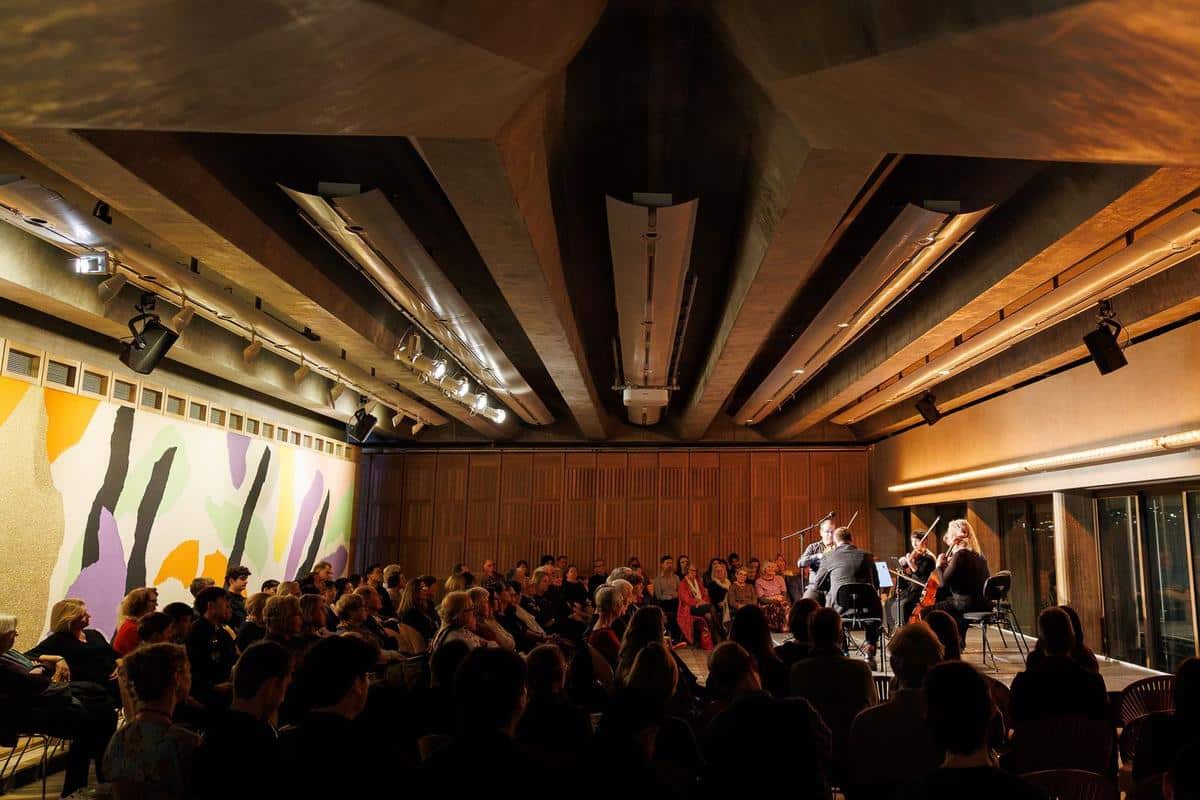
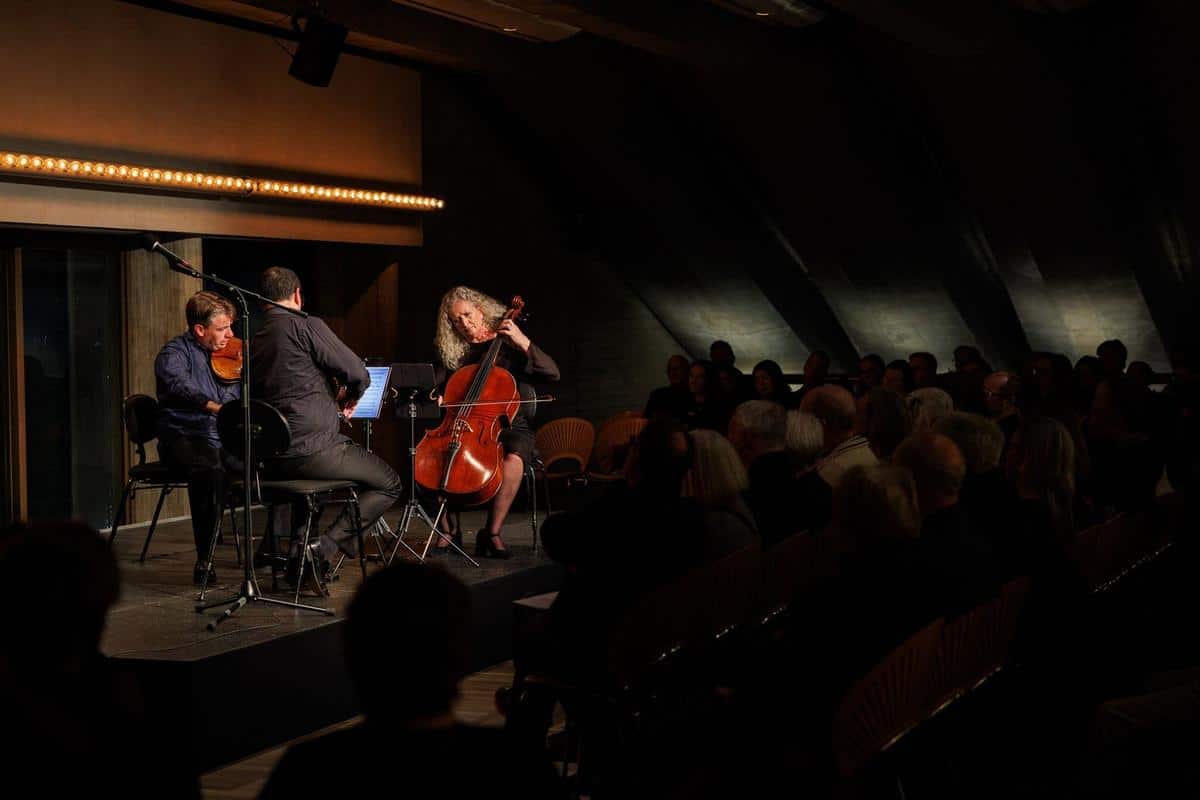
There is a rare, intoxicating vulnerability when world-class chamber music is experienced in an intimate performance space, and tonight at the Sydney Opera House’s Utzon Room, Brisbane-based Ensemble Q delivered a concert that was not merely heard, but deeply felt—an experience that bypassed the intellectual mechanics of music and touched the soul directly. The venue’s tight, warm acoustics placed the audience in striking, captivating proximity to the musicians. Sitting so close that you could hear the soft intake of breath before a phrase, see the delicate bow hair catch the strings, and feel the physical resonance of every note created an immediate, deeply personal connection that elevated the entire performance, making it feel less like a distant spectacle on a cavernous stage and more like a shared, living conversation between artist and listener.
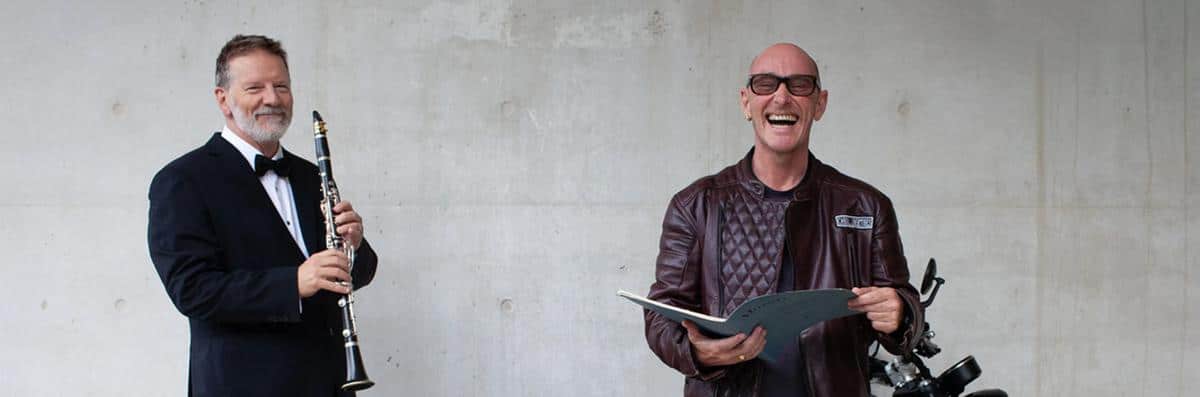
Founded by husband-and-wife duo Paul Dean, a professor at the University of Queensland and one of Australia’s foremost clarinettists, and Trish Dean, an internationally respected cellist, Ensemble Q brings together a powerhouse lineup of extraordinary Australian talent. Joining them on stage were violinist Asma Chalabi, Head of Violin at ANAM performing on an exquisite 1805 Joseph Panormo violin; the brilliant violinist Anne Horton, whose international career boasts major competition victories in Cremona and Osaka; and acclaimed violist Benjamin Roskams, who added immense emotional warmth on a magnificent c. 1720 Joseph filius Andreae Guarneri viola. Completing the ensemble was acclaimed broadcaster, author, and narrator Ed Le Brocq, whose sensitive, grounded storytelling provided a gentle emotional spine for the evening’s narrative works.
The program was a masterclass in balance, artfully weaving dark classical intensity with poignant contemporary narrative and whimsical charm. The performance opened with Ludwig van Beethoven’s stormiest early chamber work, the String Trio in C minor, Op. 9 No. 3. Being so physically close to the players emphasized the fierce, conversational dialogue between violin, viola, and cello, showcasing the ensemble’s breathtaking synchronisation and flawless technique.
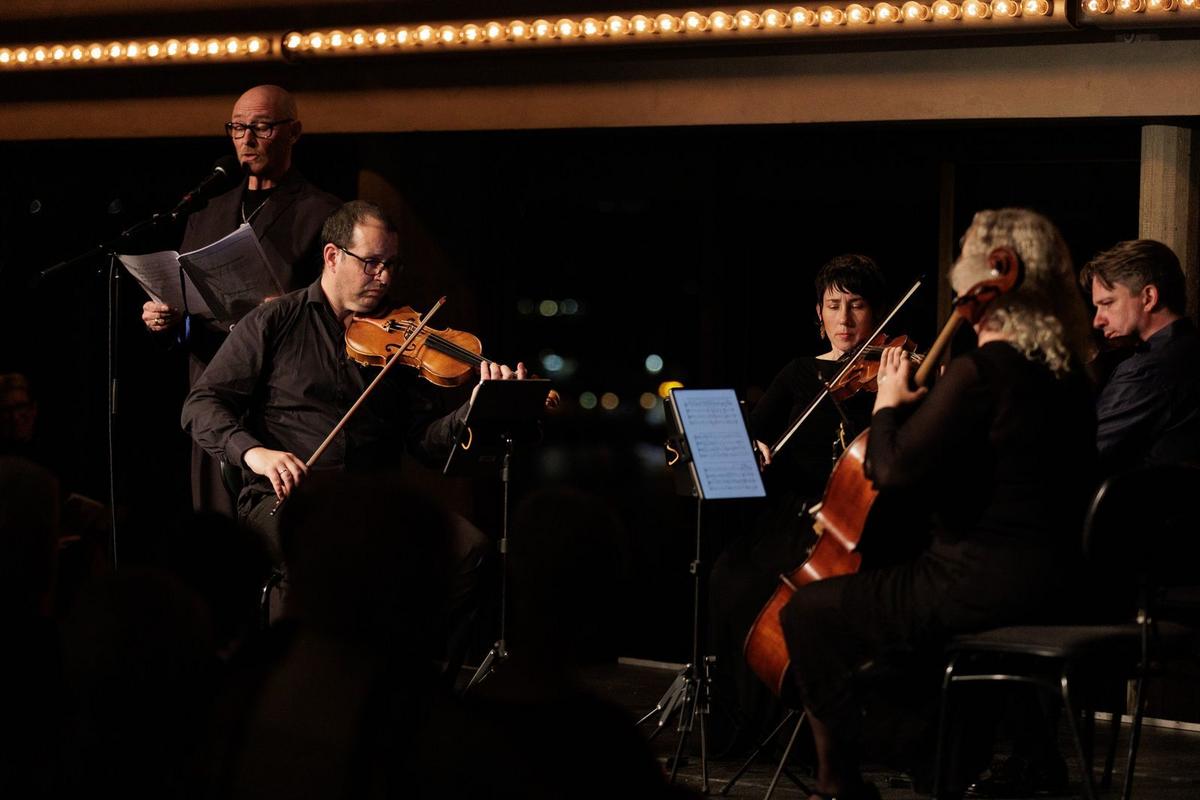
The emotional apex of the evening was Anne Cawrse’s ‘Sonam and the Silence’, commissioned by Ensemble Q for their 2026 season and written for narrator, clarinet in B♭, and string quartet. Based on a picture book set in bustling, Taliban-ruled Kabul—where music is forbidden—it tells the tender story of a young girl who discovers the enduring power of music. Cawrse’s evocative score paired with Le Brocq’s sensitive storytelling left the room in pin-drop silence, creating an overwhelming sense of shared empathy and hope.
In a similarly enchanting vein, the ensemble performed Calvin Bowman’s ‘Curly Pyjama Letters’, a work across seven movements for narrator and string quartet set to texts by the late Michael Leunig (1945–2024). Originally commissioned for the Flinders Quartet in 2011, the piece brought Leunig’s beloved, whimsical universe to life. Bowman’s score—stylistically inspired by the sound world of the Academy of Ancient Music, gargling angels, and Schubert—matched the quirky correspondence between lone voyager Vasco Pyjama and his mentor Mr. Curly of Curly Flat with immense warmth, wit, and charm.
The concert concluded with Wolfgang Amadeus Mozart’s timeless Clarinet Quintet in A major, K. 581. Paul Dean’s clarinet tone was liquid gold throughout, and the famous Larghetto movement, performed with transcendent delicacy, felt like a private lullaby played specifically for each person in the room.
What made the night truly unforgettable was this remarkable synthesis of raw virtuosity and ultimate physical closeness. Ensemble Q did not simply play music; they opened a window directly into the human spirit, demonstrating not only breathtaking technical mastery but also a rare ability to tell profound stories through sound. An unmissable event.
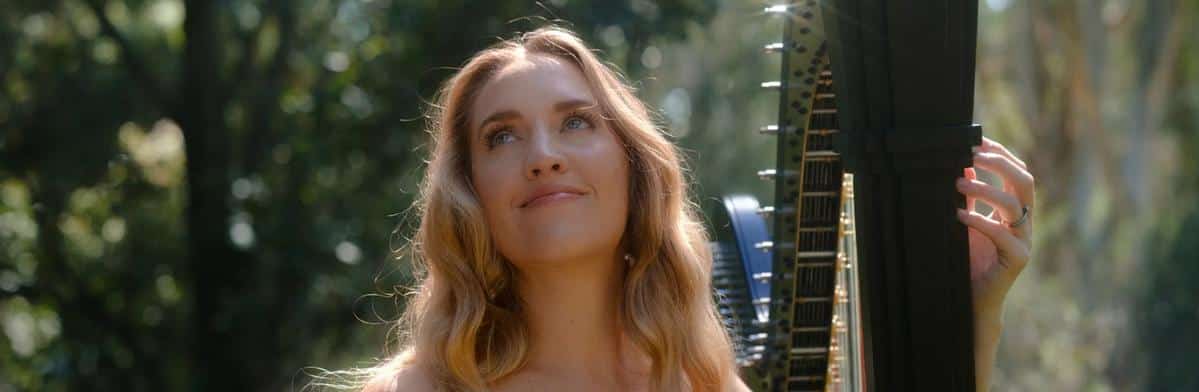
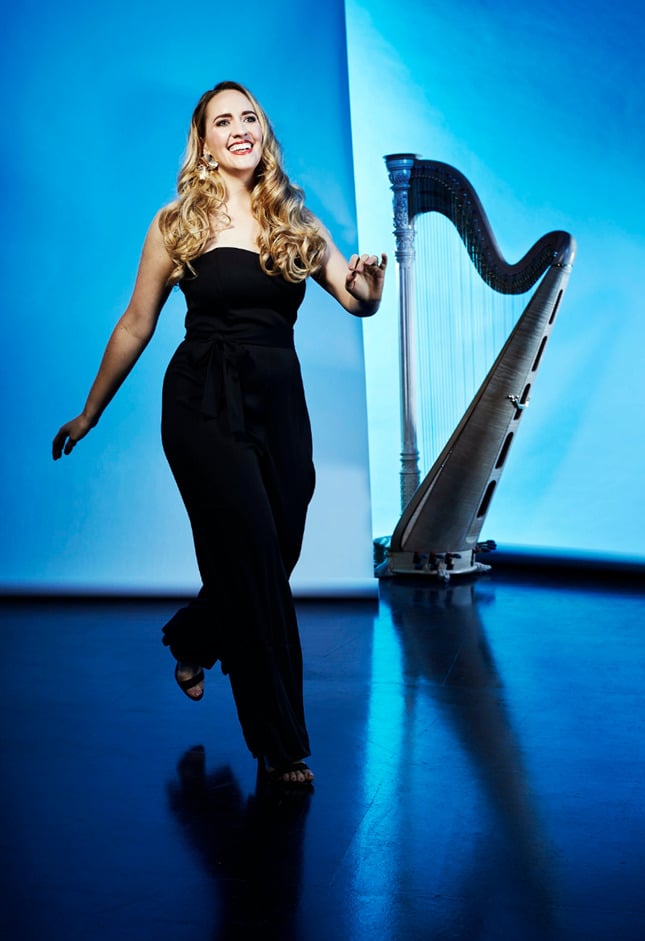
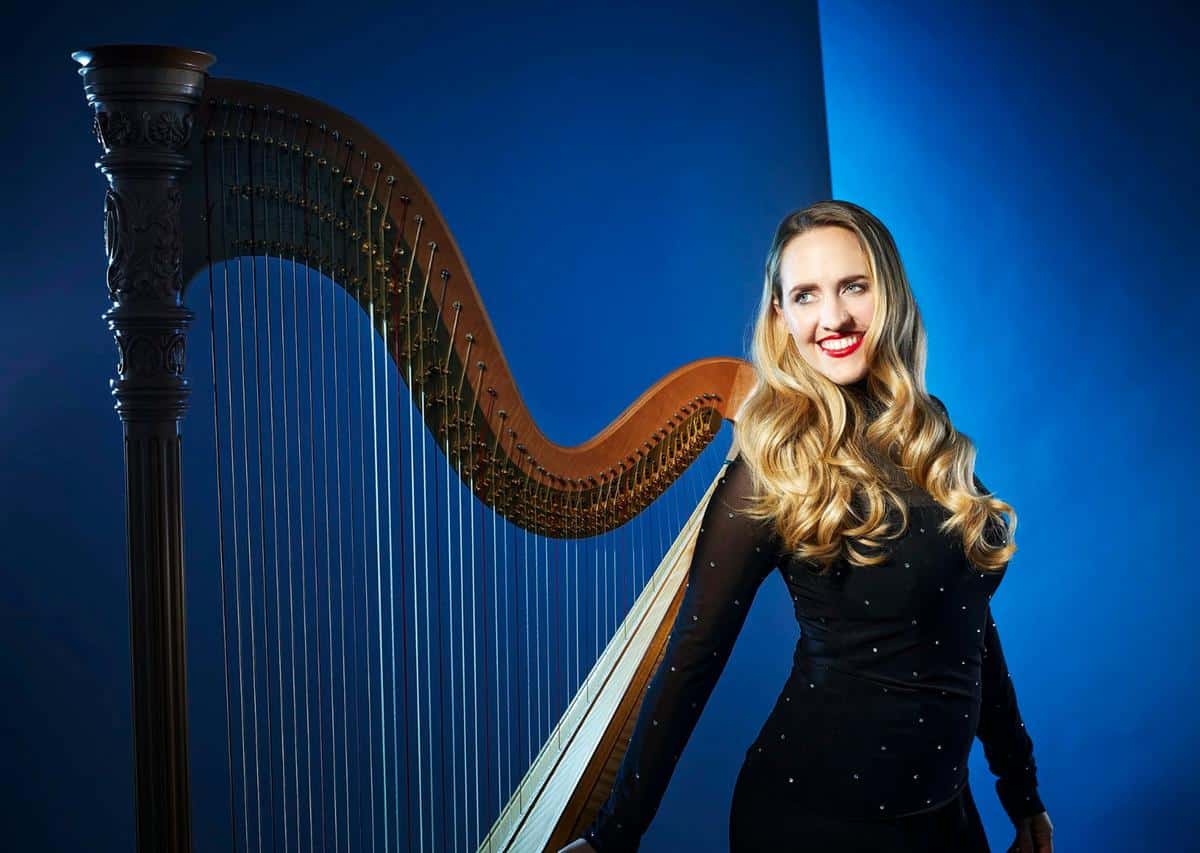
How do you describe the sheer beauty and joy of Emily Granger’s live harp performance? It’s impossible but I’ll give it a try.
There’s something otherworldly about the harp. The Lyres or Harps of Ur are the oldest surviving stringed instruments in the world. They were made of cedar, boxwood, gold, silver and lapis lazuli. Four and a half thousand years later, the classical harp that Emily borrowed for the evening is still a work of art, crafted from wood, decorated with gold.
If you close your eyes, you can picture yourself as part of tradition that has survived since ancient Mesopotamia and Egypt, evolving through the feasting halls of Ireland and Scotland’s Celtic chiefs, to the Royal palaces of France and Italy.
Nothing will ever replace the wonder and magic of being there, in the room, with a world-class musician, holding an audience enraptured.
In movies, the purity of harp music can be heartbreaking. You feel like you’re holding your breath, like the world is somehow spinning more slowly.
The delicate sounds of the harp defy words and conjure feelings and images, like a magic spell.
I found myself imaging a tiny child, wearing a princess dress and a pair of dress-up fairy wings, running barefoot through soft wet grass, gumboots in hand, after a rain spell. I wondered what everyone else in the audience was feeling or seeing in their mind’s eye.
As Emily said, “I hope with everything going on in the world, that this music makes you feel a little lighter.”
Emily’s new album, “A Thing Of Beauty,” is an absolute delight. It’s a wonderful treasure house full of new compositions, and we were blessed to have four of the composers sitting alongside us in the Sydney Opera House’s Utzon Room.
The evening’s performance sparkled with new music including “Emily’s Suite,” composed by Alice Chance, and “sanddollar,” composed by Sarah Elise Thompson. We journeyed from reminiscences of winters’ past to Californian beaches, from Christina Rossetti’s poetry to lullabies gifted to newborn babies.
Granger is a warm and natural performer, telling us little personal stories of visiting the tiny village of Karoola in Tasmania. She recited poet Hilary Burden’s four Karoola Seasons haikus; Spring, Summer, Autumn, and Winter, and played the four harp pieces they inspired, composed by Christina Sonnemann Baehr.
Granger’s versatility and talent are matched by her devotion to music. Her new album, “A Thing Of Beauty,” is full of new harp music that she has commissioned, creating incredible opportunities for contemporary composers.
As Emily told the audience, “I believe in creating a little happiness every day.”
Emily Granger’s new album, ‘A Thing Of Beauty,’ released through ABC Classic, is now available on CD and streaming. https://www.abc.net.au/listen/classic/shop/emily-granger-a-thing-of-beauty/106866470
You can find Emily Granger online at: https://emilygranger.com/