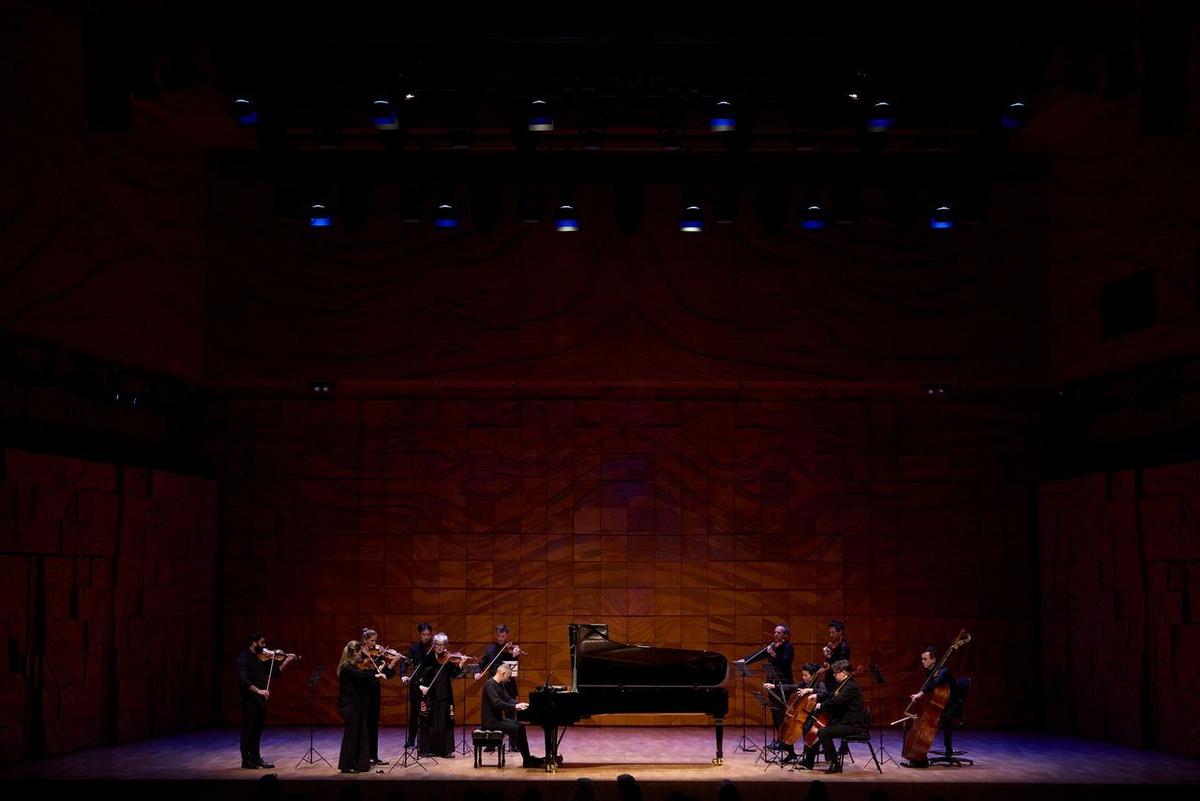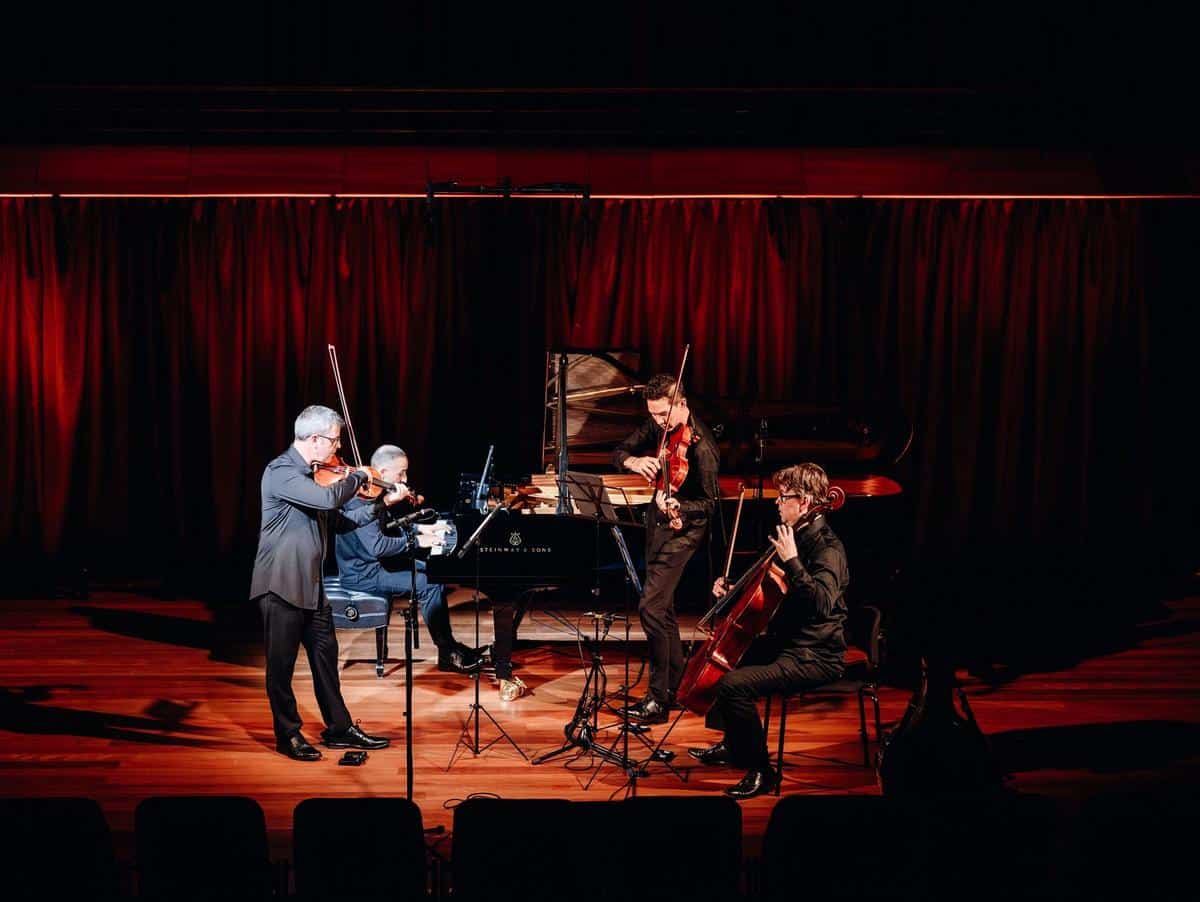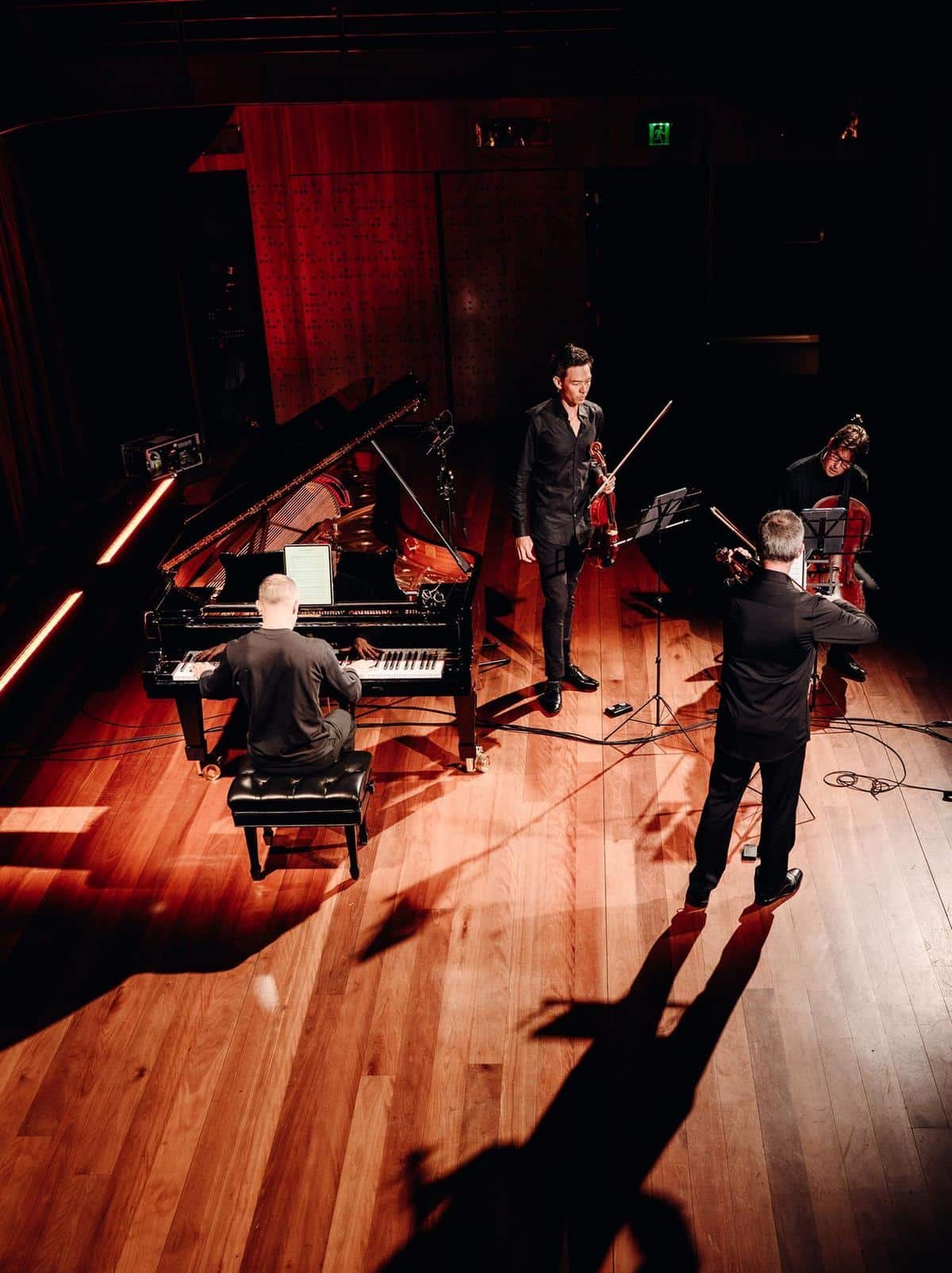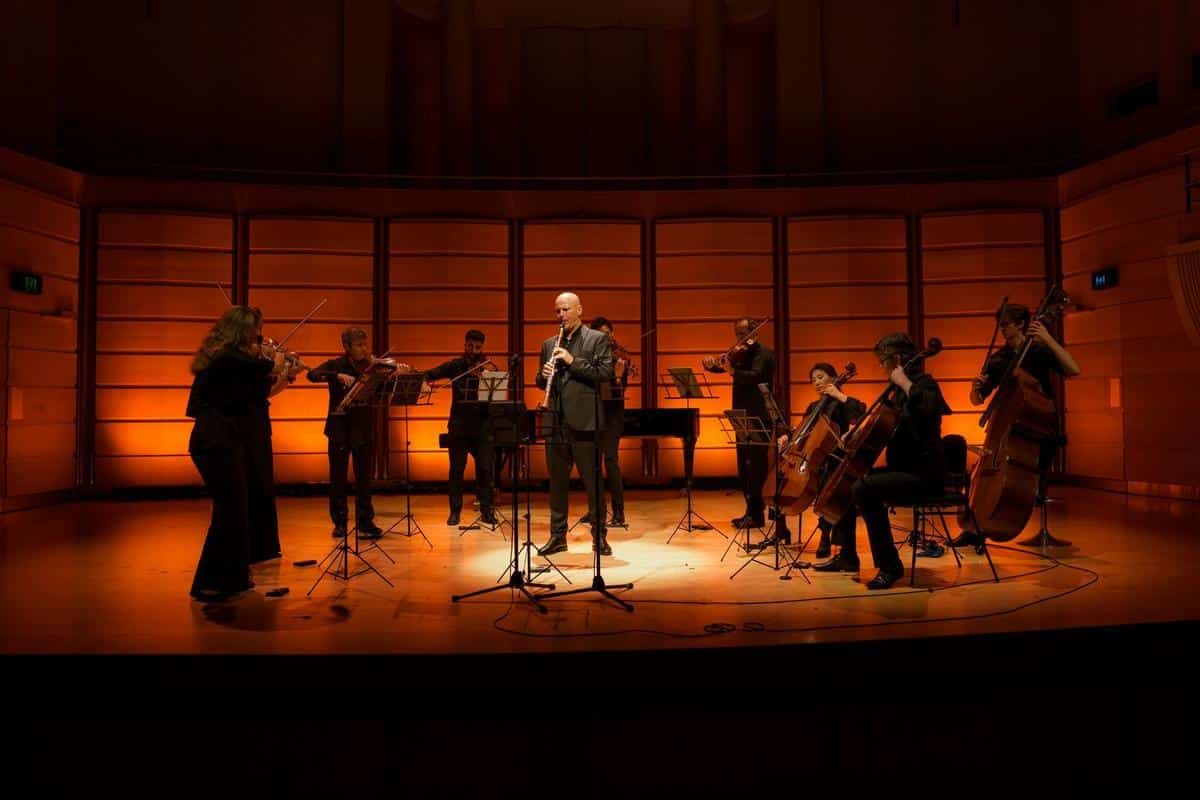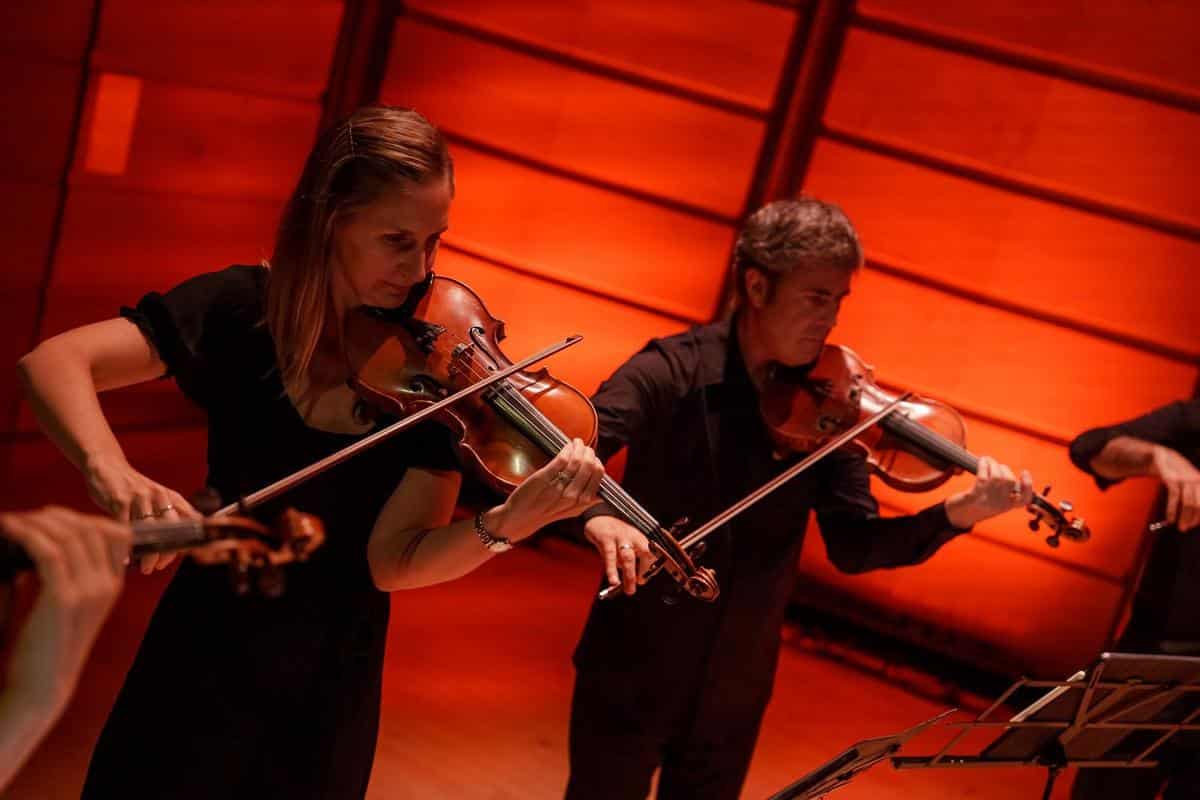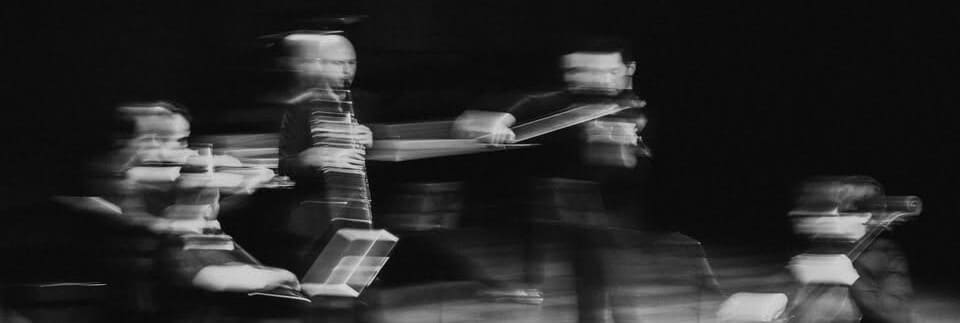
Omega Ensemble’s NEW NOW 2026 at The Neilson, further enhanced that reputation. The Neilson is a start-of-the-art performance space, nestled into the Walsh Bay Arts Precinct. Drinks in the foyer with the Sydney Harbour, in full view, make it a stunning experience. There’s something magical about having composers ‘alive’ and onstage, introducing their works and mingling with patrons. Yes, we will always yearn for the Mozarts and the Mendelssohns, but contemporary music ensures that the arts will continue to thrive. New composers must have forums to showcase their work.
The program opens with Robert McIntyre’s Solastalgia. Robert introduces his work by acknowledging Australian Environmental Philosopher, Glenn Albrecht. Solastalgia symbolises feeling a sense of homesickness whilst still being at home. Musically, the work is in two parts, Nostalgia and Solastalgia. Both parts have poetic qualities, via collaboration with Savanna Wegman. Nostalgia has an eerie beginning and then builds, ‘as steady arms of wind brush open’. Our environment is under threat, we mystically reflect. Solastalgia evokes a sense of urgency, ‘stretch the wingspan as spiralised skies hide in sandcastles’. McIntyre wants us to awaken our senses and connect with the world around us. Omega Ensemble beautifully captures the atmospherics of the music.
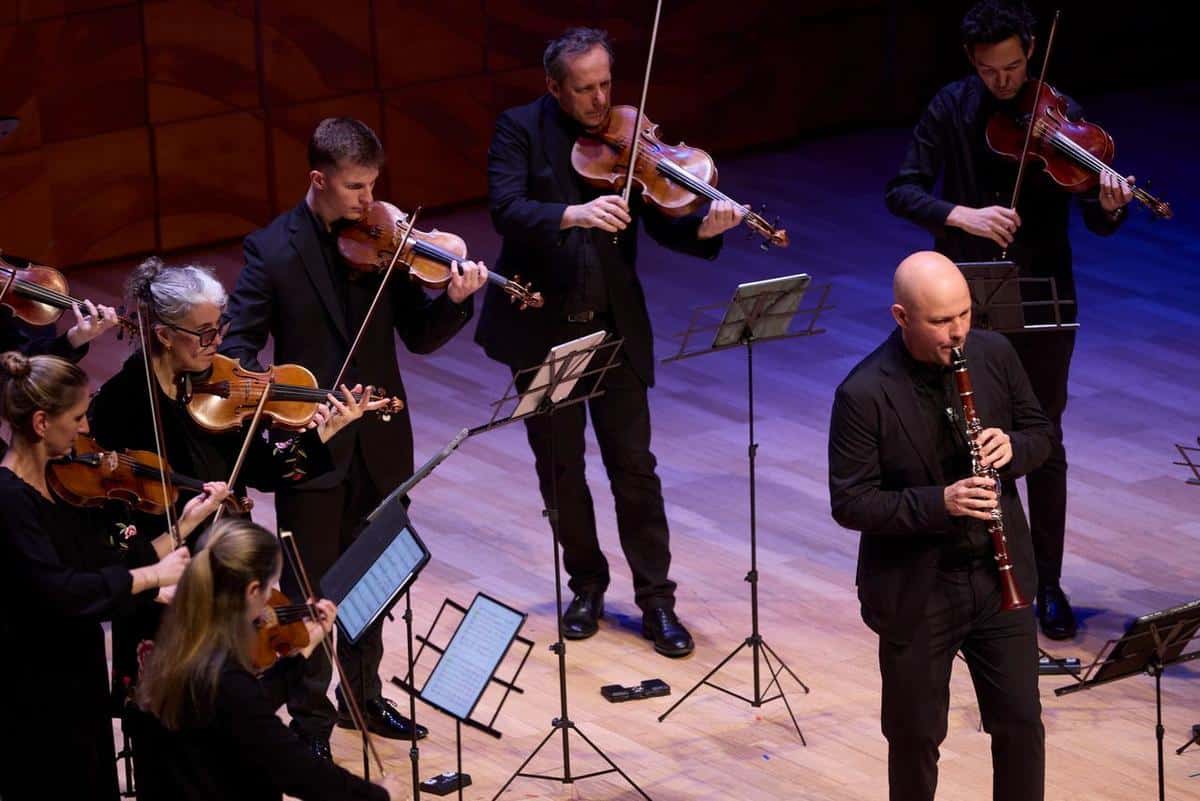
The second work, ‘a map to nowhere’, is by Jessie Leov. Jessie spoke about being inspired, after going for a walk in the forest with best friend Avalon and her toddler. Leov pondered the impact of the forest, with all it’s whimsical qualities, on a toddler’s senses. There’s a real playfulness to the tonality of the piece, capturing a toddler’s perceptions of a seemingly surreal world. A map to nowhere explores the concept of journey and where that journey might lead. It flows beautifully from Solastalgia. David Rowden on clarinet, truly excels in this piece.
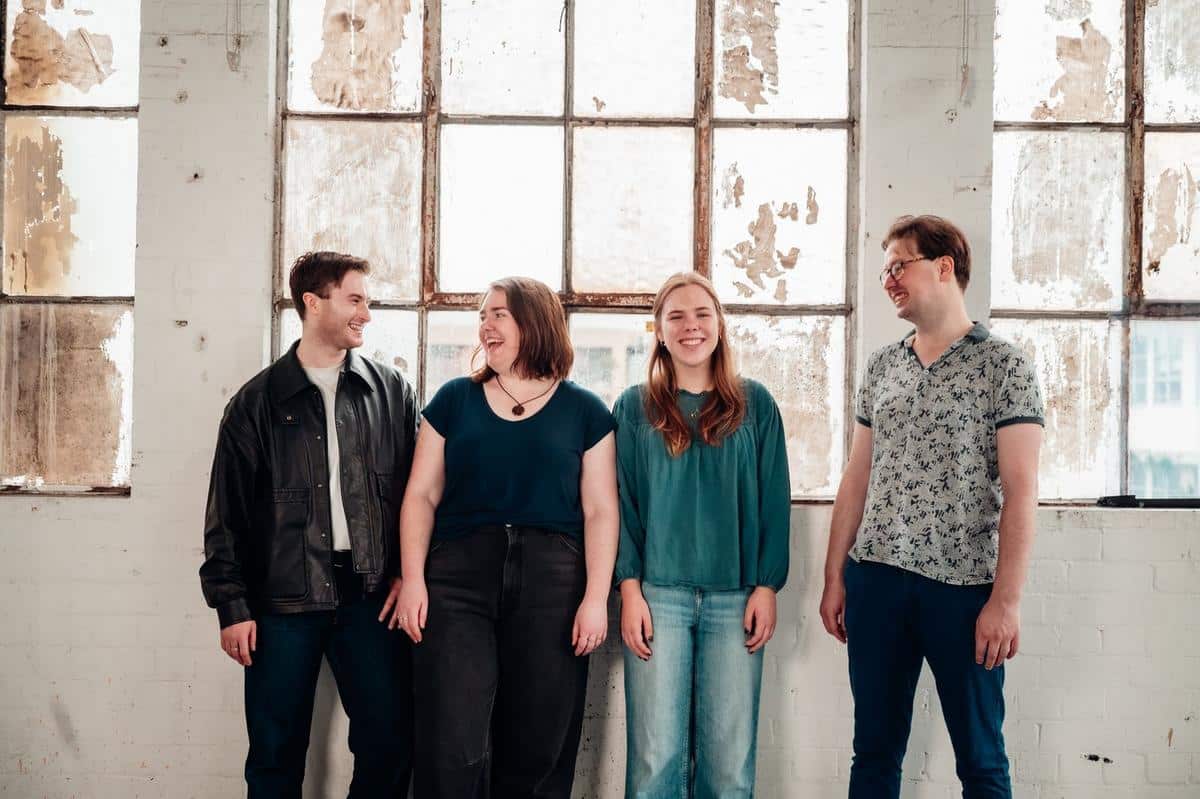
The third work, The Cicerone Suite by Thomas Misson, is in four parts, Hefeweizen, Belgian-Style Blond, Dry Irish Stout, West Coast IPA. Yes, it’s a cheeky reference to beer styles and how there’s a correlation between the bitterness of beer and contemporary music. As the titles suggest, there’s a sense of fun and beguiling bewilderment. The reference to beer is an obvious attempt to breakdown an elitism that encapsulates classical music. Mark Ingwersen (Violin), Neil Thompson (in my opinion, the most impressive Violist in Australia) and Paul Stender (Cello) ensure these pieces soar.
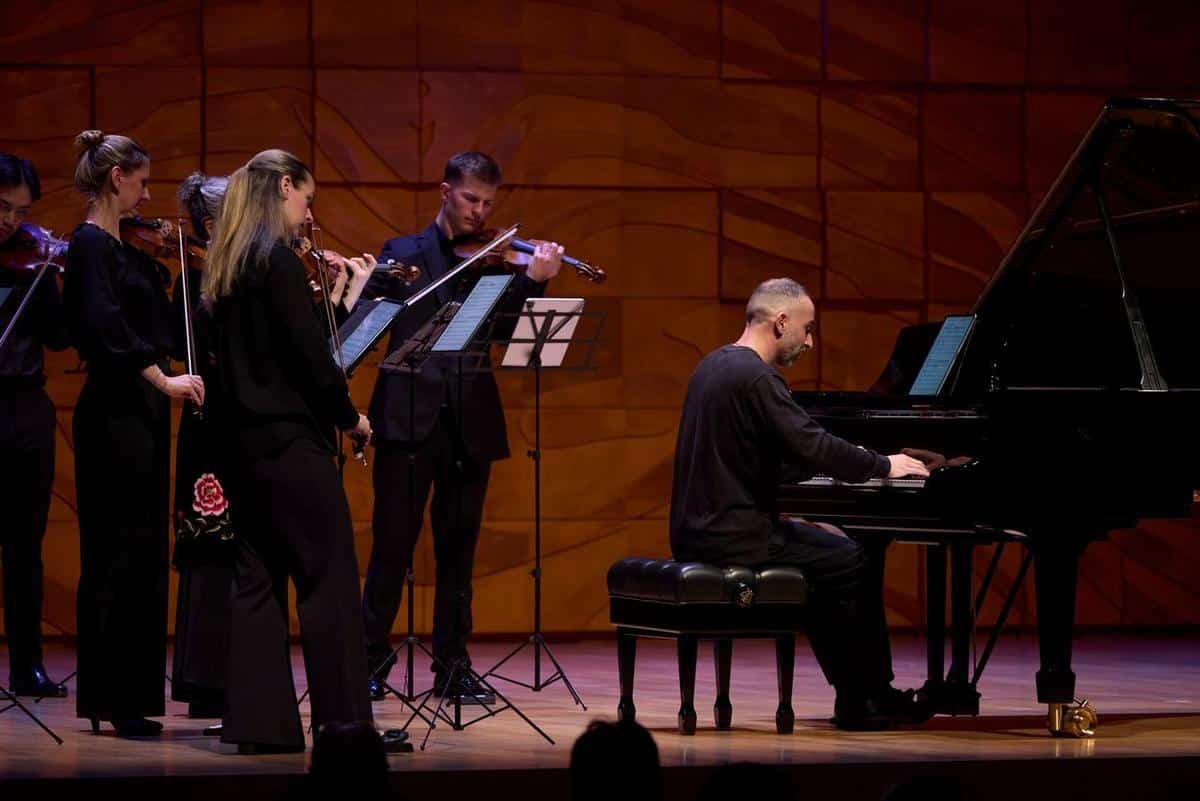
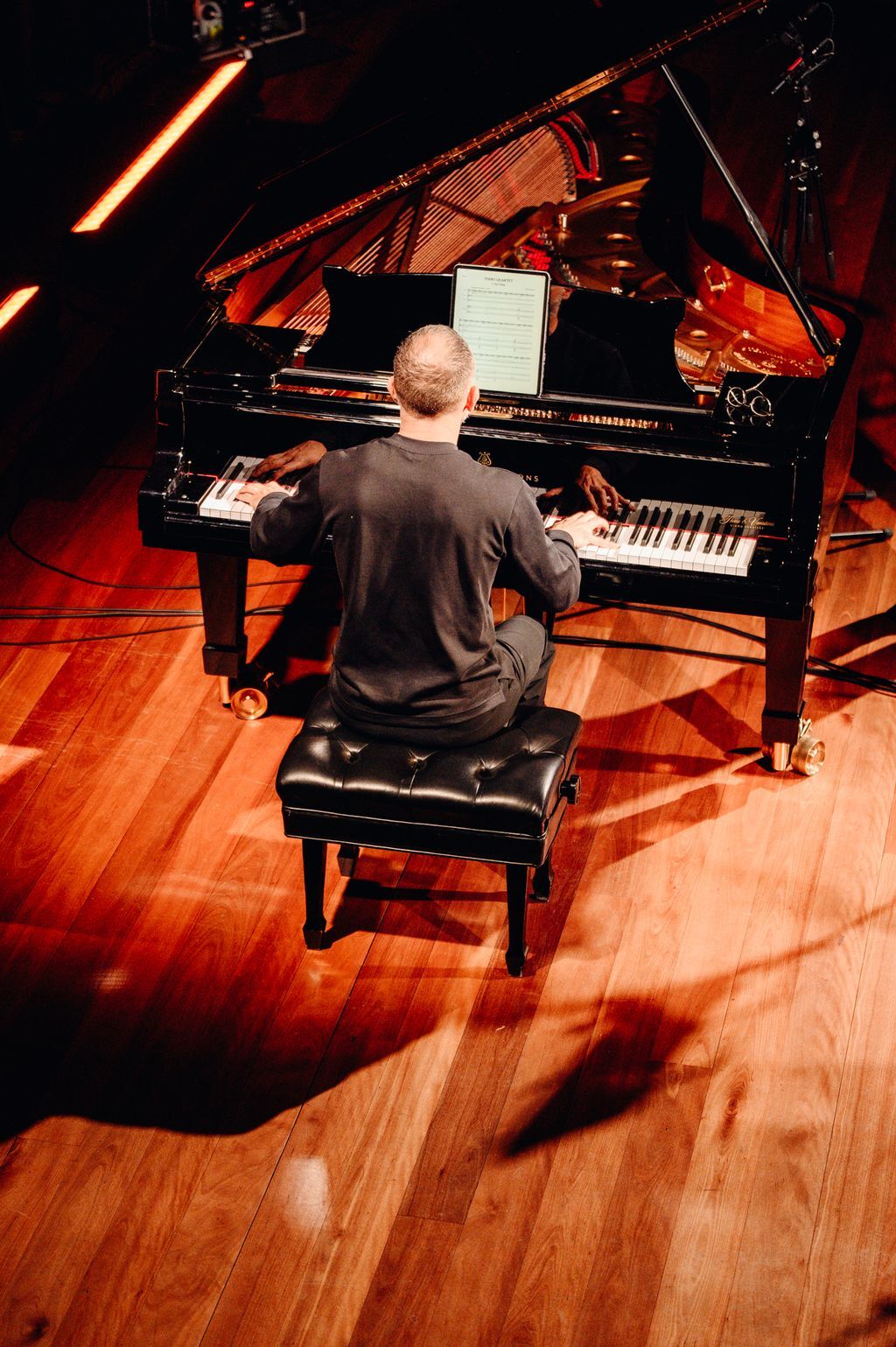
Beth Roche’s The Lambton Worm, spectacularly rounds out the NEW NOW 2026 program. The Lambton Worm is a fourteen century legend from County Durham in North-East London, that details a battle between John Lambton and a giant worm (archaic term for dragon). John wins the battle, but the victory is a pyrrhic one, as a nine-generation curse is bestowed on his family. This work has a fable-like quality to it. It’s crushing crescendo beautifully closes the evening. Pianist, Vatche Jambazian, expertly delivers. The audience is on the edge of their seats with his assured dexterity. The Lambton Worm has potential to be a full-blown opera. Speaking to Roche in the foyer afterwards, she told me that the thirteen minute work took months and months to compose. The passion to the project, clearly evident.
The Omega Ensemble prove that they are a world-class company. The Neilson is an intimate space which is perfect for Omega Ensemble, because their performances always connect with the audience.