Bunyip Barons

Bunyip Barons

Bunyip Barons Rating

Click if you liked this article

18

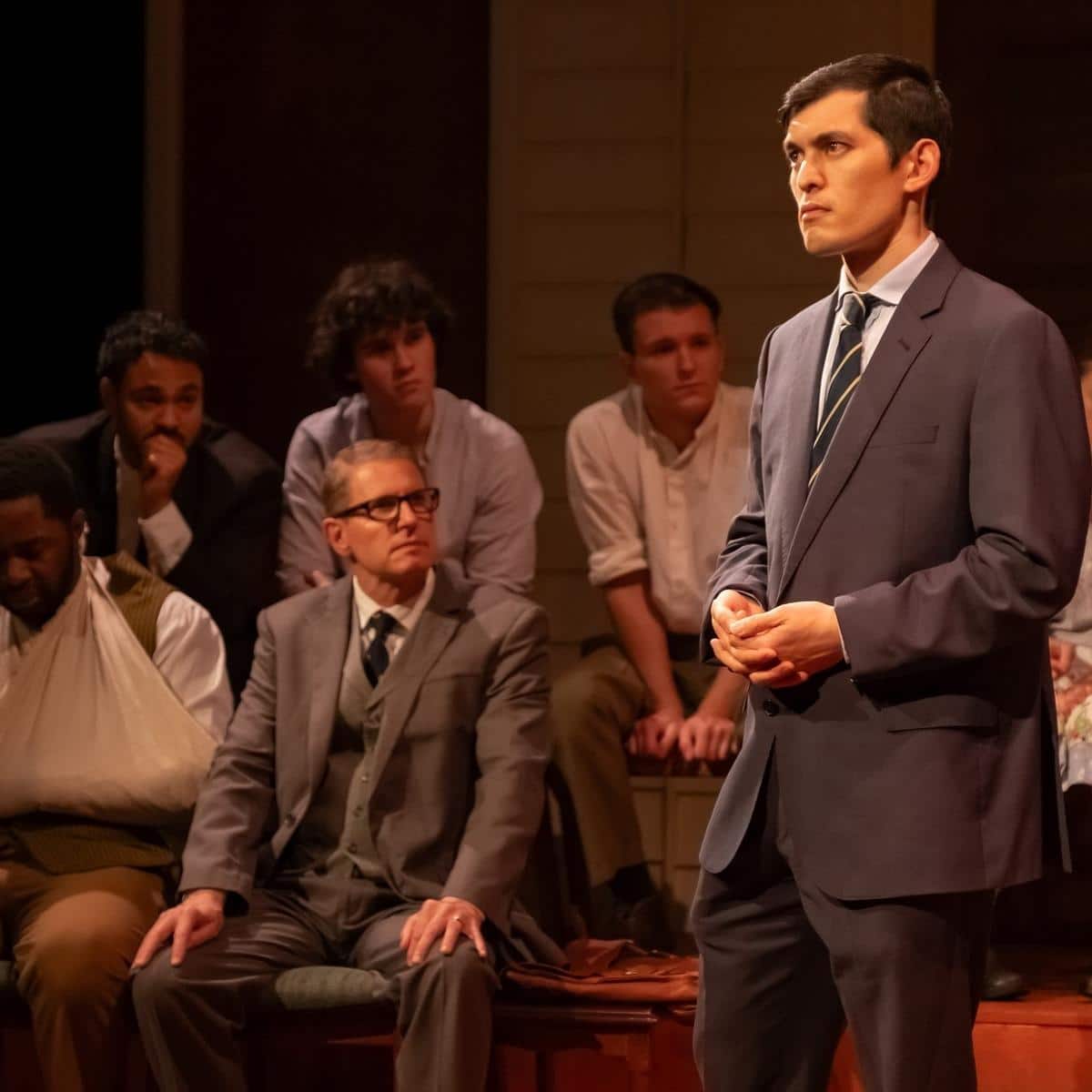
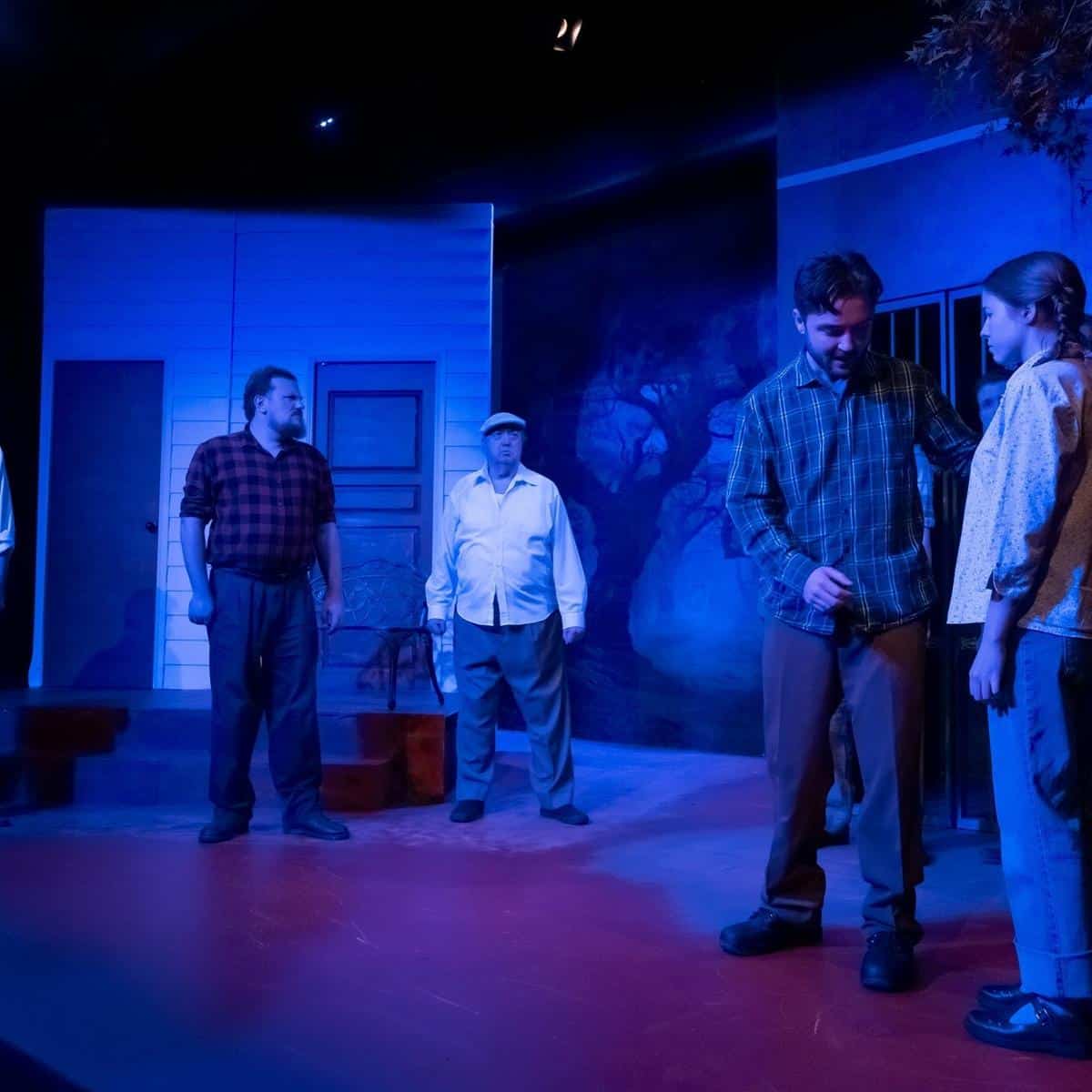
Bunyip Barons, the first-ever original play from Upstage Productions, is a striking and evocative addition to Australia’s theatrical landscape. Set in Sydney in 1839, the play takes inspiration from the writings and illustrations of Louisa Anne Meredith, reimagining her early days in the colony as both observer and unwitting participant in a web of deceit, privilege, and moral decay. What begins as an artist’s gentle curiosity about life in the colony, quickly unravels into a haunting revelation of the darker truths underpinning colonial society.

The production transports audiences to the fictional Coy family’s grand estate, Evergreen House, in Elizabeth Bay — a glittering symbol of refinement and prosperity. The set design is nothing short of exquisite, conjuring the elegance of a colonial drawing rooms while allowing the ever-present bush to loom at its edges, a constant reminder of the untamed and the unknown. The juxtaposition of civilisation and wilderness is beautifully rendered, culminating in the unsettling presence of the Bunyip — a creature of fable that here becomes a potent metaphor for guilt, fear, and the shadows of the empire.


Just as the Bunyip of legend lures the unsuspecting into murky waters, the Coy family — the so-called “Bunyip Barons” — draw Louisa into their world of opulence and apparent generosity. Yet beneath their polished manners and glittering soirées lies a secret as chilling as it is cruel. Through an encounter with an escaped convict, Louisa uncovers the truth: the Coy family’s prosperity rests upon the brutal exploitation of their convict servants. These men and women, forced into endless servitude within the mansion’s walls, are kept from freedom through falsified records, extended sentences, and coercion. The revelation transforms the story from polite social observation into a powerful indictment of hypocrisy and greed, with Louisa forced to confront her own complicity in a society built on injustice.

Writer-director Timothy Smith’s script is rich with historical resonance yet never weighed down by it. His deft blend of realism and myth creates a compelling moral fable that probes at the fine line between power and corruption, civility and cruelty.

The performances are uniformly strong. John Brown imbues the Coy family’s butler with quiet dignity and a deep, unspoken sorrow, while Bernadette Hunter’s portrayal of the maid is spirited and heartfelt, her warmth cutting through the play’s darker tones. Their shared scenes offer the play’s emotional core, and the final revelations of their own “crimes” lend the production a moving sense of injustice and endurance.

By its conclusion, Bunyip Barons leaves the audience confronting an uncomfortable truth — that the myths we tell, like the Bunyip’s shadow in the reeds, often conceal the real monsters among us. This is a mature, meticulously realised piece of theatre: visually arresting, intellectually engaging, and emotionally resonant.

To book tickets to Bunyip Barons, please visit https://upstageproductionssydney.my.canva.site/.

Photographer: Clare T Photography

Spread the word on your favourite platform!

Cloud

Cloud

Cloud Rating

Click if you liked this article

2

Premiering out of competition at the 2024 Venice International Film Festival, Cloud is a slow-burning psychological thriller that peels back the digital veneer of modern ambition and exposes the hollow desperation that simmers underneath. Directed with icy precision and a haunting visual stillness, this unsettling Japanese film follows Yoshii, an online reseller whose brush with success begins a descent into paranoia, deception, and vengeance.

Yoshii, scraping by reselling goods on the internet, stumbles upon a too-good-to-be-true deal—a medical machine bought for next to nothing and resold at a massive profit. High on this first big taste of victory, he quits his job, distances himself from his one close friend (also in the reseller game, but far less lucky), and relocates to a quiet lakefront house in the countryside with his girlfriend, setting up shop in near isolation. He hires a seemingly naive local villager as his assistant—but from the outset, nothing in Cloud is what it seems.

With its brooding and sparse score and long, languid shots, the film establishes a pervasive sense of unease. Yoshii is visibly on edge, hiding behind a pseudonym online, self proclaiming to be unsure if what he’s selling is even legitimate. The rural calm quickly gives way to dread: an object hurled through his window in the dead of night, a police investigation into counterfeit sales, and whispers of betrayal ripple through the tension-soaked air.


As the walls close in, Cloud deftly shifts between psychological suspense and social commentary. The internet, a tool for connection and entrepreneurship, becomes instead a breeding ground for fraud, resentment, and faceless revenge. Reviewers accuse Yoshii of being a crook, and dark forces gather—literally. An online mob forms, headed by none other than his estranged old friend, each member with a personal vendetta.

The film’s third act spirals into violent chaos. Yoshii, blind to the consequences of his opportunism, is eventually kidnapped and nearly executed in a live-streamed act of vengeance—only to be saved by his assistant, revealed to have a shadowy past in organized crime. The girlfriend, the assistant, the friend—each character has been complicit in a shared unraveling, a reckoning born not just of greed, but of modern alienation and rage.

Director, Kiyoshi Kurosawa, doesn’t offer clean moral judgments, nor easy redemption. Instead, Cloud paints a murky portrait of a world where ambition overrides empathy, and where digital anonymity can turn ordinary people into victims—or monsters. What starts as a tale of a hustle ends as a chilling parable about the cost of chasing success in an economy built on illusion.

To book tickets to Cloud, please visit https://japanesefilmfestival.net/film/cloud/.

Spread the word on your favourite platform!

The Edit

The Edit

The Edit Rating

Click if you liked this article

5

How far would you go to achieve your ultimate goal? Would you lie? Cheat? Manipulate? Abuse?

In ‘The Edit’, a stellar new play by Gabrielle Scawthorn, these questions take center stage—and refuse to let go. Drawing from her own experiences as a teenage reality TV contestant, along with extensive interviews with past participants and producers, Scawthorn has crafted a gripping, 90-minute dive into the constructed chaos of reality television. The result is a sharply observed, emotionally charged two-hander that leaves its audience both breathless and deeply unsettled.

At the heart of the story is Nia, a fresh-faced contestant on the dating reality show ‘Match and Snatch’, played with heartbreaking nuance by Iolanthe. Entering the world of fame-hungry hopefuls in search of love, Nia quickly finds herself under the guidance—and control—of Jess, the show’s cunning producer, portrayed with chilling precision by Matilda Ridgeway.

Jess sees more than just a contestant in Nia; she sees an opportunity. If she can engineer Nia’s victory, it could be her ticket to a coveted Executive Producer role. What follows is a masterclass in manipulation. Jess positions herself as mentor, confidante, even surrogate big sister. But as the pair become increasingly entangled, the cost of “winning” starts to become devastatingly clear.


Scawthorn’s script is razor-sharp and unflinching, laying bare the industry’s underbelly—where edits shape reality, consent becomes murky, and ethics are easily sacrificed for spectacle. The pacing never falters, with each scene escalating in tension until a breaking point is reached: an unforgivable act that shatters the fragile trust between Jess and Nia. What unfolds is not just a takedown of reality TV, but a haunting exploration of ambition, trauma, and complicity.

The performances are exceptional. Iolanthe captures Nia’s transformation from wide-eyed hopeful to hollowed-out winner with heartbreaking clarity, while Ridgeway’s Jess is terrifyingly believable—a woman whose own battles with mental health and eating disorder are buried beneath a facade of control and charisma. Together, the pair deliver a powerhouse performance that earns every second of the final ovation.

‘The Edit’ is not just a play—it’s a challenge to its audience. It asks: where is your line, and under the right pressure, could it shift? It’s a provocative, unforgettable work that forces us to question not only what we watch, but what we’re willing to do—and accept—for success.

To book tickets to The Edit, please visit https://belvoir.com.au/productions/the-edit/.

Photographer: Robert Catto

Spread the word on your favourite platform!

The Art of Violin

The Art of Violin

The Art of Violin Rating

Click if you liked this article

2

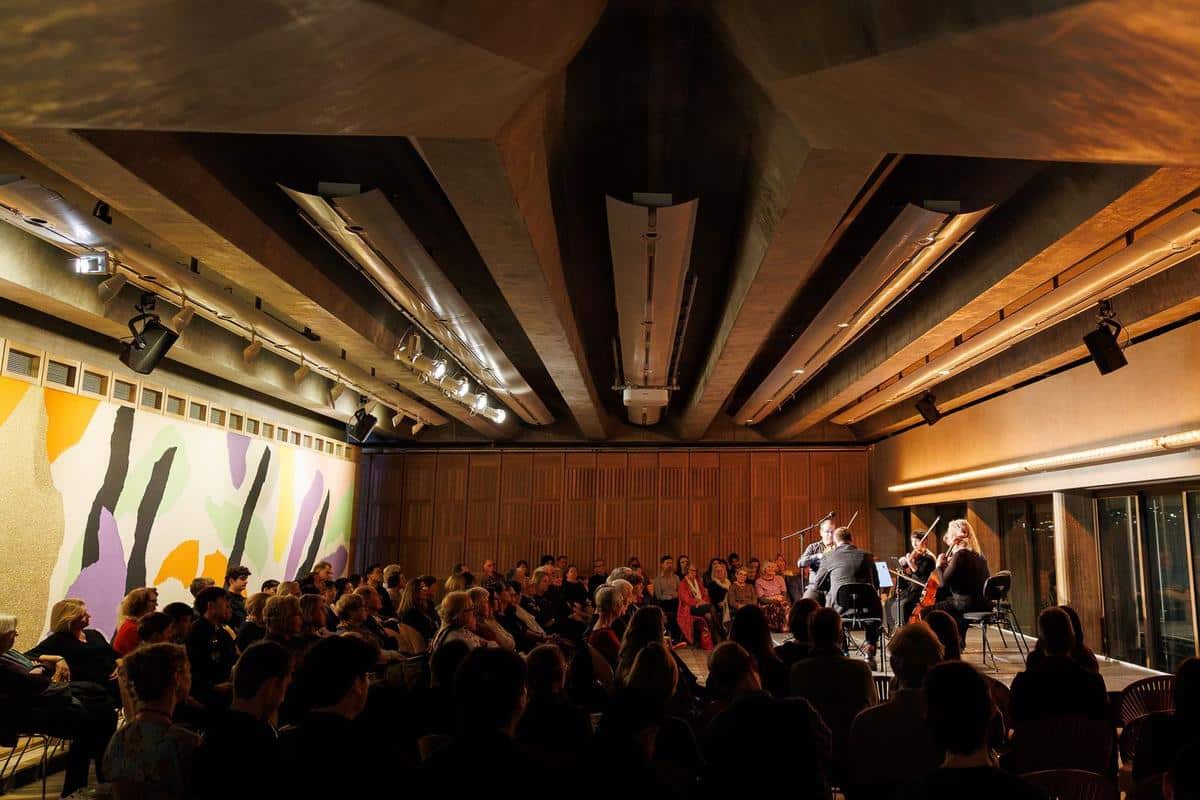
The Sydney Opera House is always a breathtaking setting for live performance, but tonight’s concert in the intimate Utzon Room was something truly special. Making their debut in this iconic venue, Bach Akademie Australia delivered a spellbinding program that not only showcased the ensemble’s exceptional musicianship but also celebrated the rich legacy of the violin concerto.

Close your eyes, and you could almost believe you’d been swept back to the golden age of the violin. Picture yourself in late 17th-century Italy: candlelit salons, the gentle hum of anticipation, and the first brilliant notes of a new form capturing the public’s imagination—the violin concerto. With master luthiers like Stradivari perfecting the instrument’s design, and composers elevating it to virtuosic heights, the violin became the soul of the Baroque era. It sang with fire and finesse, captivating audiences and rivalling even the grandeur of opera in popularity.

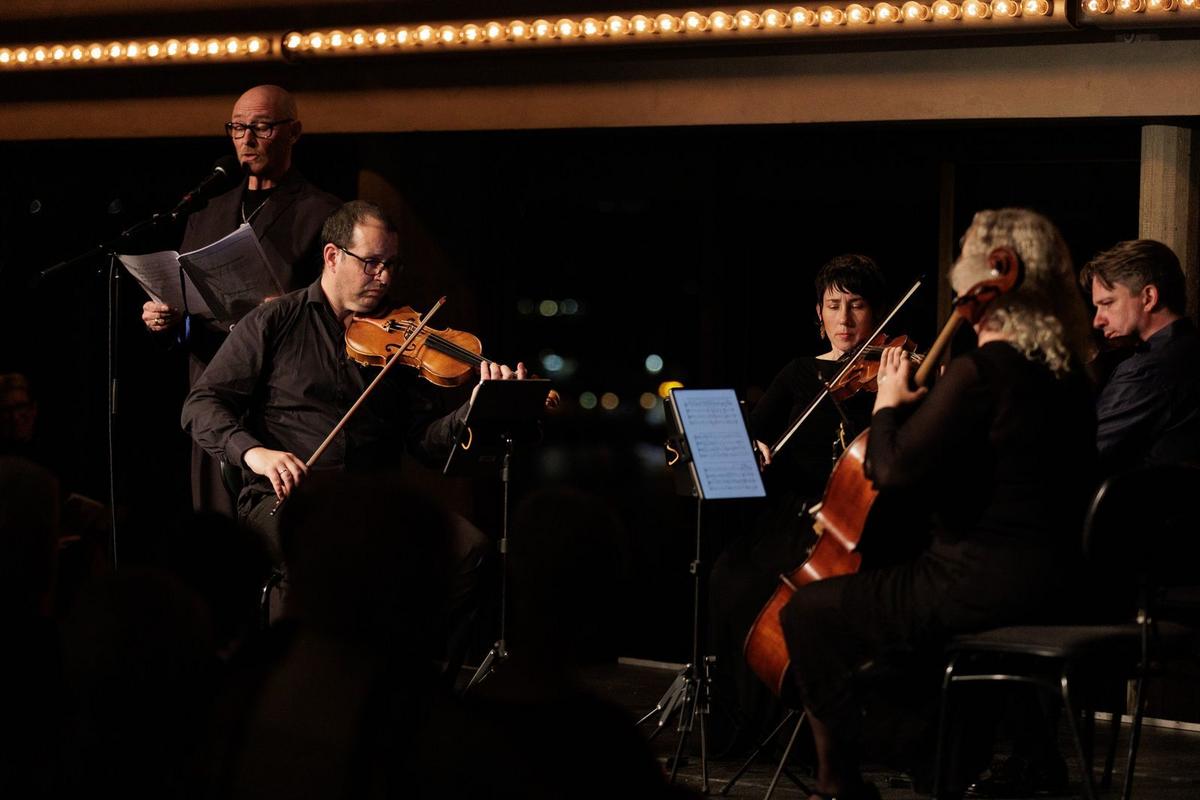
Tonight, under the inspired direction of Artistic Director Madeleine Easton, that golden age was vividly reborn with clarity and passion by Bach Akademie Australia under the artistic direction of Madeleine Easton. Her insightful commentary guided the audience through the historical and musical evolution of the violin, framing each work with warmth and erudition. What followed was a program of extraordinary variety and cohesion, featuring works by Vivaldi, Leclair, Handel, Telemann, and Bach.


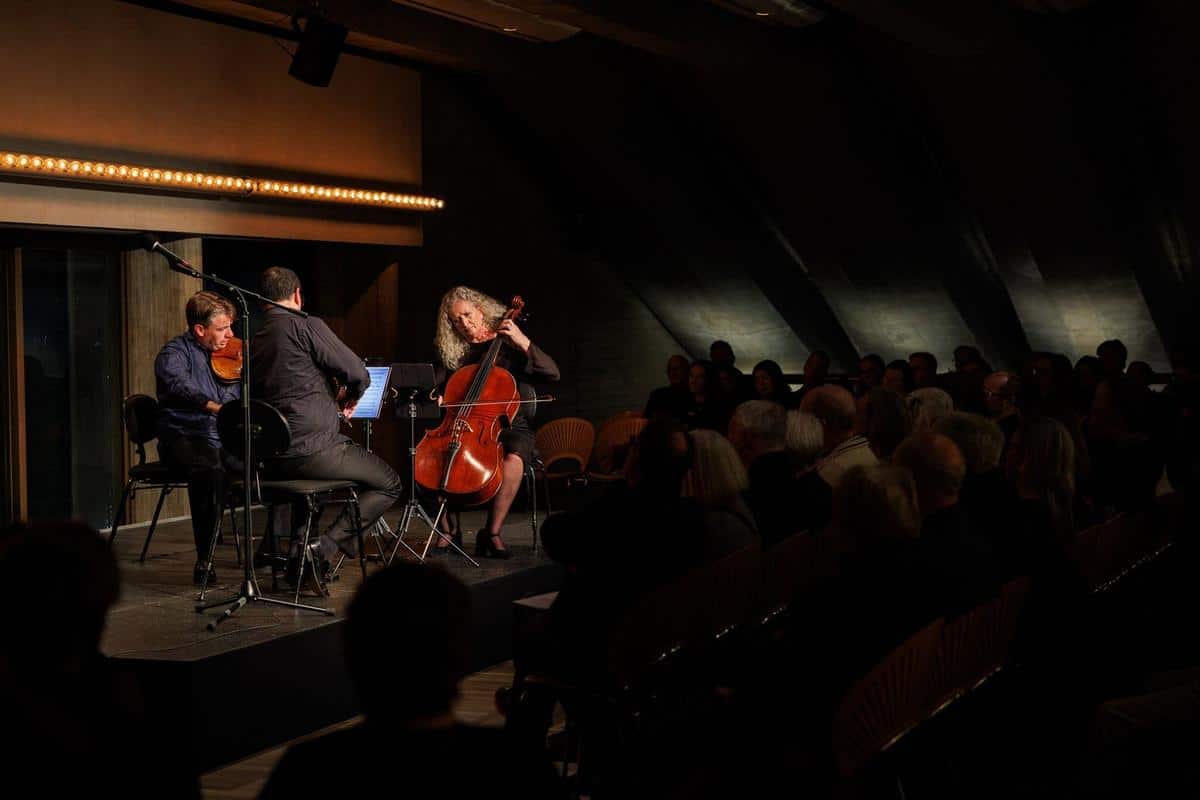
The ensemble performed with remarkable finesse and stylistic authenticity. The blend of violin, viola, cello, double bass, theorbo, and harpsichord created a rich and resonant Baroque sound world that felt both timeless and immediate. Each piece was delivered with a sense of joy and reverence, perfectly suited to the acoustics and intimacy of the Utzon Room.

Three violin soloists took turns at centre stage, each offering a unique voice. Rafael Font’s interpretation of Leclair’s Violin Concerto in D minor, Op. 7 No. 1 was luminous—technically agile and emotionally captivating, while Simone Slattery brought a poetic intensity to Telemann’s Violin Concerto in A minor, TWV 51:a1, illuminating its lyrical elegance and rhythmic drive.

As evening fell over Sydney Harbour, the music seemed to shimmer in response. Bach Akademie Australia did more than perform—they conjured a world, an era, and a spirit. The Art of Violin was not only a triumph of musicianship but a moving tribute to the enduring beauty of the instrument.

To book tickets to The Art of Violin, please visit https://www.bachakademieaustralia.com.au/events/the-art-of-violin-concert-1.

Spread the word on your favourite platform!