Duruflé’s Requiem And Poulenc’s Gloria

Duruflé's Requiem And Poulenc's Gloria

Duruflé’s Requiem And Poulenc’s Gloria Rating

Click if you liked this article

27

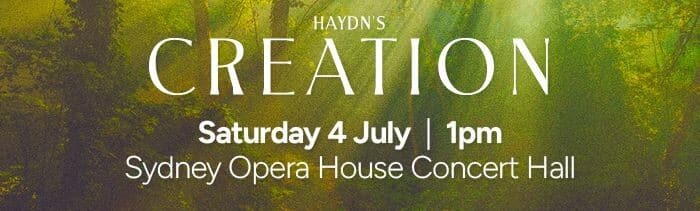
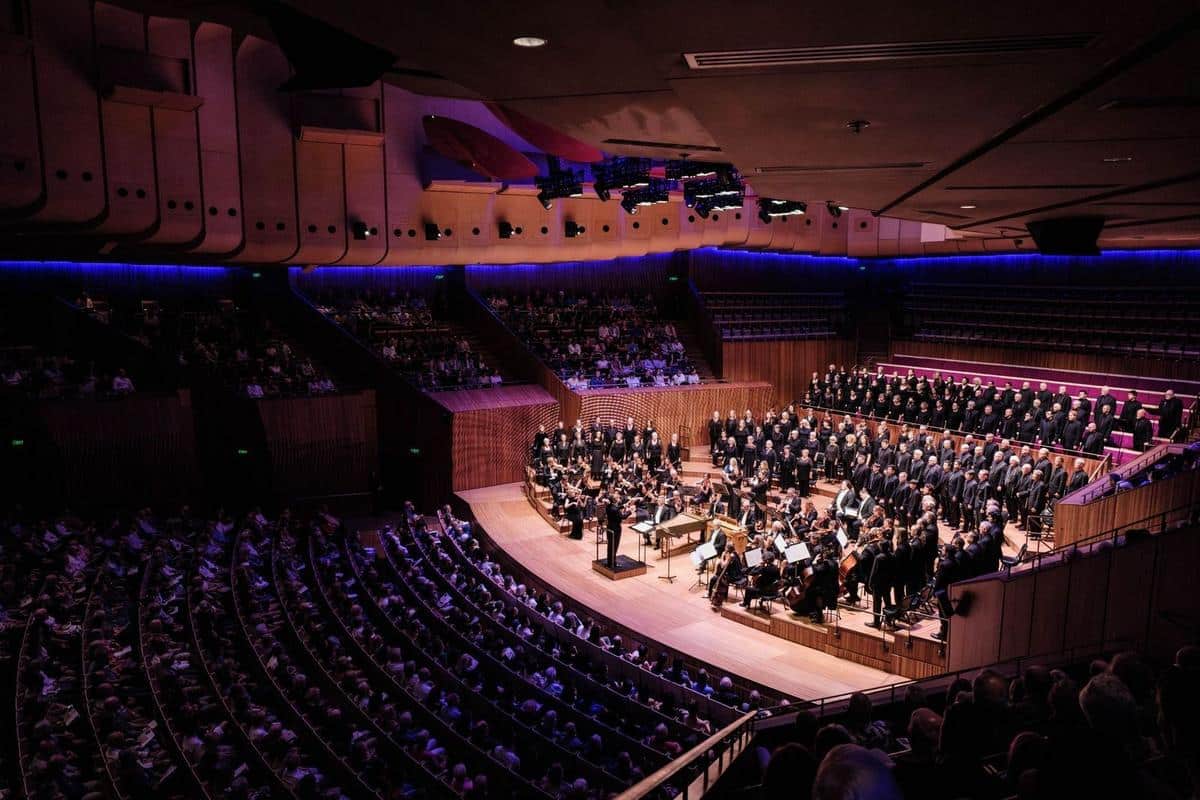
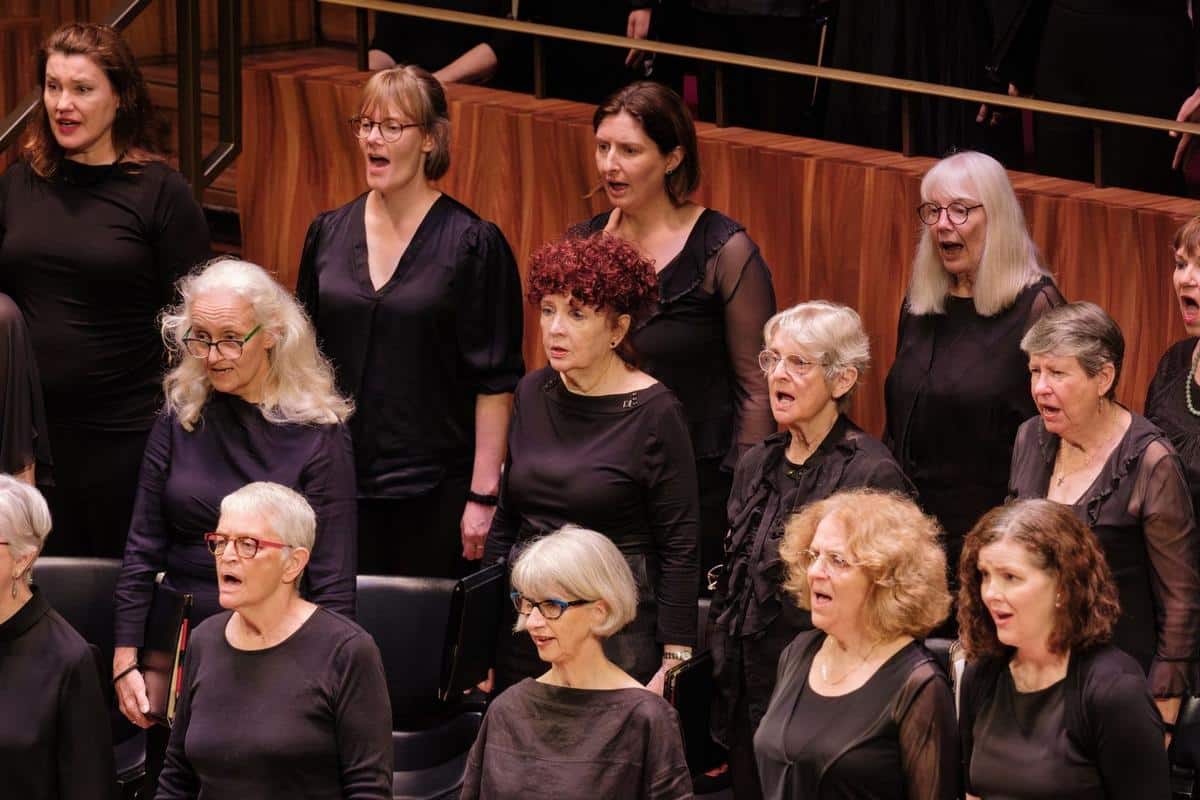
Today, on a glorious Saturday, the audience at the Sydney Opera House was treated to a magnificent concert featuring Maurice Duruflé’s ‘Requiem’ — first performed in Paris in 1947 — alongside Francis Poulenc’s ‘Gloria’. Representing a bridge across time, the concert offered extraordinary choral performances filled with beauty, spirituality, and emotional depth.

Completing the program was the world premiere of ‘Time’s Fell Hand’ by Carl Vine choral piece, which injected a distinctly Australian flavour into the French compositions of Duruflé and Poulenc. Together, the works took the audience on a remarkable journey of colour and harmony, calm reflection, and contemplation.

We were dazzled by the unexpectedly large choir — close to 500 performers — whose extraordinary vocal blend created an astonishing combination of tones and textures. The sheer scale of the ensemble was breathtaking, yet its sound remained balanced, nuanced, and deeply moving.

The opening carried an elegant stillness, overlaid with worshipful and spiritual sounds. It evoked a beautiful mix of church-like hymns and reverent chants, immediately creating an atmosphere of reflection. Duruflé’s Requiem, supported by orchestral textures within the sound design, felt both intimate and expansive. The entry of the Opera House organ added further depth, creating a rich soundscape of extraordinary resonance.


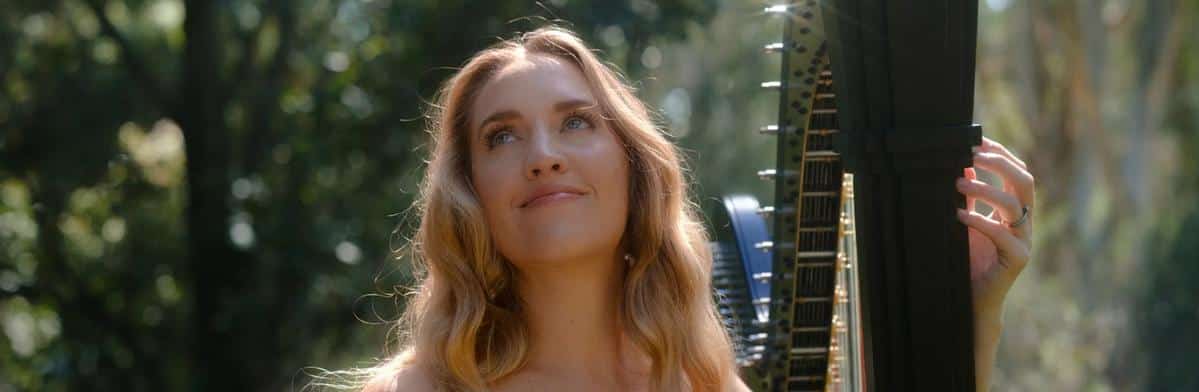
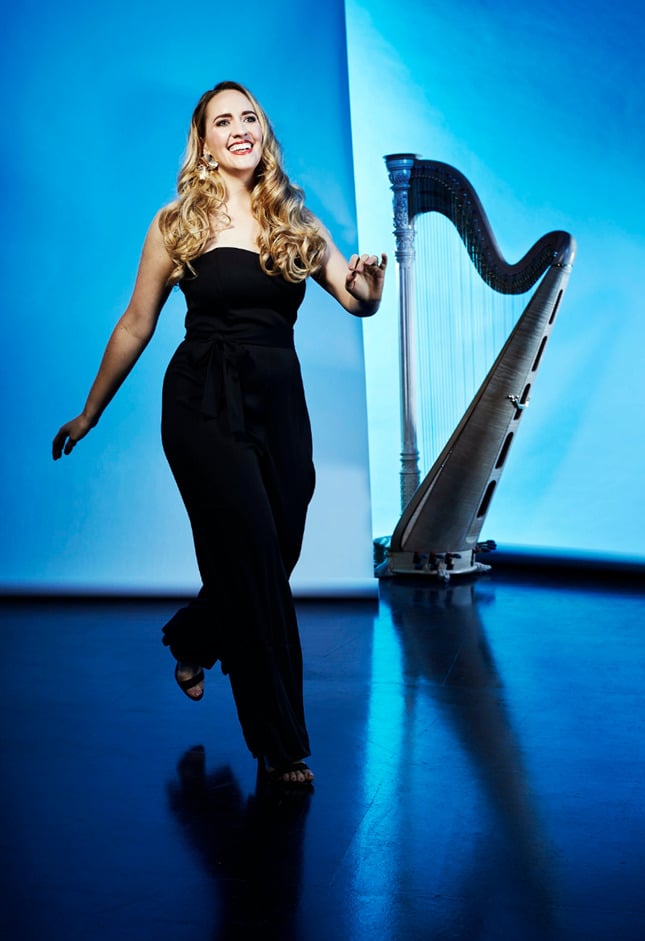
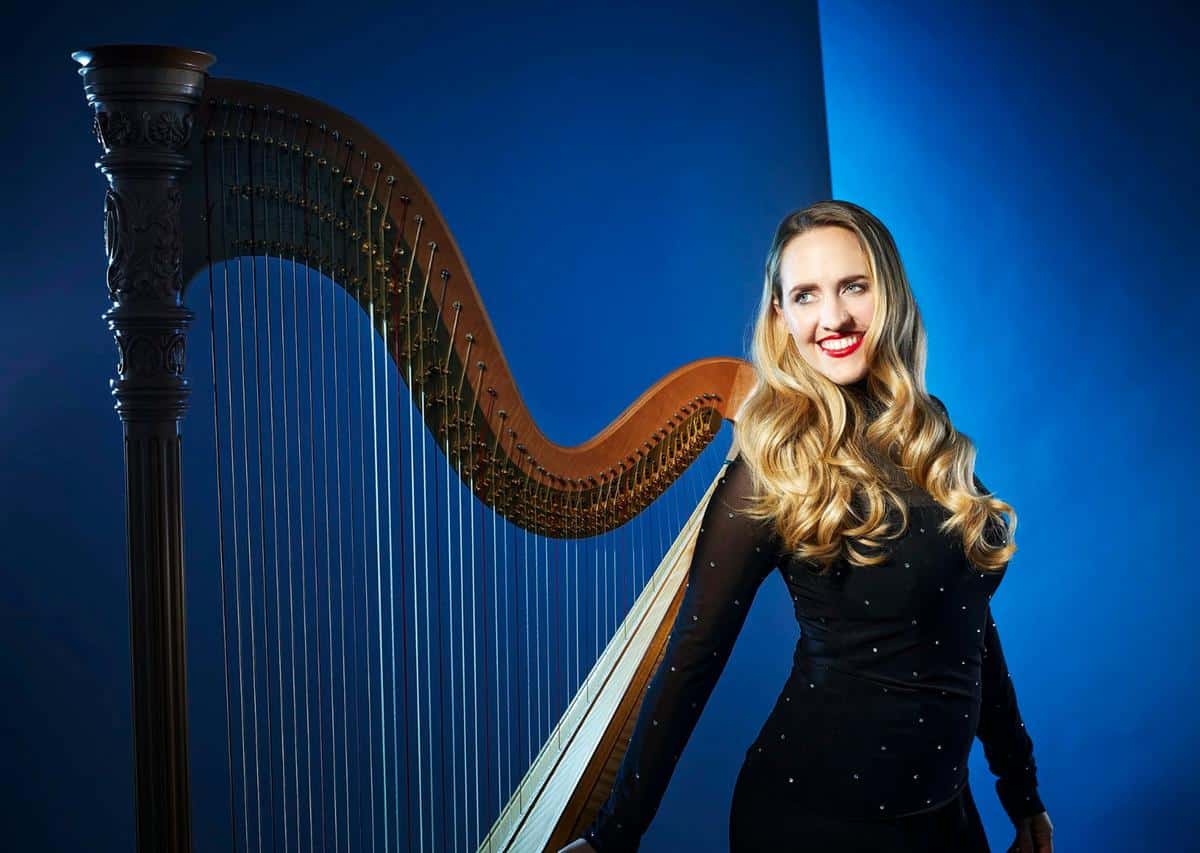
The five vocal sections — bass, baritone, alto, mezzo-soprano, and soprano — worked collaboratively, creating a beautifully unified and layered performance. A particular delight was the harp, played exquisitely, its sound like delicate stitches woven into an intricate musical tapestry.

The soloists, each brought distinctive voices, perfectly matched to the score. Samuel Dale Johnson opened a new door to musical expression with his beautifully delivered performance. Already recognized as one of today’s leading young baritones, with extensive performances across Europe, he brought depth and refinement to the role.

Award-winning mezzo-soprano Helen Sherman infused the music with richly textured mid-range warmth, delivering a performance of rare beauty and sensitivity.

Puerto Rican-born, Sydney-based soprano Meechot Marrero dazzled the audience with finely controlled tonality, never overpowering the composition but always enhancing both choir and orchestra. Her international career has taken her across Europe, the United States, the United Kingdom, and South America, performing in productions including ‘The Magic Flute’, ‘Turandot’, and ‘Candide’. Her final delivery of “Amen” was utterly mesmerizing.

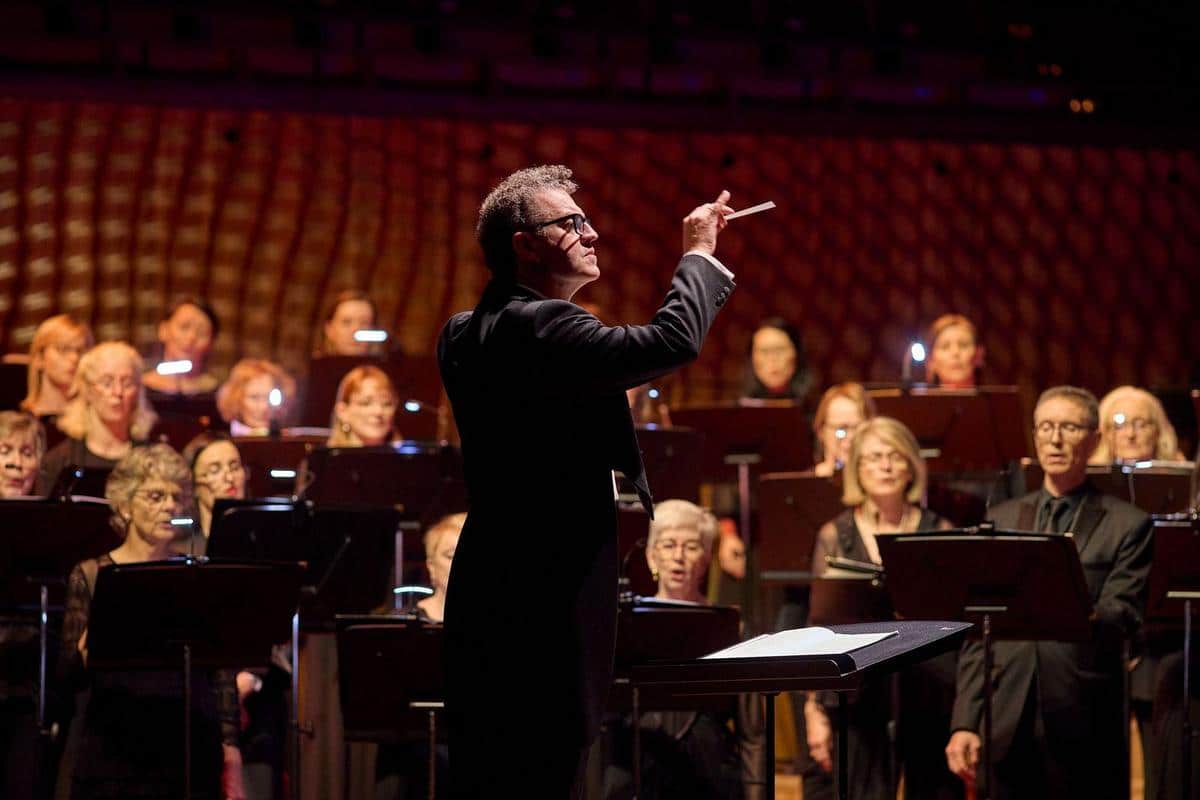
Conductor Elizabeth Scott demonstrated remarkable skill in leading the orchestra, organ, choir, and soloists with precision, grace, and sensitivity.

The finale of Poulenc’s ‘Gloria’ left the audience with a profound sense of spiritual inspiration and emotional uplift.
An unforgettable performance indeed.

To book tickets to Duruflé’s Requiem And Poulenc’s Gloria, please visit https://www.sydneyphilharmonia.com.au/events/durufles-requiem-poulencs-gloria/.

Photographer: Keith Saunders

Spread the word on your favourite platform!

Gloria!

Gloria!

Gloria! Rating

Click if you liked this article

4

The mere mention of Antonio Vivaldi, Johann Sebastian Bach, and George Frideric Handel is enough to quicken the pulse of any classical music lover. Hearing their works performed together feels rather like being presented with an exquisite three-course meal: a rich entrée, a deeply satisfying main, and an indulgent dessert. It was therefore a fitting and inspired program to launch the 2026 season of the Sydney Philharmonia Choirs, performed against the harbour backdrop of Walsh Bay Arts Precinct.

The evening opened with a theatrical gesture that immediately captured the imagination. Rather than appearing en masse on stage, the singers began dispersed among the audience, their voices rising gently from different corners of the hall. The sound emerged almost like a whisper—soft, tentative, and intimate. As the choristers slowly began walking toward the stage, their collective sound grew in strength and cohesion, gradually filling the space with an enveloping resonance. What began as a delicate murmur evolved into a powerful wave of harmony. The effect was both startling and deeply moving, a reminder that great choral music is as much about atmosphere and storytelling as it is about notes on a page.

At the heart of the program was ‘Gloria in D major’ by Antonio Vivaldi, a work whose brilliance has long secured its place among the most beloved pieces of sacred music. From its jubilant opening to its contemplative inner movements, the music seems almost to lift the listener from their seat. There is a buoyancy in the writing that carries the voices upward, while the orchestra provides a radiant foundation beneath. Even for those unfamiliar with the Latin text, the emotional clarity of the music is unmistakable. It feels like a universal prayer—an appeal for peace, beauty, and hope—resonating with particular poignancy in our unsettled modern world.


The program then turned inward with ‘Weinen, Klagen, Sorgen, Zagen’ by Johann Sebastian Bach. In contrast to Vivaldi’s luminous exuberance, Bach’s cantata unfolds with profound introspection. The music seems to explore the fragile landscape of human emotion—grief, anxiety, and quiet endurance—yet always with the suggestion of solace just beyond the shadows. Bach’s gift lies in his ability to transform personal anguish into something transcendent, and here the choir and orchestra captured that delicate balance beautifully.

The concert concluded with the dramatic sweep of ‘Dixit Dominus’ by George Frideric Handel, a work written when the composer was still in his twenties but already brimming with confidence and invention. At times, echoes of Vivaldi’s rhythmic vitality could be heard, particularly in the vibrant interplay between the five soloists and the full chorus. Yet Handel’s unmistakable theatrical flair also emerged, with sudden contrasts of mood, tempo, and texture creating moments of thrilling unpredictability. The piece crackled with energy, bringing the evening to an electrifying close.

It is astonishing to reflect that each of these monumental works was originally written for the church, conceived not for the concert hall but for sacred spaces and liturgical devotion.

At the centre of it all stood conductor Brett Weymark, whose presence was nothing short of essential. With a seemingly effortless command, he shaped the music with the finesse of a magician, drawing orchestra and choir together into a single shimmering tapestry of sound.

Among the soloists, sopranos Lauren Lodge‑Campbell and Angela Brun delivered performances of remarkable clarity and poise. Yet it was mezzo-soprano Hannah Forester whose voice truly stole the breath from the room, its richness and expressive depth leaving a lasting impression.

By the evening’s end, there was a palpable sense that the audience had experienced something together—something beyond mere performance. Through music, they had collectively travelled through joy, sorrow, hope, and wonder. It was a powerful reminder of why live music remains one of the most profound shared experiences we can have.

To book tickets to Gloria!, please visit https://www.sydneyphilharmonia.com.au/events/gloria/.

Photographer: Keith Saunders

Spread the word on your favourite platform!

No Day Like Today to See Rent: The Musical

Rent

Rent Rating

Click if you liked this article

A legendary rock opera is coming to the Joan Sutherland Theatre at the Sydney Opera House, ready to electrify the audience. Opening on September 30, 2025, Rent the Musical will run for one month and showcases an exceptionally talented cast portraying a group of young, struggling artists living in Manhattan’s Alphabet City in the East Village.

Set in the early 1992, composer and lyricist Jonathan Larson’s retelling of Puccini’s La Boheme explores battles with poverty and gentrification, love, addiction and the fear and impact of the AIDS epidemic. Yet amongst all of the hardships in their lives, this is ultimately a musical about hope, strength and passion. This group of characters discover the importance of connection and community, living in the moment (“No Day Like Today”) and to measure life in love (“Seasons of Love”).

Larson left a lasting legacy by openly featuring love themes between two gay couples and a duet between queer characters on a Broadway stage when the show first premiered in 1996. This milestone in queer representation in musicals deeply resonated with audiences.

With themes such as the hardships of trying to make ends meet, as well as the coming together of friends when it’s most needed, director Shaun Rennie says, “this show, like what Jesus Christ Superstar was in the 70s and what Hamilton was for that generation, Rent really is a show that spoke directly to the youthful MTV generation.” Now, a new generation of people will fall in love with Rent The Musical.


Larson wrote the book and subsequent multi-Tony Award and Pulitzer Prize winning musical for his friends but tragically passed away unexpectedly aged 36 from an aneurysm on the eve of his off-Broadway premiere. Despite this, the musical was performed the following night in his honour. Rennie, along with the cast, ensemble and crew, say that they continue to pay tribute to Larson nightly throughout this Sydney production.

Rennie has assembled an experienced and talented cast, all of whom have come from musical greats such as Jesus Christ Superstar (Tana Laga’aia, Calista Nelmes, Henry Rollo), & Juliet (Jesse Dutlow) and Hadestown (Imani Williams) Tina Turner (Kristin Paulse), Dear Evan Hansen (Harry Targett) and Hamilton (Googoorewon Knox). They all have strong voices that are needed for belting out some of Rent’s rock opera songs.

For the preview media call attended today, I got a small glimpse into Rent and I can see that it will be an eye opening full production. The staging is detailed, with revolving movements and the backdrop of typical NYC apartments flanked by the metal criss cross jigsaw of fire escapes. The lighting by Paul Jackson is moody and atmospheric. The moment the first note is played with the opening song, the ensemble moves together as one. They are all dynamic! The musical arrangements by Steve Skinner and the choreography by Bree Tipoki are beautifully fluid. It is a large ensemble and there are so many moving characters singing and dancing, all with perfect sharp dance angles and flashes of energy. For anyone who has never seen Rent before, or for fans who know that “525,600 minutes … a year in the life of friends”, this is going to be one fantastic musical not to be missed this Spring inside the Sydney Opera House.

Season run: September 30 – November 1 2025
Run Time: 2 hours and 35 minutes including interval
Tickets: www.opera.org.au/productions/rent-sydney

To book tickets to Rent, please visit https://opera.org.au/productions/rent-sydney/.

Photographer: Neil Bennett

Spread the word on your favourite platform!

The Art of Violin

The Art of Violin

The Art of Violin Rating

Click if you liked this article

3

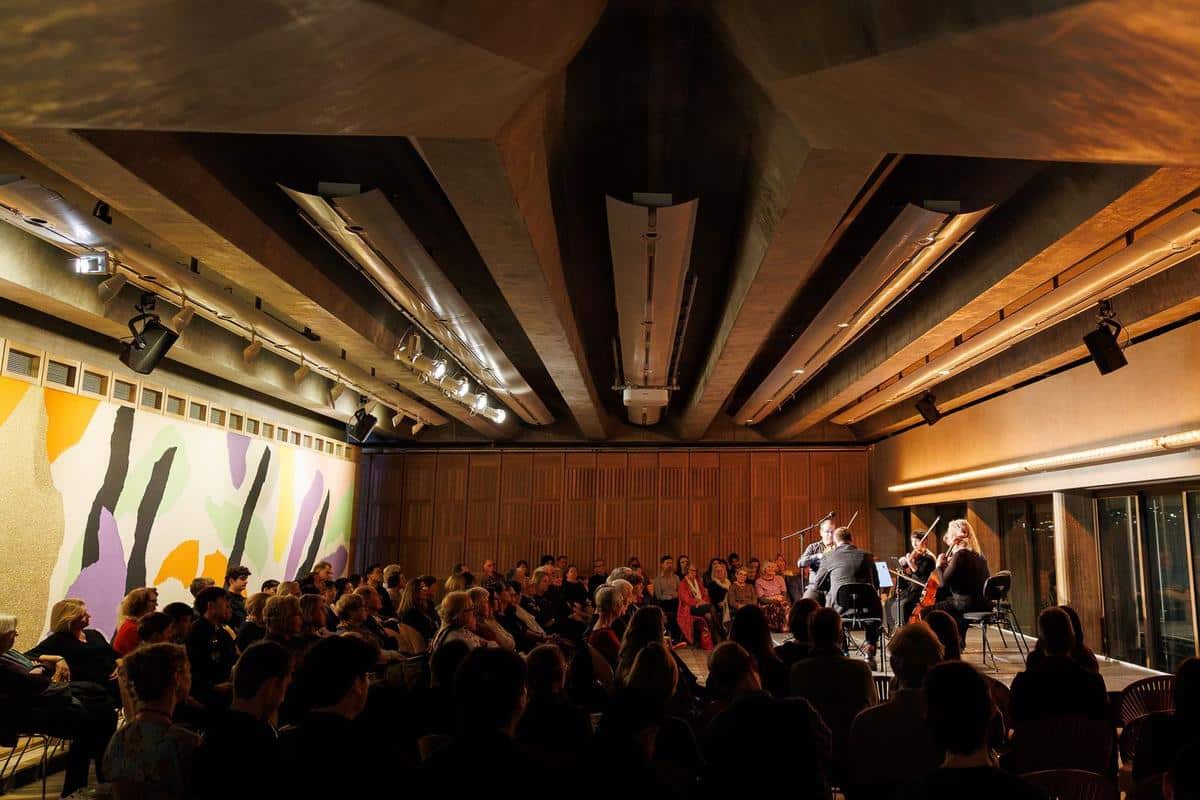
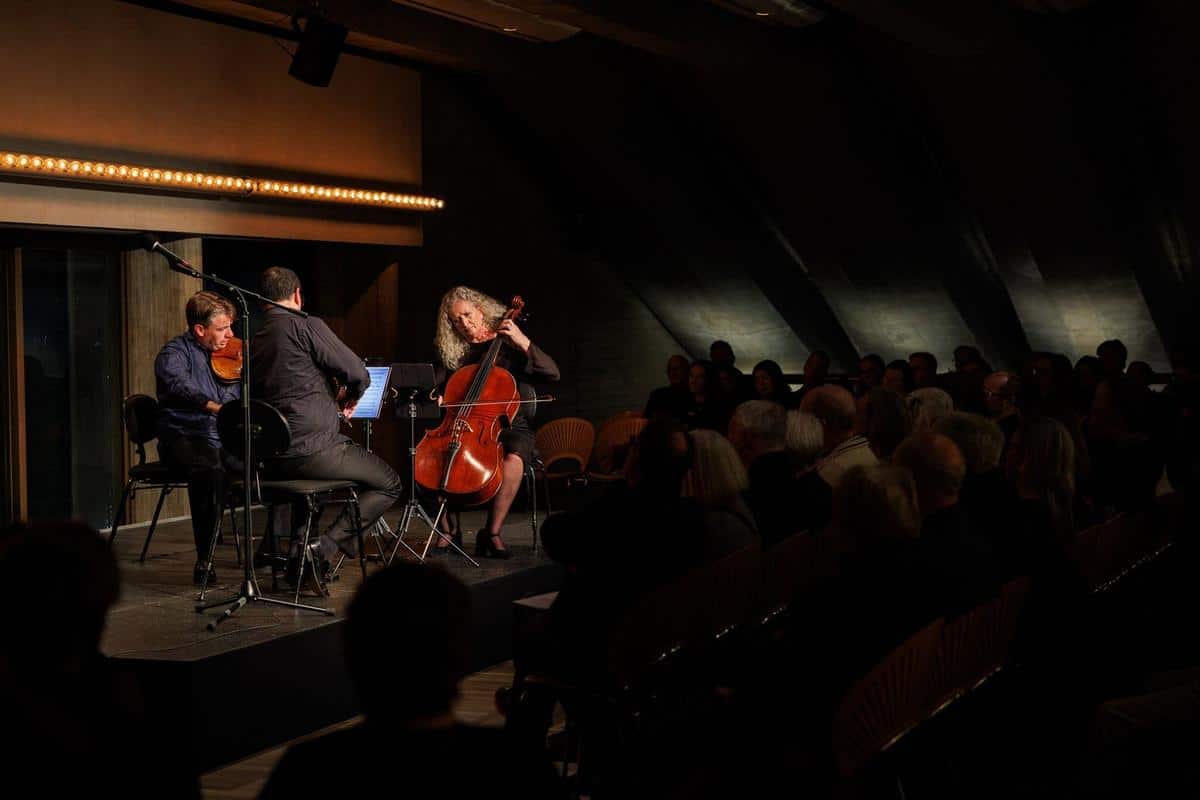
The Sydney Opera House is always a breathtaking setting for live performance, but tonight’s concert in the intimate Utzon Room was something truly special. Making their debut in this iconic venue, Bach Akademie Australia delivered a spellbinding program that not only showcased the ensemble’s exceptional musicianship but also celebrated the rich legacy of the violin concerto.

Close your eyes, and you could almost believe you’d been swept back to the golden age of the violin. Picture yourself in late 17th-century Italy: candlelit salons, the gentle hum of anticipation, and the first brilliant notes of a new form capturing the public’s imagination—the violin concerto. With master luthiers like Stradivari perfecting the instrument’s design, and composers elevating it to virtuosic heights, the violin became the soul of the Baroque era. It sang with fire and finesse, captivating audiences and rivalling even the grandeur of opera in popularity.

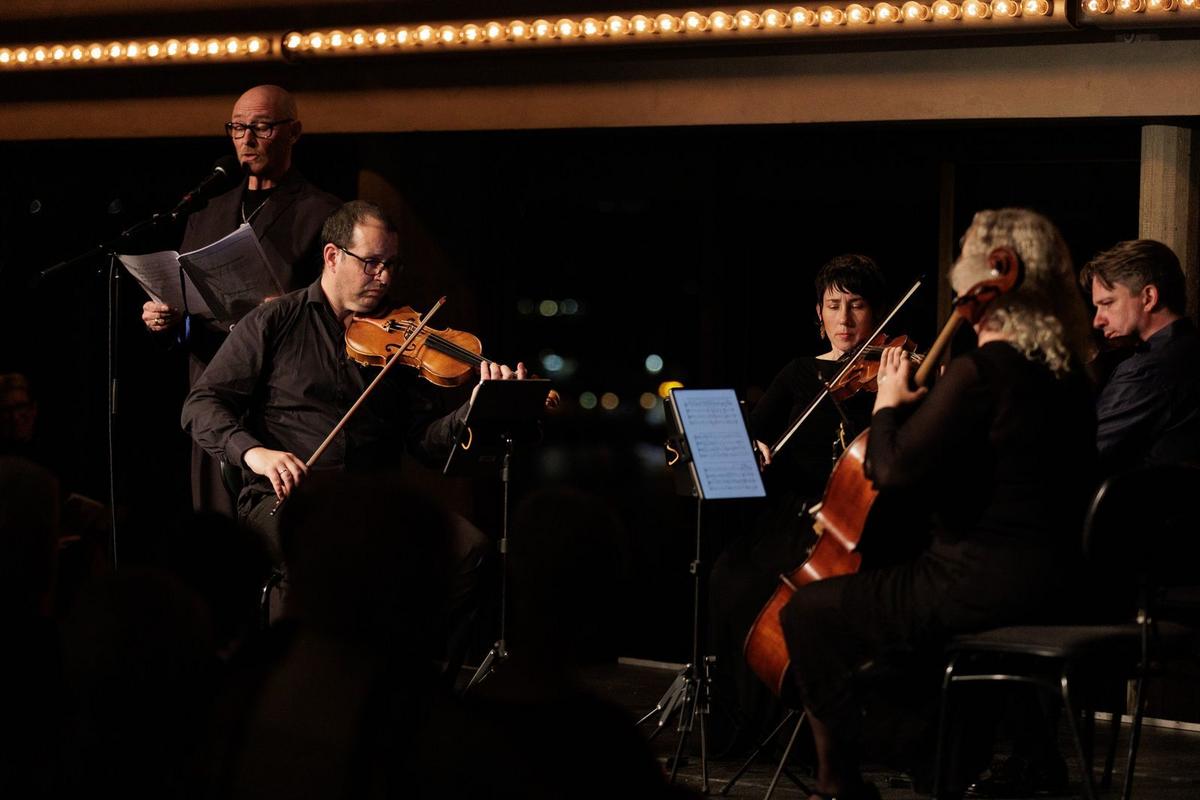
Tonight, under the inspired direction of Artistic Director Madeleine Easton, that golden age was vividly reborn with clarity and passion by Bach Akademie Australia under the artistic direction of Madeleine Easton. Her insightful commentary guided the audience through the historical and musical evolution of the violin, framing each work with warmth and erudition. What followed was a program of extraordinary variety and cohesion, featuring works by Vivaldi, Leclair, Handel, Telemann, and Bach.


The ensemble performed with remarkable finesse and stylistic authenticity. The blend of violin, viola, cello, double bass, theorbo, and harpsichord created a rich and resonant Baroque sound world that felt both timeless and immediate. Each piece was delivered with a sense of joy and reverence, perfectly suited to the acoustics and intimacy of the Utzon Room.

Three violin soloists took turns at centre stage, each offering a unique voice. Rafael Font’s interpretation of Leclair’s Violin Concerto in D minor, Op. 7 No. 1 was luminous—technically agile and emotionally captivating, while Simone Slattery brought a poetic intensity to Telemann’s Violin Concerto in A minor, TWV 51:a1, illuminating its lyrical elegance and rhythmic drive.

As evening fell over Sydney Harbour, the music seemed to shimmer in response. Bach Akademie Australia did more than perform—they conjured a world, an era, and a spirit. The Art of Violin was not only a triumph of musicianship but a moving tribute to the enduring beauty of the instrument.

To book tickets to The Art of Violin, please visit https://www.bachakademieaustralia.com.au/events/the-art-of-violin-concert-1.

Spread the word on your favourite platform!