Nicolas Altstaedt And Thomas Dunford

Nicolas Altstaedt And Thomas Dunford

Nicolas Altstaedt And Thomas Dunford Rating

Click if you liked this article

The chemistry between Nicolas Altstaedt and Thomas Dunford was evident on an empty stage on Saturday night. The audience was ready for Altstaedt’s known technical style combined with Dunford’s virtuosity and for a conversation between a cello and a lute. We were immediately transported back to the Renaissance age with Marin Marais. Somewhere in Spain, Portugal or France, silk full skirts were rustling as courtiers palms met in a measured dance in an opulent room of gold and blue. The dexterous fingers of Dunford played a bell-like melody which was answered by Altstaedt’s honeyed tones as the notes lingered in the air.

La Leclair changed the tempo as a fiery melange of fast rhythms left a crackle of passion reflecting the composer’s known volatile nature. Then the audience was left alone with Dunford’s arrangement of Bach’s Cello Suite no 1 in G major with a display of the classic intricate technical perfection demanded by a maestro.

A return to the court of Versailles with more Marais’ Fete Champêtres offering a graceful dance and then a passionate Spanish piece allowing both musicians to move through the intricate ornamentation with speed and panache. Glimpses of a palace garden party came to mind with musicians playing delicately.


After the interval, Altstaedt sat down for Bach’s Cello Suite No 5 in C Minor, a piece written especially for the cello allowing the instrument to really sing. Sombre notes and a melancholy mood were combined with nimble playing from Altstaedt. For music aficionados, research the analysis of each movement and the techniques required, for the audience, it was a time for reflection and thought.

We returned quickly to pared down harmonies with Pärt’s Spiegel Im Spiegel, followed by Duparc’s Cello Sonata in A Minor. We returned to Marais’ courtly world with Le Voix Humaines imitating the inflexions of the human voice with a sombre elegance with cello and lute weaving between tones.

Marais’ Grand Ballet was all Baroque elegance testing each instrument and musician with showy ornamentation, bold gestures and complex bowing techniques required. It is a theatrical piece designed to be grand and majestic and it was.

The finale of Le Tourbillon was in the title, a whirlwind of virtuosity with a conversation moving to a debate between the cello and lute, ending in a flourish.

The audience was treated to a post-conversation with both Altstaedt and Dunford but the music said as much and was all that was needed.

To book tickets to Nicolas Altstaedt And Thomas Dunford, please visit https://www.musicaviva.com.au/concert-season/2026/nicolas-altstaedt-thomas-dunford/.

Photographer: David Cox

Spread the word on your favourite platform!

Ensemble Q With Ed Le Brocq

Ensemble Q With Ed Le Brocq

Ensemble Q With Ed Le Brocq Rating

Click if you liked this article

6

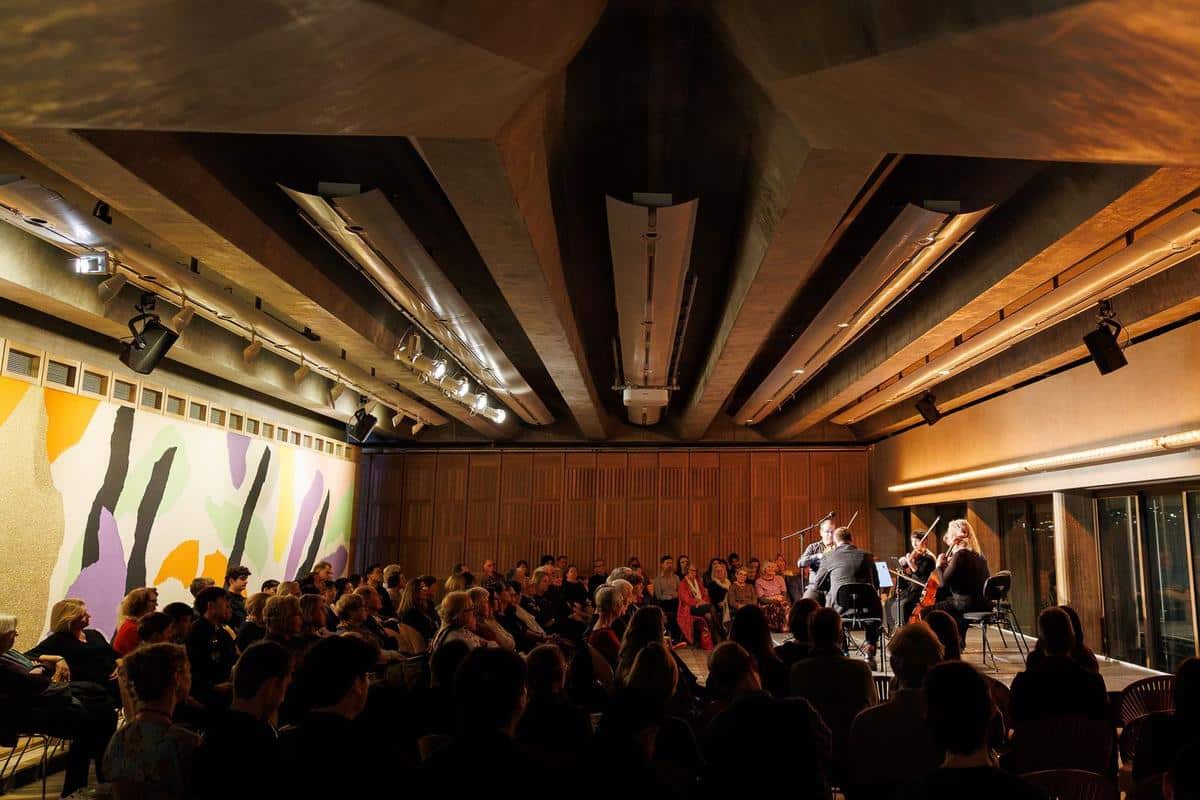
There is a rare, intoxicating vulnerability when world-class chamber music is experienced in an intimate performance space, and tonight at the Sydney Opera House’s Utzon Room, Brisbane-based Ensemble Q delivered a concert that was not merely heard, but deeply felt—an experience that bypassed the intellectual mechanics of music and touched the soul directly. The venue’s tight, warm acoustics placed the audience in striking, captivating proximity to the musicians. Sitting so close that you could hear the soft intake of breath before a phrase, see the delicate bow hair catch the strings, and feel the physical resonance of every note created an immediate, deeply personal connection that elevated the entire performance, making it feel less like a distant spectacle on a cavernous stage and more like a shared, living conversation between artist and listener.

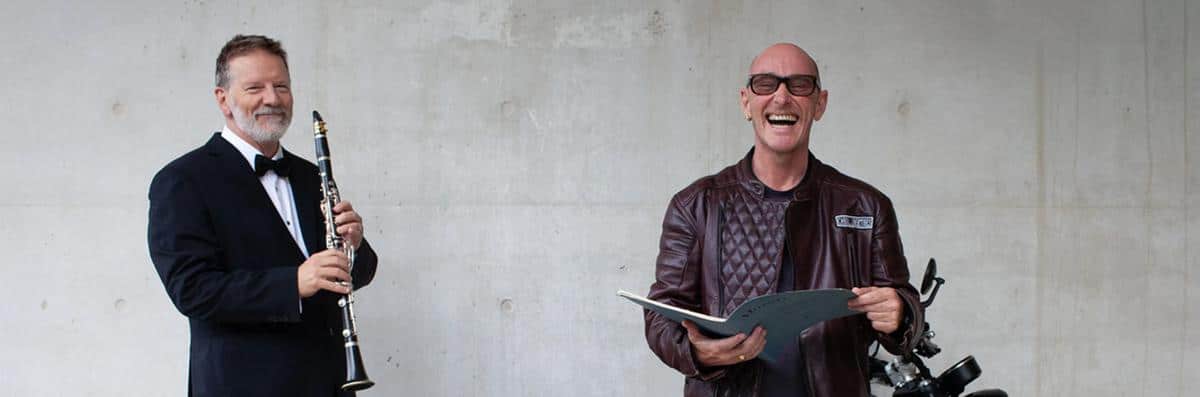
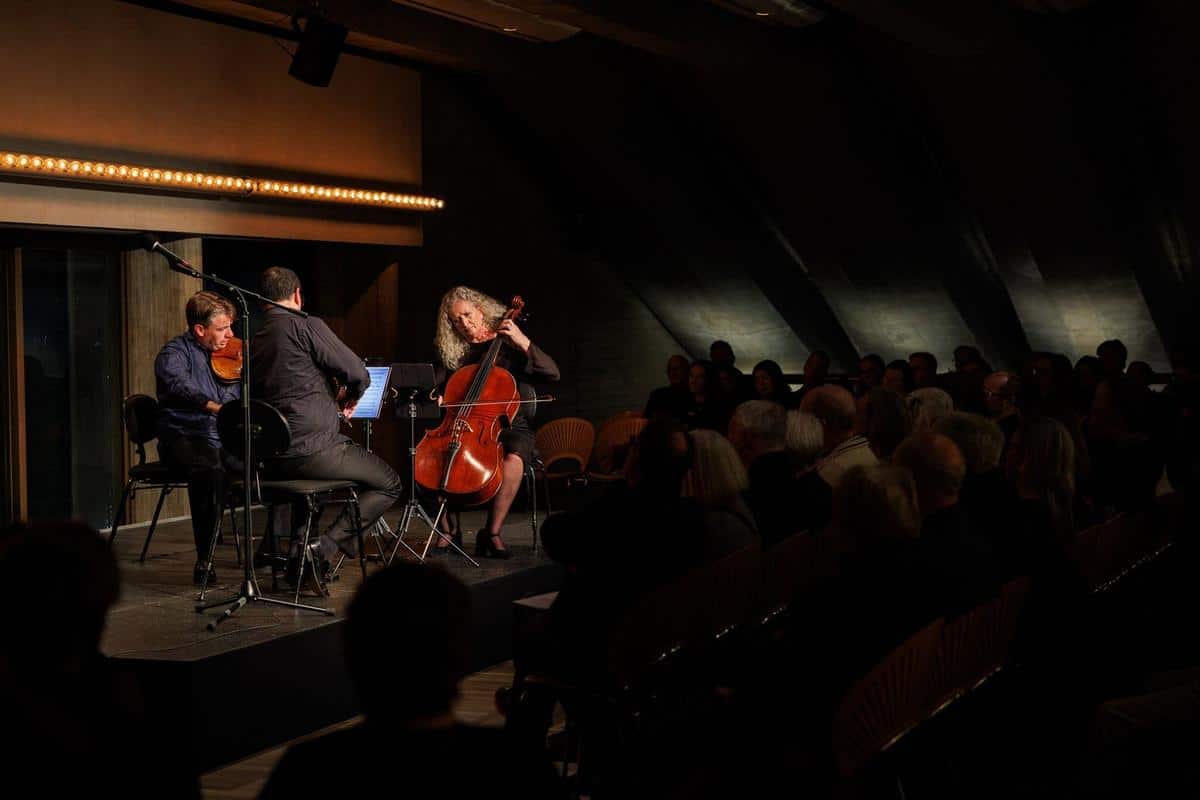
Founded by husband-and-wife duo Paul Dean, a professor at the University of Queensland and one of Australia’s foremost clarinettists, and Trish Dean, an internationally respected cellist, Ensemble Q brings together a powerhouse lineup of extraordinary Australian talent. Joining them on stage were violinist Asma Chalabi, Head of Violin at ANAM performing on an exquisite 1805 Joseph Panormo violin; the brilliant violinist Anne Horton, whose international career boasts major competition victories in Cremona and Osaka; and acclaimed violist Benjamin Roskams, who added immense emotional warmth on a magnificent c. 1720 Joseph filius Andreae Guarneri viola. Completing the ensemble was acclaimed broadcaster, author, and narrator Ed Le Brocq, whose sensitive, grounded storytelling provided a gentle emotional spine for the evening’s narrative works.


The program was a masterclass in balance, artfully weaving dark classical intensity with poignant contemporary narrative and whimsical charm. The performance opened with Ludwig van Beethoven’s stormiest early chamber work, the String Trio in C minor, Op. 9 No. 3. Being so physically close to the players emphasized the fierce, conversational dialogue between violin, viola, and cello, showcasing the ensemble’s breathtaking synchronisation and flawless technique.

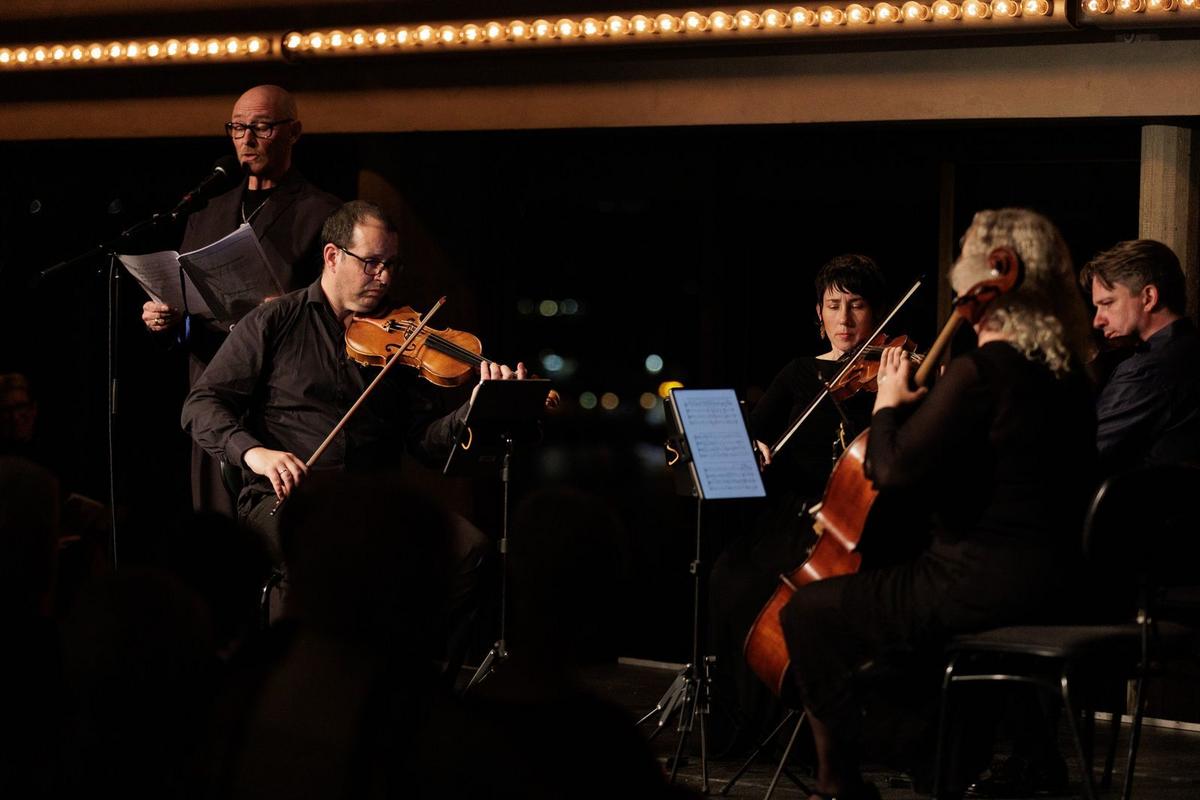
The emotional apex of the evening was Anne Cawrse’s ‘Sonam and the Silence’, commissioned by Ensemble Q for their 2026 season and written for narrator, clarinet in B♭, and string quartet. Based on a picture book set in bustling, Taliban-ruled Kabul—where music is forbidden—it tells the tender story of a young girl who discovers the enduring power of music. Cawrse’s evocative score paired with Le Brocq’s sensitive storytelling left the room in pin-drop silence, creating an overwhelming sense of shared empathy and hope.

In a similarly enchanting vein, the ensemble performed Calvin Bowman’s ‘Curly Pyjama Letters’, a work across seven movements for narrator and string quartet set to texts by the late Michael Leunig (1945–2024). Originally commissioned for the Flinders Quartet in 2011, the piece brought Leunig’s beloved, whimsical universe to life. Bowman’s score—stylistically inspired by the sound world of the Academy of Ancient Music, gargling angels, and Schubert—matched the quirky correspondence between lone voyager Vasco Pyjama and his mentor Mr. Curly of Curly Flat with immense warmth, wit, and charm.

The concert concluded with Wolfgang Amadeus Mozart’s timeless Clarinet Quintet in A major, K. 581. Paul Dean’s clarinet tone was liquid gold throughout, and the famous Larghetto movement, performed with transcendent delicacy, felt like a private lullaby played specifically for each person in the room.

What made the night truly unforgettable was this remarkable synthesis of raw virtuosity and ultimate physical closeness. Ensemble Q did not simply play music; they opened a window directly into the human spirit, demonstrating not only breathtaking technical mastery but also a rare ability to tell profound stories through sound. An unmissable event.

To book tickets to Ensemble Q With Ed Le Brocq, please visit https://www.sydneyoperahouse.com/classical-music/ensemble-q-ed-le-brocq.

Photographer: Gavin Rebetzke

Spread the word on your favourite platform!

Duruflé’s Requiem And Poulenc’s Gloria

Duruflé's Requiem And Poulenc's Gloria

Duruflé’s Requiem And Poulenc’s Gloria Rating

Click if you liked this article

27

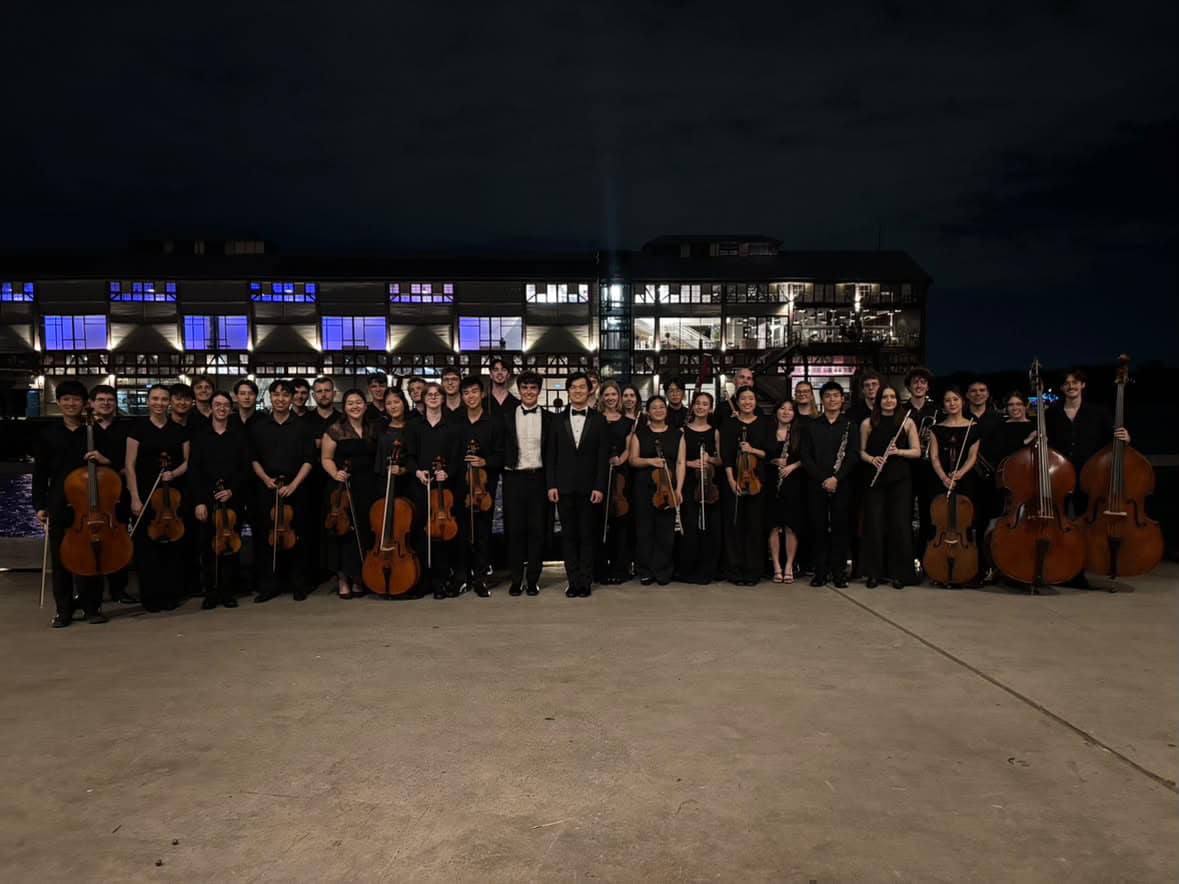
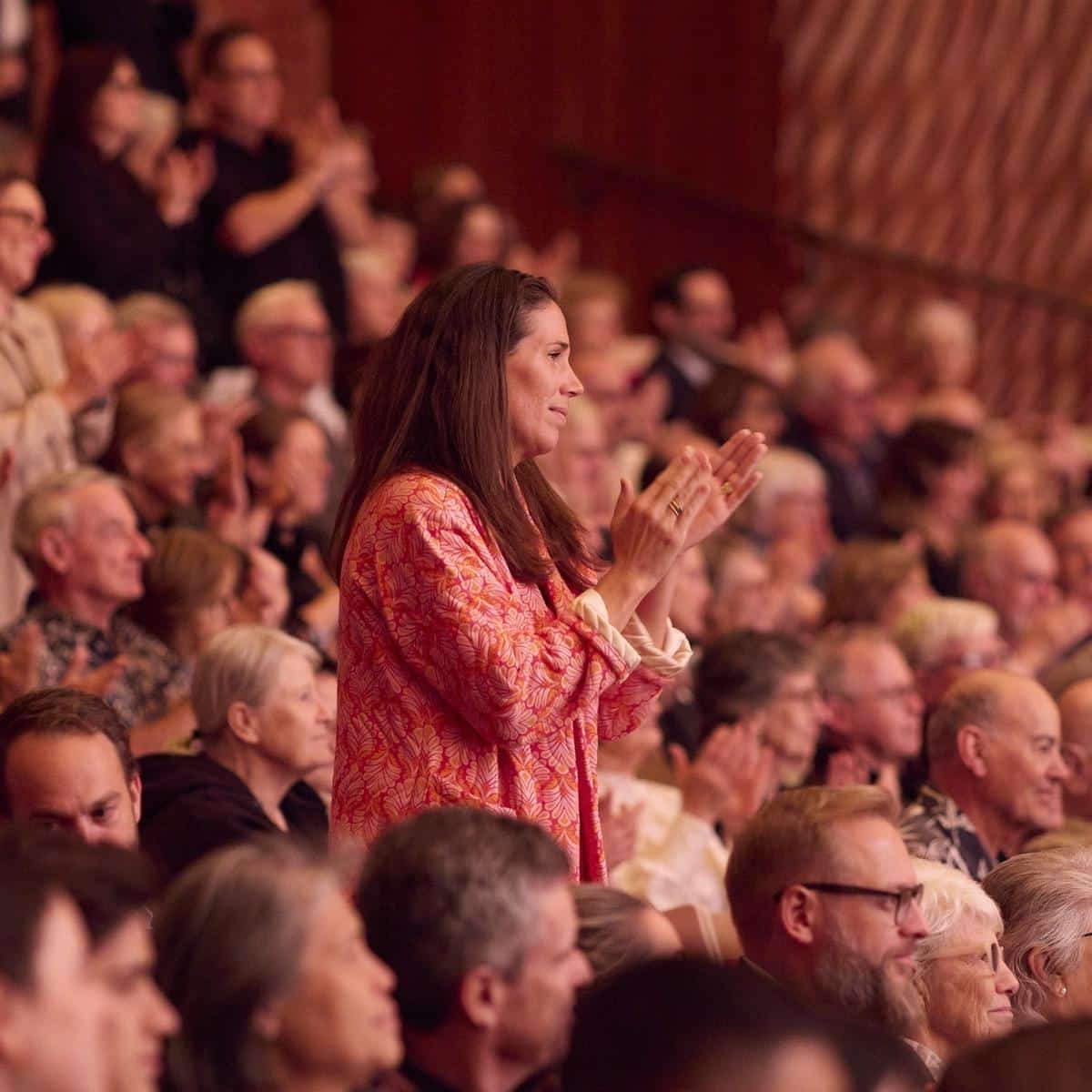
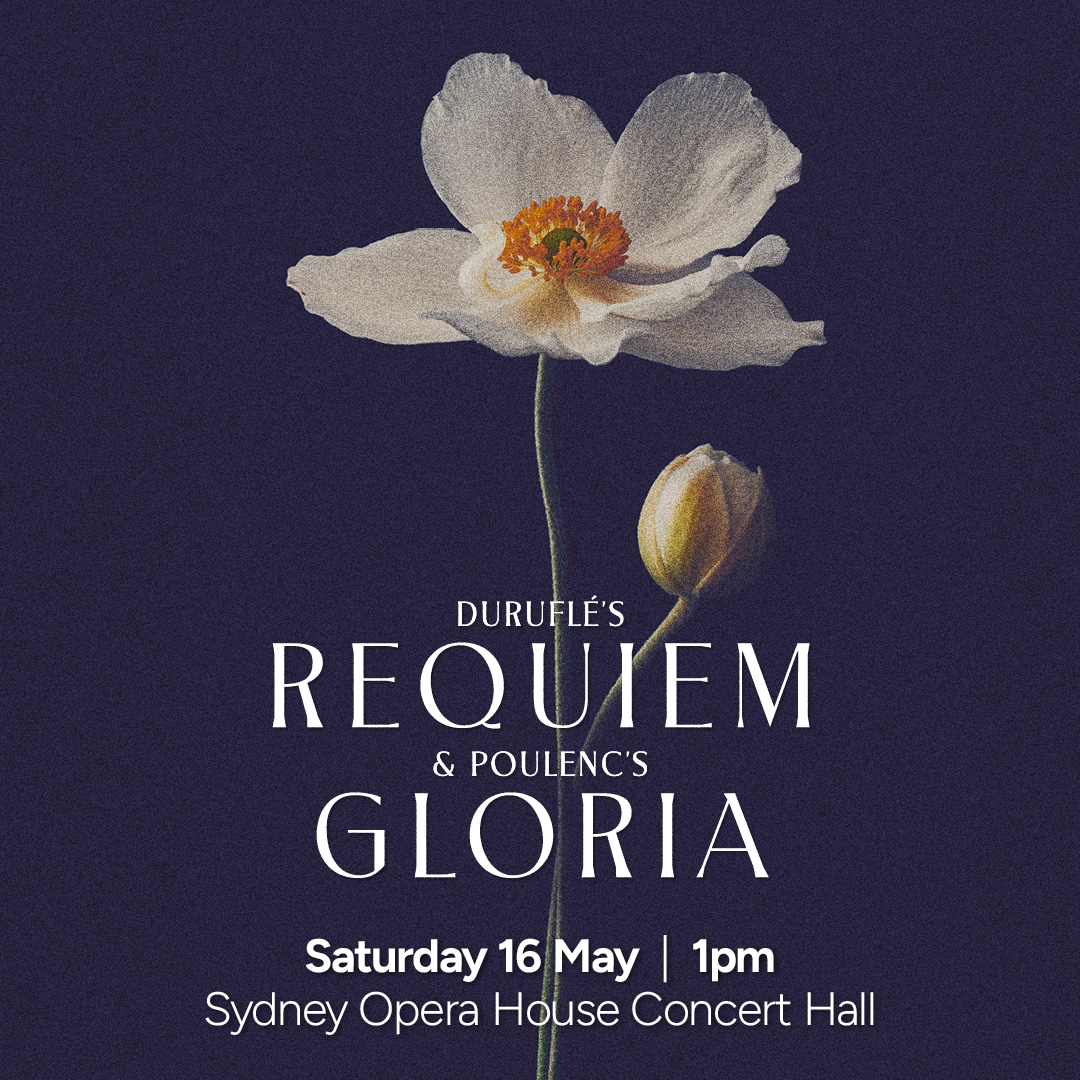
Today, on a glorious Saturday, the audience at the Sydney Opera House was treated to a magnificent concert featuring Maurice Duruflé’s ‘Requiem’ — first performed in Paris in 1947 — alongside Francis Poulenc’s ‘Gloria’. Representing a bridge across time, the concert offered extraordinary choral performances filled with beauty, spirituality, and emotional depth.

Completing the program was the world premiere of ‘Time’s Fell Hand’ by Carl Vine choral piece, which injected a distinctly Australian flavour into the French compositions of Duruflé and Poulenc. Together, the works took the audience on a remarkable journey of colour and harmony, calm reflection, and contemplation.

We were dazzled by the unexpectedly large choir — close to 500 performers — whose extraordinary vocal blend created an astonishing combination of tones and textures. The sheer scale of the ensemble was breathtaking, yet its sound remained balanced, nuanced, and deeply moving.

The opening carried an elegant stillness, overlaid with worshipful and spiritual sounds. It evoked a beautiful mix of church-like hymns and reverent chants, immediately creating an atmosphere of reflection. Duruflé’s Requiem, supported by orchestral textures within the sound design, felt both intimate and expansive. The entry of the Opera House organ added further depth, creating a rich soundscape of extraordinary resonance.


The five vocal sections — bass, baritone, alto, mezzo-soprano, and soprano — worked collaboratively, creating a beautifully unified and layered performance. A particular delight was the harp, played exquisitely, its sound like delicate stitches woven into an intricate musical tapestry.

The soloists, each brought distinctive voices, perfectly matched to the score. Samuel Dale Johnson opened a new door to musical expression with his beautifully delivered performance. Already recognized as one of today’s leading young baritones, with extensive performances across Europe, he brought depth and refinement to the role.

Award-winning mezzo-soprano Helen Sherman infused the music with richly textured mid-range warmth, delivering a performance of rare beauty and sensitivity.

Puerto Rican-born, Sydney-based soprano Meechot Marrero dazzled the audience with finely controlled tonality, never overpowering the composition but always enhancing both choir and orchestra. Her international career has taken her across Europe, the United States, the United Kingdom, and South America, performing in productions including ‘The Magic Flute’, ‘Turandot’, and ‘Candide’. Her final delivery of “Amen” was utterly mesmerizing.

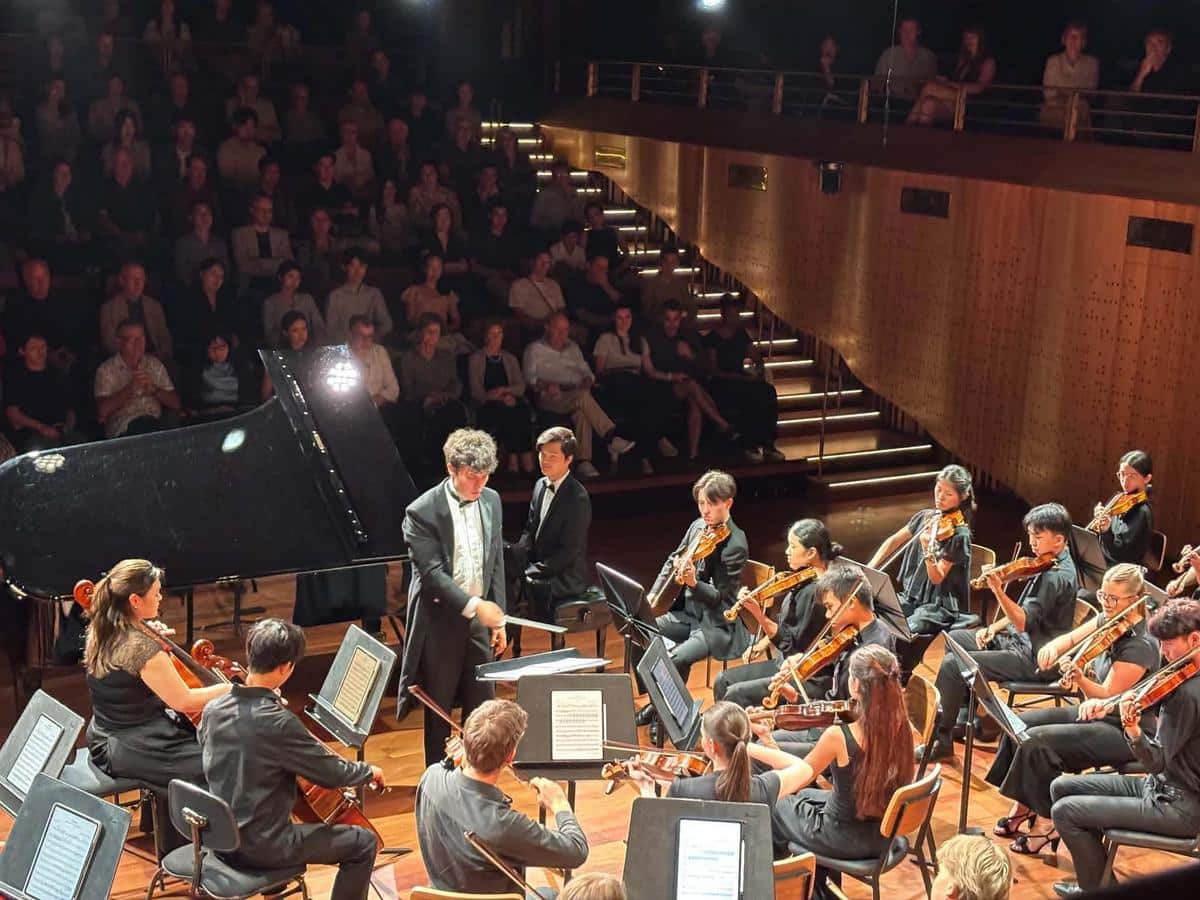
Conductor Elizabeth Scott demonstrated remarkable skill in leading the orchestra, organ, choir, and soloists with precision, grace, and sensitivity.

The finale of Poulenc’s ‘Gloria’ left the audience with a profound sense of spiritual inspiration and emotional uplift.
An unforgettable performance indeed.

To book tickets to Duruflé’s Requiem And Poulenc’s Gloria, please visit https://www.sydneyphilharmonia.com.au/events/durufles-requiem-poulencs-gloria/.

Photographer: Keith Saunders

Spread the word on your favourite platform!

Howl

Howl

Howl Rating

Click if you liked this article

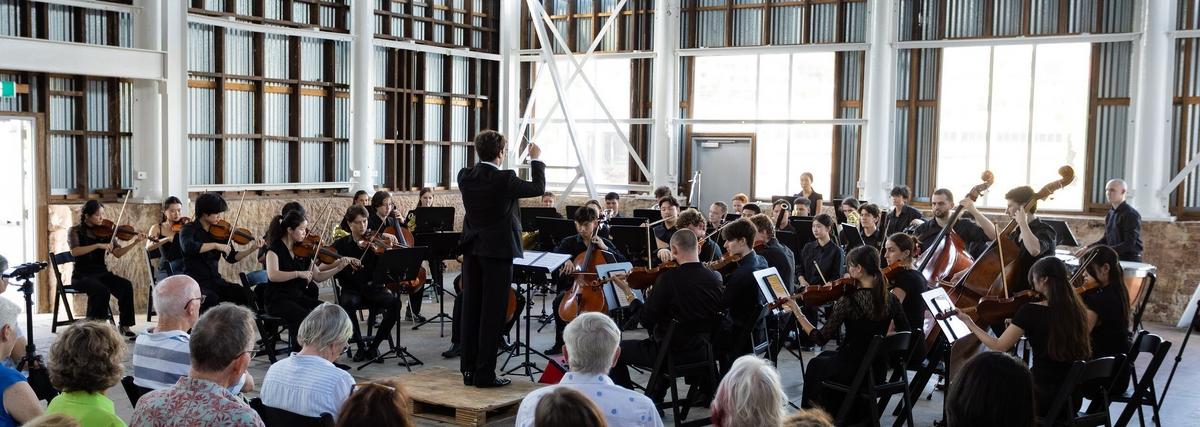
The pamphlet guide to the Omega Ensemble’s new composition of works entitled Howl promises audience members “riot, rapture and release”. Ensconced within a beautiful wood-panelled studio situated in Walsh Bay, it was clear that those who sat down to see the first performance of this show were bearing witness to an intriguing and complex arrangement of music.

The show began with a rendition of a piece called Tooth and Nail, which involved a talented soloist skillfully wrangling his viola to an eerie and circular backing-track. To me, the piece was haunting and reminiscent of the feeling of chasing and being chased by something sinister. It was a piece that woke the audience up; a true skill for the musician to play this kind of music in a way that is suspenseful without being shrill.

Following the first piece, two more violinists and a cellist joined each other on stage, and the blue curtain behind them was at once lit up by a fluorescent green/pink background. This was in preparation for a piece entitled Tuggemo; my least favourite composition of all that were played. According to the guide, Tuggemo is a word that has fallen out of usage and means “a swarm of birds or flies”. It was clear the musicians were mastering their instruments, and perhaps the flurry of activity in the last portion of the piece was building into something sharper. However, when the piece ended abruptly, what was left seemed to be a confused purpose. It felt to me as if the purity that strings are capable of was being eschewed in order to replicate the impossible. However, I am not an experienced musician and the audience seemed to be okay with it, which may simply mean that something had been lost on me.


The third piece; Interference Patterns seemed much closer to its intent. When the green and pink lights fell away from the blue fabric of the curtain, it was as if the music had become orchestral and cinematic again, and the audience was taken to another place. The piece was foreboding and ominous while at other times clean and exquisite. The friend I had brought with me (who previously played as a classical violinist in her home country) said she loved it. To the question of why she liked it so much, she answered that it was ‘nostalgic; like something in the past but at the same time hasn’t been heard before’.

Interference Patterns set the tone perfectly for what was to come next; the piece the show is named after and which uncoincidentally shares a name with Allen Ginsberg’s infamous poem. The musicians playing Howl did well to capture the nightmarish intensity of the infamous work. It was sharp rather than chaotic and the strings were haunting but never sad. Particularly effective was the clarinetist, who commanded the room, and led the audience through what seemed to be a faultless performance. I felt that the music did not unravel in the same way the poem does, however technically and thematically, the notes were mastered by their respective musicians.

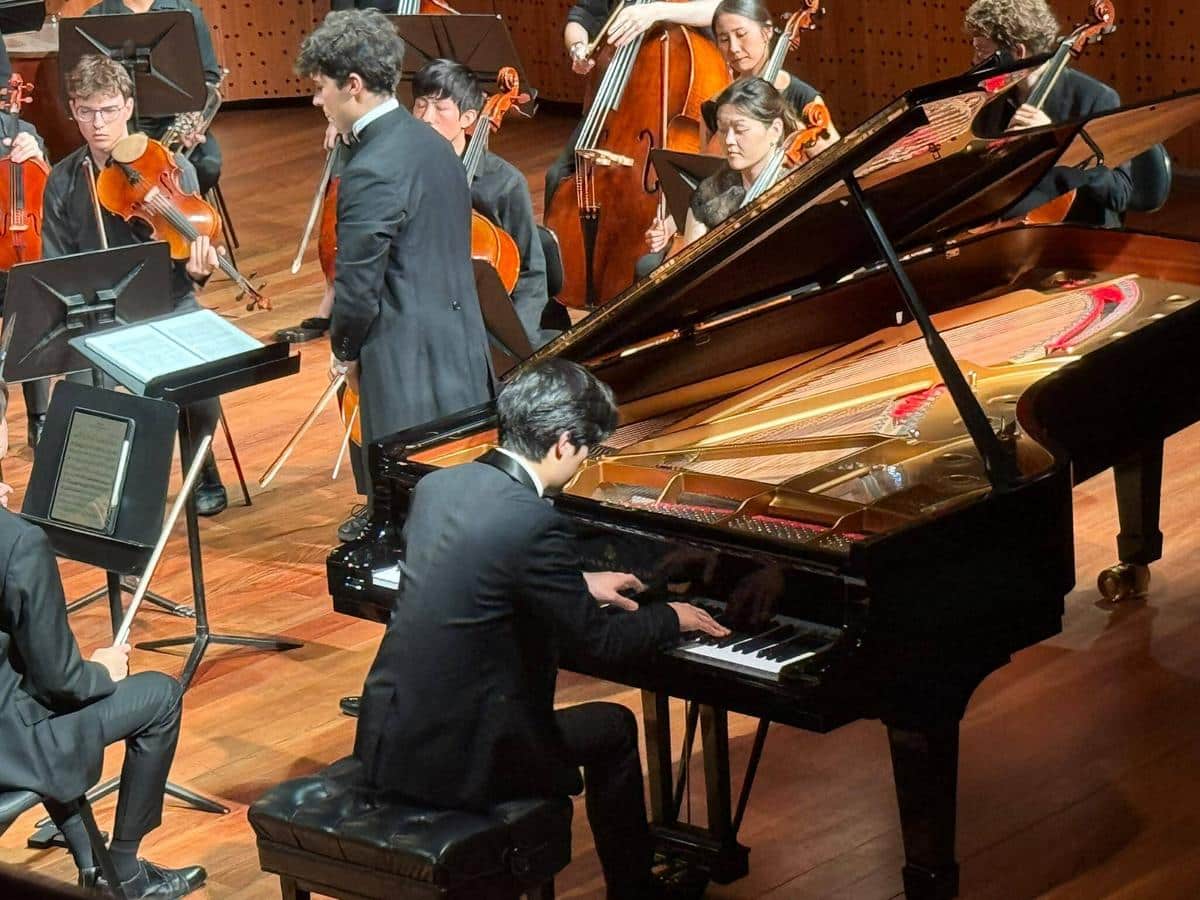
Following the end of the fourth piece, pianist Vatche Jambazian took to the stage to introduce himself as the musician playing Danny Elfman’s composition; Piano Quartet. He seemed to at once take command of the beautiful Steinway and Sons grand piano in the centre of the room to express himself through the music, rather than merely playing it. The animated performance provided music that was interesting, creepy and captivating.

And so, as a non-musician who loves music and knows it is for everyone, I can only review this performance from the honesty of my own lens. In this way, I think the collective attentiveness of the audience showed that they were grateful for being gifted with this experience. As an admirer of poetry, I would say that it is perhaps impossible to emulate the intensity of Ginsberg’s Howl without the words by which it expresses its sentiment. However, I am adamant in my judgement that the standalone performance here played out in the final piece; Piano Quartet. The pianist was a definitive and shining gift in the program, fully embodying its genre and showcasing inherent musicality.

3 ½ stars

To book tickets to Howl, please visit https://www.omegaensemble.com.au/howl.

Photographer: Gxbriellemxry

Spread the word on your favourite platform!

Subscribe to What's The Show

Reviews, show news and what is on, straight to your inbox.