The Weathering

The Weathering

The Weathering Rating

Click if you liked this article

7

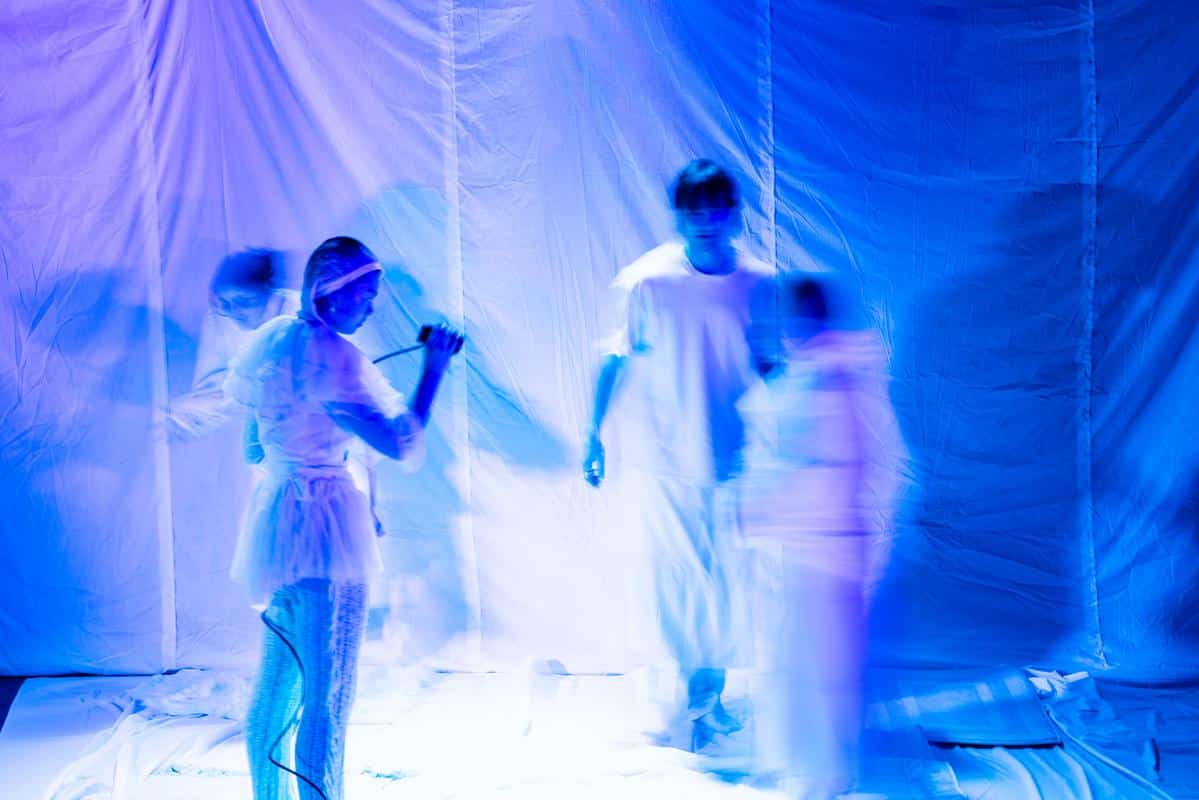
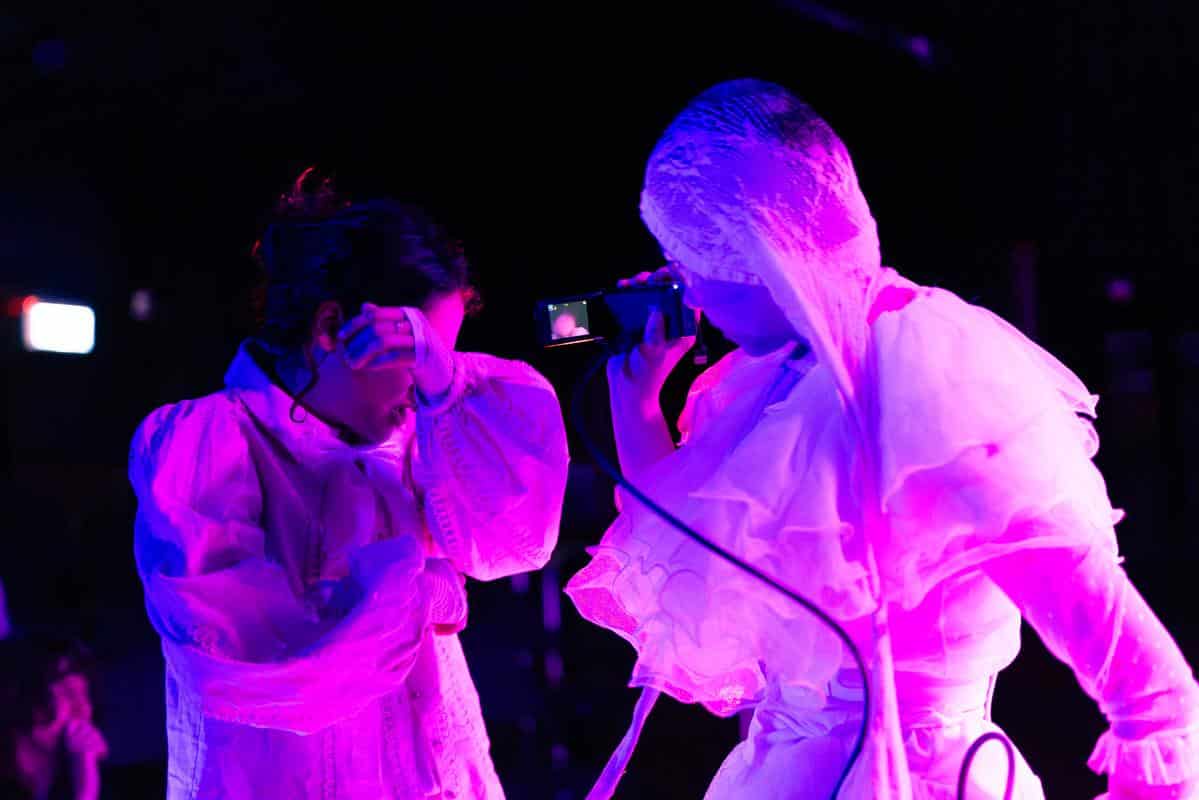
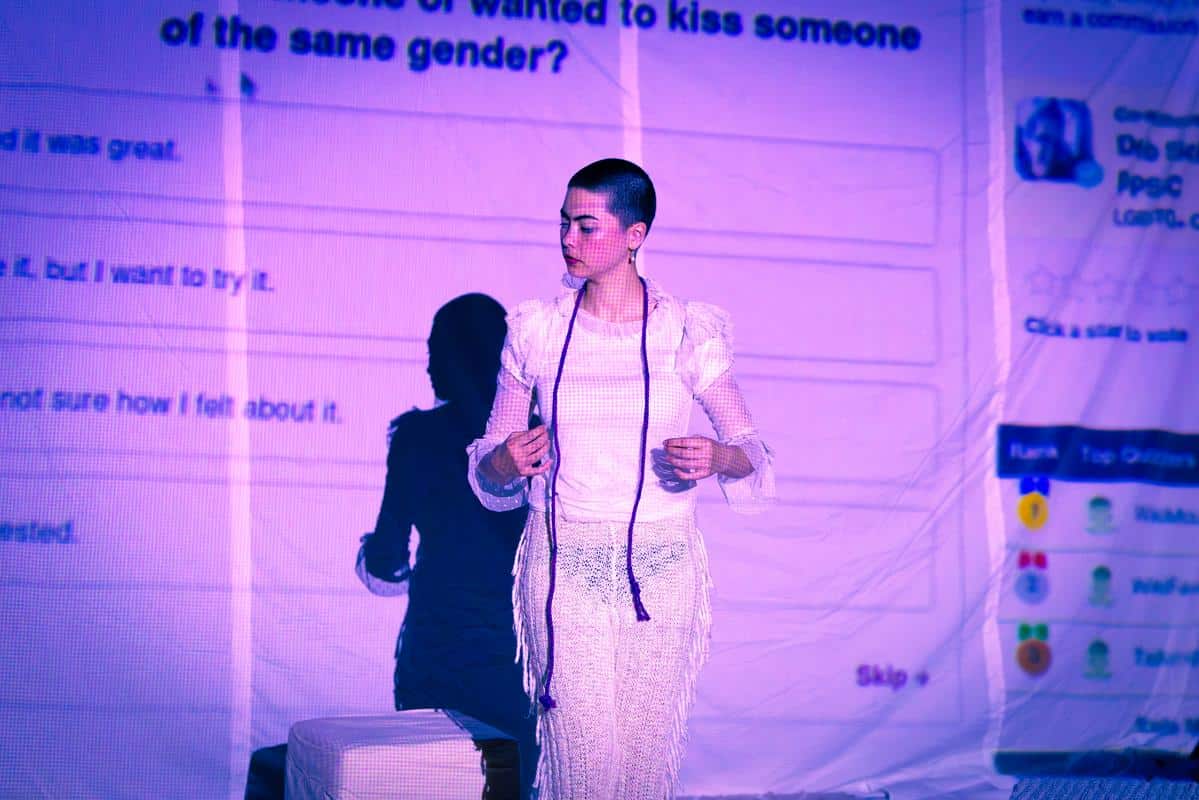
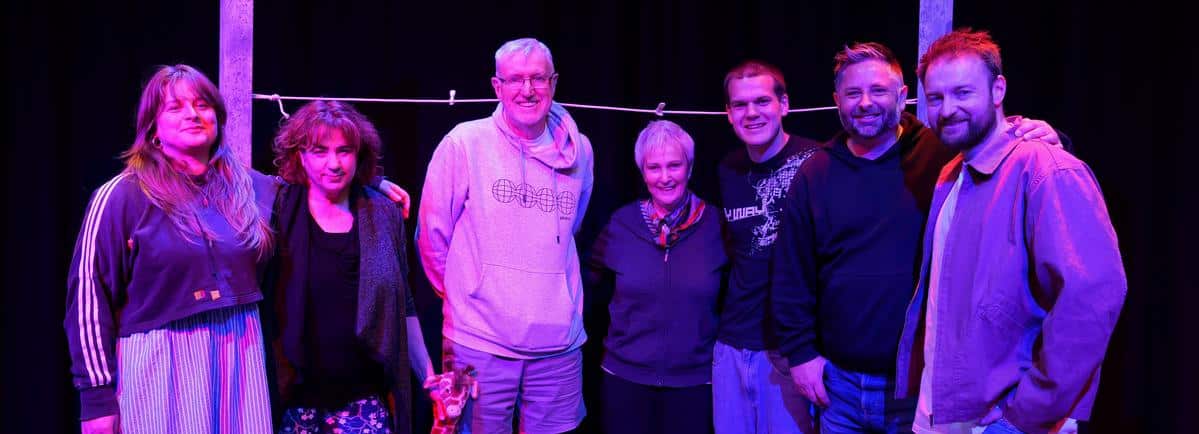
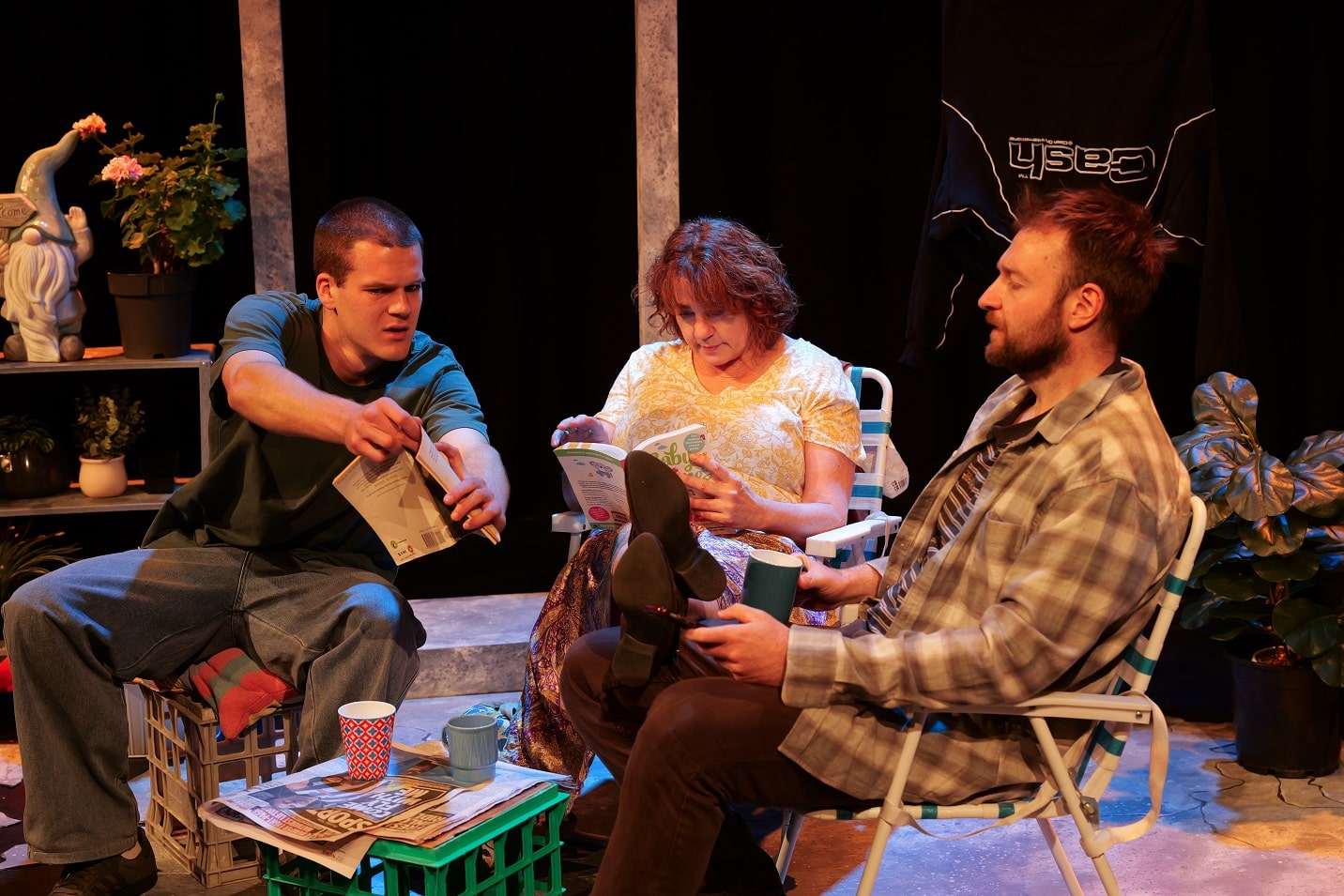
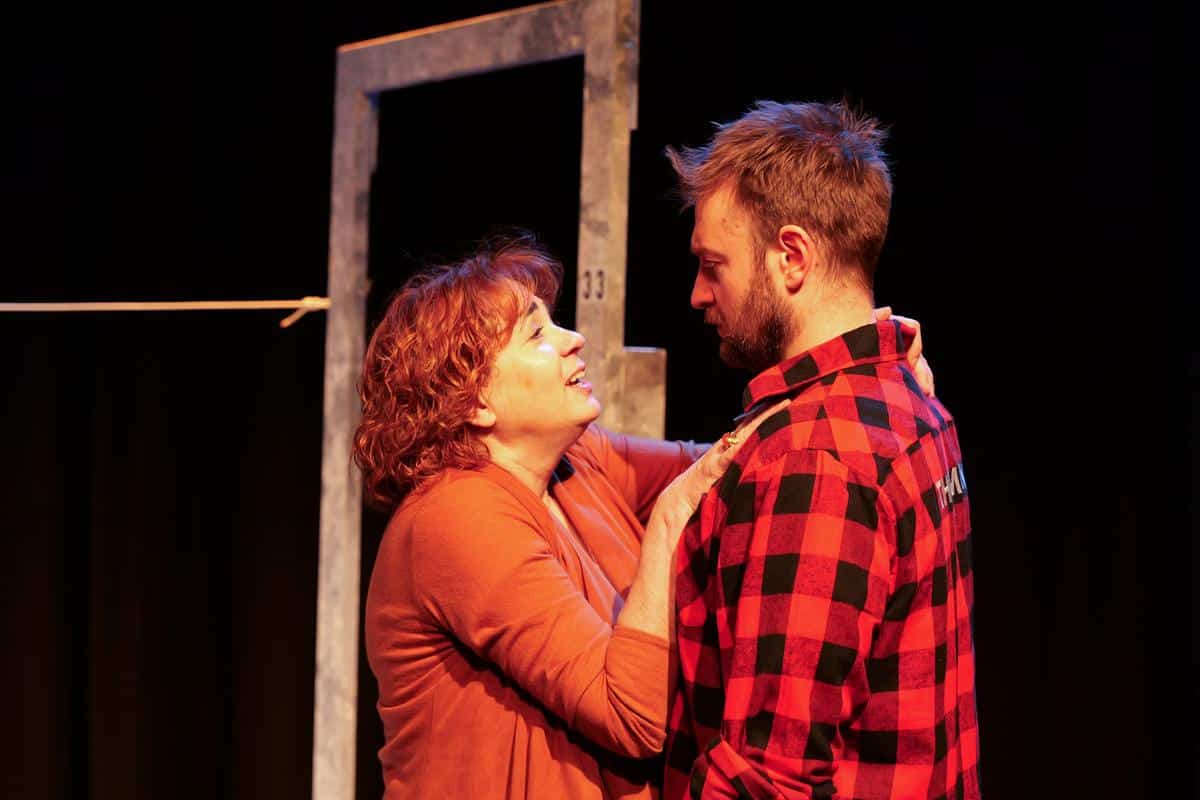
The Weathering is an extraordinary fusion of movement, sound, projection, and puppetry, a bold new work from Fusion Theatre’s inclusive ensemble that resonates long after the final moment fades into darkness. Directed by Darcy McGaw and Jo Raphael, this poetic and deeply human production transforms the urgent realities of climate change into a visceral, sensory experience.

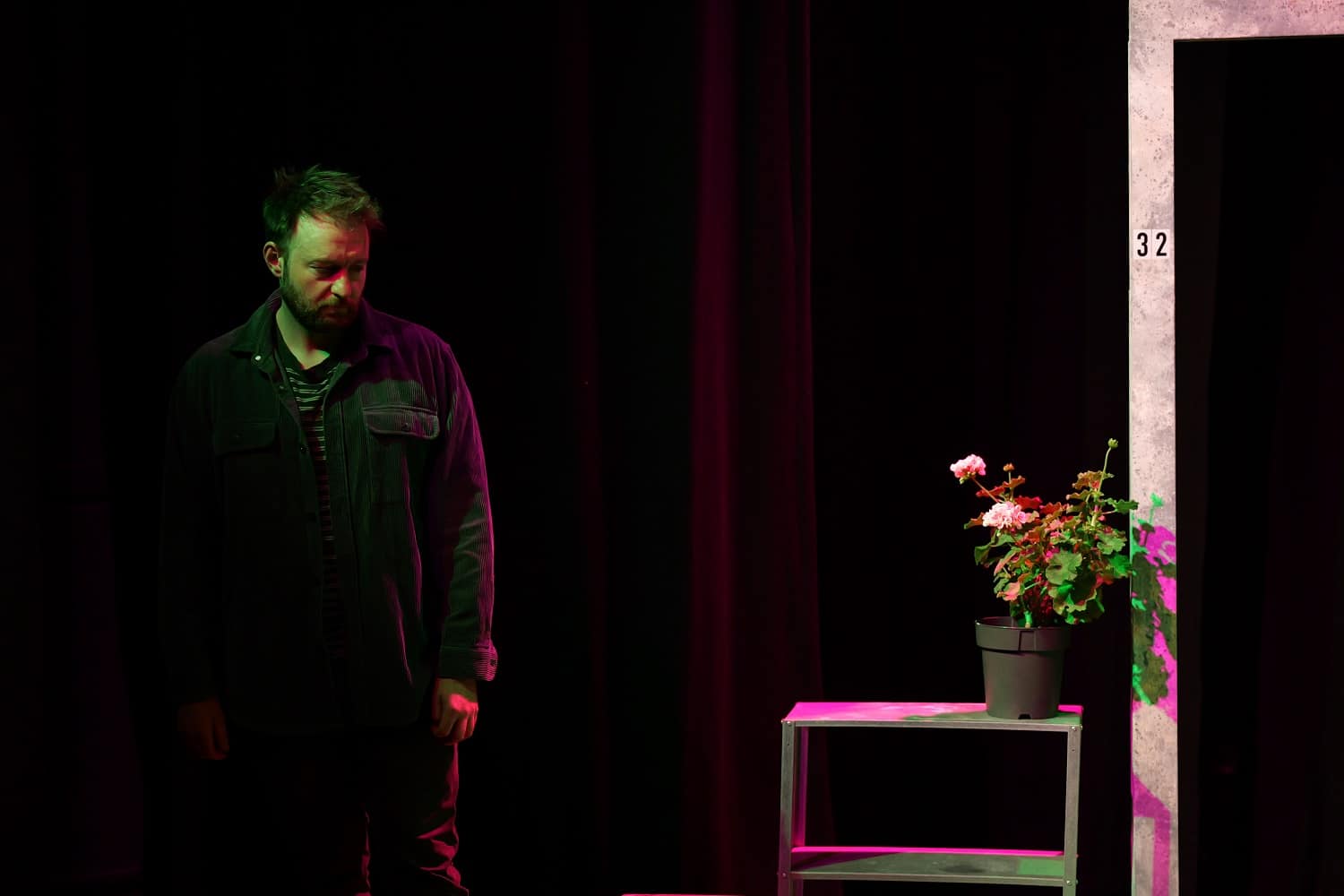
From the first moments, the performers command the stage through their physicality. Their bodies become landscapes, trembling trees, surging waves, shifting winds — embodying both the fragility and ferocity of a planet under pressure. The use of light and darkness creates a haunting rhythm, as projections wash across the stage like passing weather fronts. At times, the performers seem to dissolve into these shifting visuals, blurring the line between human and environment.

The original soundscape adds another layer of emotional texture. Whispers of rain, the low rumble of thunder, and fragments of breath and song create a world that feels at once intimate and immense. The puppetry, too, is quietly powerful — delicate yet evocative, revealing the interconnection between people and nature in ways words alone could never capture.


What makes The Weathering so compelling is the way it seems to capture opposing forces in its grip. It holds space for both helplessness and hope, for the chaos of the storm and the calm that follows. The pacing shifts fluidly between frenzy and stillness, echoing the unpredictable rhythms of the natural world. There are moments of silence that feel deafening, and bursts of movement that feel like the earth itself is speaking.

At its core, this is a show with immense heart. It gives voice to those who are too often excluded from conversations about the climate crisis — voices that are essential, urgent, and profoundly moving. The ensemble’s commitment shines through every gesture, every sound, every flicker of light.

McGaw and Raphael have crafted a work that feels both timely and timeless. The Weathering doesn’t just ask us to think about the world we’re losing — it invites us to feel it, to grieve it, and ultimately, to imagine how we might begin again.

To book tickets to The Weathering , please visit https://www.theatreworks.org.au/2025/the-weathering.

Spread the word on your favourite platform!

Ethnically Ambiguous

Ethnically Ambiguous

Ethnically Ambiguous Rating

Click if you liked this article

Ethnically Ambiguous is a silly and heartfelt comedy that explores three actors disappointing experiences as culturally diverse individuals in a shallow industry. Max Nunes-Cesar, Jo Malta and Zac Rose created and performed Ethnically Ambiguous as an exploration and presentation of their upsetting experiences as actors. This show contained a skit like format, moving between storytelling, faux game shows, musical numbers, and heartfelt monologues. This show also broke the fourth wall in frequently funny ways.

Ethnically Ambiguous contained a plethora of clever self-referential jokes and audience participation. The most powerful audience participation is the game of ‘guess the ethnicity’ with a wheel of origin as a practical gag. This worked well in combination with the actors and creators, it had an immediate and powerful impact on the audience. This skit was a clear and powerful moment of the actors creating tension, and using themselves and their experiences to cut the tension and connect with the audience.

The actors felt authentic, which makes sense given their roles as creators of the show, sharing their own experiences of the world. In particular, Zac Rose stood out as a powerful story teller, conveying his experiences and personal narrative in a touching and meaningful way. Rose was able to explore his ongoing feelings of shame and guilt, accepting that his ancestors were discriminated against because of the colour of their skin, and acknowledging that he carries the trauma of those experience, with the understanding that no one can see it, and he doesn’t experience it himself (due to his white passing presentation). Rose is told by his friends that “you choose what defines you,” as he decides to reclaim his sense of self, and falls into a space of acceptance.


The show’s theme of disconnection of perception and sense of self was well established and maintained. However, the show at times lacked direction and focus, with skits between the characters stagnating the pacing of the show. There were moments of the show that felt non-sensical. A sharp and clear perspective was missing at times, which meant the impetus of the show fell flat. As a result, the long-lasting impact of the show might not be as clear as the creators intended.

Acting is a visual and audible job, how you look and sound impacts how you are perceived, and although Nunes-Cesar, Malta and Rose don’t state it, to me it felt that it important to recognise and accept that there are things you cannot change, like the colour of your skin. This show reminded me that one’s sense of self, confidence, and acceptance of self should be tied to who you are, rather than the success you find in your career.

Ultimately, I came out of this show with the knowledge that pursuing a career in acting is risky, idealistic and irrational, and I’m glad Nunes-Cesar, Malta, and Rose are doing it.

To book tickets to Ethnically Ambiguous, please visit https://www.melbournefringe.com.au/whats-on/events/ethnically-ambiguous.

Spread the word on your favourite platform!

A One-Man Cabaret by Mario Acosta-Cevallos

Caminare - The Echo Of My Steps

Caminare – The Echo Of My Steps Rating

Click if you liked this article

1

Caminaré, The echo of my steps.

A ONE-MAN CABARET BY MARIO ACOSTA CEVALLOS

(MELBOURNE FRINGE FESTIVAL, 2025)

For anyone passionate about life’s unique narratives, expressed through human movement or dance, this new Latin cabaret show at Gasworks is for you.

Venezuelan-born Director and Dramaturg, Clary Riven, used, “The fire of Latin dance blended with the soul of cabaret to form a tale of culture, rhythm, pride and pain” to shape this new piece, her motivation being “inclusive stories that connect deeply with audiences.”

Starring World Salsa Champ, Mario Acosta-Cevallos, who created this cabaret, we watch as Mario bares his soul, via his life’s memories, confronting personal revelations and dancing his way through the complicated discovery of ones’ identity, self-doubt, and finally, healing.

Through music and movement, Caminaré reveals episodes of Mario’s past, from his introduction to Latin music growing up in a migrant household, to the glitter of the stage, to embracing his truth as a queer Latino performer, each episode disrupted by one of Mario’s energetic, professional, technically perfect Salsa routines – a joy to watch – some which defined him as Number One, others which didn’t. This drew a clever analogy to the way our lives ebb and flow.

Mario Acosta-Cevallos’ choreographed the show with Laura Anderson, who also produced the show. Laura has worked with some of the industries’ leading artists and companies, across musicals, live music, television and, theatre, her motivation to “push the boundaries of dance as a powerful form of expression.”


The audience sees Mario’s amazing routines that defined him as a winner but more interestingly, we see Mario’s sense of humour, his vulnerability, his competitiveness and ambition, most of all, we see his heart.

Stage manager, Seamus Allan, set the stage like a dressing room or backstage area, including some of Mario’s past glittering costumes and accolades.

Lighting Designer, Tom Vulcan, warmed the stage rosy at times, but mostly in bright red lights, that gave off an intensity when required.

Handsome and physically gifted, looking every bit the leading man, while this star is an openly gay artist, I noticed Mario had as much admiration from multiple ladies in the audience as gentlemen. Many were holding flowers to present to him after the show. After all, Mario is a 10+ time World Salsa Champion, touring internationally and performing on some of the world’s biggest stages, including the acclaimed, ‘In the Heights’.

Mario shows us he has learned life is not always about coming first, rather, it’s a moving feast, a constant buffet of lessons and of growing wiser. He is obviously a giver, a teacher, and a friend to many.

I liked his lines, “Hurt people hurt people” and “Who are you dancing for?”

Also, another dance analogy to life and relationships with, “….the push and the pull.”

The brochure offers, “This show is for everyone who’s ever questioned where they belong – and for those who found the courage to keep moving forward anyway.”

Many of us could learn from that.

• Caminaré – the Echo of my Steps, is playing at Gasworks until 11th October.

To book tickets to Caminare – The Echo Of My Steps, please visit https://www.melbournefringe.com.au/whats-on/events/caminare-the-echo-of-my-steps.

Spread the word on your favourite platform!

Greeking Out

Greeking Out

Greeking Out Rating

Click if you liked this article

0

Greeking Out reminded me why I love fringe theatre. At its best, fringe is lean and mean, a little scrappy, full of wit and invention and always just outside the norm. Rebecca Perich’s show delivered all of that in spades. This was peak fringe and I loved everything about it.

The premise is deceptively simple: a lecture on Greek mythology, given from a stool with a projector and an easel as props. Yet from that stripped-back set, Perich created an hour of comedy, storytelling and mythological deep-diving that was as enlightening as it was entertaining. The projector doubled as a lecturer’s whiteboard, lighting shifts offered just enough atmosphere and the black cloth-draped brick walls of the pop-up venue made the room feel like the kind of black box theatre where ideas are meant to spark. Even the old school seating added to the classroom vibe. It was, in every sense, authentic fringe.

What struck me most was Perich’s ability to master two seemingly opposite demands: making the audience laugh while also making them think. The show had proper laugh-out-loud moments There were cheeky asides, call-and-response games and even bursts of light choreography that pulled us into her world. But it also had a depth that stayed with me long after. I really loved how Perich didn’t just retell myths. She unpacked their cultural resonance, wove them into pop culture touchpoints and reminded us why these ancient stories still matter. Her skill lay in making the complex simple, without ever dumbing it down.


Fringe theatre can sometimes alienate, but Perich did the opposite. She met her audience exactly where we were, adapting her pace, her explanations and even her jokes to ensure accessibility. She was like that favourite teacher who can’t help but share their hyperfocus with you, dragging you joyfully into side quests and tangents like the naming of Europe or the complex family tree of Greek gods. These digressions were never wasted, they added texture and charm, much like the best detours on a road trip.

The 60-minute format was exactly right. As one of my favourite theatre sayings goes, “Everything good is better shorter”. Perich clearly understands this. The show was tight, sharp and left me wanting more. By the end, I wasn’t just entertained, I was ready to sign up for Mythology 201.

Rebecca Perich is a gifted storyteller, part comedian and part lecturer, who has found a form that feels utterly her own. She can take a myth thousands of years old and make it feel like gossip you’ve just overheard at the bar. That’s no small feat. Greeking Out was smart, funny and brimming with charm. More importantly, it was a reminder of why myth still holds power in our lives.
I laughed, I learned and I can’t wait for the next class. That’s my takeaway and I suspect anyone lucky enough to see this show will feel the same.

To book tickets to Greeking Out, please visit https://www.melbournefringe.com.au/whats-on/events/greeking-out.

Spread the word on your favourite platform!