Monkey Baa wonders: “Where is the Green Sheep?”

Where is the Green Sheep?

Where is the Green Sheep? Rating

Click if you liked this article

Making brilliant live theatre for small children is tricky, but Monkey Baa make it look easy.

A review of “Where is the Green Sheep?” at The Coliseum Theatre, Rooty Hill.

Small children are the best audiences in the world but also toughest. They don’t clap politely. They don’t pretend to enjoy themselves if they’re not having fun. They will just get up and wander off if they are bored. There was no danger of that during Monkey Baa’s Where is the Green Sheep?

“Where is the Green Sheep?” is a beloved picture book, a modern classic created by Mem Fox and Judy Horacek.

So, how do you adapt a treasured children’s picture book into an immersive visual theatre experience?

You’ve got to think about the size of the stage and the size of your audience. The Coliseum is a very big stage, and the stalls were crowded with hundreds of tiny children, slightly bigger children, and their grown-ups. That means you’ve got to fill that space with wonders. Think big!

You’ve also got to work out how you’re going to make the audio work. Monkey Baa wisely decided not to mic up any of their performers. Each of the three performers got to focus on puppeteering, dancing, movement and miming. The audio throughout is a bouncy mix of sparkly original music and lines read aloud by children from Bankstown West Public School.

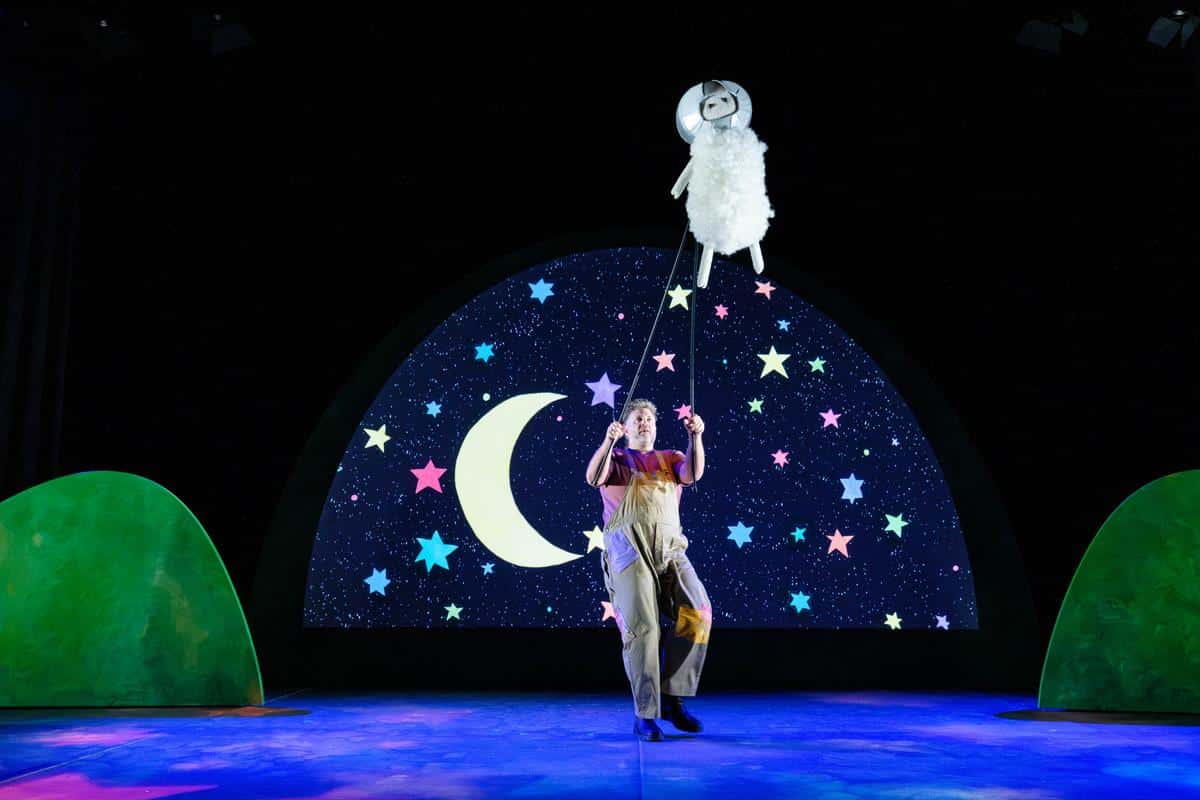
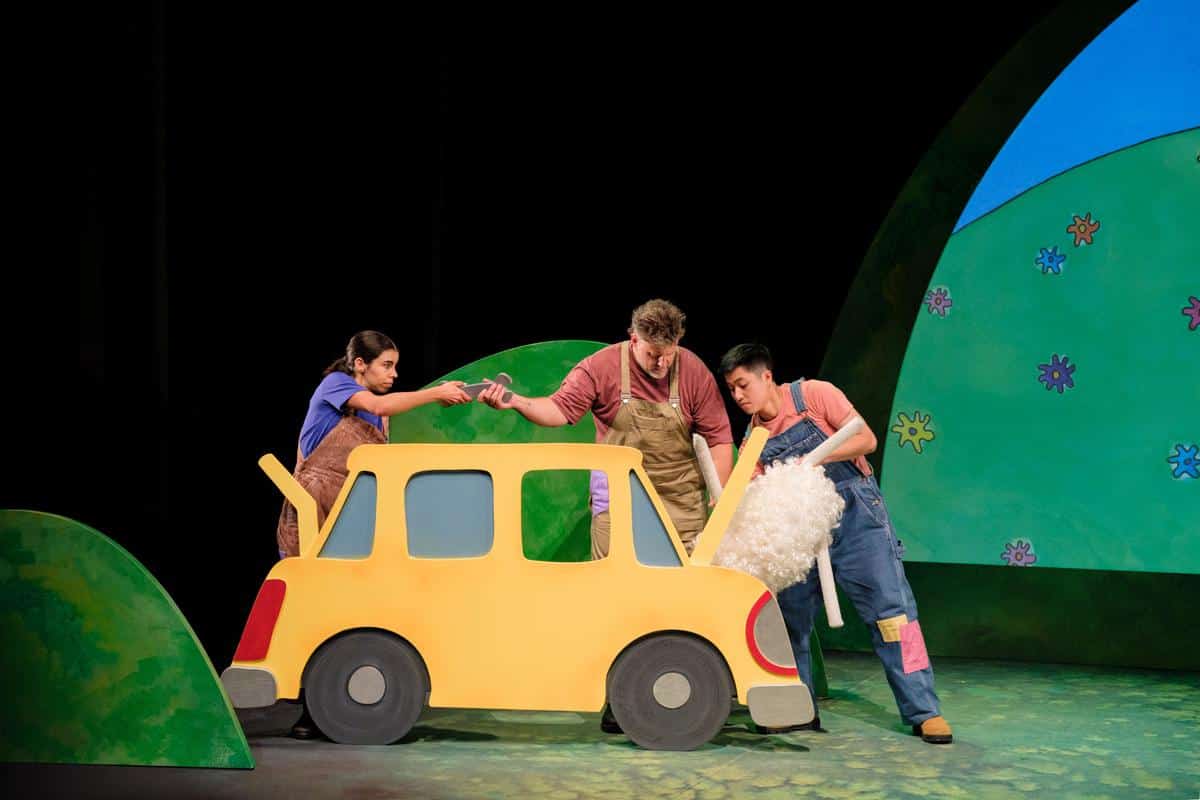
The stage is a lovely green field with round hills and a big arched screen in a hill for projected animations. Colourful props are carried or rolled on and off stage throughout the show.

The big projection screen is a mixed blessing. Sometimes the interaction of the screen and puppets works brilliantly, for example with animated splashes for water for the Bath Sheep.


But it was interesting to watch and listen to the reactions of the children in the audience. Their response switched dramatically between animations projected on the screen and live puppetry on the stage. An animated sheep flying across the screen was watched, like it was a movie in the cinema or an animated show on the TV or a phone. No interaction. Just consuming it like filmed media. The reaction to the real live puppet sheep and live performers was completely different. Happy shouts and interaction, clapping and giggling. The difference was obvious from my seat in the audience.

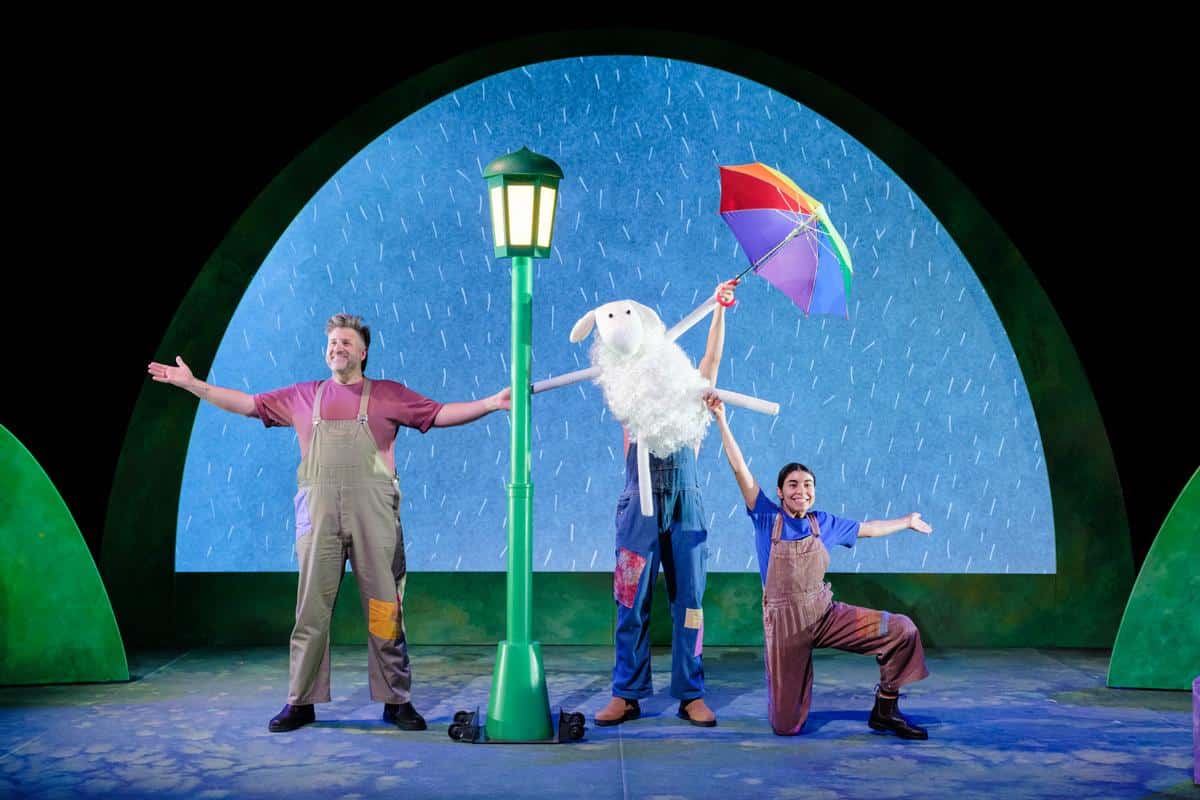
The animated projections added something beautiful when they enhanced the live puppetry. A live sheep puppet flying a kite on screen. The moon and starry night sky. Rain falling. The interior of the circus tent. This brought the scenery alive. But an animation of a sheep? It’s no longer alive and real.

This was most striking with the Near Sheep and the Far Sheep. The Near Sheep was fully projected on screen, duplicating the pages of the picture book, but with the book, when the Near Sheep fills the page, it does look like that sheep is near to the reader. On the big screen on stage that sheep became the Gigantic Sheep, scaling up bigger and bigger until it filled the whole screen, looming over the three performers like Sheep-zilla.

In comparison the simple effect of the Far Sheep being taken off stage by a puppeteer and up the aisles to the back of the audience in the stalls brought whoops of laughter and instant understanding. The Far Sheep was far away from the people on the stage.

The sheep puppets, made by Kay Yasugi, are fabulous. Big, soft and squishy with some sparkles in their wool that catch the light. The three performers, Ebony Tucker, Michael Ho and Paul Grabovac, are absolutely world class.

Highlights? The Bath Sheep, the Rain Sheep and the Far Sheep.

The simplicity of a performer blowing bubbles was met with a huge cheer of ‘bubbles!’ from everyone and the Bath Sheep, splashing and being dried with a towel had the audience in stitches.

The Rain Sheep is beautiful and colourful, dancing around a lamppost and opening an umbrella, in a woolly tribute to Gene Kelly in “Singing in the Rain.”

Knitted hats off to everyone at Monkey Baa, with special mentions to director and writer for the stage Eva Di Cesare, and puppetry director Kailah Cabanas.

Monkey Baa’s adaptation of “Where is the Green Sheep?” is an absolute delight that everyone will love.

Monkey Baa’s “Where is the Green Sheep?” is touring New South Wales, Tasmania and the ACT.
https://www.monkeybaa.com.au/shows/where-is-the-green-sheep

To book tickets to Where is the Green Sheep?, please visit http://www.monkeybaa.com.au/shows/where-is-the-green-sheep.

Photographer: Robert Catto

Spread the word on your favourite platform!

Emily Granger – A Thing Of Beauty National Tour

Emily Granger Solo Album Tour

Emily Granger Solo Album Tour Rating

Click if you liked this article

2

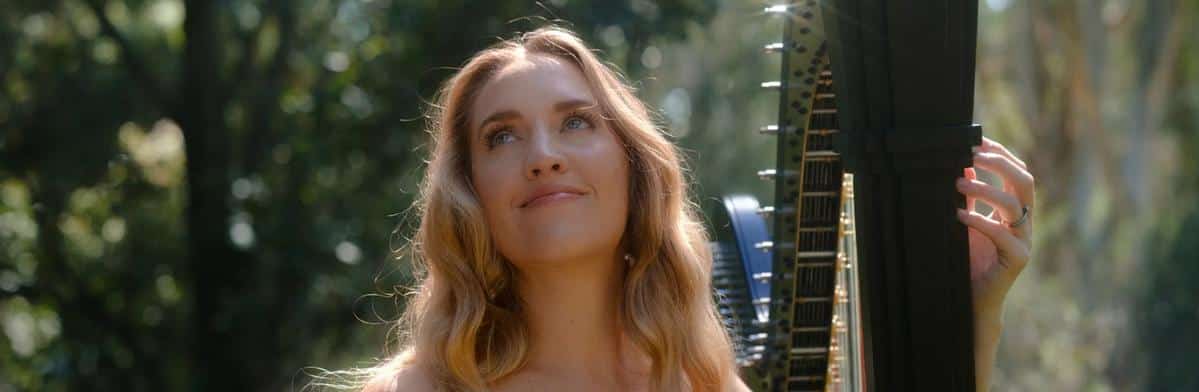
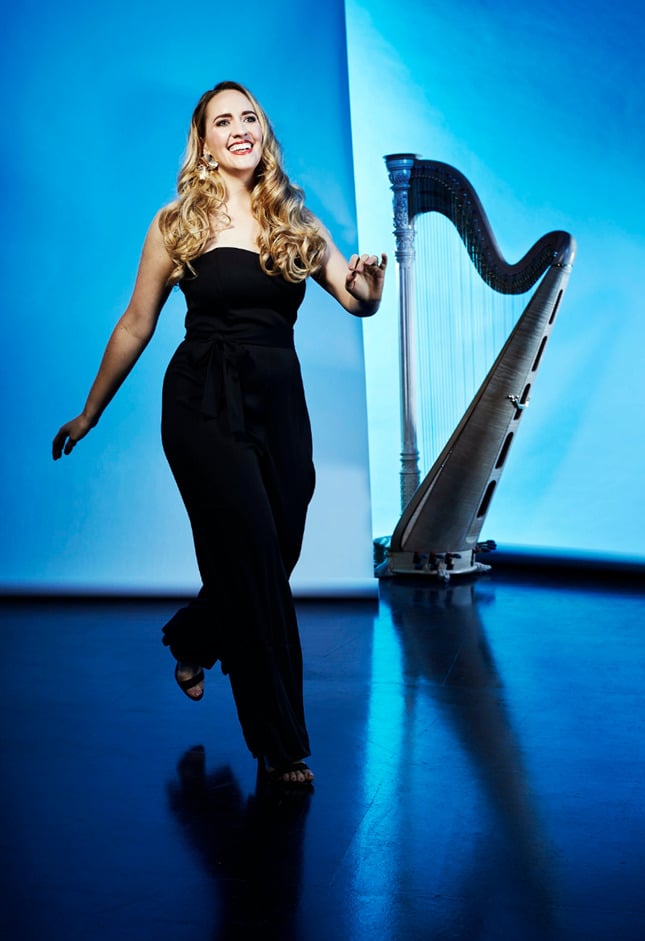
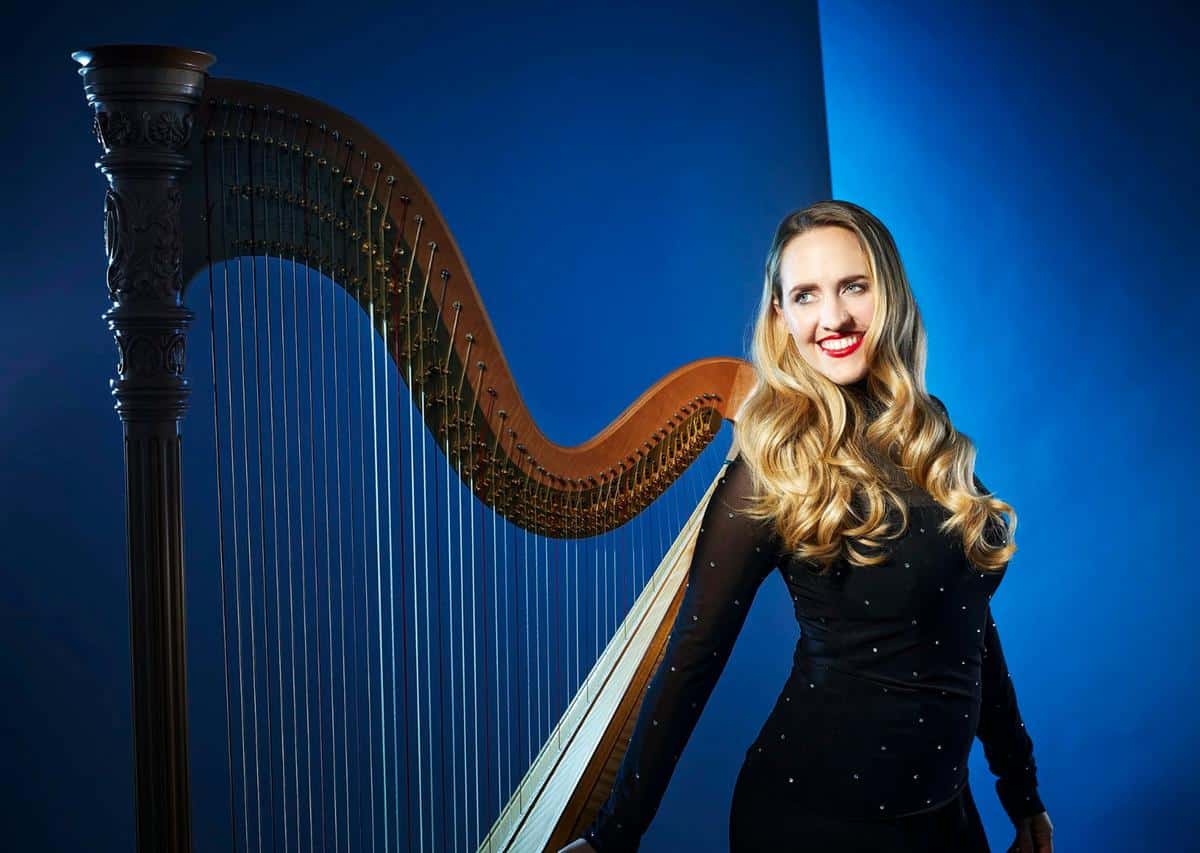
How do you describe the sheer beauty and joy of Emily Granger’s live harp performance? It’s impossible but I’ll give it a try.

There’s something otherworldly about the harp. The Lyres or Harps of Ur are the oldest surviving stringed instruments in the world. They were made of cedar, boxwood, gold, silver and lapis lazuli. Four and a half thousand years later, the classical harp that Emily borrowed for the evening is still a work of art, crafted from wood, decorated with gold.

If you close your eyes, you can picture yourself as part of tradition that has survived since ancient Mesopotamia and Egypt, evolving through the feasting halls of Ireland and Scotland’s Celtic chiefs, to the Royal palaces of France and Italy.

Nothing will ever replace the wonder and magic of being there, in the room, with a world-class musician, holding an audience enraptured.

In movies, the purity of harp music can be heartbreaking. You feel like you’re holding your breath, like the world is somehow spinning more slowly.

The delicate sounds of the harp defy words and conjure feelings and images, like a magic spell.

I found myself imaging a tiny child, wearing a princess dress and a pair of dress-up fairy wings, running barefoot through soft wet grass, gumboots in hand, after a rain spell. I wondered what everyone else in the audience was feeling or seeing in their mind’s eye.


As Emily said, “I hope with everything going on in the world, that this music makes you feel a little lighter.”

Emily’s new album, “A Thing Of Beauty,” is an absolute delight. It’s a wonderful treasure house full of new compositions, and we were blessed to have four of the composers sitting alongside us in the Sydney Opera House’s Utzon Room.

The evening’s performance sparkled with new music including “Emily’s Suite,” composed by Alice Chance, and “sanddollar,” composed by Sarah Elise Thompson. We journeyed from reminiscences of winters’ past to Californian beaches, from Christina Rossetti’s poetry to lullabies gifted to newborn babies.

Granger is a warm and natural performer, telling us little personal stories of visiting the tiny village of Karoola in Tasmania. She recited poet Hilary Burden’s four Karoola Seasons haikus; Spring, Summer, Autumn, and Winter, and played the four harp pieces they inspired, composed by Christina Sonnemann Baehr.

Granger’s versatility and talent are matched by her devotion to music. Her new album, “A Thing Of Beauty,” is full of new harp music that she has commissioned, creating incredible opportunities for contemporary composers.

As Emily told the audience, “I believe in creating a little happiness every day.”

Emily Granger’s new album, ‘A Thing Of Beauty,’ released through ABC Classic, is now available on CD and streaming.
https://www.abc.net.au/listen/classic/shop/emily-granger-a-thing-of-beauty/106866470

You can find Emily Granger online at:
https://emilygranger.com/

To book tickets to Emily Granger Solo Album Tour, please visit https://emilygranger.com/a-thing-of-beauty.

Spread the word on your favourite platform!

The Birds: Gothic Horror At Belvoir

The Birds

The Birds Rating

Click if you liked this article

Feathers fly and beaks pierce in this contemporary take on Daphne du Maurier’s horror classic.

Gothic horror is officially having a revival. Nosferatu by Robert Eggers. Guillermo del Toro’s Frankenstein. Emerald Fennell’s Wuthering Heights. STC’s production of Dracula, starring Cynthia Erivo, on London’s West End. Daphne du Maurier’s novel Rebecca is revered within the gothic horror canon, alongside her short story The Birds.

Du Maurier’s ‘The Birds’ is a tight, terrifying tale written and set in Cornwall, in the 1950s. This is post-war England. Men and women that fought against fascism and survived the blitz. The story focuses on Nat, his unnamed wife and their children, Johnny and Jill.

Without warning, the birds begin to flock, and attack. They gather, out to sea, in the winter fields. Driven by the east wind. Besieging the family. Drawing blood with stabbing beaks.

Nat is more prepared that his distant neighbours. He observes and acts. Others fall victim to the birds, their bodies left lying in and around their homes.

Alfred Hitchock’s classic chiller ‘The Birds’ followed in 1963, shifting the action to Bodega Bay, California. Hitchcock took the title and the concept and had Evan Hunter (better known by his pen name, Ed McBain) rewrite the story.

Hitchcock’s movie centres on socialite Melanie Daniels (Tippi Hedron’s debut) and lawyer Mitch Brenner (Rod Taylor) as the birds attack and they struggle to survive and keep Brenner’s mother Lydia and young sister Cathy alive. (Interesting side note: Cathy is played by teen Veronica Cartwright, who went on to play Lambert in Ridley Scott’s classic sci-fi horror, Alien.)

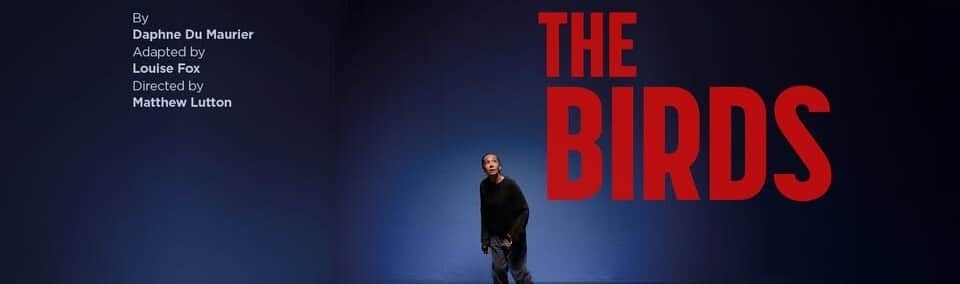
In 2026, Belvoir presents Malthouse Theatre’s production of ‘The Birds,’ directed by Matthew Lutton (The Return, Picnic at Hanging Rock, The Bloody Chamber) and adapted Louise Fox (Glitch, Tartuffe, The Trial)

Lutton and Fox decided to transpose the story to Australia, to a small seaside town somewhere in Victoria, bringing the action up to date with mobile phones, pandemics and conspiracy theories.

Australia is the only country in the world to fight, and lose, a war against birds. In 1932, the military, armed with Lewis machine-guns, were sent to Western Australia to defend the wheatbelt in the Great Emu War. Australia is legendary for its deadly fauna from funnel web spiders and red-bellied black snakes to sharks and stonefish. Birds and quokkas are among the few things that aren’t trying to kill you.

Despite the Australian setting, the attacking birds are predominantly the gulls and gannet of Du Maurier’s short story. I’ve seen sulphur-crested cockatoos eat a trampoline and hack through wire screen doors with hooked beaks and talons. We never hear these natives in the soundscape. No screeching cockatoos or menacing kookaburra laughter. I’m afraid that if Australia’s birds suddenly turned murderous, we wouldn’t survive the 80-minute duration of the play.


Lutton and Fox’s decision to make this a one-woman show, casting Paula Arundell (The Master and Margarita, Harry Potter and the Cursed Child) was a masterstroke.

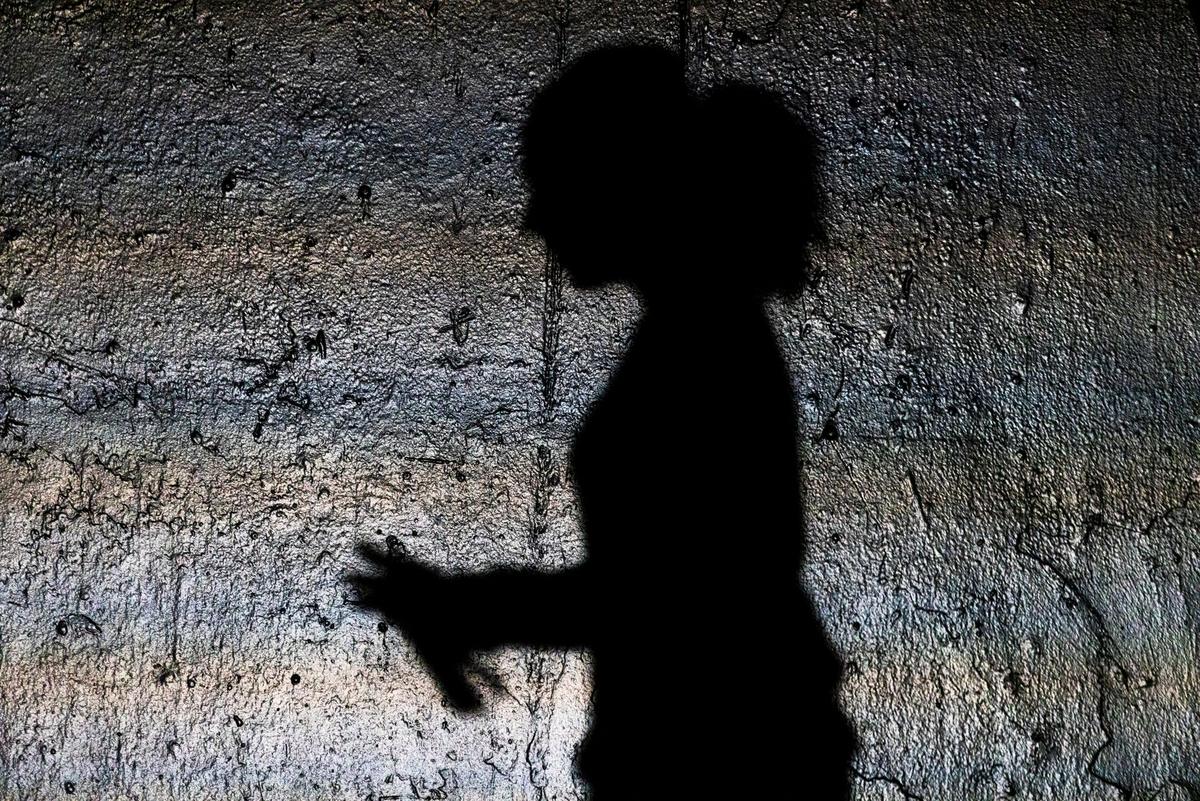
Arundell leads as Tessa. She is Nat’s unnamed wife from Du Maurier’s short story given the name of Melanie Daniel’s unseen aunt from Hitchcock’s movie. Arundell shifts roles and voices as Tessa talks to her husband, children and neighbours. This is a choice – and like Vegemite you may love or hate it. For me this jumping between roles was a misstep, dragging us out of the building tension, throwing the focus away from Tessa to other characters that will never be fully realised. In an 80-minute show, every moment away from that central character is a loss and the zig zagging was distracting.

The adaption introduces other issues. Australianisms and moment of humour pierce the rising tension, deflating the horror. We lose the gradual building terror of Du Maurier’s original story, where she deftly escalates from waves of small birds to gulls and gannet, and the grim finality of the birds of prey with their sharp beaks and deadly talons. There was no light comedy to dull that horror. Do 2026 audiences need respite or giggles?

Warnings in the programme include coarse language, and graphic descriptions of violence, harm and death. The coarse language is grating. Does a play really need the F-word and C-word thrown around to be contemporary or authentic? They added nothing but took a lot. Likewise, Fox’s graphic and gory descriptions of the dead and dying add little but shock value. The audience’s imaginations can conjure these horrors without a list of brutal injuries and mutilated body parts.

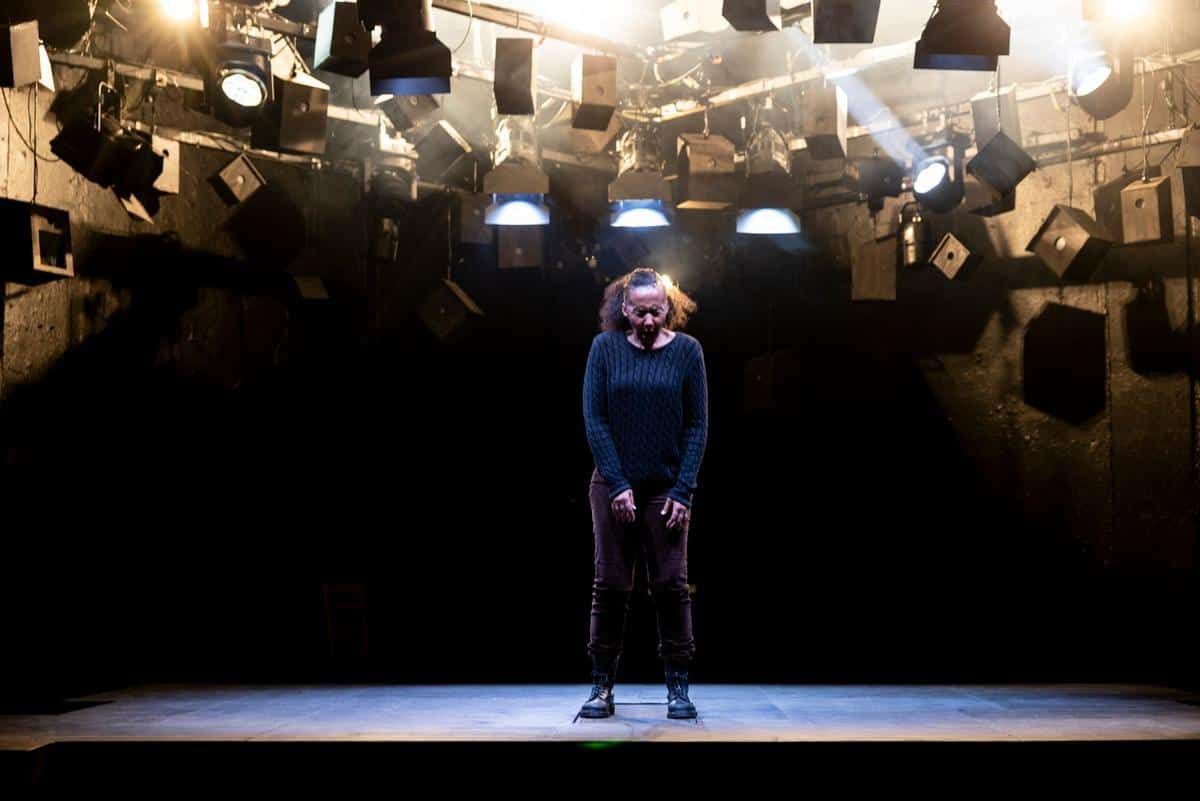
This is a production with no actual birds. No animatronics, no puppets, no projections. The bird attacks are conjured with stabbing sound and fierce white light. The effect is visceral and nothing short of brilliant. Lighting Designer, Niklas Pajanti, and Composer and Sound Designer, J. David Franzke’s collaboration is breathtaking.

Kat Chan’s set appears minimalist at first glance. Three white windows and pitch-black staging. The outline of Tessa’s house as a raised platform. The inclusion of a treadmill felt like a gimmick. When Arundell is running for her life, it sadly looks more like she’s jogging at a 24-hour gym. (Useless fact: Hitchcock used a treadmill on a soundstage for the scene where the schoolchildren flee the crows. They ran on a treadmill, in a cage, while handlers threw live birds at their heads!) Chan’s set extends above Arundell’s head as the roof threatens to cave in on Tessa. I may have imagined it but there seem to be black bird boxes hiding among the stage lights. Black roofs, holes cut in their sides, like little gothic haunted bird houses.

Paula Arundell is a force to be reckoned with. Horror is often looked down on as a genre. But Australian actors have taken horror roles as an opportunity to shine. Nicole Kidman in The Others. Toni Collette in Hereditary. Samara Weaving in Ready or Not. Naomi Watts in The Ring. Essie Davis in The Babadook. Paula Arundell appeared in Late Night with the Devil. She plays Tessa as the final girl, initially confused and afraid but gradually adapting and finding her power, fighting back to protect the ones she loves.

Arundell’s barnstorming performance, and the lighting, sound and set design lift this production, creating a gothic horror for the post-pandemic, post-truth age.

To book tickets to The Birds, please visit https://belvoir.com.au/productions/the-birds/.

Photographer: Brett Boardman

Spread the word on your favourite platform!

Perfect. A Triumph For Easter Weekend

St John Passion

St John Passion Rating

Click if you liked this article

8

75 years ago, the director and Chief Conductor of Sydney Symphony Orchestra was the renowned Eugene Goossens.

Goossens conducted concerts in the Sydney Town Hall, but he had a loftier goal: a grand concert hall at the heart of the city. Goossens lobbied relentlessly, campaigning for a world-class venue. It was his vision that led directly to the creation of the Sydney Opera House.

I imagined the ghost of Goossens, looking down from the gods, in the Sydney Opera House Concert Hall, as Brett Weymark conducted Sydney Philharmonia’s Symphony Chorus and Baroque Orchestra in Bach’s St John Passion.

Brett Weymark championed classical music in Australia long before he was appointed Artistic & Musical Director of Sydney Philharmonia Choirs. His devotion was honoured in 2021, when he was awarded the Medal of the Order of Australia for services to the performing arts through music.

You may have heard Weymark’s work but never known it. He was the conductor for the movie scores of ‘Happy Feet’ and ‘Mad Max: Fury Road.’

Eugene Goossens fled Australia, mired in a sex and occult scandal that ruined his reputation and destroyed is career. Thankfully, Brett Weymark’s reputation as one of Australia’s foremost conductors continues to grow from strength to strength. This year’s Bach’s St John Passion is his latest triumph.

One of the great joys of life is connecting with others through music. Singing in a choir, surrounded by other voices is a magnificent visceral experience.


Do you sing bass or tenor? Sydney Philharmonia Choirs are currently looking for more basses and tenors.

The Acknowledgement of Country was ‘Tarimi Nulay: Long Time Living Here’ by Yorta Yorta composer Deborah Cheetham Fraillon, translated into Gadigal by Matthew Doyle. This work is hauntingly beautiful.

Language is important, and fortunately for those who speak neither Gadigal nor German, programmes were available online and in hard copy. Following the dialogue is key to fully understanding St John Passion. It highlights the callousness of Jesus’s persecutors, and the genius of Bach, hearing the music bouncing with glee as the chorus humiliates Him on the journey to the crucifixion.

The soloists within this oratorio played their respective roles to perfection.

Timothy Reynolds tenor rang through the concert hall as he narrated the action as the Evangelist. Christopher Richardson took the baritone role of Jesus with reverence. Andrew O’Connor portrayed the stress of Pilate dealing with the enraged mob.

Penelope Mills (soprano), Ashlyn Tymms (mezzo-soprano) and Michael Petruccelli’s (tenor) arias shone.

Bach wove together passages from the Gospel of John, extracts from the Gospel of Matthew, Lutheran Chorales, and his own arias based on poetry from contemporary Passion librettos.

Hearing the Sydney Philharmonia’s Symphony Chorus sing Bach’s Passion is a wondrous experience. Every member of the choirs and each player in the Baroque Orchestra is to be commended and congratulated.

A public service announcement: addressed to the lady that stomped in late during Part 1, in what sounded like wooden clogs. She was roundly shushed and hissed for disturbing the audience as she clumped to Box C. If you are delayed and running late, the least you can do is take off your heels / tap shoes / boots and tiptoe quietly to your seat.

St John Passion was a beautiful, liminal performance, created by world-class artists.

To book tickets to St John Passion, please visit https://www.sydneyphilharmonia.com.au/events/bachs-st-john-passion/.

Photographer: Keith Saunders

Spread the word on your favourite platform!