Howl

Howl

Howl Rating

Click if you liked this article

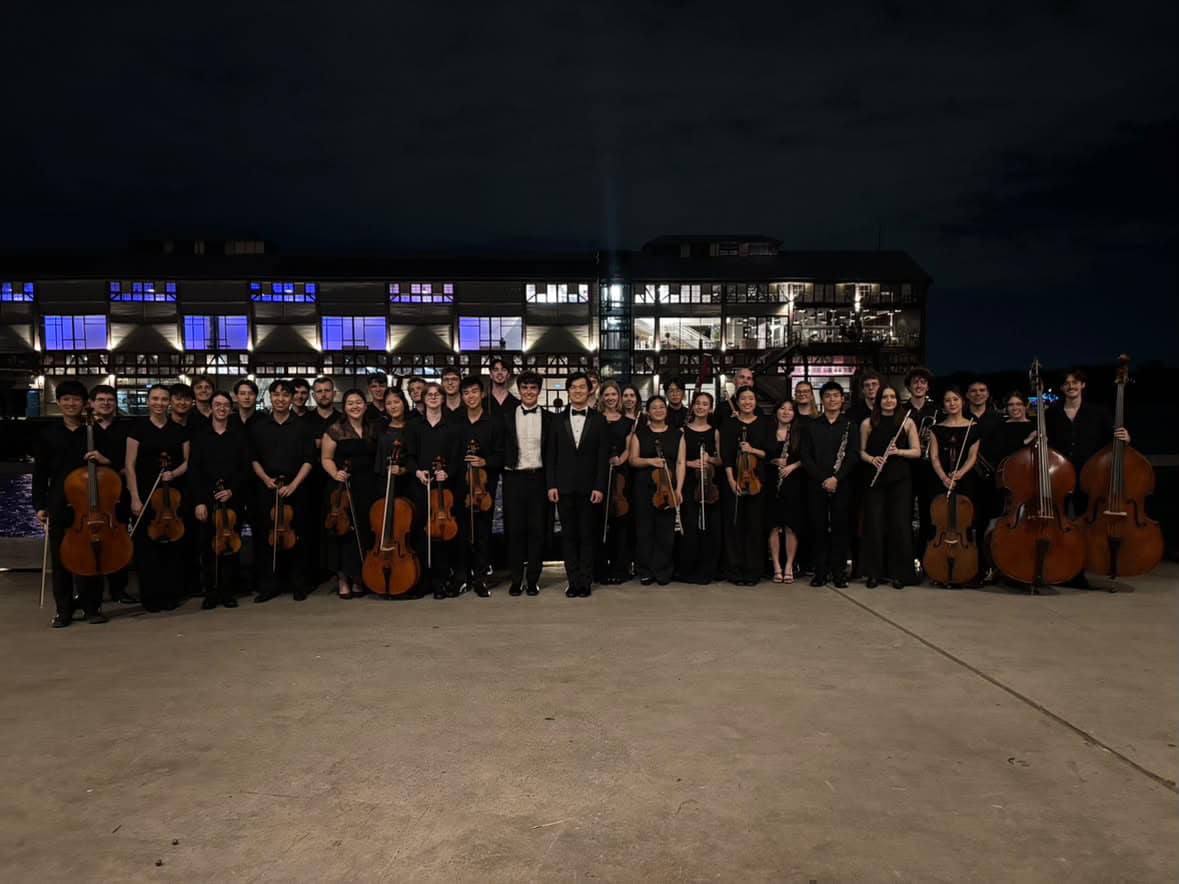
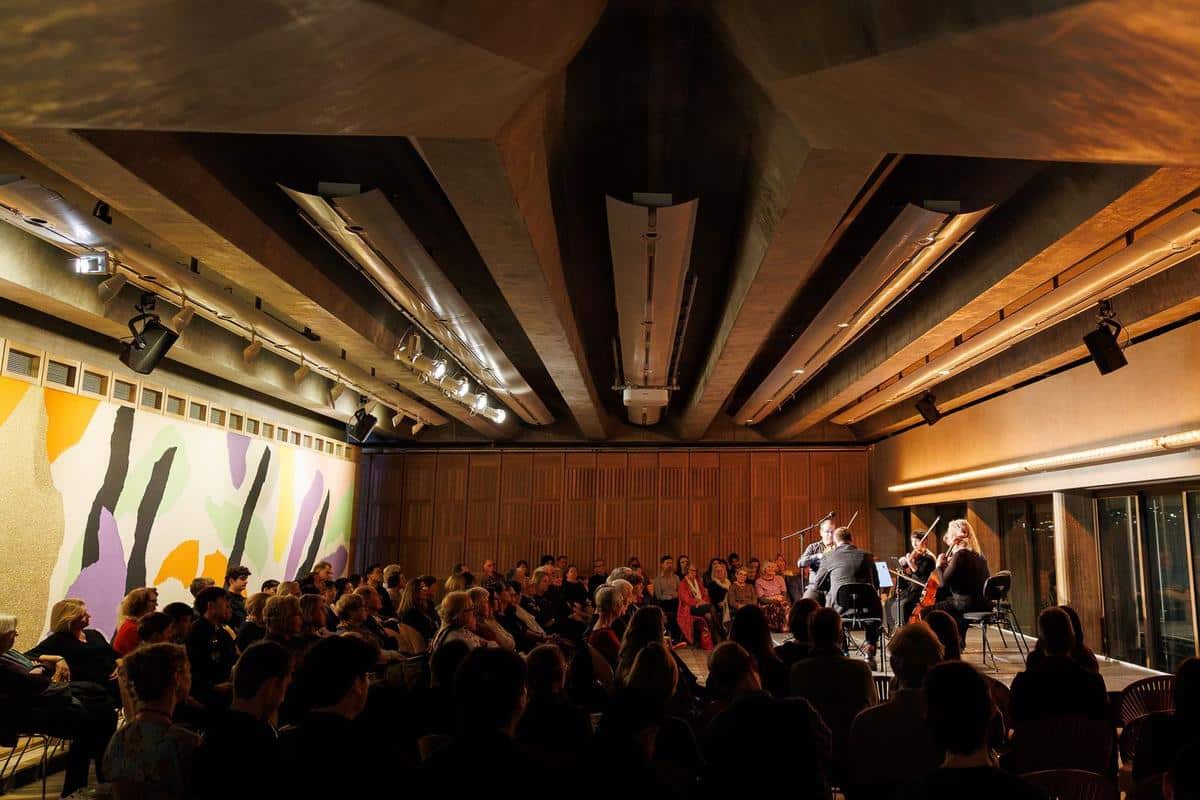
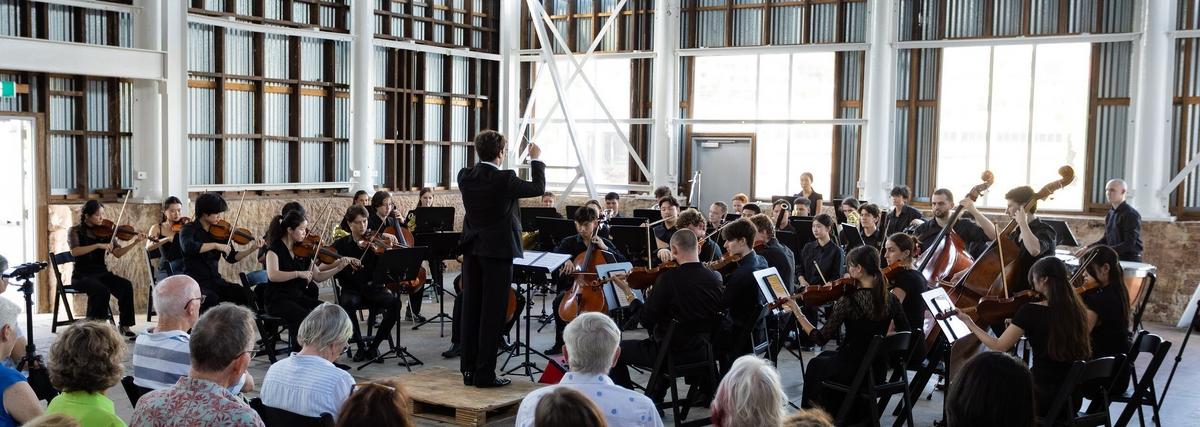
The pamphlet guide to the Omega Ensemble’s new composition of works entitled Howl promises audience members “riot, rapture and release”. Ensconced within a beautiful wood-panelled studio situated in Walsh Bay, it was clear that those who sat down to see the first performance of this show were bearing witness to an intriguing and complex arrangement of music.

The show began with a rendition of a piece called Tooth and Nail, which involved a talented soloist skillfully wrangling his viola to an eerie and circular backing-track. To me, the piece was haunting and reminiscent of the feeling of chasing and being chased by something sinister. It was a piece that woke the audience up; a true skill for the musician to play this kind of music in a way that is suspenseful without being shrill.

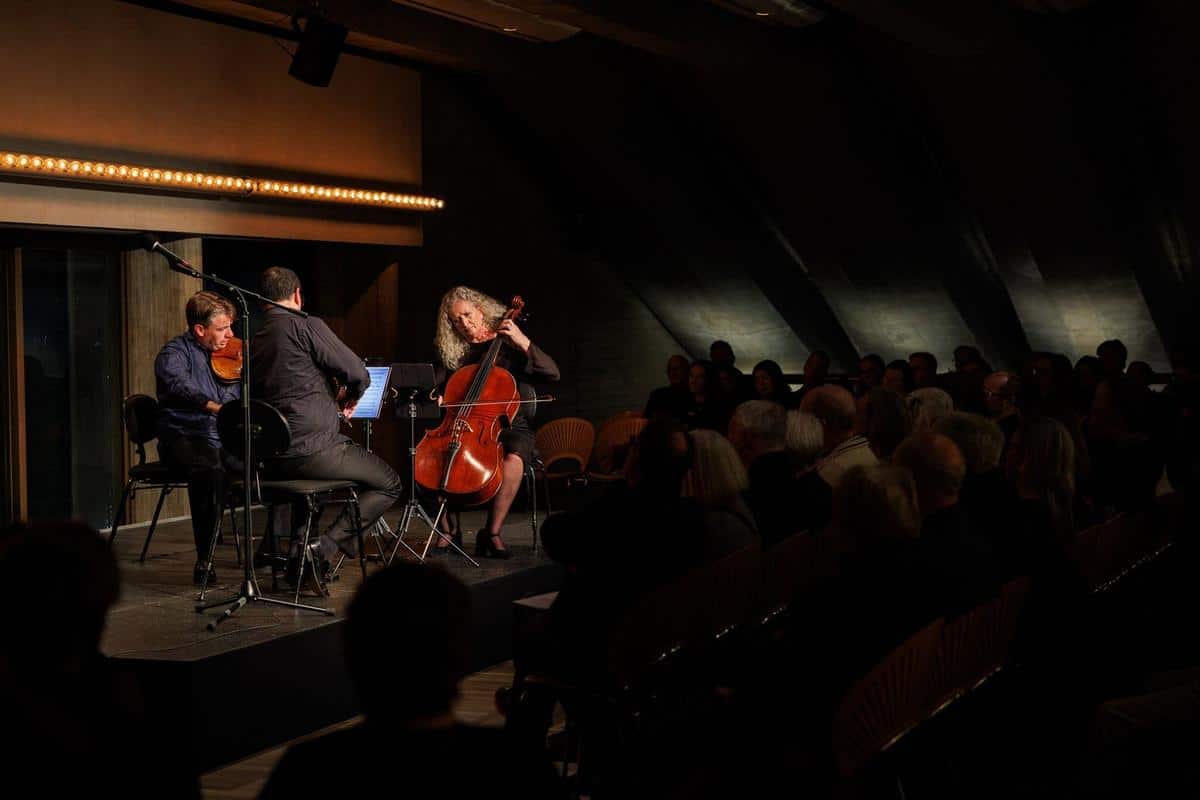
Following the first piece, two more violinists and a cellist joined each other on stage, and the blue curtain behind them was at once lit up by a fluorescent green/pink background. This was in preparation for a piece entitled Tuggemo; my least favourite composition of all that were played. According to the guide, Tuggemo is a word that has fallen out of usage and means “a swarm of birds or flies”. It was clear the musicians were mastering their instruments, and perhaps the flurry of activity in the last portion of the piece was building into something sharper. However, when the piece ended abruptly, what was left seemed to be a confused purpose. It felt to me as if the purity that strings are capable of was being eschewed in order to replicate the impossible. However, I am not an experienced musician and the audience seemed to be okay with it, which may simply mean that something had been lost on me.


The third piece; Interference Patterns seemed much closer to its intent. When the green and pink lights fell away from the blue fabric of the curtain, it was as if the music had become orchestral and cinematic again, and the audience was taken to another place. The piece was foreboding and ominous while at other times clean and exquisite. The friend I had brought with me (who previously played as a classical violinist in her home country) said she loved it. To the question of why she liked it so much, she answered that it was ‘nostalgic; like something in the past but at the same time hasn’t been heard before’.

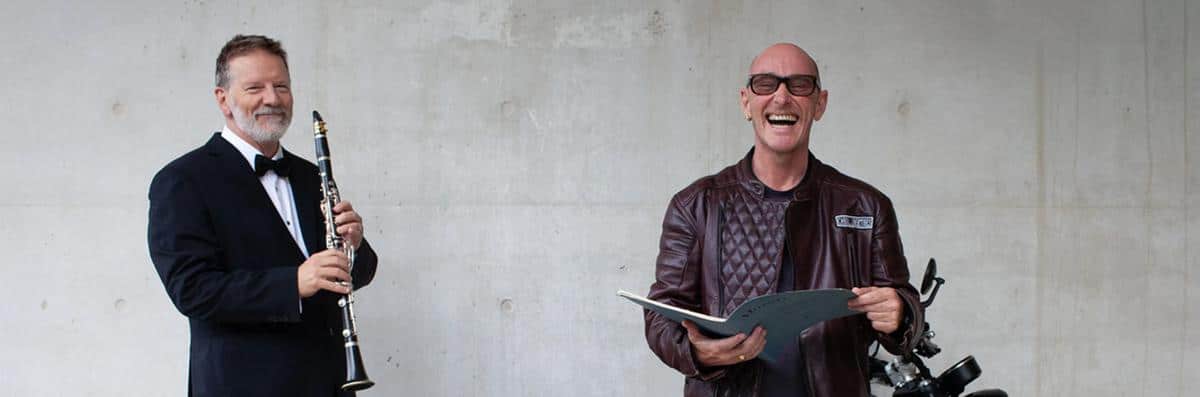
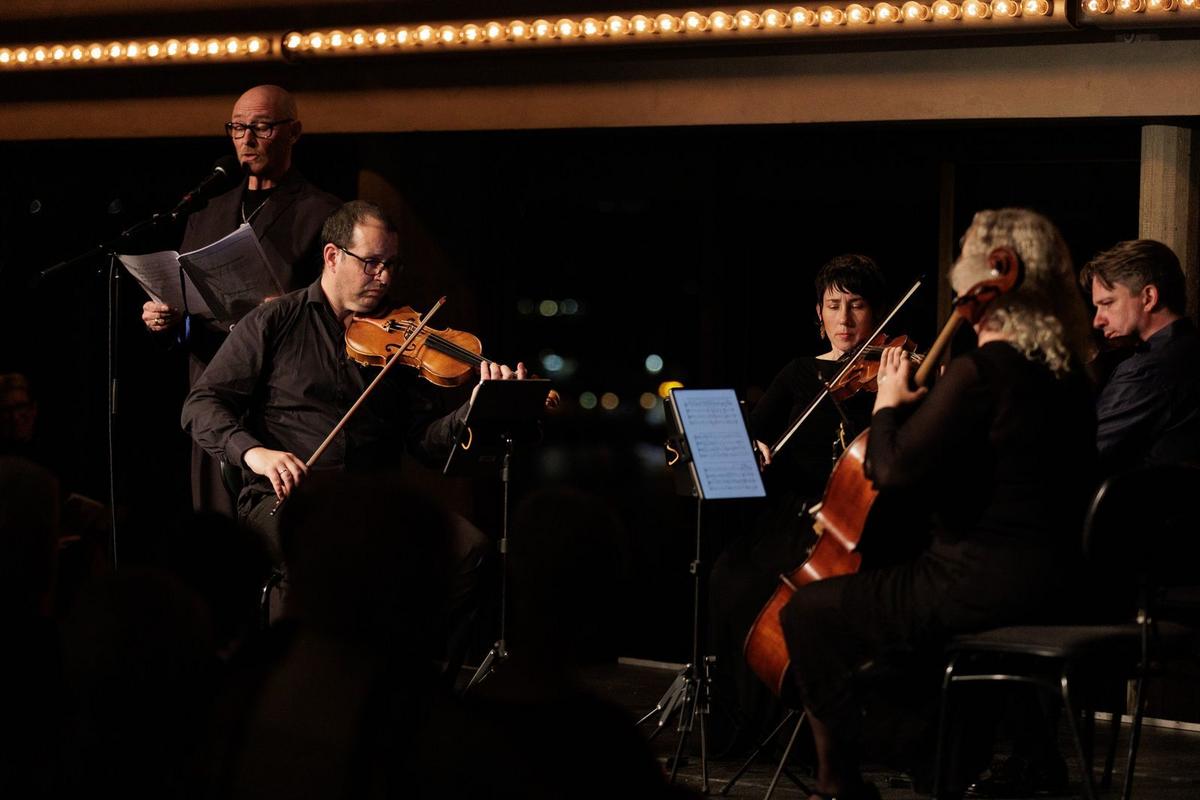
Interference Patterns set the tone perfectly for what was to come next; the piece the show is named after and which uncoincidentally shares a name with Allen Ginsberg’s infamous poem. The musicians playing Howl did well to capture the nightmarish intensity of the infamous work. It was sharp rather than chaotic and the strings were haunting but never sad. Particularly effective was the clarinetist, who commanded the room, and led the audience through what seemed to be a faultless performance. I felt that the music did not unravel in the same way the poem does, however technically and thematically, the notes were mastered by their respective musicians.

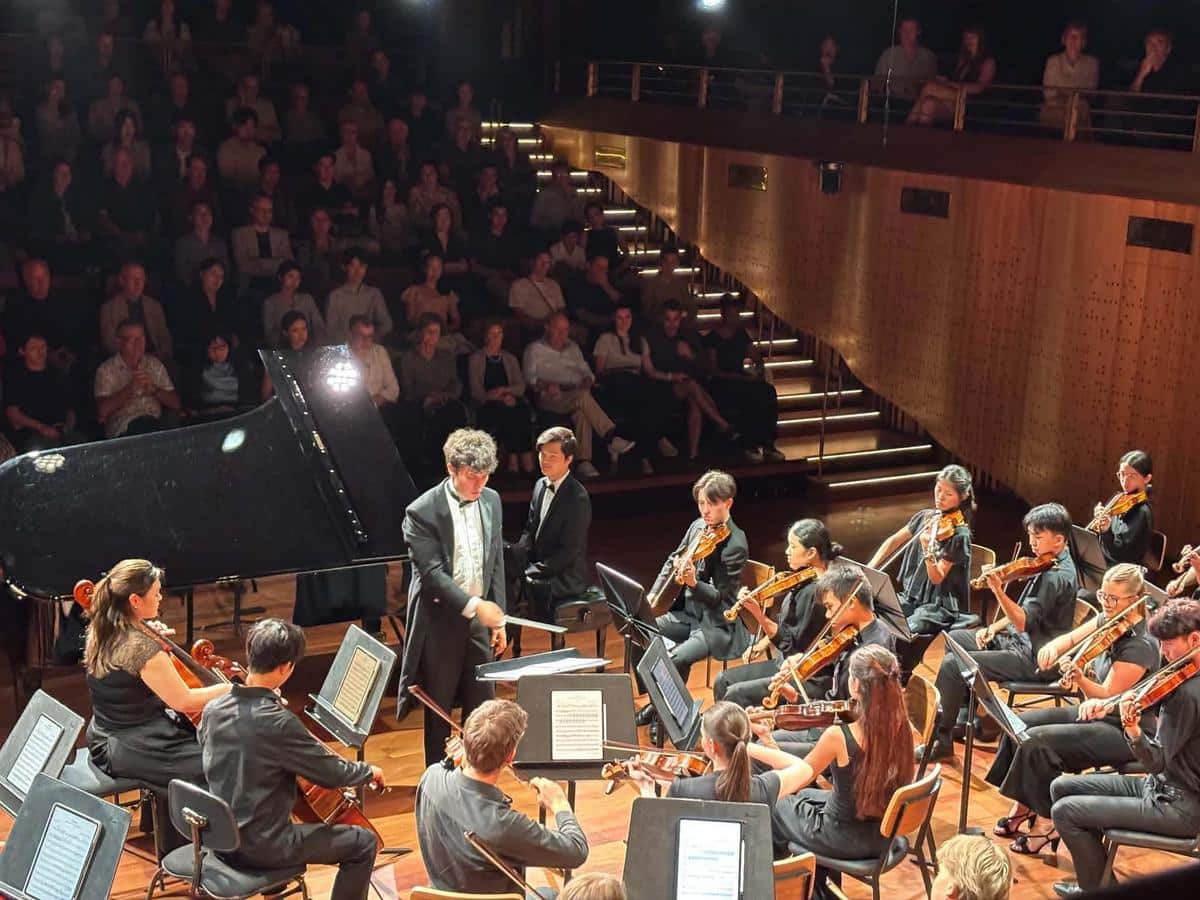
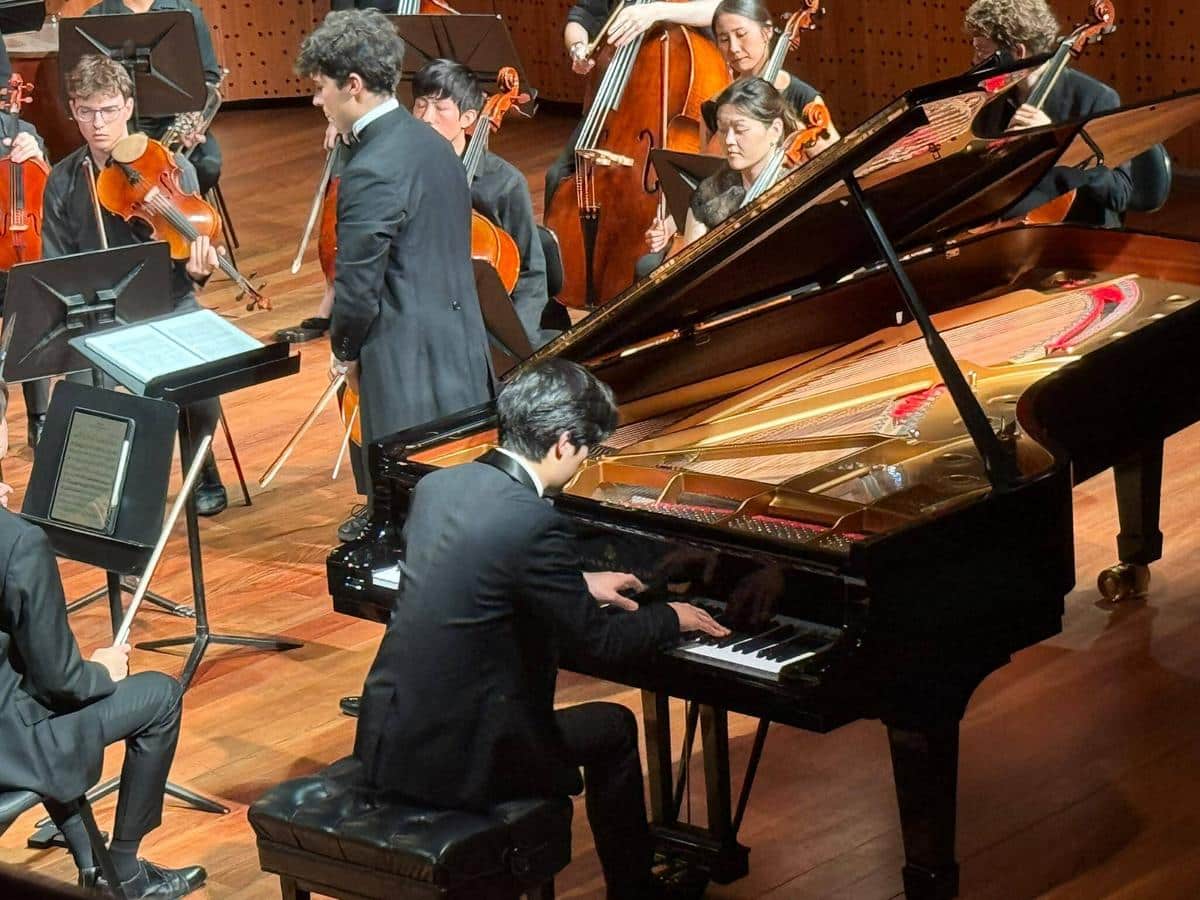
Following the end of the fourth piece, pianist Vatche Jambazian took to the stage to introduce himself as the musician playing Danny Elfman’s composition; Piano Quartet. He seemed to at once take command of the beautiful Steinway and Sons grand piano in the centre of the room to express himself through the music, rather than merely playing it. The animated performance provided music that was interesting, creepy and captivating.

And so, as a non-musician who loves music and knows it is for everyone, I can only review this performance from the honesty of my own lens. In this way, I think the collective attentiveness of the audience showed that they were grateful for being gifted with this experience. As an admirer of poetry, I would say that it is perhaps impossible to emulate the intensity of Ginsberg’s Howl without the words by which it expresses its sentiment. However, I am adamant in my judgement that the standalone performance here played out in the final piece; Piano Quartet. The pianist was a definitive and shining gift in the program, fully embodying its genre and showcasing inherent musicality.

3 ½ stars

To book tickets to Howl, please visit https://www.omegaensemble.com.au/howl.

Photographer: Gxbriellemxry

Spread the word on your favourite platform!

Gloria!

Gloria!

Gloria! Rating

Click if you liked this article

4

The mere mention of Antonio Vivaldi, Johann Sebastian Bach, and George Frideric Handel is enough to quicken the pulse of any classical music lover. Hearing their works performed together feels rather like being presented with an exquisite three-course meal: a rich entrée, a deeply satisfying main, and an indulgent dessert. It was therefore a fitting and inspired program to launch the 2026 season of the Sydney Philharmonia Choirs, performed against the harbour backdrop of Walsh Bay Arts Precinct.

The evening opened with a theatrical gesture that immediately captured the imagination. Rather than appearing en masse on stage, the singers began dispersed among the audience, their voices rising gently from different corners of the hall. The sound emerged almost like a whisper—soft, tentative, and intimate. As the choristers slowly began walking toward the stage, their collective sound grew in strength and cohesion, gradually filling the space with an enveloping resonance. What began as a delicate murmur evolved into a powerful wave of harmony. The effect was both startling and deeply moving, a reminder that great choral music is as much about atmosphere and storytelling as it is about notes on a page.

At the heart of the program was ‘Gloria in D major’ by Antonio Vivaldi, a work whose brilliance has long secured its place among the most beloved pieces of sacred music. From its jubilant opening to its contemplative inner movements, the music seems almost to lift the listener from their seat. There is a buoyancy in the writing that carries the voices upward, while the orchestra provides a radiant foundation beneath. Even for those unfamiliar with the Latin text, the emotional clarity of the music is unmistakable. It feels like a universal prayer—an appeal for peace, beauty, and hope—resonating with particular poignancy in our unsettled modern world.


The program then turned inward with ‘Weinen, Klagen, Sorgen, Zagen’ by Johann Sebastian Bach. In contrast to Vivaldi’s luminous exuberance, Bach’s cantata unfolds with profound introspection. The music seems to explore the fragile landscape of human emotion—grief, anxiety, and quiet endurance—yet always with the suggestion of solace just beyond the shadows. Bach’s gift lies in his ability to transform personal anguish into something transcendent, and here the choir and orchestra captured that delicate balance beautifully.

The concert concluded with the dramatic sweep of ‘Dixit Dominus’ by George Frideric Handel, a work written when the composer was still in his twenties but already brimming with confidence and invention. At times, echoes of Vivaldi’s rhythmic vitality could be heard, particularly in the vibrant interplay between the five soloists and the full chorus. Yet Handel’s unmistakable theatrical flair also emerged, with sudden contrasts of mood, tempo, and texture creating moments of thrilling unpredictability. The piece crackled with energy, bringing the evening to an electrifying close.

It is astonishing to reflect that each of these monumental works was originally written for the church, conceived not for the concert hall but for sacred spaces and liturgical devotion.

At the centre of it all stood conductor Brett Weymark, whose presence was nothing short of essential. With a seemingly effortless command, he shaped the music with the finesse of a magician, drawing orchestra and choir together into a single shimmering tapestry of sound.

Among the soloists, sopranos Lauren Lodge‑Campbell and Angela Brun delivered performances of remarkable clarity and poise. Yet it was mezzo-soprano Hannah Forester whose voice truly stole the breath from the room, its richness and expressive depth leaving a lasting impression.

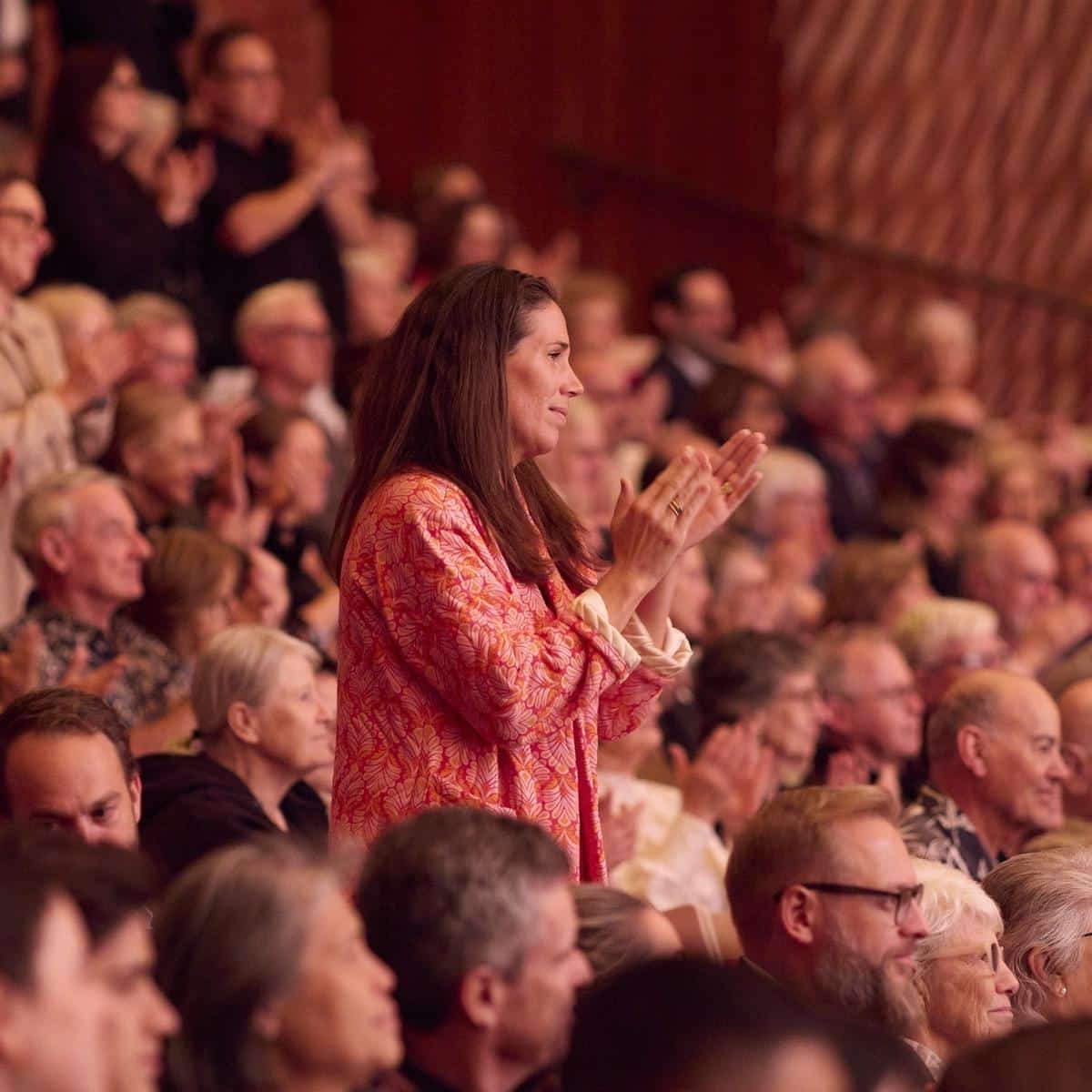
By the evening’s end, there was a palpable sense that the audience had experienced something together—something beyond mere performance. Through music, they had collectively travelled through joy, sorrow, hope, and wonder. It was a powerful reminder of why live music remains one of the most profound shared experiences we can have.

To book tickets to Gloria!, please visit https://www.sydneyphilharmonia.com.au/events/gloria/.

Photographer: Keith Saunders

Spread the word on your favourite platform!