Sydney Harbour Ensemble presents: Beethoven’s Emperor Rating
★★★★★
Click if you liked this article
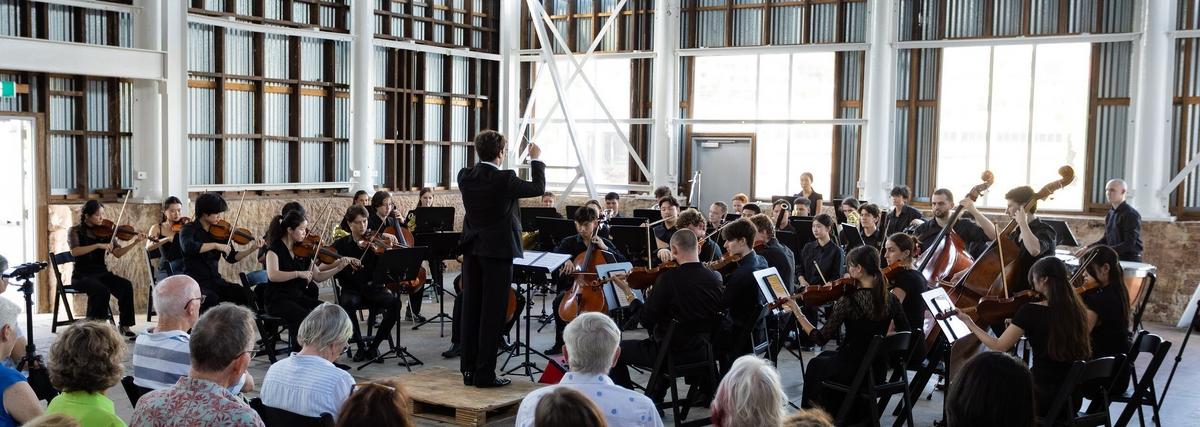
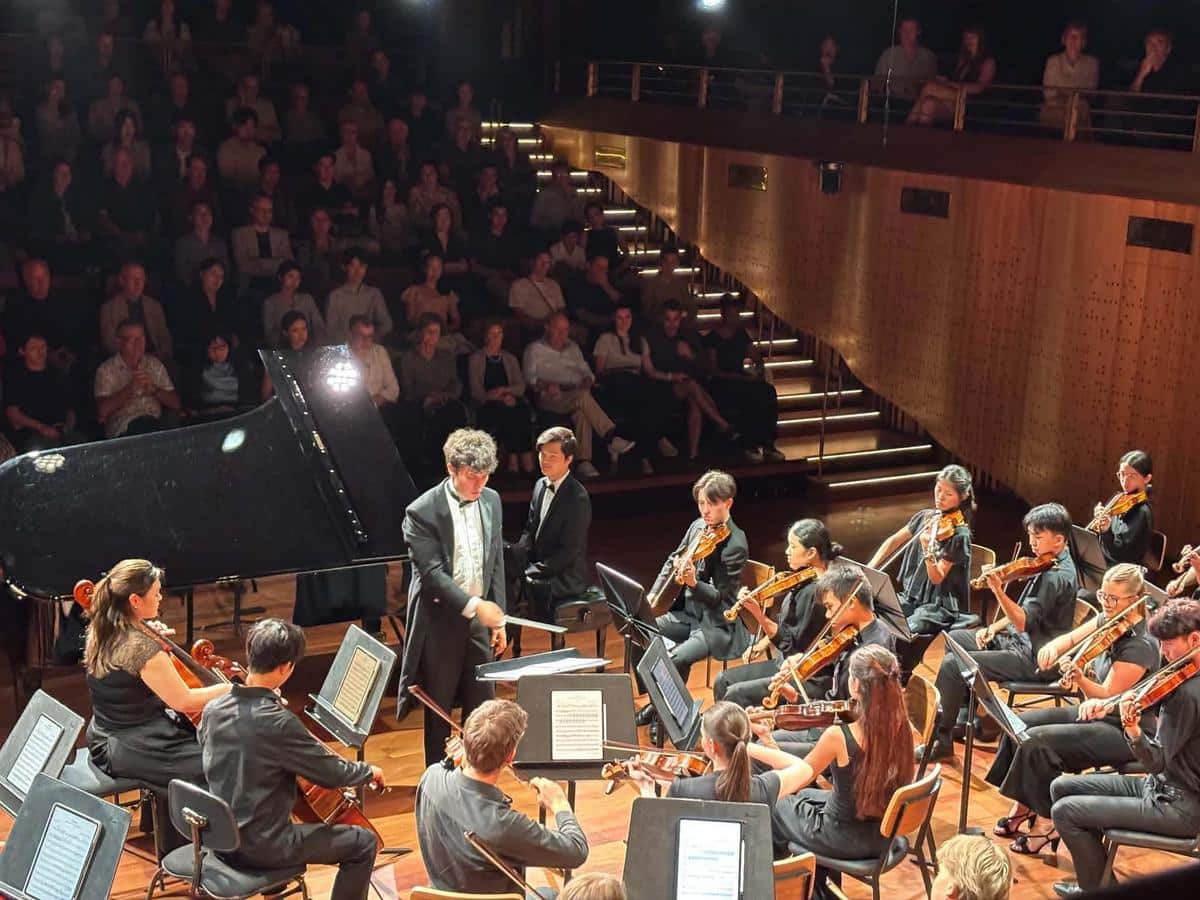
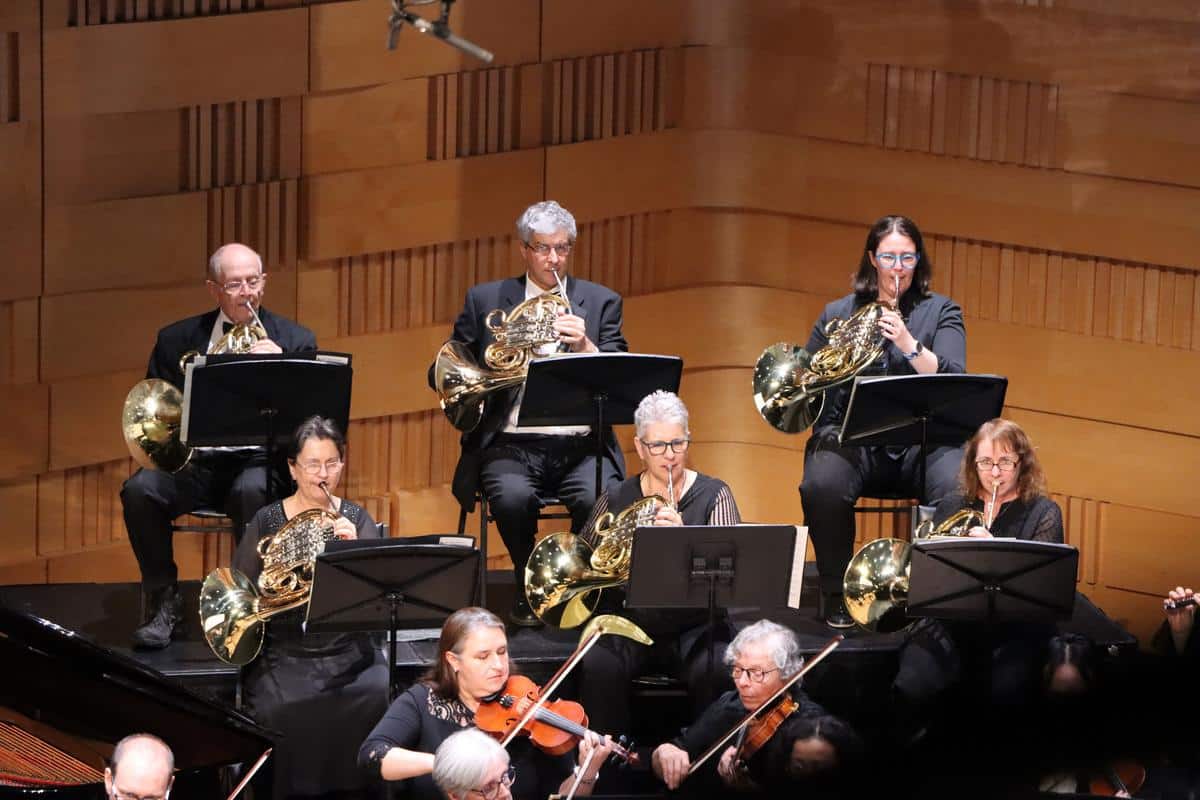
It was an utter joy to experience Sydney Harbour Ensemble perform Beethoven’s Symphony No. 4 and the monumental Emperor Piano Concerto, featuring pianist Joshua Han on Saturday night at the ACO on the Pier.
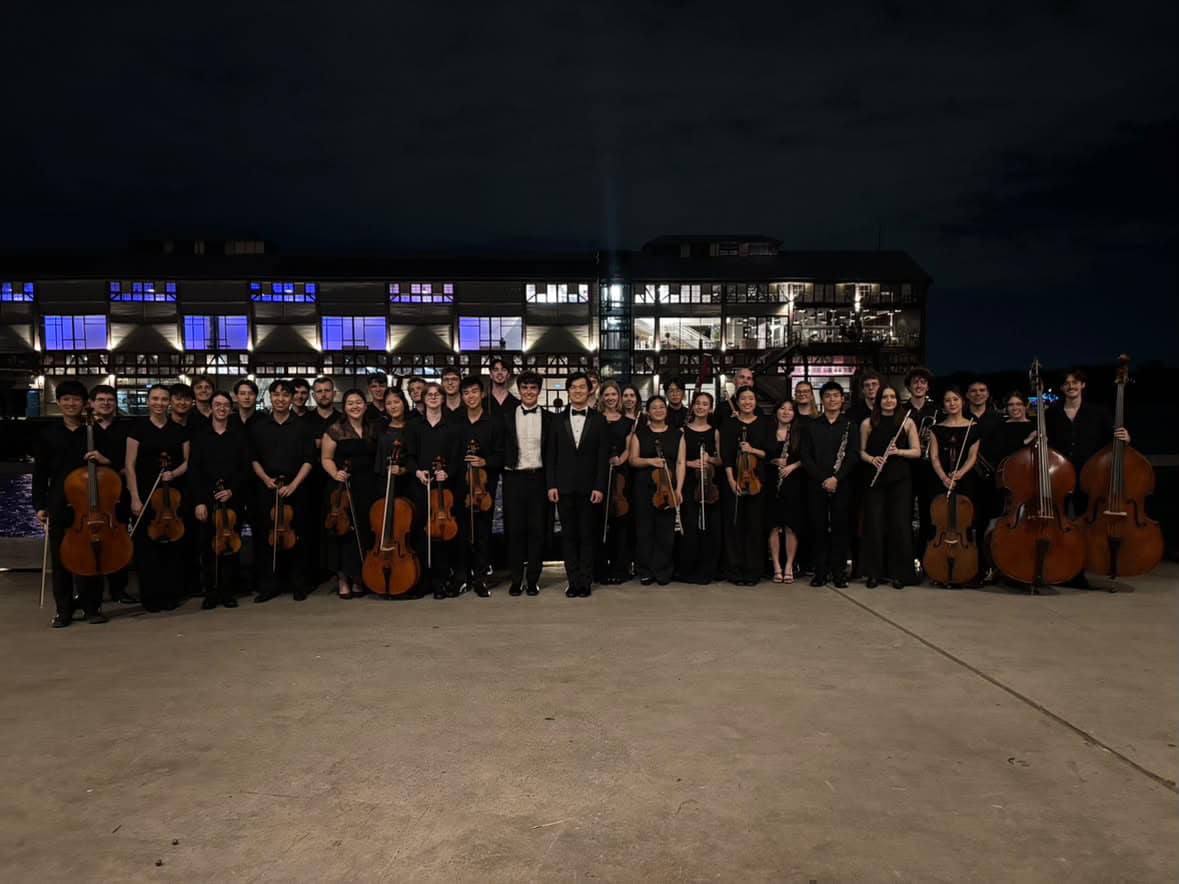
This is Sydney Harbour Ensemble’s third concert in their inaugural year. Their mission is to pair live orchestral music with landmark harbour settings and local history. While focusing on celebrating emerging Sydney talent. This orchestra is certainly packed with talent.
Hearing Beethoven’s Symphony no. 4 in B flat major Opus 60 makes you understand why we still want to hear and play his music today, even though it was composed over 400 years ago. Especially when it is played as superbly as it was on Saturday night.
All 36 instrumentalists in the orchestra played with great passion and were strongly connected with each other the entire time. They dazzled with expression, large ranges of dynamics and soared through the very fast passages in the symphony. Their Timpanist, Bryn Wood, has an amazingly expressive face and you could tell he was in his element of utter joy the entire time.
Benjamin Crowe, their artistic director and conductor, held great poise and determination throughout the night. His conducting was very graceful and clear. We felt very safe in his hands… pun intended. I believe he has a big future ahead of him.
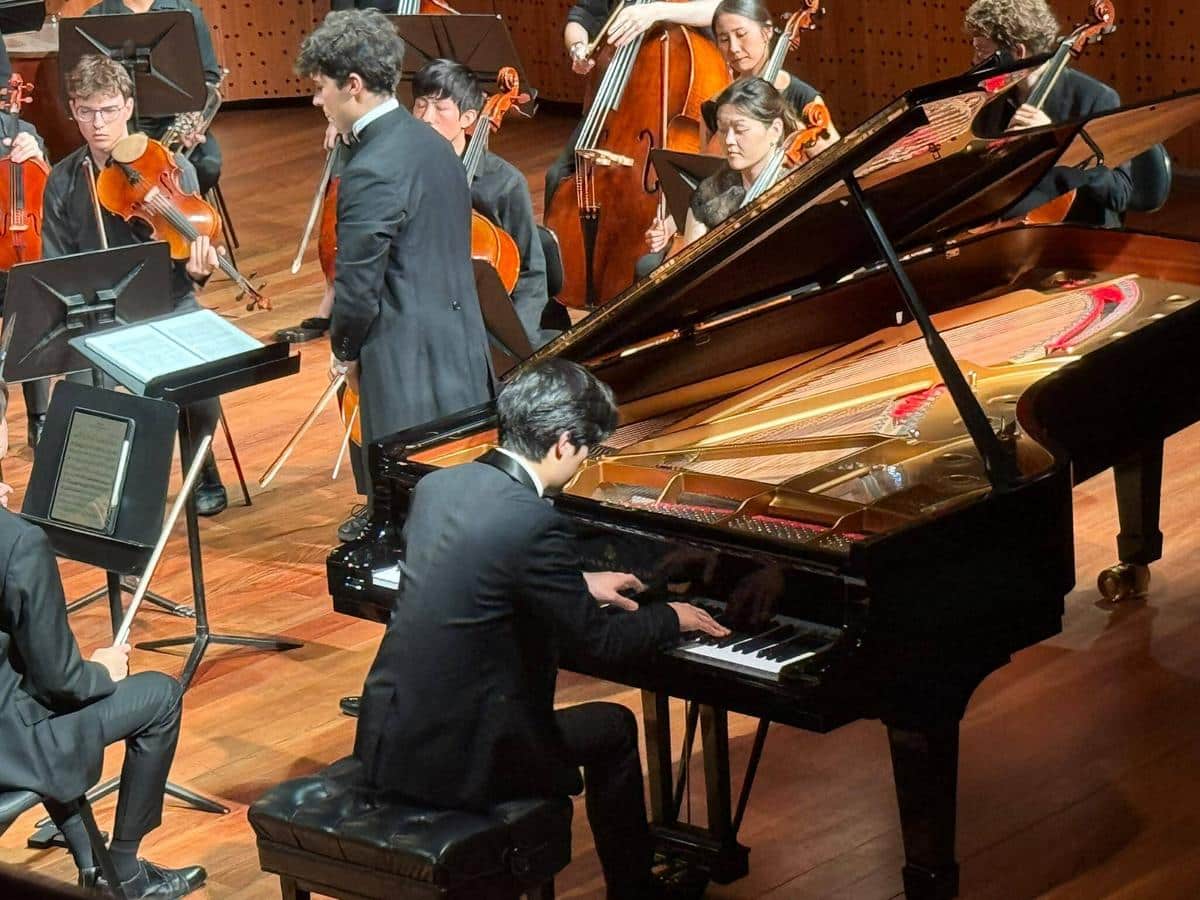
For the second half of the concert, Beethoven’s Emperor Piano Concerto, featuring pianist Joshua Han, was absolutely magical. I could not keep my eyes off Joshua Han the entire time. His fingers gracefully dancing up and down the keys with immense passion. His perfectly quaffed hair moved effortlessly with the music and his face embodied intense emotion that then instantly transferred to fingertips. I am not surprised he has won so many piano competitions locally and internationally. I’m sure there will be many more to come.
The night ended with a well deserved standing ovation by all and we were treated to a beautiful encore by Joshua Han. You could tell all of the orchestral players were just as enamoured by Joshua Han as the audience were. They all looked mesmerised by his playing, now that they were able to watch him for the encore.
I can see many more exciting concerts in this orchestra’s future. I hope they continue to do more of Beethoven’s work as they play them so exquisitely and they have more collaborations with pianist Joshua Han.
Please keep an eye out for more concerts by Sydney Harbour Ensemble, they are not to be missed.
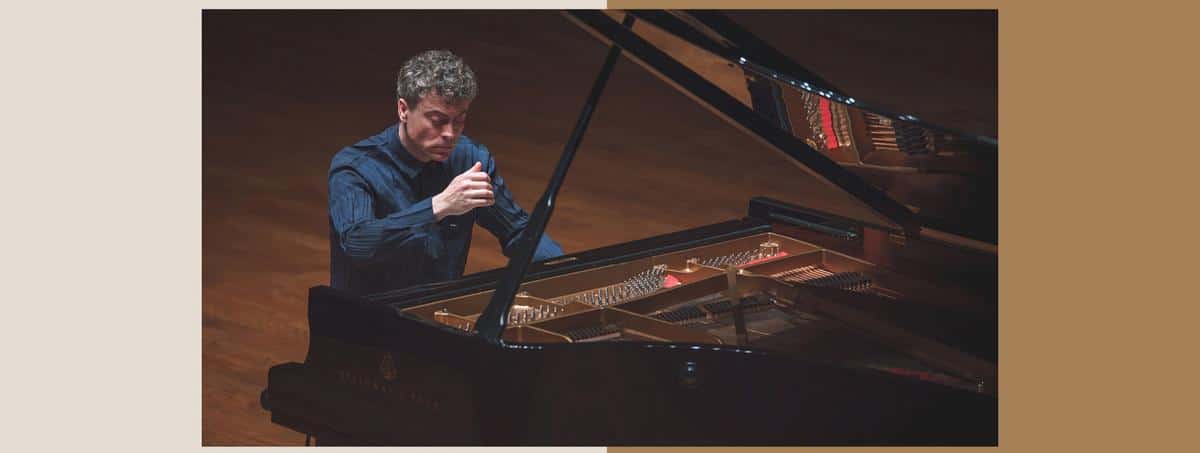
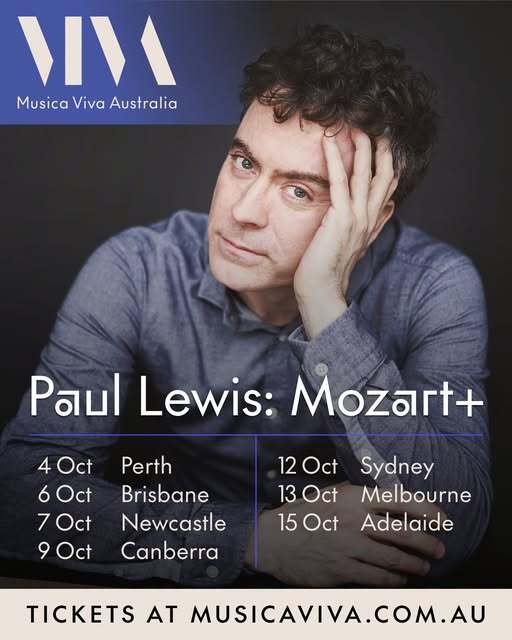
The stage at Perth’s Winthrop Hall was adorned with blue curtains, and a very elegant black Steinways Grand Piano positioned center stage. Then a figure in black suit crossed to thunderous applause from the audience, and Mr Paul Lewis CBE bowed and took his place at the piano. What came next can only be described as breathtaking. Mr Lewis began his performance with a perfect and flawless rendition of Wolfgang Amadeus Mozart’s Piano Sonata 10 in C Major. A beautiful, mesmerizing piece of music presented skillfully.
Mr Lewis completed his first act with the equally beautiful L’isle Joyeuse (The Isle of Joy) composed by Claude Debussy, again performed with perfection. Debussy and Mozart were very different in their composition styles, however when both framed the delightful music of Francis Poulenc’s Improvisations Pour le Piano (Improvisations for Piano) the mélange, or fusion, of the three composers was perfect.
The second act of Mr Lewis’ performance was just as beautiful as the first. Mr Lewis opened with more selections from Poulenc’s Improvisation Pour le Piano. At the end of two of the pieces was a lone, solitary note, which on both occasions resulted in a giggle from the audience.
Mozart+ act 2 was concluded by Mozart’s Piano Sonata 14 in C Minor. Another beautiful, flawless performance.
Mr Lewis provided the audience with an encore of a piece from Chopin. Another delightful composition.
Throughout the performance one could not only hear but could also see the passion that Mr Lewis has for classical music as his facial expressions showed all. It is no wonder that he has performed with the Berlin Philharmonic, London Symphony Orchestra, Los Angeles Philharmonic, et al. His renditions are simply the most beautiful and superb this author has ever witnessed in person.
In Mr Lewis’ own words he has, for many years, “wanted to spend some time focusing on Mozart’s piano sonatas and have long felt sceptical of the broadly held view that these remarkable works are the poor siblings of his piano concertos”. I must agree with Mr Lewis as the selected sonatas are just as beautiful as the composer’s full concertos.
I had the pleasure of attending the performance with my 6 year old son, who enjoys live theatre and classical music as much as I, and when asked for his thoughts on the performance he summed it up in one solitary word, “Amazing”.
The audience were completely captured by the extreme talent on the stage, and the beautiful music that filled the auditorium, and this author believes that each audience for the remainder of Paul Lewis: Mozart+ Australian tour will be equally bewitched by his talent and presentation.
For a relaxing Sunday afternoon, being immersed in the sounds of film and gaming music scores performed by the Ku-ring-gai Philharmonic Orchestra (KPO) was perfection. The choice of songs was varied, from the widely known “Star Wars Suite” composed by the legendary John Williams to other songs that I was not familiar with, such as Jeremy Soule’s “Song of the Dragonborn”.
The KPO’s deliberate choice of song order was clever, which took the audience on an emotional musical journey with ups and downs like a wave. The KPO alternated playing intense songs, then moved next to a quieter song, then back to a powerful piece.
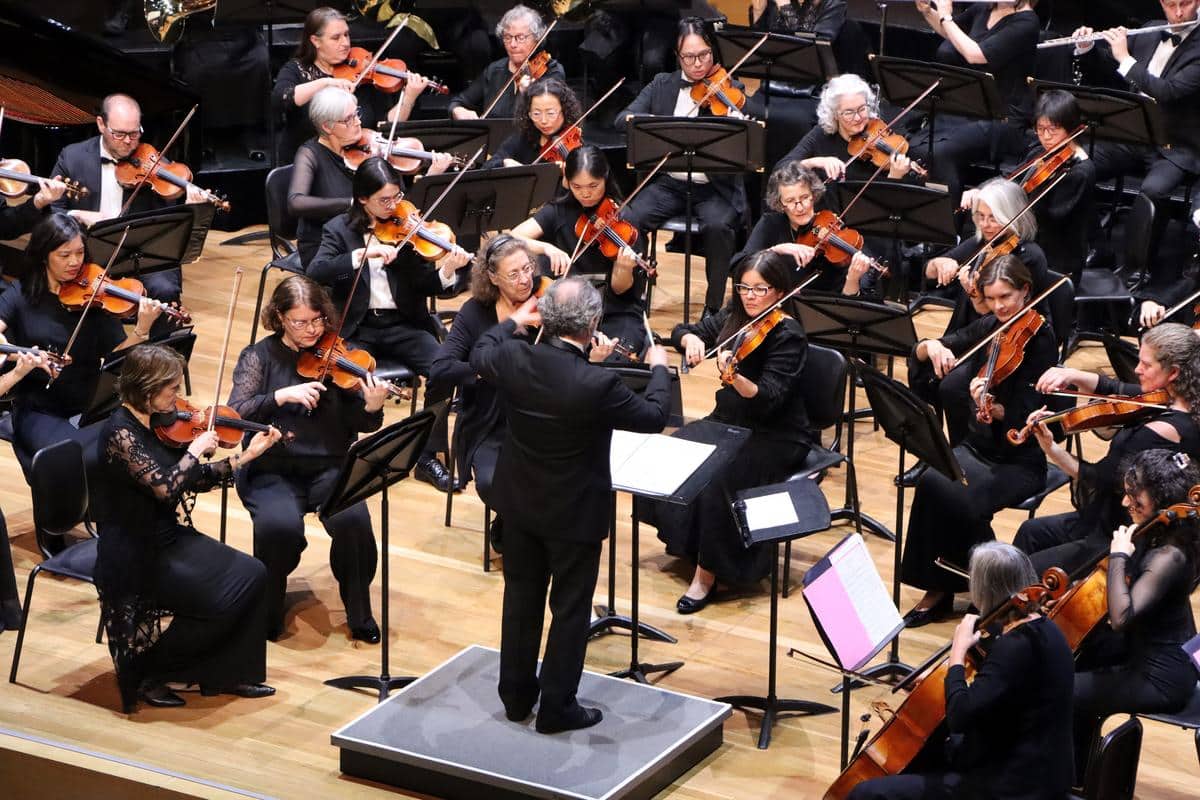
A standout song was the meditative beauty “Benjamin”, originally from the ABC/ International film and television series, “The Hymns of the Forefathers”. Listening to this song live was quite special, as we were fortunate to witness the composer conduct his own piece. The song “Benjamin” was named after his three year old son. KPO’s Artistic Director and Chief Conductor Paul Terracini used his baton, signalling tempo and guiding the orchestra in all of the song performances, except this one. Instead, it was beautiful to see the love and depth of feeling he had for his own piece. He did not use his baton, he conducted with his whole body and arms, swaying to the tempo, and it was mesmerising to watch.
Before each performance, Terracini introduced each song with some background information on each composer and some information on the song. The KPO’s first song was the “Star Wars Suite”, and from the very first opening note, the power and precision of the orchestra created an exciting start. The “Imperial March” was played with perfect precision, with the sharpness of the trumpets, bassoons, trombones and tuba intermingled with the frenetic violins and full orchestration to create the menacing Darth Vader theme. This Suite arrangement displayed an example of the alternating powerful and gentle song format, with sweet and regal “Princess Leia’s Theme” following the boisterous main theme. The different tempo and soft beauty of “Yoda’s Theme” with the harp, and the grandiosity of the “Throne Room and End Title” contrasted with each other and conjured up scenes from this classic movie into my mind.
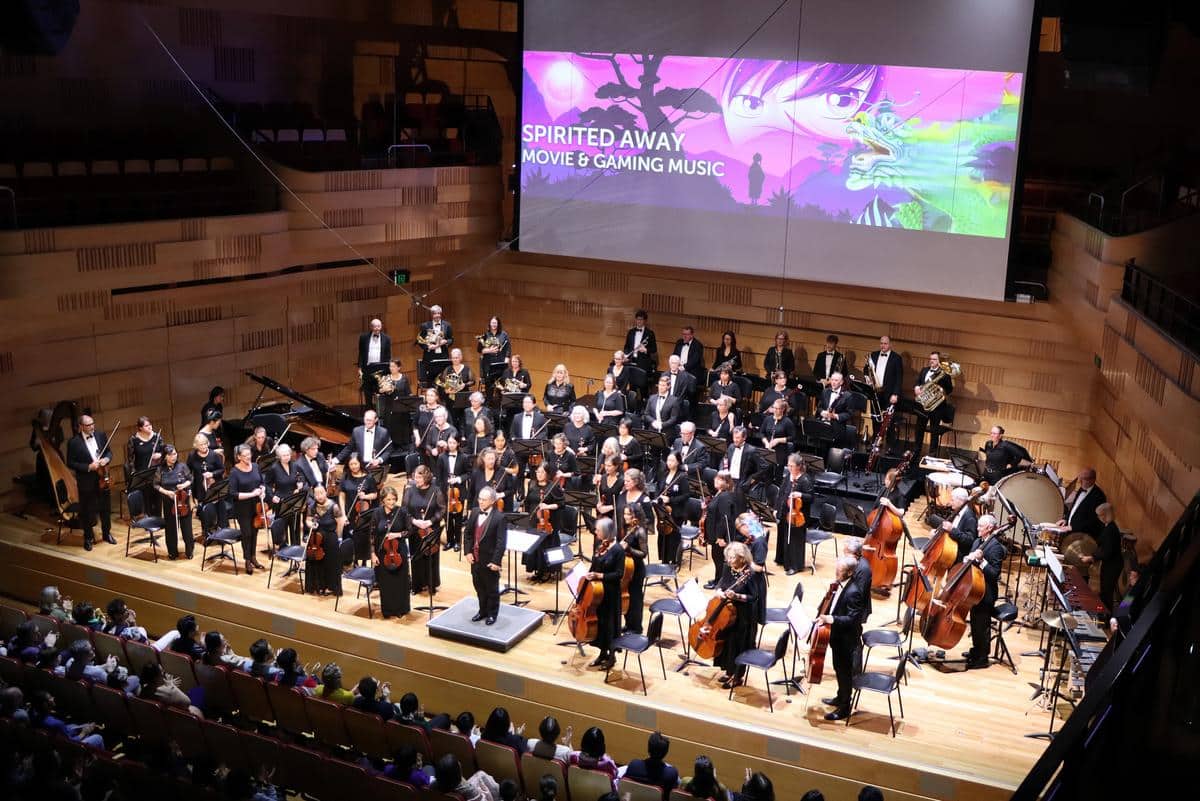
The magic of the KPO’s music continued with “Spirited Away Suite”. Joe Hisaishi composed for Hayao Miyazaki’s animated films from Studio Ghibli. I had seen the 2001 anime “Spirited Away” a long time ago and did not remember the music, so it was with curiosity that I began to listen to this suite. The piano infused a gentle and curious beginning with “One Summer’s Day” and as this song progressed, it shone of innocent wonder. The harp plucking represented the moon to me, in “Night Time Coming”, with a lovely lullaby. This was followed by “The Gods”, which had a dramatic element, with the percussion leading the effects in some parts. This suite featured lovely solos by harpist Kaela Phillips and Concertmaster Violin Lead Anne Marie Braid. The effect of a solo, and then the orchestra joining in was effective in creating a musically flowing journey for the audience.
After the interval, the KPO performed the soundtracks and music from “Song of the Dragonborn”, “The Elden Ring 2022”, “Spartacus”, “Benjamin” and ended with “Fellowship of the Ring Suite”.
Japanese Composer Yuka Kitamura’s “Elden Ring 2022” theme was arranged by Jonathan Shaw and was a very strong and powerful piece. Beginning gently, the quick metamorphosis into a highly dramatic theme, with the brass, wind instruments, violins, percussion and metallic percussion gong’s calling was impressive.
“Spartacus”, was composed by Aram Khachaturian. This song was written for a ballet in 1954, and the retelling of a Thracian gladiator reuniting with his wife after she was captured, was romantic. The middle part of the song hinted at a shadowed darker time, and the echo of a call and response of the orchestra was instrumental in building the dramatic intensity to a crescendo. The ending of the song relayed the couple’s tender love, as the tempo calmed and the lead violinist brought the story to a peaceful end.
Jeremy Soule’s “Song of the Dragonborn” played next and began in the Dragonborn’s ‘tongue’ – shouts which are heard alongside the horns and violins and were an effective way to introduce the mood. This was an uplifting and courageous song and in some parts it lifted my imagination skyward. This was a very regal song utilising strong brass and percussion to create a mediaeval themed mood.
“The Lord of the Rings: Fellowship of the Ring Symphonic Suite”, arranged by John Whitney, was the last piece the KPO performed and was a wonderful piece to end on. Composer, conductor and orchestrator Howard Shore’s film scores have earned Academy Awards, Golden Globes and Grammy Awards and this suite, beautifully played by the KPO, showcased his talent. The LotR suite included distinct sweeping movements for different character themes. Most notably, the heavier colours during one part came through with sharp precision with the brass and percussion, and then was contrasted with the piccolo, flutes and strings for lighter moments.
The talented musicians from the the Ku-ring-gai Philharmonic Orchestra, led by conductor Paul Terracini created a magical afternoon. This was an encompassing musical journey into the imaginative world of make believe worlds of film, animation and gaming. If you are a music lover, you must listen to a live KPO performance in the future. There is a free community concert called Nothing is Forever, on September 20 2026 at the Turramurra Uniting Church.
Spirited Away Movie and Gaming Music was performed at The Concourse Concert Hall in Chatswood. Time: 2 hours with a 20 minute interval.
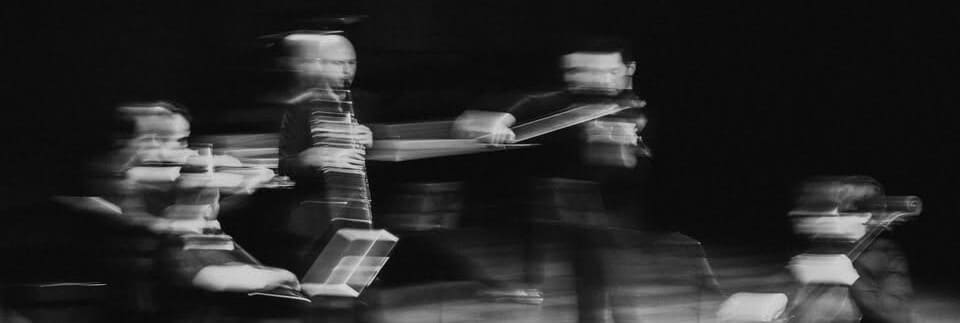
Omega Ensemble’s NEW NOW 2026 at The Neilson, further enhanced that reputation. The Neilson is a start-of-the-art performance space, nestled into the Walsh Bay Arts Precinct. Drinks in the foyer with the Sydney Harbour, in full view, make it a stunning experience. There’s something magical about having composers ‘alive’ and onstage, introducing their works and mingling with patrons. Yes, we will always yearn for the Mozarts and the Mendelssohns, but contemporary music ensures that the arts will continue to thrive. New composers must have forums to showcase their work.
The program opens with Robert McIntyre’s Solastalgia. Robert introduces his work by acknowledging Australian Environmental Philosopher, Glenn Albrecht. Solastalgia symbolises feeling a sense of homesickness whilst still being at home. Musically, the work is in two parts, Nostalgia and Solastalgia. Both parts have poetic qualities, via collaboration with Savanna Wegman. Nostalgia has an eerie beginning and then builds, ‘as steady arms of wind brush open’. Our environment is under threat, we mystically reflect. Solastalgia evokes a sense of urgency, ‘stretch the wingspan as spiralised skies hide in sandcastles’. McIntyre wants us to awaken our senses and connect with the world around us. Omega Ensemble beautifully captures the atmospherics of the music.
The second work, ‘a map to nowhere’, is by Jessie Leov. Jessie spoke about being inspired, after going for a walk in the forest with best friend Avalon and her toddler. Leov pondered the impact of the forest, with all it’s whimsical qualities, on a toddler’s senses. There’s a real playfulness to the tonality of the piece, capturing a toddler’s perceptions of a seemingly surreal world. A map to nowhere explores the concept of journey and where that journey might lead. It flows beautifully from Solastalgia. David Rowden on clarinet, truly excels in this piece.
The third work, The Cicerone Suite by Thomas Misson, is in four parts, Hefeweizen, Belgian-Style Blond, Dry Irish Stout, West Coast IPA. Yes, it’s a cheeky reference to beer styles and how there’s a correlation between the bitterness of beer and contemporary music. As the titles suggest, there’s a sense of fun and beguiling bewilderment. The reference to beer is an obvious attempt to breakdown an elitism that encapsulates classical music. Mark Ingwersen (Violin), Neil Thompson (in my opinion, the most impressive Violist in Australia) and Paul Stender (Cello) ensure these pieces soar.
Beth Roche’s The Lambton Worm, spectacularly rounds out the NEW NOW 2026 program. The Lambton Worm is a fourteen century legend from County Durham in North-East London, that details a battle between John Lambton and a giant worm (archaic term for dragon). John wins the battle, but the victory is a pyrrhic one, as a nine-generation curse is bestowed on his family. This work has a fable-like quality to it. It’s crushing crescendo beautifully closes the evening. Pianist, Vatche Jambazian, expertly delivers. The audience is on the edge of their seats with his assured dexterity. The Lambton Worm has potential to be a full-blown opera. Speaking to Roche in the foyer afterwards, she told me that the thirteen minute work took months and months to compose. The passion to the project, clearly evident.
The Omega Ensemble prove that they are a world-class company. The Neilson is an intimate space which is perfect for Omega Ensemble, because their performances always connect with the audience.
Spread the word on your favourite platform!
Subscribe to What's The Show
Reviews, show news and what is on, straight to your inbox.