New Performances On Sale For The Hit Broadway Musical Anastasia In Sydney

Feature-ANASTASIA

Tickets go on sale to the general public this Friday for new performances of the highly-anticipated major musical ANASTASIA, which will open at Sydney’s Lyric Theatre from 7 April 2026. The hit Broadway musical will have its Australian premiere at the Regent Theatre in Melbourne in December 2025 before touring to Perth and Sydney. Presented by John Frost for Crossroads Live and Opera Australia, tickets go on pre-sale for Sydney season new performances – from 24 June to 5 July 2026 – to those who have signed up to the waitlist today and to the general public on Friday 12 December.

Inspired by the mysterious tale of Grand Duchess Anastasia Romanov’s rumoured escape in the dawning days of the Russian Revolution, and the 20th Century Fox animated fairytale of the same name, ANASTASIA has been brought to life on the stage by the Tony Award-winning creative team of Terrence McNally, Stephen Flaherty and Lynn Ahrens.

ANASTASIA is a lavish musical for all ages, transporting audiences from the twilight years of the Imperial rule to the euphoria and exuberance of Paris in the 1920s, as a brave young woman named Anya sets out to discover the mystery of her past. Pursued by an army officer determined to silence her, she enlists the aid of a dashing conman and a lovable ex-aristocrat. Together, they embark on an epic adventure to help her find home, love, and family.

With its opulent settings, dazzling costumes, and a soaring score including musical highlights from the 1997 animated hit film, Journey to the Past and Once Upon a December, ANASTASIA is the spectacular Broadway musical about discovering who you are and defining who you’re meant to be.

There have been two films telling the captivating story of Anastasia including the 1956 film with Ingrid Bergman, Helen Hayes, and Yul Brynner and the 1997 20th Century Fox animated film, which featured a score by the musical’s creators, Ahrens and Flaherty.

Directed by Tony Award winning director Darko Tresnjak, ANASTASIA premiered on Broadway in March 2017 and played to sold out audiences for three years before productions in Germany, Spain, The Netherlands, Brazil, Mexico and Japan as well as two North American tours. It also received a Tony Award nomination for Best Costume Design in a Musical and won more than 15 major international awards including Best Musical awards in Germany, the Netherlands and Spain.

The book for ANASTASIA was written by the late five time Tony Award winning writer Terrence McNally, whose credits include Love! Valour! Compassion!, Master Class, Kiss of the Spider Woman and Ragtime.

Music and lyrics for ANASTASIA were written by the renowned writing team of Stephen Flaherty and Lynn Ahrens who have been referred to as “one of the greatest songwriting teams in Broadway history” (Chicago Tribune).

They have received theatre, film and music’s highest honours including the Tony Award, Drama Desk, Outer Critics Circle and Olivier Awards for Ragtime, as well as nominations for two Academy Awards, two Golden Globes and four Grammys. In 2014 they received the Oscar Hammerstein Award for Lifetime Achievement and in 2015 they were inducted into the Theatre Hall of Fame.

“Fantastical, intelligent, well-crafted, and exhilarating, ANASTASIA deserves a coronation!” – The Wall Street Journal

“Captivating, beautifully staged and emotionally vital. ANASTASIA hits the sweet spot!” – The Hollywood Reporter

“One of the most gorgeous shows in years! Luscious, lavish, and a joy that leaves you cheering. This is a grandiloquent feast for the senses you won’t soon forget.” – The New York Observer

ANASTASIA – THE BROADWAY MUSICAL Produced by John Frost for Crossroads Live and Opera Australia in special collaboration with Stage Entertainment Productions, Tom Kirdahy, Hunter Arnold and Dan Hinde

SYDNEY SEASON DETAILS

Venue Sydney Lyric Theatre
Season From 7 April 2026
Performance Times Tue-Thurs at 7pm, Fr-Sat 7:30pm, Wed 1pm, Sat 2pm, Sun 1pm & 6pm (performance times vary each week)
Prices: From $69.90 (Transaction fees apply)
Bookings: anastasiathemusical.com.au or 136 100
Groups 8+ email groups@ticketmaster.com.au

Tickets for new performances go on pre-sale for the Sydney season to those who have signed up to the waitlist on Tuesday 9 December and to the general public on Friday 12 December

Regent Theatre, Melbourne from December 2025
Crown Theatre Perth from March 2026
Festival Theatre, Adelaide from August 2026

Spread the word on your favourite platform!

Jumping About All Over The Place

Nihilistic Optimism on Trampolines

Nihilistic Optimism on Trampolines Rating

Click if you liked this article

2

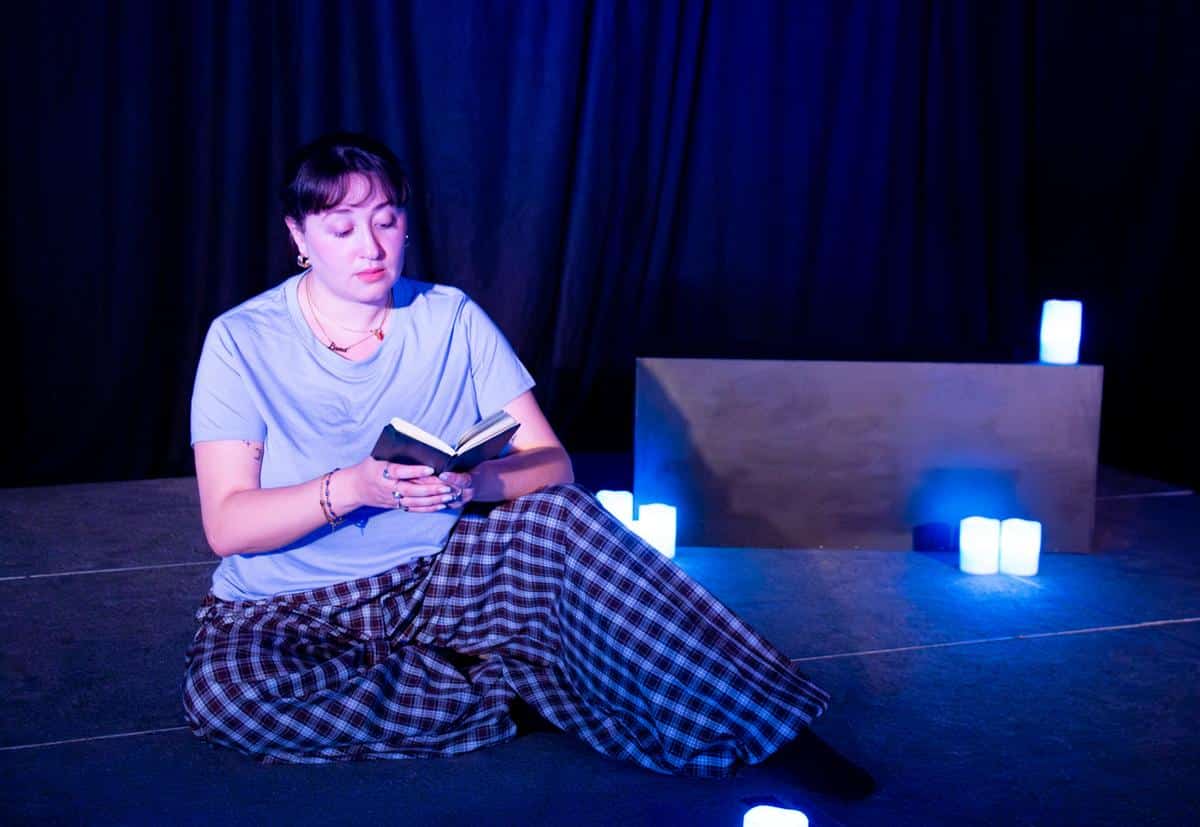
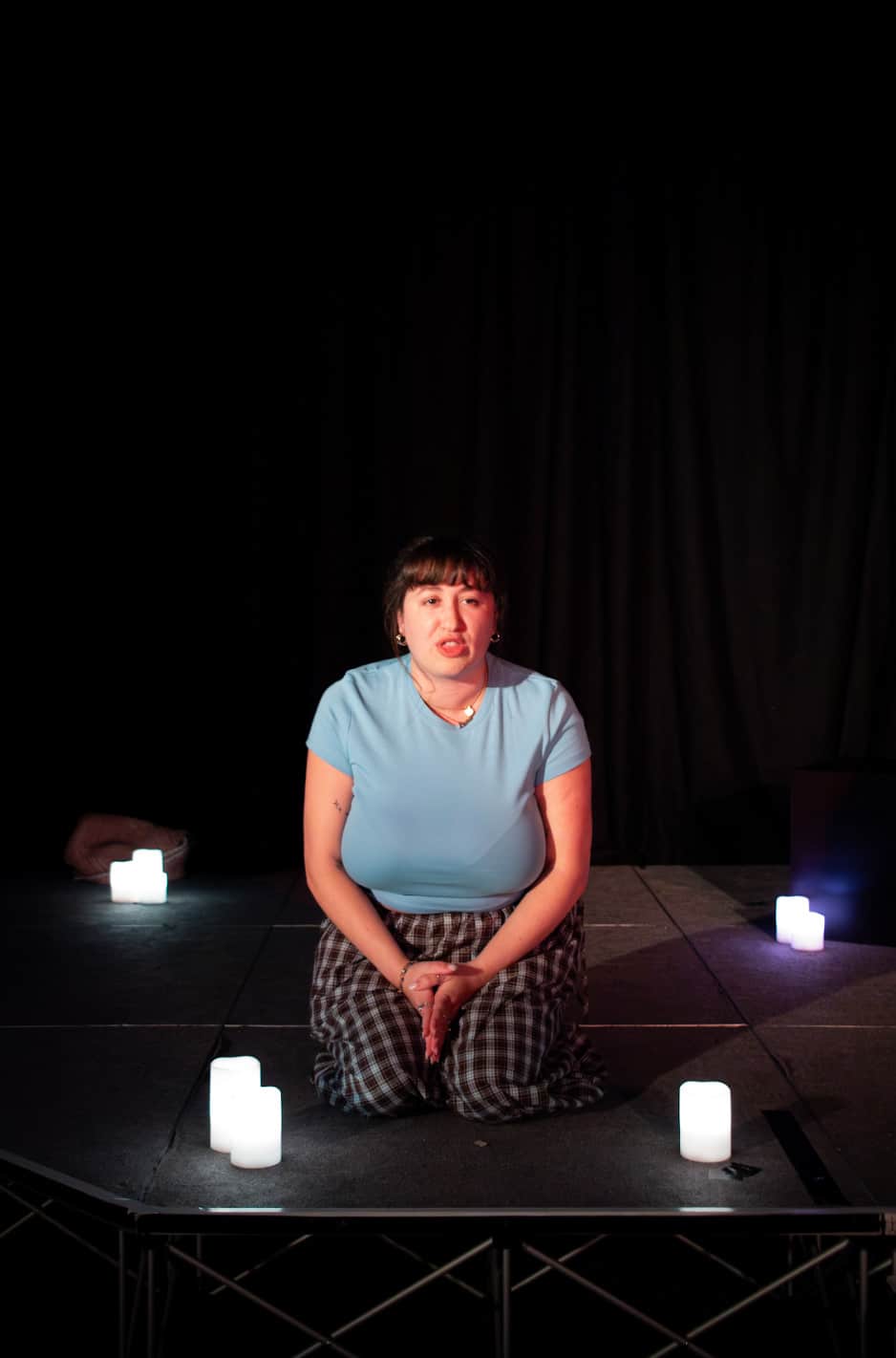
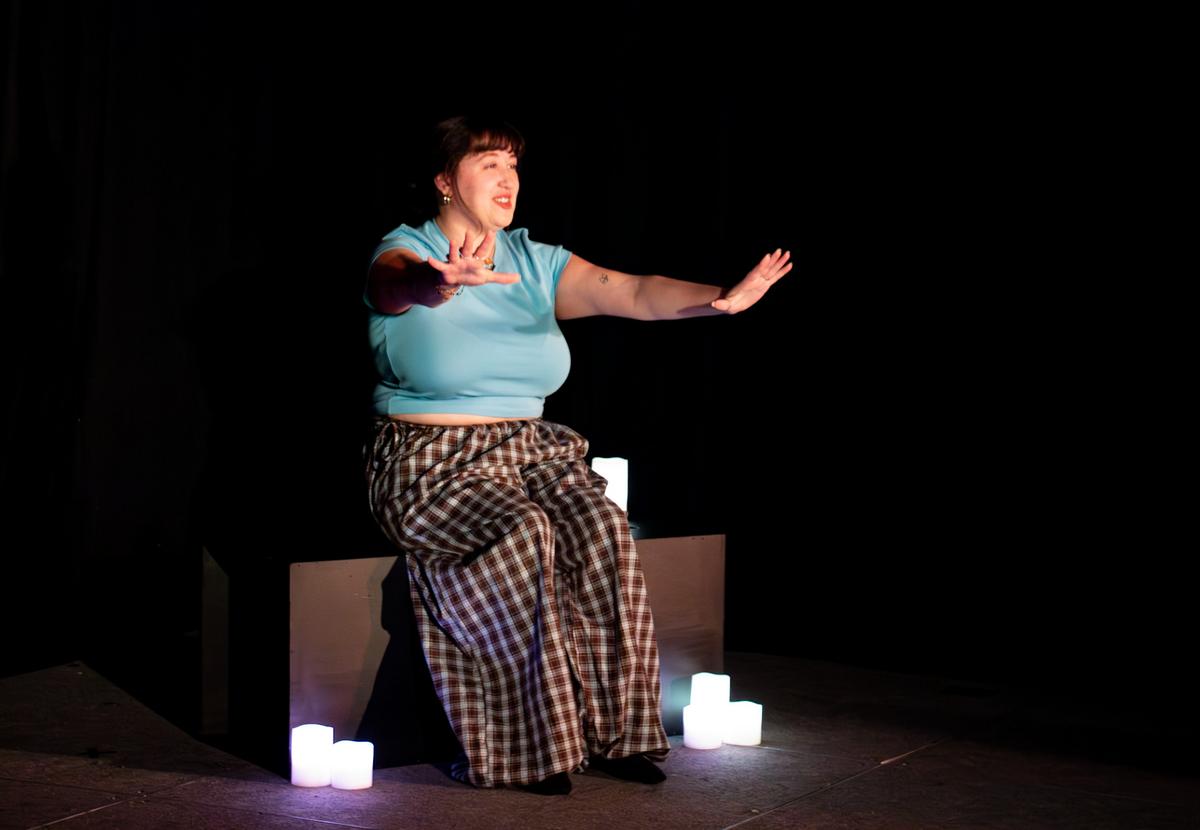
‘Nihilistic Optimism on Trampolines’ is undoubtedly one of the most unusual plays I’ve seen this year. Whilst heavy on the nihilism (and light on both optimism and trampolines), it was an original and genuinely imaginative reworking of the supposed origins of the classic novel ‘Frankenstein’.

The production blended text from Mary Shelley’s novel with excerpts from her personal journals adding some emotional depth to the relationships depicted. It also set the whole thing, hilariously, in ‘Trampoline World’ a place of suffocating monotony and lacklustre job prospects. The cast threw themselves into the story with enthusiasm and full physical commitment and for the most part the chemistry between them worked well. The performance of Mary (played by Gabrielle Ward) was a standout, but honourable mention should go to the comic relief of Byron (Eleanor Golding), who brought some levity to the darker moments.
While the production lacked polish, any real production values and occasionally slipped into feeling a little improvised, it also aimed high. Reworking a classic text is extremely difficult to do with originality unless you commit fully and take creative risks. To their credit both the writer and cast were clearly swinging for something clever and nuanced.

Where the show really excelled was in its depiction of the sheer monotony of customer facing work. The endless repetitive conversations. The glazed interactions. The joy of mopping up vomit while being surrounded by screaming children and huffy parents. Much of the audience would have recognised their own flashbacks to those teenage jobs where commitment was low, wages even lower and the tangled crushes and camaraderie among staff were the only things getting you through the shift.


Where the show struggled was in clearly communicating the heart of the story. My theatre partner had not read Frankenstein and most certainly was not aware of Mary Shelley’s dramatic Geneva holiday with Percy Bysshe Shelley, Lord Byron and Mary’s sister, Claire. Which means he also had no reference for the dark emotional chaos that surrounded Mary’s relationship with Percy at that time, nor that the trip, (and her recurrent horrific nightmares), became the impetus which inspired her story – so those little nods to that experience, though explored in the play, were far too easy to miss.

As someone who has read the novel, seen the films and even watched ‘Rowing with the Wind’ a period film which dramatises the strained and sometimes unhinged relationships between the four (suggesting, as it does, that much of it was fuelled by both drugs and rather free sexual relationships between them all), I had a much easier time connecting the dots. For audience members without that context, I imagine the play would feel disjointed and confusing. The plot is fragmented and sometimes hard to track even for those who do know the backstory. The jumps between contemporary speech and period speech and the sudden segues between the tangled lives of the staff of Trampoline World and the feverish imaginings in Mary’s mind were not always smooth. Despite solid acting the heart of the play felt obscured under the sound effects, jarring lighting shifts and literal jumping around. In reference to the trampolining side of things, I would note that there wasn’t a whole lot of trampolining in the show and none of it was of a particularly entertaining or acrobatic nature – I was expecting something a little more exciting in that respect.

On a final positive note, the live band deserves acknowledgement. Their music added atmosphere, drive and emotional colour to the play and helped anchor scenes that might otherwise have floated away completely.

Ultimately this one was a swing and a miss for me, but with the recognition that it was highly original, and original thinking should always be applauded.

To book tickets to Nihilistic Optimism on Trampolines, please visit https://www.theatreworks.org.au/2025/nihilistic-optimism-on-trampolines.

Spread the word on your favourite platform!

Kokuhō Opens the 2025 Japanese Film Festival With Power, Precision and Pure Theatrical Brilliance

Kokuho (Opening Night Reception - Japanese Film Festival)

Kokuho (Opening Night Reception – Japanese Film Festival) Rating

Click if you liked this article

The Japanese Film Festival is in its twenty-ninth year, and the festival continues to build its reputation as one of the most significant celebrations of Japanese cinema outside Japan. What began in 1997 with three small community screenings has grown into a nationwide cultural program that brings together new releases direct from Japanese cinemas, rare 35 millimetre prints, guest appearances, Q and A sessions and opportunities to experience both traditional and contemporary Japanese culture.

Opening night in Melbourne this year was buzzing from the moment the audience arrived. There was a warm sense of community at this festival, and that feeling was matched by a spread that included some of the best mochi I have ever had, generously provided by Roboto. The mood was festive, the theatre was full, and the anticipation for the flagship film was high.

This year’s opening film is Kokuhō, directed by Lee Sang il. The title means National Treasure, a fitting name given the cultural impact the film has had in Japan. Based on the best-selling novel by Shūichi Yoshida, Kokuhō stormed the Japanese box office in mid-2025 and continued to grow in popularity throughout the year. Audiences flocked to it repeatedly, word of mouth turning it into a major cultural milestone.

Unusually for a live-action drama, Kokuhō also became a major force on the international festival circuit. While Japanese films that break into global award categories are often animated features, Kokuhō made waves at Cannes and several other significant festivals. It was one of the most awarded and widely discussed Japanese films of the year, raising expectations ahead of its arrival in Australia.

A Story Shaped by Lineage, Ambition and Art

The story begins in Nagasaki in 1964 with a moment of shocking violence. Young Kikuo witnesses the murder of his father, a powerful leader of a yakuza organisation. This trauma marks him for life and shapes his intense desire to build a new future for himself. After his father’s death, Kikuo is taken in by the great kabuki master Hanjirō Hanai, played by the legendary Ken Watanabe. Under Hanai’s strict yet compassionate guidance, Kikuo begins to train as a kabuki performer alongside the master’s own son, Shunsuke.

The film follows the intertwined destinies of the two boys as they grow into men and into rivals. Their training is demanding. Their devotion to kabuki becomes an all-consuming pursuit that demands sacrifice, emotional depth and personal transformation. The film spans several decades, charting their rise through acting schools, rehearsal rooms and eventually onto Japan’s most prestigious kabuki stages.

Ryō Yoshizawa gives a powerful performance as Kikuo. He carries the weight of grief, ambition and longing with remarkable nuance. Ryūsei Yokohama as Shunsuke provides the perfect counterpoint, the son of a famous master who must grapple with the burden of legacy and expectation. The complex relationship between the two men provides the emotional core of the film. They are raised like brothers, yet they push and pull against each other constantly as their shared ambition becomes a source of love, frustration and pain.


Drama in Every Sense of the Word

Kokuhō is a drama in the richest sense. It is a story about artistic excellence, intense rivalry and deep emotional turmoil. It is also a story about Japan itself. The film is set during a period of enormous cultural transition. The country was emerging from the aftermath of the Second World War and moving into a modern future. This tension between old and new plays out both on the stage and in the characters’ lives.

One of the most impressive achievements of the film is the way it integrates kabuki into the narrative. Kabuki is known for its bold makeup, elaborate costumes, stylised movement and heightened delivery. For audiences unfamiliar with it, the artform can at first seem exaggerated. The film teaches viewers how to understand its emotional language. Rehearsal scenes show how performers learn to express pain, longing and joy through intonation and precise physicality. As Kikuo and Shunsuke train, we begin to see how their real lives mirror the classic tales they perform on stage.

The kabuki performances are staged with extraordinary visual beauty. The cinematography captures the richness of the costumes, the elegance of the sets and the commanding presence of the actors. The film allows several kabuki scenes to unfold in full, giving the audience a chance to experience the art form as though sitting in the theatre. These scenes also run in parallel with the offstage story, heightening the emotional impact.

A Film That Welcomes Newcomers to Kabuki

One of the film’s great strengths is its accessibility. Even if you have never seen kabuki before, Kokuhō draws you gently into its world. The characters learn and rehearse in ways that reveal the mechanics of the art. As the audience sees them refine their craft and receive feedback from Hanai, kabuki becomes easier to follow and understand. By the time the major stage scenes arrive, the heightened style feels entirely natural because the film has taught us how to read it.

This makes Kokuhō not only a gripping drama but also a cultural education. It provides a rare cinematic window into an artform that has survived for centuries and continues to hold a revered place in Japanese cultural identity.

A Rich Tapestry of Old and New Japan

The film also explores the social and cultural tensions of the era. Kikuo’s yakuza background places him at odds with the traditions and purity expected of kabuki performers. Meanwhile, Shunsuke must contend with the expectations placed upon him as the heir to a master performer. Japan itself is changing, and so are the worlds these men inhabit. The clash between traditional norms and a rapidly modernising society gives the film an added depth.

Verdict: A Masterwork of Emotion and Artistry

Kokuhō is a triumph of storytelling, performance and direction. It is a sweeping epic that never loses sight of the intimate emotional journeys at its heart. The performances are sublime, the direction confident, and the visual experience unforgettable. It balances scale, beauty and emotional truth.

As the opening feature for the 2025 Japanese Film Festival, it could not be more fitting. It embodies the richness and diversity of Japanese cinema and highlights the festival’s commitment to showcasing films that push artistic boundaries and capture the imagination.

The Japanese Film Festival runs nationwide from October to December 2025. To explore the full program, visit the festival website and enjoy a celebration of Japanese cinema that continues to grow in scope, ambition and cultural impact.

To book tickets to Kokuho (Opening Night Reception – Japanese Film Festival), please visit https://japanesefilmfestival.net/film/kokuho/.

Spread the word on your favourite platform!

Piotr Anderszewski

Piotr Anderszewski (Musica Viva Australia)

Piotr Anderszewski (Musica Viva Australia) Rating

Click if you liked this article

Some concerts creep up on you. Others announce themselves with force. Piotr Anderszewski’s recital at Melbourne Recital Centre did something rarer. It invited us in with quiet confidence and then held the entire room completely still. It was the kind of night that reminds you why we gather in concert halls instead of sitting at home scrolling through recordings.

The program opened with twelve pieces selected from Brahms’ late piano works Opp. 116 to 119. These miniatures can feel introspective, even private, but Anderszewski treated them like a conversation he was having directly with us. Nothing about his playing felt unconsidered. Every shift in colour had purpose. Every pause had weight. There was virtuosity here but it was the kind that draws you closer rather than pushing you back. The hall was silent enough (save for the single phone ringing that, I swear, brought a subtle shake of the head from the pianist) to hear the softest phrases land like thoughts forming in real time.

After interval came Bach. Anderszewski delivered the Prelude and Fugue in E major BWV 878 and the Prelude and Fugue in G sharp minor BWV 887 with a clarity that never tipped into dryness. He let the melodic lines speak with a simplicity that suited the space. Elisabeth Murdoch Hall has the kind of acoustic that wraps a performer in a warm glow without smudging the detail. It felt made for this music.


Then came one of the loveliest theatrical touches of the evening. Without any break or invitation for applause, Anderszewski slipped straight into Beethoven’s Sonata No. 31 in A flat major Op. 110. You could feel the audience catch on one by one. A tiny ripple of realisation moved through the hall.  It was clever and charming and made the transition feel like part of the storytelling rather than a reset.

His Beethoven had an almost improvisatory quality. Not loose for the sake of it but alive to the moment. Dynamic shifts surprised us yet always connected to the emotional flow of the work. The Arioso dolente was especially moving and the fugue grew with a kind of quiet determination that suited Anderszewski’s understated presence at the keyboard. Nothing was showy beyond necessity. Everything was honest and heartfelt.

Two encores followed after an eruption of applause at the end of the evening. The first felt like a warm nod to the audience and the final encore offered a gentle send off. A perfect ending.

Musica Viva deserves real credit for bringing this artist to Australia and for programming a recital that felt both rare and completely right for this venue. Elisabeth Murdoch Hall remains one of the great gifts to Melbourne audiences. Nights like this prove it.

To book tickets to Piotr Anderszewski (Musica Viva Australia), please visit https://www.musicaviva.com.au/concert-season/past-seasons/concerts-2025/piotr-anderszewski/.

Photographer: Claudio Raschella

Spread the word on your favourite platform!