Get Yourself Along To See It – These Are Stories That Deserve To Be Witnessed

Sheltering

Sheltering Rating

Click if you liked this article

Sheltering was enthusiastically introduced by Artistic Director and Co-CEO Frances Rings, alongside Director of Community Relations Kirk Page, whom I was already a fan of from Dear Son at Belvoir earlier this year. It was a warm, personal welcome that set the tone perfectly for what followed.

Sheltering is a triple bill that beats with the heart of Bangarra’s community spirit, truth-telling and connection to culture. All three works were developed through Bangarra’s Dance Clan program, founded in 1998, to nurture community-focused, choreographic storytelling, empowering dancers and creators to dream up and express in their own language, under expert mentorship. This season marks Bangarra’s first national tour since being awarded the prestigious Golden Lion for Lifetime Achievement in Dance by the Biennale Danza 2026. That context matters. This is a company at the peak of its legacy, and also looking boldly forward.

“Keeping Grounded”, choreographed by Indjalandji-Dhidhanu and Alyawarre person Glory Tuohy-Daniell, is a fascinating piece. The dancers move between the net, the suspension and shakiness of which requires their deep attention, care and uses their energy. In contrast, they move fluidly in tandem with one another when they connect with the ground and their roots.Composer Brendon Boney’s score is a beautiful element throughout, and Karen Norris’ lighting sculpts the space, allowing the dancers to meet each shift in the music with precision and presence. As Tuohy-Daniell writes, this work is “an invitation to notice. To consider how small, almost forgotten actions can create an effect through the body and mind. A step barefoot. A moment of stillness. A return.”


“Brown Boys”, co-directed by Daniel Mateo and Cass Mortimer Eipper, with Mateo performing, is an exquisite piece of dance poetry presented on screen. In just six minutes, Mateo takes us on a journey through the holistic, physical and spiritual experience of brown men navigating identity, belonging and the perceptions imposed upon them, and the quest to come home to themselves. Composer Leon Rodgers’ soundscape holds the film in something both tender and expansive. It is beautiful, and it is genuinely moving. Mateo puts it simply: “I want to give this film to boys who grew up like me, so they can connect, and through that, the village expands.”

“Sheoak”, choreographed by Frances Rings and originally premiering in 2015, closes the evening. Created in response to the deeply offensive “lifestyle choice” comments made by a former Prime Minister about remote Aboriginal communities, it is a work of reclamation; those words taken back, rebuilt, and transformed. Jacob Nash’s set design and Jennifer Irwin’s costuming are impeccable; the visual world of this piece is as layered as its emotional one. Across its three sections; Place, Body, Spirit… we witness systemic trauma, rupture, and ultimately, renewal. It is a deep, at times dark, emotional ride, with movement and choreography that created many audible gasps and intakes of breath.

Afterwards, we were lucky enough to meet the dancers and hear about each of their origins and their time with Bangarra; a reminder that these are not just extraordinary performers but custodians of living stories.

Bangarra has long held a reputation for Black excellence, magnificent storytelling, and uniquely impressive talent. Sheltering doesn’t just add to that history; it extends it, with one eye firmly on the next generation of First Nations creatives being given the space and mentorship to bring their own stories to the stage.

Get yourself along to see it. These are stories that deserve to be witnessed.

To book tickets to Sheltering, please visit https://www.bangarra.com.au/productions/sheltering/.

Photographer: Daniel Boud

Spread the word on your favourite platform!

The Bogong’s Song: A Call To Country

The Bogong’s Song: A Call To Country

The Bogong’s Song: A Call To Country Rating

Click if you liked this article

3

The Bogong’s Song: A Call To Country at Bangarra Dance Theatre is an ingenious new production developed by Yolande Brown and Chenoa Deemal. It is sure to be another award-winning success following their previous highly acclaimed work Waru – Journey Of The Small Turtle which engaged thousands of children last year. The Bogong’s Song presents a truly unique, culturally significant and entertaining performance.

The inclusion of puppets and shadow puppets was captivating and worked seamlessly with Justin Harrison’s fabulous video designs and projected images. Vanessa Ellis excelled as the puppet master and maker; her expertise elevated and transformed the performance into something unique and magical.

The music by Brendon Boney and Yolande Brown, who was also the songwriter and composer, was atmospheric and illuminating. It perfectly complemented the dance choreography with First Nations cultural influences interwoven beautifully throughout. I immensely appreciated the inclusion of Australian bush sounds and animals and First Nations instruments such as tapping sticks and the didgeridoo. These intricate details highlighted and celebrated the cultural significance of the performance.

The lighting by Ben Hughes and Eben Love allowed the audience to transcend into the dreaming experience with mystical effects and timely poignant moments. Particularly impressive was the green lighting for the grass and the beautiful starry scattered lighting.


The performers Benjin Maza and Tjilala Brown-Roberts delivered a majestic performance. They both showcased exquisite artistry in their dancing, acting and singing. They showcased the artistic choreography by Yolande Brown which was an eclectic fusion of First Nations influence combined with hip hop and contemporary dance. Benjin wowed the audience with fabulous strength in his acrobatic tricks and tight, clean movements throughout. Tjilala likewise delivered a flawless performance with soft smooth elegance. Benjin and Tijala both excelled in engaging audience participation and in delivering meaningful heartfelt messages and raising awareness to pressing community issues.

The story highlights environmental concerns of Australia’s endangered Bogong Moth. It interweaves fascinating information which will hopefully inspire discussions and awareness to save this admirable insect. The content also delves into unsettling concerns of juvenile detainment and spreads awareness that children as young as ten years old are being imprisoned. This is heartbreaking and our nation can and should do better by our children. There are infinitely superior ways to help children grow and learn to be respectful and responsible future adults.

The performance also highlights our younger generation’s phone addiction and how they are sadly spending less time being at one with the outdoors and nature. They discuss how essential it is to one’s health and well-being to feel grounded to the earth and mother nature.

The Bogong’s Song at Bangarra Dance Theatre is a thoroughly entertaining cultural experience to be enjoyed by all ages.
They beautifully capture First Nations culture in the past, present and future and take the audience on a remarkable dreaming experience. The Bogong’s Song is a meaningful and rewarding performance not to be missed.

To book tickets to The Bogong’s Song: A Call To Country, please visit https://www.bangarra.com.au/productions/the-bogongs-song/.

Spread the word on your favourite platform!

A Bold and Breathtaking Culmination of Art Forms

BiPolar Express

BiPolar Express Rating

Click if you liked this article

6

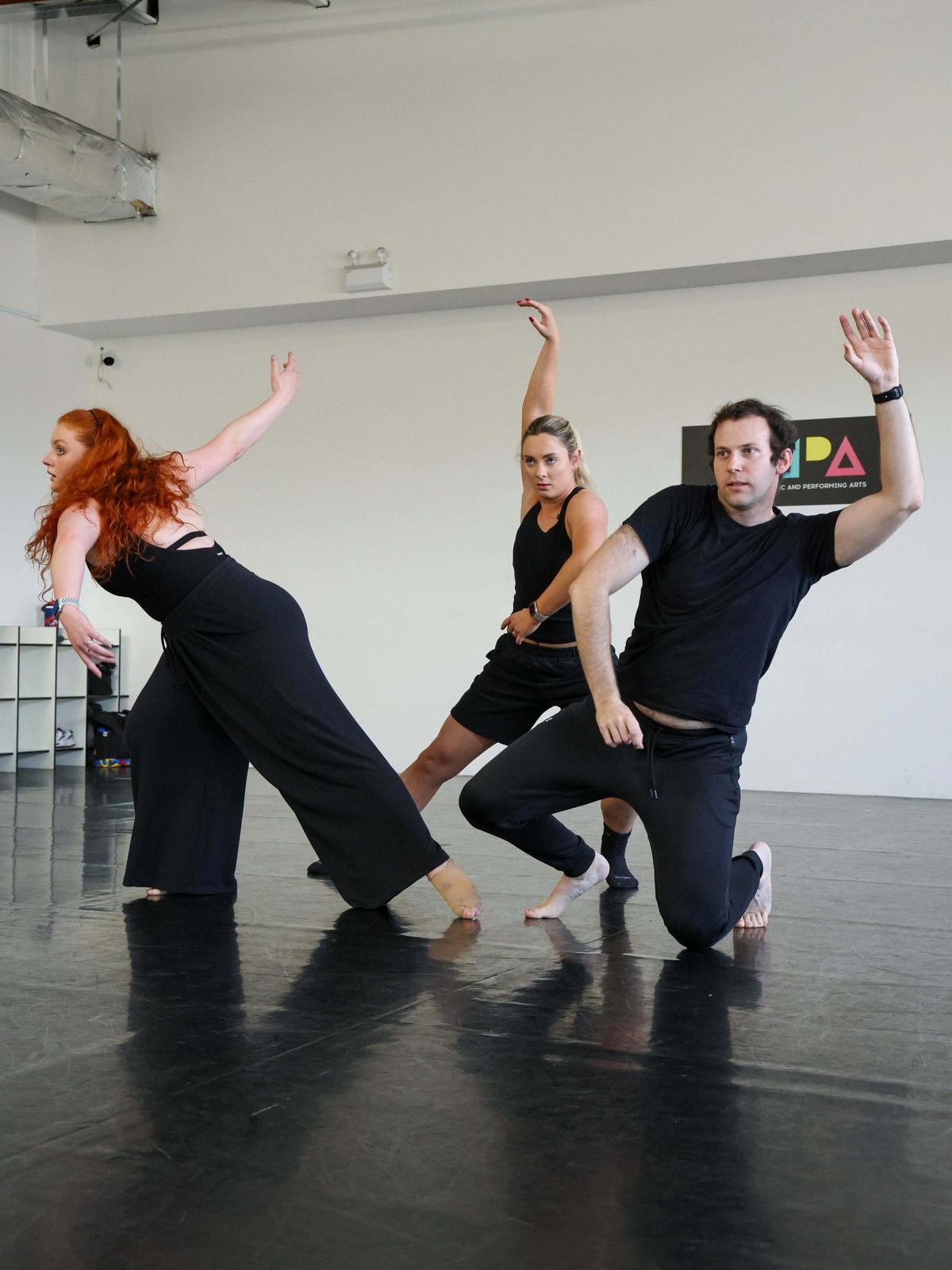
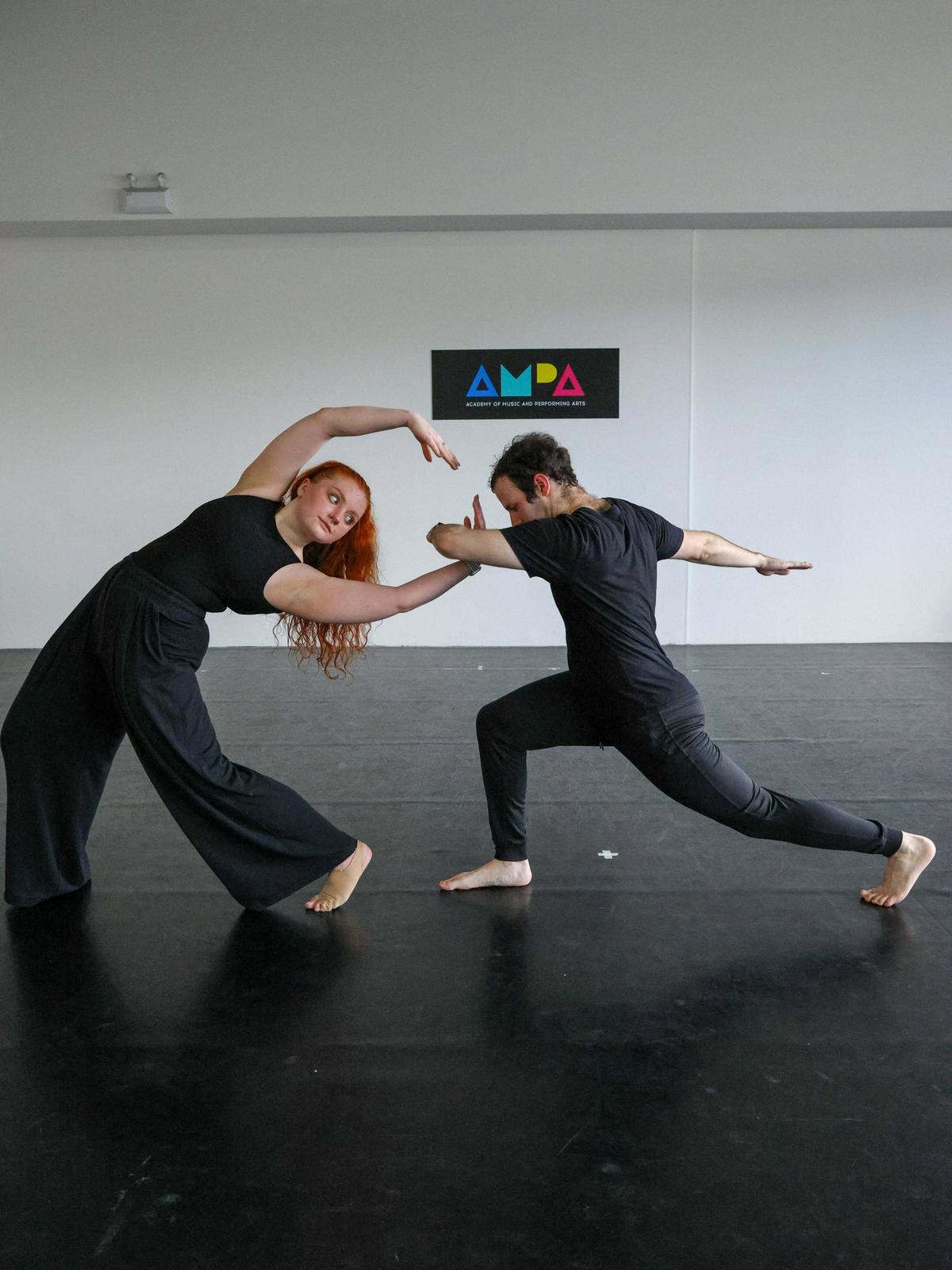
As a community theatre director, I often stress the importance of teamwork and that no player reaches their best without the shared journey and uplifting of every member of the cast, often to eye rolls. However, Bipolar Express is a gleaming example of a powerful ensemble who are the backbone and heart of the story. It’s only now as I sit down to write this, having just read the program, that I ascertained how many creatives were among this ensemble cast including choreographer, Avalon Ormiston, and producer, Phaedra Brown, which doesn’t surprise me considering what a stellar example of full-bodied togetherness that this piece is.

Anton played by writer, Bianca Yeung, is on a train to meet an estranged friend when she has a manic episode. The train is depicted with a simple yet vibrant set consisting of three double floodlights, and cane chairs with the iconic Sydney Transit blue squiggly velvet seats. Anton is desperately trying to remain upright as she sends voice-notes to friend, Mish, not knowing if Mish will be meeting her at the other end.

The ensemble weave and move around her, engaging in conversations that begin as small talk and progress into more interesting musings. Anton has a bouquet of orange flowers that become more disheveled as she unravels. They are the motif that anchors the passage of time. The set is changed with rhythm and poetry by the actors throughout the show.


The story moves between the present train delay and the past story of Mish and Anton. We discover that Mish was the keeper of Anton’s secrets, she was the one with the directives for what to do and when, and she was often the keeper of this part of Anton. We see the complications of these assigned roles between the two, and how it impacts their friendship over time.

To describe and adequately give voice and understanding to a complex mental health diagnosis such as Bipolar would be incredibly difficult in words, that is where the powerful art of movement and dance breathtakingly fill in some of those gaps. For example; the ensemble close in around Anton during a portrayal of exhaustion. She tries to creep out, reach out and even tries to free Mish in these moments, but she is unheard as she is swallowed by “The Others”.

Sound and light design take a huge amount of credit as a device in this piece as well. We are stagnant and trapped along with Anton in the darkness and we are pulled into the jubilance of the bright highs punctuated by poppy, boppy, music.

It is abundantly clear this piece has involved all creatives building, supporting and creating deep intimacy, which in turn made it inevitable that the audience become deeply invested and intertwined.

It’s a bold and breath-taking culmination of art forms that does great justice to shining some light on an important lived experience. I highly recommend supporting this work.

To book tickets to BiPolar Express, please visit https://sydneyfringe.com/events/bipolar-express/.

Photographer: Nat Cartney

Spread the word on your favourite platform!

A Deep, Beautiful, Brave and Vulnerable Piece of Performance Art

Once In A Blue Moon

Once In A Blue Moon Rating

Click if you liked this article

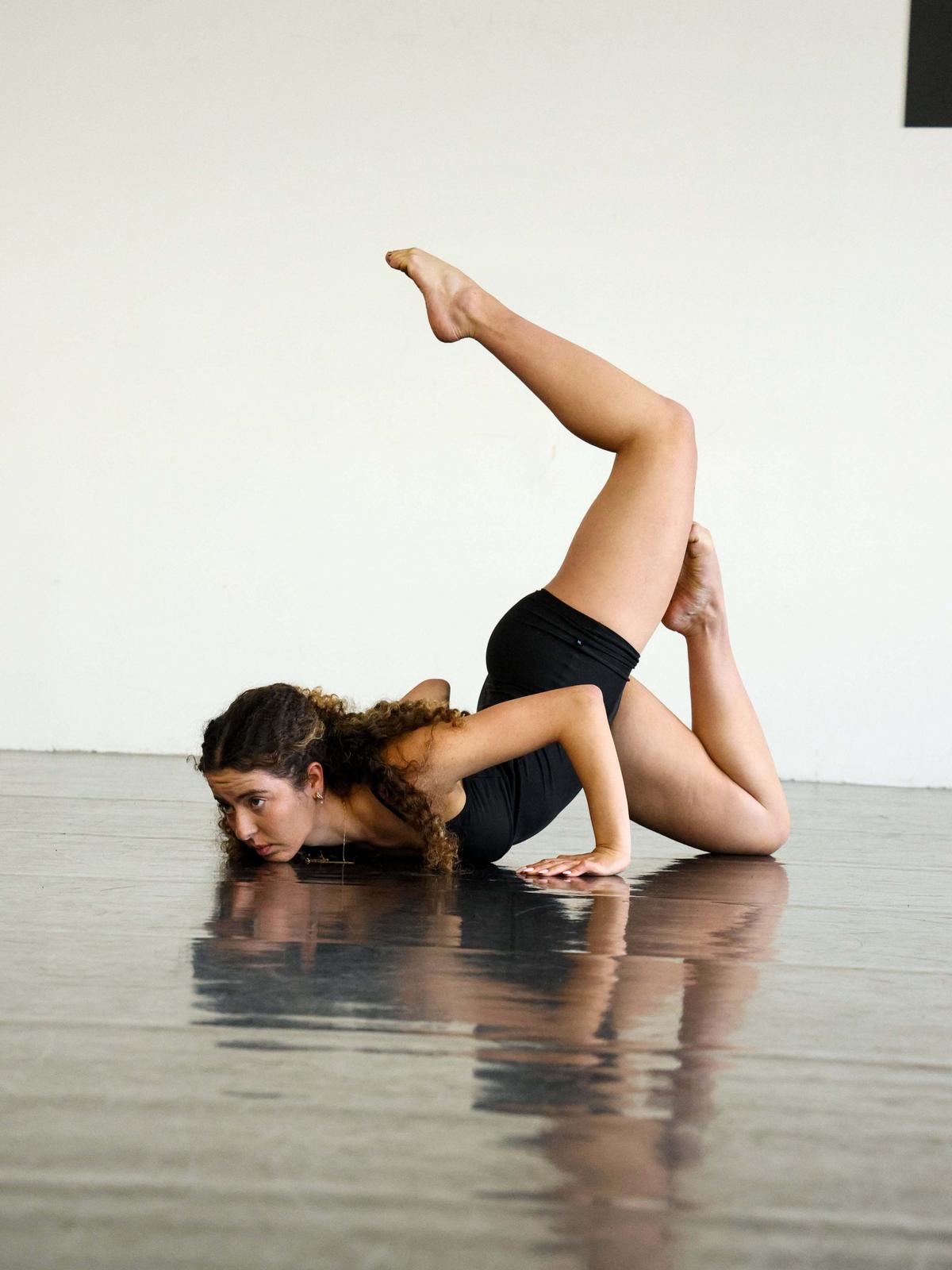
“Once in a Blue Moon,” created and performed by Tala Issaoui as part of PYT Fairfield at the Sydney Fringe Festival, delivers a brief yet densely layered experience that fuses dance, ritual, and evocative visual storytelling.

Spanning just 30 minutes, Issaoui’s multidisciplinary performance beckons the audience into a shifting world of transformation. It’s a melancholic trilogy told through patterns, transitions, and potent symbolism.

The work opens with a striking video projection: Issaoui’s dance, rendered in cinematic hues and fluid imagery.

The transitions between film and live presence feel seamless, as the artist materialises onstage before a circular altar adorned with pebbles, an urn, and a pair of goblets.

The artist’s movements around this circle are cyclical and deliberate, blending ritual with choreography in a way that bridges the personal and the universal, with the lights, sound and music complimenting each phase.

Throughout, imagery and symbolism abound; the veil, for instance, which seems to float between meanings, might connote marriage, transformation, or transcendence.

The rhythmic motions, paired with dynamic lighting and a soundscape of often eery music, build tension and drama: thunder and lightning suggest fear and elemental power, while the act of dousing with water feels like a physical release, mourning, or rebirth. Texture becomes tangible as exaggerated makeup begins to spill down Issaoui’s face, accentuating the emotional intensity and the sense of unravelling.


The performer’s precision timing is key, with the crafted sound and lighting cues. These multi-dimensional effects surround the audience with layers of sensation, blurring boundaries between dance, ritual, and visual art.

Patterns repeat and modulate, symbolising repetition and cyclical pain, while the pace of the piece builds into a crescendo of melancholy.

Issaoui is visibly moved by the work’s close, punctuating the experience with authenticity and emotional depth. The ritual ends not with clear answers, but with a shared sense that something profound, if hard to articulate, has transpired.

While “Once in a Blue Moon” may not suit every taste, I found myself admiring the precision and vision more than personally connecting with its abstract ethos. It stands as a compelling example of experimental performance in Western Sydney. The blending of film, choreography, sound, and symbolic staging delivers a textured, esoteric meditation on grief, transformation, and spiritual passage. Issaoui’s willingness to traverse the boundaries of art-form and narrative ensures this work is both brave and memorable. I admire and am in awe of the power of the personal artistic risk and wholehearted embodiment.

Recommended for those ready to meaningfully engage with experimental theatre. It is a deep, beautiful, brave and vulnerable piece of performance art.

To book tickets to Once In A Blue Moon, please visit https://sydneyfringe.com/events/once-in-a-blue-moon/.

Photographer: Benjamin Tiger La

Spread the word on your favourite platform!