Three Sisters – Chekhov

Three Sisters

Three Sisters Rating

Click if you liked this article

2

We were in for an intense and emotional rollercoaster that is always Chekhov and we got it. The set established the mood with an atmospheric living room and dining area reminiscent of a late nineteenth century painting with curios and antiques shadowed and lit according to the changing dynamics of the play. Chairs, tables and a piano would become central to the changing dynamics of a tight-knit family in the wrong place. Music was beautifully performed adding a melancholic mood adding to the underlying sadness as the dining table was changed for different times of the day reflecting the changing circumstances.

Enter the actors all strong in their own ways and at times challenged not to upstage each other with the drama of each revelation. As the family evolved, we started with a celebration and the characters established themselves in their best light and costumes as if anything were possible and personal dreams were almost real. The three sisters formed the core as the male characters danced around them reacting as disillusionment set in over the years. Dreams came and went and some of the wrong goals became reality with a realisation of the saying, ‘Be careful what you ask for, you may get it’.


The oldest sister, already slightly worn with responsibility was played by an actor who made the character believable and maintained a sense of sympathy from the audience as she struggled with others’ decisions that impacted upon the family’s fortune and frustration. The middle sister, strongly acted, was all suppressed passion, erupting eventually and then left with the scars of untempered desire. The youngest was presented as confident and fresh as a daisy being courted by a couple of men and presenting the first stirrings of the Russian future of work being the goal and reason for living only to find that it is just labour and not love. All female actors offered different facets of the sense of lack of control ending in a fractured life and family.

The male characters were equally strong and believable if occasionally upstaging others due to the bombastic nature of the character. The dream Colonel who offered a romantic view of life probably more than anyone, saw unhappiness as the main result of being. The idolised brother who quickly falls of his pedestal, marries the wrong woman disturbing the household and failing at his dreams ending in emptiness. The Baron who loves the youngest sister and as with the others, makes a choice that would impact upon his life. The minor characters offered a backdrop to a household that is struggling with identity, living with rose-coloured glasses of their past life in Moscow and refusing to see what is evolving around them.

The audience laughed, squirmed, became irritated and responded to the oncoming disillusionment as each character fell apart and the ending left asking for more and what happens to them next?

To book tickets to Three Sisters, please visit https://www.oldfitztheatre.com.au/three-sisters.

Photographer: Robert Miniter

Spread the word on your favourite platform!

The Four Quartets

The Four Quartets

The Four Quartets Rating

Click if you liked this article

The Four Quartets – T.S.Elliot

Venue: Old Fitz Theatre, Woolloomooloo
Date: 12 March, 2026
Running: Until 20 March 2026
Directed by Patrick Klavins
Presented by The Wounded Surgeon

Four actors presented a sermon each on time, place, spirituality, a crisis of the soul and so many other philosophical ideas. Each piece was presented with fervour, not with pomposity, and left us with questions as Elliot intended. Whilst it would be good to understand the historical, religious, nature-focused and literal context of when he was writing these, it is also interesting to note that many of the words and references have also faded away and are no longer used. Eliot may have found this philosophically interesting.

The set was sparse with a tired looking curtain, one old chair, a crate and a bucket and by chance, a lone cockroach scuttled across the large hanging curtain as if to say, this is where I belong. Lighting and dry ice were used effectively to give a sense of sadness and thoughtfulness. We were in for an interesting time. Costumes were old linen as if the actors had come from the land.


The first actor set the scene as she presented immediately with a strong, shaman-like oration about time and that time is really eternity and what of it? With a depth of quiet sadness and gentle hand movements, she created an image of how life is not quite how we imagine and the present, past and future are non-chronological. The audience was attentive and moved by her sense of fatigue and desire to understand how we live and age and come to terms with it all.

The second actor was just as powerful and communicated the poetry as if it were a fervent conversation. Fiery at times and imploring at others, it was all about age and the actor was of an age to demonstrate an understanding of the questions we ask ourselves about where we have been as a reflection. The message was not to give up and keep on creating and experiencing life. It reminded us of Dylan Thomas’, “Do not go gentle, in to that good night…”

The third actor was young and moved us with parables about the sea, the ebb and flow of life and death, the sailors who didn’t come back and the women that mourned. Each part was about nature’s lifecycle and how we are part of it regardless. A strong plea was to “fare forward”.

The final actor brought the other pieces together with passion and fire questioning what we are doing with our lives and thoughts. To well-deserved applause for the difficulty of the text, it was the last word on deep imagery offering philosophical questions. The audience seemed to leave asking ourselves, where are we going, where have we been and why?

To book tickets to The Four Quartets, please visit https://www.oldfitztheatre.com.au/four-quartets.

Photographer: Matt Bartlett

Spread the word on your favourite platform!

Worlds Alive 2026

Worlds Alive 2026

Worlds Alive 2026 Rating

Click if you liked this article

Offering five separate perspectives of oppression, suppression, and corruption across different cultures but with the same result of division and pathos, Worlds Alive presented plays and excerpts as if listening to a radio. In a current world of media and without costumes, a set or lighting, the spotlight was on the beauty or directness of the word. It required concentration and some stamina but was well worth it.

Kunene and the King presented two people from opposing cultures and with past apartheid history hanging overhead. With one person ageing and the other caring for the aged, the audience was hoping for a developing friendship. Despite the antagonism due to a disappointment of the present socio-political environment, eventually deep conversations led to an understanding. Both actors generated a connection with well-rehearsed readings intertwined with the beauty of King Lear but also the foolishness of misunderstanding and ageing. With no set, the language was all the audience had and a powerful message was relayed of how mis-communication results in missing the opportunity for understanding and peace.

Miss Margarita’s Way – it was a hard act to follow the first powerful play. The actor offered a dark comedic vignette of suppression and indoctrination starting with youth. It left people quite rightly nervous of being in her space!


An Evening at the Opera – a couple at war with themselves and with a history of their despotic family ties and corruption, the relationship erupts as the dictator focuses on a macho-style leadership of ‘bread and circuses’ to appear as a benevolent dictator. At the same time, his wife, who has come from a line of family dictators, faces herself literally in the mirror and has to come to terms with who she is and what she has become. With her mother’s ghost offering dutiful female advice from the past, the future looks bleak. The actors each kept the audience uncomfortable enough to recognise the underlying political corruption with the overlay of a marriage and family dynasty.

Night Picture of Rain Sound – a reader questions the symbolism of Romeo and Juliet, offering a different perspective and possible outcome. The actor presented quietly and thoughtfully how we should question what we are supposed to believe, perform or be and for what purpose really?

The Struggle of the Naga Tribe – the full ensemble presented as a Greek chorus swapping roles to offer different perspectives. There were the corrupt business developers deliberately misinterpreting and demonstrating the results of economic progress to the benevolent but corrupt government who choose to ignore the impact on a peaceful village. Other voices included the village leader and people recognising too late that they have also been sold a story and that their culture and soul has been sold at a huge price. The actors powerfully presented alternating points of view with a sobering ending of ‘too little, too late’.

The audience listened carefully, absorbing and resonating with the social messages applauding each piece as a separate entity. It was at times bald, poetic and informative and well worth the effort.

To book tickets to Worlds Alive 2026, please visit https://www.scenetheatresydney.net.au/.

Spread the word on your favourite platform!

Look At The State Of The Carpet

Look At The State Of The Carpet

Look At The State Of The Carpet Rating

Click if you liked this article

Expect the unexpected and experience the theatre of the absurd where the choices in life are shown to often be irrational, meaningless and out of the box.

Two friends demonstrated the frustrations and bond that occurs over years with layers of history and tolerance. Both actors showed their flair for the theatrics of theatre and the desire to be in the spotlight playing off each other. One living life through a disorganised chaos and the other living life through chaotic order. Both ignoring what they don’t want or need to see in each other or themselves and opening up to the ebb and flow of friendship that requires dedication and tenacity.

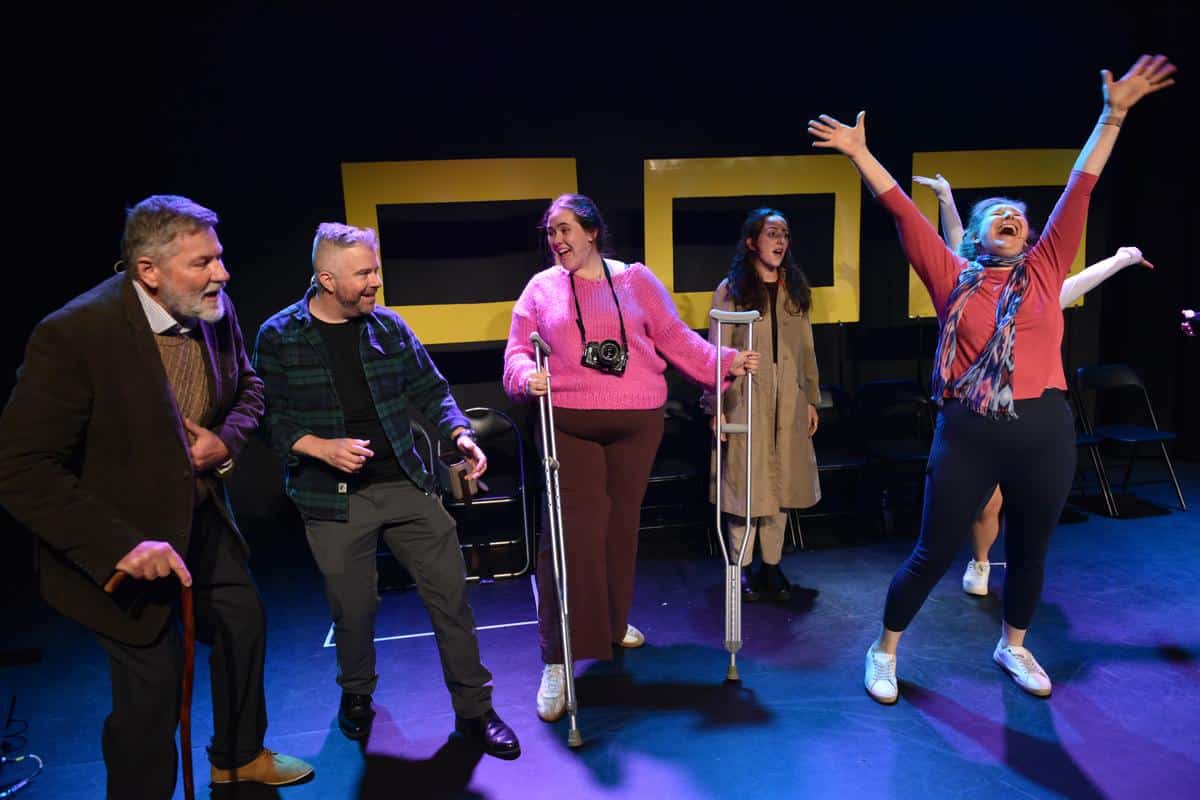
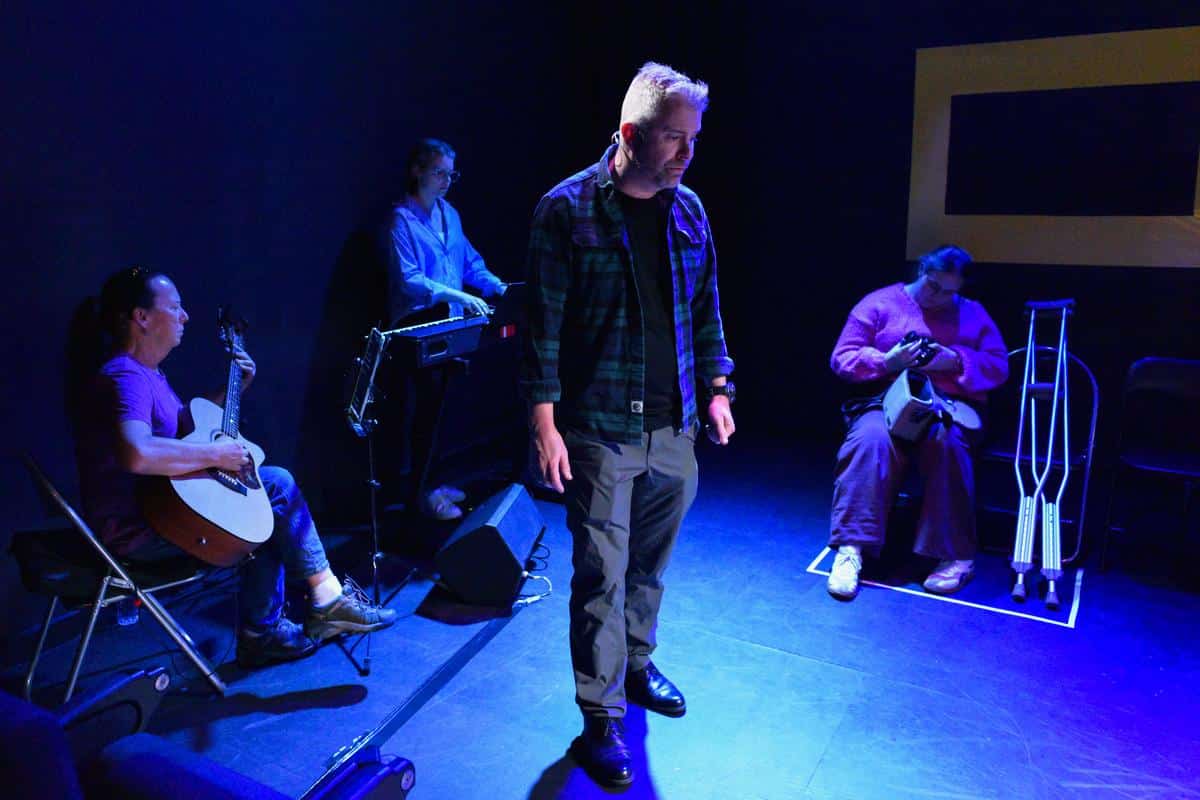
In the gritty space of the Old Fitzroy Theatre below the hotel bar, the audience witnessed close at hand, the clash of chaos and order between two different approaches to life. The basic set and lights put a spotlight on the two characters and clothes and music were the costumes of the play. It all added to the nitty, gritty of day to day life that has gone through the normal life stages that each character has experienced and endured.


As with all relationships, the comments were funny, cruel and often elicited uncomfortable laughter from the audience. At times, the humour was slapstick and visual and other times it was odd and illogical as we stepped in to the minds of the individual friends. Both actors interacted with audience members drawing them in to the day to day emotions blurring the lines between separation and involvement. Each character provided an odd view of their life but also a focus on each other’s choices and mistakes. There was a sense of the unpredictable as they acted face to face with audience members adding to the zany and sense of anything could happen and it did and this was their way of getting through it all.

Using different media, they showed off, sang, emoted and went from woe to glee over the stupidity of it all. A particularly funny piece was miming to a woman’s desire for a more interesting job adding to the zany and illogical choices people take along the way and leaving us wondering why?

Although the comedic pace was at times uneven, the audience appeared to leave having explored the desire and need of two people determined to retain the friendship in spite of their differences and interpretations on how life has impacted upon each other.

To book tickets to Look At The State Of The Carpet, please visit https://www.oldfitztheatre.com.au/look-at-the-state-of-the-carpet-1.

Spread the word on your favourite platform!