Too Much Light Makes The Baby Go Blind

30 Neo-Futurist Plays From Too Much Light Makes The Baby Go Blind (30 Plays In 60 Minutes)

30 Neo-Futurist Plays From Too Much Light Makes The Baby Go Blind (30 Plays In 60 Minutes) Rating

★★★★★

Click if you liked this article

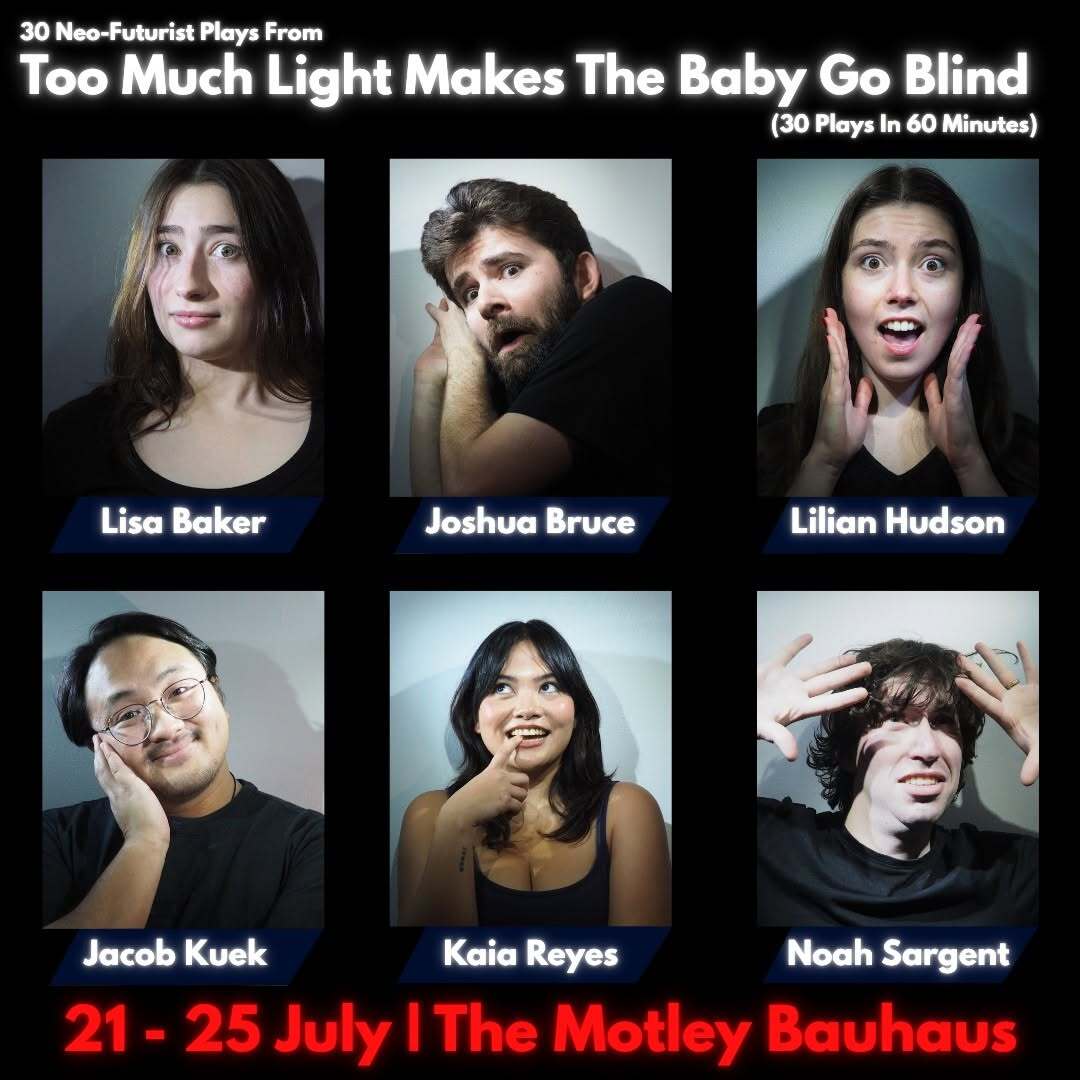
As soon as we walk in, the game begins. The Lost Theatre Co. cast members mill about the theatre and greet us, wearing black T-shirts emblazoned with their (real) first names - Joshua, Lilian, Jacob, Kaia, Noah and Lisa. We each receive a lanyard with a red/green card and a ‘menu’ of thirty short play titles to choose from. The house lights stay up as they get our attention and begin. We have a role, a responsibility and an immediate sense of comradery.

Too Much Light Makes The Baby Go Blind is a proudly absurd meta theatre game. The aim is to perform all thirty plays on the menu within an hour – once the hour is up, that’s all we get; they’ll stop mid-scene if they must. Audience members call out a number to indicate what play we want to see, it’s performed, then it’s on to the next one. It’s the epitome of controlled chaos.

The ensemble’s confidence, chemistry and enthusiasm absolutely carry the show. Even though all the shows are obviously scripted, there’s a constant feeling of spontaneity, like we’ve walked in on actors messing around while on break. This makes it easy to forgive some weaker performances during the micro-plays themselves, though it would’ve been nice to see more range in the genres and characters within the shows. Still, with thirty distinct plays, it’s almost guaranteed nobody will click with everything, and there were definitely more hits than misses.
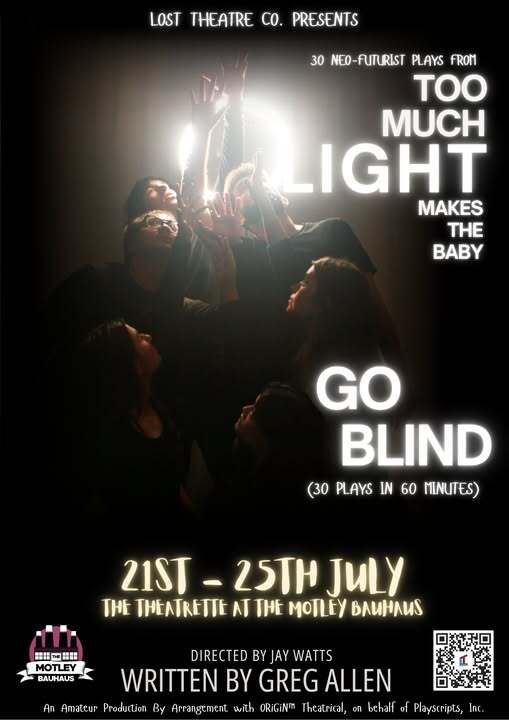


It’s difficult to comment on the show’s writing. The plays move so fast and there’s so many of them that to single out anything feels like either nitpicking or a matter of personal taste. Plus, the tone is so silly that deeper analysis of themes almost feels like missing the point. Even so, the whole premise raises interesting questions about what ‘counts’ as theatre and how much or little time you need to tell a story. These ideas are highlighted in how the actors use the set. The lack of costumes, the simple props and set pieces strewn around seemingly at random and the constant timer on the wall counting down the hour deliberately make it difficult to fully focus on the plays. This could be a drawback for some, but I like that Jay Watts’ direction kept us focused on the gamification of it all, constantly drawing attention to how we as an audience had a huge part to play in the fun.

Consent and safety were clearly priorities for the troupe, and it was impressive how seamlessly they incorporated these essentials into the show. The lanyards we were given let us show either a green or red card to indicate if we wanted to be interacted with, and we were assured we could flip the card at any time, even while the actors were speaking to us. This did happen once or twice, and they kept their word, stopping immediately and moving on to somebody else. There were content warnings on the menu, but on the other side from the titles so we could be surprised if we wanted to. The instructions they gave to participants were snappy and clear, and they rolled equally well with awkwardness and enthusiasm from the audience. Overall, it’s probably the best handling of audience interaction that I’ve ever seen; whether your card’s green or red, it’s so fun to watch and play along.

Although we didn’t win the game (we got close but had to stop in the middle of the thirtieth play), there wasn’t any sense of disappointment or missing out. If anything, the lack of closure felt appropriate. If you enjoy the fresh frenetic energy of improv, theatre about theatre and/or being involved in the unfolding action, this is definitely the show for you. And if anything about the audience participation seems daunting, don’t worry. You’re in good hands and no matter which plays you do or don’t see, you’re in for a great time.

To book tickets to 30 Neo-Futurist Plays From Too Much Light Makes The Baby Go Blind (30 Plays In 60 Minutes), please visit https://www.losttheatreco.com/.
Spread the word on your favourite platform!

Ensemble Q With Ed Le Brocq

Ensemble Q With Ed Le Brocq

Ensemble Q With Ed Le Brocq Rating

★★★★★

Click if you liked this article

7

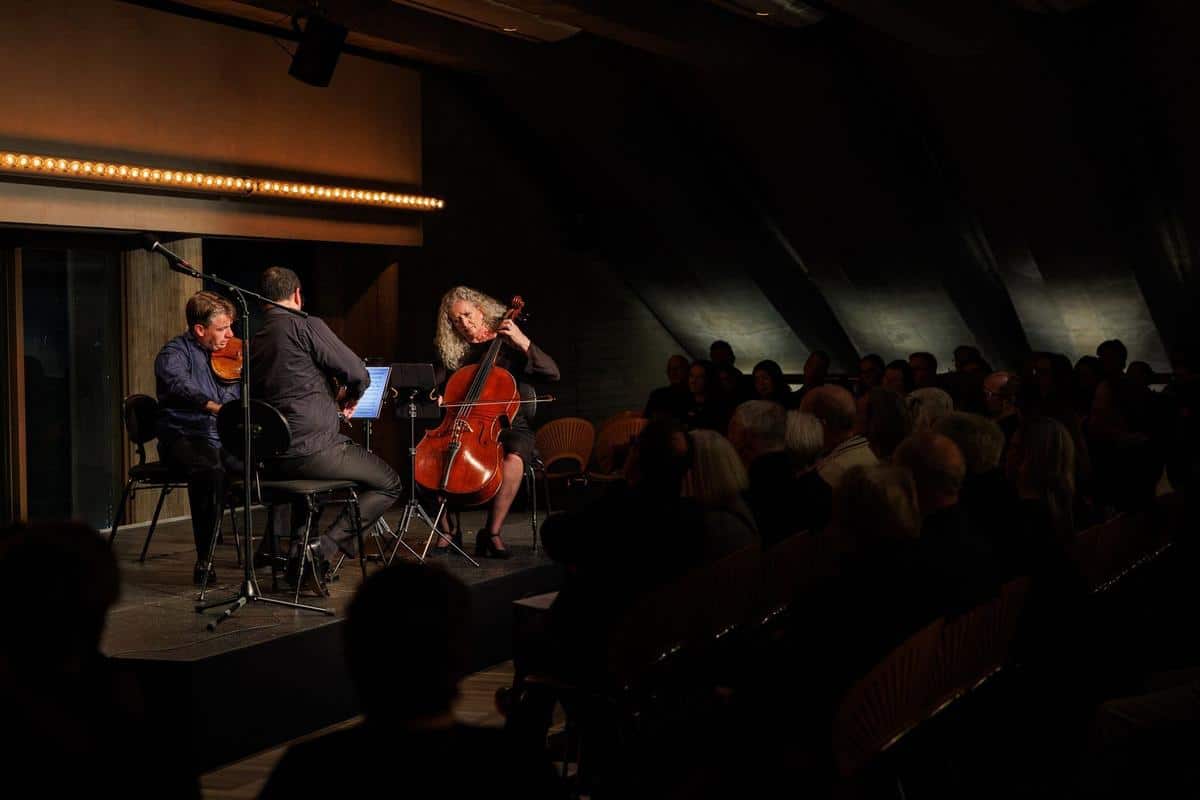
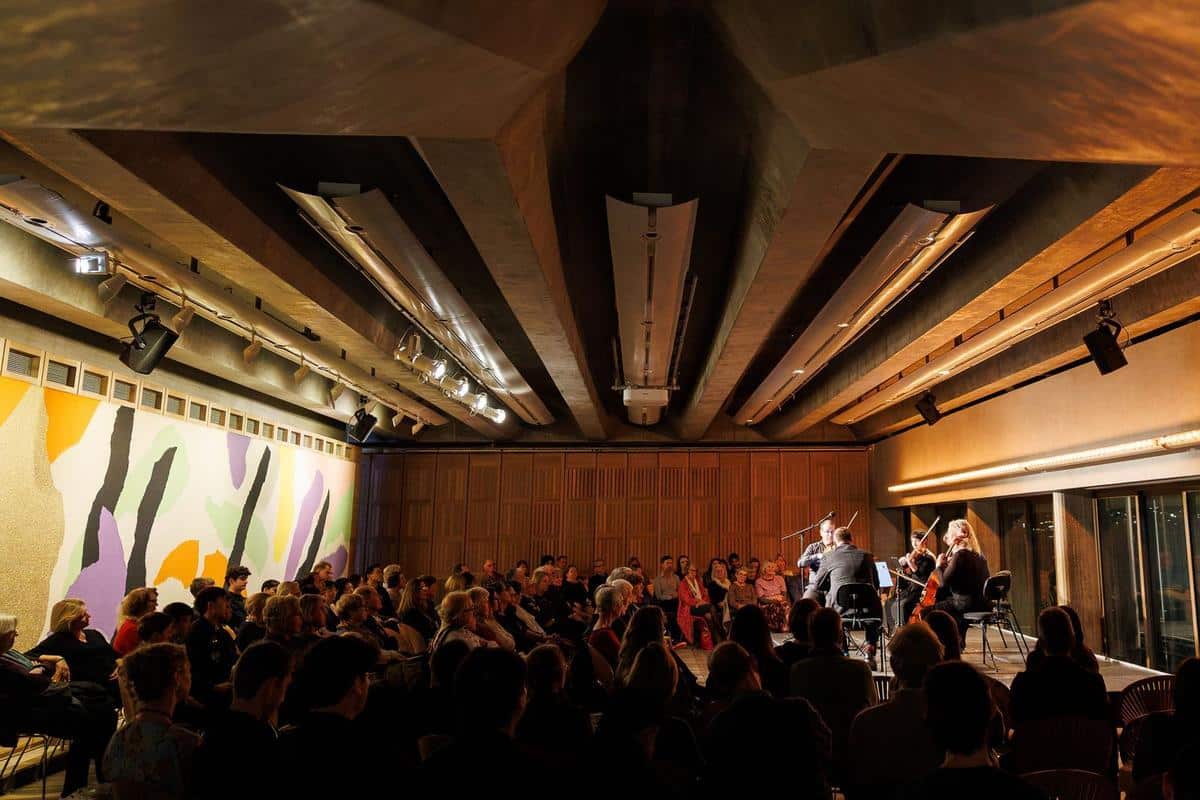
There is a rare, intoxicating vulnerability when world-class chamber music is experienced in an intimate performance space, and tonight at the Sydney Opera House’s Utzon Room, Brisbane-based Ensemble Q delivered a concert that was not merely heard, but deeply felt—an experience that bypassed the intellectual mechanics of music and touched the soul directly. The venue’s tight, warm acoustics placed the audience in striking, captivating proximity to the musicians. Sitting so close that you could hear the soft intake of breath before a phrase, see the delicate bow hair catch the strings, and feel the physical resonance of every note created an immediate, deeply personal connection that elevated the entire performance, making it feel less like a distant spectacle on a cavernous stage and more like a shared, living conversation between artist and listener.

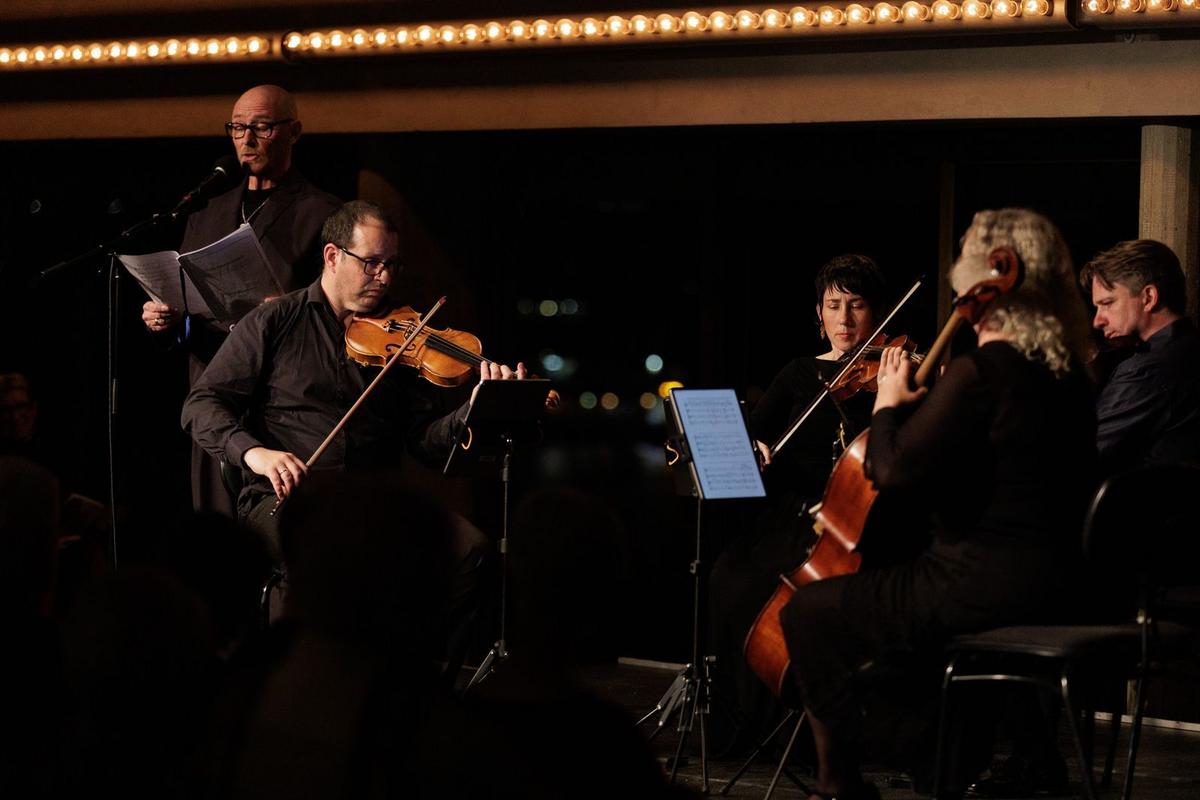
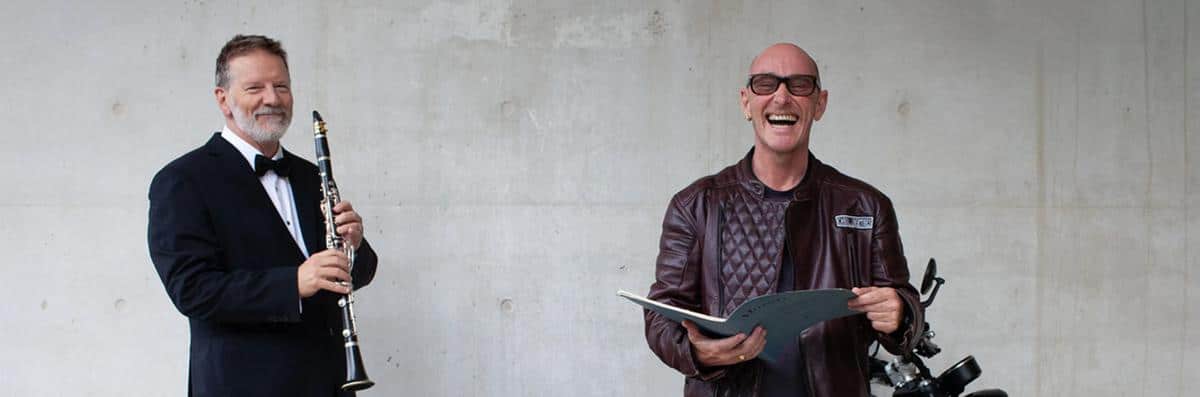
Founded by husband-and-wife duo Paul Dean, a professor at the University of Queensland and one of Australia’s foremost clarinettists, and Trish Dean, an internationally respected cellist, Ensemble Q brings together a powerhouse lineup of extraordinary Australian talent. Joining them on stage were violinist Asma Chalabi, Head of Violin at ANAM performing on an exquisite 1805 Joseph Panormo violin; the brilliant violinist Anne Horton, whose international career boasts major competition victories in Cremona and Osaka; and acclaimed violist Benjamin Roskams, who added immense emotional warmth on a magnificent c. 1720 Joseph filius Andreae Guarneri viola. Completing the ensemble was acclaimed broadcaster, author, and narrator Ed Le Brocq, whose sensitive, grounded storytelling provided a gentle emotional spine for the evening's narrative works.


The program was a masterclass in balance, artfully weaving dark classical intensity with poignant contemporary narrative and whimsical charm. The performance opened with Ludwig van Beethoven’s stormiest early chamber work, the String Trio in C minor, Op. 9 No. 3. Being so physically close to the players emphasized the fierce, conversational dialogue between violin, viola, and cello, showcasing the ensemble's breathtaking synchronisation and flawless technique.

The emotional apex of the evening was Anne Cawrse’s 'Sonam and the Silence', commissioned by Ensemble Q for their 2026 season and written for narrator, clarinet in B♭, and string quartet. Based on a picture book set in bustling, Taliban-ruled Kabul—where music is forbidden—it tells the tender story of a young girl who discovers the enduring power of music. Cawrse’s evocative score paired with Le Brocq’s sensitive storytelling left the room in pin-drop silence, creating an overwhelming sense of shared empathy and hope.

In a similarly enchanting vein, the ensemble performed Calvin Bowman’s 'Curly Pyjama Letters', a work across seven movements for narrator and string quartet set to texts by the late Michael Leunig (1945–2024). Originally commissioned for the Flinders Quartet in 2011, the piece brought Leunig’s beloved, whimsical universe to life. Bowman’s score—stylistically inspired by the sound world of the Academy of Ancient Music, gargling angels, and Schubert—matched the quirky correspondence between lone voyager Vasco Pyjama and his mentor Mr. Curly of Curly Flat with immense warmth, wit, and charm.

The concert concluded with Wolfgang Amadeus Mozart’s timeless Clarinet Quintet in A major, K. 581. Paul Dean’s clarinet tone was liquid gold throughout, and the famous Larghetto movement, performed with transcendent delicacy, felt like a private lullaby played specifically for each person in the room.

What made the night truly unforgettable was this remarkable synthesis of raw virtuosity and ultimate physical closeness. Ensemble Q did not simply play music; they opened a window directly into the human spirit, demonstrating not only breathtaking technical mastery but also a rare ability to tell profound stories through sound. An unmissable event.

To book tickets to Ensemble Q With Ed Le Brocq, please visit https://www.sydneyoperahouse.com/classical-music/ensemble-q-ed-le-brocq.

Photographer: Gavin Rebetzke

Spread the word on your favourite platform!

A Twist Of Fate - Season 5

A Twist Of Fate Season 5

A Twist Of Fate Season 5 Rating

★★★★★

Click if you liked this article

3

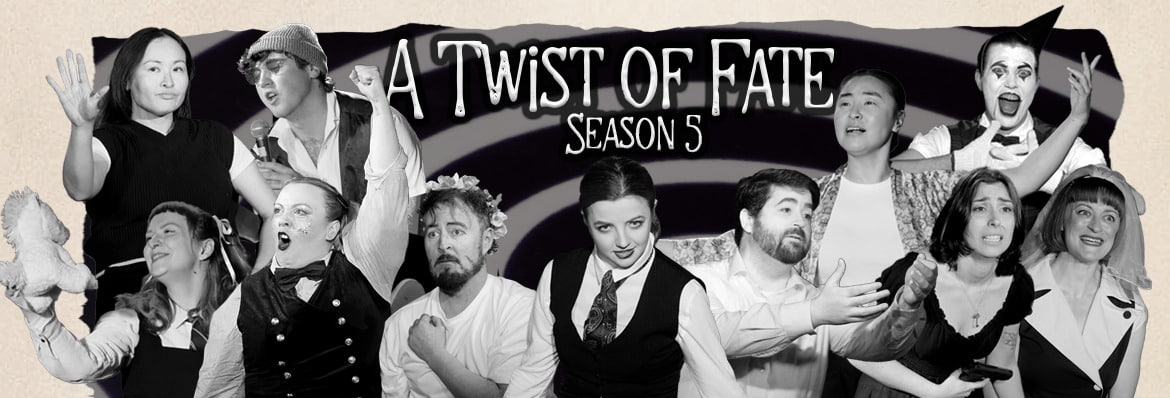
I’ve now seen three iterations of Scary Goats Theatre’s A Twist Of Fate series. The conceit – short Twilight Zone-esque plays, each built around a game-changing plot twist – is reliably entertaining and capacious. Every season I’ve seen has had a different tone and a wide range of premises and themes in the showcased plays. And yet, season 5 started with a delightful surprise that nobody in the audience could have expected: a short film.

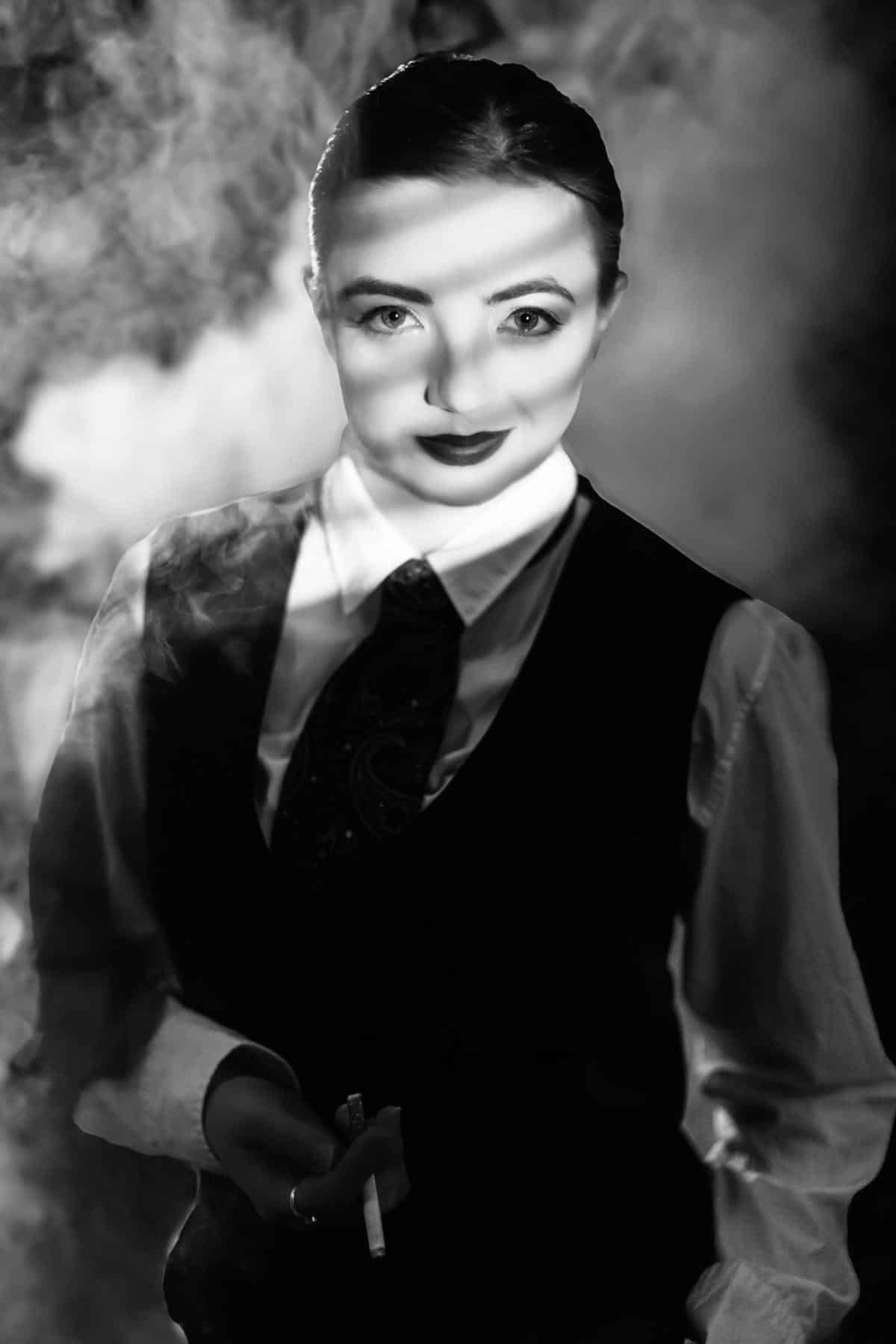
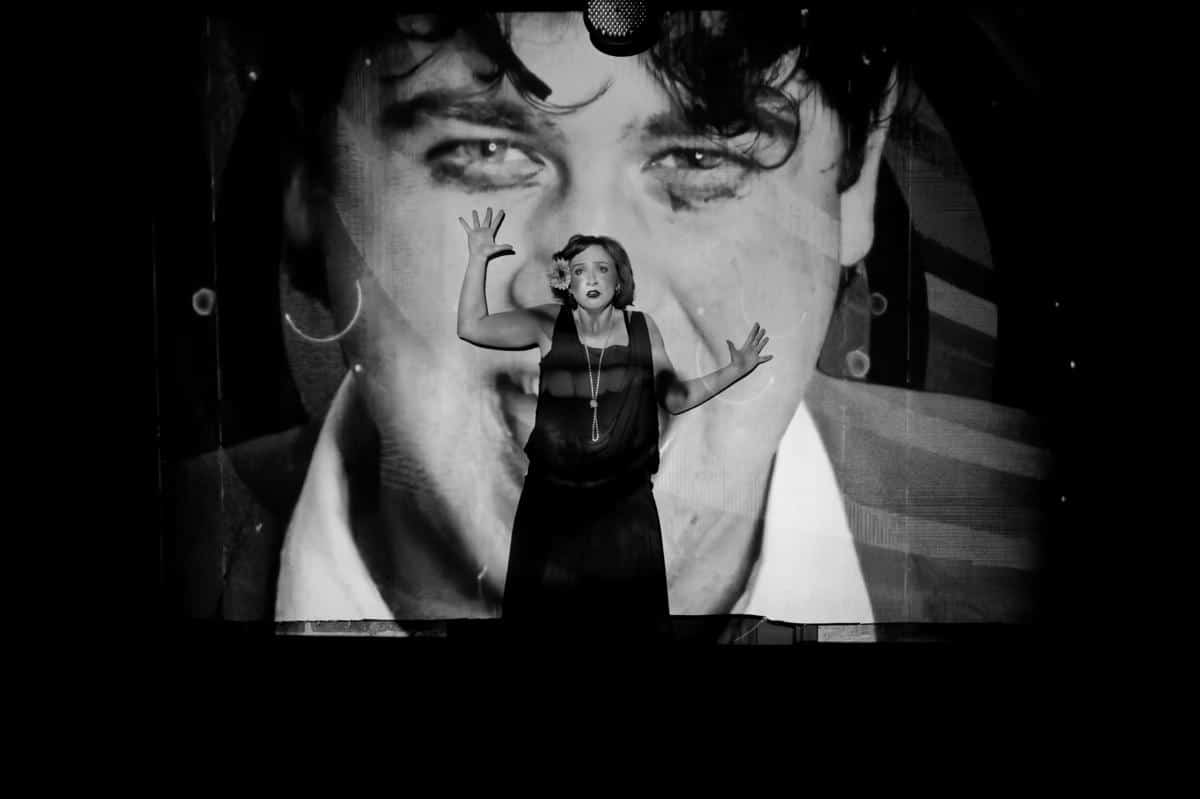
Not So Black And White is a mixed media pastiche of black-and-white silent films. You’ve seen or are at least aware of the kinds of characters featured. Nelle Nilson is a clever young woman, dainty and desired by her fiancée Steadfast Sam. Her father is a renowned physicist and the villain, Hardluck Harry, hatches a plan to get close to Nelle and steal her father’s work. Stereotypical shenanigans ensue…until they don’t. The slapstick and physicality are comedically stilted in exactly the way you’d expect from silent films, and while the jokes clearly send up the genre, they don’t feel like retreads of other parodies. There are multiple twists in the plot and character arcs, and they each feel jarring in an arresting and calculated way. Chloe Towan wrote, directed, choreographed, shot and edited this show, and she along with the cast have created a fantastic vehicle to show the beauty and flaws in these kinds of stories.

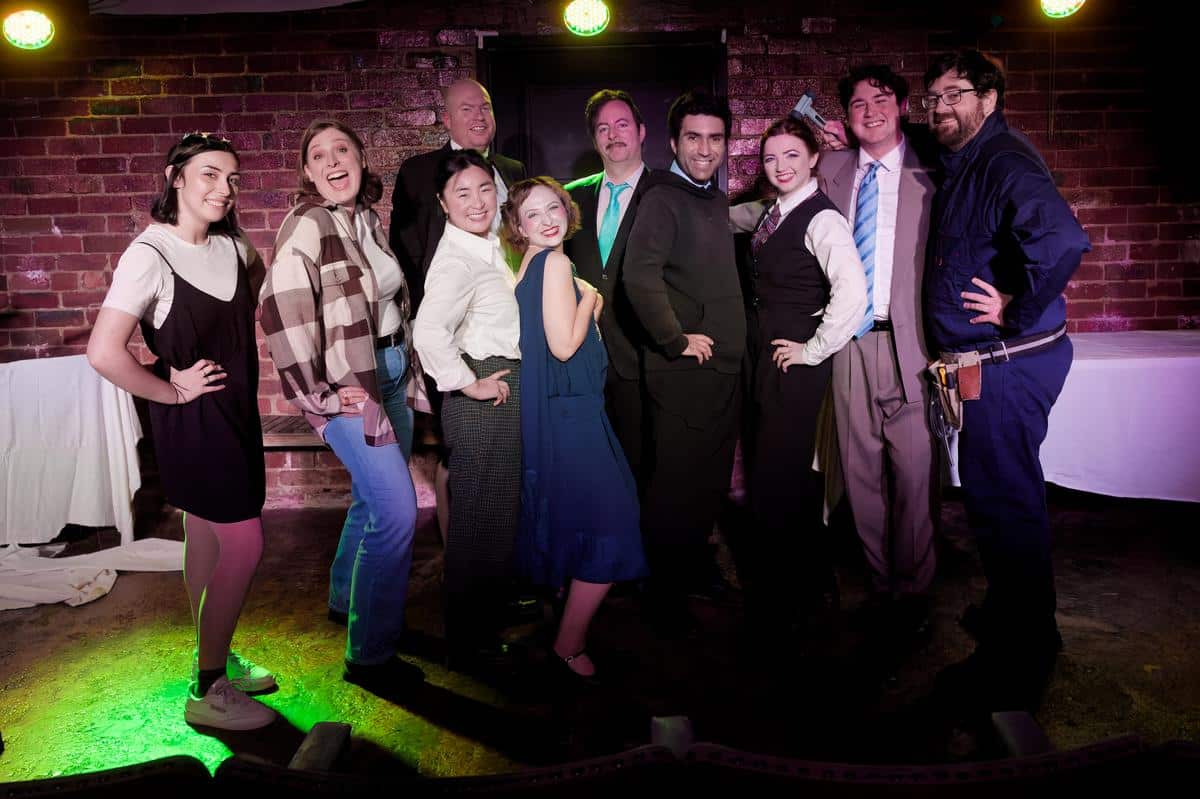
Riding on the high of the first show is We Live To Serve, written by Charlie Simmons. In a future where the earth is near uninhabitable due to extreme heat, two workers - a butler named Calvin and a custodial worker named Alvin - are desperate to get hired on one of the spacecraft leaving the planet. The poor job interviewer has no idea how far the duo’s desperation will push them. The performances from Patrick Slee, Richard Mealiey and Corey M. Glamuzina are great; their characters are loveable, mischievous and easy to empathize with. I also appreciated the commentary on technological dependence and the concept of disposability, as some lines felt downright chilling in the context of the world’s increasing reliance on generative AI. I think this script would have benefitted from a longer runtime, since the context and exposition felt jam-packed and hard to follow at first. Still, it was an enjoyable show with engaging characters and a sweet, hopeful ending.


The third show, Muffin Day by Richard Mealey, presents a nightmarish Groundhog Day scenario. Ronnie is stuck reliving the worst moment of their life: their death. Over and over, they come into their work at a bank, chat with their bubbly colleague Chris, and get shot by an intruder named Lou looking for revenge. It takes a lot of energy and planning to craft a script like this, where information is slowly drip-fed and elements have to be repeated without getting tedious. Mealey pulls it off perfectly, creating a constant sense of progression and perfectly balancing comedy and tragedy. Developing Chris and Lou more as side characters is a simple yet effective way to subvert this kind of story and foreshadow the twist that comes later. Even if you guess what’s coming, the acting and tone of the payoff makes it both satisfying and harrowing.

The final show, Two Characters In Search Of A Story, is about exactly what is written on the tin. Two characters wake up in a locked room with numerous concealed objects, having no memory of who they are. While transitioning into this show, Towan mentioned that her script was originally going to be saved for a season next year and to be honest, I wonder if that might have been for the better. The two lead performances are strong and full of chemistry, and the way that set pieces were revealed and recontextualized over time was really clever. However, I feel like the title set us up for a more ‘meta’ revelation than the twist turned out to be, and overall, the pacing felt uneven and the emotional arc of the characters didn’t quite sit right with me. Still, many audience members seemed to find it moving, and it was definitely an interesting watch.

A running theme in this season of A Twist Of Fate is breaking expectations. Comedic settings are more multi-dimensional than expected, the assumptions underpinning a familiar premise are knocked out from under it, and characters seek to find their place in their own story. If this reflects what Scary Goats Theatre seeks to do with their work going forward, then I’m sure they are more than capable of rising to the challenges they set themselves. If you haven’t already, definitely come and see at least one season of this show. Whether you guess what’s coming or have your mind blown, you’ll still have a great time with some thoughtful, diverse and entertaining theatre.

To book tickets to A Twist Of Fate Season 5, please visit https://www.eventfinda.com.au/2026/a-twist-of-fate-season-5/melbourne/carlton.

Photographer: Kieran McNamara

Spread the word on your favourite platform!

Rebel and Riot with A Kingdom of Fools

A Kingdom of Fools

A Kingdom of Fools Rating

★★★★★

Click if you liked this article

6

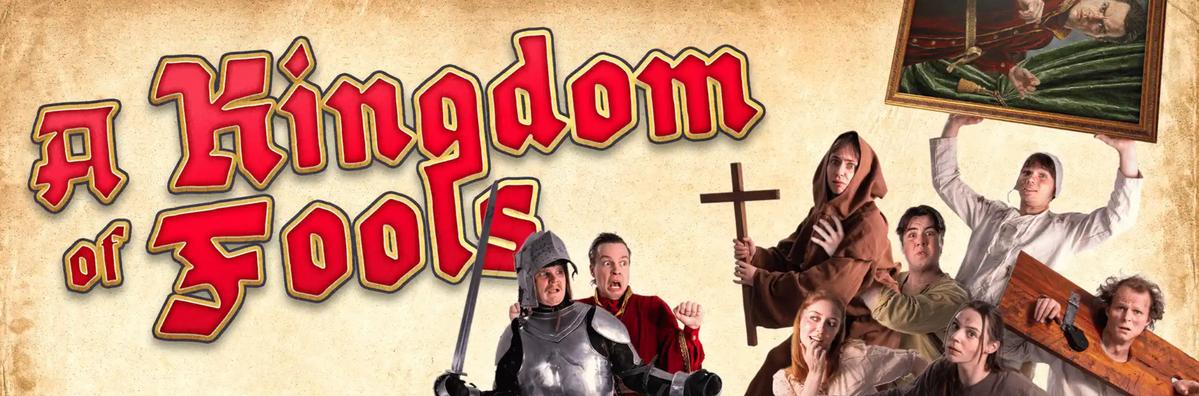
In the self-proclaimed ‘arse end of England’ there is a tavern in the village of Gotham (pronounced Go-tham, not Batman’s Gotham). Picture yourself in ye olden times of 1206, ruled by the King, the mystical wonder of knights and the clinking of mead in tankards. Lose yourself in an era where the lute and the medieval fiddle, the vielle, play in harmony with the gentle beat of the tabor and tambourine.

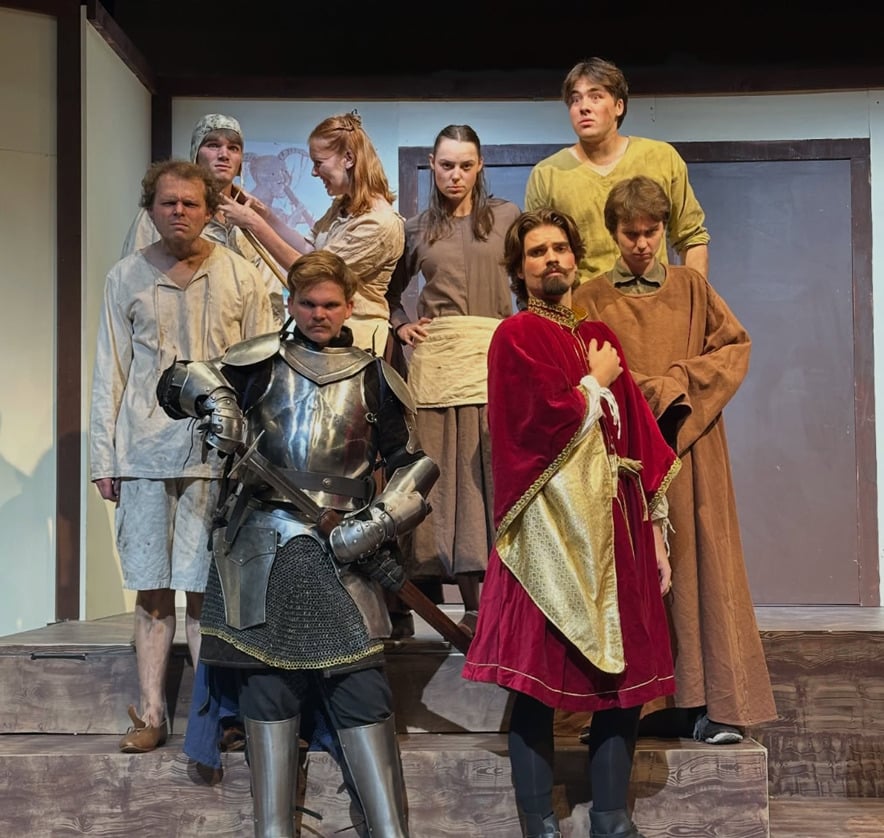
This is where A Kingdom of Fools, a one act comedic farce, directed and written by Ryan Atkins, begins with a burst of excitement. The tavern owner Mildreth (Meredith Welch) commands her workers, chef Simple Thomas (Alex Hutchison-Smith) and tavern wench Ethelfleda (Nala Davies) to prepare for the arrival oenf a knight, Sir Guy Ashcombe (Brendan Atkins) and nobleman Sir William Drakeford (Yarno Rohling). To present their best face in tavern hospitality, the tavern is rushed to be cleaned. The chamber pot “near to overflowing” is brought out ready to empty, a fixing of the floor near the door is attempted, Ethel practices her best bosomy sexy postures in the hope of snagging the knight, the welcome horn and the pouch of rose petals are at the ready. All these make their way back into the story later, serving as the accomplices to some hilariously comedic scenes.

Whilst waiting for the noblemen, Gerd (Lachlan Atkins) a sweet and simple miller, and Alfric (Ryan Atkins), a man with his head and both hands enclosed in a long wooden pillory arrive. Ryan’s Alfric unknowingly slams the wood into two characters, causing one to tumble outside and Gerd to become a temporary wall decoration which was one of my favourite scenes. It is difficult to describe this scene without giving away spoilers, but I’ll just say that it was so well timed and had the audience laughing and wondering how the set would recover.

Sir Ashcombe and Sir Drakeford also made a memorable entrance onto the stage. Sir Ashcombe tripped over and fell onto his back. Brendan’s portrayal of the knight, scrambling furiously and failing several times to get up off the ground because of the heavy armour was played to perfection, and reminded me of a cockroach with legs running askew!


The knight and the nobleman were at the inn to announce that King John was seizing it for himself. Everything, he says – including the tavern and the people, the animals and the flowers in the fields. The villagers are outraged at this greed, with Meredith’s Mildreth shooting the darkest and murderous looks at Sir Drakeford. Thus begins an outrageous plan of rebellion to convince the noblemen to leave and never return. Father Godric (Arnold Walsh) is brought in by the noblemen in attempt to temper the situation, but this fails and the audience most likely silently cheer as he flees.

The chaos that ensues from the villagers’ plan is all encompassing, involving the characters in non-stop scenes of utter hilarity and originality. One standout scene was when Sir Drakeford was reading the decree to Mildreth, unspooling it and reading it slowly line by line in a totally matter-of -fact way. Meanwhile, Ethel, Gerd and Simple Thomas are in the background, in their own world creating the most ridiculous skits, yet being one hundred percent true to their characters, which made it even funnier. This was one of the cleverest ways of involving a lot of the cast onstage, separate yet together to create one unforgettably funny scene. Ryan Atkin’s script was witty, fast paced and engaging, eliciting clever wordplay to capture the audience and tickle their funny bone.

The costumes were period perfect, especially their medieval tunics, brown soft sole boots and hanging coin pouches, as were the props and the set. The end scene was outrageously messy, and the physicality of Simple Thomas’ actions had the whole audience “laughing their head off” which is my way of giving a nod to the Ryan’s Aldric who spent the majority of the play with his head and hands trapped as well as something else.

Although I could see that there was no one ‘main character’ as such, as each character was written with their own flair, Lachlan’s portrayal of loveable ‘village idiot’ Gerd was a standout. He managed to deliver many not so hidden innuendos with the innocence of the young, which added to the comedy.

It was no coincidence that A Kingdom of Fools was at the Sydney Winterfest Medieval Fair on the weekend before the play’s opening week at The Eternity Playhouse. It was a strategic stroke of genius, because putting your head and hands into a pillory for a photo opportunity was perhaps the best advertisement for this play. A hilarious comedy of Monty Python-esque proportions, A Kingdom of Fools gathered the audience into a medieval time machine and stepped us back to where the little people overthrow the powerful. I’ll fill my tankard with mead and drink to that!

A Kingdom of Fools is playing at The Eternity Playhouse. 39 Burton St, Darlinghurst
90 minutes
Season: 16 July – 26 July 2026
Tickets: www.events.humanitix.com/a-kingdom-of-fools

To book tickets to A Kingdom of Fools, please visit https://events.humanitix.com/a-kingdom-of-fools.

Spread the word on your favourite platform!

Subscribe to What's The Show

Reviews, show news and what is on, straight to your inbox.