The Effect – Dopamine, Love, or Both?

The Effect

The Effect Rating

Click if you liked this article

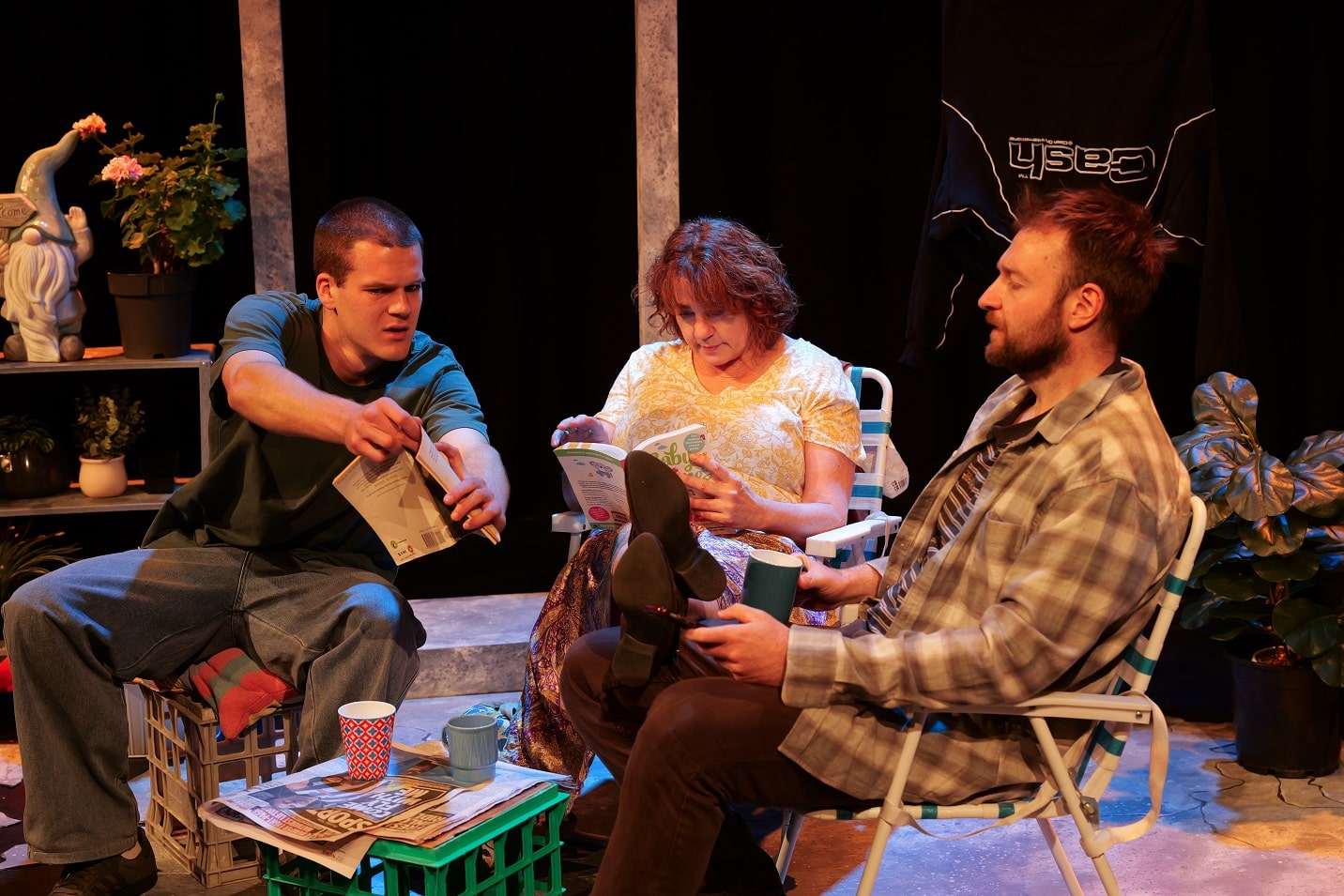
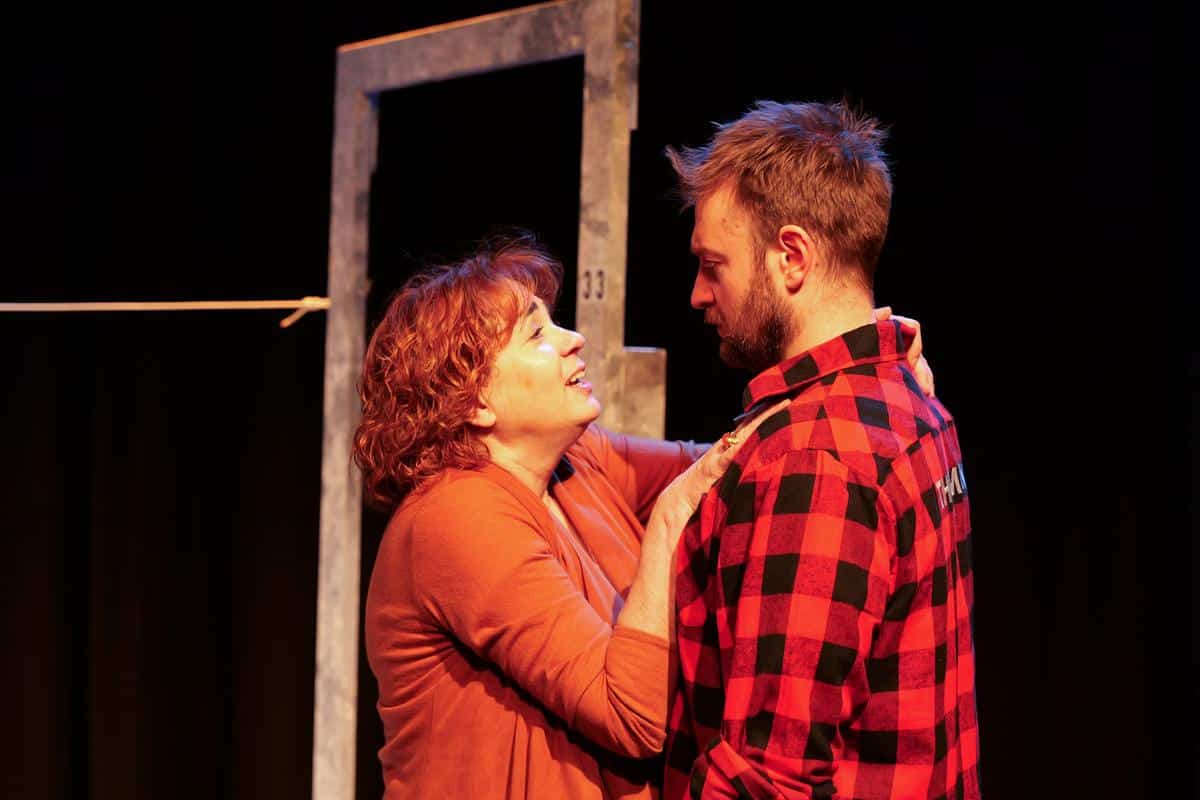
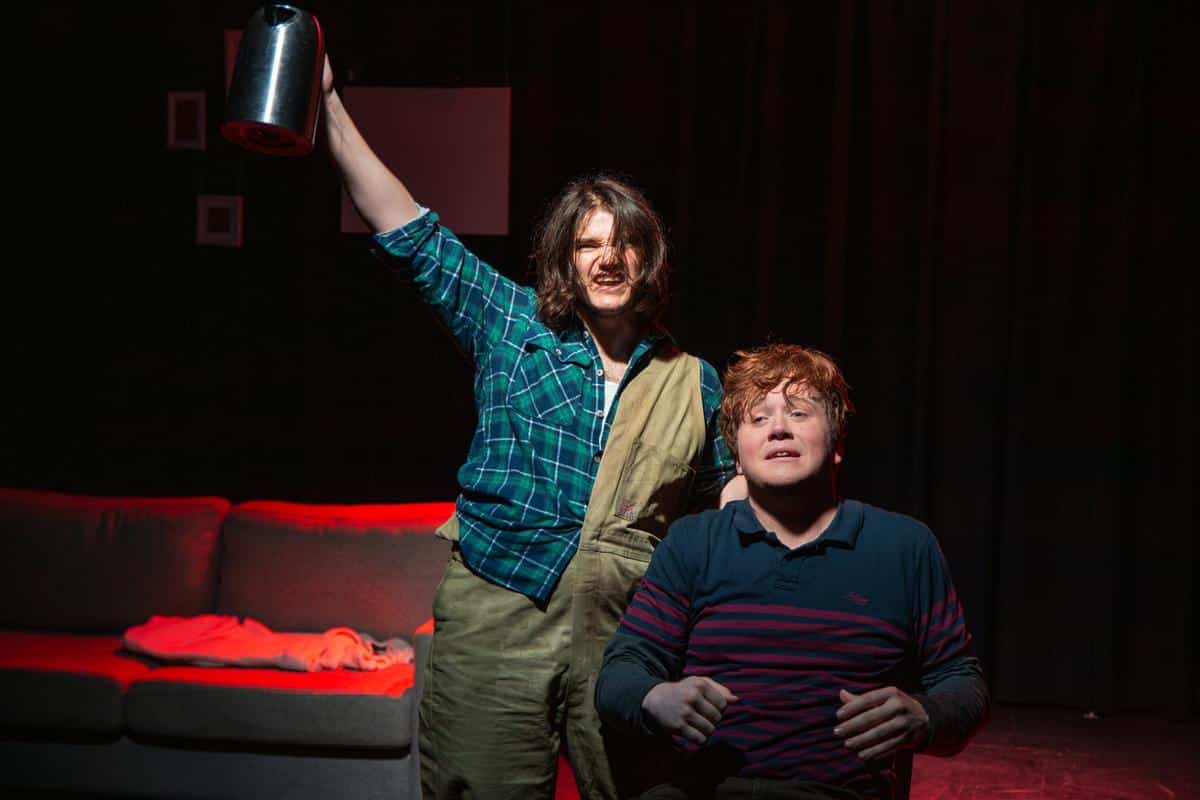
I’m already fairly familiar with The Effect by Lucy Prebble when I sit down in the Theatre Works audience, the play having first debuted in 2012 at the National Theatre in London and been played across the world since. More than a decade later the show has made its way down to Key Conspirators and I’m curious what they’ll do with it. The four-hander mainly follows two participants in an antidepressant drug trial, Connie and Tristan, as they begin to fall in love – but whether it’s caused by the supplementary dopamine coursing through their veins is troublingly unknown to them and the doctors alike.

As needed for any tight cast show, the ensemble is near flawless. Directed superbly by Alonso Pineda, each actor embodies their character to their utmost limits.

Emma Choy, playing Dr Lorna James, has wrapped everything she does in anxiety. Her vocal tone, her gaze, her slight shifting, all build to a near pitiful portrayal of the doctor until it reveals a spine that stands straight throughout all the chaos. Choy is endearing and heart-breaking all at once, honing in on the lovable awkwardness so we can watch it be torn apart.

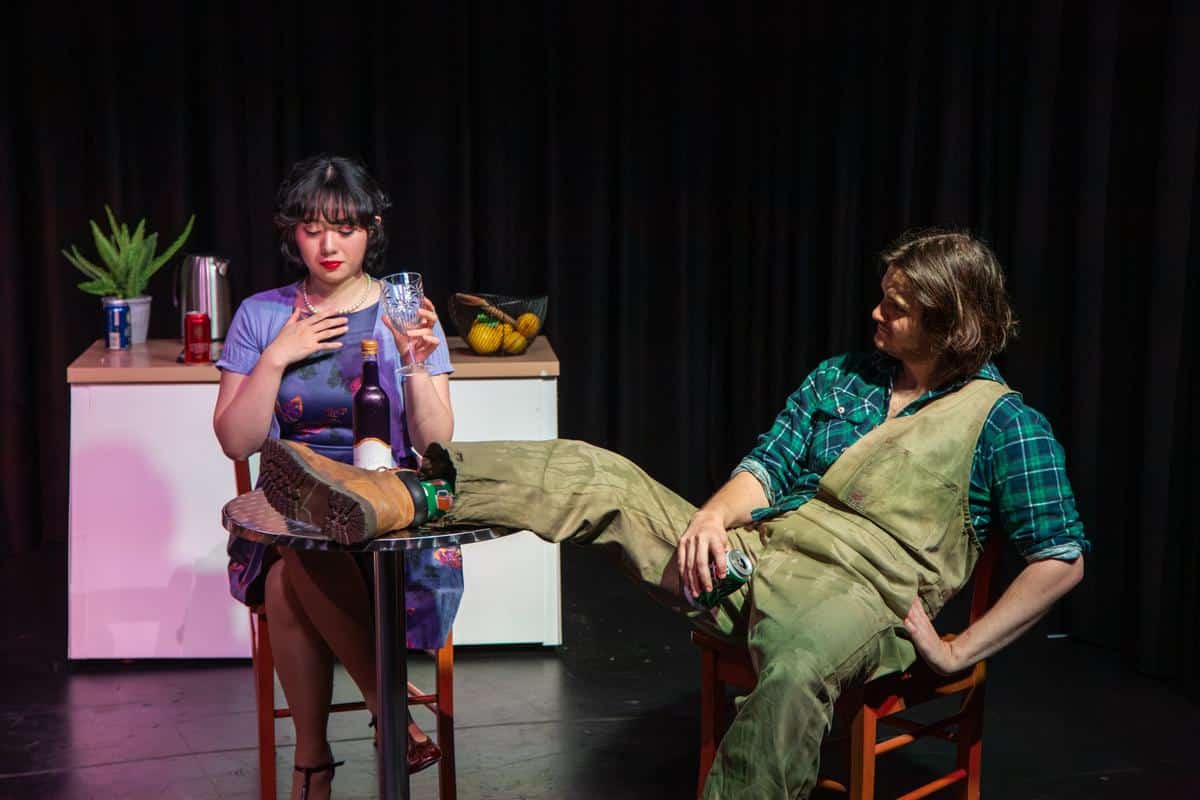
Jessica Martin finds an unexpected confidence in Connie instead of the bashful and desperate versions I’ve previously seen. Martin lets Connie discover a self-aware power which becomes fascinating to watch be desperately clung to and employed against Tristan and Dr James. It also got to rear its head beautifully well within the intimate and vulnerable relationship with Damon Baudin’s Tristan that made me blush to watch.


Baudin’s physicalisation is intoxicating to watch. His bounces, his fidgets, his careful curation of presence are all highly rendered. Tristan feels real. He’s able to slip from small and helpless to explosive in the blink of an eye, weaving a carefully constructed pathos through a character that could easily become scarily dominating and uncomfortable. To balance such crassness with an earnest love that you root for, proves Baudin is a master of his craft.

Similarly, Philip Hayden as Dr Toby Sealey carefully toes the line between a pretentious dickhead and a man genuinely trying his best. The role of Dr Sealey is one that can quickly slip into caricature or downright evil, but Hayden brings a needed empathy. You trust that he believes his own words, even if you vehemently disagree with them.

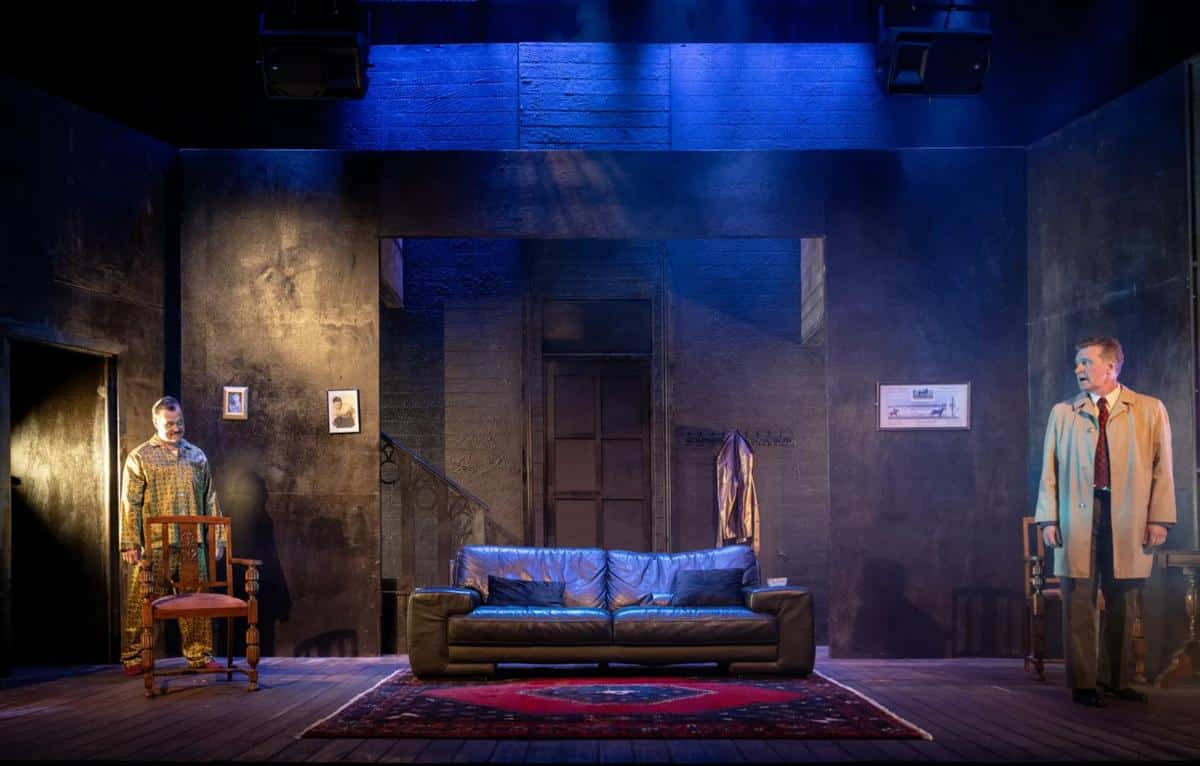
Pineda has intelligently leant into the repetition and isolation of the text. People are scattered across large spaces, making them feel simultaneously alone and claustrophobic. We want to escape the trial as much as they do. There is also an employment of voyeurism by both the characters and the audience that creates a layered effect of examining the show as its own experiment. Occasionally during the longer scenes between Connie and Tristan, the staging did start to feel a bit static, mainly because I was desperate for more play as soon as the characters could escape the rigidity.

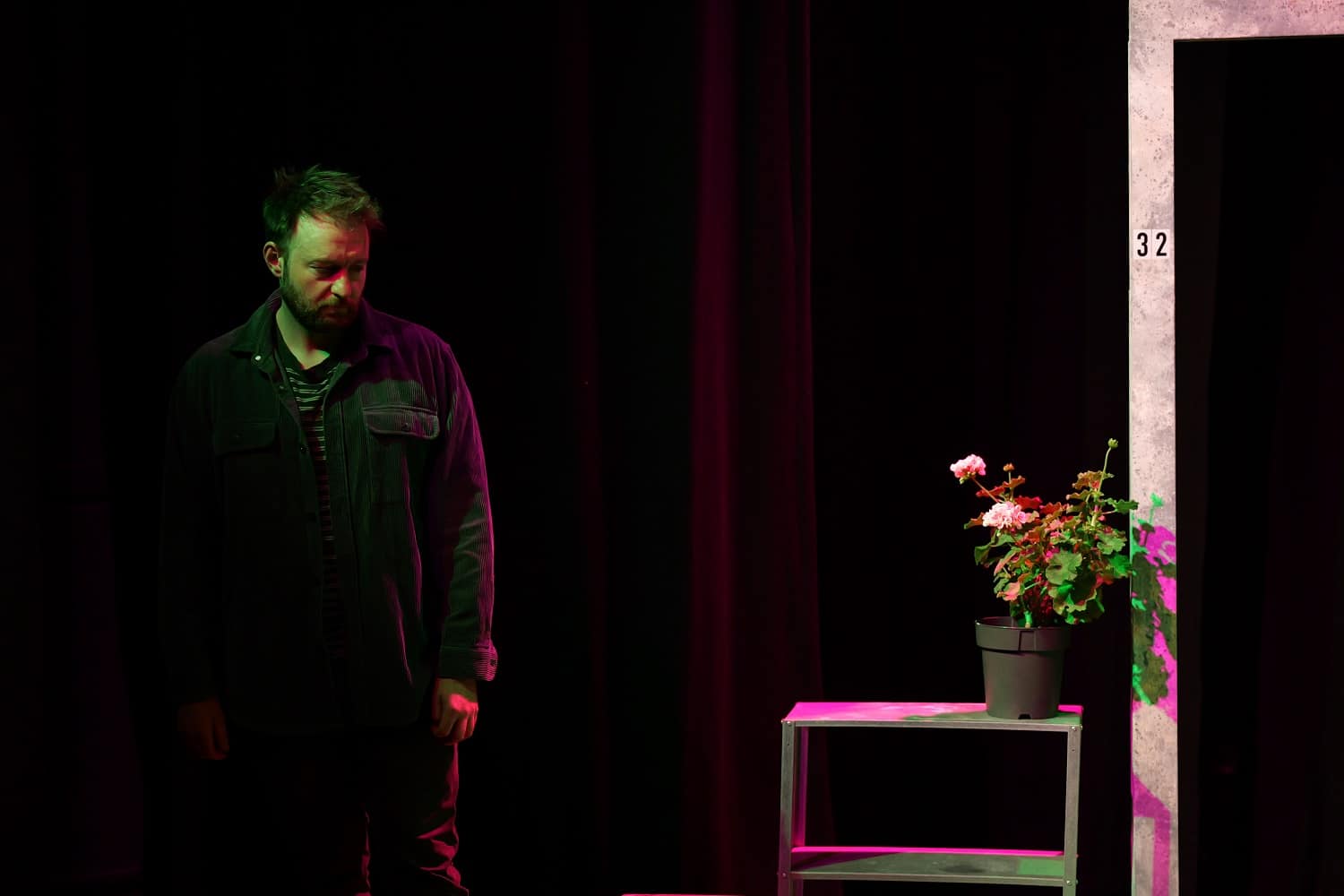
Vulcan is meticulous in his design, the aesthetics feel entirely in tune with the clinical and desaturated nature of the text. The stage is split into three distinct areas. We have the main downstage area acting as the facility where only the actors can bring it colour and life, amplified by the grey-scale costumes. Then we have the two-story set up where below are realistically rendered medical facilities and above is a transient play space that moves from bedroom, to stage, to a platform for the watchful eye. This two-story set up smartly allows itself to be hidden away, only visible when lit, letting us sit in the dark, unstimulating emptiness with Connie and Tristan.

Additionally, Vulcan has built an absolute spectacle of lighting into the membranes of the set. The set is the lighting and the lighting is the set: it’s symbiotic. Using an array of lighting bars, Vulcan had created lighting that breathes and has a life of its own, almost reacting organically to actors. Vulcan is not afraid of the dark either. Light is only introduced when it’s absolutely required, the haunting scene of Dr Lorna James sitting quietly in the dark comes to mind.

The Effect is a tight production that doesn’t do more than it needs to, threading all production areas together to prioritise the themes of the text. With a wicked ensemble and beautiful design, the show is not to be missed!

To book tickets to The Effect, please visit https://www.theatreworks.org.au/2026/the-effect.

Spread the word on your favourite platform!

One Man, Two Guvnors

One Man, Two Guvnors

One Man, Two Guvnors Rating

Click if you liked this article

1

Melbourne is no stranger to unusual, intimate show venues, but it takes a lot of creativity, planning and passion to make full use of unconventional stages. This is especially true for a play like 1 Man 2 Guvnors by Richard Bean, which opened at London’s National Theatre and was a major career stepping-stone for James Cordon. As a company, J&L Presents clearly rises to challenges like this, explaining that “each production [of theirs] is carefully tailored to its surroundings, with the venue itself becoming a character that informs and enhances the narrative”.

For this show, their chosen ‘character’ is Piano On Swan in Richmond, and an otherwise unassuming bar space is converted into a traverse stage. The small audience takes up half the walkway in front of the bar and a little nook close to the entrance, the tech operator looms above the bar and needs a ladder to get down, and the only exits are out the front door and up a small flight of stairs to the toilets. In short, there’s not a lot of space and plenty of obstacles for the actors to navigate – and they do so beautifully.

The play itself is set in Brighton in 1963, and follows the unemployed working-class Francis Henshall (played by Daragh Wills). The character quickly becomes a dogsbody to two employers: gangster Roscoe Crabb (Zoe Rose), and white-collar criminal Stanley Stubbers (Johno White). As Francis struggles to meet the demands of two masters, other subplots pile onto the whirlwind hilarity, including a twin sister posing as her dead brother; a ‘love triangle’ between Crabb, aspiring actor Alan (Dylan Mazurek) and dimwitted socialite Pauline (Emilie); and Francis falling for the feminist bookkeeper Dolly (Sharon Wills). Trust me – it’s much easier to follow when you watch it unfold over two hours, with plenty of slapstick, wordplay and melodrama in between.


The script itself was popular fifteen years ago for a reason. It was inspired by an Italian commedia dell’arte play from 1743 and takes a lot of inspiration from classic British period comedies from the likes of P. G. Wodehouse. However, the writing sprinkles in modernisms that add to the comedy instead of distracting from it. The swearing, gender swap shenanigans, fourth wall breaking and audience participation keep the gags constant, fresh and fun. The ensemble cast’s perfect sense of timing augments every joke; they aren’t afraid to let awkward silences sit because they make the moments of chaos even more uproarious.

J&L Presents’ love of performance space shows to the fullest, as every inch of the small barroom is used. Actors stand on the bar, fall behind it, rush out onto the street and back in, haul heavy trunks and trolleys every which way – everything is frenetic and chaotic in the best way possible. The blocking was also impressive because aside from a scant few times when some people’s faces weren’t visible, nothing was missed and every visual joke was clear to see. Wills is a fantastic lead getting laughs from the minute of walking onstage and had us in the palm of their hand. The other cast members fantastically embody their characters, understanding that ‘more is more’ and pushing their mannerisms and their voices to the maximum. The comedy was tight and well-planned, but also had a fluidity which made so many moments feel improvisational and any gaffes like additions to the fun. Everyone was enjoying themselves so much that they could do no wrong.

After this show, I can’t imagine 1 Man, 2 Guvnors being performed on a larger, traditional stage. The closeness cultivated between the audience and the characters feels integral to the show working as well as it does. There was a constant sense of excitement, not knowing which character was going to pop out of where, or how things could possibly get worse for our comic heroes. When I went, the audience ranged from very young kids to older people, and from the conversations I heard in the interval and afterwards, everyone seemed to have a fantastic time. This production is intimate, clever, packed with laugh-out-loud moments, and a perfect theater experience for most if not all audiences.

To book tickets to One Man, Two Guvnors, please visit https://www.comedyfestival.com.au/browse-shows/one-man-two-guvnors/.

Photographer: Darcy K Scales

Spread the word on your favourite platform!

Who I’m Doing This For

Who I'm Doing This For

Who I’m Doing This For Rating

Click if you liked this article

2

(Note: This is a review of a play presented as the second half of a double billing. Melbourne Writers’ Theatre is showing Metropolis Monologues across two instalments, and this play is performed after each series of monologues. I will review the monologues separately.)

My experiences with Melbourne Writer’s Theatre’s (MWT) Metropolis Monologue series were very positive. The diversity of style and subject matter, married with some great performances and direction, showed how fresh and fun Melbourne’s independent theatre scene can be. As mentioned, five of the ten monologues are presented on each night, followed by the play that won MWT’s 2026 Amethyst Award. Unfortunately, this second show, Who I’m Doing This For, wasn’t on the same level as the monologues for me.

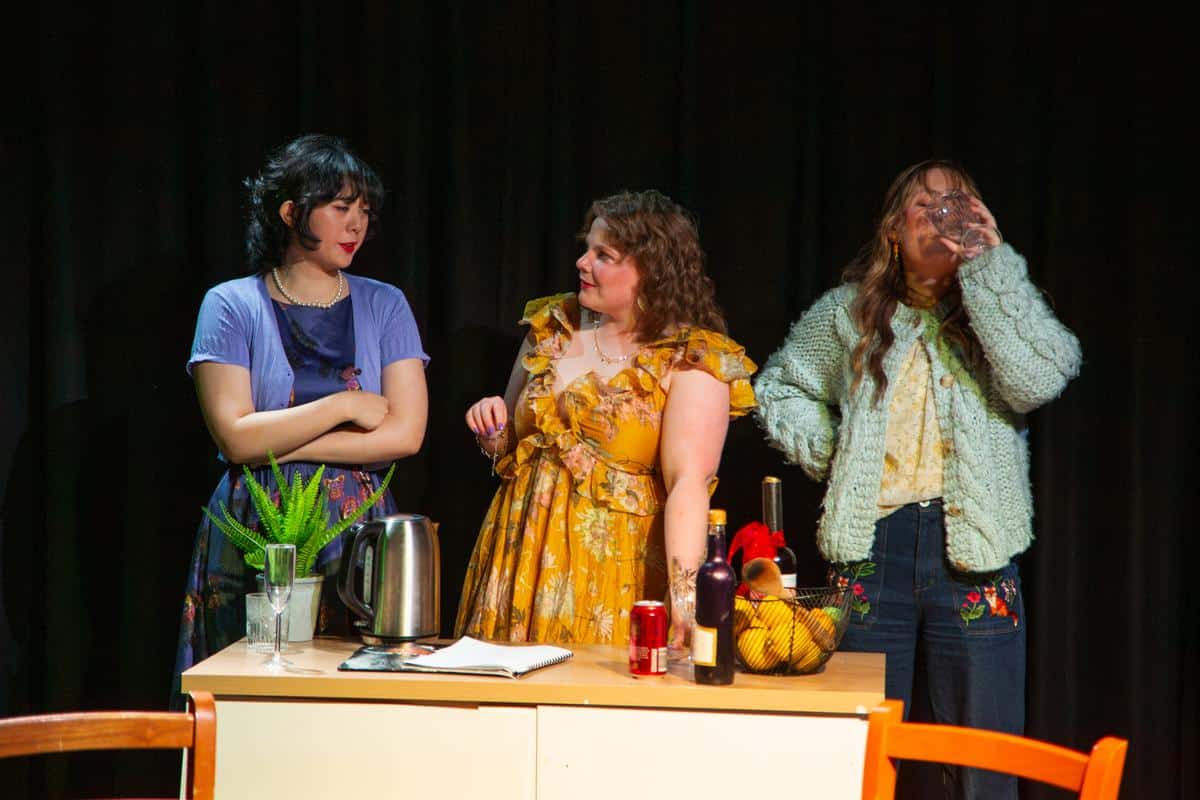
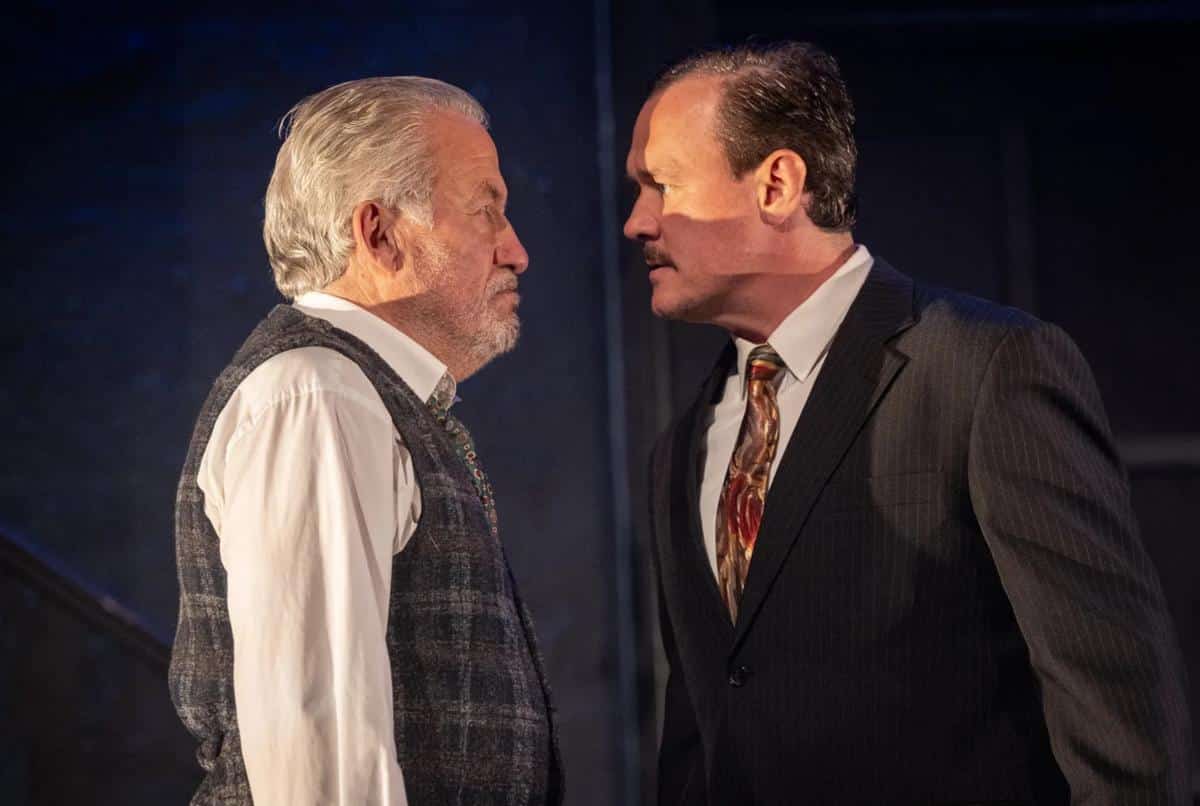
The play, written by Peter Farrar, follows Simon (Lochi Laffin-Vines), a man suffering under the weight of grief. He has recently lost his father (Tony Adams) – an abusive, drug-addicted ex-veteran – after caring for both him and his sickly mother. Shortly after the play begins, we see the toll his depression takes on him; he loses his job, is increasingly unable to connect to his girlfriend Claudia (Emily Farrell) and slips into a nihilism that will drive him to desperate and horrific actions.


The cast are strong performers, and their chemistry is mostly enjoyable to watch. The couple’s playful moments are endearing, the father-son relationship whiplashes thrillingly between awkwardness and mutual rage, and some of the most chilling moments come when the father is simply standing in the background, watching Simon unravel. The lighting is cleverly changed to enhance the mood of certain scenes, and the writing is at its best in the character interactions, such as the snarky quips between Simon and Claudia and the naked narcissism of the father’s abuse tactics. The play is laudably ambitious and asks provocative questions about whether the roots of trauma are personal, familial or systemic.

However, to me, the story and script did not live up to the themes it was trying to tackle. While the dynamic between Simon and his father was strong, Claudia as a character felt like a vessel for Simon to vent to or at, and she seemed much too accepting of Simon’s unreasonableness throughout. This underdevelopment also applies to the radicalization Simon undergoes; plenty of people struggle with trauma and mental illness and don’t make the decision that Simon does, and it’s unclear what external force pushed him down the specific path he takes. Outside influence is an essential component of political radicalization, and its absence makes his anti-capitalist soliloquies feel out of place. The extensive monologuing also states the play’s themes so blatantly that it robs what should be a crazy, thrilling climax of any tension. Too many moments reminded me of the old writers’ aphorism: show, don’t tell.

Who I’m Doing This For has many interesting questions within it about generational trauma, mental illness and personal responsibility. Steven T. Boltz’s direction clearly brought out the best in the actors and team involved, and I think that the play could be very strong in a future revival. But as is, it didn’t have nearly as much polish as the monologues that preceded it, and I would definitely recommend those over this play in its current form.

To book tickets to Who I’m Doing This For, please visit https://melbournewriterstheatre.org.au/.

Photographer: Mina Shafer

Spread the word on your favourite platform!

Metropolis Monologues Showcase Two

Metropolis Monologues Showcase Two

Metropolis Monologues Showcase Two Rating

Click if you liked this article

2

(Note: Metropolis Monologues is presented in two groups, and each night the monologues are followed by the play Who I’m Doing This For by Peter Farrar. This is a review of the second group of monologues – I have reviewed the first group and Who I’m Doing This For separately.)

As I mentioned in my first Metropolis Monologues review, the format of five monologues from five writers performed by five actors is enticing to anyone who wants to see fresh indie theatre in Melbourne. Although I enjoyed the first showcase, this second half of the series is where the format really blossomed for me. While both batches had the same director (Karyn Lee Greig), this set of monologues felt more thematically cohesive, since they all revolved around ideas of home and family: where it is, what it means, and how to find it.

In The Good Deed (written by Jeannie Haughton), Monique Kerr plays a beleaguered mother driving the kids home from school, until she sees an old man beside the road who might be in trouble. Kerr’s physicality really shines when she imitates the old man and her children, and this is coupled with writing that perfectly suits those voices. The piece also sets a good tone because the use of lighting and sound effects to establish a suspenseful tone is already more dynamic than in the previous set of monologues. The main character was likeable and full of fun quips, and this led to an ending that felt both heartfelt and earned.

Renovation Ruin’s main set-piece is a battered, graffiti-laden toilet. In Bruce Shearer’s bizarre monologue, Donna de Palma’s character opens the door to a stranger who just wants to use the bathroom, and uses the visitor to pour her heart out about a relationship gone wrong, and the renovation project she’s undertaking to try and exorcise herself. The writing style is evocative and erudite, and de Palma’s organic acting creates a great sense of unease around this character; how much of her behaviour is melodrama, and how much is her actually losing her mind? The ridiculous toilet quickly becomes a clever metaphor for her broken relationship, and the way that the last line ties that symbolism together is absolutely fantastic.


Leisa Whyte’s Deep Breath introduces us to a young man (played by Anthony Pontonio) struggling to find himself. He has taken a break from university to stay in a beach town, and after getting a job as a barista, he starts to wonder if he could stay there for good. Also, he hears voices in his head, which may be anxiety, a superpower, or something in between. Pontonio gives a gorgeous performance here; there are so many subtle physical moments that could just as easily make you laugh as give you heartache. There is a constant sense of something about to snap under his calm veneer, cultivating a character who comes across warm and sympathetic, but also a bit scary. This piece captured what it’s like to feel at home while also longing for one, and more than any other monologue, I wanted to see more of this character after it ended.

In Wakeup Call, when an old woman sees a neighbour’s home being cleared out by her sons, she becomes worried about her own complicity in this woman’s fate, and her own future. Maree Collie’s writing brings some much-needed humanity to a character who could otherwise be a stereotypical ‘crotchety old lady’. Both writer and actor (Clare Larman) handle the fear of growing old and being abandoned with a deft mix of comedy and solemnity (“What will they toss out first: my life or me?”). The easy-going nature of the character made moments where she snapped feel more palpable, but the multiple instances of her observing exactly what was being thrown out of the house did feel somewhat repetitive. Some of the trains of thought that she expressed also felt like they weren’t fully followed through; it was an enjoyable piece and performance – I just felt that it could have made its themes even stronger.

The final piece, Dream Home (written by Louise Hopewell) centres around a woman (played by Charmaine Gorman) who has recently discovered that a woman tragically died years ago in her house. She is haunted less by a ghost and more by the knowledge she now has, and the sense that she is being watched by the dead woman. The writing takes its time, building a sense of intrigue about all characters mentioned and conveying the hesitancy the main character feels about speaking to the dead. Gorman’s performance is fraught with sympathy and confusion; she makes you feel the looming presence of somebody else in the way she speaks, and you feel for the lack of support she’s experiencing. With a silent sequence of lighting a candle, the showcase ends on a quiet, pondering note.

In one way or another, all five monologues see their characters questioning their relationships to their home, family and how they fit into their own lives. While I think both showcases were consistent with each other in terms of the writing and acting, the thematic cohesion in this second set took it from good to great. MWT has created a fantastic format for theatre writers and actors of all levels, and I look forward to seeing it return next year.

To book tickets to Metropolis Monologues Showcase Two, please visit https://melbournewriterstheatre.org.au/.

Photographer: Mina Shafer

Spread the word on your favourite platform!