Blackpill: Redux

Blackpill: Redux

Blackpill: Redux Rating

Click if you liked this article

1

How can the internet be depicted in other art forms? Many directors and writers across various mediums have tried to showcase the intangible world that most of us live our lives in. Unfortunately, there’s a lot of ways in which these kinds of stories can go wrong; a lack of empathy for particular communities, overly complicated visual metaphors, a reliance on outdated memes and references – the list goes on.

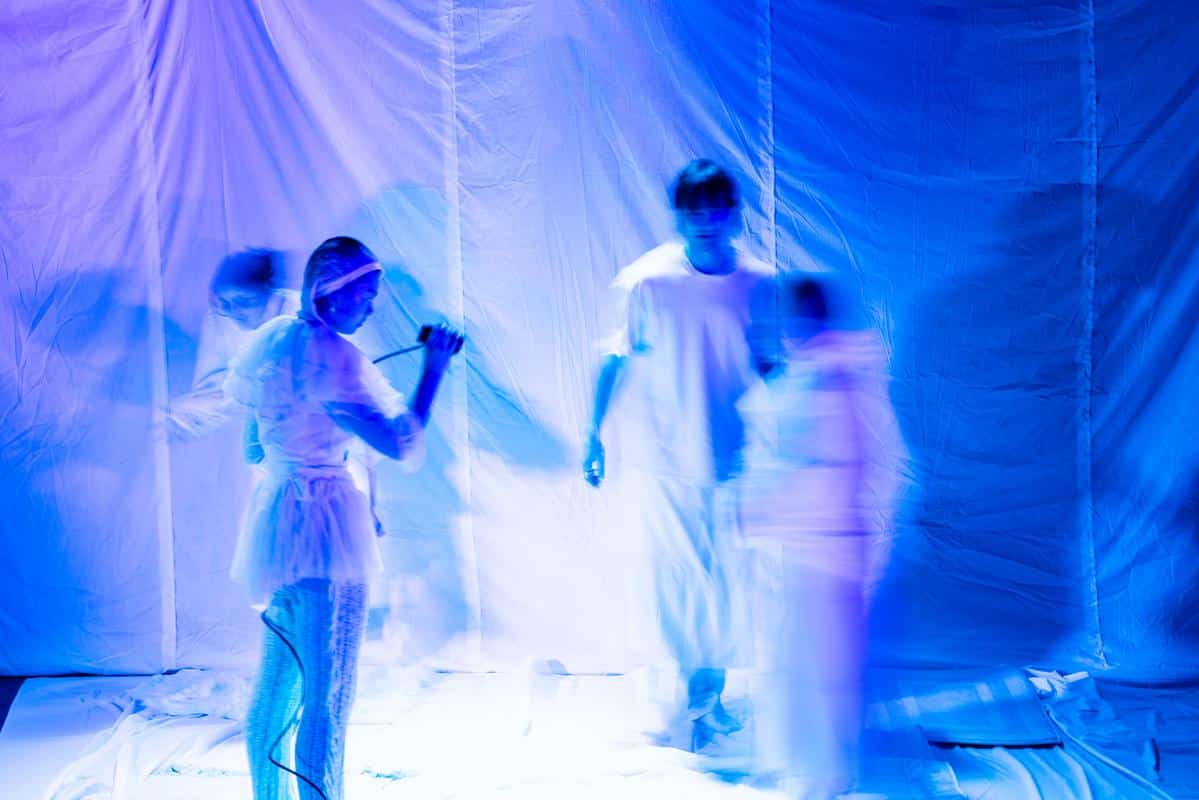
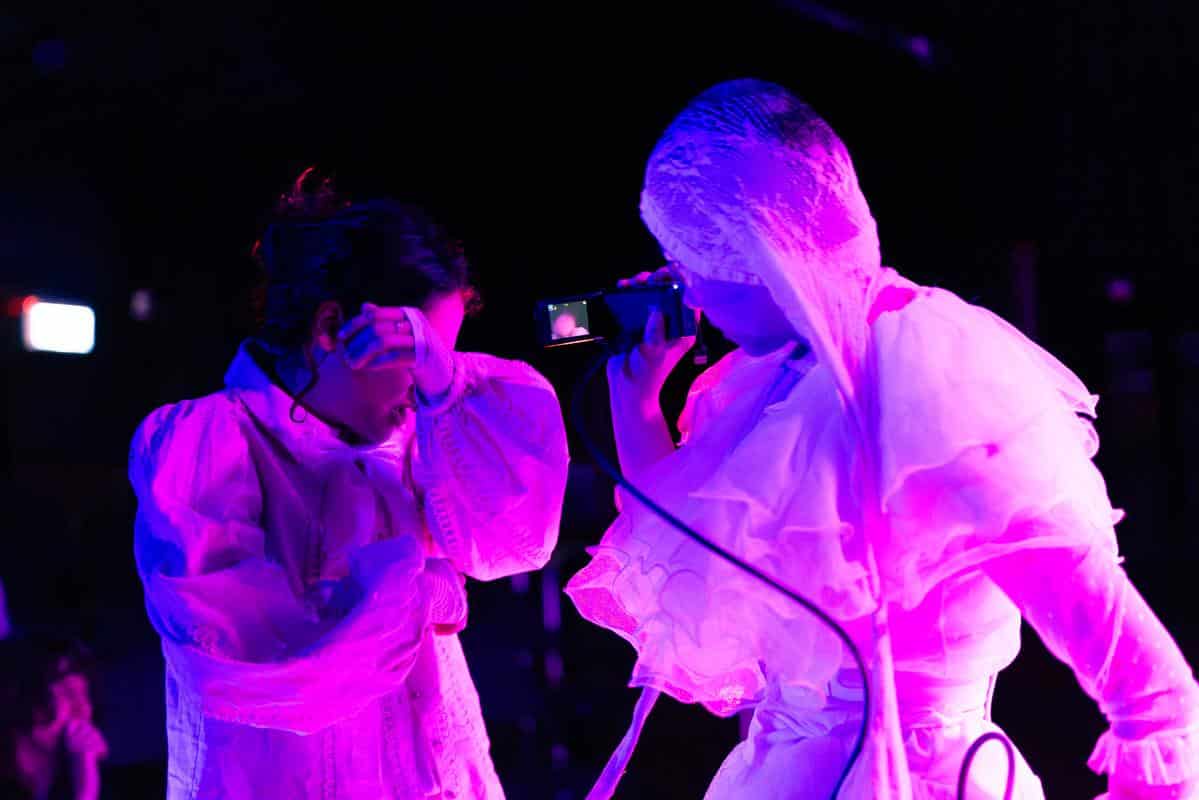
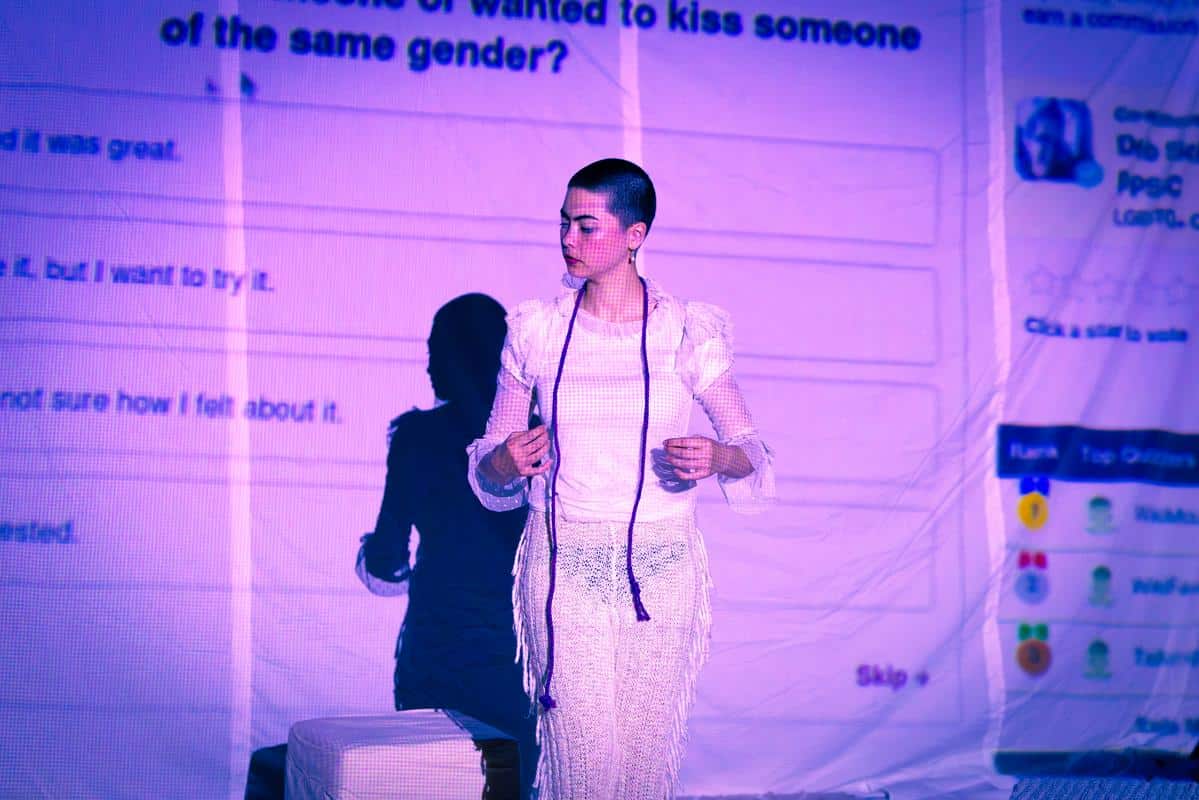
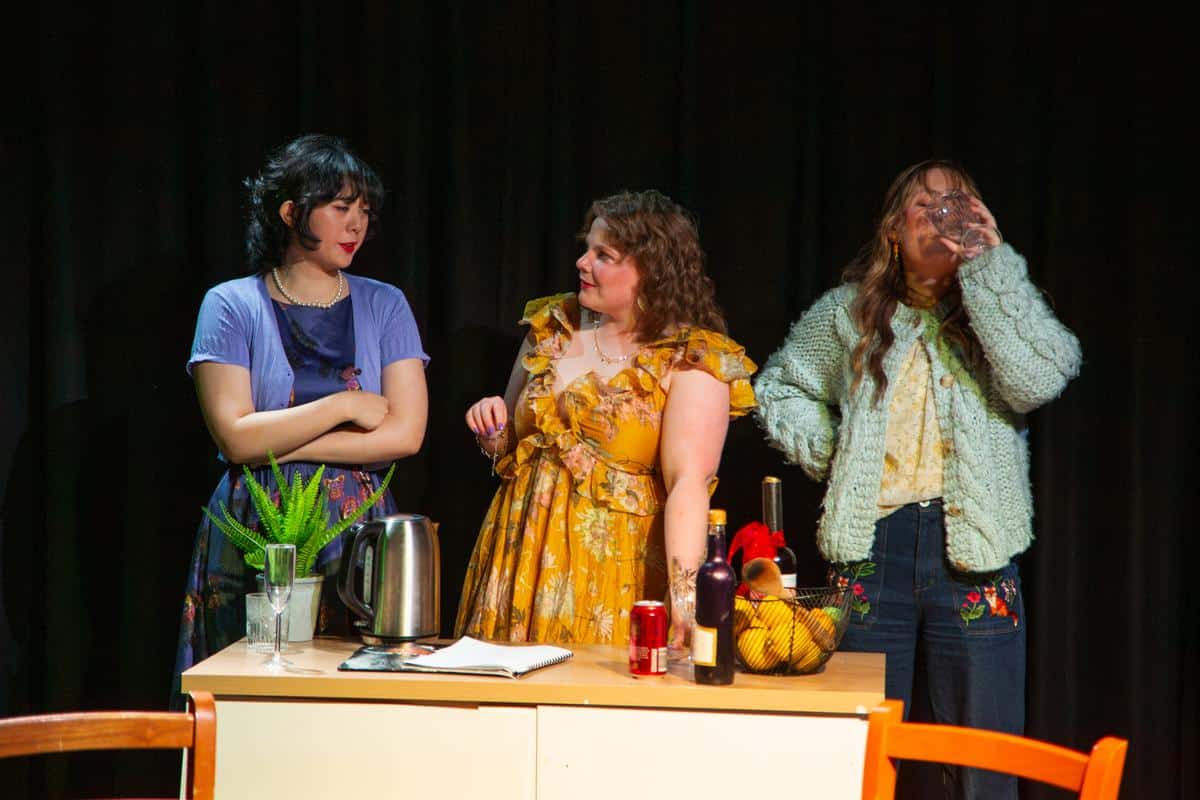
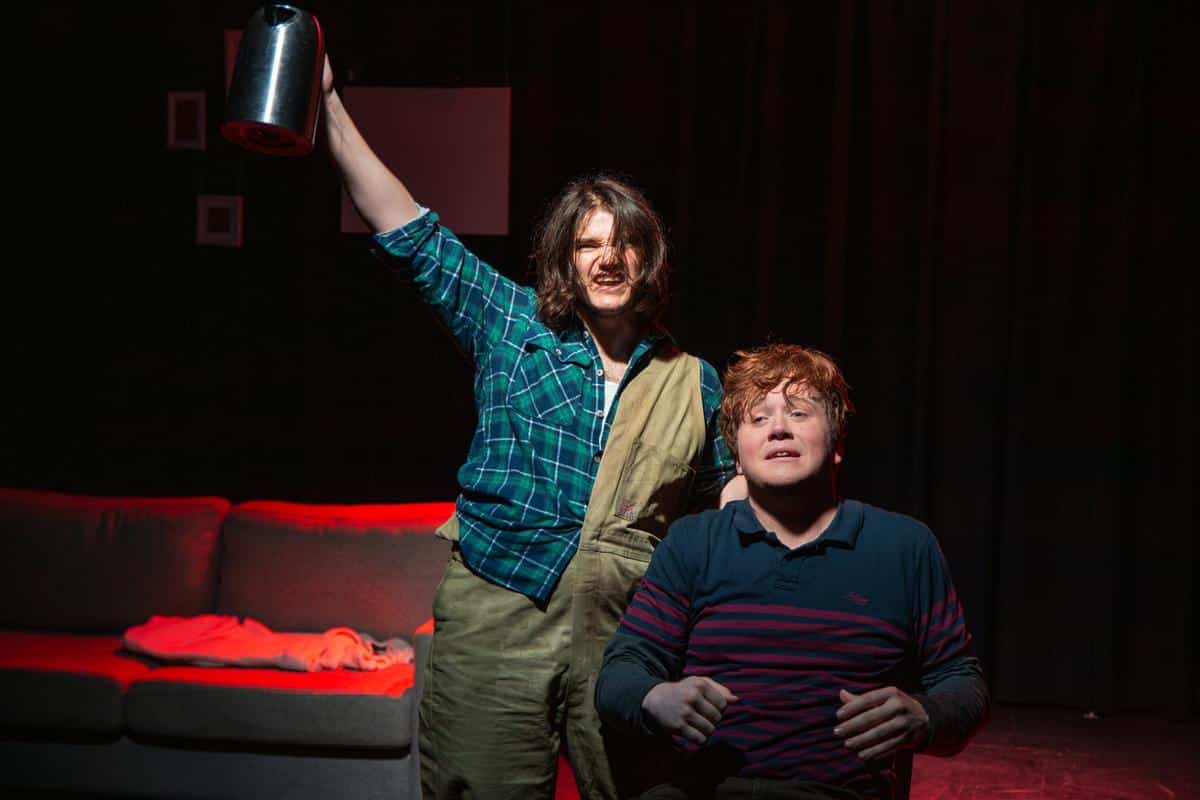
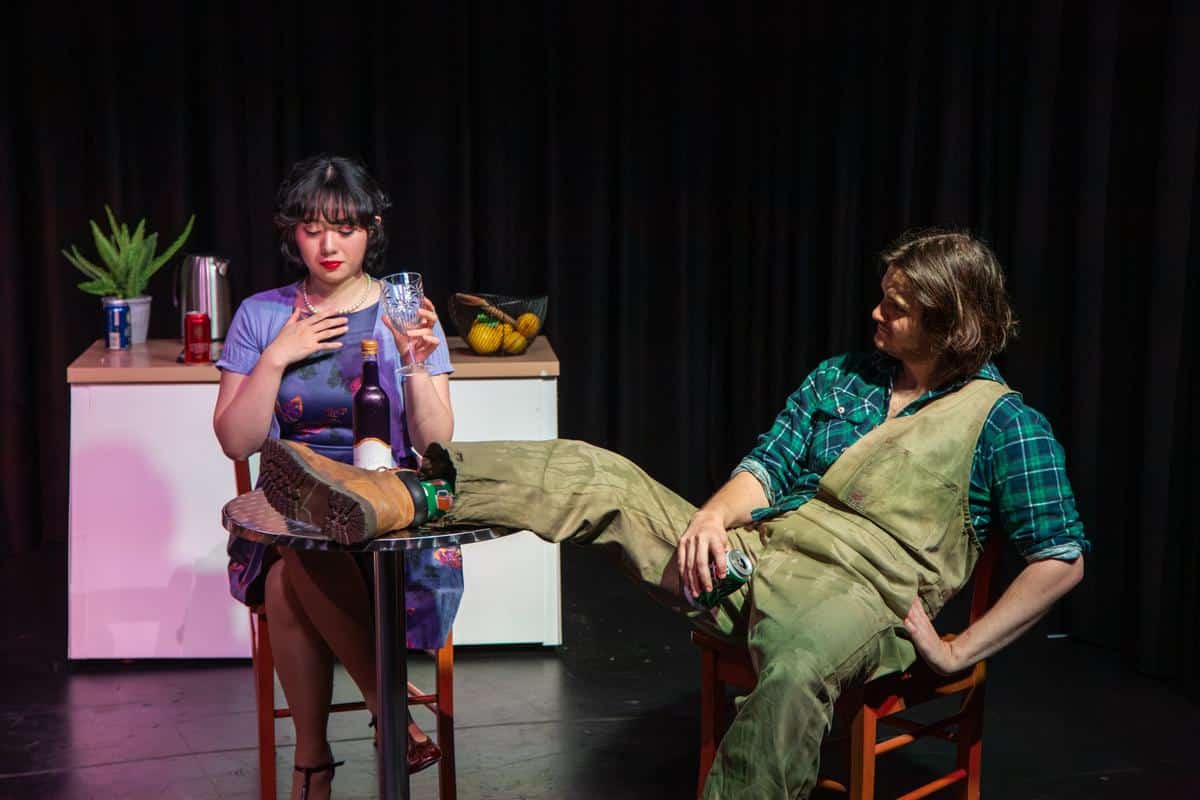
Blackpill: Redux avoids all these pitfalls. This remounting of the 2025 Theatreworks/Paracosm show, written and directed by Chris Patrick Hansen, combines razor-sharp writing, bleak stage design and intricately unnerving performances to create a scintillating dissection of incel culture and the men who fall into its black holes.

Eli (Oliver Tapp) is a self-admitted loser who’s been fired from his job for reasons he is suspiciously cagey about. He’s stuck with no money, no family or friends he can confide in, a desire to make something of his life and a lot of time to spend on his phone. If you’re familiar with stories about ‘the alt-right pipeline’, ‘the manosphere’ and ‘incels’, you can probably see where this train is going. If you aren’t, you can witness his journey from fitness gurus to ‘edgy’ Instagram group chats to voice calls discussing sexual fantasies and male loneliness, down and down and down. Either way, just like a trainwreck, you won’t be able to look away.


It’s clear that Hansen has done an unenviable amount of research into these corners of the internet. It’s all very well to gawk at and shame the flagrant misogyny on display, but Blackpill: Redux goes several steps further by showing in detail how an ‘everyman’ can be seduced by promises of community, justice and self-improvement. There’s a looming loneliness in almost every character, and the grooming mechanisms they practice and fall for (often at the same time) are so clear yet well-paced enough to be believably enticing. The ending (without spoiling it) in particular guides the audience into understanding these men and empathizing with their emotions, without excusing his actions and the damage they’ve caused.

The set is a grey box of platforms dominated by a hexagonal screen and LED-lit wire fragments hanging from the ceiling. It looks like an abandoned spacecraft, and when text and images are shown on the screen, they are devoured by glitchy rotting. The sound design is booming and abrasive, creating a frightening, gloomy and expansive world. At the same time, one of the best things about Blackpill: Redux is that it doesn’t take itself too seriously. The dozen-strong cast are all incredible physical actors and this is often played for laughs, with ridiculous movement sequences depicting common internet memes, cliches in Hugh Grant movies and the stereotypes Eli learns to project onto the people in his life. This show has a very dark sense of humour and knows exactly how to wield it, often making references to internet culture that feel ‘of a time’ but not stuck in an outdated moment.

I’m fascinated that a show about something as nebulous and complicated as online indoctrination could be this physical and raw. The amount of heart, intelligence, wit and pathos in it is incredible to behold, and I couldn’t recommend it more. Check it out while you still can – you’ll be thinking and talking about it for a long time afterwards.

To book tickets to Blackpill: Redux, please visit https://www.theatreworks.org.au/2026/blackpill-redux.

Photographer: Sarah Clarke

Spread the word on your favourite platform!

A Twist Of Fate Christmas Special

A Twist Of Fate

A Twist Of Fate Rating

Click if you liked this article

2

T’was the night of Scary Goats Theatre’s A Twist Of Fate Christmas special. All through the Motley Bauhaus cellar, such a merry and full audience was stirring that you wouldn’t have guessed that the company only kicked into gear roughly a year ago. Having seen a past Twist Of Fate season in May, I understood the format and was keen to see more: a series of four short plays inspired by The Twilight Zone and centred around a devastating twist. After only half a year, I was delighted to see that the company has further honed a unique brand of camp, engrossing indie horror with a pool of talented writers and actors.

The night opened with Emily Morey’s play ‘Naughty Nicholas’, in which a little boy is threatened with ‘no Christmas’ after setting fire to the family Christmas tree. He decides to build his own robotic Santa to wreak vengeance on those written on his personal naughty list. The physical acting from all cast members, from the ‘children’ to the janky mechanical Santa, was delightful. While some of the fighting between the main character and his sister felt a bit rushed, it wasn’t enough to detract from the story. I found myself wondering if the boy’s character was too unsympathetic, but luckily, it turned out his abominable Santa had similar concerns…

The second play, ‘Prisoners of the Season’ (written by Lore Burns) opens on four soldiers tied up by the wrists and neck with no memory of who or where they are. It was easy to guess the twist, but the fun came from watching the characters slowly figure it out. Once again, the physical acting was a highlight, and the ensemble’s sense of comedic timing was immaculate. Some of the actors had false moustaches that came loose, but the way the performers leant into and improvised around that gaffe was downright impressive and had the audience on their side in a heartbeat.

‘Office Party’ by Richard Mealey takes place at a Christmas celebration in an office that just so happens to be run by the offspring of the Christmas demon Krampus. As a holiday treat, he tempts Dylan, the office dogsbody, to punish a coworker who almost definitely killed someone for fun. This play was my favourite in terms of its writing and direction. It signalled a darker turn as we saw commentary on toxic masculinity and what is deemed as acceptable in corporate environments. The context and stakes were revealed in a gradual and satisfying way, there’s some fun puppeteering when ‘Krampus’ appears in the story, and the set and sound design were used very effectively to create a creepy build to an eerie ending that left me wanting more.


The final play, ‘Nineteen Eighty Clause’, was directed and written by Chloe Towan, who also emcees the Twist Of Fate series. A bunch of Christmas elves work tirelessly yet happily in Santa’s factory until one worker, Jangles, becomes so sleep-deprived that she starts hallucinating. This leads her to discover – with the help of a rogue elf named Sparky – that everyone in the workshop has been brainwashed into working for Santa, who turns out to be a cartoonishly cruel gangster. The corporate satire here is much more pointed and turned on the audience as we are made to question our own consumption habits around the holiday season. The romantic chemistry between Sparky and Jangles felt a bit contrived, but as the play itself points out with a fakeout ending: it’s Christmas, and a bit of positivity is sometimes needed to get us through the dark times. Overall, the social commentary is sharp while still having an optimistic message.

After five seasons of A Twist Of Fate and two Melbourne Fringe shows this year, this Christmas edition of Scary Goats’ most popular series felt like a well-deserved victory lap. Chloe Towan and her collaborators showed how they have earned their stripes by consistently creating tongue-in-cheek horror that pushes the constraints of indie theatre spaces without bursting the envelope. I cannot wait to see what they do next year, and I’ll certainly be looking forward to more than a few twists in their shows.

To book tickets to A Twist Of Fate, please visit https://www.eventfinda.com.au/2025/a-twist-of-fate-christmas-special/melbourne/carlton.

Spread the word on your favourite platform!

TWO

TWO

TWO Rating

Click if you liked this article

Melbourne’s queer theatre scene is growing bolder and more joyful with every passing year. However, with widespread acceptance and marketability, there is always a risk of falling into complacency. As a trans playwright, I’m well aware of this ‘tolerance trap’, so I was excited to see a new play with a protagonist as grey in their morality as they are in their gender presentation. Add themes of queer family dynamics and the societal treatment of AFAB bodies into the mix, and you have a recipe for a fascinating comedy. The execution of Two, directed and written by Artemis Muñoz, however, left much to be desired in terms of the writing, set design, and performances.

Two’s protagonist, Kit (Sienna Macalister), is polyamorous, non-binary and newly pregnant. Excited as they are to be a parent, they quickly grow sick of people’s questions about their baby’s gender/sex/genitals. During a particularly tense get-together, they lie to their mother (Rebecca Morton) and announce that they are having twins, a boy and a girl. This temporarily fields uncomfortable conversations with Kit’s family, but strains relations with their partners (Vasi Devi and Marz Cooper) and creates further issues once the (singular) child is born. Will Kit’s family, chosen and biological, survive the fallout?

When creating such an esoteric plotline, there’s a tricky balance between getting your themes across and not lecturing your audience. Unfortunately, I felt that Two fell off the latter side of that tightrope, especially when it came to Kit’s frustration with their mother. It often felt as if the script was insisting that we dislike the mother through prolonged rants from Kit, instead of letting the audience infer ways in which her microaggressions impacted her child. This didactic writing extended to other scenes that fell into a predictable pattern: someone makes an offensive comment, Kit calls them out, they double down, Kit gives them a scolding.


The staging also didn’t help with character connection because the space felt too wide. By using various side set pieces along with an expanding central frame, the actors felt so physically distant from the audience that it was hard to connect with their intimate scenes. The blocking often seemed stiff and aimless, with characters stuck standing around in scenes they didn’t fully belong in and a lack of opportunities for the actors to make eye contact with each other. A more closed-off stage and further opportunities to sit in moments of silence would have made it easier to connect with characters who are, on paper, fascinating.

Two still has moments where it lives up to the premise’s promise, especially after Kit’s child is born. The scene where Kit gives birth was a visceral showcase of Macalister’s acting, using a luminous ball as a stand-in for the baby was a beautiful symbolic choice, and there was a greater sense of emotional weight as certain character arcs wrapped up. The play’s penultimate scene with Kit and their mother was one of the only times when the mother felt fully sympathetic. It truly seemed that she didn’t fully understand the weight of her actions and that she had the potential to do better. It also brought home a more complex message about ‘cutting off’ loved ones: it isn’t easy on anyone and it’s never anybody’s first choice, but it can still promote the possibility of change.

Two is a play with many interesting things to say that needs further confidence in saying them. The writing comes across as lecturing at points, which could be mitigated by further drafting and less nervousness in the performances. I also think a smaller, more intimate venue would benefit the cast and audience. I would be interested in seeing a future production, and if the premise of the show resonates with you then you may enjoy it in its current form, but it could reach many more people with further polish.

To book tickets to TWO, please visit https://www.theatreworks.org.au/2025/two.

Spread the word on your favourite platform!

Loving The Alien

Loving The Alien

Loving The Alien Rating

Click if you liked this article

David Bowie was an icon in every aspect of his art. Through music, shows and myriad personas, the iconic rockstar remained relevant for decades as an icon of glamorous, theatrical spectacle. The show Loving The Alien juxtaposes itself with this history, interweaving songs and anecdotes to tell a story not of Bowie The Rockstar, but of Bowie The Narrative. In the process, creator and performer Karlis Zaid aims to answer the deceptively simple question: who was David Bowie?

The show’s stripped-back aesthetic complements this quest well. It’s unusual for a show about one of the most ostentatious rockstars to ever live to take place in a black box with four smartly dressed performers, their instruments and some slightly more elaborate lighting design. This may explain why the audience seemed awkward at first, but Zaid and co-star Aurora Kurth did an excellent job at easing us gently into the show’s world. Their easy banter created a nerdy superfan vibe, and the vocal performances were dramatic while still feeling natural and fun. The cast’s passion was their greatest asset, there were more laughs and vocal reactions from the audience as the show went on and by the end, we were all out of our seats, clapping and singing to ‘Heroes’.


The songs themselves, performed by Andrew Patterson on keys and Aaron Syrjanen on guitar, are lovingly crafted arrangements that feel familiar and welcoming while still offering surprises. ‘Sound and Vision’ is retooled into a smooth ballad, ‘Changes’ and ‘Let’s Dance’ start softer and build to great climaxes, and ‘Fame’ and ‘Ashes To Ashes’ used beautiful harmonies to highlight how well Zaid and Kurth’s voices work together. They’re also placed very well throughout the runtime, not always chronologically but mirroring the stories told in between to create a subtle emotional arc. The last two songs in particular hit with a sombre tone that feels earned and cathartic. Nothing feels out of place, though with a repertoire as strong as Bowie’s it would be difficult to put a foot wrong.

The lack of visual references makes it clear that the show is for people who are already fans of David Bowie. We know the songs, and we may know some of the stories, so it’s up to Zaid and his team to put them in a new context. The story of Bowie’s life is told in quite broad sweeps and given the show’s theme of finding the man underneath the image, it may have been nice to examine and with more of Bowie’s personas – the only one who gets significant discussion is Ziggy Stardust. However, the show is clearly not trying to be a straight biography. When specific events are focused on, they’re often less known or more controversial details about Bowie’s life, such as an exploitative contract he was under or the role he may have played in the breakdown of his marriage to his first marriage. Due to its personal nature and willingness to explore all sides of Bowie’s narrative, the script steers clear of hagiography and ensures that most people will learn at least one new fact about their favourite rockstar.

Loving The Alien lives up to its name by inviting us into a heartfelt, thought-provoking dive into Bowie’s story. The love and care is clear in the music, performances and writing, and while it may not be the Bowie tribute you may expect, fans will find a lot of joy and pathos in it. Whoever Bowie was, as a person and performer, this show demonstrates why we still care, and why it will always be important to celebrate uniqueness and otherness wherever it flourishes.

To book tickets to Loving The Alien, please visit https://www.artscentremelbourne.com.au/event-archive/2025/contemporary-music/loving-the-alien.

Photographer: Angel Leggas

Spread the word on your favourite platform!