Loving The Alien

Loving The Alien

Loving The Alien Rating

Click if you liked this article

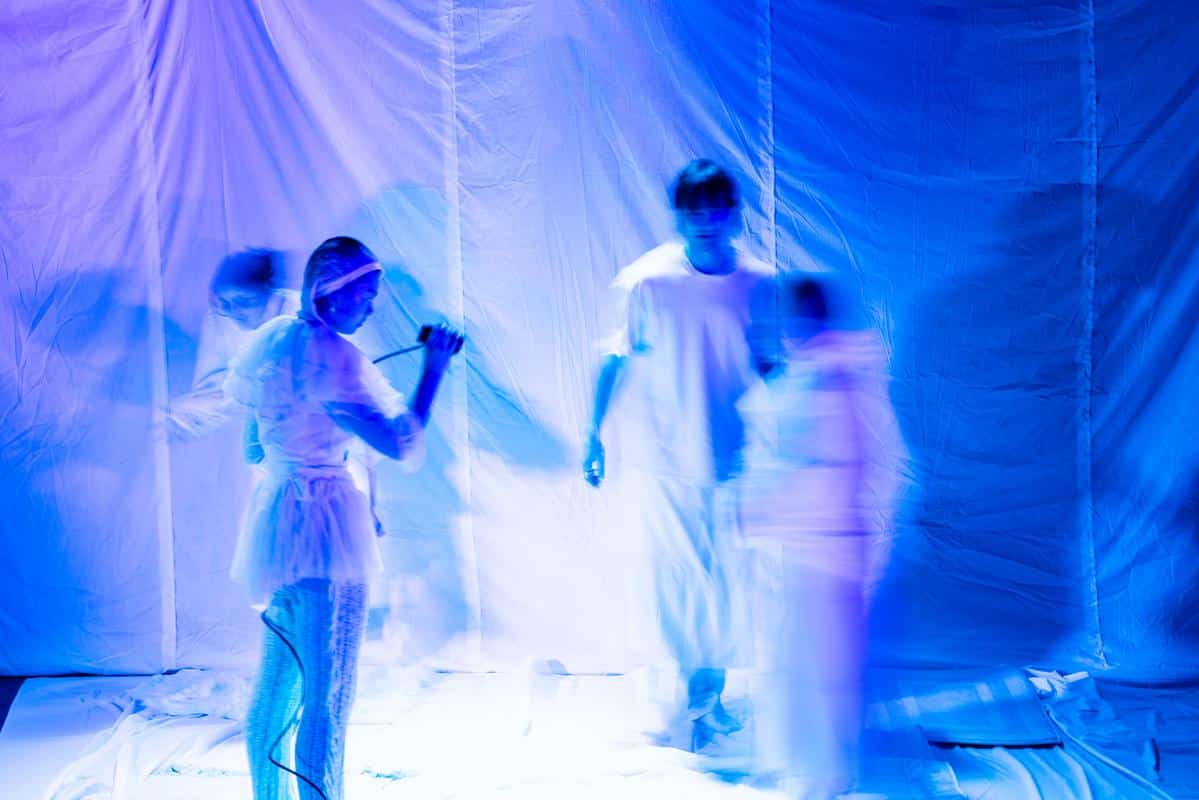
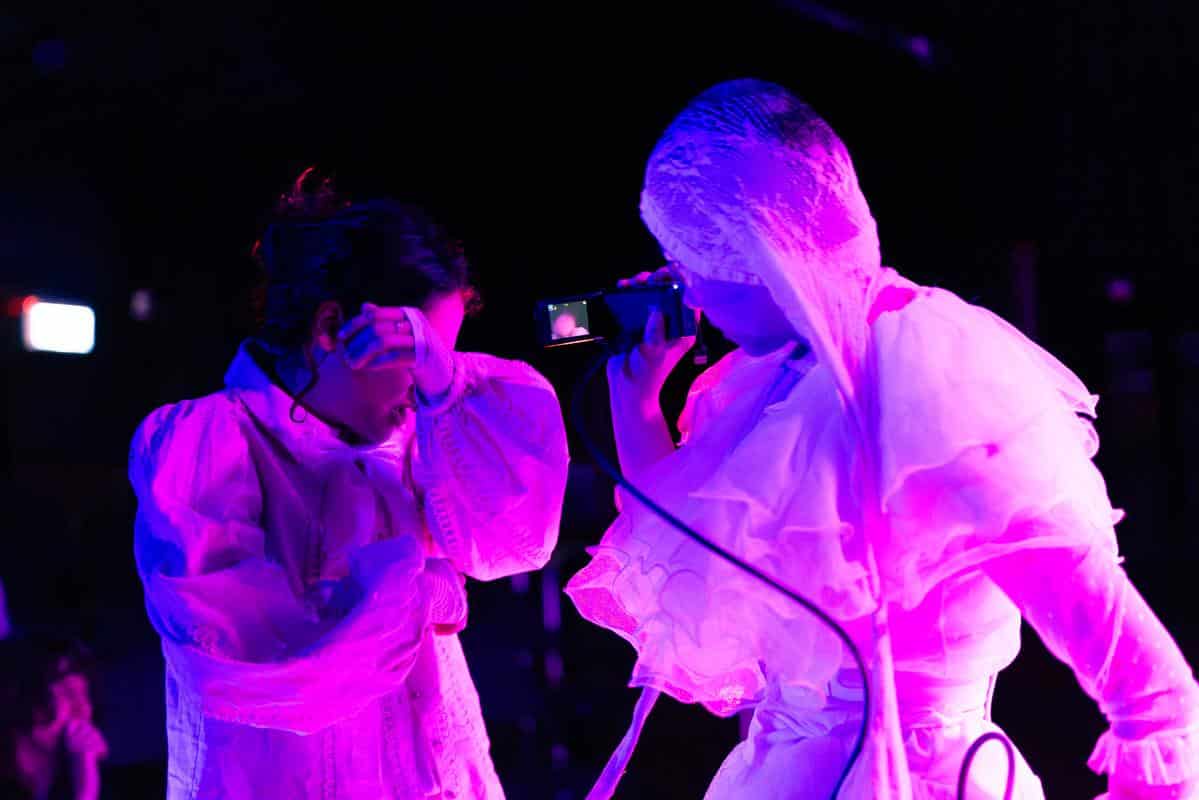
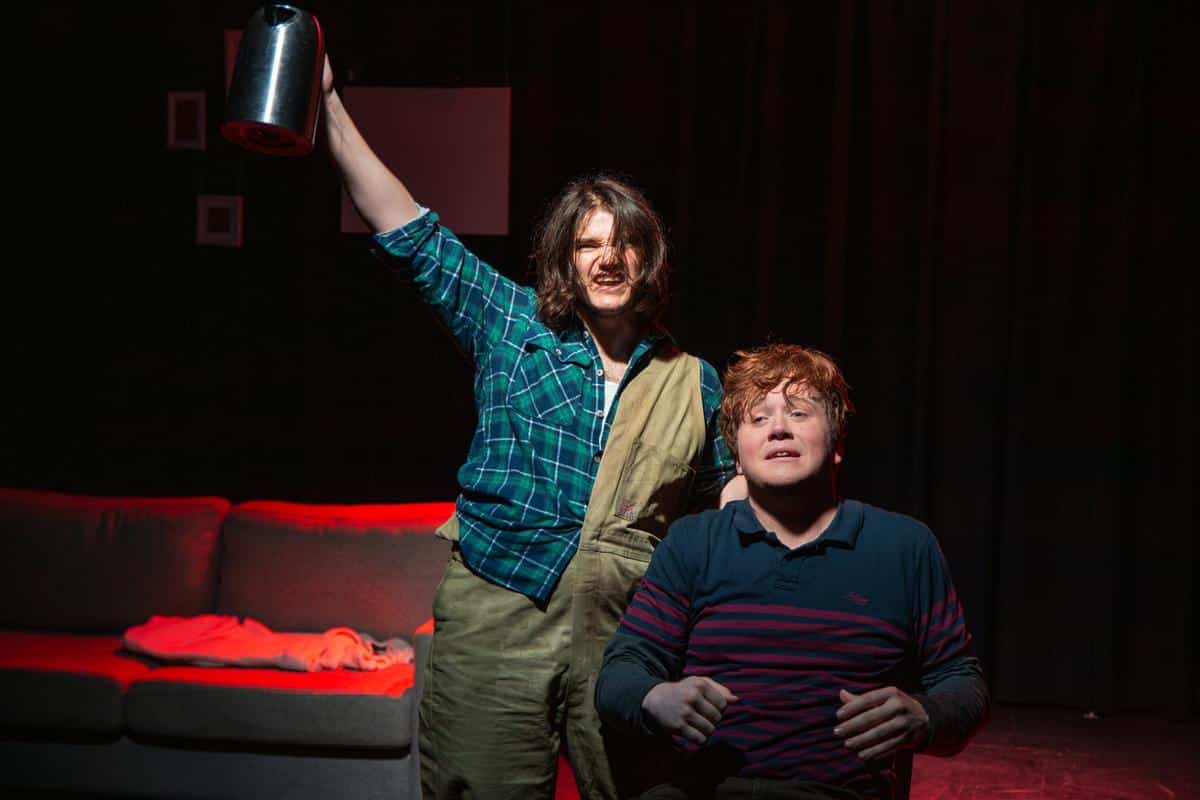
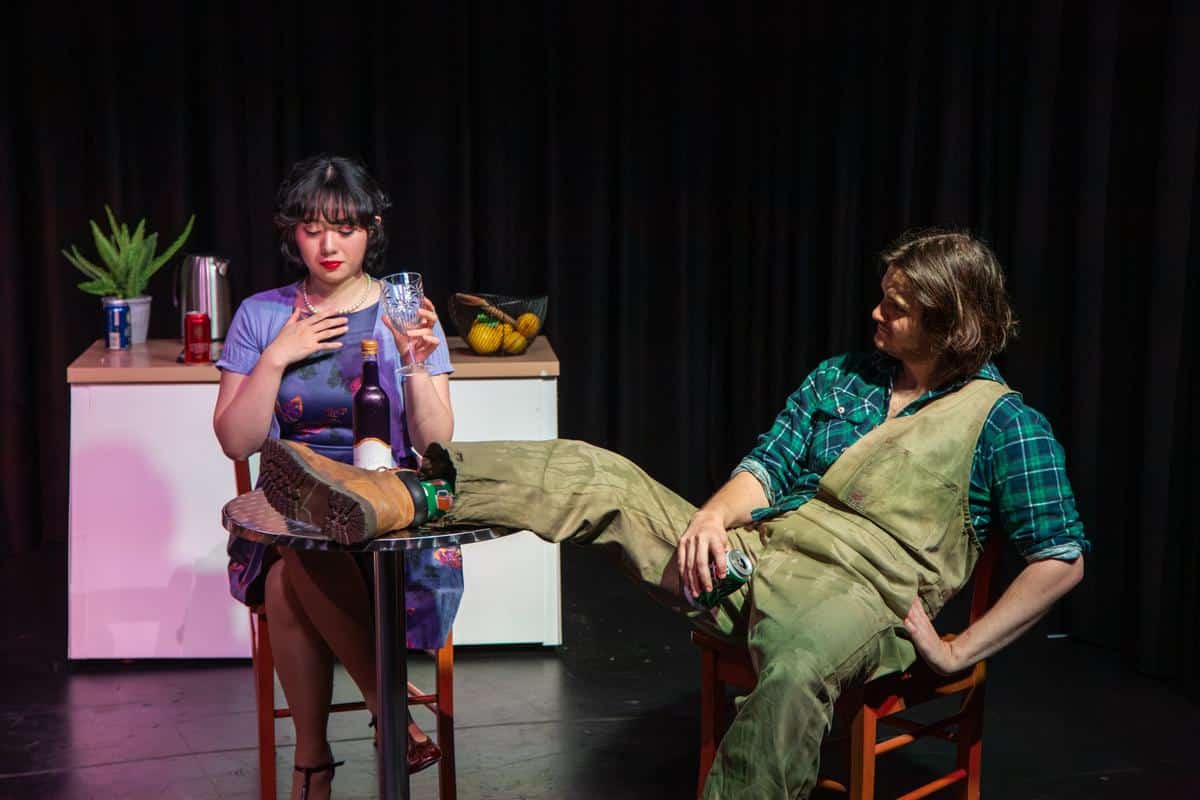
David Bowie was an icon in every aspect of his art. Through music, shows and myriad personas, the iconic rockstar remained relevant for decades as an icon of glamorous, theatrical spectacle. The show Loving The Alien juxtaposes itself with this history, interweaving songs and anecdotes to tell a story not of Bowie The Rockstar, but of Bowie The Narrative. In the process, creator and performer Karlis Zaid aims to answer the deceptively simple question: who was David Bowie?

The show’s stripped-back aesthetic complements this quest well. It’s unusual for a show about one of the most ostentatious rockstars to ever live to take place in a black box with four smartly dressed performers, their instruments and some slightly more elaborate lighting design. This may explain why the audience seemed awkward at first, but Zaid and co-star Aurora Kurth did an excellent job at easing us gently into the show’s world. Their easy banter created a nerdy superfan vibe, and the vocal performances were dramatic while still feeling natural and fun. The cast’s passion was their greatest asset, there were more laughs and vocal reactions from the audience as the show went on and by the end, we were all out of our seats, clapping and singing to ‘Heroes’.


The songs themselves, performed by Andrew Patterson on keys and Aaron Syrjanen on guitar, are lovingly crafted arrangements that feel familiar and welcoming while still offering surprises. ‘Sound and Vision’ is retooled into a smooth ballad, ‘Changes’ and ‘Let’s Dance’ start softer and build to great climaxes, and ‘Fame’ and ‘Ashes To Ashes’ used beautiful harmonies to highlight how well Zaid and Kurth’s voices work together. They’re also placed very well throughout the runtime, not always chronologically but mirroring the stories told in between to create a subtle emotional arc. The last two songs in particular hit with a sombre tone that feels earned and cathartic. Nothing feels out of place, though with a repertoire as strong as Bowie’s it would be difficult to put a foot wrong.

The lack of visual references makes it clear that the show is for people who are already fans of David Bowie. We know the songs, and we may know some of the stories, so it’s up to Zaid and his team to put them in a new context. The story of Bowie’s life is told in quite broad sweeps and given the show’s theme of finding the man underneath the image, it may have been nice to examine and with more of Bowie’s personas – the only one who gets significant discussion is Ziggy Stardust. However, the show is clearly not trying to be a straight biography. When specific events are focused on, they’re often less known or more controversial details about Bowie’s life, such as an exploitative contract he was under or the role he may have played in the breakdown of his marriage to his first marriage. Due to its personal nature and willingness to explore all sides of Bowie’s narrative, the script steers clear of hagiography and ensures that most people will learn at least one new fact about their favourite rockstar.

Loving The Alien lives up to its name by inviting us into a heartfelt, thought-provoking dive into Bowie’s story. The love and care is clear in the music, performances and writing, and while it may not be the Bowie tribute you may expect, fans will find a lot of joy and pathos in it. Whoever Bowie was, as a person and performer, this show demonstrates why we still care, and why it will always be important to celebrate uniqueness and otherness wherever it flourishes.

To book tickets to Loving The Alien, please visit https://www.artscentremelbourne.com.au/event-archive/2025/contemporary-music/loving-the-alien.

Photographer: Angel Leggas

Spread the word on your favourite platform!

Blackrock

Blackrock

Blackrock Rating

Click if you liked this article

1

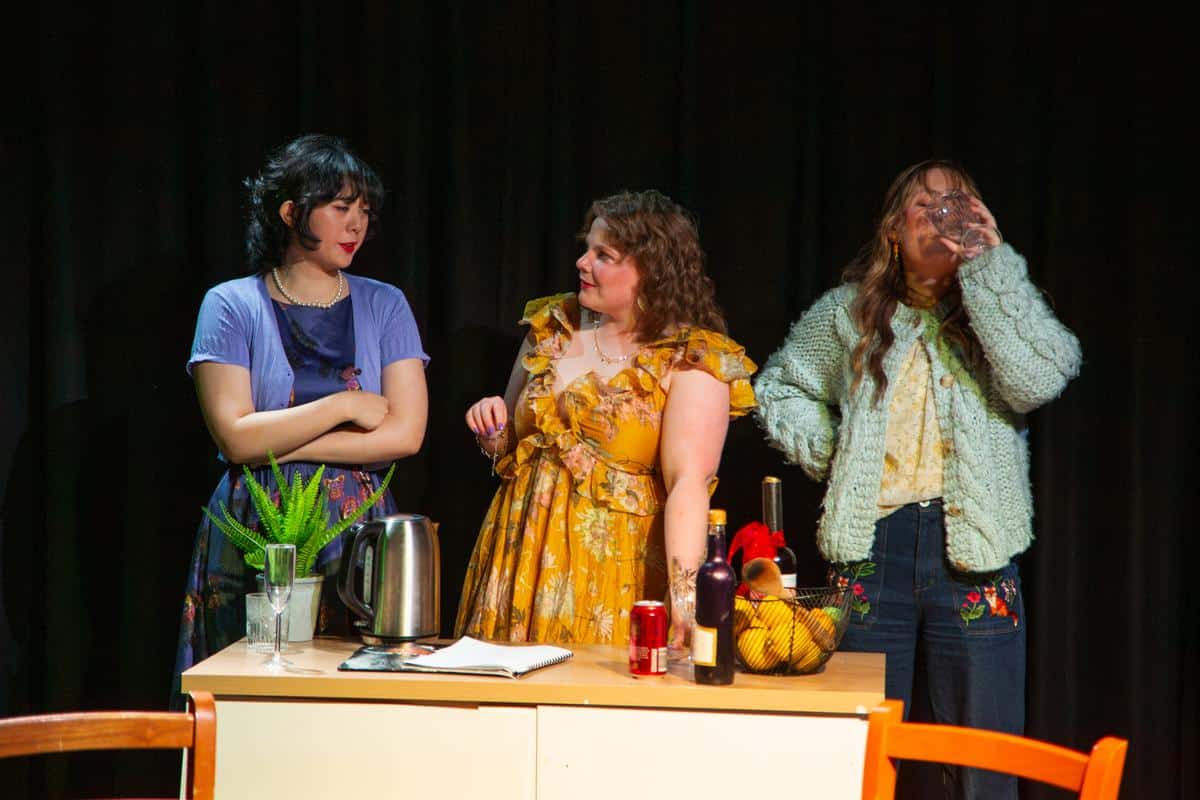
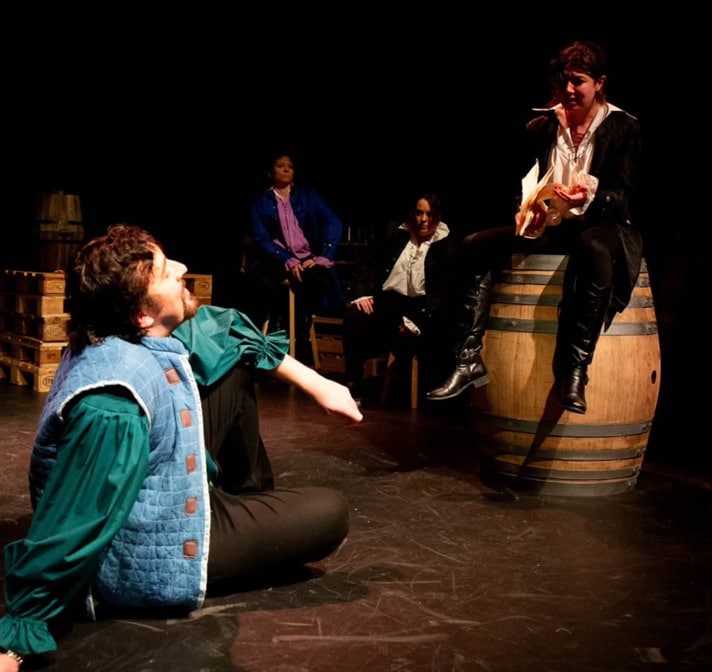
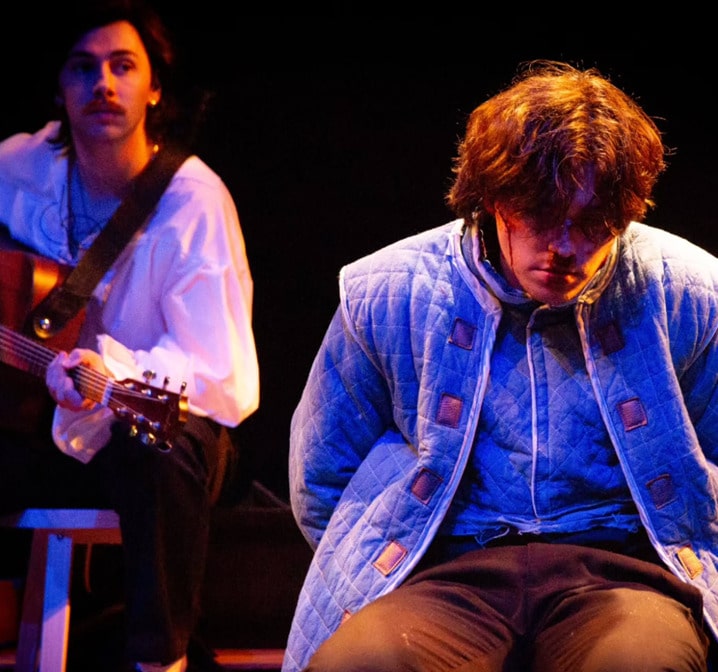
You’ve seen headlines ripped straight from the world of this Nick Enright’s Blackrock. Stories of masculinity in violent crisis. Stories of economic divides pushing apart people who should stand together to support each other. Stories of female rape victims and witnesses being silenced by the communities that claim to protect them. An almost thirty-year-old play that explores issues as malleable and complex as gender, class and sexual violence should not be as relevant today as it was at the time, but it is. The fact that Lunatix Theatre’s production (directed by Grace Mclaughlin and Maddie Richards) resonated as strongly as it did is a credit not just to the writing but to the cast, director and designers involved.

Blackrock takes place in a small beach town of the same name, home to many working-class teenagers and their families. One night, a drunken birthday party ends in the gruesome death of a young girl, as she is found with her head smashed in by a rock after having been raped by three boys. Most of the story examines the fallout of this tragedy, with a young man named Jared (Flecther Von Arx) finding himself torn between loyalty to his ‘mates’; supporting his outraged girlfriend, Rachel (Sabrina Rault), whose brother is implicated in the crime; and coming to terms with his own place in the town.

While Jared is the main character, this play relies heavily on its ensemble cast, and the rapport, skill and energy across the board create scenes that feel greater than the sum of their actors. The dialogue itself feels age-appropriate without being cringey, and the actors bring it to life perfectly. Von Arx’s Jared is vulnerable and sympathetic for all his flaws, Rault’s performance as Rachel creates a strong likeable moral anchor, and Jared’s best friend, Ricko (played by Bailey Griffiths), has some of the most harrowing moments in the show, demonstrating the mundane horror of a mind that warps the rape and murder of a teenage girl into something that “just happened”.


This isn’t to downplay the rest of the ensemble, who all give amazing performances, especially in their physicality. The banter between the boys feels palpably uneasy even before tragedy strikes, due to the constant but subtle strutting, chest puffing and matey arm touches – casual ‘violence’ that foreshadows the real physical threat almost every male character in the play poses at some point. The actors also aren’t afraid to talk over each other, commit to physically uncomfortable scenes when necessary, and be extremely vulnerable overall. There is a great sense of trust and maturity, which is essential for navigating material this heavy.

The world of Blackrock is fleshed out further through design, with surfboards and wood panelling rightly marking the beach as the centre of the action, and consistent costume changes giving a strong sense of time passing, which is essential to strike home the long-term damage done to this community. There are some beautiful moments where lighting is used to create a sense of place, such as a blue spotlight giving the impression of the edge of a dock by the ocean. The only snag was the reliance on blackouts for major scene transitions, which sometimes killed the energetic pacing set by the cast.

This may be a difficult show for some to engage with. Most of the characters say or do heinous things, and yet we are invited to at least understand even the most warped perspectives. The mechanisms of denial, blame and desensitisation that kick in when people can’t face the truth are put on naked, ugly display. Still, whether you think you can step into Blackrock or not, keep an eye out for Lunatix’s future work. They created an experience that was deeply uncomfortable, deeply sad, and in desperate need of being seen.

To book tickets to Blackrock, please visit https://lunatixtheatre.wixsite.com/lunatixtheatre.

Photographer: Maddie Richards

Spread the word on your favourite platform!

Encounters: Brilliant Plays By A Hit Or Miss Ensemble

Encounters

Encounters Rating

Click if you liked this article

2

Encounters leans on diversity as its greatest strength. While the four plays in the collection are by the same author (Alex Broun) and all focus on rifts in relationships, they span multiple genres, themes and character dynamics. The cast has been promoted as “an ensemble of age and ethnically diverse Australian actors, spanning from…internationally renowned movie/stage performers to versatile rookies.”

On paper, this seems like fertile ground for a well-crafted and thought-provoking show. While Encounters did meet that potential at points, there were many instances where the acting didn’t mesh well with Broun’s writing style. This problem, unfortunately, dragged the first two plays down.

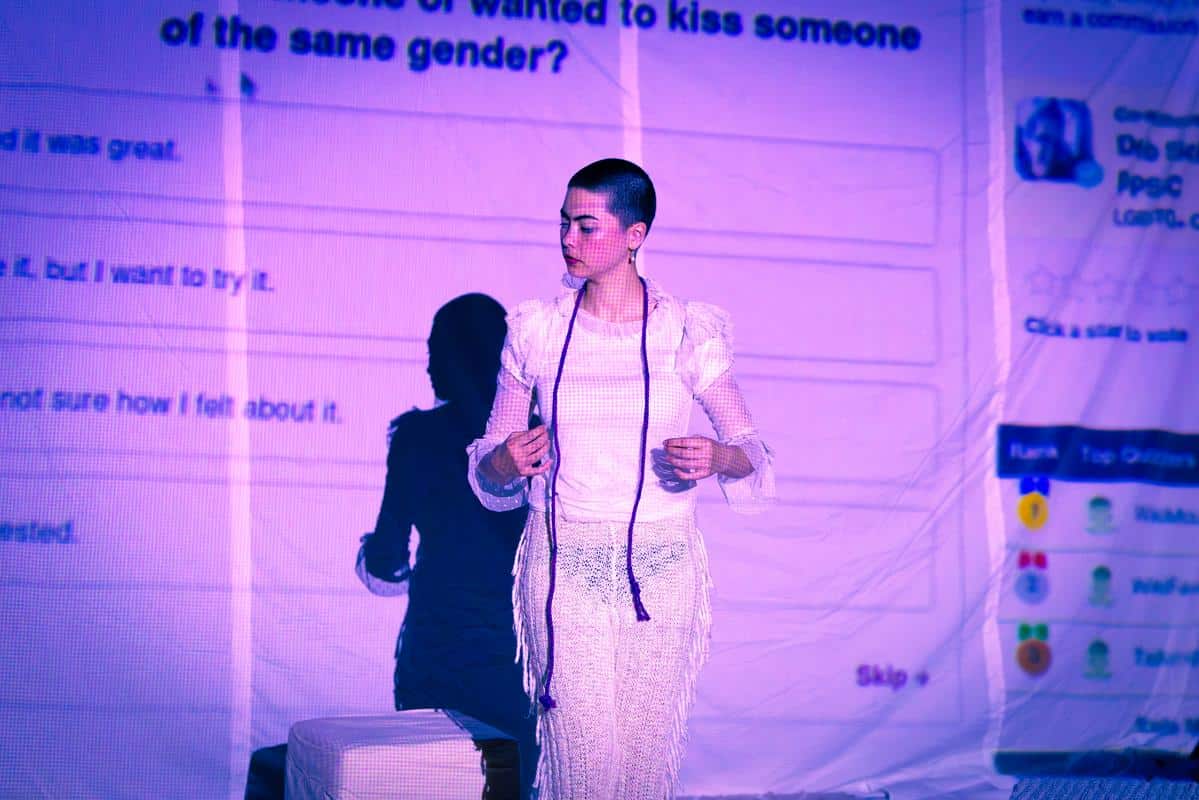
Yell(ow) starts strong with its minimal set design; all that’s needed to give a clear sense of place is some furniture and a back projection of a messy apartment. Our focus is drawn to the Asian couple who live there. They speculate about a noise they heard outside late at night, their paranoia and anxiety rise, and eventually we see how racism and recent family trauma have eroded their relationship.

Alex Broun has been lauded as ‘the Shakespeare of short plays’, and the riveting structure here makes it clear why. The talk starts trivial, but bombshell revelations keep dropping, leading to deeper conversations that trigger greater reveals until the climax breaks their relationship. In this performance, the actors went into shouting and physical altercations too quickly, and they never seemed truly at ease with each other. This made the revelations feel more like blunt, forced exposition than deep confessions, and the climax felt hollow because they were already yelling at each other before the tension hit its peak.

The second play, The Dead Sun, is another domestic drama, this time between an older couple and their son. The writing goes in a more surreal direction, with grief and conflict blurring the lines between what is real and what is imagined. While the build-in tension is clear, physical moments between the husband and wife could’ve been pushed further, and there still wasn’t much variety in how the characters spoke to each other in longer conversations. This made it difficult to follow the storyline and stay immersed, especially when the climactic moments didn’t quite feel real. However, I enjoyed the fact that the set barely changed from the first play, except for the back projection and the dressings on the couch and table. It was an organic subtle way to tie the two plays together.

YOU was the play that got me fully back on board. It’s a hard swerve into sitcom territory, starting with a woman rejecting the ardent advances of a coworker with a crush and spiralling as more ridiculous characters show up with their own grand confessions and embarrassing mistakes.

The pace was quick and exciting and the characters were each endearing in their own ways. This is particularly impressive given the subject matter. In a time where we’re so aware of the abuses of power that can happen in romance and sex, it would be easy for many of these characters to seem creepy and off-putting. But they don’t, because they are played so over-the-top that they can’t be taken seriously.

The last play, Disco Bombing, quickly brings the mood back down with a simple set projection of a ticking clock. A plucky journalist has written a brilliant article uncovering the truth of a recent terrorist attack, but her boss has concerns about publishing it, since it would undermine historic peace negotiations within the government. He sums up the conflict in one line: “truth or peace?”

The performances from Sunil Shanker and Isabelle Wang feel more confident and embodied than in the other dramas. The acting and writing are also much subtler, strained by the distance between boss and worker. It would’ve been nice to see more escalating tension between them, especially since the stakes here are much higher than the other plays, but the ending was genuinely moving.

There’s a lot to like about Encounters. Each play is poignant and tackles difficult themes flawlessly, and the low-key set design works perfectly in tying everything together. The acting issues are significant, but they can be boiled down to some performers lacking experience, and there are worse problems to have in a production as ambitious as this. While Encounters has ended its short season, and I’d hesitate to recommend it anyway due to the shaky first half, everybody in the cast is worth watching out for, and Alex Broun’s plays are worth seeking out.

Spread the word on your favourite platform!

Robin Hood: A New Family Musical

Robin Hood

Robin Hood Rating

Click if you liked this article

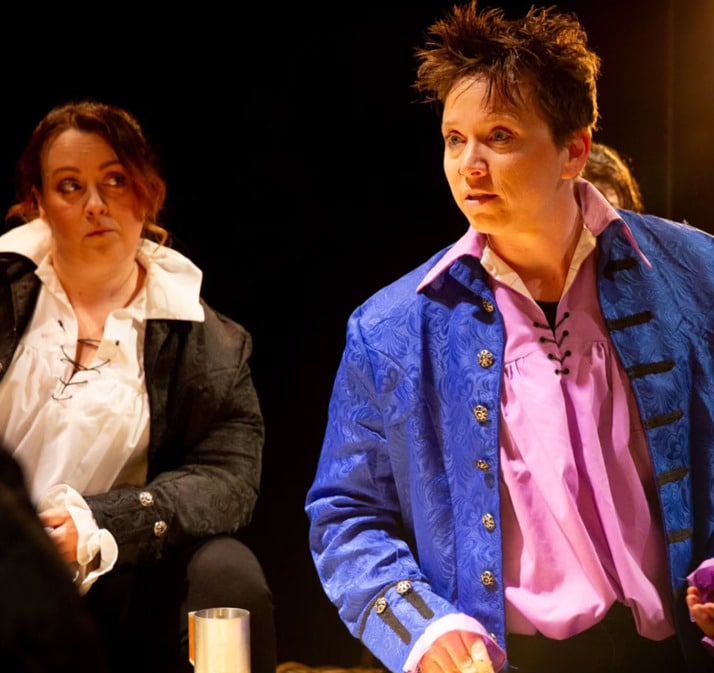
If you turn the corner in Malvern’s Central Park in the late morning, you’re greeted by winding ropes cordoning off islands to seat picnic blankets or chairs. You’ll also see set pieces straight from a primary school play: a tiny wooden island and cajón drum, green and brown paint-spattered cloths tied to trees, and details like fake rocks and a shelf of plastic food with the sign SHERIFFS PANTRY.

The team behind Melbourne Shakespeare Company’s Robin Hood uses this sequestered woody space to its fullest to craft a whimsical, ramshackle and original take on a classic story.

Robin (Billy Thomas), Dame Tuck (Jackson Cross) and Little Joan (Lucy May Knight) are going about their usual business of robbing the rich to feed the poor. But when they are caught stealing from the Sheriff of Nottingham (Kaia Reyes), he devises a new punishment: shipping them off to Australia.

There, the merry men, with the help of Bushranger Bruce (Daniel Hillman), must acclimatize to a strange new world and find their way back home. The beginning feels slow and the different scenes are somewhat disconnected and potentially difficult for a child audience to follow, but it was a pleasant surprise to see a slightly different narrative in a panto show.


The ensemble is charming and navigates their stage perfectly. Every line is audible, every slapstick gag is visible and tight, and every spectator gets close-up moments with the characters. Lucy May Knight as Little Joan stands out with a bubbly yet sharp physicality that’s perfect for panto.

The world-building was also fantastic at blending a familiar and fun Aussie context into a classic story. The adorable Australian animal puppets were a highlight, while all the pop culture references and self-referential jokes landed well with the adult audience.

Maxwell Simon’s (Muriel’s Wedding) original score is fun and full of laugh-out-loud lines, but there was only one song where the children were directly encouraged to play along. It felt like the whole show missed out on many opportunities for audience participation, and this led to some clear confusion and lost attention among the kids at some points.

While Robin Hood has its moments of missed potential, it’s definitely a worthwhile and unique experience for the theatre-loving family. It’s a scrappy, feel-good show that keeps the much-loved traditions of panto alive in a timeless yet modern story for an audience of all ages.

To book tickets to Robin Hood, please visit https://www.melbourneshakespeare.com/robinhood

Photography: Sare Clarke Photography

Spread the word on your favourite platform!