Shrapnel

Shrapnel

Shrapnel Rating

★★★★★

Click if you liked this article

6

‘Shrapnel’, performed by Natalie Gamsu at Fortyfive Downstairs, is a distinctly charming recital depicting Gamsu’s life from being a young Jewish girl living in Namibia to performing in underground cabaret venues in Johannesburg to her life in Australia. Written by Natalie Gamsu and Ash Flanders and directed by Stephen Niccolazoo, the show is tastefully pertinent and yet totally unique.

The show runs a little over two hours without intermission, as Gamsu pulls the audience through a series of personal chronicles, beginning with her experience as a young Jewish girl dreaming to break free from the humdrum reality of her parents and the restrictive culture she was raised in.

In her opening ballad, Gamsu sets the scene - she is a hopeful young woman pursuing the world and all its wonders. The audience warms to Gamsu as she connects with every pair of eyes in the auditorium, one by one, before amusing the audience with tales of her love for exoticism through animated dialogue.

Gamsu bravely dives head first into describing experiences in matters often unspoken and outlawed as taboo. Her performance evocatively retells deeply personal experiences involving struggles with negative body image, her journey navigating a neurological health condition, and serious contemplations of suicide.
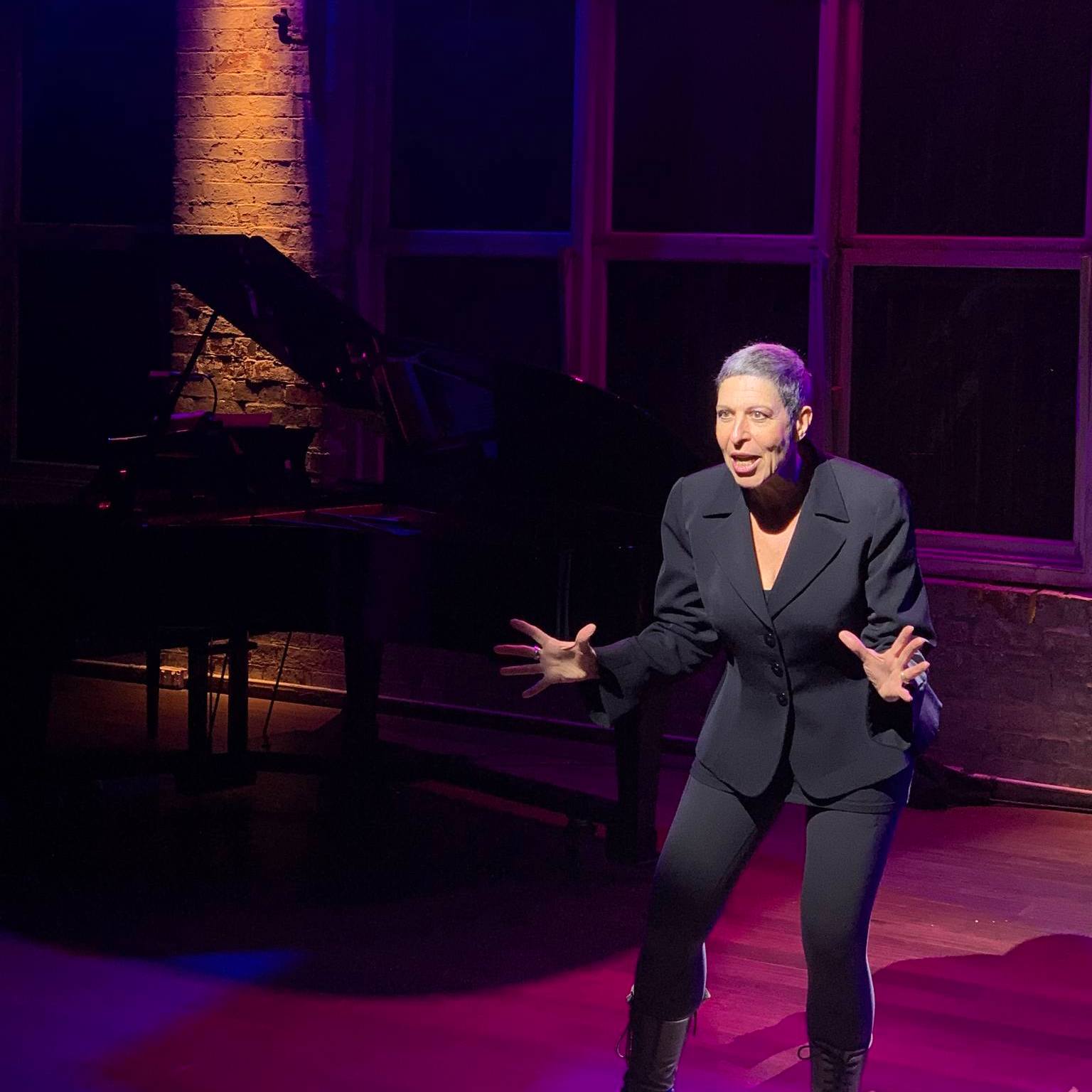
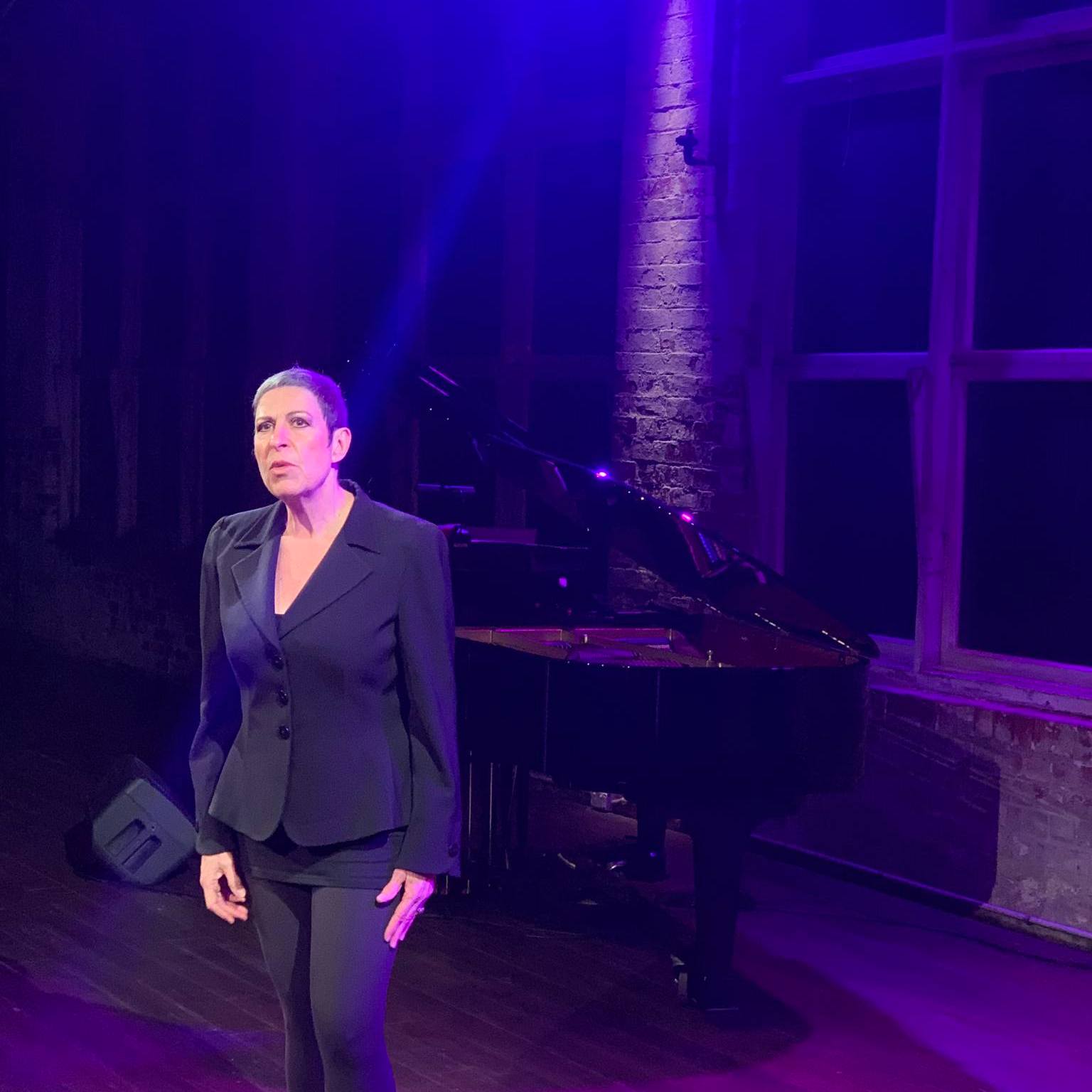
She recalls her experience being the daughter of a white Jewish family during South African apartheid, her love and loss of the black servants who raised her, and the diabolical persecution she witnessed within her community. Gamsu brings authenticity to her stories, which are so painstakingly well-written and delivered with a unique wit, allowing her audience to relax into her two-hour-long recital fully.

‘Shrapnel’ is performed in a way that dignifies Gamsu’s deepest secrets and induces the audience into bursts of laughter through a series of self-deprecating anecdotes and colourful descriptions of her favourite influential figures. Among the most memorable of these are her peculiar first casting agent in Cape Town and the eccentric directors of a cabaret club in Johannesburg.

As the recital nears a close, Gamsu describes a fond, long-awaited love from her mother amid her battle with dementia before closing her performance with ‘A Song For You’, affording herself a well-deserved and heart-felt standing ovation.
Spread the word on your favourite platform!

Spread the word on your favourite platform!

Sydney Film Festival - Aquarius

Sydney Film Festival - Aquarius

Sydney Film Festival - Aquarius Rating

★★★★★

Click if you liked this article

1

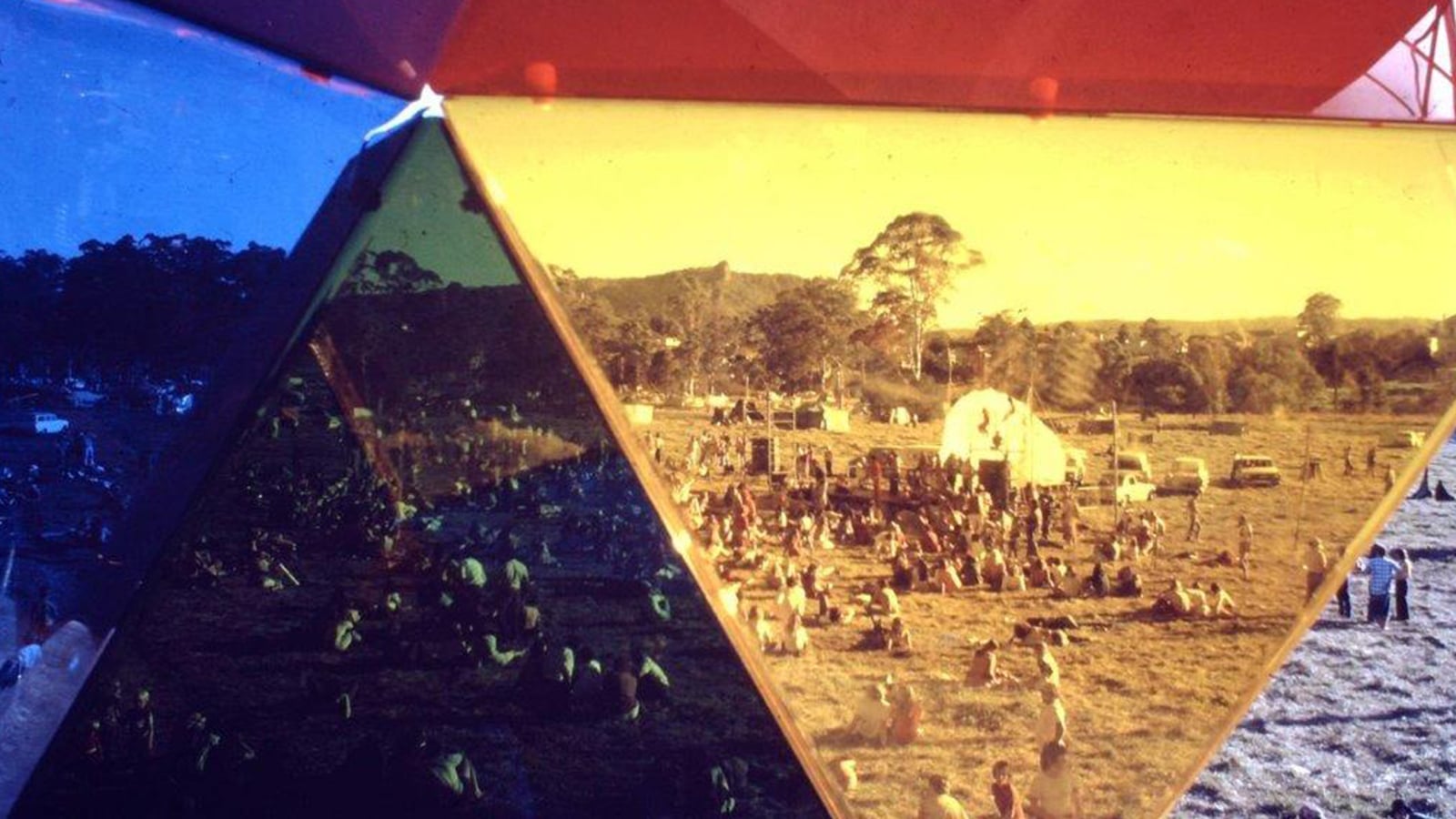
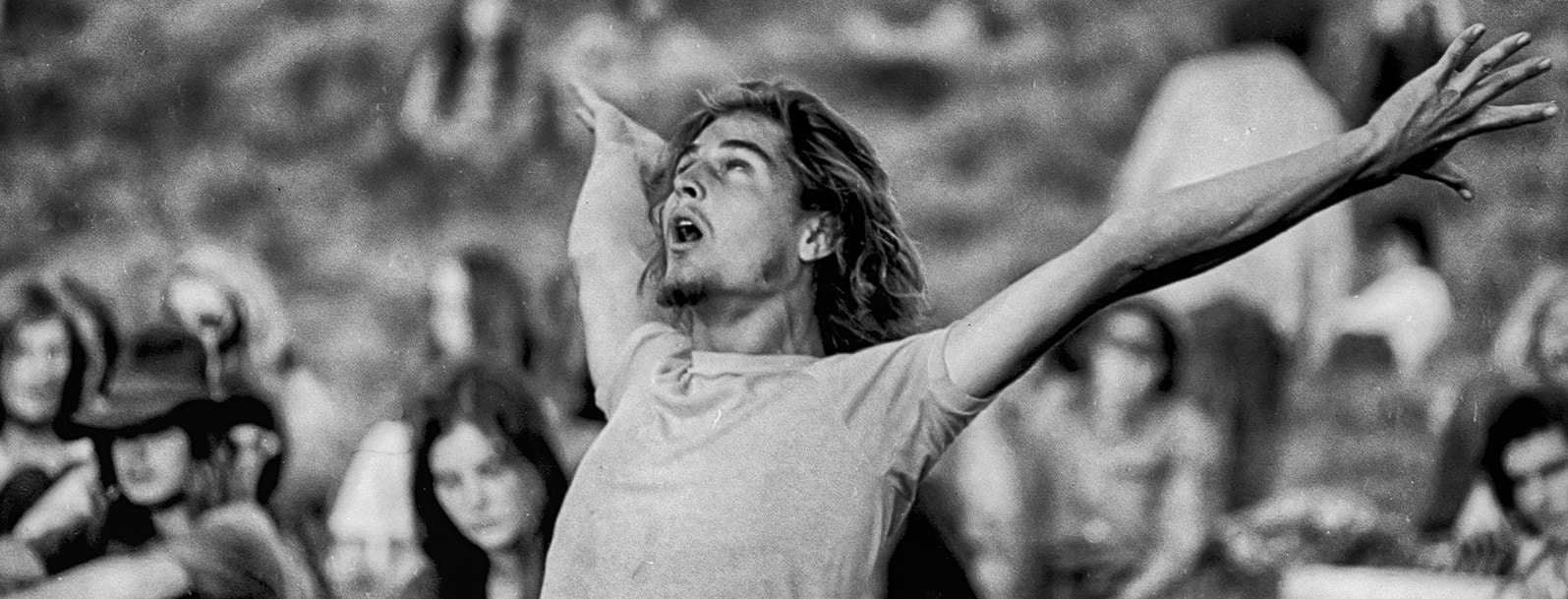
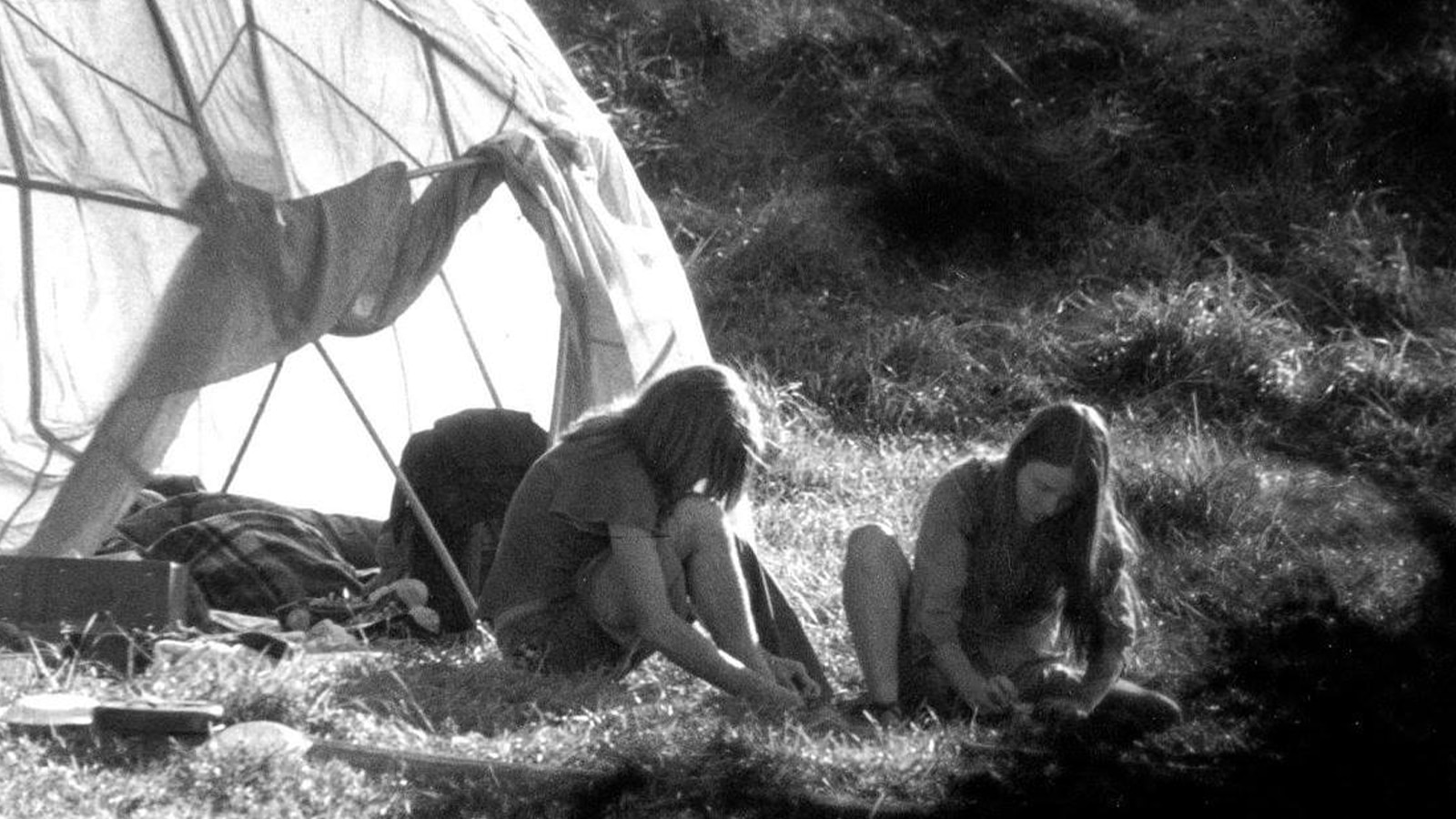
If you live in Australia, then it’s likely you’ve heard of Nimbin, famous for peace, love, and hippies. But it wasn’t always that way. In 1973, a group of university students from Sydney were looking for a place to celebrate new ideas and counterculture outside the conservative restrictions and government violence of the city.

To do this, they imagined a 10-day festival of art and music and alternate living in a rural setting. The location they finally picked was a small country town in Northern NSW called Nimbin. The rest, as they say, is history.

Aquarius is a new documentary exploring the 1973 Aquarius festival, which not only transformed a small country town into a hippie heartland but also triggered a social movement that changed a generation and is still alive today. Director Wendy Champagne wisely approaches the documentary with a soft hand, relying mostly on archival footage and contemporary interviews with those involved. This helps draw the audience into the experience while not over-explaining or over-dramatizing the event.

Luckily for Champagne and editor Karin Steininger, the festival was well-documented by several film-making collectives and amateur documentarians, leaving a vast library of video, film, and even television material to use. It’s a shame that much of the video footage was either damaged in storage or shot with damaged cameras--I could see the trails of burned-in video sensors damaged by inexperienced film-makers shooting bright lights like the sun--but the film-makers wisely chose to use the footage unaltered and not try to fix it somehow.

Authenticity counts, and the footage is important to tell the story. The editing was well-paced, and the images were always appropriate for the narrative or mood. Original design sketches made by University of Sydney students at the time who helped organise the festival are brought to life through fun, clever animations.

The documentary's core drawback is establishing its purpose. Why should people care? The film does explore the festival's impact on subsequent environmental and social movements, but ultimately, it just feels like nostalgia bait for those who were there. It doesn’t really have anything to say to a younger audience apart from repeating how fun it was and that it was historically important. But those claims are never really that convincing.

My screening was mostly occupied by people over 60, many of whom were there. Will a broader audience be interested in some hippy festival that happened back in 1973? I hope so. Aquarius is still a well-made documentary and a satisfying look at a special time in Australian history. It’s well worth your time.

Spread the word on your favourite platform!

Spread the word on your favourite platform!

Spanish Film Festival: A Ravaging Wind

Spanish Film Festival: A Ravaging Wind

Spanish Film Festival: A Ravaging Wind Rating

★★★★★

Click if you liked this article

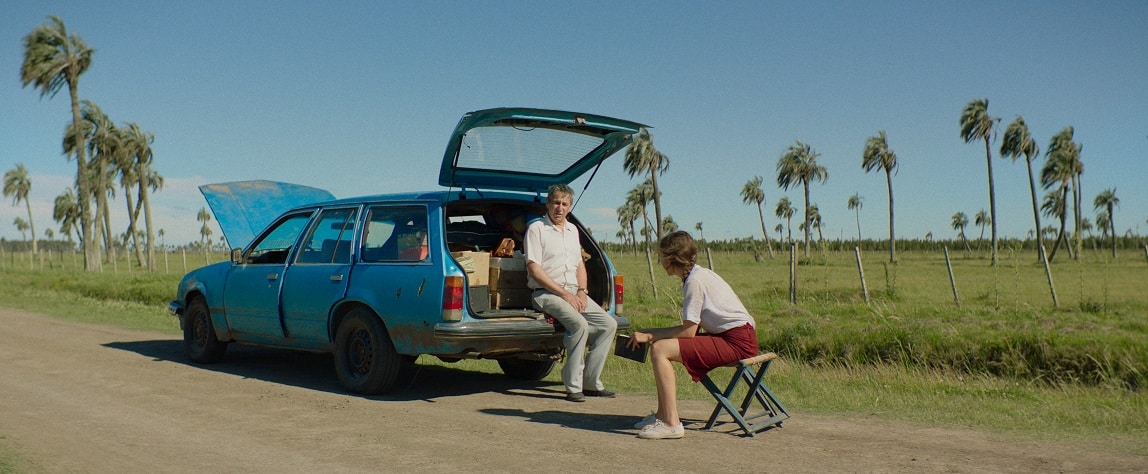
'A Ravaging Wind' is the story of a young girl, Leni, who travels with her preacher father, Reverend Pearson, around towns in rural Argentina.

He is an evangelical preacher spreading the word of God and healing sinners. It is a coming-of-age film about Leni as she is trapped in a lifestyle not of her choosing. Argentine director Paula Hernández starts the film as a road movie as we follow them from one church to another.

As they are heading to their next sermon, we start to see more of the character of Leni, played by Almudena González. As she runs errands for her preacher dad, Alfredo Castro, you start to see the doubt in her mind about the direction of her life. On the road, their aging car breaks down, and they are taken, car and all, to a local mechanic out in the middle of nowhere.

Spanish Film Festival: A Ravaging Wind

Here they met Gringo the Mechanic, played by Sergi López, who is opposed to faith and his son Tapioca, played by Joaquín Acebo. Here, we have a similarity between the two families, both being teenagers brought up by their fathers.

As the car is repaired, Reverend Pearson decides he wants to save Tapioca; in fact, he becomes obsessed with trying to save the lad. This echoes with Lenis in the story.

The quality of the acting really makes this movie stand out. Without it, the film would have been a slow-moving road movie. The cast seems to understand the characters and what the director requires of them. It's a really nice ensemble piece and worth watching. I give it 4 out of 5 stars.

The Spanish Film Festival runs through June-July, 2024 in Adelaide, Brisbane, Byron Bay, Canberra, Melbourne, Perth and Sydney.

Spread the word on your favourite platform!

Spread the word on your favourite platform!

Highway of Lost Hearts: Heart, Soul, and the Open Road.

Highway of Lost Hearts

Highway of Lost Hearts Rating

★★★★★

Click if you liked this article

'Highway of Lost Hearts'. What a beautiful title for a beautiful play. A captivating blend of gritty road trip realism and magical storytelling that explores an individual's search for a soul and need for redemption. Mary Anne Butler's superbly adapted novel is a True Blue, One Woman, Aussie travelling tale, where red earth meets fire, flood and drought, and ancient mountains loom over spirit-stirring waters. Our paths are both uniquely our own and universally relatable. Wherever the open road takes you, your own thoughts, dreams, and demons will be right there in the passenger seat, refusing to be left behind.

Mot is a remarkable woman whose once-unbreakable spirit is now weathered and worn. Detached from her sense of purpose, identity, and relationships, she is lost in a sea of meaninglessness, longing for peace while hungering for connection. At this crossroads in life, she's grappling with the questions all women of a certain age face when they finally shed society's expectations. But the spark that once drove her has flickered out.

This is a uniquely female pilgrimage and point of view. Mot is not afraid to entrust us with insights into the delicate balance between desire and defence. She is resilient in the face of uncertainty as she propels down a long and lonely 1000km stretch of relentless highway.

Director Adam Deusien optimises a pared-down and intuitive approach to these epic themes. He uses a luminous lighting design (Becky Russell), and simplistic, streamlined set (Annemaree Dalziel) which utilises forced perspective with long drops of sheer drapes. This evokes a never-ending thoroughfare where horizons expand, hopes arise, and possibilities are boundless.

Smith tackles the role of Mot, a formidable challenge of what is effectively a 70-minute monologue and (fittingly) solo performance. It's a feat of focused endurance. Accompanied by her faithful imaginary canine companion, she matter-of-factly envisions a kaleidoscope of encounters with new people and old memories, blurring the lines between reality and reflection. With just a few basic props, a ‘she'll be right’ laconic tone and her physicality, Smith slowly weaves a winding narrative tapestry. It's a deeply intimate story experience shared through mind, body and immense heart.

Sophie Jones and Abby Smith imbue the beats of Mot’s story with an original and hauntingly beautiful vocal and instrumental soundscape of guitar, keyboard, harmonica and percussion. They could have sung acapella because both were strong singers who created a rich and full sound. At times the mike amplification level was a little overpowering. When it was more subdued, their lovely harmonies resonated with a melancholic depth and sacredness that echoed the emotional terrain of Mot’s odyssey of grief and growth.

Only 10 years old and on the HSC drama list, 'Highway of Lost Hearts' is already a distinctly Australian classic for a reason. It's a reminder that the roads we travel are not just physical, but also emotional and spiritual. Anyone who roams solo will innately understand Mot, the fragility of her heart and the transformative power of travel. After all, the true purpose of a road trip is to connect with something greater. The rest may ponder the challenge of self-discovery and how we are all called to take this journey.

Like Mot, Arts on Tour and 'Highway of Lost Hearts' has ventured far and wide, concluding its performances in the Land of the Dharug People at the Riverside Theatre. The next time it revives and swings by this part of town, make sure you join the road to inner wisdom and delight in discovering more about yourself along the way. The trip will not always be what you expect, but you'll leave more enlightened.

For future Arts On Tour performances, see: https://artsontour.com.au/what-we-do-and-why/

Spread the word on your favourite platform!

Photography by Hannah Groggan

Spread the word on your favourite platform!

Subscribe to What's The Show

Reviews, show news and what is on, straight to your inbox.