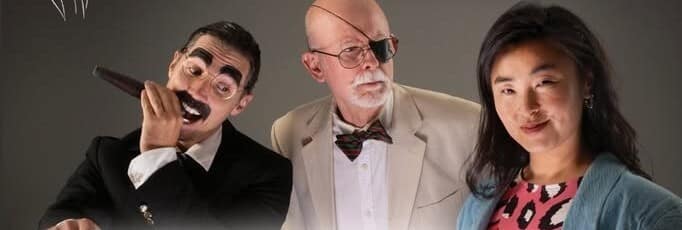
It feels odd to describe a stage show as ‘literary’ and ‘cinematic’. However, that kind of genre blurring perfectly suits the premise of Between The Lines, a show revolving around letters exchanged between James Joyce and Groucho Marx in 1937. If you aren’t familiar with either man’s work, don’t worry. Bloomsday In Melbourne’s annual play (directed by Renee Palmer) gives you more than enough reason to care about these artists and understand why their work and ideas matter. The show doesn’t only care about the things great men create, but also about who gets to keep their legacies alive.
The aforementioned letters in Between The Lines are uncovered in 1987 by Pandora (Seon Williams), a headstrong PhD graduate with an infectious passion for history. Unfortunately, many barriers stand between her and recognition, such as academic snobbery, uncooperative estates and sexism. She recruits renowned Joyce scholar Murray Dalton (Shannon Woollard) to assist her, but they may not be collaborating on as equal footing as they think. The letters themselves are also revealed, with Joyce (Tref Gare) and Marx (Scott Middleton) revealing more and more personal truths about their families, fears and ideas about art.
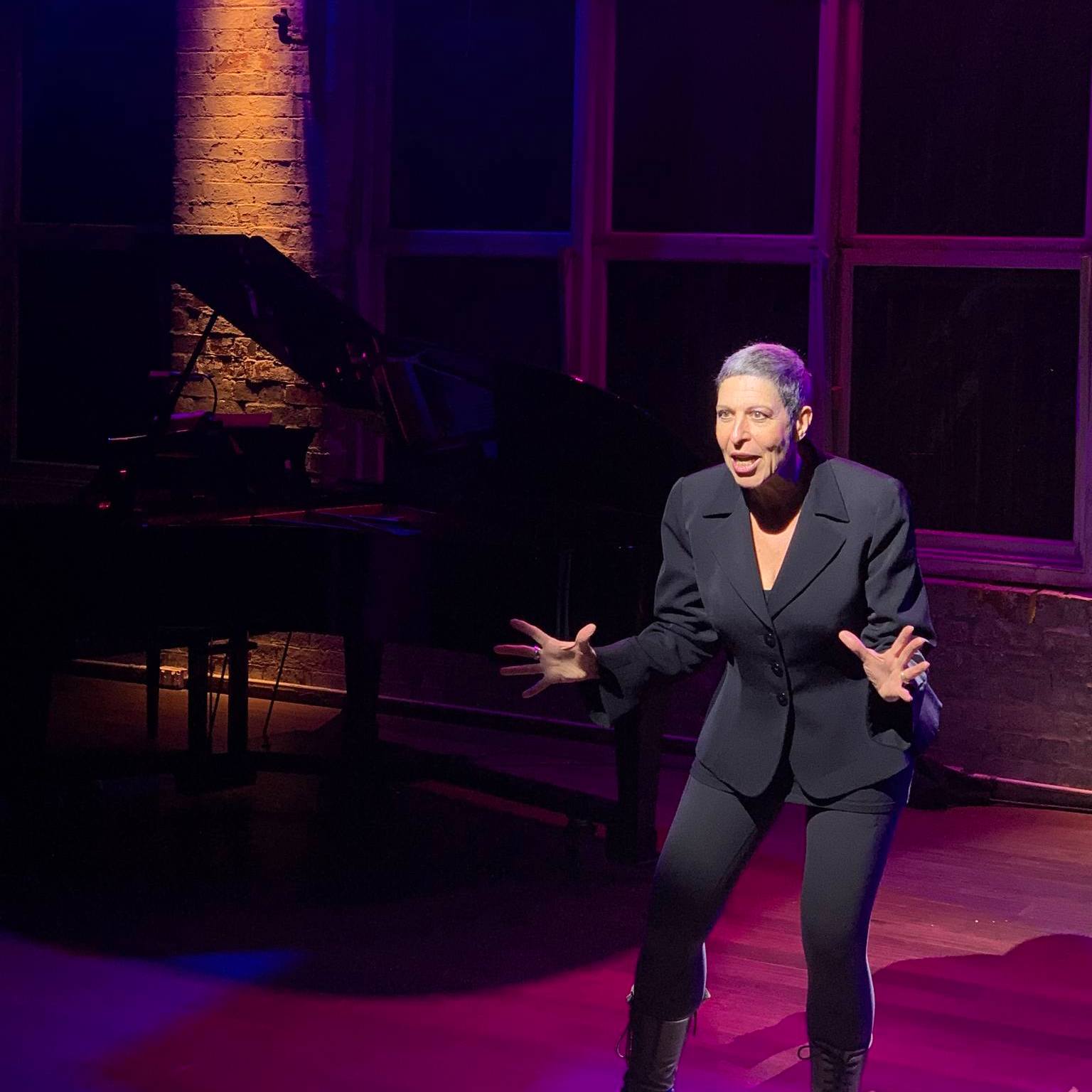
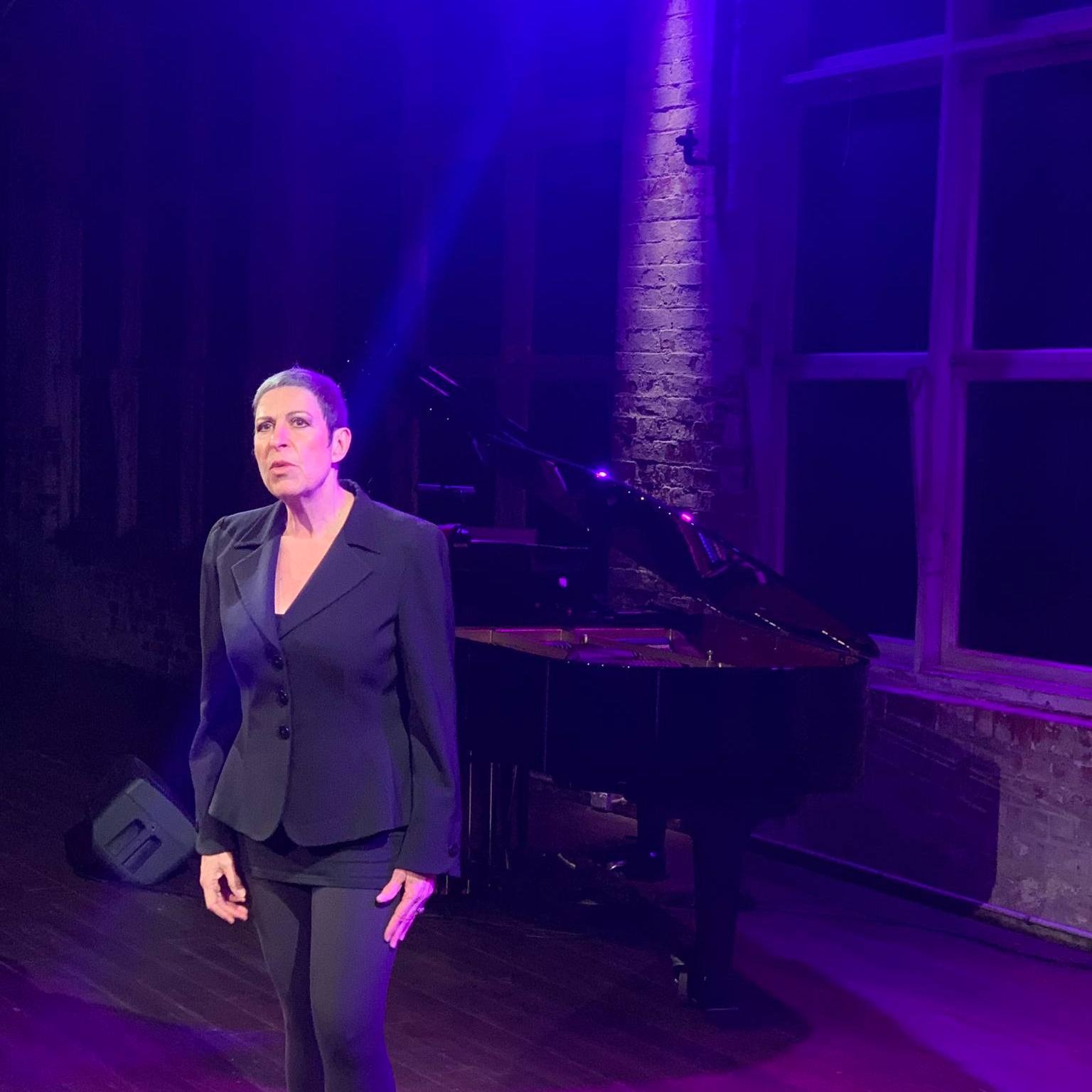
The show’s design is what gives it the cinematic feel mentioned earlier. The way Joyce and Marx are lit and placed creates exaggerated shadows and a simultaneous sense of distance and closeness, drawing the eye between them as easily as a panning camera. The costumes are loving send-ups of period fashion that still make their characters look stylish. The classical music score gives a great sense of grandeur, especially in scene transitions, though some of the sound effects (such as the pen scratching when letters were dictated) bordered on being distracting. The overall effect reminds me of ‘dark academia’ with its simultaneous glamorization and critique of the world’s intellectual ivory towers.
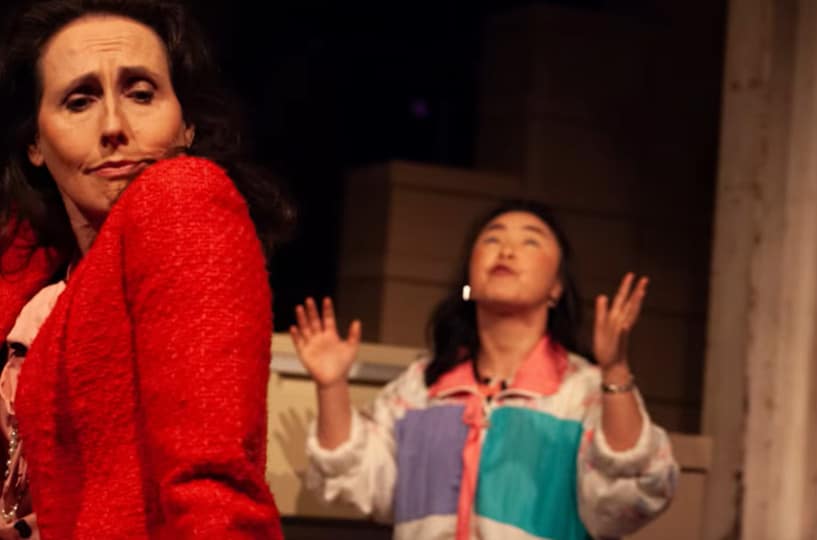
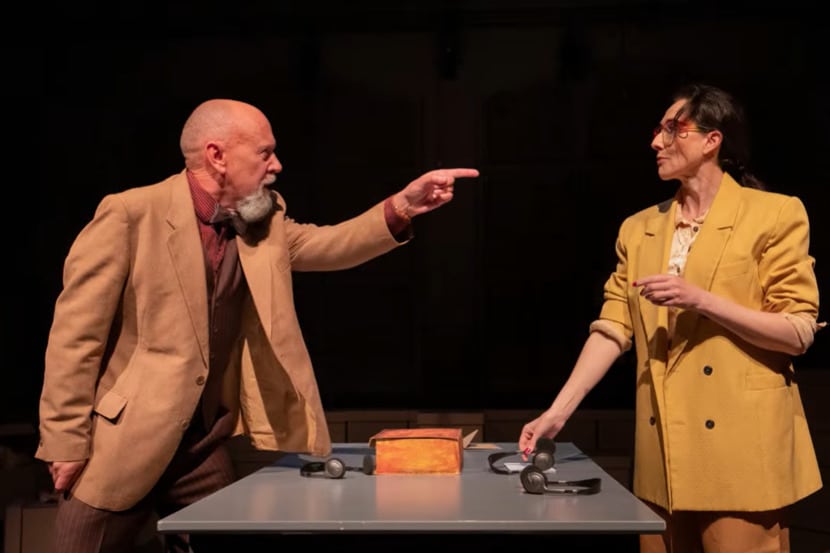
The cast has cultivated performances that fit well in this heightened world of mind games and artistic politicking. Gare and Middleton portray Joyce and Marx fantastically. Their idiosyncratic writing styles feel so natural when spoken aloud, the chemistry is palpable despite them speaking in letters rather than directly to each other, and one of my favourite parts of the show was how they quietly reacted to the 1987 scenes in the background while watching them unfold. Williams and her mother (Christina Costigan) are likeable and play into the script’s tropes well. I felt like I was watching a sitcom during their scenes at times – even at their most serious there was something comforting about them. The same can’t be said for when Pandora gets in the room with Murray. Woollard makes for a perfectly pretentious villain, and it’s satisfying to watch him at both his worst and at his meekest, when Pandora doesn’t let the world revolve around him.
Steve Carey’s writing style is what makes this show somewhat ‘literary’. This shines in the Joyce/Marx scenes, where their dialogue feels period accurate but still distinct, witty and full of pathos when it needed to be. In the more naturalistic scenes set in 1987, the writing felt a bit slower and more laboured, and at points the trivia and backstory the characters went into seemed superfluous. Also, without spoiling it, while the ending was set up well and made sense for the characters, some parts felt implausible and it diminished the impact of some of the play’s more powerful scenes. Nevertheless, I thought the play balanced its tragic and comic moments well and made some clever parallels between scenes in the two time periods to tie everything together.
Every year, June 16th is marked by Bloomsday, a celebration of James Joyce and his work. This show is part of Melbourne’s Bloomsday programming, and it highlights hat Bloomsday isn’t just a day to revere the brilliant work of one great man, but a time to reflect on history. Through a unique writing style, larger-than-life performances and enticing design choices, Between The Lines brings historical characters alive for us to laugh with, empathize with and critically observe. Legacies are created by people, and one message of this show is that more people should be invited to carry the stories we love forward in time. The team behind this show has certainly proved that they’re worthy keepers of their story.
To book tickets to Between The Lines: The James Joyce-Groucho Marx Letters, please visit https://fortyfivedownstairs.com/event/between-the-lines-the-james-joyce-groucho-marx-letters/.
Photographer: Jody Jane Stitt