A Ghost To Believe In

Beethoven's Ghost

Beethoven’s Ghost Rating

Click if you liked this article

2

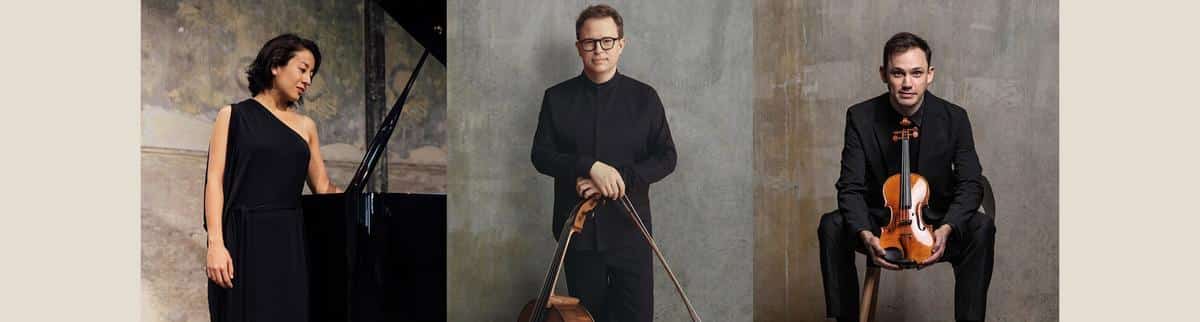
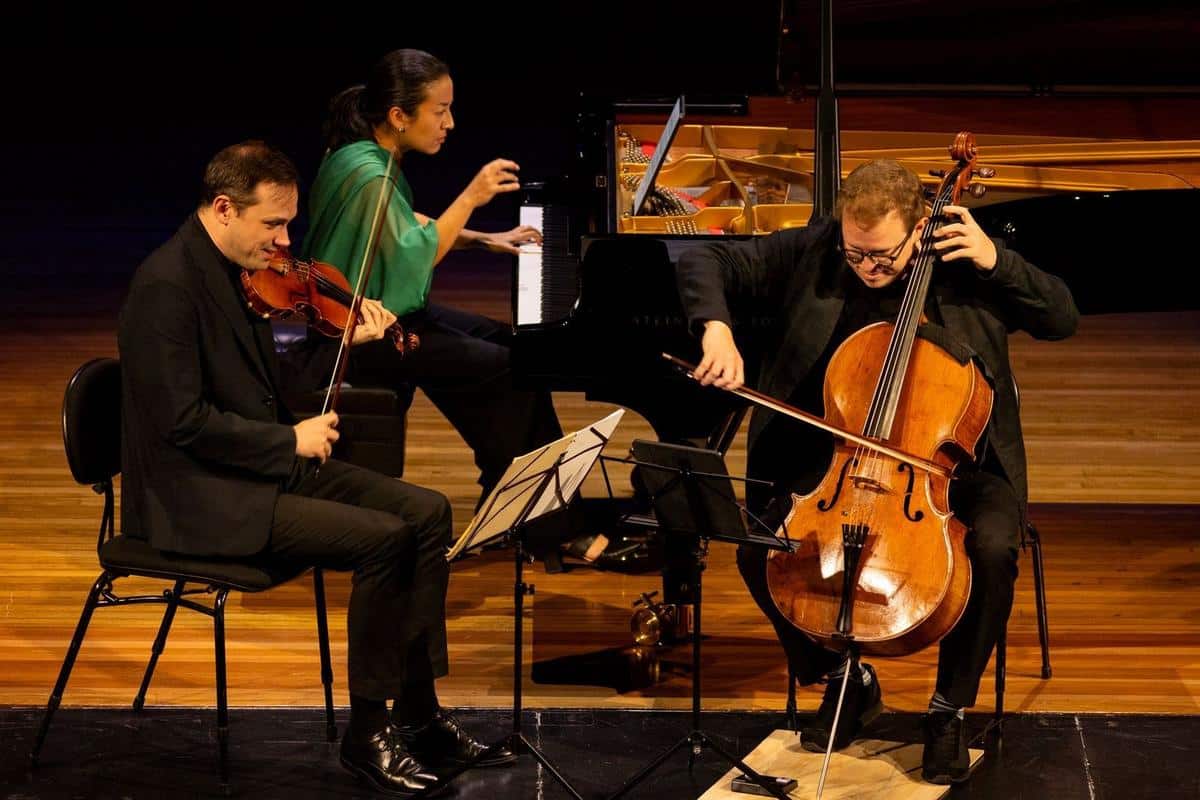
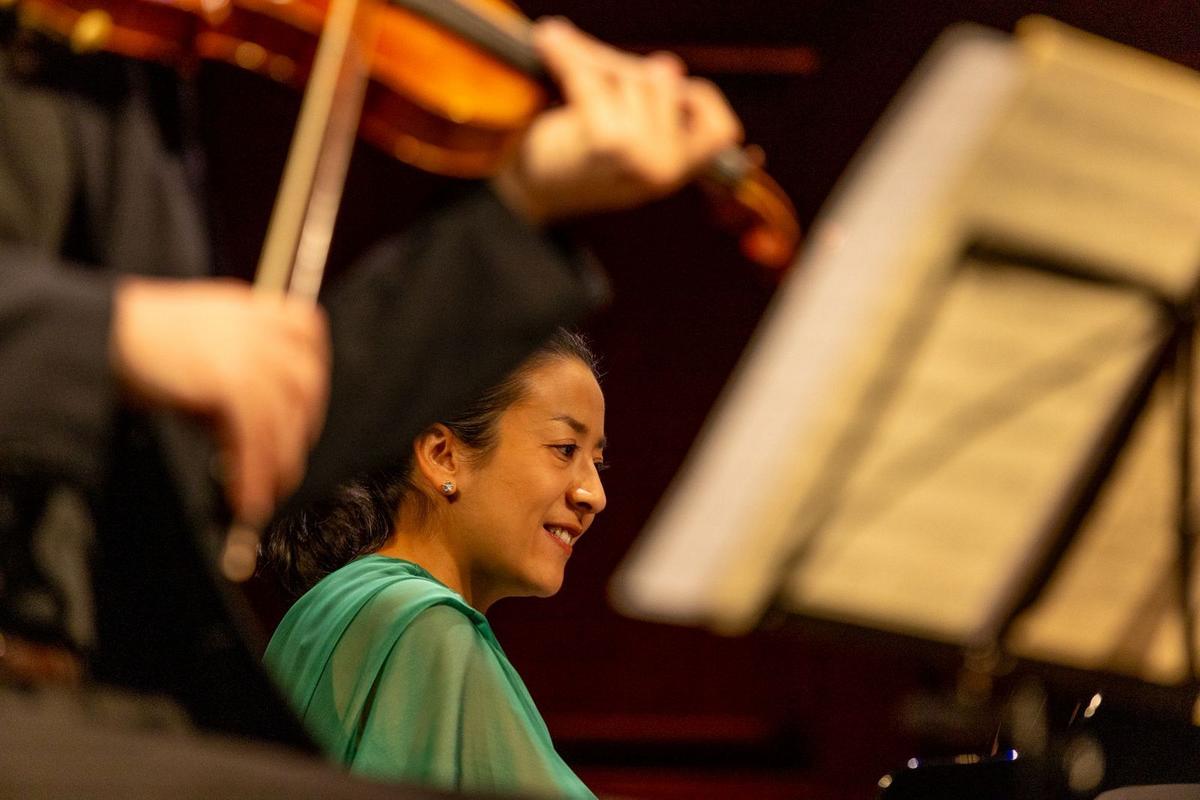
Musica Viva always assemble world-class musicians. The Beethoven’s Ghost concert at City Recital Hall, on May 6, saw a sublime collaboration. Aura Go on piano, plays with boundless passion and innovation. Kristian Winther on violin, creates wondrous, coherent performances. Timo-Veikko Valve, caresses the cello, in expressive fashion.

In many ways, this is an eclectic program with Beethoven and Ravel, accompanied by Australian composer Evotvos and French composer, Boulanger. Yet, it all blends magnificently in the gorgeous artistic space of the City Recital Hall. Valve and Go have collaborated over several years as a duo. Winther has also played with Go. The prospect of forming a trio, proved irresistible and Musica Viva have launched a national tour.

Beethoven’s Piano Trio in D major, Op 70 No.1 Ghost 1808, opens the program. The Ghost has Shakespearean influences, which of course adds to the drama. The first movement, Allegro vivace e con brio, is fast-paced and lively. We sense a ghostly spirit. The second movement Largo assai ed espressivo, is slow and effectively eerie. The third movement, Presto, is quick, demanding technical intensity from the trio. Ghosts move in mysterious ways! This Beethoven trio is one of his most performed chamber works and its appeal is obvious.


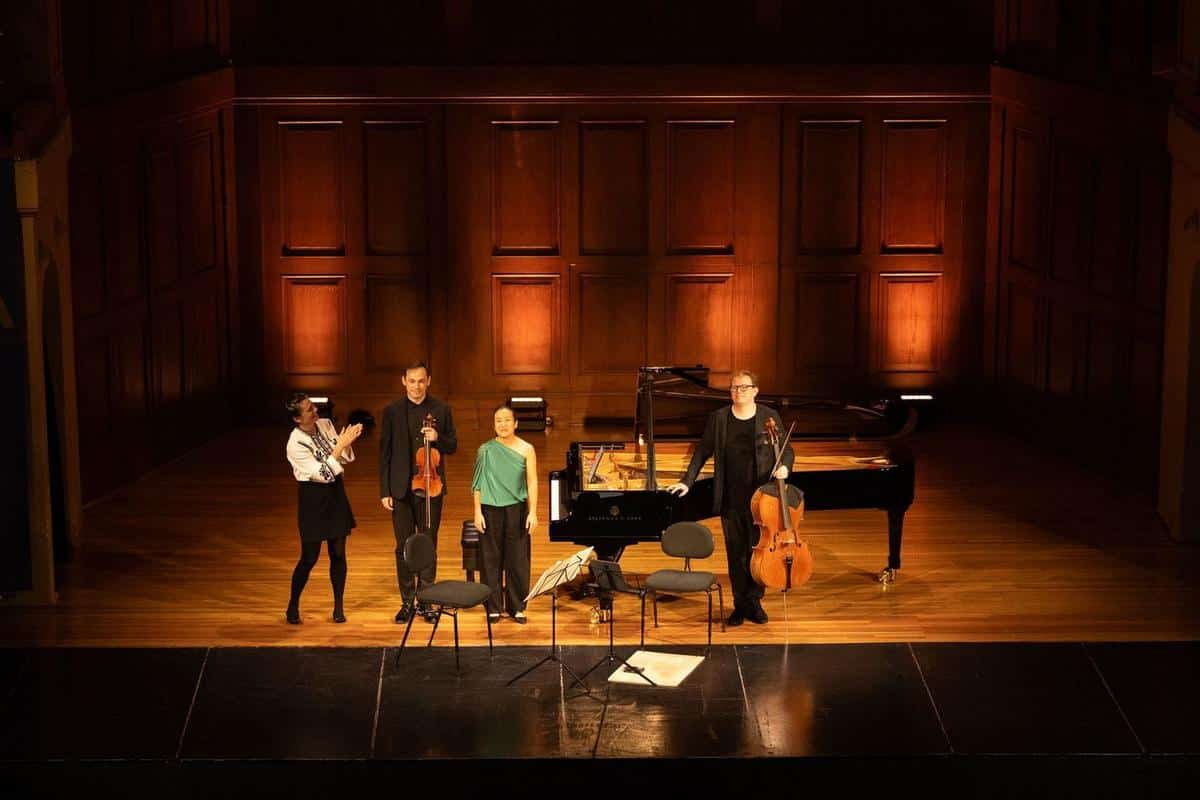
The second composer is Melody Eotvos,(yes, the perfect name for a composer). Regnare, Piano Trio No 3 2026, is powerful. Eotvos, introduces her work on-stage. We learn that her inspiration for this piece comes from the Tasmanian Ash (Eucalyptus regnare). Being the world’s tallest flowering plant, there’s a sense that various climatic changes must be overcome in order to survive. The trio capture the atmospherics here so beautifully. Eotvos embraces the artists to rapturous applause from the audience. It’s a joyous way to glide to an interval.

The third composer is Lili Boulanger’s piece, D’un soir triste 1918, which translates to Of a sad Evening. There’s an enveloping sensation of despair, grief and indeed, deep sadness. The trio again achieve shivering harmonies. Life is fragile. The piece has an urgent intensity. We feel brave for having witnessed it. Sadness is the most lasting of all human emotions.

To close the program, there’s Ravel’s Piano Trio 1914. Movement 1, Modere is played at moderate speed. It has a folk music-like feel with subtle irregularities to waft over us. The second movement, Pantoum Assez vif, is lively and poetic. Victor Hugo’s words being influential in its formation. Passacaille, the third instalment, is a hymn to the piece. Each instrument has its moments to absolutely shine, as a climax is achieved. The final movement has a divine, rhythmic Basque texture. A glorious conclusion to a beguiling evening.

Post Show there is a Q&A on-stage with the ever-charming, director, Paul Kildea, composer Melody Eotvos, accompanied by Aura Go, Kristian Winther and Timo-Veikko-Valve. Musica Viva pride themselves on being accessible. There’s no intellectual snobbery. The mutual admiration between, director, composer and artists is gloriously on-show. Concerts like this happen through collaboration and an ambitious drive for excellence. Beethoven’s Ghost has thrilled audiences in Newcastle, Sydney, and Canberra. Adelaide, Melbourne and Perth, are next on the tour. Not to be missed!

To book tickets to Beethoven’s Ghost, please visit https://musicaviva.com.au/concert-season/2026/beethovens-ghost/.

Photographer: Peter Stoop

Spread the word on your favourite platform!

The Class Of 85 – Bach Akademie Australia

The Class Of 85

The Class Of 85 Rating

Click if you liked this article

1

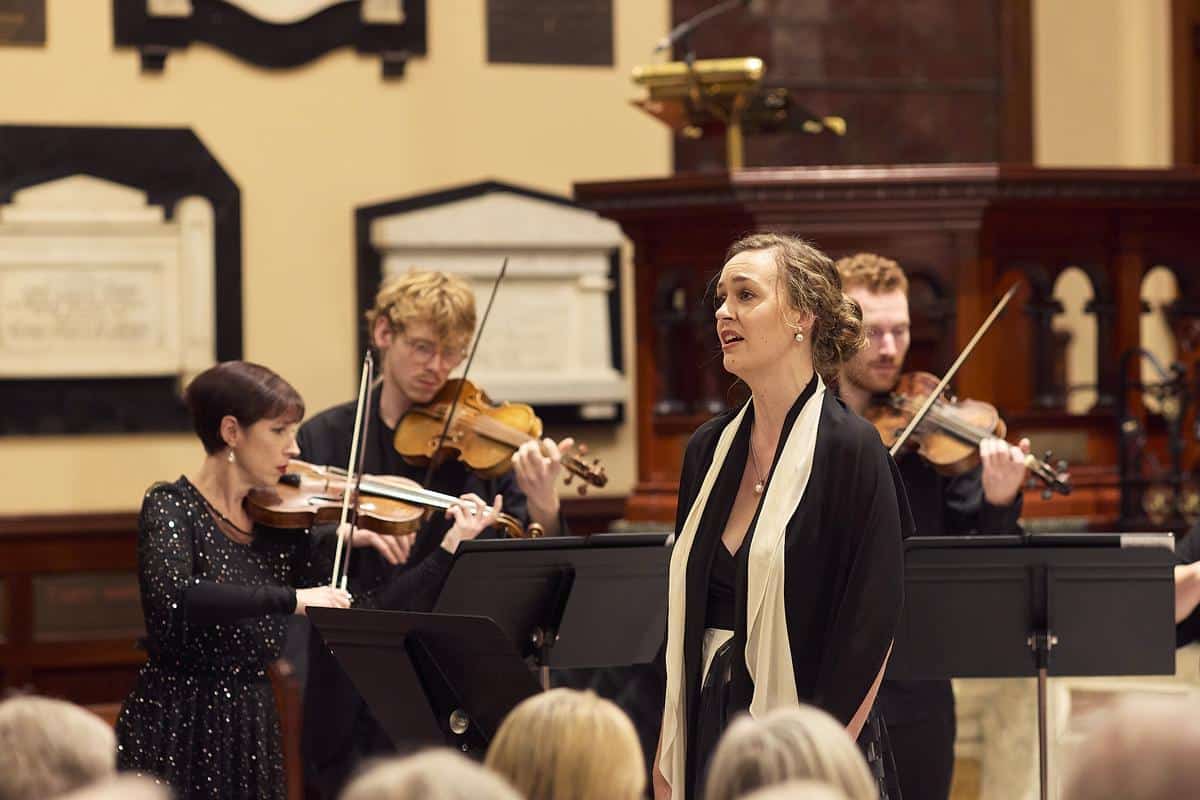
Last night I experienced something absolutely incredible: “The Class of ’85” by the Bach Akademie Australia featuring the divine voices of mezzo-soprano Hannah Fraser and soprano Susannah Lawergren.

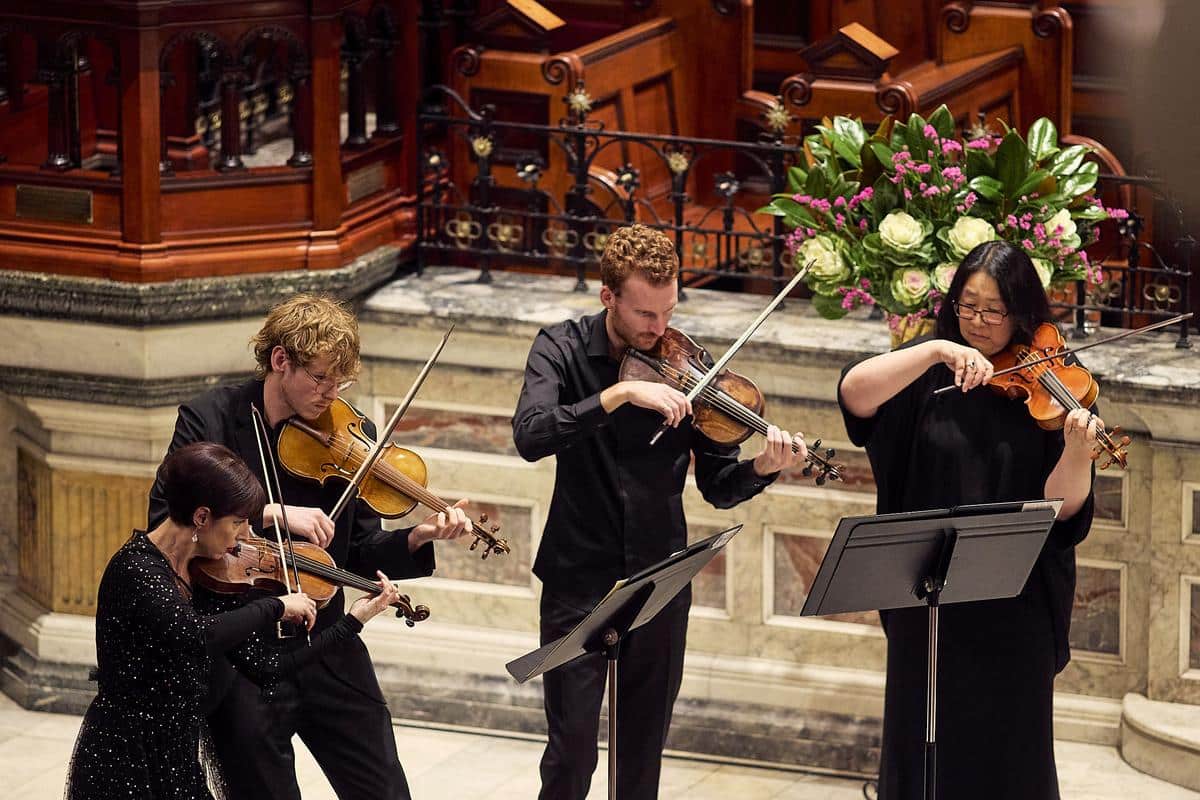
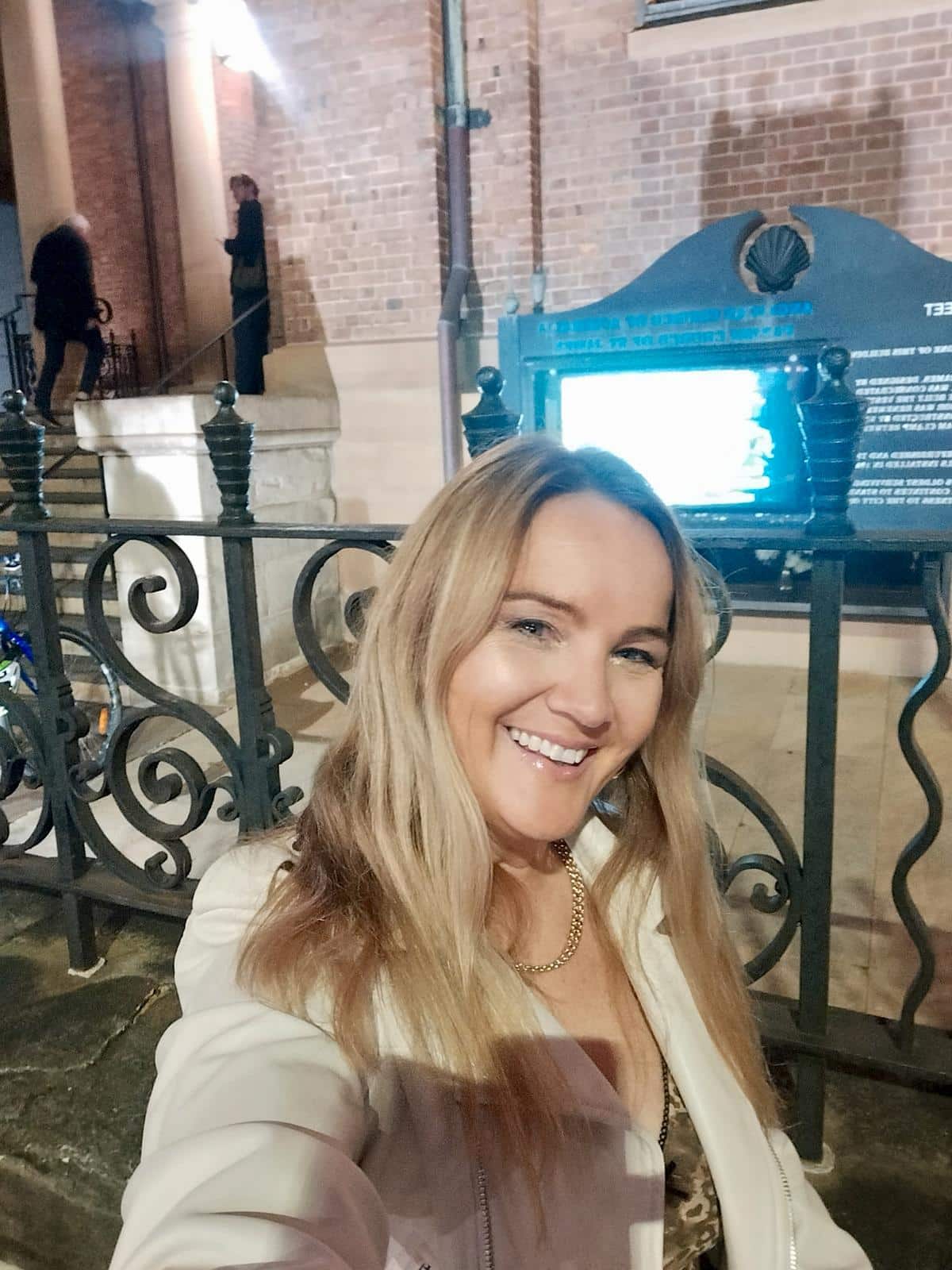
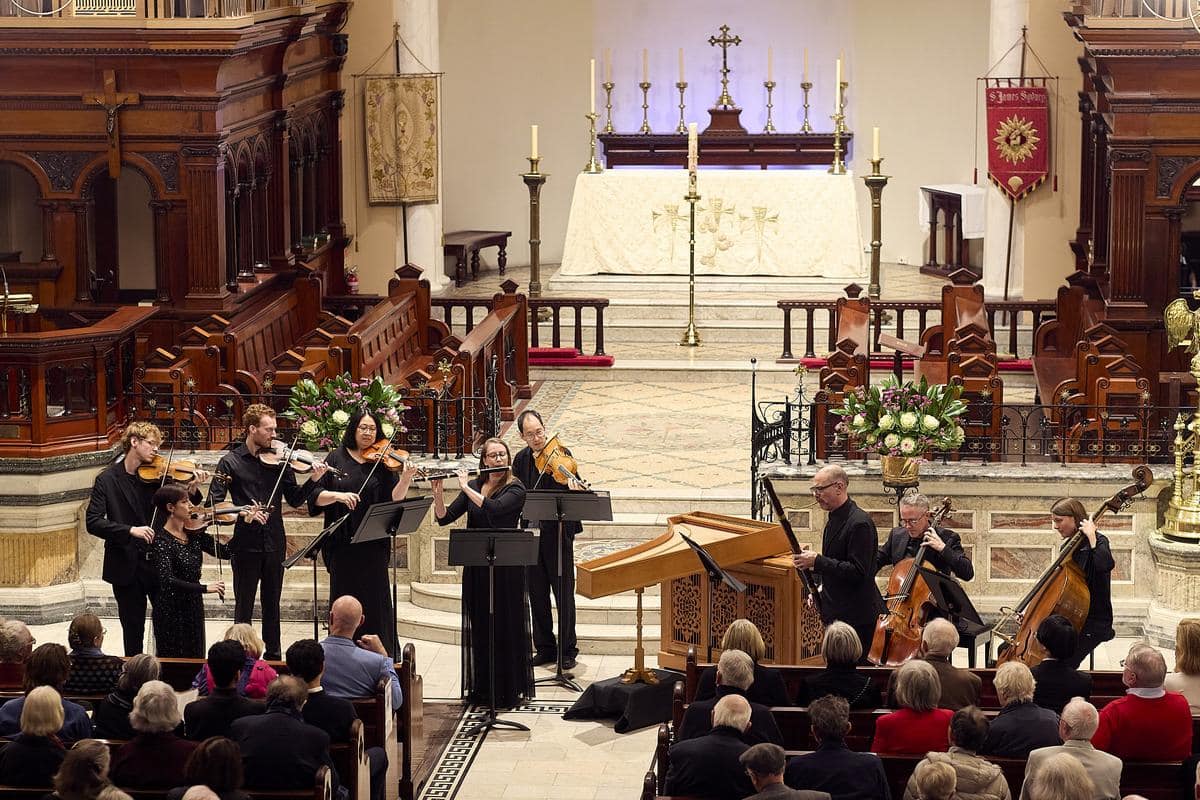
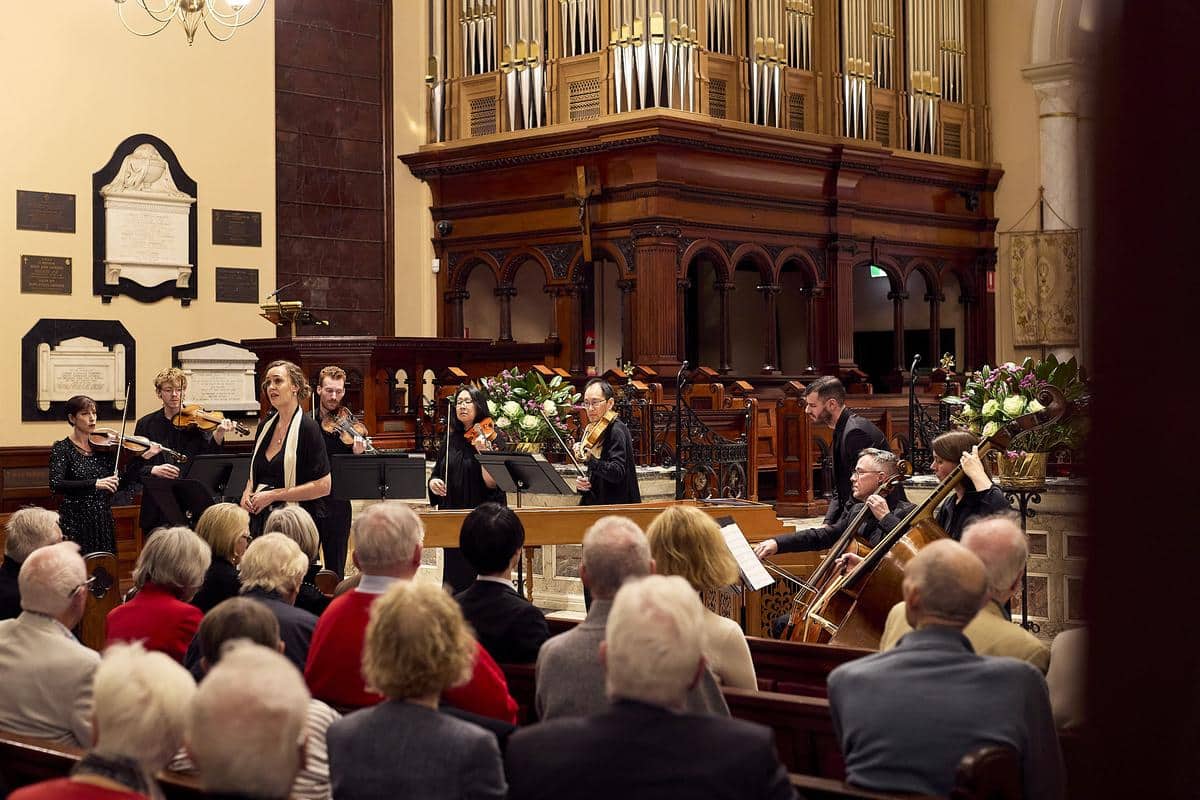
The remarkable performance was held within the exquisite grandeur of St James’ Anglican Church Sydney, which was consecrated in February 1824 and named in honour of St James the Great. It is the oldest standing church in Sydney and reminiscent of a bygone era. The walls are adorned with plaques in memory of people from hundreds of years ago. I felt engulfed in the memories and rich history and I couldn’t resist pondering on all the events that might have taken place in the majestic building.

Initially, I was longing for the pipe organs standing before me to come to life but I was quickly comforted by the rare sound of a live harpsichord accompanying the orchestral melodies played by ten immensely talented musicians. One of the amazing violinists, Madeleine Easton, is the Artistic Director and founder of Bach Akademie Australia, she has graced international stages and was even invited to perform at King Charles’ coronation, performing on her 1682 Giovanni Grancino violin.

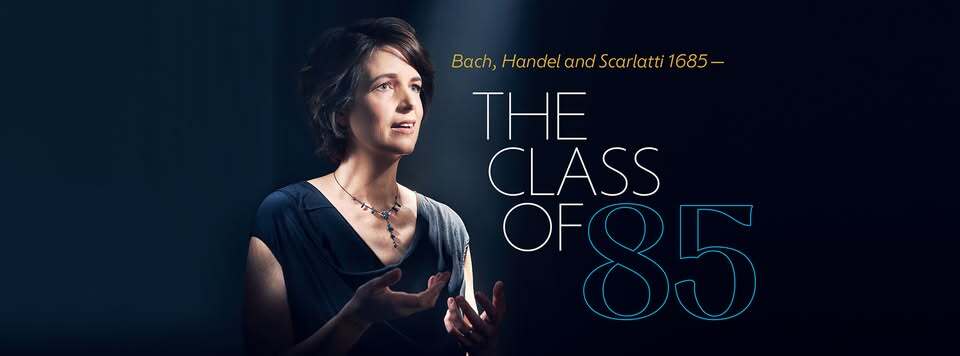
“The Class of ’85” is a tribute and exploration of four of the world’s most significant composers- Bach and his contemporaries Handel, Rameau, and Scarlatti. It is almost unfathomable that Domenico Scarlatti, George Frideric Handel and Johann Sebastian Bach were all born in the same year-1685 and only within a few hundred kilometres of each other. These remarkable musicians have continued to shape the world hundreds of years later with their incredible compositions.

But how did three such remarkable musicians, all born in the same year, become so noted in the same Baroque period? Was it that they influenced each other, or urged the other to succeed, or was it a simultaneous opportunity seized to create in the same musical movement? Either way, they are still impacting the world hundreds of years later and their influence on music and the arts has remained overwhelmingly steadfast. They have left behind a legacy that will surely live on indefinitely.

The vocal performances of Hannah Fraser and Susannah Lawergren were absolutely spellbinding. The perfect resonating acoustics in the church added to what I felt was an ethereal experience. My feelings were obviously shared by the entire audience whose chins were arched and heads visibly swaying, rendered overcome with emotion. So much so, that there was a compelling desire to close your eyes as to absorb the music in its entirety.

The entire church was engulfed by the beauty and spectacular experience. A pin drop could be heard. Not a soul spoke or whispered; it was as if a spell had been cast upon the room and only broken by intermittent applause.

I feel so humbled and honoured to have been invited to review this incredible performance: a cultural experience that has surely marked myself and other audience members for life. Thankyou from the bottom of my heart for allowing me to experience your excellence and witness a musical performance of the highest imaginable calibre.

To learn more about the Bach Akademie Australia, please visit https://www.bachakademieaustralia.com.au/.

Photographer: Keith Saunders

Spread the word on your favourite platform!