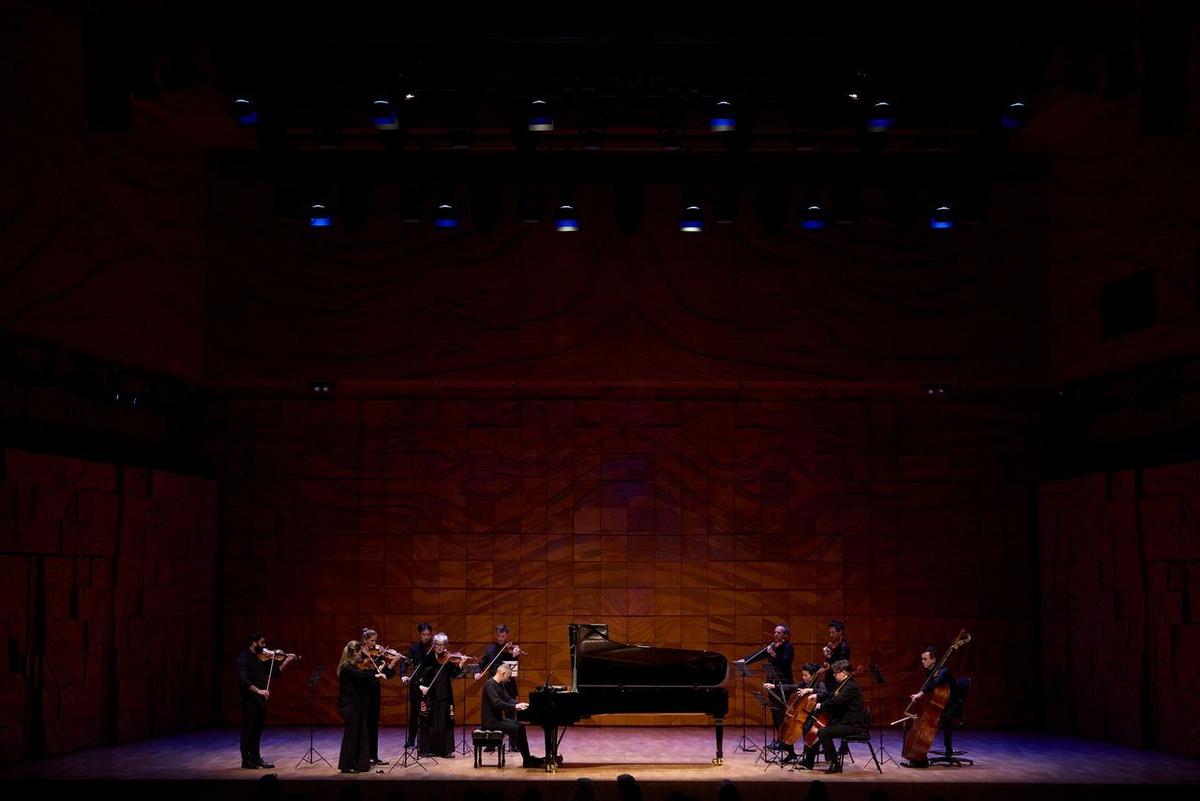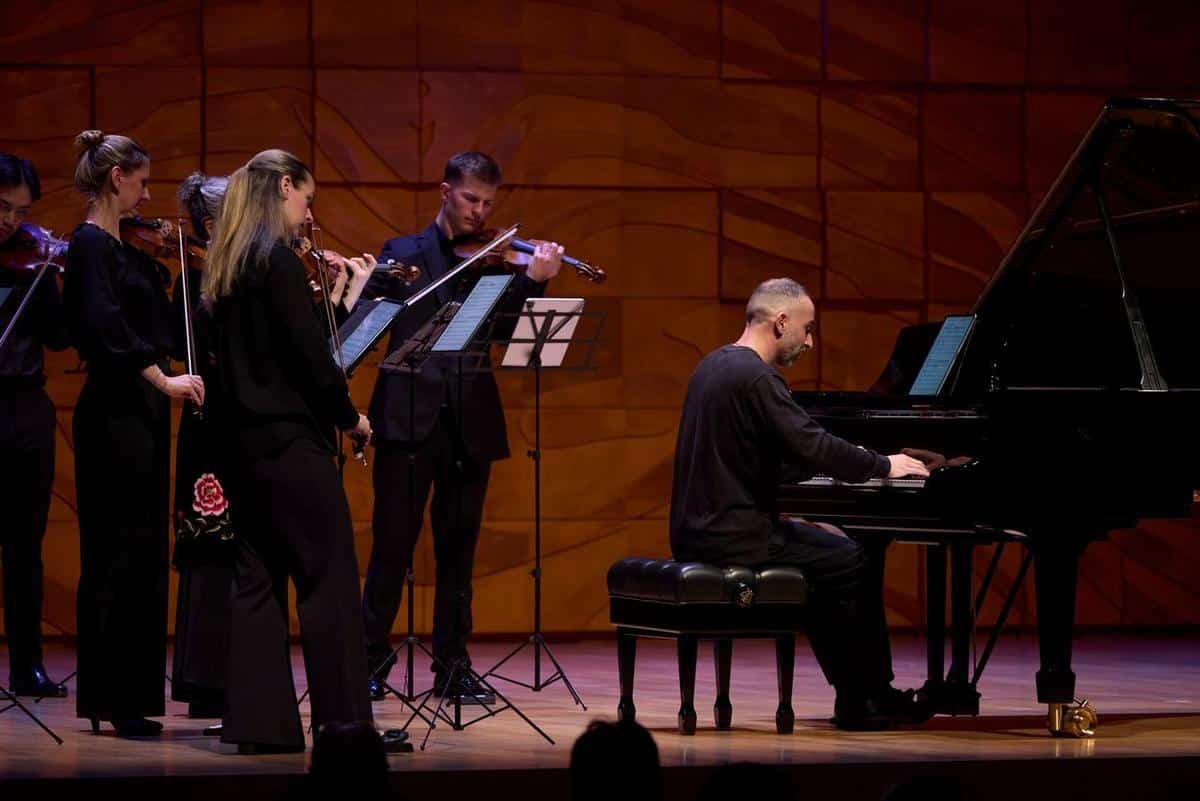
Trio Isimsiz

Trio Isimsiz (Musica Viva Australia)

Trio Isimsiz (Musica Viva Australia) Rating

Click if you liked this article

3

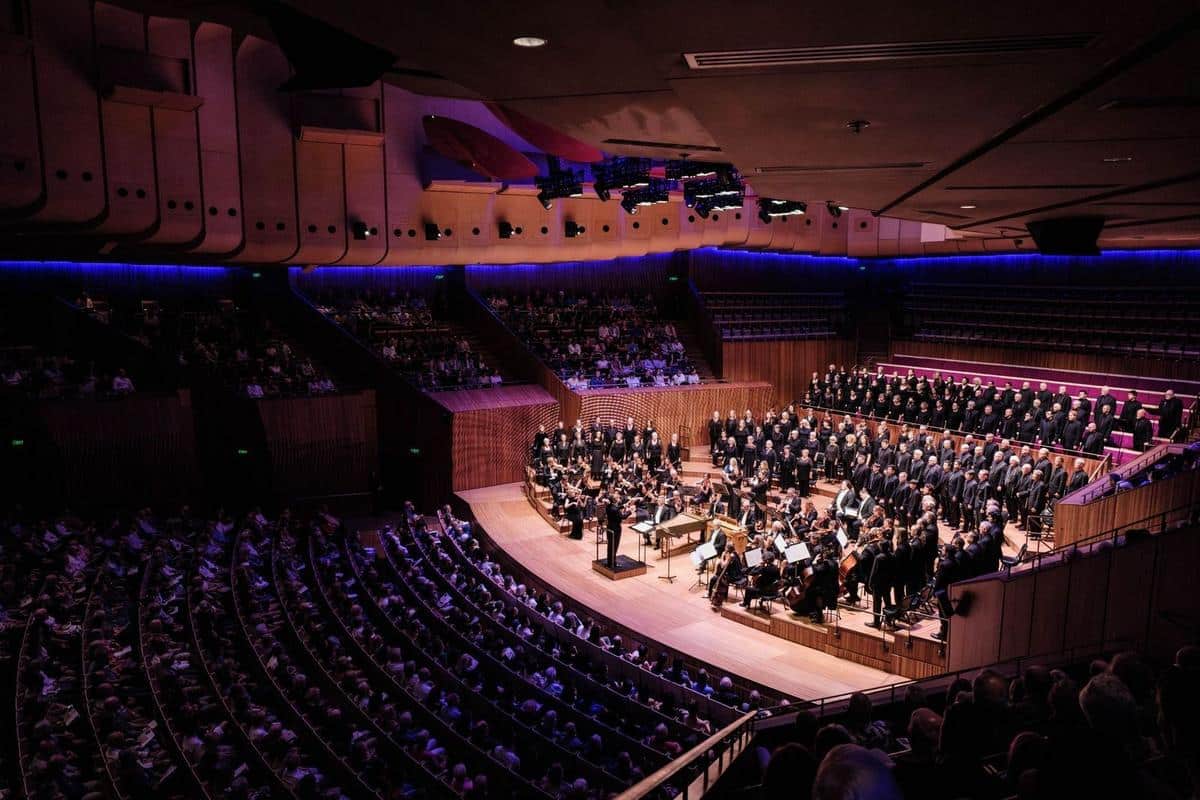
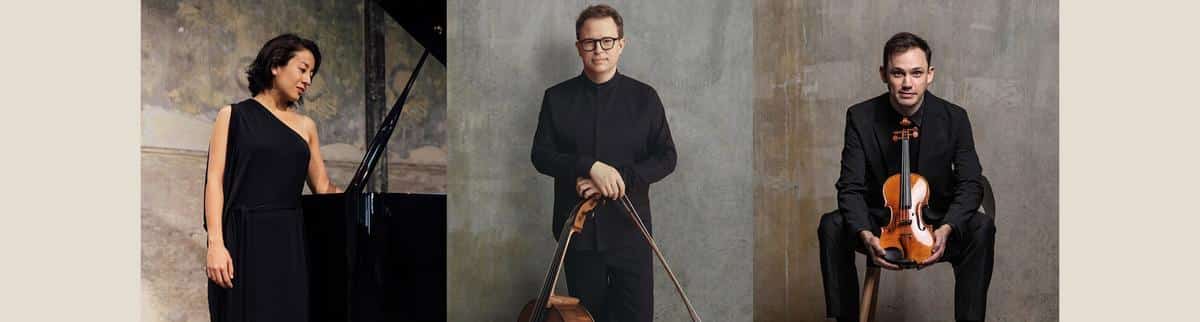
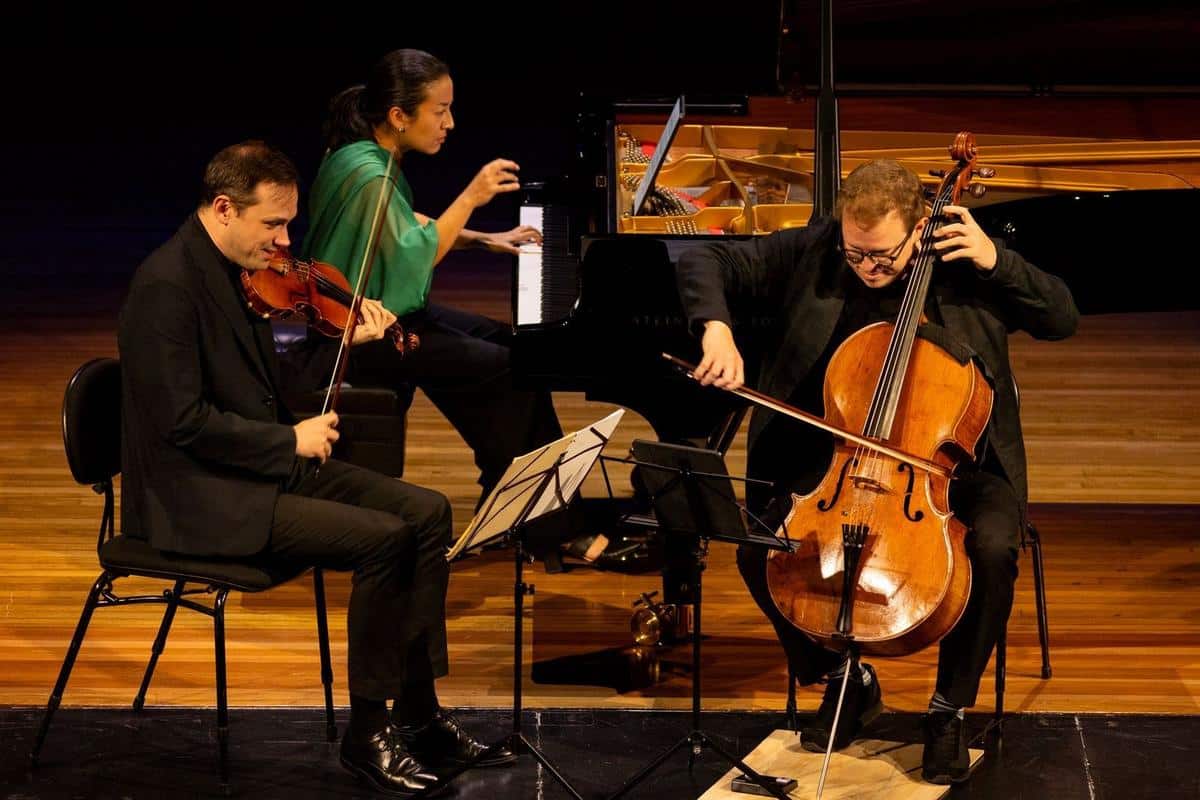
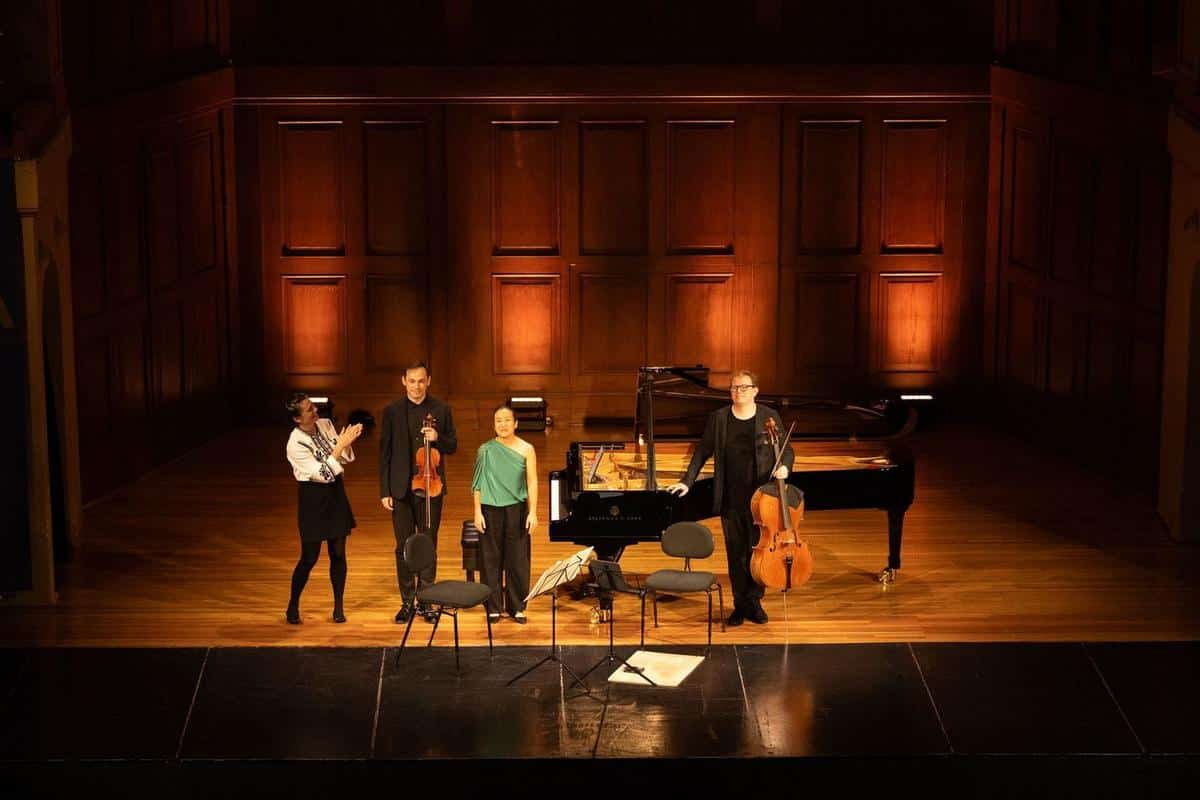
For anyone who hasn’t seen inside, allow the scene to be set. The Adelaide Town Hall Auditorium is a stunning display of ornate ceilings, marble columns, and a pipe organ on display which serves as the perfect backdrop for performers such as Trio Isimsiz. Turkish for ‘trio without a name’, Trio Isimsiz formed in 2009, have performed widely; been broadcast by BBC Radio in Europe; and have won countless prizes and accolades. The trio have been successful together and individually, with their adoration for their craft seeping from every note they play.

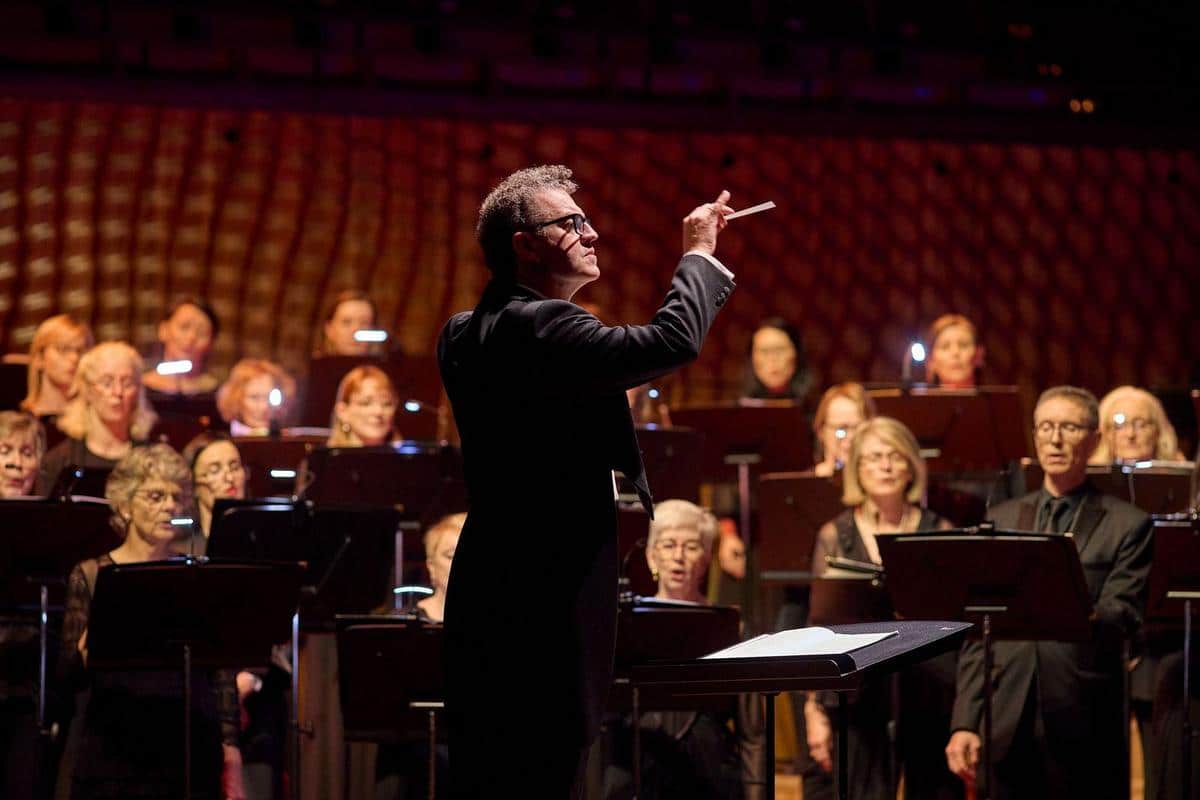
Introductions were not initially needed. The three men took to the stage, bowed to the audience, and sat with their instruments: they were simultaneously cool, calm, and collected while almost vibrating with excitement to begin their performance. With the barest of nods between them, the audience was transported away.

The cellist, Edvard Pogossian, spoke a few words after they had completed the first piece. He named the three pieces they had, and would, perform, and spoke a little about the newest piece by Francisco Coll, written in 2020. Pianist Erdem Mısırlıoğlu and violinist Pablo Hernán Benedí declined to add anything further, their fingers already twitching towards their instruments.

Each piece which was performed was written by a different composer, and each piece guides the audience through a different journey. We began with an energetic piece by Johannes Brahms (Piano Trio in C minor, Op. 101), before being led into the curious Piano Trio by Francisco Coll. To finish the night, we were treated to the lively story by Franz Schubert (Piano Trio No. 1 in B-flat major, D898).


If you are unfamiliar with classical music, each piece (specifically for this performance, at least) lasts between 18 and 42 minutes. Do not be fooled when the music dips; it is not yet time to applaud, because the music is changing its tune (no pun intended) into the next movement. But you are never bored! The music ebbs and flows with ease, creating a visceral and immersive experience; each piece bringing forth fresh sounds and imagery, creating a similar, almost ethereal sense you can experience when looking through a kaleidoscope.

The second piece, by Francisco Coll, at the time of this writing, has only been performed for Australian audiences twice; once in Perth, and once in Adelaide. It was commissioned for Trio Isimsiz, after a conversation between their violinist and the composer, and was first performed in January of 2022. The program goes into further details about the piece, the composer, and the Trio, and is well worth the read.

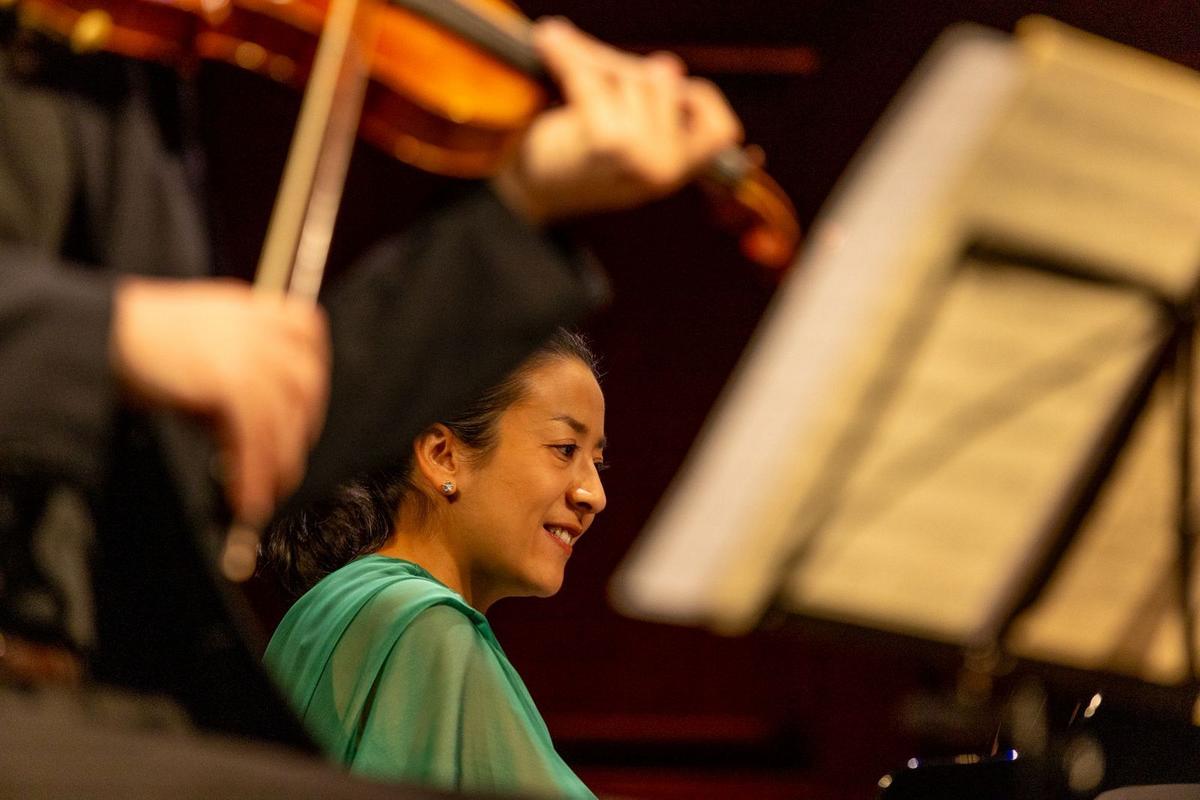
The three performers play with a passion, care, and love for their craft which was tangible even from the dress circle. It was a delight to watch them perform, and an honour to be a part of the second Australian audience to experience Coll’s piece.

If you don’t consider yourself a fan of classical music, this show is still worth checking out. The music is a new experience and a new appreciation for music in general … and with three good-looking boys playing so passionately, there are no downsides!

To book tickets to Trio Isimsiz (Musica Viva Australia), please visit https://www.musicaviva.com.au/concert-season/2025/trio-isimsiz/.

Photographer: Dylan Alcock

Spread the word on your favourite platform!

Takacs Quartet with Angie Milliken

Takács Quartet & Angie

Takács Quartet & Angie Rating

Click if you liked this article

2

The Concert Hall at QPAC is a superb venue for performances such as the Takács Quartet, with the majestic Klais Grand Organ with its 6,500 pipes creating a striking visual backdrop. Yet the quartet was never overshadowed by the gleaming pipes or warm wood tones; instead, all eyes and ears were firmly fixed on the stage.

Musica Viva marked its 80th birthday in consummate style, celebrating the collaboration between these distinguished musicians, composer Cathy Milliken, and her sister, AFI Award–winning actor Angie Milliken.

Formed in 1975 at the Franz Liszt Academy in Budapest, the Takács Quartet now features Edward Dusinberre and Harumi Rhodes on violin, Richard O’Neill on viola, and founding member András Fejér on cello. Associate Artists at London’s Wigmore Hall, they are currently touring Europe, including Amsterdam, Berlin, Florence, Bologna, and Rome. To hear them here in Brisbane was a rare privilege.

The evening opened with Haydn’s String Quartet in G minor, Op. 74 No. 3 ‘The Rider’ (1793). Across its four contrasting movements — from briskly energetic to gently lyrical — each musician’s artistry shone.


Musica Viva’s commission, Sonnet of an Emigrant by Cathy Milliken, set eight of Bertolt Brecht’s poems written during his exile from Germany in WWII. The work captured Brecht’s shifting emotions of shock, longing, urgency, reflection, and cautious optimism, weaving his words seamlessly with the quartet’s music.

Narrator Angie Milliken delivered Brecht’s sonnets in both English and German, her voice rising and falling in perfect counterpoint to the strings. Naming herself the “fifth instrument,” she embraced the intimacy and challenge of matching spoken word to musical intent.

The audience sat in rapt silence, spellbound by the performance. The marriage of poetry and music was so vivid that Brecht’s words felt almost tangible, as though the audience could both hear and see them.

After interval came Beethoven’s String Quartet in C major, Op. 59 No. 3 ‘Razumovsky’ (1808). Its movements ranged from stately and graceful to the exuberant, whirlwind finale (Allegro molto), played with astonishing verve.

Animated and passionate throughout, the Takács Quartet radiated their own delight in the music, and the audience shared in their exhilaration. For seasoned concertgoers and newcomers alike, this was a wonderful evening of world-class music-making. Brava!

To book tickets to Takács Quartet & Angie, please visit https://www.musicaviva.com.au/concert-season/2025/takacs-quartet-with-angie-milliken/.

Photographer: Cameron Jamieson

Spread the word on your favourite platform!

How Classical Music Can Feel Modern And Accessible

Elevator Music

Elevator Music Rating

Click if you liked this article

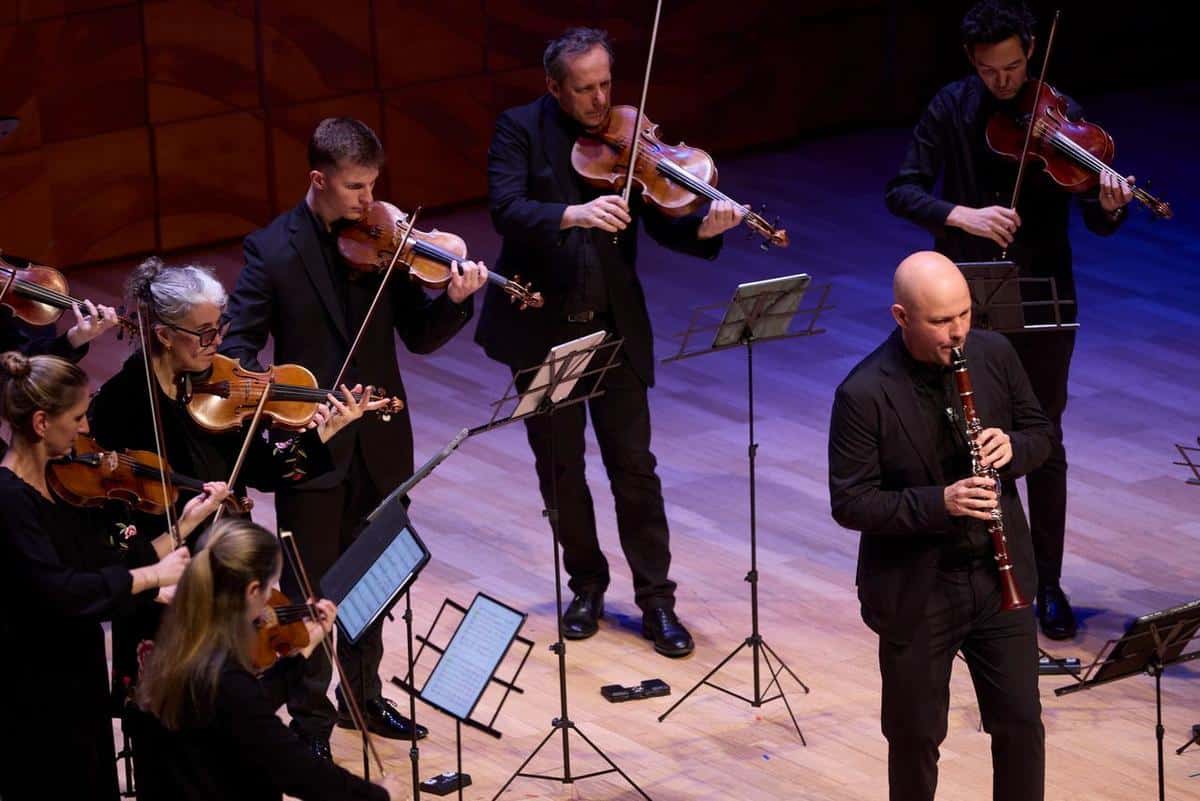
The Omega Ensemble’s Elevator Music, consisted of Anna Clyne’s Stride, Gaeme Koehne’s Dances on the Edge of Time and Aaron Copland’s Clarient Concerto. The concert was deliciously familiar and heart-warming. In particular Koehne’s work sampled familiar melodies, acting as a postmodern classical music DJ of sorts. The lively and energetic ensemble wove both old and new classical music, bringing to life a new and harmonic story through sound. The music was postmodernist and playful, referencing and recycling beloved melodies. The clarinet soloists (Michael Collins and David Rowden) pression and control, particularly their purity of tone in the upper registers, exhibited a mastery of the clarinets transition between registers.

The first piece began with, what seemed to me, crisp personality and warmth, benefitting from the expressive first violin, Véronque Serret. The music continued ominously and atmospherically, effectively building tension and my anxiety (as I assume the composer intended). The piece felt like story telling through sound, a fearsome loathsome tale that swiftly transitioned from hopeful to fearful. The tone was clearly conveyed in a way that listeners unfamiliar with classical music could feel and understand.


Dances on the Edge of Time introduced the two clarinet soloists, Michael Collins and David Rowden (also the artistic director). The clarinets ushered in a warmth and airy lightness. This was mirrored in the addition of the piano (Vatche Jambazian). In this piece the two clarinets blended deliciously with a foundation of sound built by the orchestra. All the musicians were playing and toying not just with sound, but volume too, which drew out swirling emotions from the audience. Koehne’s work continued to be heart warmingly nostalgic, as intended, the program noted that Koehne prefers warmth, clarity and lyricism over “the cliched angst and ponderousness of so much ‘respectable’ new music.” I tend to agree, and found the soulful, thoughtful and playful music, particularly the call and response from the clarinet soloists, to be moving and enjoyable. Koehnes orchestration is at times reminiscent of ravel’s colouristic effects

The Clarinet Concerto began slowly and gently, guided by the harmonic direction of Michael Collins. The piece was played as hopeful and dreamy, and produced feelings of wistfulness within me. I was brought along a journey that the artists wanted the audience to follow, it was twisting path of beauty and cool breezes. This piece continued, picking up speed and energy, with an ominous shift in orchestration and accompaniment. The clarinet soloists, however, continued with a light and energetic harmony, containing more call and response weaving in well-known classical melodies to the modern music. The piece continued with the whimsy highlighted by the double bases (Adrian Whitehall and Jacques Emery), powerfully building and breaking the tension of the music.

The concert ended with a surprise encore and world premiere of a reworked (for two clarinet soloists) piece called Ornamental Air. The encore began with a sense of urgency from entire orchestra. This piece continued with the playfulness of the previous works. The clarinets were delicately and deliberately light and harmonious. It was a delightful end to a lovely evening of music that moved me, and took me along a journey through my mind.

To book tickets to Elevator Music, please visit https://www.melbournerecital.com.au/whats-on/current-productions/omega-ensemble-elevator-music.

Photographer: Eloise Coomber

Spread the word on your favourite platform!

The Class Of 85 – Bach Akademie Australia

The Class Of 85

The Class Of 85 Rating

Click if you liked this article

1

Last night I experienced something absolutely incredible: “The Class of ’85” by the Bach Akademie Australia featuring the divine voices of mezzo-soprano Hannah Fraser and soprano Susannah Lawergren.

The remarkable performance was held within the exquisite grandeur of St James’ Anglican Church Sydney, which was consecrated in February 1824 and named in honour of St James the Great. It is the oldest standing church in Sydney and reminiscent of a bygone era. The walls are adorned with plaques in memory of people from hundreds of years ago. I felt engulfed in the memories and rich history and I couldn’t resist pondering on all the events that might have taken place in the majestic building.

Initially, I was longing for the pipe organs standing before me to come to life but I was quickly comforted by the rare sound of a live harpsichord accompanying the orchestral melodies played by ten immensely talented musicians. One of the amazing violinists, Madeleine Easton, is the Artistic Director and founder of Bach Akademie Australia, she has graced international stages and was even invited to perform at King Charles’ coronation, performing on her 1682 Giovanni Grancino violin.

“The Class of ’85” is a tribute and exploration of four of the world’s most significant composers- Bach and his contemporaries Handel, Rameau, and Scarlatti. It is almost unfathomable that Domenico Scarlatti, George Frideric Handel and Johann Sebastian Bach were all born in the same year-1685 and only within a few hundred kilometres of each other. These remarkable musicians have continued to shape the world hundreds of years later with their incredible compositions.

But how did three such remarkable musicians, all born in the same year, become so noted in the same Baroque period? Was it that they influenced each other, or urged the other to succeed, or was it a simultaneous opportunity seized to create in the same musical movement? Either way, they are still impacting the world hundreds of years later and their influence on music and the arts has remained overwhelmingly steadfast. They have left behind a legacy that will surely live on indefinitely.

The vocal performances of Hannah Fraser and Susannah Lawergren were absolutely spellbinding. The perfect resonating acoustics in the church added to what I felt was an ethereal experience. My feelings were obviously shared by the entire audience whose chins were arched and heads visibly swaying, rendered overcome with emotion. So much so, that there was a compelling desire to close your eyes as to absorb the music in its entirety.

The entire church was engulfed by the beauty and spectacular experience. A pin drop could be heard. Not a soul spoke or whispered; it was as if a spell had been cast upon the room and only broken by intermittent applause.

I feel so humbled and honoured to have been invited to review this incredible performance: a cultural experience that has surely marked myself and other audience members for life. Thankyou from the bottom of my heart for allowing me to experience your excellence and witness a musical performance of the highest imaginable calibre.

To learn more about the Bach Akademie Australia, please visit https://www.bachakademieaustralia.com.au/.

Photographer: Keith Saunders

Spread the word on your favourite platform!