German Film Festival: Mother’s Baby

Mother's Baby

Mother’s Baby Rating

★★★★★

Click if you liked this article

1

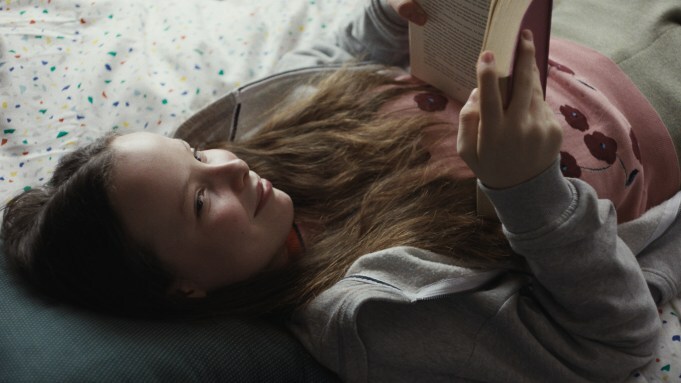
Mothers are supposed to feel an instant, unbreakable bond with their newborn child; or at least, that’s what we’re led to believe. Austrian director, Johanna Moder’s new film, Mother’s Baby, bleakly reminds us that this isn’t always the case.

Forty year old music conductor Julia (Marie Leuenberger) and her loving husband, Georg (Hans Löw), desperately want a baby. When nature doesn’t deliver, they seek the help of Dr Vilfort (Claes Bang), a renowned fertility specialist. In Vilfort’s pristine private clinic, Moder introduces early on an axolotl, a strange looking amphibian that catches Julia’s interest but comes to haunt her (and viewers) later in the film.

With Dr Vilfort’s treatment proving successful, Julia and Georg wait expectantly for the birth of their longed for child. Yet the birth is a difficult one. The baby is whisked away by a medical team as soon as it is born. Moder captures Julia and Georg’s muted shock as they are kept in limbo waiting to meet their baby. When Julia finally gets to hold her baby, she seems underwhelmed, even detached from the child. Julia’s struggle to breastfeed only heightens her disappointment. An overly zealous midwife played by Julia Franz Richter doesn’t help as she pushes Julia to bottle feed instead.

Once home, Julia, long used to being in control in her professional life, continues to struggle to bond with her baby. Usually surrounded by music, the weirdly silent baby she has birthed, starts to unnerve her. Is there something wrong with the child or is Julia paranoid? Hans’ instant bond with their son, who Julia persists in referring to as ‘it’, adds to Julia’s distress.

In one particularly tense moment, Hans returns home from work to be greeted by the sight of Julia engrossed in her music, oblivious to her unfed baby. Julia’s sudden identity shift from world class conductor to stay at home mother has hit her hard. Hans fails to understand, reminding Julia as they argue that ‘It’s what we agreed!’. Is Julia’s lack of maternal connection with her baby a tell-tale sign of postpartum depression or is there something more sinister at play?

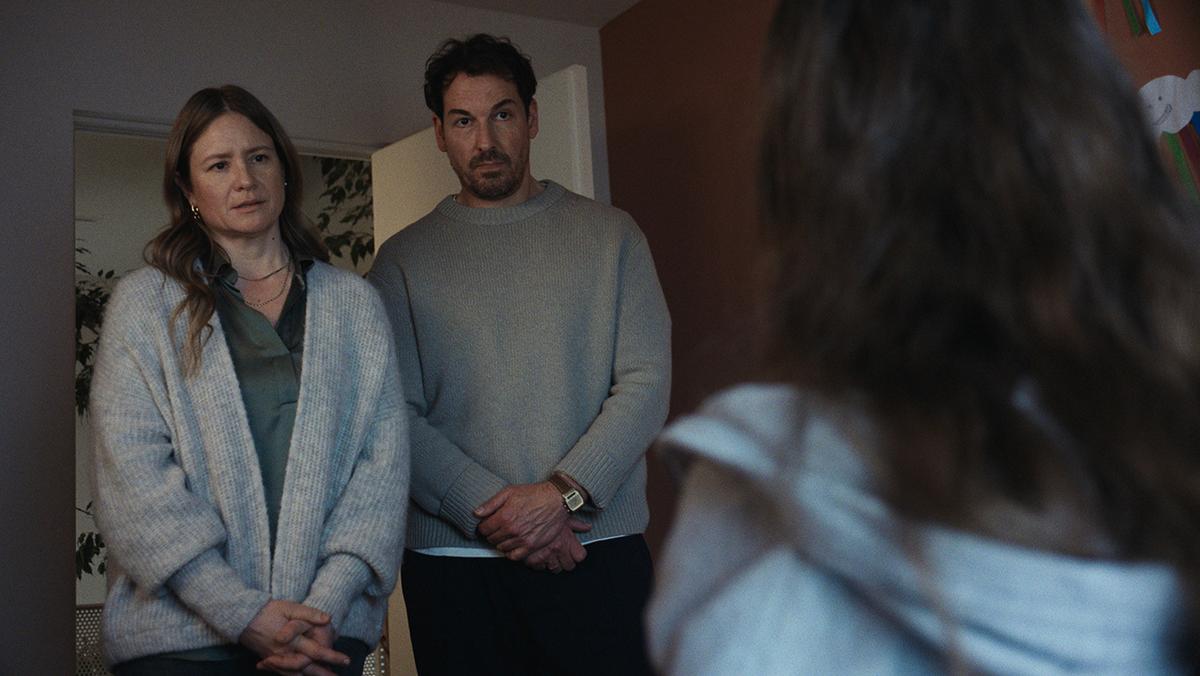
Increasingly frustrated by Julia’s unexpected reaction to new motherhood even the normally placid Georg starts to doubt his wife’s mental stability. Returning to Dr Vilfort, Julia insists there is something wrong with her baby, demanding answers from the preternaturally cool physician. In what smacks of medical misogyny, Vilfort condescendingly suggests Julia is the problem. We cringe as Georg joins cravenly with the doctor in agreeing that Julia needs help.

Moder’s psychologically chilling story of new motherhood achieves its aim of unnerving its viewers so that they feel vicariously the altered reality of the postpartum phase. Billed as a dark comedy, the film is inconsistent in creating humour; nonetheless, Moder is successful in capturing the absurdity of motherhood in a world which continues to unfairly insist on idealising maternity.

To book tickets to Mother’s Baby, or any other film in the German Film Festival, please visit https://germanfilmfestival.com.au/.

Spread the word on your favourite platform!

About The Show – Romeo & Juliet/Macbeth Double Bill

Romeo & Juliet/Macbeth Double Bill

G’day everyone! Today, we’re thrilled to have a yarn with the lead actor from the imaginative Romeo & Juliet/Macbeth Double Bill. These unique 90-minute musical adaptations shed a fresh light on the Bard’s timeless tales. Hang tight as we dive into this creative fusion and hear all about the joys and challenges of bringing such an intriguing performance to life.

About Romeo & Juliet/Macbeth Double Bill

What is this Production about?

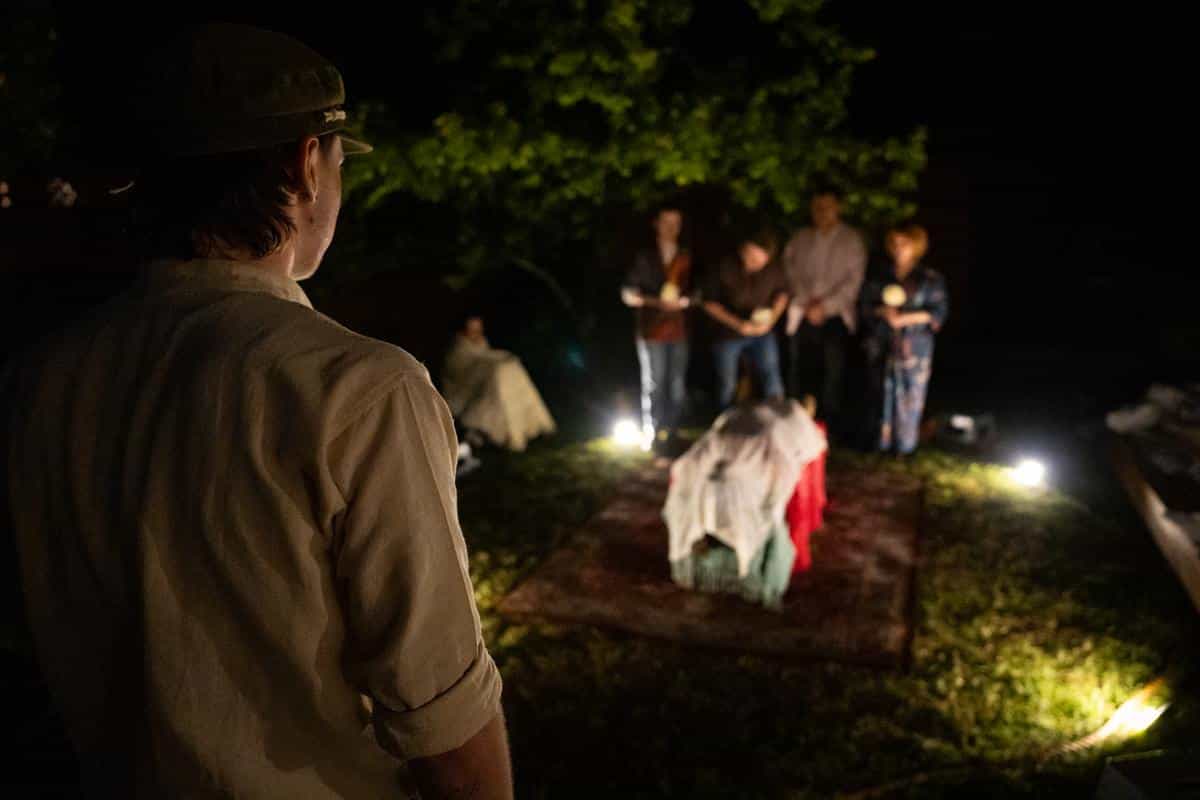
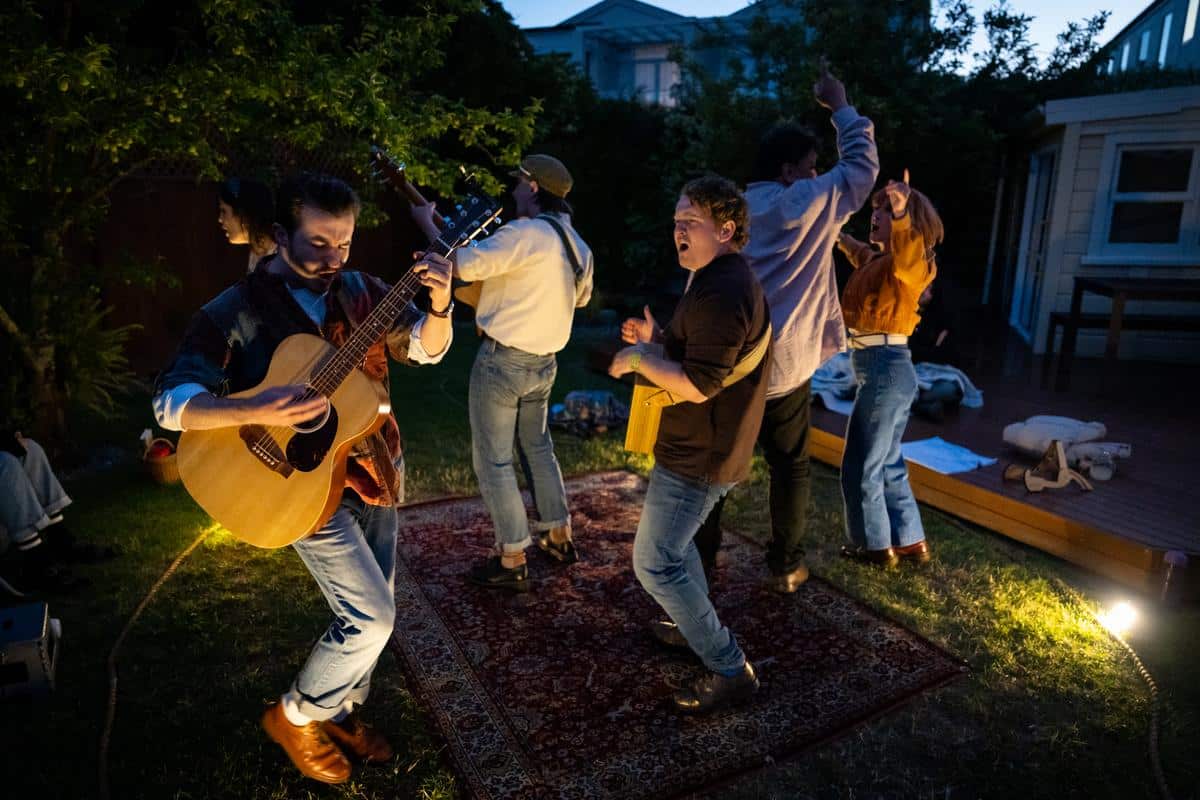
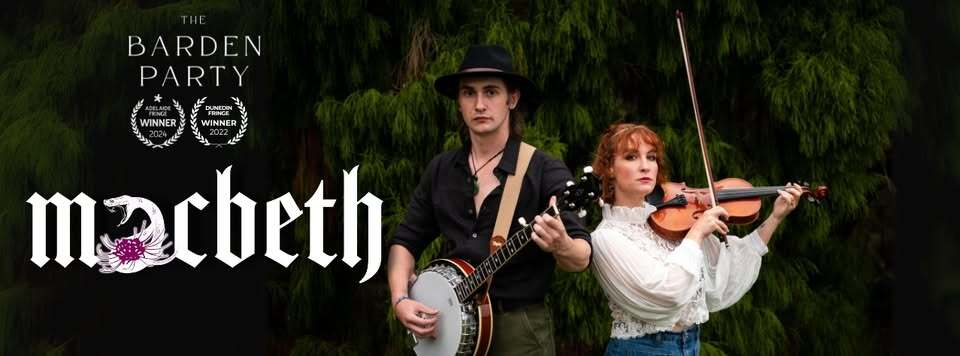
This production is a double bill of 90-minute musical versions of Romeo and Juliet and Macbeth, with Australasian Indie-Folk and Bluegrass/Americana music, respectively. Music, Mischief, and Magic—It’s Shakespeare like you’ve never seen it.

What character are you playing, and what can you share with us about them?

The cast for both shows is the same, so all actors play roles across both shows. In this iteration of these shows, I play Romeo and Lady Macbeth. It’s been a lot of fun revisiting Romeo after a year away from the show, rediscovering all the little intricacies that made that character feel so special to me. Playing a gender-swapped Lady Macbeth was a daunting challenge, but one that has been so rewarding.

What’s challenging about bringing this script to life?

Bringing Shakespeare into a more modern context without losing what makes it such a timeless and special sort of show is always a challenge, especially when you throw musical elements into the mix, but I think we handle the material with just the right amount of revelry and rebellion all at once.

What sort of person is going to love this show?

We like to think that our shows are for everyone, whether you like the bard’s work or not, but it is always a particularly special moment when someone who before coming along would have said they categorically hated Shakespeare tells us after the show that they finally feel like they get why people love his works so much. So I would say, in particular, people who don’t like Shakespeare will love our Shakespeare.

Call someone out by name: who must come see this production?

I want to see any of the Australian musicians whose songs we use come along to the show. It’s been so special to get to connect with some of the Kiwi artists we’ve used music from, and I’d love to get that connection across the ditch as well! So that means I want to see: the band Dragon, the band Jet, The Dreggs, Divinyls, and Kyle Lionheart at the show!

Where can patrons purchase tickets to this production?

The production runs from 27 May – 1 June at Chapel Off Chapel. To book tickets to the Romeo & Juliet/Macbeth Double Bill, please visit https://chapeloffchapel.com.au/show/the-barden-party-shakespeare-double-bill/.

Thank you so much for sharing your insights and excitement for the Romeo & Juliet/Macbeth Double Bill. Wishing you all the best for the upcoming performances – may they be filled with all the music, mischief, and magic that makes Shakespeare unforgettable! Break a leg!

Other production interviews can be viewed in our About The Production Series.

Spread the word on your favourite platform!

An Transcendent Evening Of Theatrical Brilliance

Night Night

Night Night Rating

★★★★★

Click if you liked this article

3

From the moment I was handed an interactive pendant at the door of the Alexander Theatre, it was clear Night Night was no ordinary night at the theatre. What followed was one of the most inventive, heartfelt and boundary-defying performances I’ve ever experienced.  

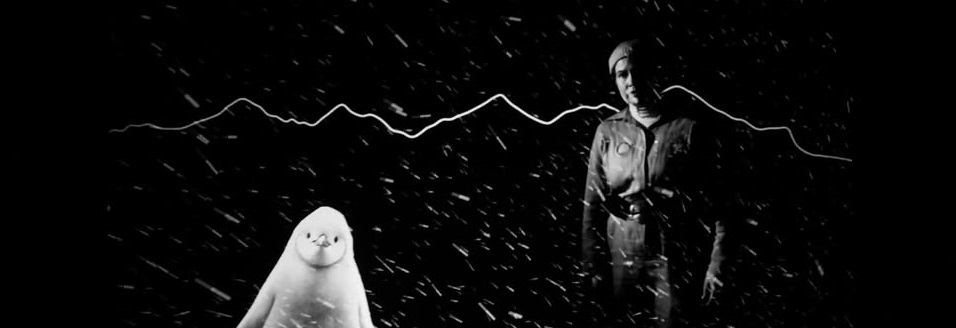
Created and directed by the trio Arielle Gray, Luke Kerridge and Tim Watts, Night Night tells the story of Pip, an Antarctic scientist on a quest to uncover the origins of life. What begins as a familiar voyage into isolation and scientific frustration soon tumbles into a surreal dreamscape with an albino penguin guiding our hero and glowing entities emerging from unseen dimensions. It’s a world built from ice and wonder, where the veil between this world and the beyond feels paper-thin.

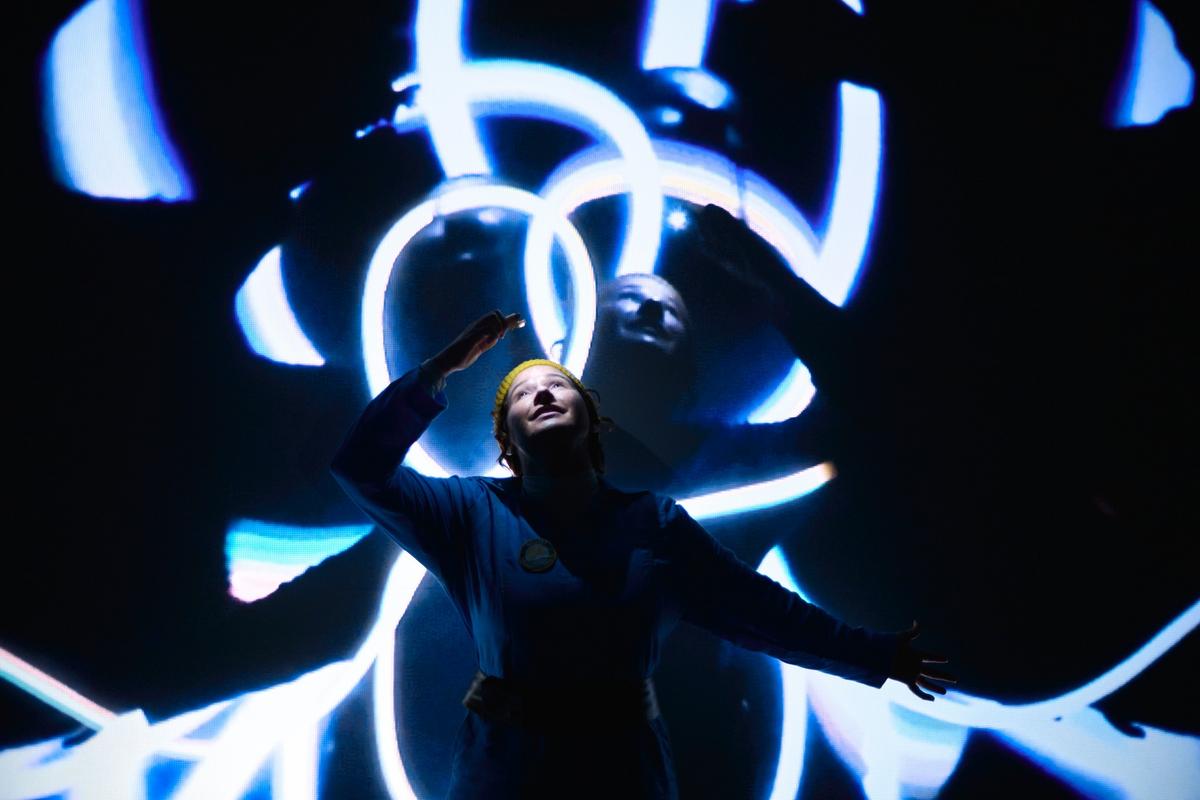
The compelling narrative unfolds not just on stage, but across a variety of mediums. The set is deceptively simple, consisting of a large projector screen and a small movie studio, fully visible, at the side of the stage. Combined, they become a playground of live cinematography, puppetry, mime, and animation. Gray and Watts deliver a masterclass in physical theatre, coaxing moments of poignancy, whimsy and laugh-out-loud humour from every pixel and prop at their disposal. Their onstage rapport and seamless interaction is the glowing heart of the show. Their performances feel at once effortless and deeply considered.

The sensory layering was delightful from the moment we entered the theatre. Live sketches on an iPad become playful preludes to the show, blending content warnings with charm (beware the show’s loud sounds, flashing lights and wimsy). Messages and images appear on the screen, inviting the audience into the world with a light touch before plunging them into deeper waters.

Rachel Claudio’s musical score and sound design deserve particular praise. They don’t just accompany the action, they elevate it, transporting the audience with a soundscape that moves from delicate to dazzling, always in perfect dialogue with the visual storytelling. The audio-visual synthesis is so immersive it’s easy to forget how complex and technical the show must be.

Night Night’s innovation lies in how it wears its complexity lightly. Static and animated visuals are woven with handmade puppets, showing digital magic dancing alongside analogue charm. Every moment feels handcrafted, intentional and lovingly made. The creative team’s meticulous attention to detail is evident in every snowflake, shadow and blink of light.

This is theatre as revelation. An invitation to see the world differently and to feel more deeply, remembering the power of connection to each other, to nature and to something greater. As Pip’s journey becomes more metaphysical, so too does the audience’s, emerging not only entertained, but perhaps even enlightened. 

In short, Night Night is a rare piece of theatre that feels both personal and universal, intimate and epic. It’s a reminder of what live performance can achieve when craft, heart and imagination collide. This is the kind of show that lingers long after the lights go out. Do not miss it.

Night Night will be on tour soon and is coming to Geelong Arts Centre in August and Bondi Pavilion in September. To book tickets to Night Night, please visit https://www.thelastgreathunt.com/night-night.

Spread the word on your favourite platform!

How Much Honesty Is The Best Policy?

What Marielle Knows

What Marielle Knows Rating

★★★★★

Click if you liked this article

What Marielle Knows is a part of Melbourne’s German Film Festival for 2025. It was selected and screened at the Berlinale this year and follows parents Julia and Tobias when they discover that their daughter can see and hear everything they do, whether she is with them or not. The film is advertised as a comedy, however I think it would be better suited to a dark comedy label, dabbling very closely with drama. The film centres on the married couple and how through discovering their daughter’s sudden telepathic abilities, the fragile foundations of their relationship start to crumble and teeter them dangerously close to divorce.

The film tackles a lot in its 86 minute run time, which makes for a really engaging watch. On the surface What Marielle Knows is looking at lying, where the line is, what does honesty mean when compared to truth, and how much of the truth we should share with the people in our lives. Underneath that, it interrogates family dynamics, how each parent has a distinctly different connection with the same child and how this can be manipulated by either parent. It looks at the plain and simple morality of a child and tries to apply those black and white notions to complicated, more mature feelings.

At the bottom of the iceberg, the film is an exploration of the lessons parents teach their kids, commenting on how although they don’t see every action their parents take, there will always be a follow through of emotional consequences. I enjoyed the way the film brought each of these themes up. It felt as though director Frédéric Hambalek thought carefully about each when embedding them into the film’s narrative.

What did divert this understanding for me, was little attention the film paid to Marielle herself. Her parents are the main characters and in many ways Marielle serves as the antagonist, so it was an interesting creative choice to only really examine her reactions through the slow motion, rainbow dyed frames of her that were inserted between moments like title cards. It didn’t do a disservice to the story, as it focused on parental guilt and the pressures of trying to be a good parent and what that even means, but it did make me itch for a version of events told from her eyes, how she’s reacting to some of the more intense moments Julia and Tobias experience.

The greatest highlight of the film to me was the performances. Julia Jentsch, who played Julia, Felix Kramer who portrayed Tobias and Laeni Geiseler who was Marielle, all really brought their characters to life in a way that really allowed me to empathise with all of them. Felix Kramer in particular really shone to me, he conveyed a man on the brink of a nervous breakdown with such careful restraint; the whole film I was waiting to watch the delicate wire he perched his character on snap. Together, the cast had fantastic chemistry, despite their differing physical appearances, they really felt like a believable family unit.

As equally empathetic each character felt to the audience, I thought it was an interesting choice to make Julia’s character into the villain towards the end of the film. The film and Marielle gave Tobias much more grace for his actions, but gave Julia the most work to overcome. I didn’t necessarily resonate with this aspect of the story, considering how much Tobias consistently abused her trust throughout the film, however I do think that beneath this is an interesting discussion of where the line is when it comes to telling the ‘truth’.

For a comedy, this film packs its themes in air tight and gives the viewer plenty to chew on through a unique and original concept.

To book tickets to What Marielle Knows, or any other films in the German Film Festival, please visit https://germanfilmfestival.com.au/.

Spread the word on your favourite platform!

Subscribe to What's The Show

Reviews, show news and what is on, straight to your inbox.