The Wolves

The Wolves

The Wolves Rating

Click if you liked this article

3

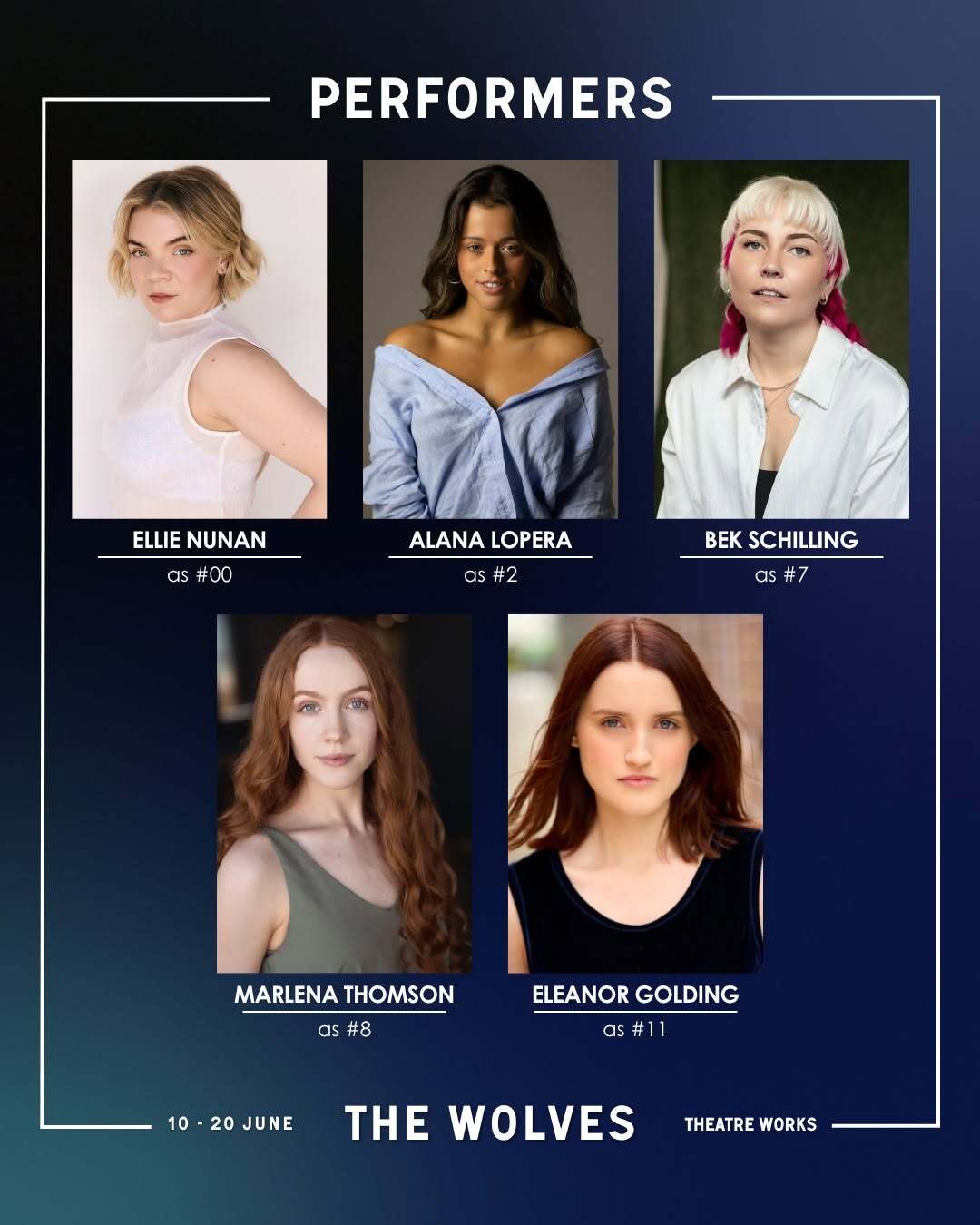
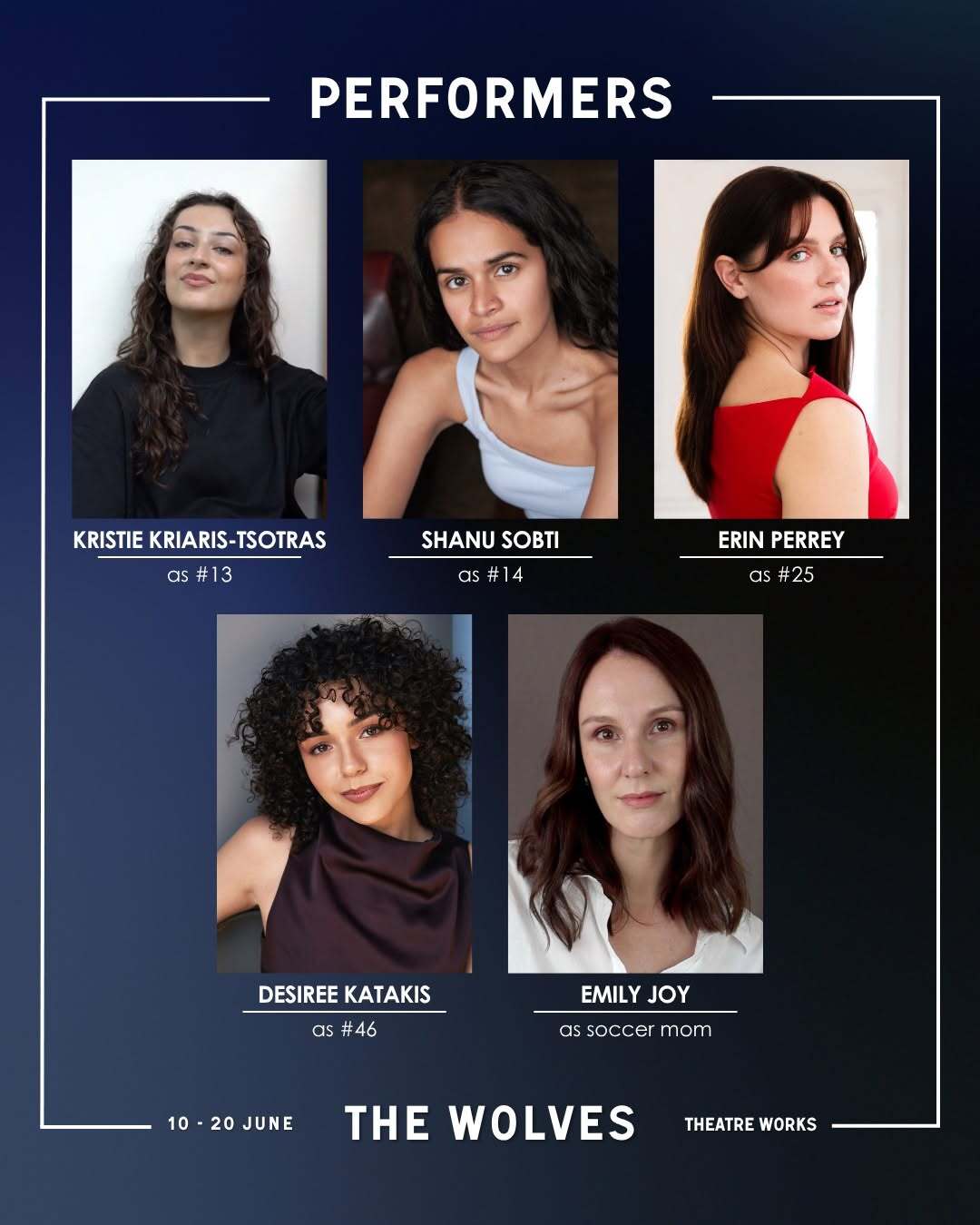
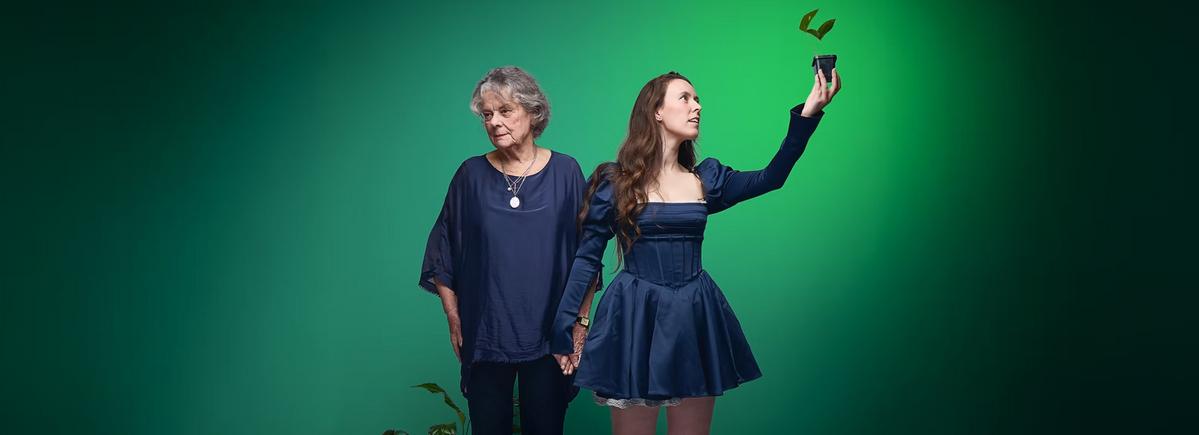
The Wolves began with one of the girls warming up for soccer. As the soccer player #13 (Kristie Kriaris-Tsotras) warmed up, so too did the audience. The Wolves is about a group of girls on an indoor soccer team together, and explores what it’s like to be part of a team, and to be a teenage girl surviving amongst her peers. Written by Sarah Delappe, The Wolves delicately balances the exploration of how young women interact, and what it means to part of something bigger than oneself.

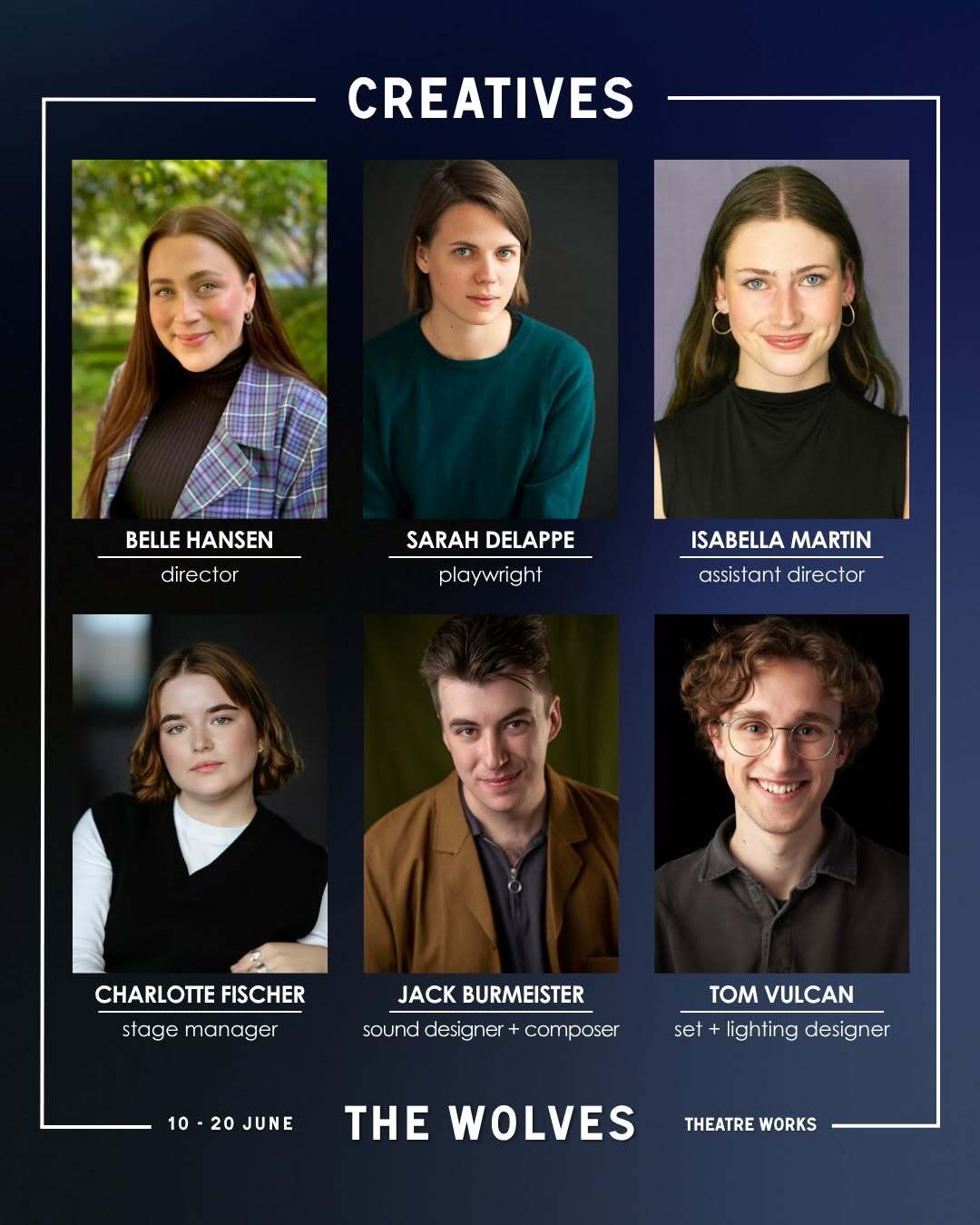
The set was clean and minimalist, with artificial turf across the whole stage, designed by Tom Vulcan. The bright lighting (also designed by Tom Vulcan) neatly established the stage as an indoor soccer field. The stage was well established, unmistakably, as a place for the soccer team to mingle, play, and be The Wolves.

The choreographed introduction on the show was well synced and impressive. The entire ensemble warmed up together, and powerfully set the expectation of how the soccer team worked together and moved as one across the stage. Throughout the show there were moments where the entire ensemble warmed up, and the physicality of the movements adds richly to the identity of the girls in the show. They are there as a group, moving together.


The complex group dynamics were established early into the play. There was consistently overlapping dialogue, that was conducted with an impressive amount of skill. The overlapping dialogue felt authentic to the experience of teenage girls. It meant that the audience always missed a little bit of context or conversation, adding to the feeling of being a teenage girl, never quite knowing what was going on, always slightly disoriented. This also effective built the tension between the characters, as they gossiped and bullied each other.

The different members of the soccer team discuss their lives, politics and hint at the complexity of socioeconomic differences between the team members. These topics of discussion lead naturally to awkwardness, both genuine and manufactured. The tension built and developed as the interpersonal conflict and affection escalated amongst the teammates. The ensemble cast expertly weave the complex relationships of the different team members, exhibiting impressive and excellent chemistry.

Ultimately The Wolves asked the audience to ponder if we should care about what others say about us, or what it means to be a team. When I leave a show asking myself questions, I know I’ve been thoughtfully and meaningfully engaged.

To book tickets to The Wolves, please visit https://www.theatreworks.org.au/2026/the-wolves.

Spread the word on your favourite platform!

Bernie Dieter’s Club Kabarett

Bernie Dieter’s Club Kabarett

Bernie Dieter’s Club Kabarett Rating

Click if you liked this article

Bernie Dieter returned to Melbourne with a troupe of talented and sexy performers in Club Kabarett. Housed by the Meat Market, Bernie created a bold environment in a beautiful space. Club Kabarett was atmospheric, with audience members dressed up like it was East Berlin in the early 30’s. The band began playing while the audience found their seats, creating a rowdy and excitable environment. The performers welcomed audience members to the cabaret with some preshow shenanigans.

Bernie and her whole team were dressed in interesting and beautiful costumes. The costumes both made a political statement and peaked my curiosity. Often the performers were scantily clad, or in the case of the drag queen, completely nude except for Chanel. The costumes teased the audience as much as the performances themselves, becoming progressively more risqué.


Bernie was bold and brave when she spoke to the audience. She emphasised that Club Kabarett was a place for the sexually free and open to let our freak flag fly. Bernie utilised the unique large space to create a wonderfully intimate moments engaging directly with audience members. Bernie’s punk attitude and punk music suited the distinctly alternative nature of the cabaret. Bernie hoped to create a space where we could all “let go and get intimate,” and she was successful in that endeavour! Bernie encouraged and asked the audience to touch her, in an attempted to break down barriers.

Bernie’s talented team of alternative performers included a scantily clad pole dancer, a fabulous drag queen, a trapeze artist and many more. Bernie sang with her live band while the different artists performed spectacles. The pole dancer had the audience engrossed by her wild athleticism and flexibility. The tap dancer embodied punk, breaking down expectations of the art form, as he continued to tap with a cigarette in his mouth and an oversized fur coat over his shoulders. The contortionist was impressive to watch. Her muscle and strength control was spectacular. The entire ensemble was serving sexy circus realness.

Bernie Dieter’s Club Kabarett awoke things in me, and made me proud of Bernie. Bernie was unapologetic in her opinions and her radical acceptance of others. Her choice to be so open about her beliefs created a safe and inviting space for the audience to enjoy the remarkable performances she had curated. The live band provided a soundtrack to every performer and act apart of the cabaret, and made sure the atmosphere remained engaging and interesting.

To book tickets to Bernie Dieter’s Club Kabarett, please visit https://meatmarket.org.au/event/club-kabarett/.

Spread the word on your favourite platform!

Sorry I Hurt Your Son (Said My Ex to My Mum)

James Barr: I’m Sorry I Hurt Your Son (Said My Ex To My Mum)

James Barr: I’m Sorry I Hurt Your Son (Said My Ex To My Mum) Rating

Click if you liked this article

Sorry I Hurt Your Son (Said My Ex to My Mum) is a vulnerable piece of stand up comedy about trauma and domestic violence. In his comedy hour, James Barr explained how he had to kiss many, many, many frogs, before he found his boyfriend. Through his honesty and openness, James creates a rapport with his audience. Throughout the show James shares a spectrum of intimate moments, from deeply joyful occasions, to moments that echo with shame and anger.

James notes early on in his set that Colleen, his mum, asked if he was sure he was gay when he first came out to her. This was after she made sure no neighbours could hear their conversation. James returns to the opinions and quirks of Colleen periodically throughout the show. In particular, Colleen’s thoughts and reflections on James’ partner continuously resurfaces. James explains, Colleen liked his boyfriend.


James sweetly described how he met his boyfriend, and vulnerably shares the start of their love story. He laughs at the heteronormativity of being in a committed long-term relationship. James then somberly notes that 1 in 3 queer people experience domestic violence. He asks the audience “How do you tell off a violent person for being violent?” Very quickly James pulls the audience in, creating tension as he describes a more dangerous version of his boyfriend. James builds and breaks the tension with honesty and vulnerability.

James continues the show, sharing how shame and anger dominated his relationship, and slowly took control of his life. James stated that he couldn’t recall the first time his boyfriend hit him, but he remembered the first time his boyfriend attacked the dog. James confessed, “I told myself I deserved it. A dog doesn’t deserve it.” The complexities of abuse are difficult to pinpoint, but James highlights how little moments broke him down, until his sense of self was erased.

James finishes his set with an explanation of why he wrote this show. Why he shared this experience, opened himself up and become so vulnerable to a faceless audience. This show requires a profound sense of bravery, and James was inspired by a nurse he met who left an abusive partner. Hearing her talk about leaving, James understood what he hadn’t until that point. That sharing stories of abuse, highlighting the bravery of the people who leave, can inspire others to do the same. James noted that it was easy to stay with his boyfriend, but it was the story from the nurse that gave him the bravery to leave.

To book tickets to James Barr: I’m Sorry I Hurt Your Son (Said My Ex To My Mum), please visit https://adelaidefringe.com.au/fringetix/james-barr-sorry-i-hurt-your-son-said-my-ex-to-my-mum-af2026.

Spread the word on your favourite platform!

I Thought You Said

I Thought You Said

I Thought You Said Rating

Click if you liked this article

1

I THOUGHT YOU SAID is a dark, passionate, and fast-paced show. It follows Frankie (Finn Corr) and Sam (Ally Taueki-Gatt) across a single evening of late night shift work. An experience I am deeply familiar with, late night shift work is often filled with empty space and time, providing ample opportunity for strange, emotional, and difficult conversations to occur. Corr and Taueki-Gatt immediately establish a taut and cordial connection that is pulled and stretched as the audience follows them throughout their evening. Bronte Lemaire’s direction and writing allows for humour to pepper tense moments of the show, and stretches the expectations the audience has of the characters.

The show begins with Frankie arriving at the store for their shift, both Frankie and Sam are in their own worlds, listening to their own music. Frankie and Sam discuss how we take in information, how do we process bad news and fear mongering? Frankie and Sam have different approaches to processing and dealing with a world that is slowly breaking down. The world that Fankie and Sam live in is plagued with dangerous falling stars, as a result of big business mining star cores.

Throughout the show there are several interludes and moments of chaos that represent the progressive danger of the falling stars. This fictional crisis is mirrored in the wars and conflict we see in our world today. After each interlude Sam and Frankie alternate and monologue directly to the audience. Frankie’s first monologue felt poignant, as they delved into the issue of performative posting on social media, and addressing that change can’t occur if you’re only shouting into an echo chamber. Frankie made me think, if we only have a limited time on this earth, wouldn’t we want to live as comfortably as possible? And if it has a negative impact on the world, how much impact can we as individuals have? What is the price of comfort?


Lemaire’s beautifully written show provided moments of levity among serious conversations. Sam and Frankie continue their evening, discussing the hypocrisy and environmental impact of large companies such as their employer. They argue about what people will sacrifice to remain good. Ultimately Sam feels that people are generally shallow, stating “it’s not a protest, it’s a parade,” that without sacrificing safety or causing real violent damage, any sort of activism falls short of effectiveness. I found myself disagreeing with Sam, and sympathising with Frankie. Both Sam and Frankie are passionate throughout the show, they both care, but they struggle to agree on how passion and care should manifest.

The dynamic relationship between the characters, matched by frantic lighting (designed by Allira Smith) created a powerful and lasting impression. I found myself questioning my own beliefs, and reconsidering how I engage with topics that I am passionate about. It’s clear that this production was created with love and care, that the creative team are thoughtful and want the audience to consider what meaningful action and engagement with the world looks like. I felt impassioned and empowered to take action, and its a testament to the power of theatre, and the power of this show.

To book tickets to I Thought You Said, please visit https://www.theatreworks.org.au/2026/i-thought-you-said.

Photographer: Mia Sugiyanto

Spread the word on your favourite platform!