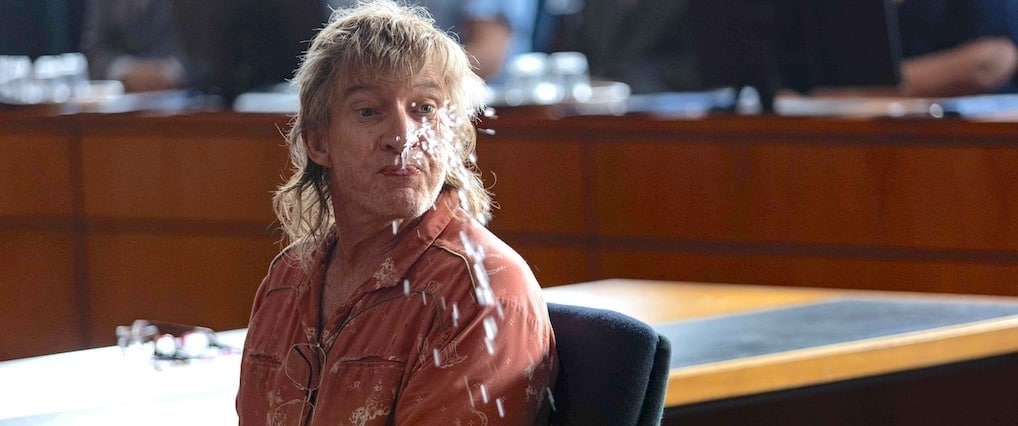
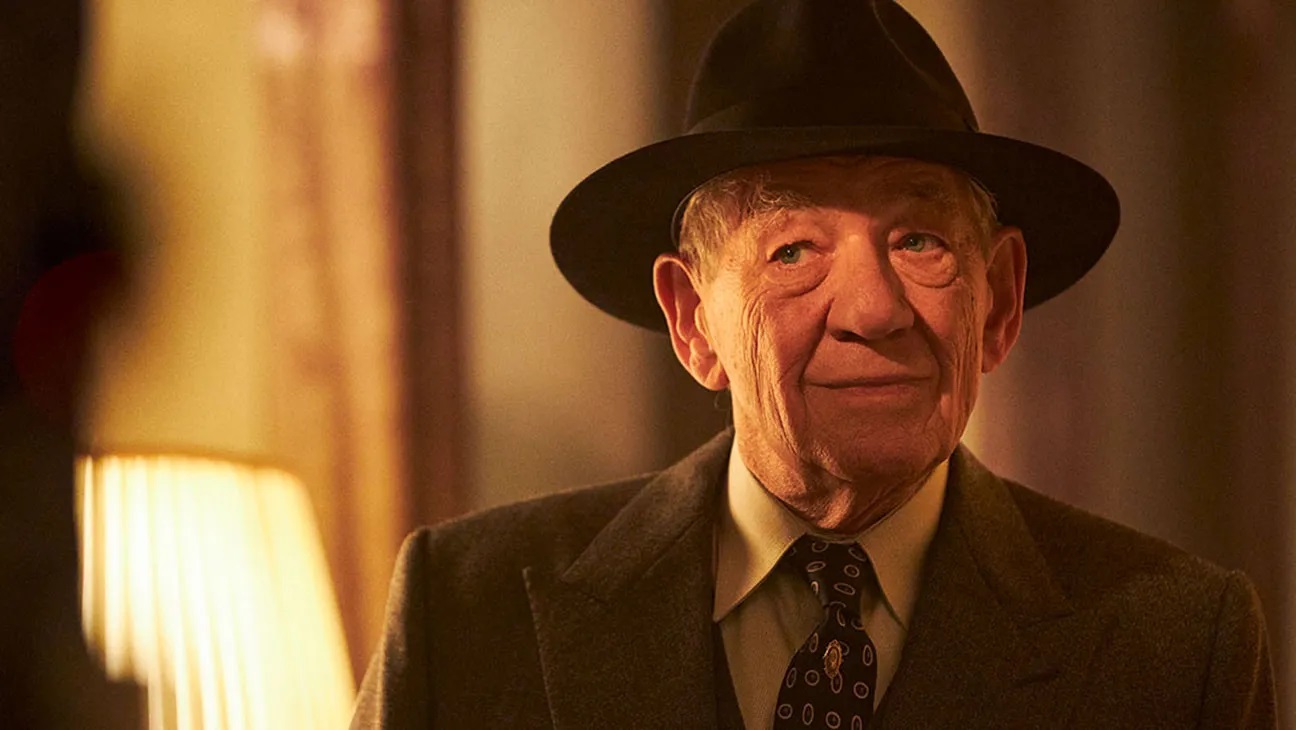
What a night of spectacle the global premiere of Numbered Lives turned out to be. Wrapped in black-tie elegance at Melbourne’s Crown (though with more flesh on show than the red-light district in Amsterdam), the red-carpet arrivals glittered in sequins, the free bar flowed, and the buzz of Hollywood-style glamour filled the air. By the time we settled into our gold-class seats – icecreams in hand and popcorn at the ready – anticipation for the indie thriller, written/directed by J G Clarke, produced by David Lightfoot and starring none other than Jeremy Piven of much awarded TV series ‘Entourage’ fame – was palpable.
On paper, the premise is intriguing (if not wholly original): a shadowy medical conglomerate snatches society’s most vulnerable – street kids and prison inmates – people “no one will miss” – to become unwilling test subjects in sinister drug trials undertaken at the ‘Institute’. Viewed through the eyes of Noah, a first-time inmate who awakens in the facility, the film confronts us with uncomfortable questions about what society is willing to sacrifice “for the many” and how far we’ll go to save those we love (or line our pockets).


Visually, Numbered Lives is powerful. Filmed entirely on location in South Australia, it draws on the brooding presence of places like the Old Adelaide Gaol and the notorious Ward Z of Glenside Asylum for the criminally insane, to cultivate an almost tangible sense of dread. Darkly stylised cinematography bathes every frame in chiselled shadows and icy light, while the sound design – equal parts suspenseful score and unsettling ambience – keeps nerves taut in a near-noir horror style groove. Even the American accents land with surprising authenticity, underscoring the film’s polished production values.
Yet for all its style, the film’s emotional heartbeat sometimes falters. The characters skirt cliché, their moral dilemmas glossed over when they deserved deeper exploration. Dialogue feels stilted – at times veering into the unintentionally comedic – and the pacing jumps around, leaving moments that should land with impact feeling undercooked or overblown.
Having said all that, it’s worth celebrating that an Australian indie film – written and directed by a first timer no less – has secured global distribution, racked up 32 festival awards (including Best Thriller, Best Director, and Best Lead Actor), and proved there’s an appetite for bold, homegrown storytelling. It’s also worth remembering that not every director knocks it out of the park with their first film, (who here remembers Spielberg’s first film before Jaws?), so Numbered Lives deserves credit for its ambition and grit and there is real recognition here of the numerous achievements that allowed this film to exist in the first place.
Whilst not my personal cup of tea, I still think that this film is worth a view if only to support future Australian filmmakers and to continue to fund our independent film making.