Ethnically Ambiguous

Ethnically Ambiguous

Ethnically Ambiguous Rating

Click if you liked this article

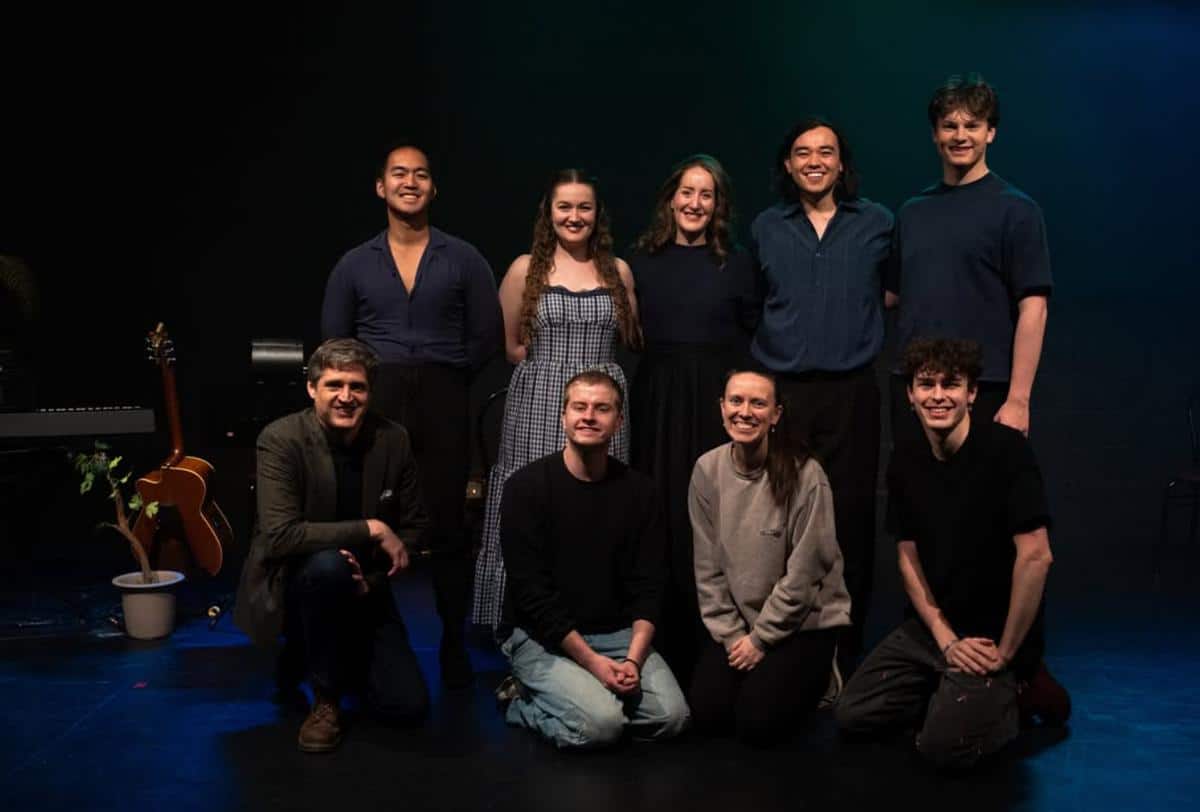
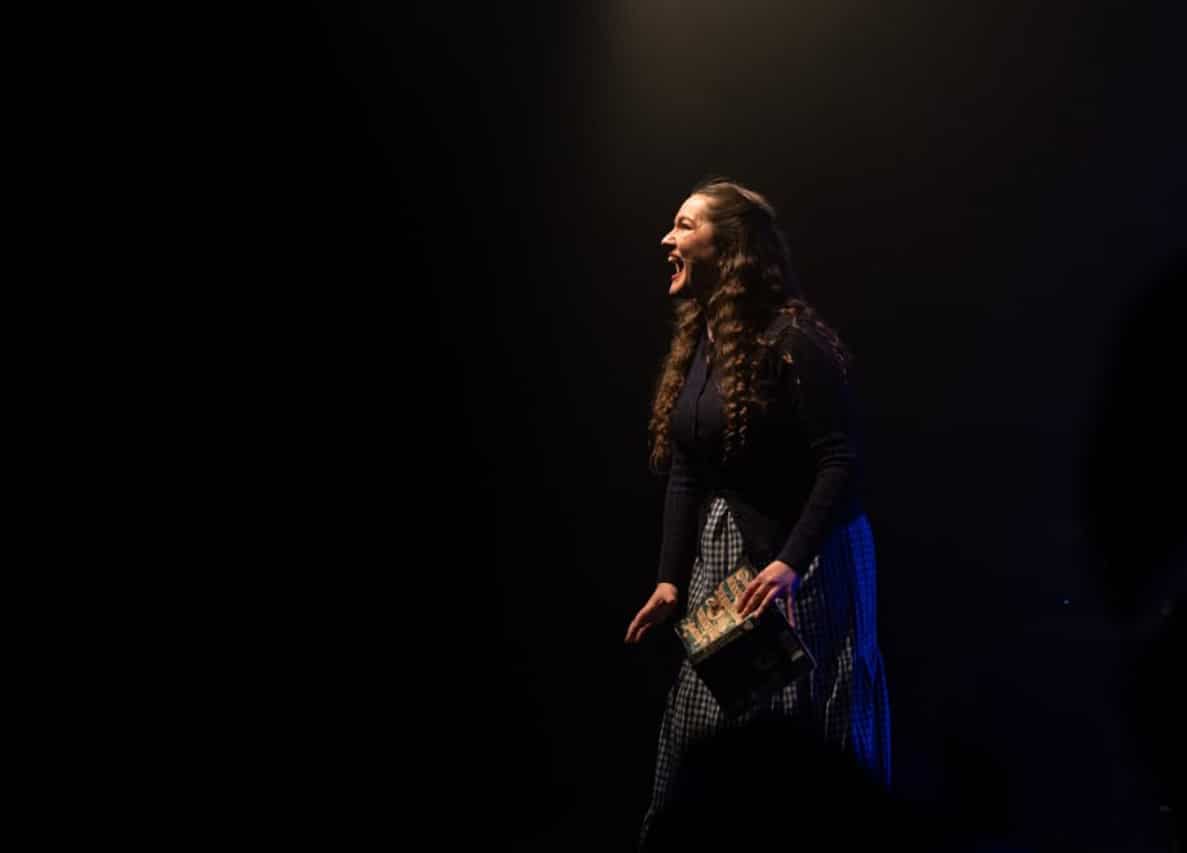
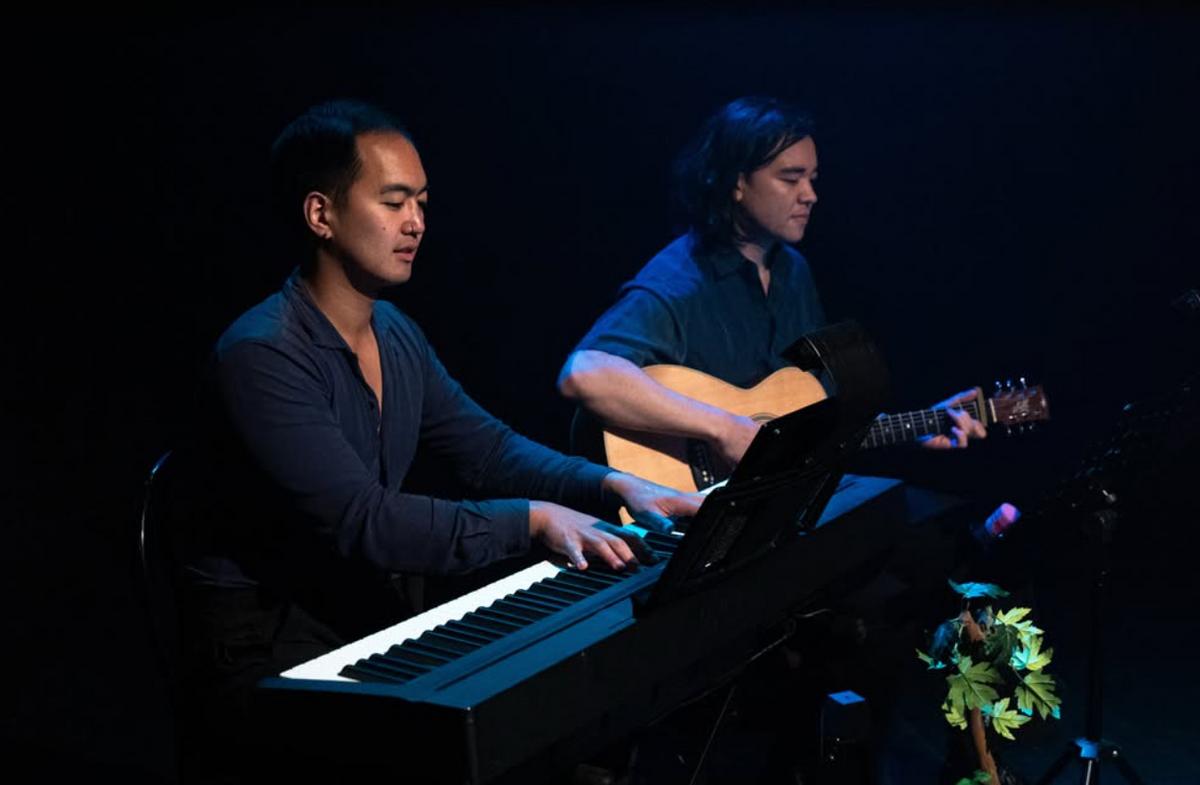
Ethnically Ambiguous is a silly and heartfelt comedy that explores three actors disappointing experiences as culturally diverse individuals in a shallow industry. Max Nunes-Cesar, Jo Malta and Zac Rose created and performed Ethnically Ambiguous as an exploration and presentation of their upsetting experiences as actors. This show contained a skit like format, moving between storytelling, faux game shows, musical numbers, and heartfelt monologues. This show also broke the fourth wall in frequently funny ways.

Ethnically Ambiguous contained a plethora of clever self-referential jokes and audience participation. The most powerful audience participation is the game of ‘guess the ethnicity’ with a wheel of origin as a practical gag. This worked well in combination with the actors and creators, it had an immediate and powerful impact on the audience. This skit was a clear and powerful moment of the actors creating tension, and using themselves and their experiences to cut the tension and connect with the audience.

The actors felt authentic, which makes sense given their roles as creators of the show, sharing their own experiences of the world. In particular, Zac Rose stood out as a powerful story teller, conveying his experiences and personal narrative in a touching and meaningful way. Rose was able to explore his ongoing feelings of shame and guilt, accepting that his ancestors were discriminated against because of the colour of their skin, and acknowledging that he carries the trauma of those experience, with the understanding that no one can see it, and he doesn’t experience it himself (due to his white passing presentation). Rose is told by his friends that “you choose what defines you,” as he decides to reclaim his sense of self, and falls into a space of acceptance.


The show’s theme of disconnection of perception and sense of self was well established and maintained. However, the show at times lacked direction and focus, with skits between the characters stagnating the pacing of the show. There were moments of the show that felt non-sensical. A sharp and clear perspective was missing at times, which meant the impetus of the show fell flat. As a result, the long-lasting impact of the show might not be as clear as the creators intended.

Acting is a visual and audible job, how you look and sound impacts how you are perceived, and although Nunes-Cesar, Malta and Rose don’t state it, to me it felt that it important to recognise and accept that there are things you cannot change, like the colour of your skin. This show reminded me that one’s sense of self, confidence, and acceptance of self should be tied to who you are, rather than the success you find in your career.

Ultimately, I came out of this show with the knowledge that pursuing a career in acting is risky, idealistic and irrational, and I’m glad Nunes-Cesar, Malta, and Rose are doing it.

To book tickets to Ethnically Ambiguous, please visit https://www.melbournefringe.com.au/whats-on/events/ethnically-ambiguous.

Spread the word on your favourite platform!

Horse Girls

Horse Girls

Horse Girls Rating

Click if you liked this article

5

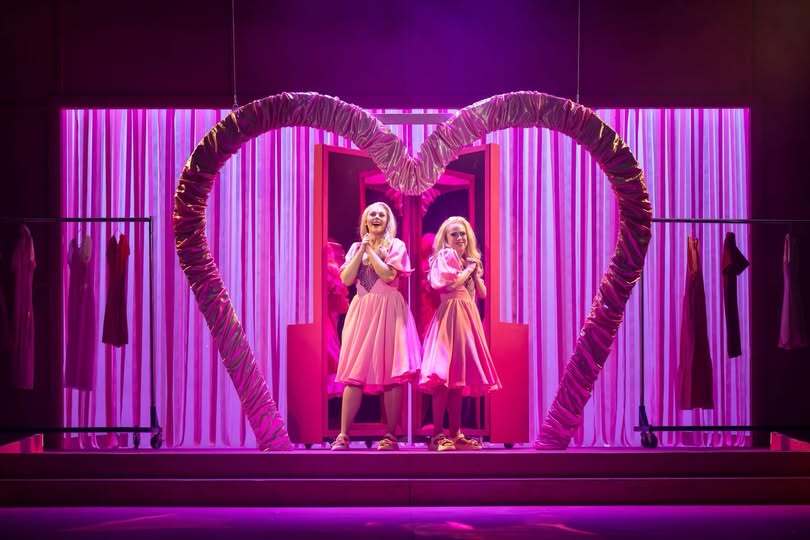
Horse Girls follows a group of tweens who make up the passionate and prestigious Lady Jean Ladies, a dedicated group to all things horses. Lead by the aggressive alpha dog (or horse) Ashleigh (played by Tamzen Hayes) this club, bursting with different personalities, holds their regular weekly meeting that quickly descends in chaotic madness.

Horse girls is a dramatic and fast paced dark comedy, with sharp writing (by Jenny Rachel Weiner) and brilliantly choreographed and directed physical humour (direction by Eugenie Muggleton). This show is camp and silly, a perfect morsel of female adolescences wrapped in a violent twist. The audience is introduced to the club by Camille (Candice Leask), the promiscuous caricature of the group, through the eyes of her newcomer cousin Trish (Mish Keating). Camille quickly explains each girls’ role in the club to Trish, acting as a character guide for the audience.

The Lady Jean Ladies are stupid as only teen girls can be, leading to hilarity and at times surprising depth and gravitas. It was an interesting experience watching young ladies be so naïve and silly, but in that naivety, they were able to express genuine and universal feelings of grief and loneliness. Weiner was able to capture a glimpse of what we all experience through the outrageously loud camp concepts of this show.


The chemistry and social hierarchy within this ensemble is perfectly balanced. The balance of the relationships allows for on point comedic timing and delivery, cementing the cringe core status of this show. This peaks during the horse song, which, oh wow, contained choreography that teenage me would be so jealous and proud of. The performance in its entirety was acutely accurate and hilarious.

In an attempt to calm the group, the girls try to reach Anne Romney for advice. After the show I conducted my own search on google, it was confirmed that this is the wife of Massachusetts Governor Mitt Romney, and a big equestrian enthusiast. The girls were unsuccessful in contacting Anne, and as a result their connections with each other proceeded to quickly break down into violent discourse. The teetering balance of power ruptured, causing chasms in the group.

Horse Girls embodied the savage way teen girls love and hate. The Lady Jean Ladies Club reflected the passion of my adolescence, with a smattering more drama and violence. This show got audiences continuously laughing for the first 80% of the show, and mouths agape for the final 20%. The passion of the cast was genuine and infectious, I feel like I now need to be careful how I approach any horse enthusiasts.

To book tickets to Horse Girls, please visit https://www.theatreworks.org.au/2025/horse-girls.

Spread the word on your favourite platform!

How Classical Music Can Feel Modern And Accessible

Elevator Music

Elevator Music Rating

Click if you liked this article

The Omega Ensemble’s Elevator Music, consisted of Anna Clyne’s Stride, Gaeme Koehne’s Dances on the Edge of Time and Aaron Copland’s Clarient Concerto. The concert was deliciously familiar and heart-warming. In particular Koehne’s work sampled familiar melodies, acting as a postmodern classical music DJ of sorts. The lively and energetic ensemble wove both old and new classical music, bringing to life a new and harmonic story through sound. The music was postmodernist and playful, referencing and recycling beloved melodies. The clarinet soloists (Michael Collins and David Rowden) pression and control, particularly their purity of tone in the upper registers, exhibited a mastery of the clarinets transition between registers.

The first piece began with, what seemed to me, crisp personality and warmth, benefitting from the expressive first violin, Véronque Serret. The music continued ominously and atmospherically, effectively building tension and my anxiety (as I assume the composer intended). The piece felt like story telling through sound, a fearsome loathsome tale that swiftly transitioned from hopeful to fearful. The tone was clearly conveyed in a way that listeners unfamiliar with classical music could feel and understand.


Dances on the Edge of Time introduced the two clarinet soloists, Michael Collins and David Rowden (also the artistic director). The clarinets ushered in a warmth and airy lightness. This was mirrored in the addition of the piano (Vatche Jambazian). In this piece the two clarinets blended deliciously with a foundation of sound built by the orchestra. All the musicians were playing and toying not just with sound, but volume too, which drew out swirling emotions from the audience. Koehne’s work continued to be heart warmingly nostalgic, as intended, the program noted that Koehne prefers warmth, clarity and lyricism over “the cliched angst and ponderousness of so much ‘respectable’ new music.” I tend to agree, and found the soulful, thoughtful and playful music, particularly the call and response from the clarinet soloists, to be moving and enjoyable. Koehnes orchestration is at times reminiscent of ravel’s colouristic effects

The Clarinet Concerto began slowly and gently, guided by the harmonic direction of Michael Collins. The piece was played as hopeful and dreamy, and produced feelings of wistfulness within me. I was brought along a journey that the artists wanted the audience to follow, it was twisting path of beauty and cool breezes. This piece continued, picking up speed and energy, with an ominous shift in orchestration and accompaniment. The clarinet soloists, however, continued with a light and energetic harmony, containing more call and response weaving in well-known classical melodies to the modern music. The piece continued with the whimsy highlighted by the double bases (Adrian Whitehall and Jacques Emery), powerfully building and breaking the tension of the music.

The concert ended with a surprise encore and world premiere of a reworked (for two clarinet soloists) piece called Ornamental Air. The encore began with a sense of urgency from entire orchestra. This piece continued with the playfulness of the previous works. The clarinets were delicately and deliberately light and harmonious. It was a delightful end to a lovely evening of music that moved me, and took me along a journey through my mind.

To book tickets to Elevator Music, please visit https://www.melbournerecital.com.au/whats-on/current-productions/omega-ensemble-elevator-music.

Photographer: Eloise Coomber

Spread the word on your favourite platform!

How Education Can Change It All

Educating Rita

Educating Rita Rating

Click if you liked this article

2

Educating Rita is an interesting and thoughtful but slow-moving show. Consisting solely of conversations in a single room, on a single topic of education. This show follows Rita, a 27-year-old hair dresser in Liverpool beginning university, and engaging 1:1 with her professor, Dr Frank Bryant, in his office. Rita and Frank debate and discuss education, class, and alcoholism. Educating Rita’s strong script consistently obtains laughs from the audience, a credit to the comedic timing of the actors and the keen direction of Sharon Maine. This show was engaging and pulled in the audience through the powerful relationship it builds between its protagonists. The morally split and endearing characters create space for the audience to ask themselves the value of education, and its impact on social class.

This production boasts an interesting and authentic set, with piles of books that weaved in and out of the story. The characters moved about the office comfortably aided by simple and appropriate lighting. Rita and Frank sport funky costumes, exhibiting era and class appropriate wardrobes that support the audience’s immersion into Rita and Frank’s world. All the components of the show worked well together to bring Frank’s office to life.


This is clearly a show that wants its audience to question education and its value, as opposed to or in direct conflict of social capital and value. Rita and Frank toy with the educational imbalance and social inequality between them, creating and building tension in their relationship. Appropriately, or sadly (for me), the show contains some literary references that went over my head, but likely more educated people will understand. Perhaps that was a purposeful design, for the characters to highlight their educational and social superiority. Either way, the literary references enhanced the experience of the show, bringing literature to the forefront of Rita and Frank’s discussions.

At different points of the show Rita struggles with writing papers, alluding to the challenges of womanhood. Rita struggles to balance her work, domestic duties, and school. In her dissolution of society Rita notices neighbours becoming numb and looking for purpose, Frank and Rita’s conversation turns towards the awe and wonderment of life, traversing trivial struggles and mounting monumental issues we all face in life. Rita notes that there is ‘not enough time to find myself,’ alluding to the feminist struggle and desire to take on the world. Rita faces the struggle of conforming to society and giving in to peer pressure, or pushing against social expectation to achieve academically.

This play determines how education changes us, or not. It maintains a quiet sense of humour throughout, allowing the impact of heavy themes to wash over the audience amongst light hearted quips between Rita and Frank. The divergence of ideas and values pulls the characters apart, the central relationship splintering over time.

To book tickets to Educating Rita, please visit https://thebasintheatre.au/event/season-4-2025/2025-08-07/.

Photographer: Jason Triggs

Spread the word on your favourite platform!