Upon walking into the majestic heritage building of the Trades Hall, it feels like I am being whirled back in time, to a centuries-old educational institution. Much like a long-standing university, with soaring arches, intricate, ornate wall stencils, and wide, uneven stairs. Where I already sense the joy and delight of education within its walls, housing steeply-tiered lecture theatres, seminar rooms, and instructional spaces.
Similar to Hogwarts in the Harry Potter films, I am led up to a casual, black box 70-seat lecture theatre called ‘The Quilt Room’, not knowing quite what to expect. Set up like a classroom talk, a primarily young audience mill on in. DJ music plays overhead, and a large projection screen frames the back of the stage, with the show’s moniker, ‘Before We Begin’. This is then followed by a paragraph – explaining that there will be a photographer present, and as such, we are giving consent as to whether we are comfortable with this. If we are not, we can voice this to the team after the show.
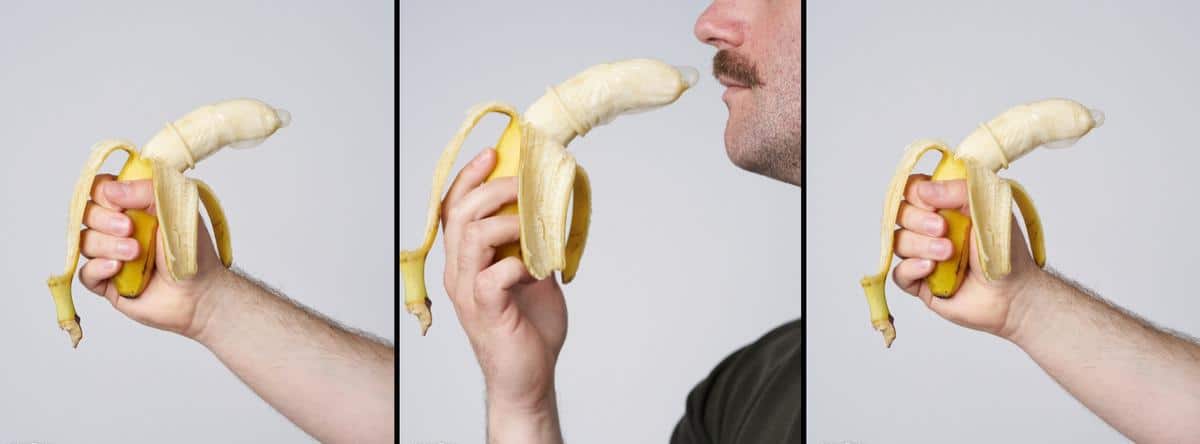
Immediately, I sense this is no ordinary show. Judging from the excitement from the audience, and a preview of a poster of a banana encased in the throws of a condom, this is no ordinary lecture either.
For this is pure interactive entertainment on a modern scale not seen yet in conventional theatres or institutions. Is it a confessional show about life experiences? Partly. Is it a show about ‘consent’ in an intimate setting? Definitely. Is it a step-by-step guide for the the world of queer online dating? Most certainly.
For in this show, we are invited by a deeply-charming host, New Zealand-born theatre-maker and master coach Hamish Annan, who turns the idea of consent on-it’s-head. He pushes the boundaries to create an interactive see-saw of participation between him and a live audience of liberal-minded individuals. In particular, on how to embody the idea of consent and sexual awareness in a sometimes, deeply-complicated, queer online dating world.
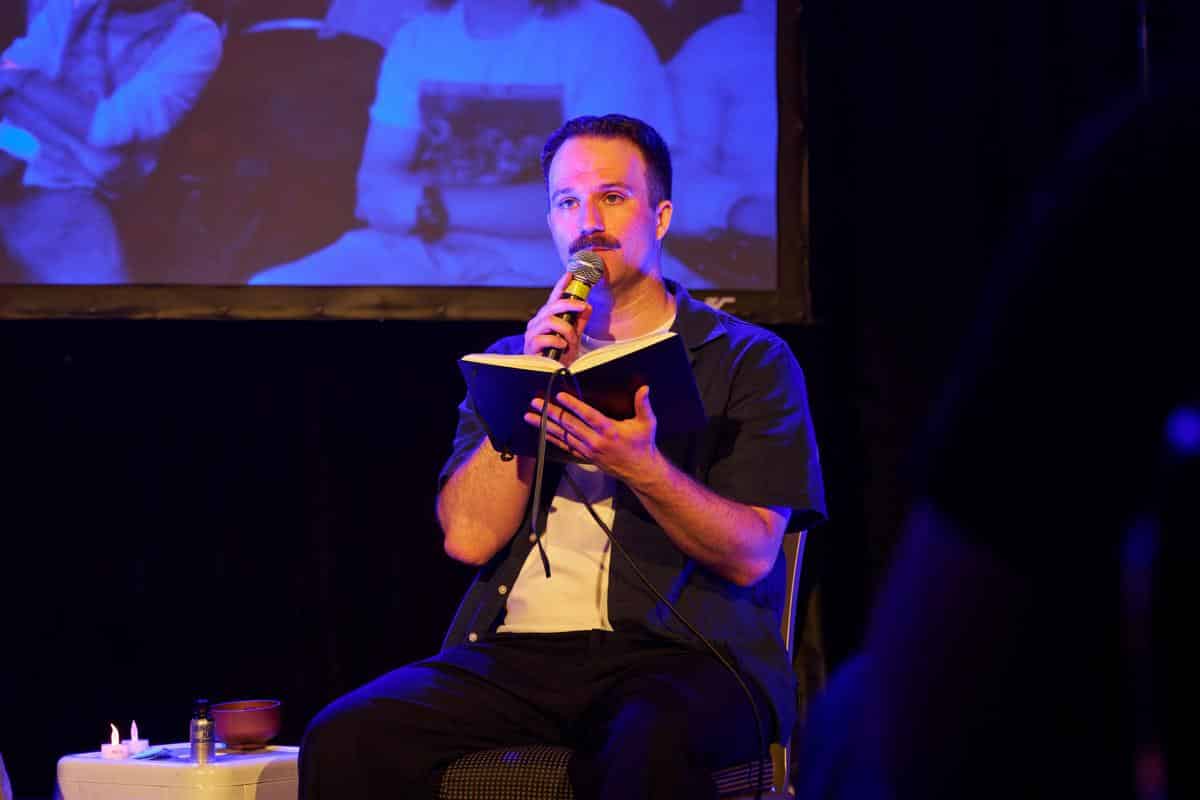
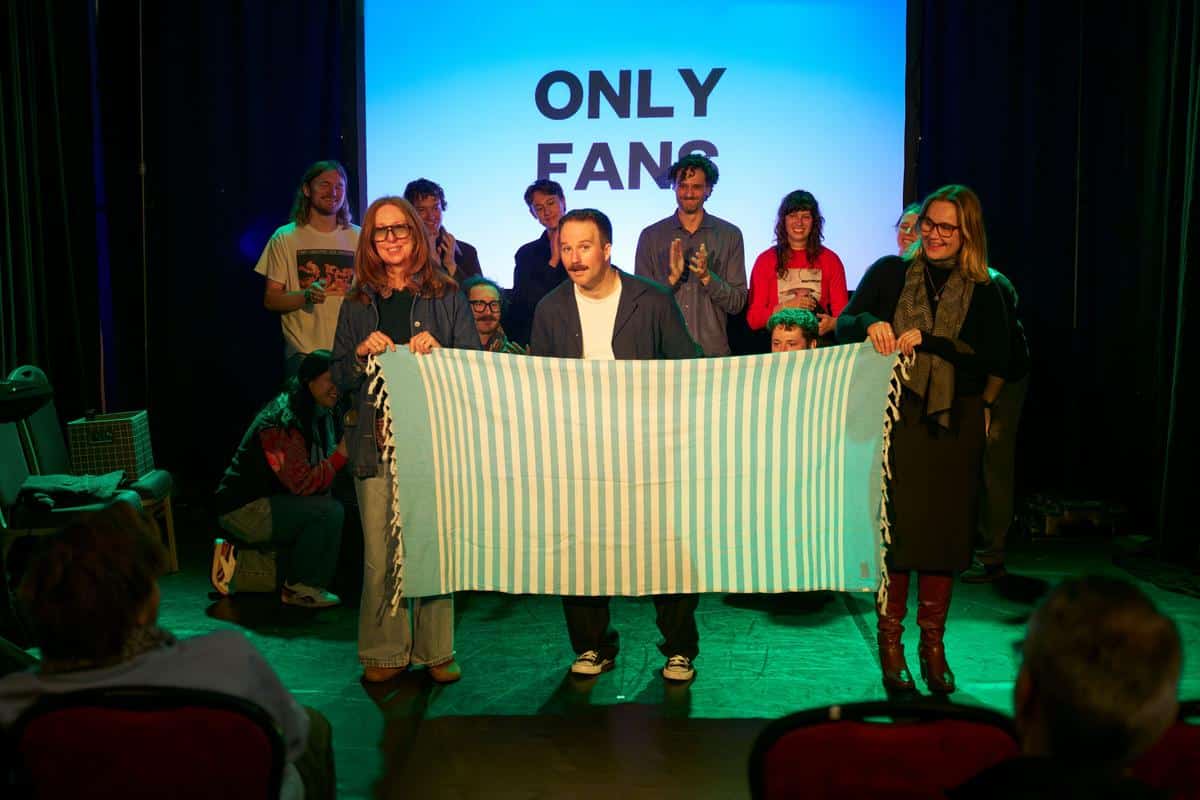
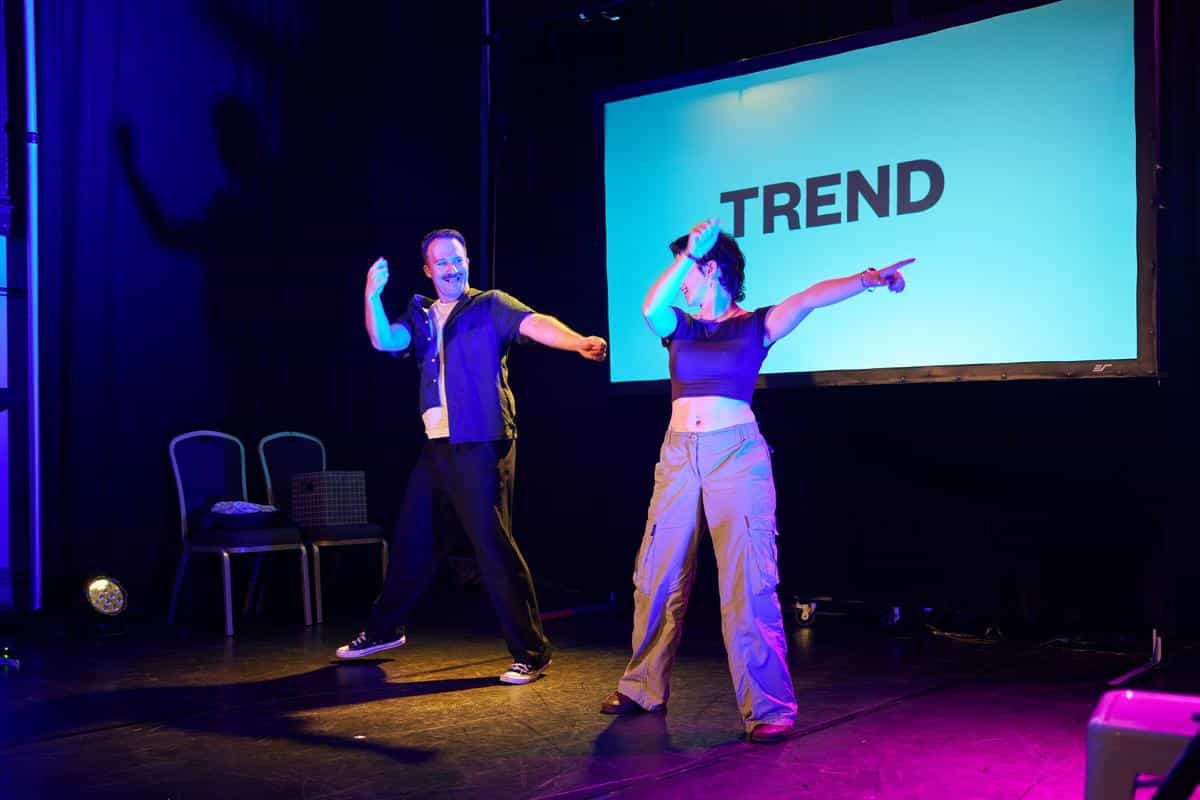
How does one begin this journey of teaching consent? Well, firstly, with a great deal of honesty. With gentleness. With sensitivity. By not only challenging us with what consent looks and sounds like; but with the likes of ‘showing’. By using the tools of interaction and participation. By getting the audience to choose to engage in formula-tic exercises – in order to open up their minds to the fact that life is about the choices we make; and that we have the right to exercise these, when it comes to our sexual wellbeing.
In so doing, Annan manages to gradually break through the third wall and engage the audience in a well-written plethora of priceless moments – from enlightening and hilarious; to spicy and risqué; but amazingly so, all within a safe environment.
But as with most shows at the Melbourne Fringe, this queer-based show is not for the faint-hearted for those who choose to participate. To be frank, this is an interactive, volunteer-based audience game-show for those who are not shy, but proud of their identity. For those who seek to learn, or who are just seeking to have some participatory fun. Always being asked the same question repeatedly throughout: How was that for you?
For Annan’s real mission? Is to teach queer dating around the element of safety. To learn one’s rights around consent, as in the past, one had to find this out the hard way. When, if one was stuck in an uncompromising position, one felt silenced, or deeply misunderstood. Where one would have to suffer under a cloud of shame.
Therefore, Annan pushes the limits in this show, not to necessarily shock the audience on purpose, but to remind them of their worth.
The show’s antics that the audience chooses to participate in are no doubt cheeky, slightly racy, and sex positive. They are mainly the truisms of the actions that define the queer dating culture. One’s chosen by Annan to entertain his audience greatly.
From a ‘touch me’ consensual coaching lesson to playing a game of Rizz to a 1-minute dominance exercise. From a darkened slow dance featuring mobile flashlights swaying, to a ‘deep throat’ condom lesson on a banana promoting safe sex.
Annan is an example of a unique presenter worth his weight in comedy gold, leaving the audience in stitches.
Yet underneath it all, he sticks to his own personal mission – of keeping the power of human connection alive. Of having the courage to tell his own personal story of overcoming sexual violation. Of being able to evoke more perspective and positivity to queer experiences of a sexual nature, for those who are still trying to navigate it themselves.
In all, this is a highly-entertaining show that is reliant on audience participation. It breaks the rules and smashes stereotypes, leaving you smiling and satisfied; from top to toe.
To book tickets to Before We Begin, please visit https://www.melbournefringe.com.au/whats-on/events/before-we-begin.
Photographer: John Rata Photography