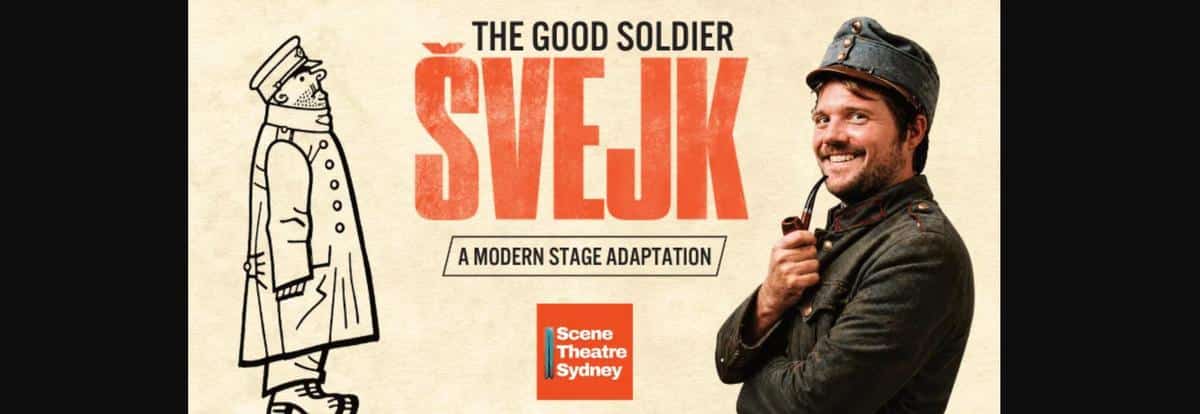
The Castlereagh Boutique Hotel has a fine reputation for producing quirky comedies. ‘The Good Soldier Svejk’, is a brilliant adaptation by Carol Dance of Jaroslav Hasek’s anti-war novel. Hasek was an anarchist, journalist, Bolshevik and satirist. His protagonist, Josef Svejk, a dog-trader, has many topsy-turvy shenanigans, which leaves the audience questioning his true capabilities. Is Svejk merely teasing us with his cheerful, simple-mindedness or is he in fact, a clever operator? Initially, I saw parallels with Private Frank Pike from ‘Dad’s Army’, but Josef is more multi-layered than the caricature-like Pike.
The play opens in 1914, as Franz Ferdinand and his wife have been assassinated in Sarajevo. Enter Josef Svejk who is conscripted by the Austrian Hungarian Army. Josef soon gets thrown in prison and labelled as being insane. Upon release, he complains of debilitating rheumatism and becomes hospitalised. Again, he is released and this time, Svejk finds himself close to the front line. Further misadventures see him captured, under the suspicion of being a Russian deserter (a series of events lead to him wearing a Russian uniform). But the ‘not-so-stupid’ Svejk escapes execution by totally bamboozling his captors.
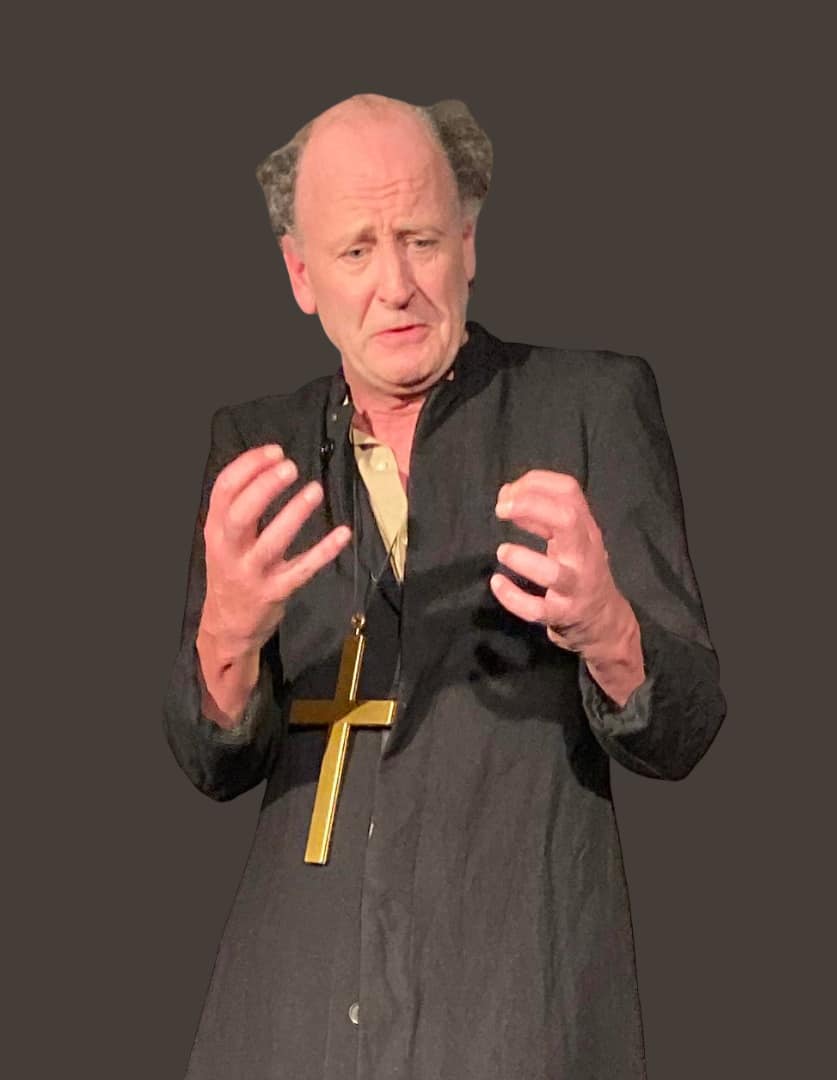
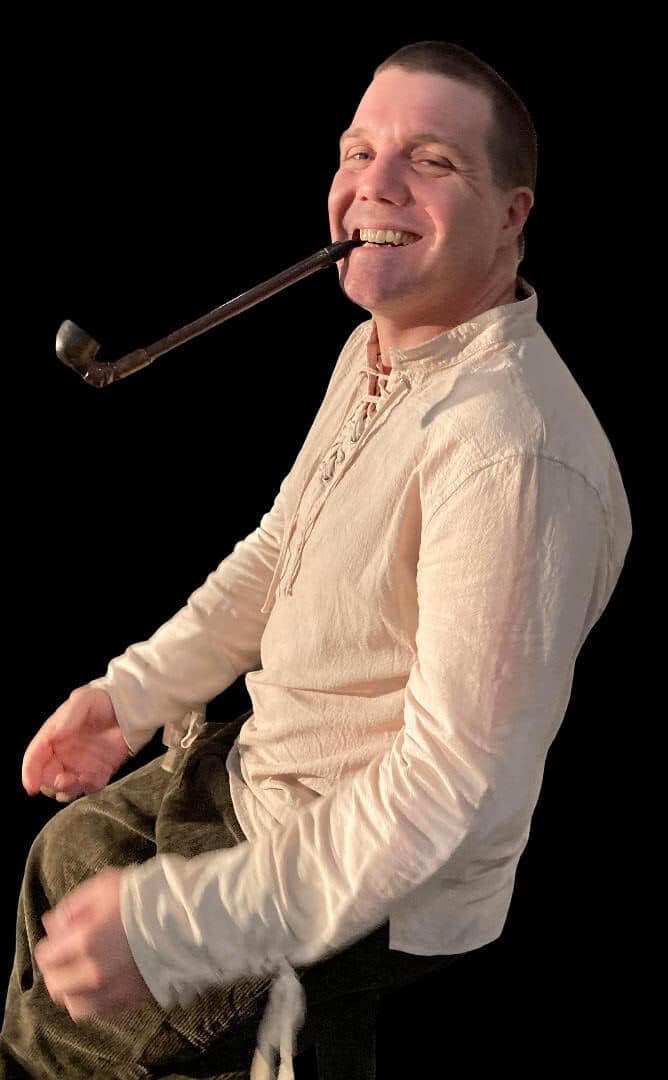
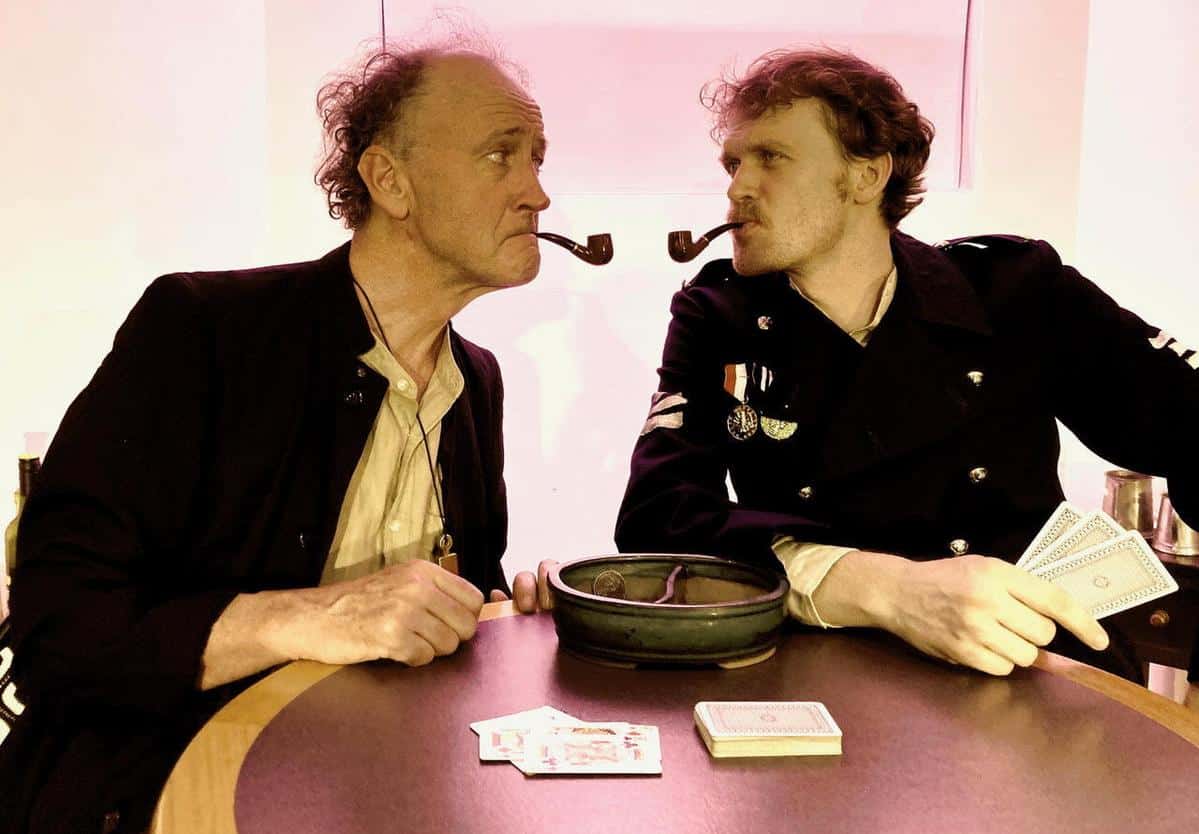
Theo Rule absolutely oozes charisma and playfulness as Josef Svejk. Here’s an actor who knows how to deliver lines with perfect diction. Rule’s voice has the audience entranced. There are lots of witty jokes throughout and Theo gets us giggling. He is joined onstage by Patrick Trumper, who reminds me of Gene Wilder and Ciaran O’Riordan, who turns playing a tongue-out dog, into an art form. Both Trumper and O’Riordan play several roles, each with aplomb. When O’Riordan is not jumping around the stage as a canine, he’s a Doctor, a Lieutenant, A Secret Police Agent and other characters. Trumper also plays many roles, stretching from a Charwoman to a Judge to a Reverend and others. He really enjoys engaging directly with the audience. People in the front row have to be alert! Wigs and costumes get twirled around, as actors come in out of character. It’s such fun to watch.
Towards the end there’s a fabulous dance routine that gets the cast grooving on-stage. This dance, which could be described as Saturday Night Fever meets Pulp Fiction, is choregraphed by Cy Coleman. Applause and again, giggles. Further stretching their acting skills, songs are sung. ‘It’s A Long Way To Tipperary” and “We’ll Meet Again”, are guaranteed to provoke a few tears.
Michele Conyngham has done a wonderful job of directing this hundred-year-old story for Scene Theatre Sydney. Michele has worked extensively in the UK and Australia. I loved how she mingled with the audience afterwards. Nigel Edwards, a world-class composer has added his panache to the production. The Good Soldier Svejk is a Scene Theatre Sydney production. Artistic Director Carol Dance, who introduced the performance, must also receive credit for bringing a truly wonderful independent theatre group into Sydney.
Oh My God! A Comedy of Biblical Proportions Rating
★★★★★
Click if you liked this article
4
In the beginning… there was darkness. And behold… God popped out from behind the scenery and said, ‘Let there be light!’ And lo. The stage lights did come up and we were treated to Popular Playhouse’s ‘Oh My God! A Comedy of Biblical Proportions.’
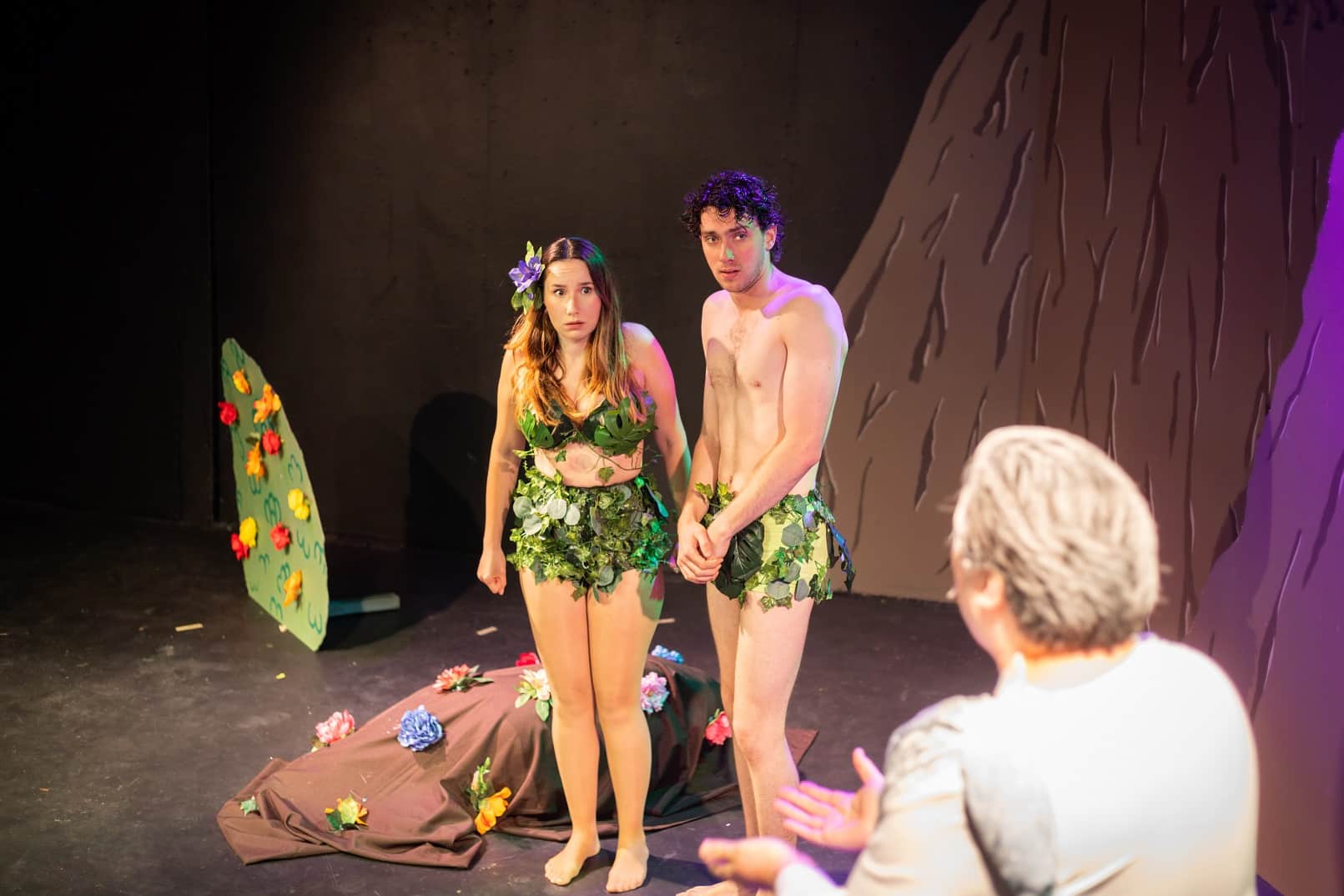
The earth did shake, rattle and roll, Lucifer did shimmy in the Garden of Eden, Sarah did do a pregnancy test on the toilet, a plague of rubber toads did descend upon Pharaoh, and, as it was foretold, the audience were thoroughly entertained, while the occasional Boeing 747 flew overhead.
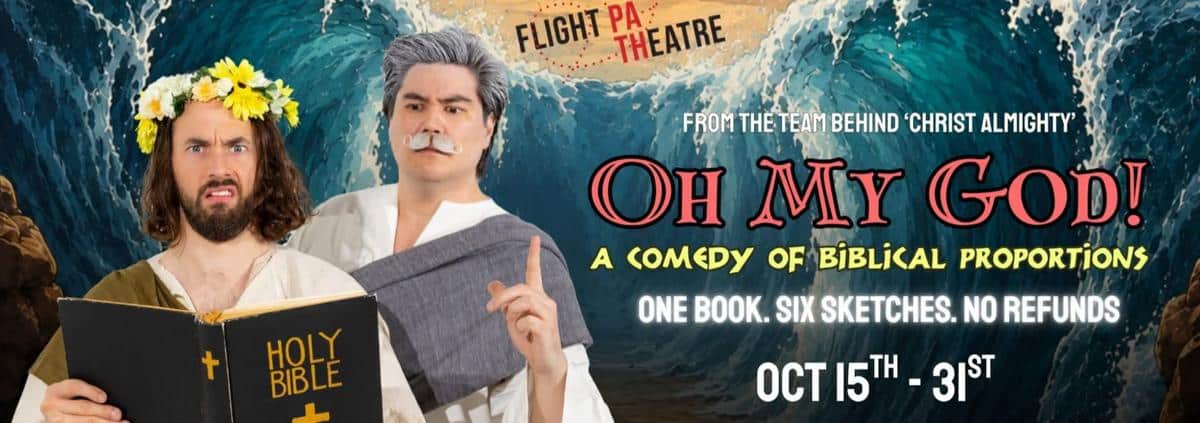
‘Oh My God! A Comedy of Biblical Proportions’ is the prequel to Popular Playhouse’s riotous hit ‘Christ Almighty.’ If you were lucky enough to bear witness to their romp through the life and death and life again of Jesus, then you know what the Bible’s Old Testament is in for.
No stone tablet is left un-overturned in their pursuit of laughs and the jokes come quickly and without warning, not unlike The Great Flood.
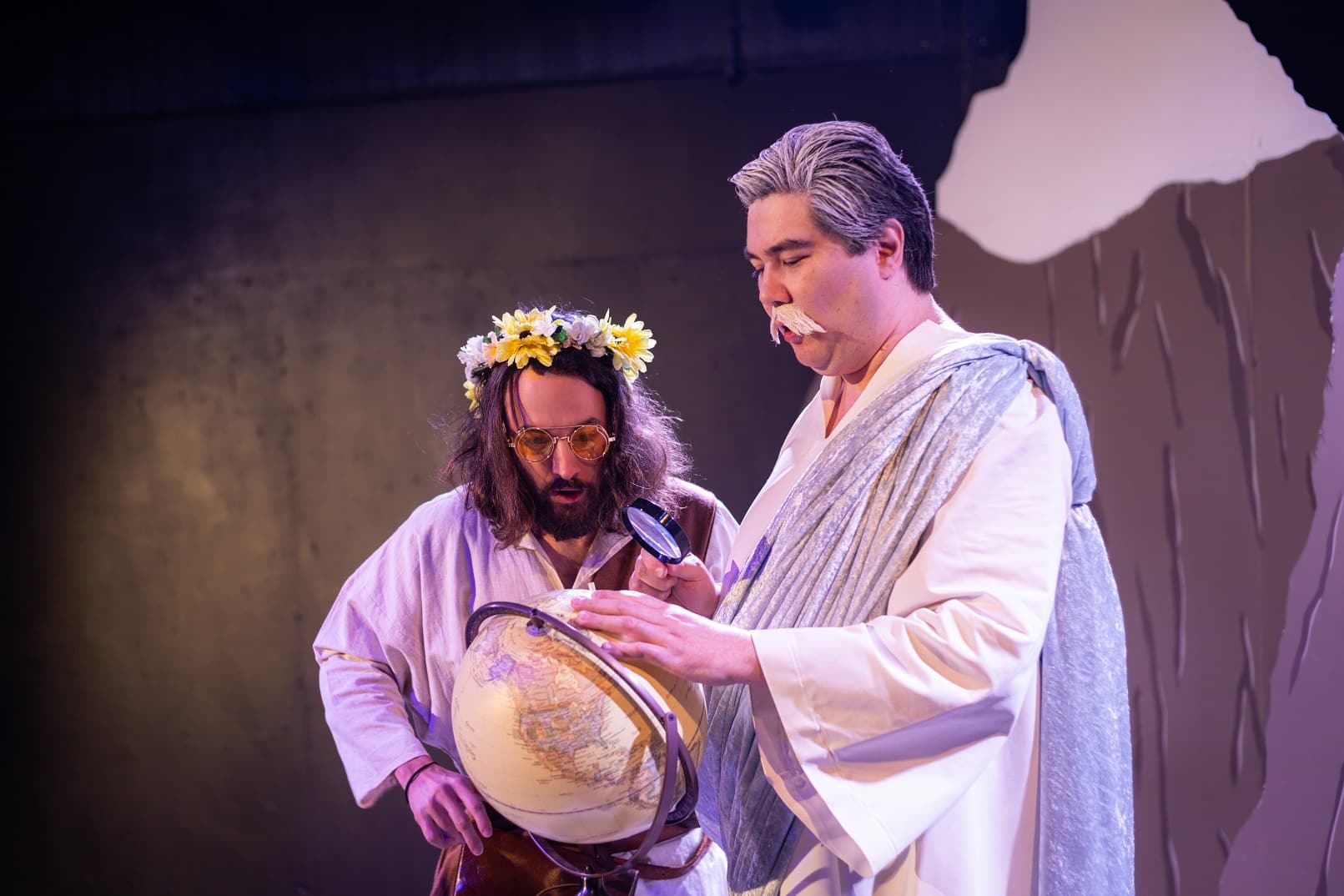
James Hartley commands the stage (and the Universe) as God, channelling Charlton Heston and Heston Blumenthal with a pinch of Sir Lawrence Olivier in Clash of the Titans.
His on again / off again partner for the evening (and eternity), is Lucifer, played with devilish relish by the remarkable Joseph Rotondella.
Sparks fly whenever these two are on stage together. It’s a beautiful thing. God may be wrathful, petty and frankly murderous at times, Lucifer is diabolical, cunning and spiteful, but ultimately, they’re two soft hearts struggling with the complexities of love.
Jesus makes a recurring guest appearance in the form of Oscar Wills, a humble chippy and sandal-clad stoner who helps hammer together a highlights reel from across the Old Testament.
We meet Eve and Adam, Emma Flynn and Max Dÿkstra, facing endless days playing rock and stick. Sarah and Abraham, Natasha Cheng and Oscar Baird, praying for a child and rapidly repenting when Isaac is delivered unto them in form of Roslyn Hicks.
Noah and Mrs Noah, Jamie Sturgess and Erin Pacholke, are joined on their Ark by a fabulous menagerie of animals (and a bird) including a panda and a delicious looking koala.
Rounding out the cast is the mountainous Daniel Moxham as Goliath. Most of the cast take on multiple roles and all throw themselves into the play headfirst.
There’s a noble tradition of popping religions’ self-important bubbles with comedy. Monty Python’s ‘The Life of Brian’ was banned outright in Ireland, Norway and parts of the UK when it was first released in 1979. Critics accused the movie of blasphemy and sacrilege.
‘Oh My God! A Comedy of Biblical Proportions’ owes something to the fabulous Mel Brooks and his irreverent hits ‘History of the World, Part I’ and the ingeniously titled ‘History of the World, Part II.’
Especial manna must be bestowed on Tommy James Green as Writer, Director and Producer. The Pythons and Mel Brooks are most excellent company to keep.
If you’re worried that you might be offended… you probably will be, so you should buy two tickets and take a friend so you can be offended in company.
‘Oh My God! A Comedy of Biblical Proportions’ is now on at Flight Path Theatre, running from 15 to 31 October.
You can follow Popular Playhouse at: https://www.instagram.com/popularplayhouse
Tickets are now available at: https://www.flightpaththeatre.org/whats-on/oh-my-god-another-comedy-of-biblical-proportions
Grace Chapple’s “A Room With a View”, based on the novel of the same title by E. M. Forster, was a delightful adaptation brought to stage, with a dose of heartfelt romance and subtle yet at other times bold, uproarious humour.
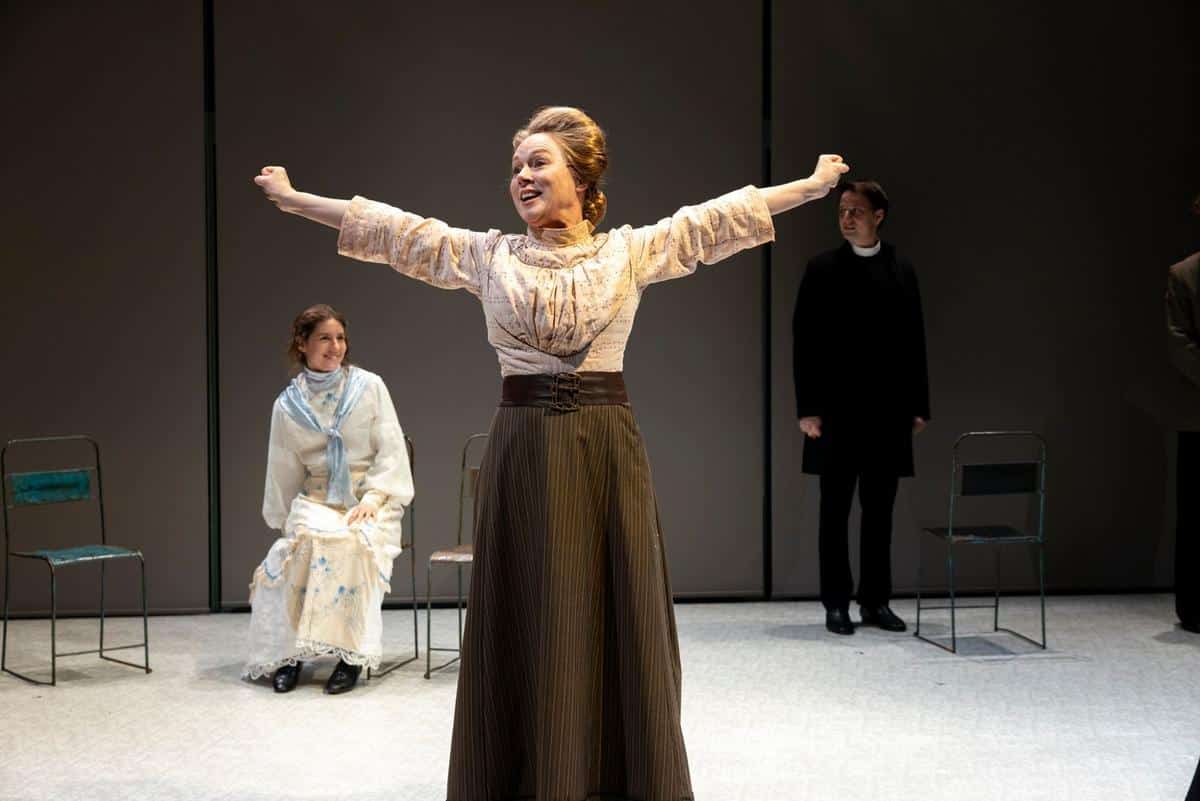
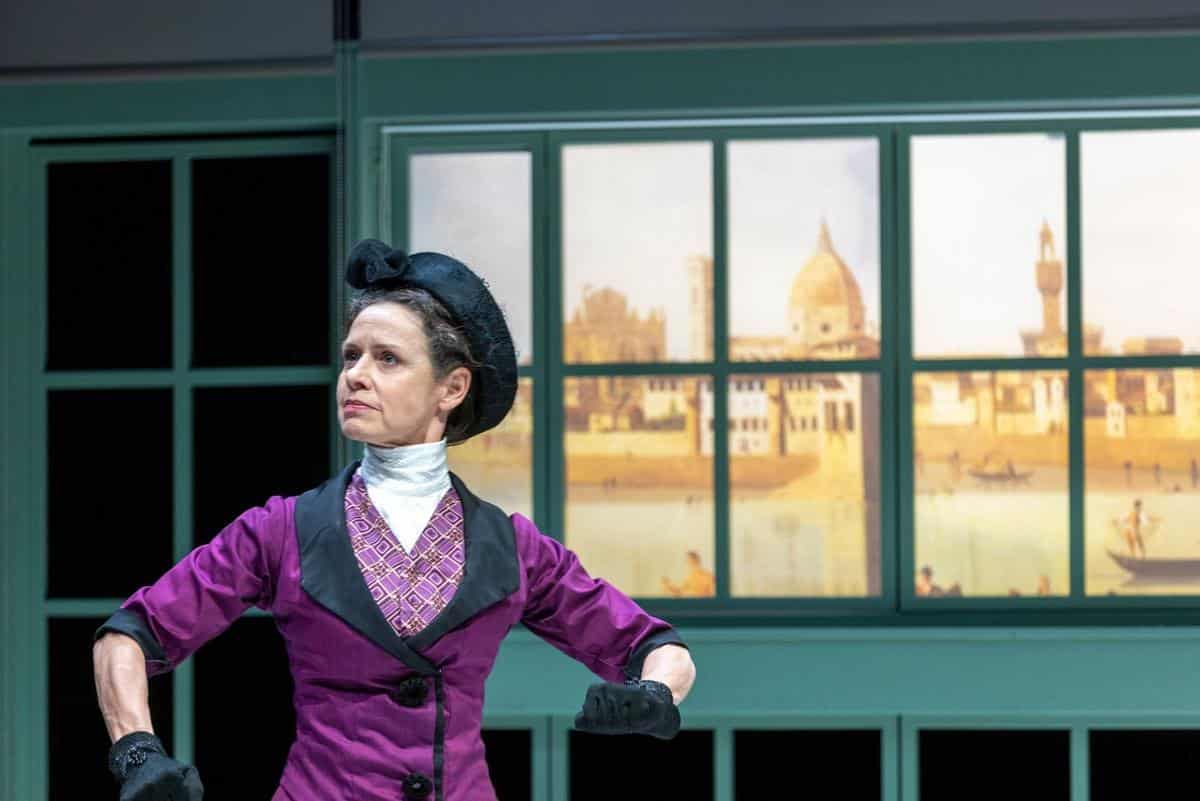
At first glance the set was minimal. A few chairs, tall doors and windows introduced the audience to a hotel room in Florence. This remained the set throughout the whole play, with some additions. It became apparent as the play progressed that the set did not need to be cluttered with period furniture and ornate furnishings. The costumes were beautiful and intricately detailed enough to place us in the exact time period of the early 1900’s, courtesy of set and costume designer Zoe Atkinson.
Lighting designer Amelia Lever-Davidson, sound designer Madeleine Picard and composer Grace Ferguson pulled together masterfully to create an atmosphere to surround the characters and convey exactly where they were at any given time. This was through nuanced lighting and clever sound design. One standout scene was when three characters, George Emerson (Luke Wiltshire) Freddy (Tomas Kantor) and Mr Beebe (Tom Conroy) went swimming in the pond in the woods in Surrey. When they ducked under the water in a circle together, the light spotlit the men using cool blue tones and underwater meditative sounds. This, combined with the actors’ slow and exaggerated ‘underwater movements’ and playful interactions whilst holding their breaths had me almost believing they were going to emerge from this scene totally soaked when their heads popped up.
“A Room With a View” follows Lucy Honeychurch (Nathalie Morris) as she begins her holiday in Florence with the older and wiser (in her own words) Charlotte (Hayley McElhinney). Charlotte has been put in charge by Lucy’s mum Mrs Honeychurch (Kate Atkinson). She is accompanying her naive-to-the world cousin and promises to keep Lucy safe and ladylike, a responsibility which she takes extremely seriously. McElhinney’s exacting potrayal of an anxious Charlotte rang true to her character, kudos to her.
It is in Florence where the ladies meet Mr Emerson (Patrick Williams) and his kind hearted son George (Luke Wiltshire). He offers his room with a beautiful view of the piazza to Charlotte and Lucy after overhearing them wishing their room had a view. Morris effortlessly became her character and immersed into Lucy with ease, portraying her as a young woman genuinely torn between acting as society expects – a respectful and quiet young lady – and the need to burst out of her conventional self to bloom into a spirited woman who wants more than being a subservient wife and living a sombre life.
Williams played Mr Emerson well, portraying his kind, honest and truthful heart in a calm and likeable manner. His poetic delivery of advice towards the end hits to the core of the play and the message the audience are left to ponder – “We fight for more than Love or Pleasure; there is Truth. Truth counts, Truth does count.” – is poignant.
There are outings together in Florence and one day, they are taken on a sight seeing trip led by a confident and outgoing Italian driver, portrayed by Tomas Kantor. After the British tourists leave, the Italian driver, cigarette in hand, turns to the audience and begins a one way conversation. He spoke expressively about the tourists in fluent Italian, even pouring a drink from a wine bottle into a glass that he gave to some front row patrons, thus breaking the fourth wall. How did we know what he was saying? With the very creative use of subtitles! This was done the 1900’s way with a projector and with the Italian driver manually clicking through slides as he spoke. This delighted myself and from the audience’s laughs, they appreciated it too.
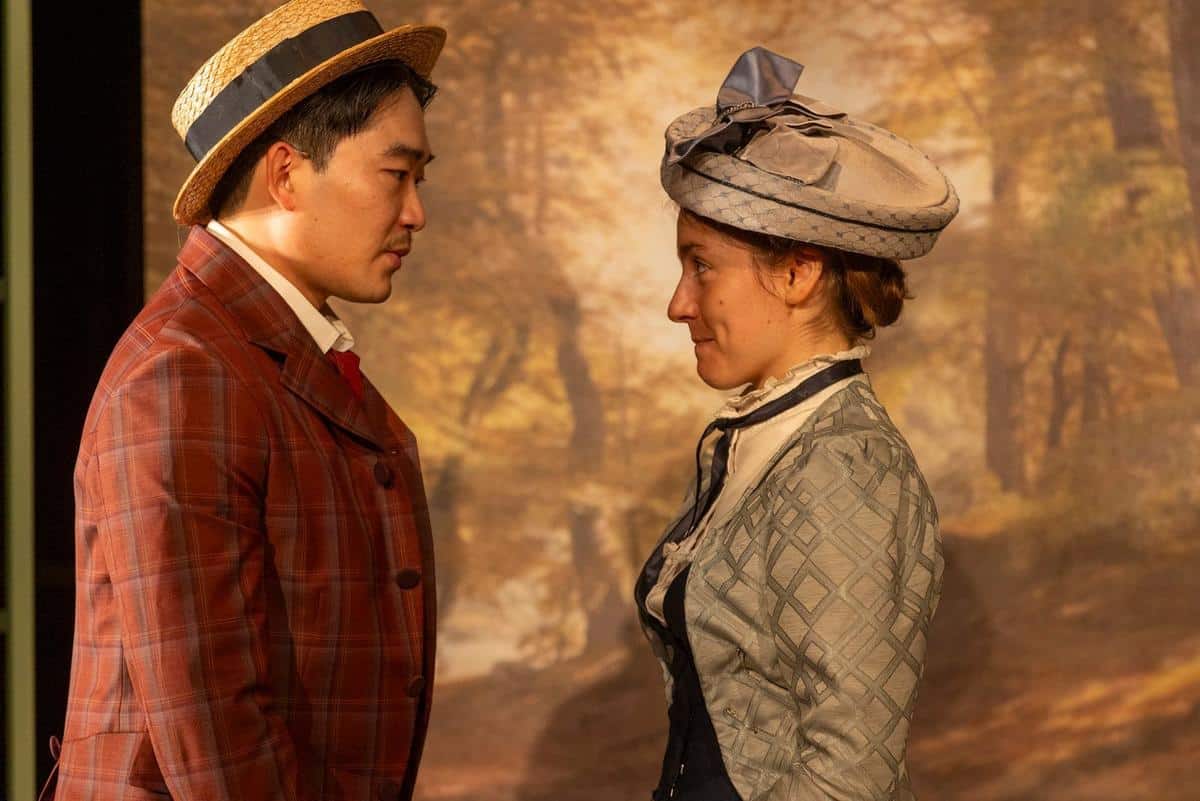
Later, the play progresses to Windy Corner and Surrey where Lucy lives with her mum Mrs Honeychurch (Kate Atkinson) and her younger and animated brother Freddie, played by Tomas Kantor. Mr Beebe, the local Pastor who had also been in Italy, has new neighbours move in who happen to be Mr Emerson and his son George. They had been invited to stay by Mr Cecil Vyse (Charles Wu). Lucy announces her engagement to Cecil. Wu’s portrayal of Cecil is excellent, and we see that this upper class character, “a fortunate man of leisure”, is a mismatch for dynamic Lucy. There is a very funny scene which highlights this. Lucy, George and Freddy are playing tennis. As each ball hits the tennis racquet, it was highlighted with a live note struck by Patrick Williams discreetly situated at the back behind the windows on a keyboard. As they are screaming with laughter, running around and having rallies (resulting in a shower of musical notes being played), Cecil sits on the umpires chair, trying to read a novel and looking extremely uncomfortable amongst the physicalities and laughter from his fiancé and the men. Lucy is faced with the choice of continuing her engagement or breaking it off with Cecil, and trusting and following her heart, to wherever and to whomever that may be.
Serious themes such as the complexities of one’s heart, women in society, family and class structure and expectations are balanced perfectly with the lighter moments brought to the stage by the cast. One such scene comes with a full frontal nudity scene warning on the program, and not having viewed the program before the play began, this particular scene was a surprise and created the intended hilarious response from myself and from the audience. Director Hannah Goodwin, A Belvoir St Fellowship Awardee, has brought together a captivating and complete reimagining of a novel nearly one hundred and twenty years old, and it is a timeless theatrical masterpiece! Book your tickets to “A Room With a View” at The Belvoir Theatre soon, before it changes its room with a view and onwards travels to Melbourne.
“A Room With a View” is playing from 3 October – 1 November at The Belvoir St Theatre. 25 Belvoir St, Surry Hills 2010. Run Time: 2 hours and 40 minutes (including a 20 minute interval) Tickets: www.belvoir.com.au/productions/a-room-with-a-view
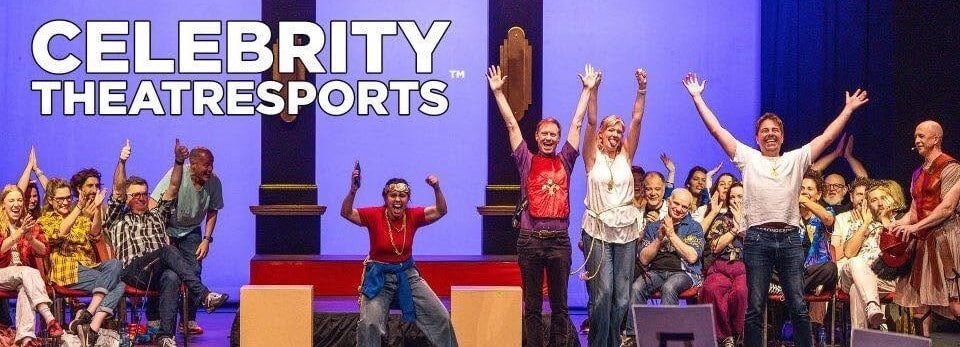
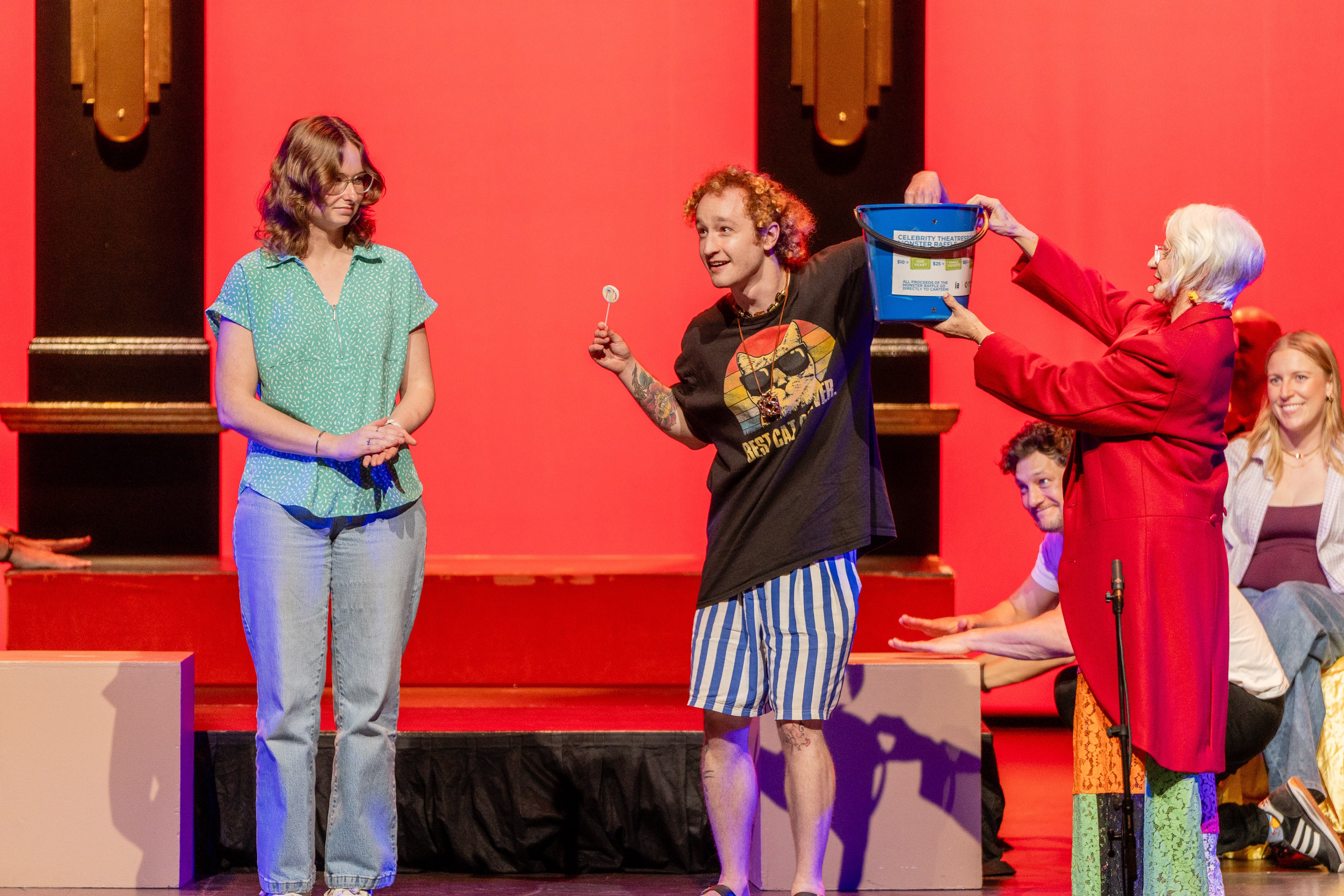
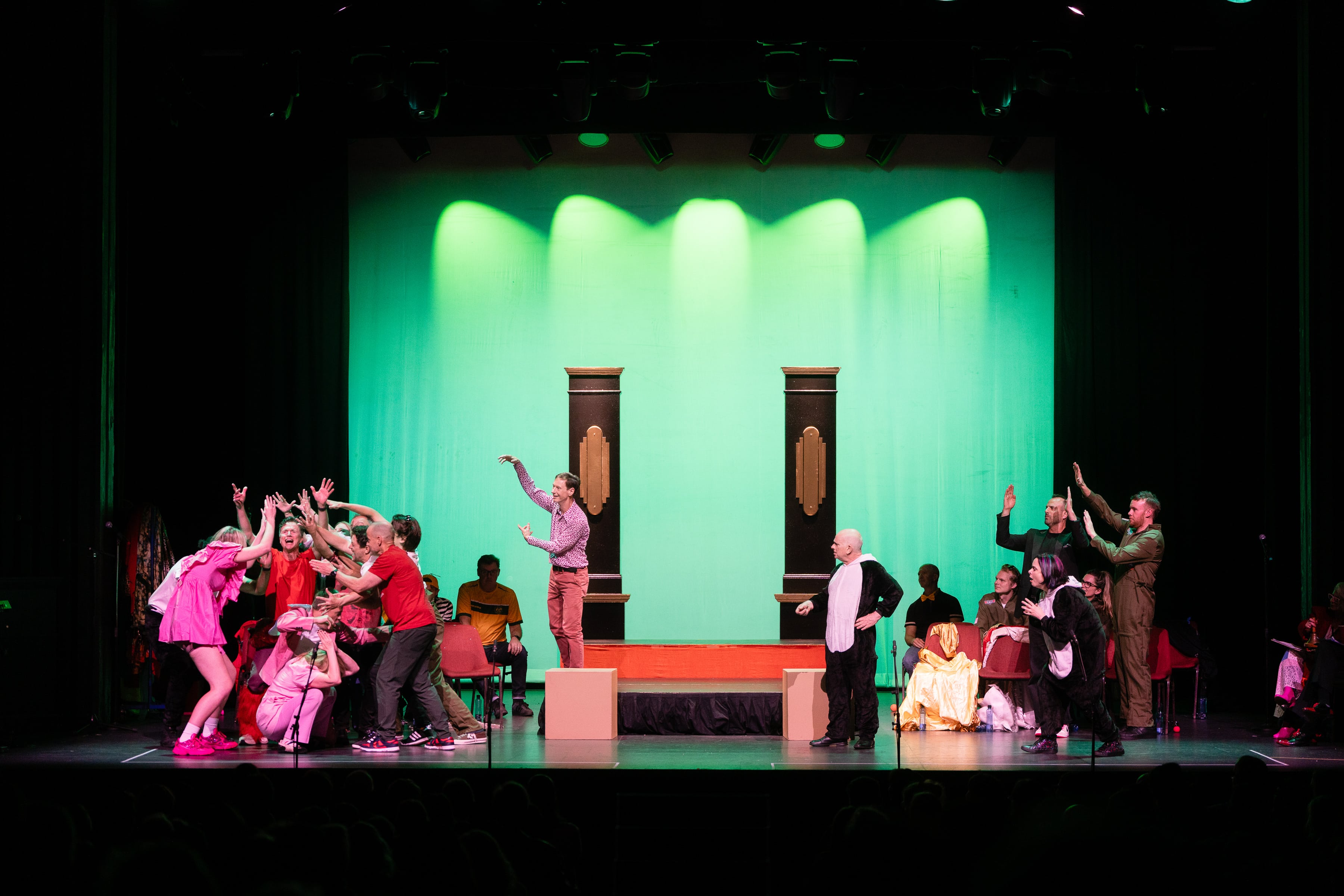
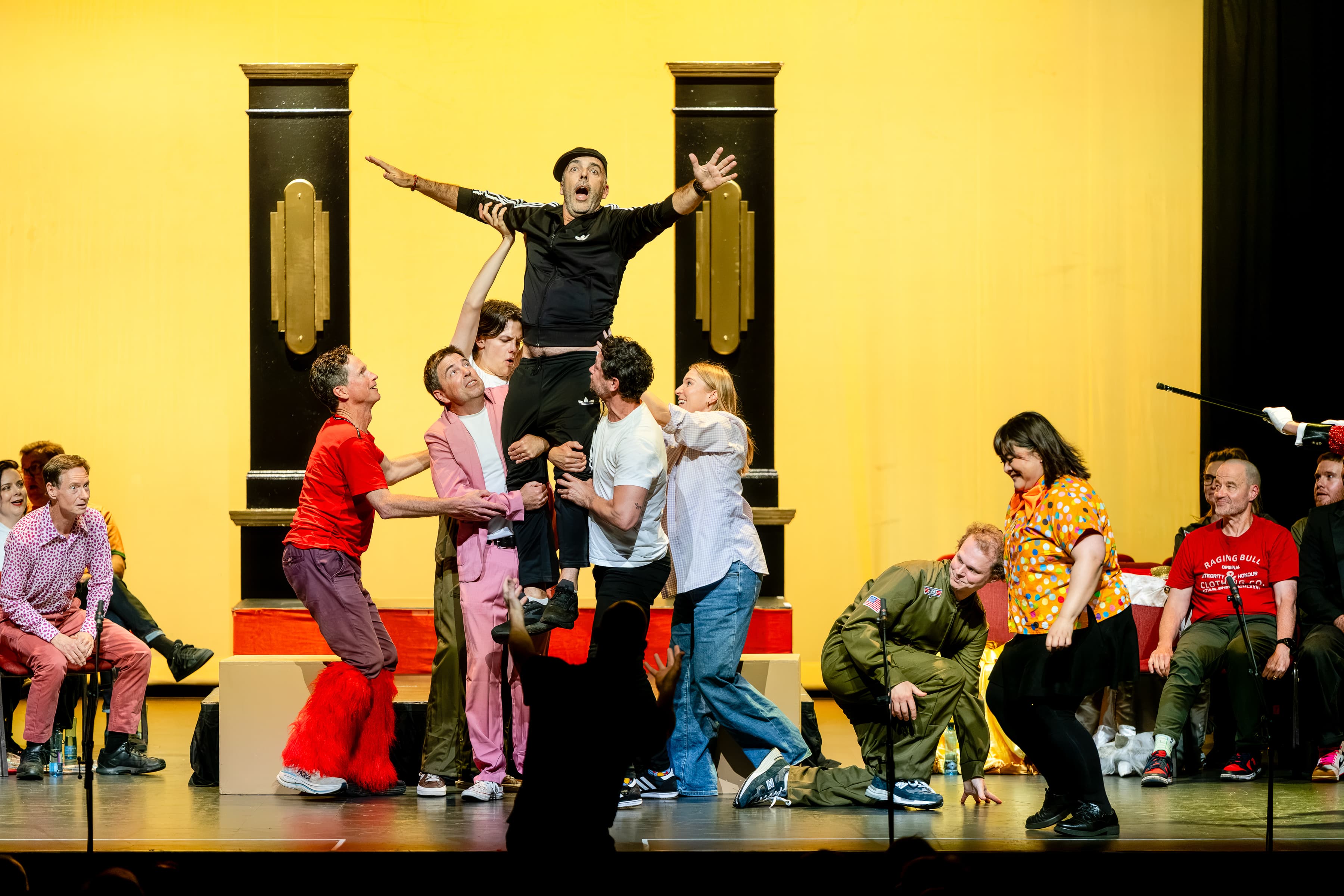
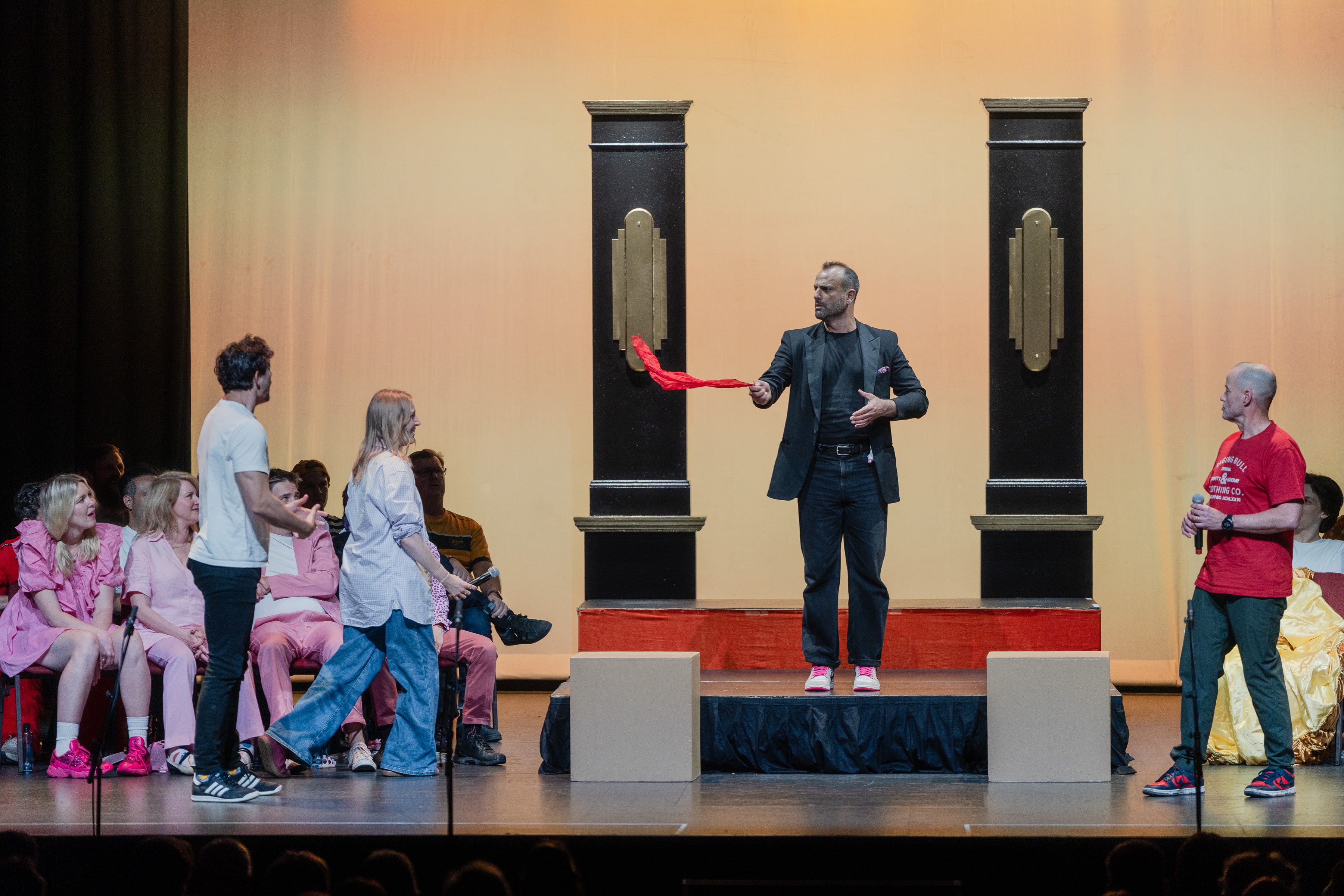
We were warmed up and welcomed by “Jeremy” the twin of Celebrity Theatresports host Jeromaia Detto, at least that’s what Jeremy would have us believe. The theme of the day would be the circus. Jeremy had us practise our crowd hype including our circus animal noises. It was a very effective way to liven the excitement and energy in the room. The fun and passion was contagious and we were ready to be entertained, especially when Benny Davis from Axis of Awesome began to give the atmosphere a soundtrack, and we were introduced to our esteemed judges, hosts and the teams themselves.
I have a passion for Theatresports and I have done quite a few classes with our hosts, Impro Australia. It has been many years but I was excited to see, among the standout celebrities, were people that have celebrity status in my own heart and memories.
The six teams competing for the coveted Theatresports Celebrity Cup were:
The Greatest Show-Ponies (Adam Spencer, Rob Mills, James Galea and Jacqui Bramwell);
The Fairy Flossers (Steve Lynch, Kate Coates, Susan Prior and John Knowles);
Socceroo Sideshow (David Callan, Andrew Redmayne, Amy Tustian and Yarno Rohling);
The Big Top Guns (Ryan Atkins, Charlie Papps, Genevieve Hegney and Jack Scott);
Bunch of Clowns (Sophie Douglas, Daniel Cordeaux, Gary Eck, Felix Williamson and Sophea Op);
and Panda-monium (Linette Voller, Joji Malani, Murray Fahey and Scott Hall-Watson).
Round 1:
The first team was The Big Top Guns, who won my vote for best costumes (fully dressed to the theme). They also had the uber talented Genevieve Hegney, so they were at an advantage. The first game was Expert Double Figures where one player talks and the other lends their arms. The title they were given was “Teaching Tigers To Knit” and it was as hilarious as it sounds, especially Charlie Papps’ quick-thinking as their arms became the centre story.
Next up were The Greatest Show-Ponies taking on Genre Rollercoaster with audience suggestion of “Cleaning Out The Garage”: the genre having to be changed throughout. This team did a great job of keeping the story on track throughout the genre shifts. This was a standout in terms of technique.
Then the Fairy Flossers in all their dazzling pinkness had to take on the Animal Kingdom, which they all embodied well with the scene stealer being an exceptional meerkat played by John Knowles. Notable mention was the brilliant closing line at the end of all the mayhem from Kate Coates that the elephant (played comically by Steve Lynch) “Will never forget that!”
Number 4 was Panda-monium in all their Panda glory, including one Red Panda. They took on a fave of my own, Emotional Replay with the prompt of “Choosing a coffin”. This was a fun ride, culminating in “ecstasy” which was especially well embodied by Joji Malani’s impressive Vogue skills.
Number 5 was A Bunch of Clowns having to create a song entitled “Pickle Ball Is My Passion”, which hit the right notes with a catchy chorus. What some lacked in melody they made up for with hard-hitting lyrics, and Felix Williamson brought it all home with a brilliant finish.
Last, but not least was Socceroo Sideshow (with actual Socceroo Andrew Redmayne) who had the Sit, Stand, Kneel, Lie challenge at the airport. The characterisation with this physical challenge was impressive and it was chaotic fun watching them keep up with each other’s changing positions.
Round 2 was audio challenges from celebrities who were unable to be there.
Panda-monium had a request from Andrew Denton to see a scene with a lion and lion tamer who were afraid of each other. The team responded to this challenge by putting forward that they would do it with the team’s combined knowledge of High School French. It was tres impressive.
The Big Top Guns had a request from James O’Loghlin that they do a scene where someone can’t say the thing they desperately want to say. The team responded by having one character only able to speak in phrases from an audience member’s text message thread. Thus began a very clever family saga with a twist.
The Greatest Show-Ponies received their request from Rove McManus to see a scene in which somebody or something is being saved. The setting given was a Villain’s Lair. The team responded with Number Words, having host Jane Simmons shout out the number of words allowed in each line. With anything from 1 to 27, this was as hilariously challenging as you’d imagine.
Bunch of Clowns received their challenge from Kitty Flanagan, which was a scene where a farmer wants his son to take over, but his son wants to join the circus. The team responded with an American high school soap opera. This one showcased some wonderful teamwork as ideas were quickly thrown about and responded to.
Socceroo Sideshow got their challenge from the Umbilical Brothers which was an under the sea story called Raiders of The Last Air Bubble and they responded with Stunt Doubles, where two players enact the story and then have to swap over with their “stunt double” as dictated by the host and the stunt doubles play it out in slow motion. This was great fun with a special cameo from Millzy (Rob Mills) as the seahorse.
The Fairy Flossers got their challenge from Jonesy and Amanda in the form of two co-workers getting in trouble with a motorbike involved. They responded with a “Sing About It”. They came up with some catchy tunes, highlight being the Ballad of the Bike.
We then had some moving stories from the Canteen representatives, and we were all very emotional after learning more about how much this organisation means for cancer victims and their families.
Round 3 kicked off with The Hat Of Fate.
Fairy Flossers pulled out the prompt “In A Bank Vault” and were challenged to a Character Swap with a plot twist. Steve Lynch stole the show as a petulant teenage girl.
Big Top Guns pulled out “Taylor Swift Fan Club” and were challenged to an Off Broadway musical. It exposed the Swifties and those who drew a Blank Space when it came to her tunes.
Bunch of Clowns pulled “At A Fashion Show” and were challenged to a Shakespeare theme. They did doth handle that well.
The Greatest Show-Ponies pulled “At A Craft Brewery” and were challenged to an Opera, giving Millzy his real moment in the sun. It was a crafty little love story in song.
Panda-monium got “Top Deck on a Tour Bus” and were challenged to the audience providing the sound effects. This got the energy going and was a fun ride for all.
Socceroos got “Group Therapy” and were challenged to a ballet, which was actually rather beautiful.
The two teams revealed for the final round were Panda-monium and Socceroo Sideshow.
Panda-monium decided to use “Epic Quest” as their theme for the final round, and they were challenged to include a bum bag. They worked beautifully as a team and took us on a wonderful, wacky journey with other members of the other teams joining them along the way.
Socceroos decided to use “Film Noir with puppets” with the suggestion of a missing Pikachu. David Callan invited his students on stage to be the puppeteers and they did a fabulous job of following the prompts and uplifting the narrative.
Socceroo Sideshow were the winners overall and all the creatives were invited to the stage. John Knowles then delivered a moving tribute to Michael and Julie, the heart and soul of Impro Australia.
It was a wonderful Sunday afternoon of humour and heart. We all left with big smiles on our faces.
To find out more about Theatresports shows, classes and corporate events, visit www.improaustralia.com.au
Photography by Stephen Reinhardt
Spread the word on your favourite platform!
Subscribe to What's The Show
Reviews, show news and what is on, straight to your inbox.