Scenes From a Friendship at The Old Fitz Theatre - What Matters Most

Scenes From A Friendship

Scenes From A Friendship Rating

★★★★★

Click if you liked this article

2

The Old Fitz Theatre is akin to a speakeasy, in the way that it is inside a subterranean cellar below a pub, accessible by going to the back of the pub and down some steep stairs.

Tucked away in Woolloomooloo inside a 150 year old pub the Old Fitz Hotel, the 58 seat venue is Australia’s only remaining pub theatre. For this reason and more, it is worth going to experience the feel of a truly intimate piece of theatre. The type of theatre where you can see the expressions on the actors’ faces as clearly as if you’re having a conversation at a party with them.

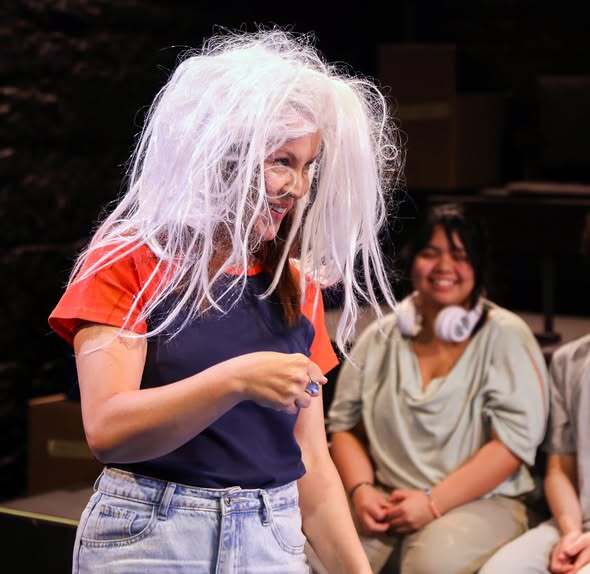
Playing at The Old Fitz Theatre is “Scenes From a Friendship”. Written by Jane Upton, this is a two character play letting the audience in to witness the ups and downs of a female/ male friendship from high school to adulthood, spanning around 40 years.

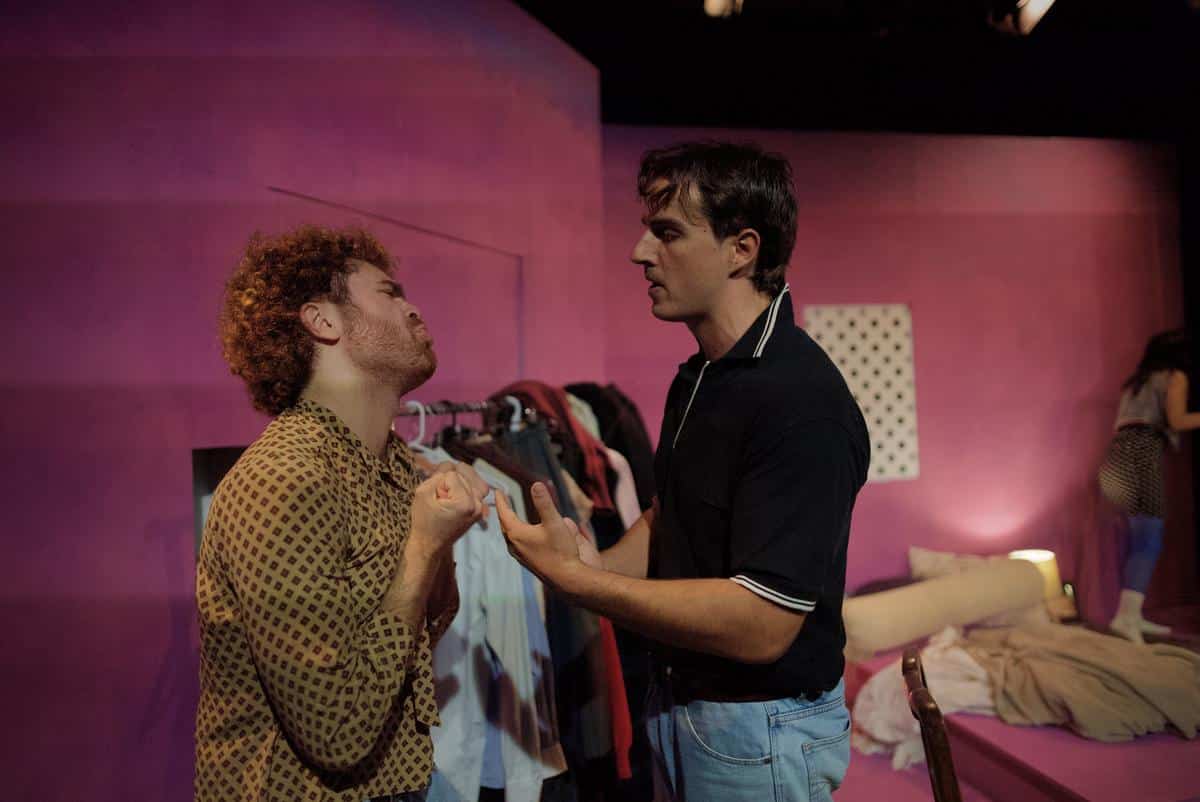
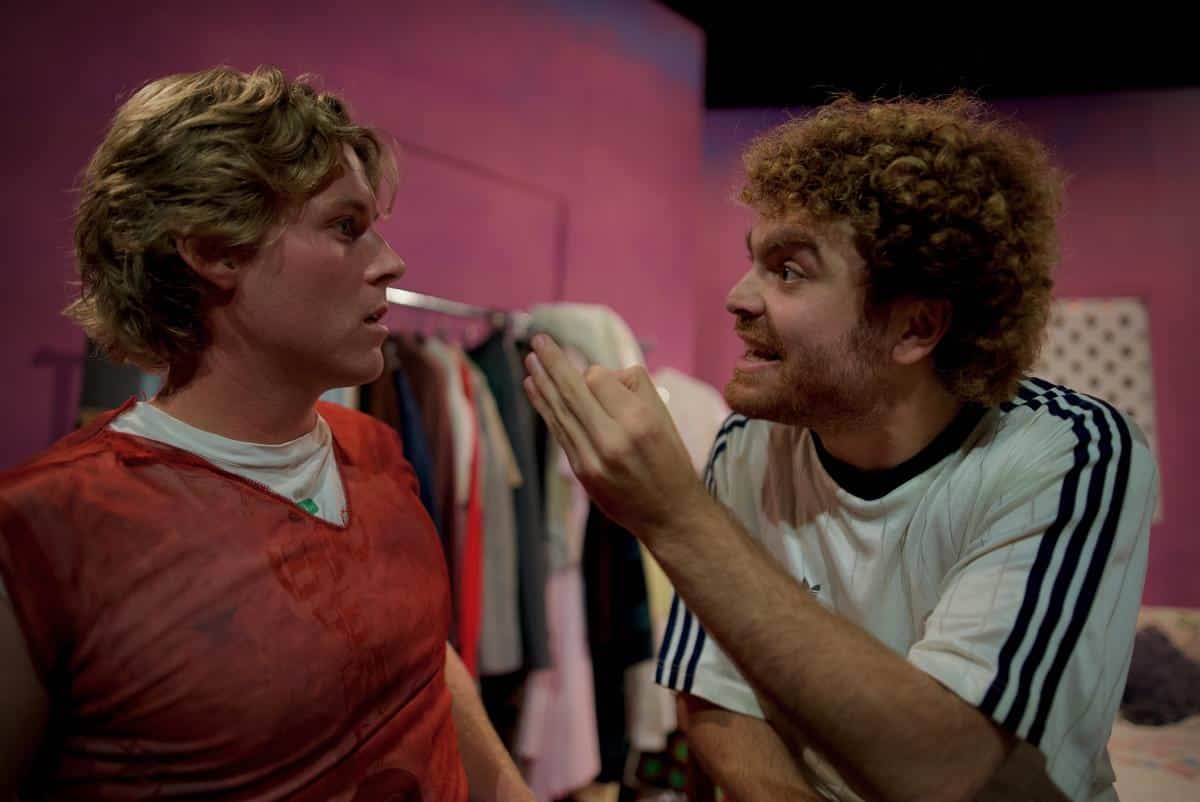
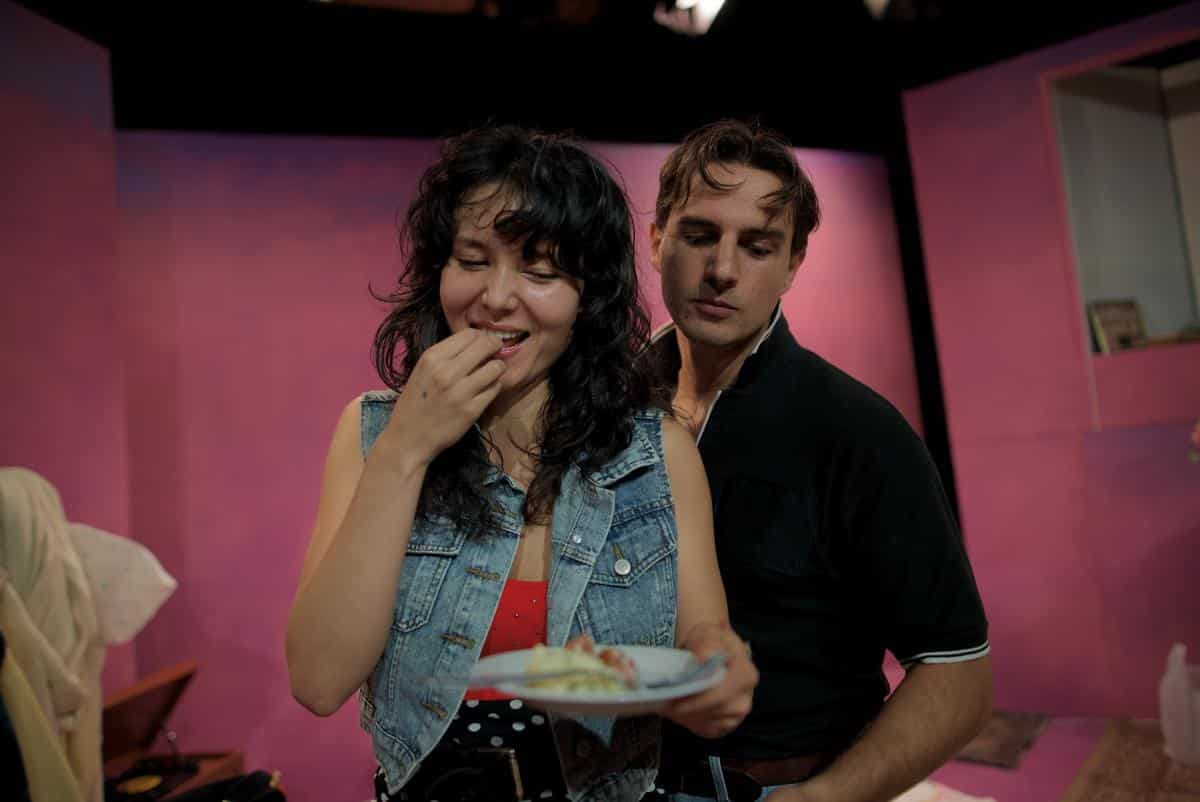
Presenting in an even more intimate format was that the play took place in the cellar where the actors were sandwiched either side by the audience, and this further immersed those watching into their lives. This meant that the space was even smaller than usual, with one lone rectangular box in the middle to act as a set prop.

Billy (Thomas Campbell) and Jess (Ainslie McGlynn) begin their story as firm Year 9 friends, both interested in drama. Their easy banter and teasing were utterly convincing as teens, and I found myself thrown back into the days where you confided to your bestie about the cute boy who looked at you as you passed them in the corridor. Everything about them from their midland slang to their body language placed them as 15 year olds.
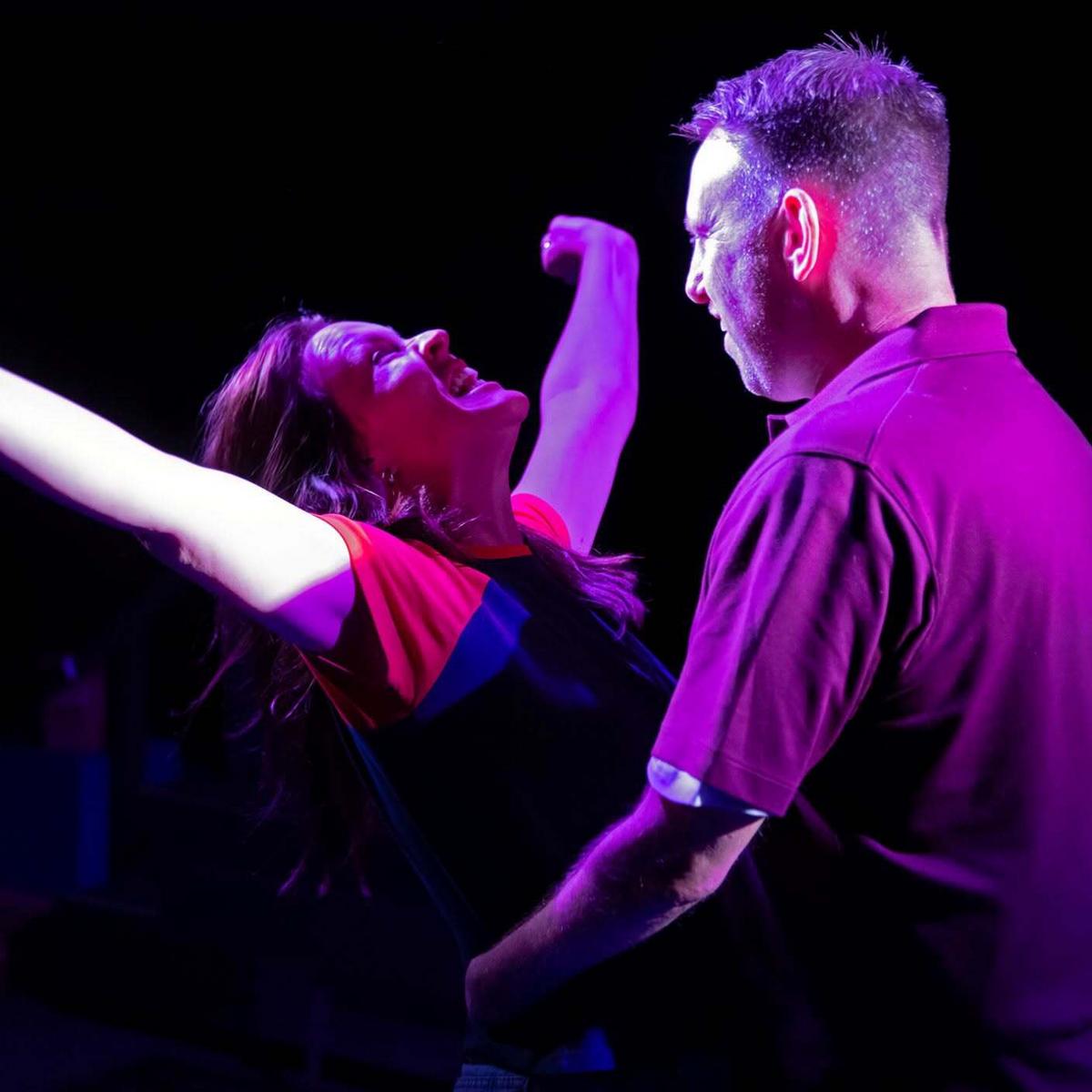
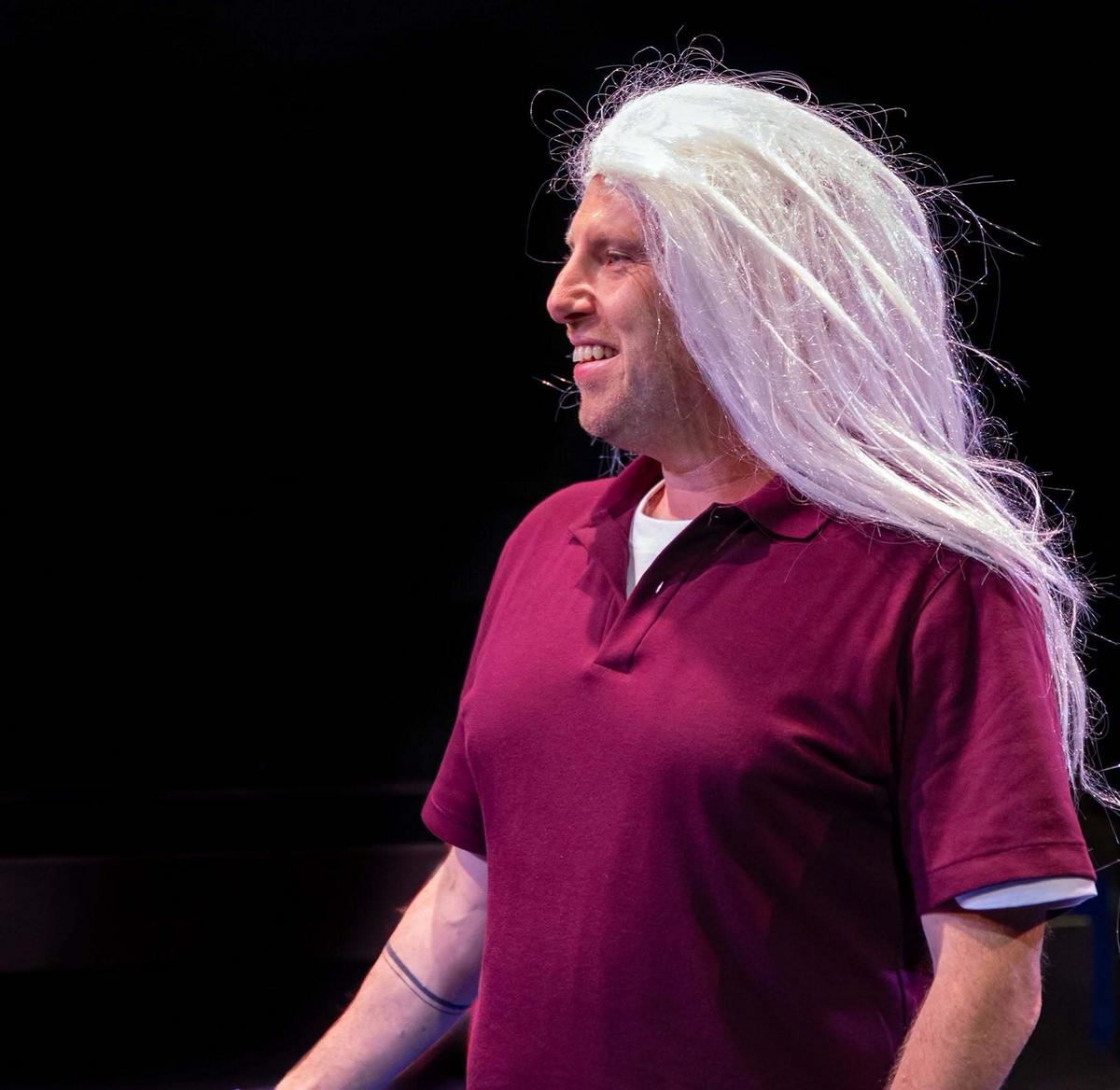
 

As they grow older and enter into adulthood with their various working lives, Billy and Jess experience changes in their relationship, not necessarily for the better at times.

Their ages throughout the play are communicated by the various technologies they used. Whilst having a very minimal set onstage - the box - Director and Set Designer Craig Baldwin managed the timeline well with actors bringing props out of cardboard boxes. A touch of comedy was sprinkled in when I spied scribbled on the side of a box in texta, the words “Granny Undies” and on another, “skinny jeans, don’t buy more”. When the characters were in high school they were talking on the phone with cords attached to the handset. As they grew and matured, they presumably had some money to buy mobile phones and it was a trip down memory lane to see old style mobile phones making an appearance, gradually becoming smaller and smaller in size.

Kudos to the sound composition and design artist Felix Partos for his choice of music accompanying the scenes, which also told the time period through pop songs. Lighting designer Aron Murray’s focus on the actors in such a tiny space and use of different techniques communicated volumes in mood.

Campbell portrayed Billy’s vulnerability well, conveying his lack of self esteem and confidence issues with Jess, whilst at other times he exploded with frustration at some situations. As successful as he is in his career as an agent, we follow an emotional journey into his exploration of own self and sexuality.

McGlynn’s portrayal from teenage Jess to a responsible adult with true ‘adult issues’ was commendable, bringing Jess to life as a warm and caring person. Together, they formed an alliance through heartbreaks and difficulties of ever changing life, showing a bond that true friendships have, even through physical distance and the passage of time. It’s a platonic love story, with one memorable line summing up their friendship - "I don't know who I am without you. You're the custodian of every version of me.” I love that Jess said that to Billy during a heartfelt scene, because if we are lucky in life, we will get at least one special friend who holds that custodian position.

“Scenes From a Friendship” by Outhouse Theatre Co at The Old Fitz Theatre.
6 November - 22 November 2026
Run time: approximately 95 minutes long with no interval.
Tickets: www.oldfitztheatre.com.au/scenes-from-a-friendship

To book tickets to Scenes From A Friendship, please visit https://www.oldfitztheatre.com.au/scenes-from-a-friendship.
Spread the word on your favourite platform!

If These Walls Could Speak

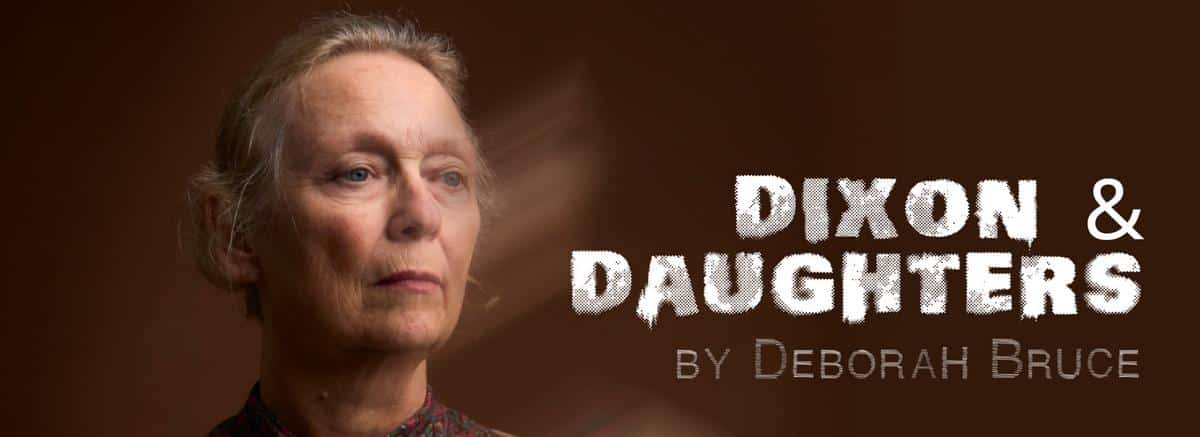
Dixon And Daughters

Dixon And Daughters Rating

★★★★★

Click if you liked this article

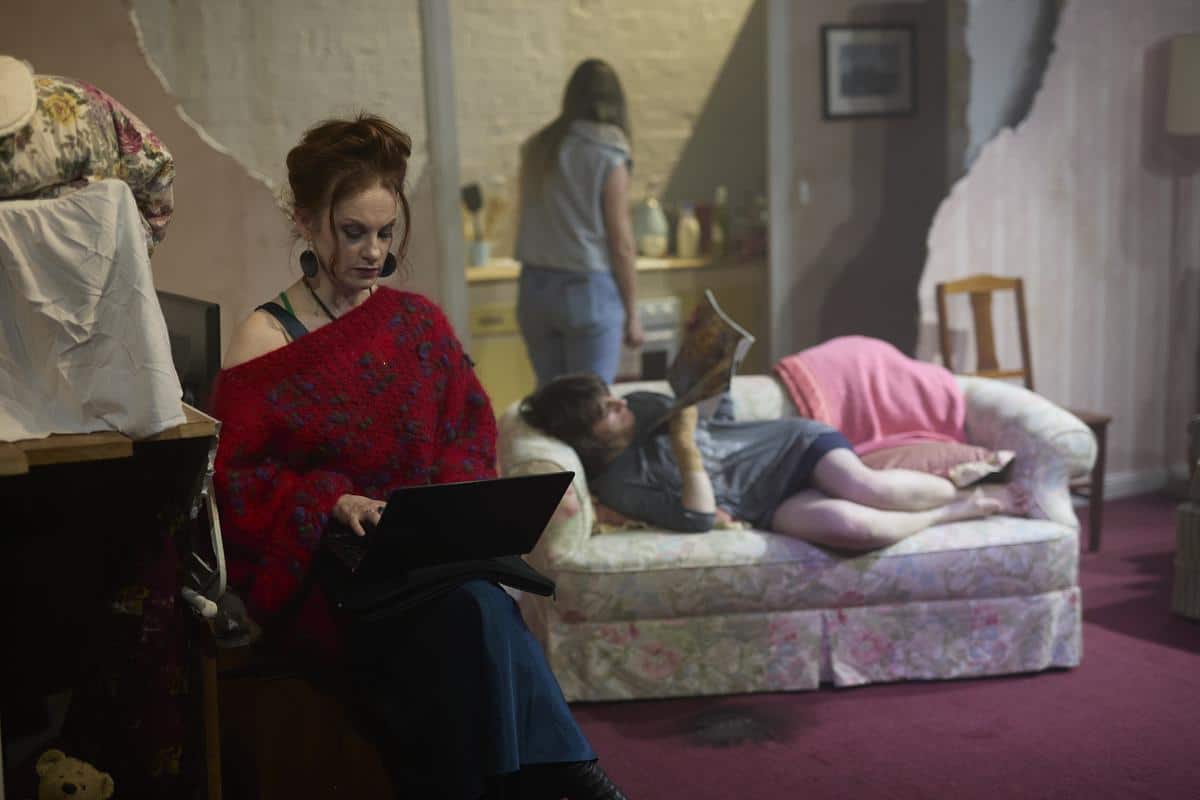
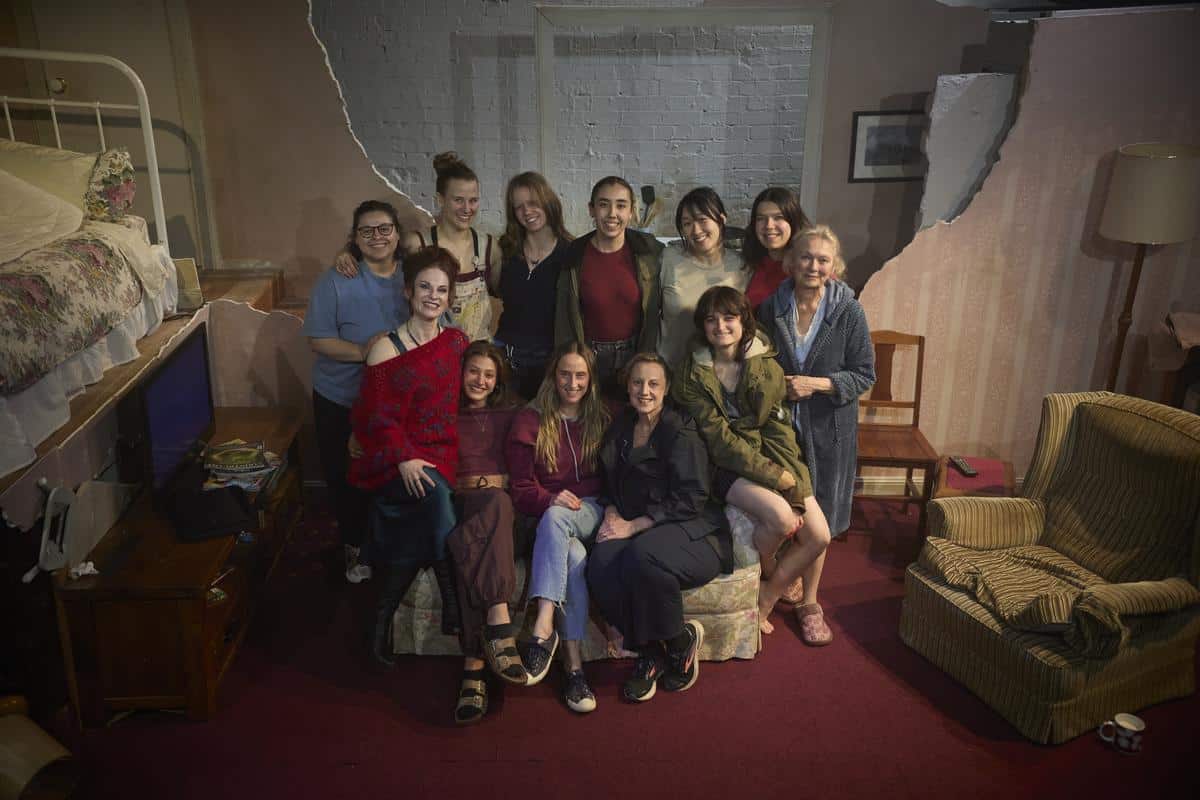
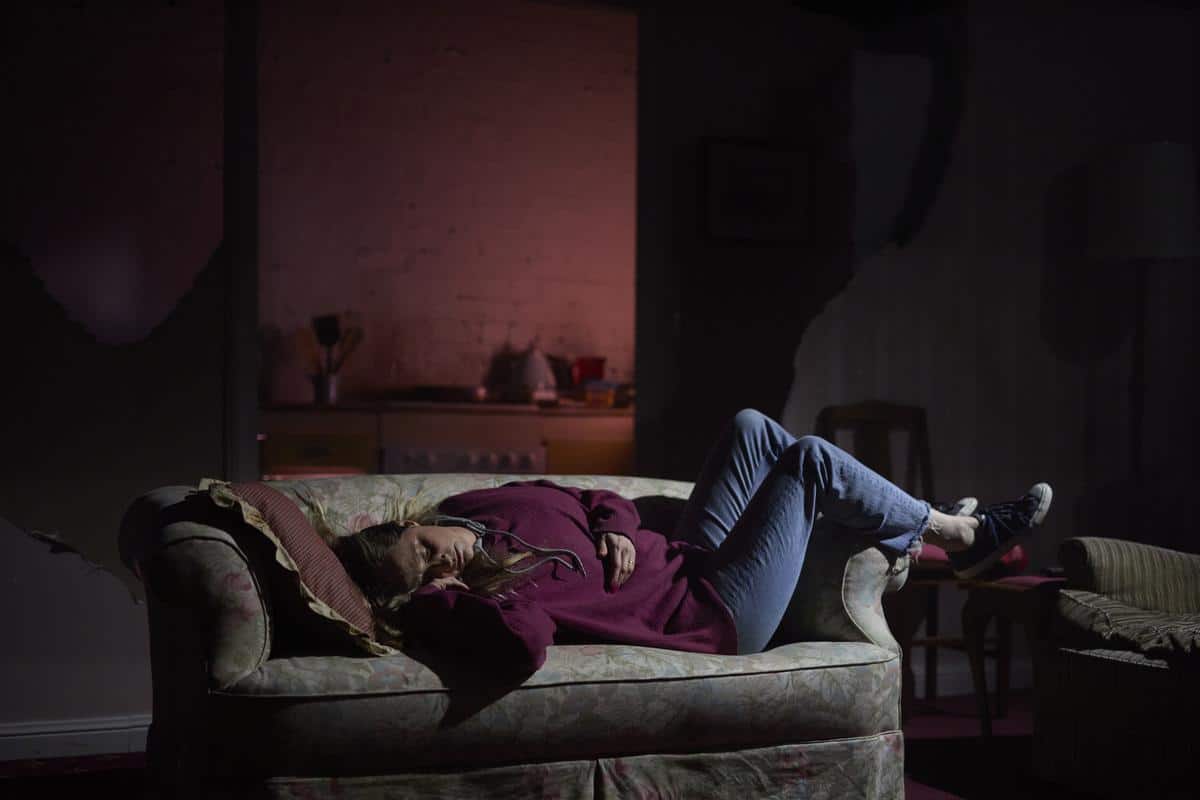
I will never cease to be amazed at what can be done with the right amount of creative genius, even in a small space, and I was particularly blown away as we entered the theatre at Old Fitz. Mia MacCormick's Dixon & Daughter’s set was immediately impressive with a two-storey set up with two upstairs bedrooms, one open to us with the double bed clearly belonging to someone who has lived there for many years and the familiar bedspread that told the same story. There’s a kitchen in the background, an old style living room (again, with the iconic upholstery of the era on the sofa). We see all the childhood remnants such as rocking horse in storage underneath. It’s a typical house that has seen generations. A house we might all remember but the shell of it is peeled away in parts, symbolic of the here and now and fuzzy, messy, reminiscing that we are about to be pulled into.

Topaz Marlay-Cole's lighting and Nicky Pardesi's sound design engage throughout. Darkness pools around the moments that need it most, and characters are isolated by a single source when they are at their most exposed and vulnerable. The transitional soundscapes hold us in the uncomfortable space between scenes, refusing to let us settle, while the pauses punctuated by light shifts carry their own quiet weight. Clever and intentional.

Mary, played by Vanessa Downing, has just returned home. Her granddaughter Ella and daughter Julie are ready to surprise her, while youngest daughter, Bernie quietly prepares them for the reality that Mary is "in a mood." In these early scenes, Deborah Bruce's script establishes the architecture of the family with deceptive lightness: Julie as the scapegoat fleeing a bad relationship and fighting an alcohol dependency; Ella as the playful peacemaker trying to offset the formidable dark cloud her grandmother carries into the room. Mary is no-nonsense, wanting nothing more than to get home and back to life. We soon discover she has served six months in prison for something connected to her deceased husband, and from that moment, the unravelling begins.


Downing's Mary is formidable. There is no softening of the character's abrasiveness, no easy bid for sympathy, just a woman carrying decades of damage and struggling to articulate the remorse beneath the bluntness.

Linda Nicholls-Gidley as Bernie embodies the daughter who must hold it together at all costs, and we see that fight written into every moment. Sarah Jane Starr arrives as the estranged stepdaughter Tina/Briana, larger than life and glamorous, having stepped into her power and intent on helping Julie do the same. Starr plays the light and shade with real skill, making Briana's complicated journey entirely her own. Romney Hamilton's Julie is the loveable screw-up, all flightiness and docility in the early scenes, and then, when the drama reaches its peak, Hamilton delivers a performance that takes your breath away. You genuinely do not see it coming.

Danette Potgieter's Ella makes her own quiet pivot, moving from the warmth and playfulness of the opening to something altogether more grounded and affecting when the moment demands it. Leigh is a character that Mary introduces into the mix, at first I wondered about this writing choice, I wasn’t sure we needed this character from the school of hard knocks who was providing a lot of comic relief (played joyfully by Rylea Ellis), but I realised that Mary had to bring this outsider in to disrupt the roles and stories running and Rylea plays this very well.

Director Kim Hardwick's work is full of specificity. Every exchange feels immediate, every relationship fully inhabited. But what struck me most was the blocking. Each character had their physical place within the history of this intergenerational story, allocated to a particular space unless the action required something different. They were connected but always isolated, until they weren't. It was a brilliant choreography of power and position, making visible what the dialogue could only gesture at.

An all-femme cast is its own kind of power, and this one is clearly working together and holding one another with real care. The dark themes are handled with tenderness and unflinching honesty in equal measure.

Dixon and Daughters is not an easy watch, but it is an important one. It will speak to anyone who has lived as a woman, and to anyone who has loved, nurtured or been shaped by one. This is a story that needs to be told, and the Tiny Dog Productions team has told it with exactly the courage and care it deserves.

To book tickets to Dixon And Daughters, please visit https://purchase.oldfitztheatre.com.au/EventAvailability?EventId=1201.

Photographer: Campbell Parsons

Spread the word on your favourite platform!

Posh: Presented At The Old Fitz

Posh

Posh Rating

★★★★★

Click if you liked this article

5

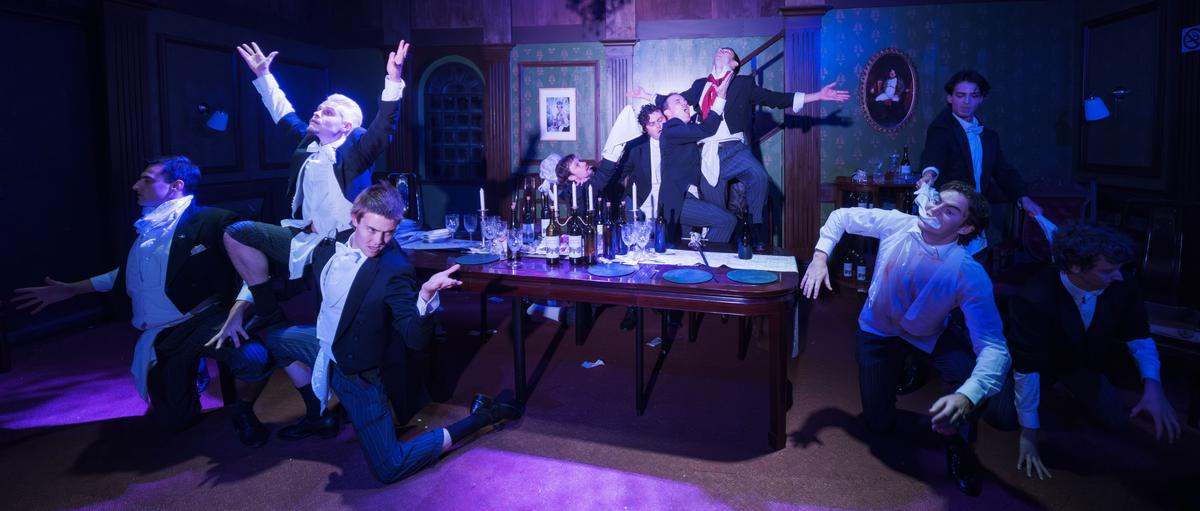
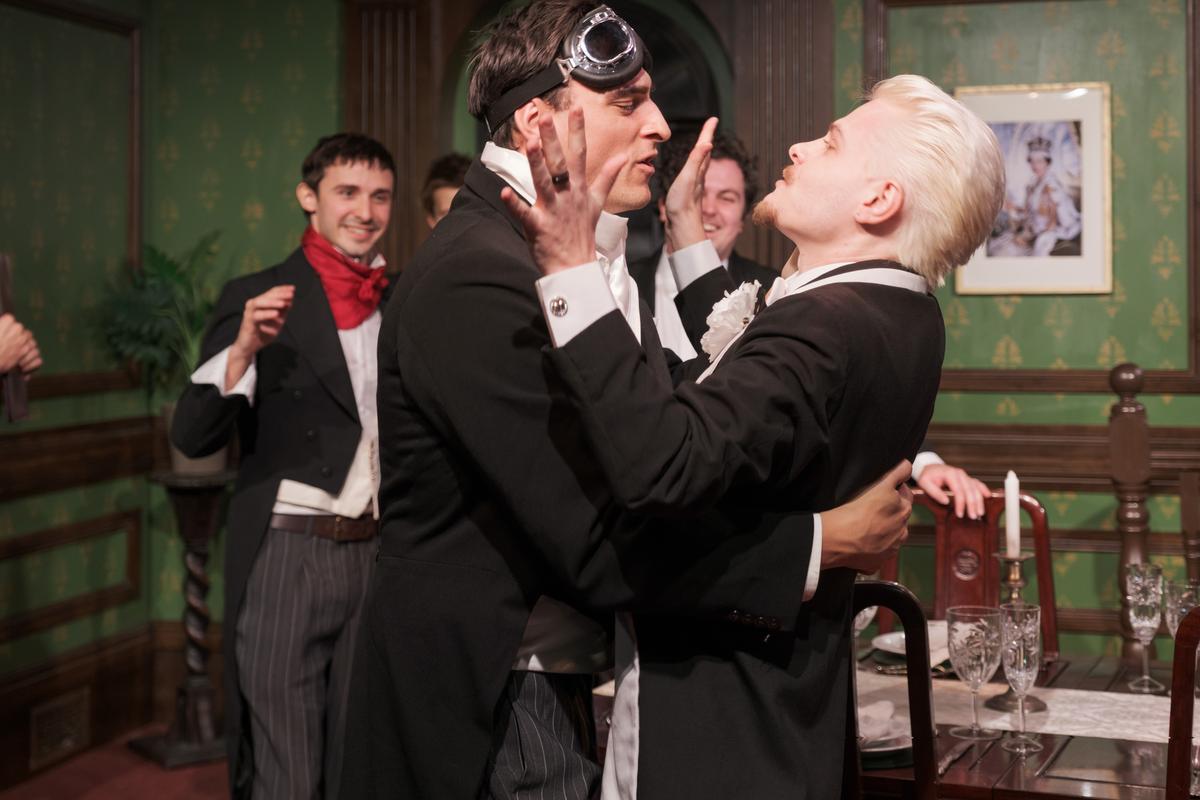
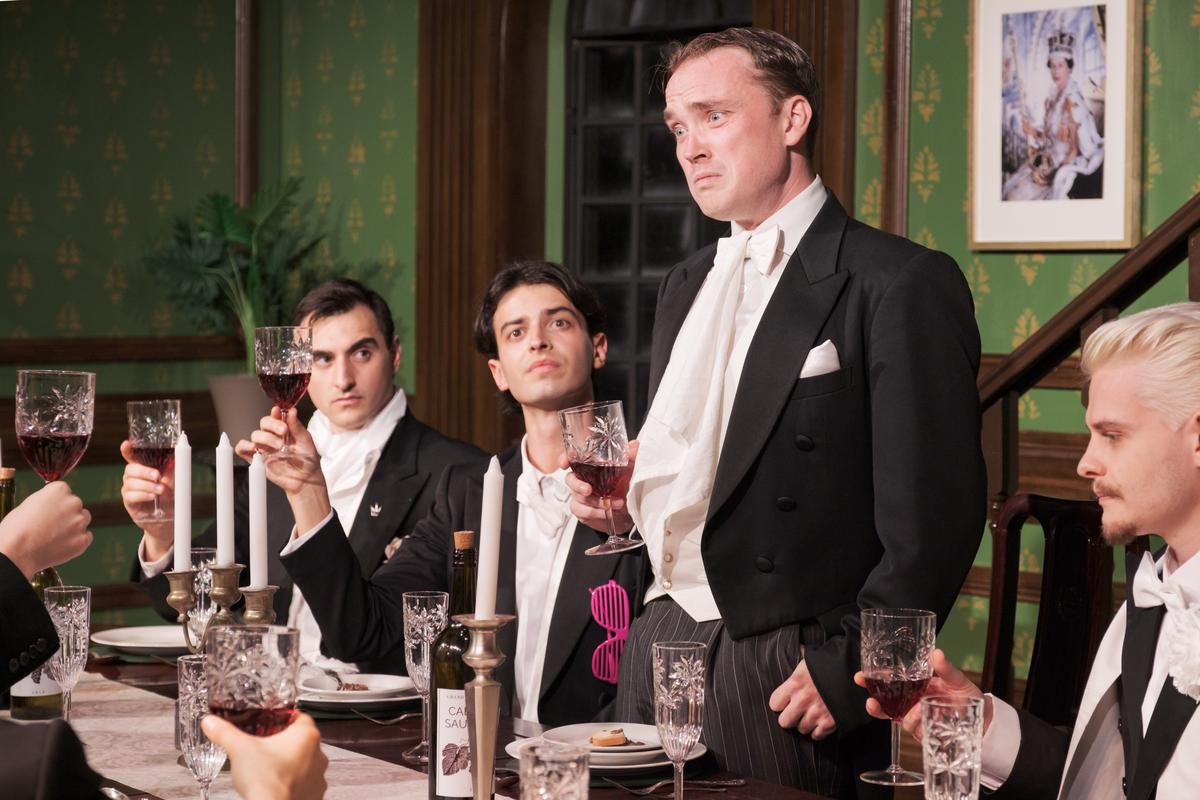
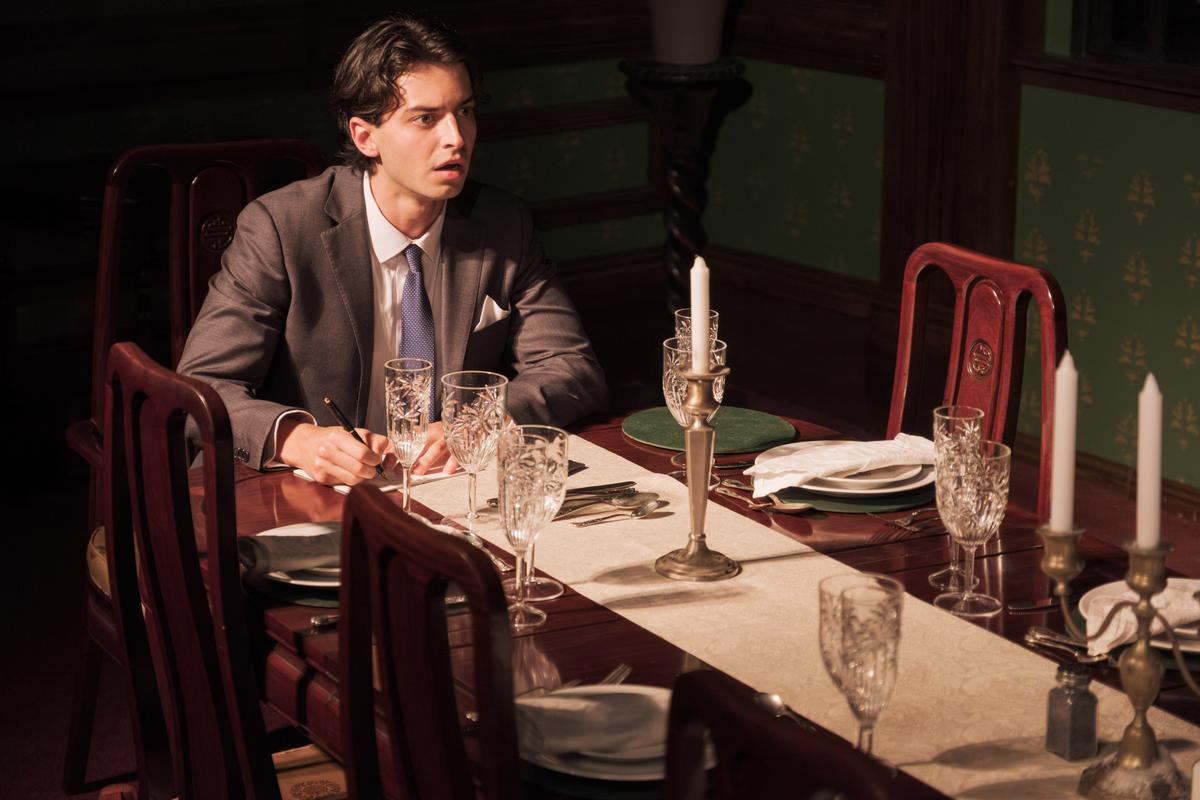
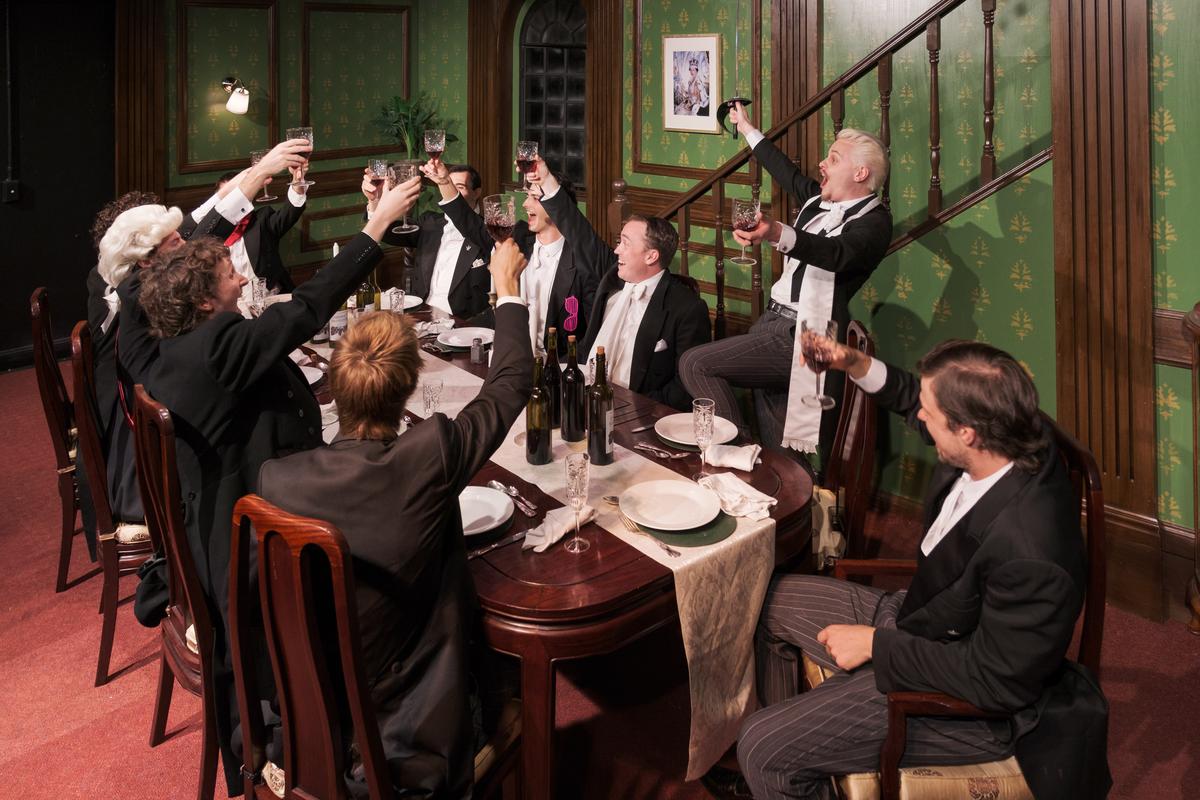
“Boys will be boys”—a phrase as old as time, and in Posh, it becomes both a celebration and a condemnation. From the moment you step into the theatre, you’re transported into the opulent, eerie calm of a private dining room in a British house. A long table is laid out for ten, gleaming with anticipation. But this isn’t any dinner party—it’s a resurrection of legacy, a night with The Riot Club.

The play, penned with sharpness and nuance, builds its tension masterfully. We wait with bated breath for the dinner to begin, as the lore of past debauchery—smashed chandeliers, demolished rooms—echoes through stories of old. This elite society of British best and brightest has long thrived on mayhem masked as tradition. But in the present, their antics have come under fire, forcing them to tread carefully. This dinner is meant to be their 'resurrection'.

The cast is nothing short of magnetic. Each actor carves a distinct identity, from the naive newcomer brimming with excitement to finally earn his seat at the table, to the lewd over sexualised brute who arranges a prostitute as entertainment. The chemistry is palpable; the banter quick and witty. You find yourself drawn in, laughing, charmed by the absurdity, even wishing for a moment you were part of the mayhem. There’s an undeniable allure to their camaraderie—rituals that bind, jokes that exclude outsiders, a shared past that feels bigger than all of them.

But that’s where Posh truly shines—luring you into complicity before ripping away the curtain. As drinks flow and inhibitions fall, the evening spirals. A dark undercurrent emerges: a generational rage, the resentment of young aristocrats who believe they've been muted in modern Britain, where privilege is no longer applauded but looked down on. Their descent into violence is shocking yet all too believable. And when the inevitable consequences arrive, the final twist cuts deep—money shields, privilege prevails, and accountability is artfully dodged. A crime becomes a credential.

What makes Posh exhilarating is not just its pace or wit, but its layers. It’s a play that makes you laugh, then makes you uncomfortable for having laughed. It seduces, then indicts. Director and cast navigate these shifts with precision. The set design and costumes are elegant and old-world-like —a perfect metaphor for the world these boys inhabit, symbolic of the class system that has existed for generations. And the writing is as clever as it is cutting, never veering into caricature but instead painting a disturbingly real portrait of entitlement unchecked.

In a landscape where theatre often grapples with contemporary questions of identity and power, Posh stands out. With only two female characters, it doesn’t pretend to be balanced—it chooses to focus, with almost clinical scrutiny, on the male diaspora. It shows us men in their glory, their chaos, their fear, and their failure.

Posh is not just a play. It’s an invitation to the table, then a rude awakening.

To book tickets to Posh, please visit https://www.oldfitztheatre.com.au/posh.

Photographer: Robert Catto

Spread the word on your favourite platform!

Dear Elena Sergeevna at The Old Fitz

Dear Elena Sergeevna

Dear Elena Sergeevna Rating

★★★★★

Click if you liked this article

1

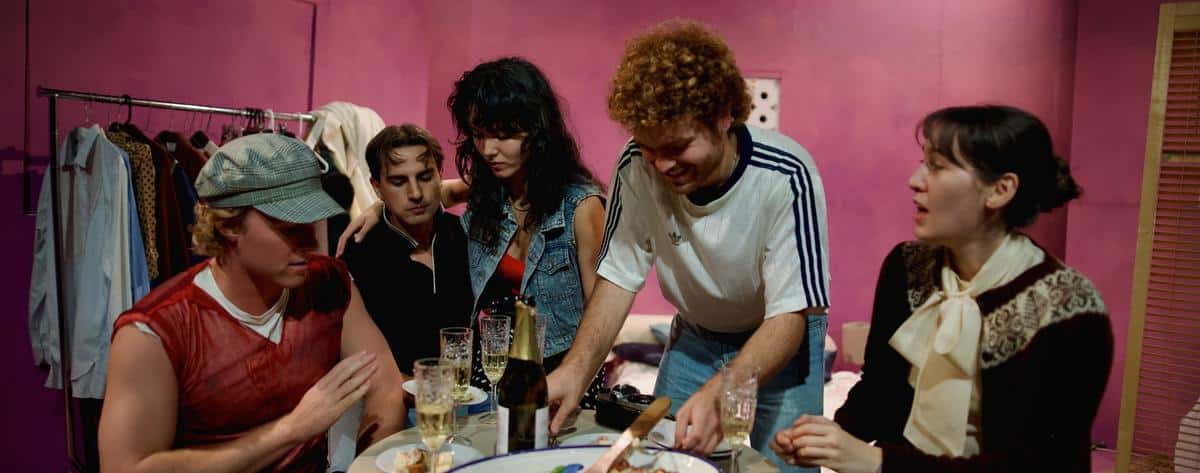
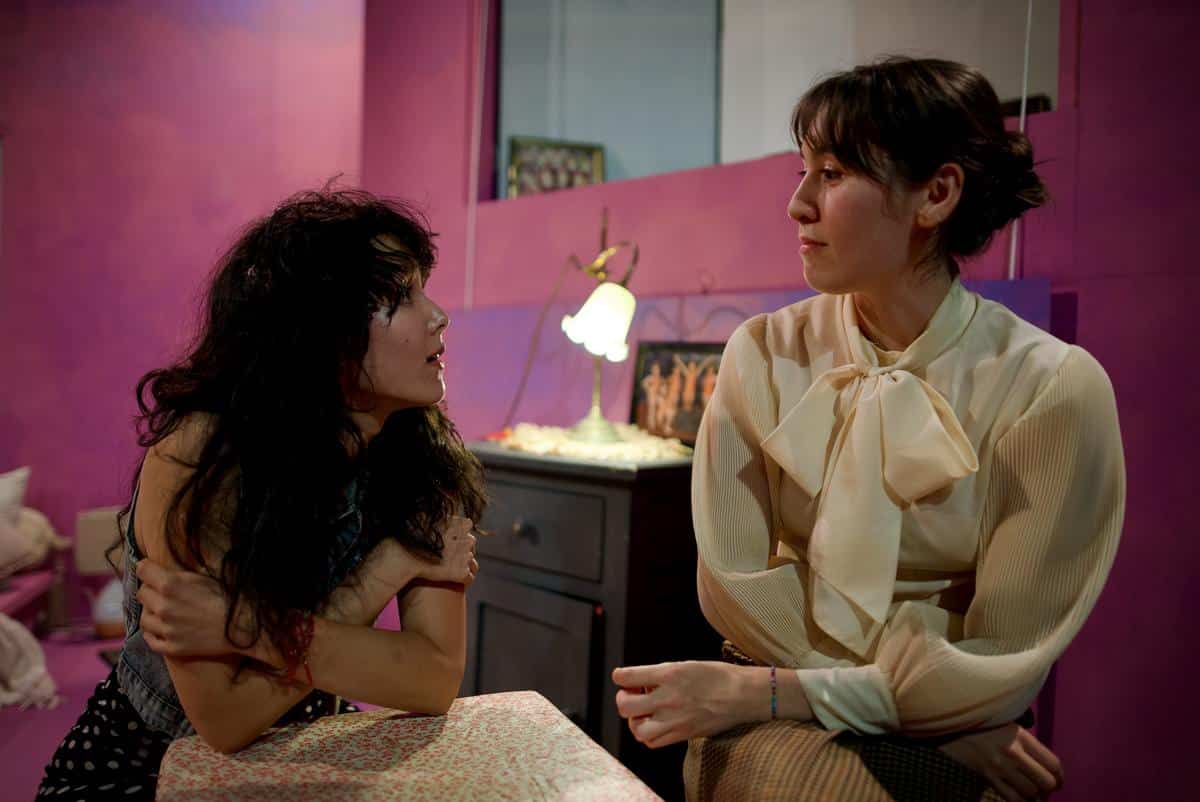
Written in 1980 by Lyudmila Razumovskaya and later adapted into film, Dear Elena Sergeevna remains relevant as an exploration of morality, humanity, and the darker side of ambition. Elena is a schoolteacher who is about to celebrate her birthday alone while her mother is in hospital.

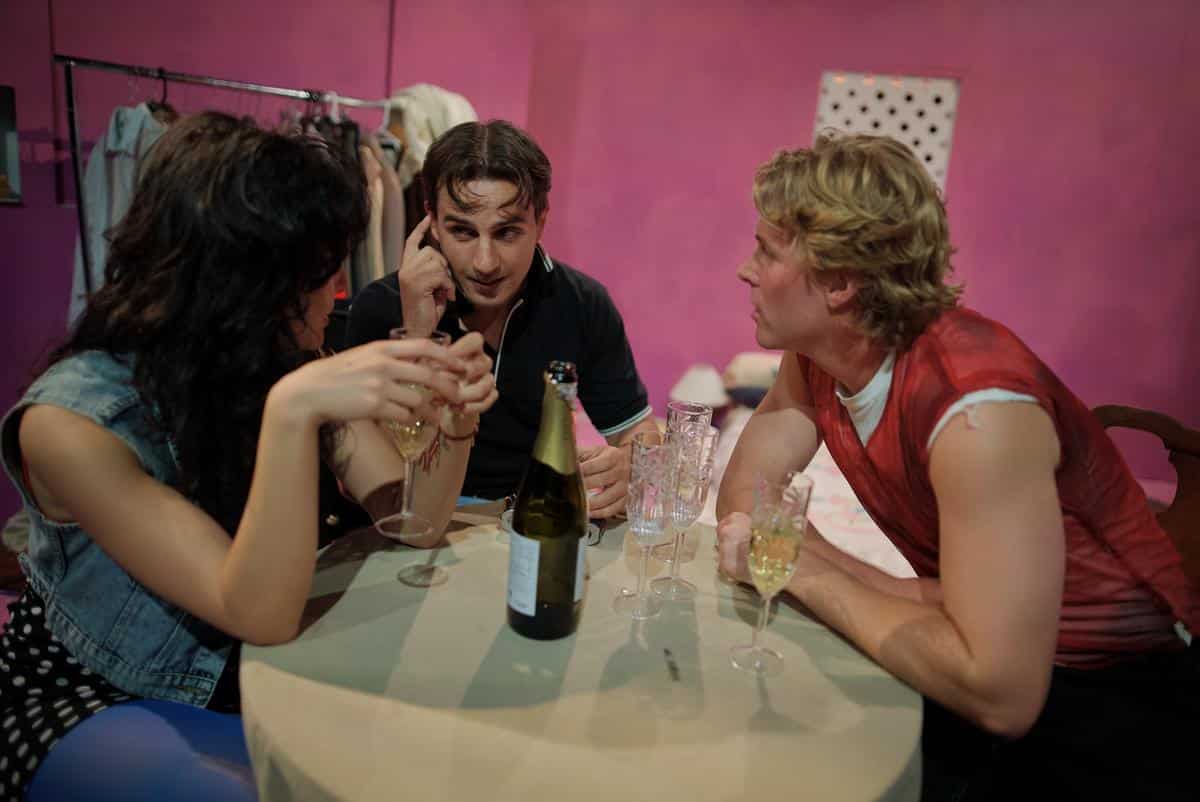
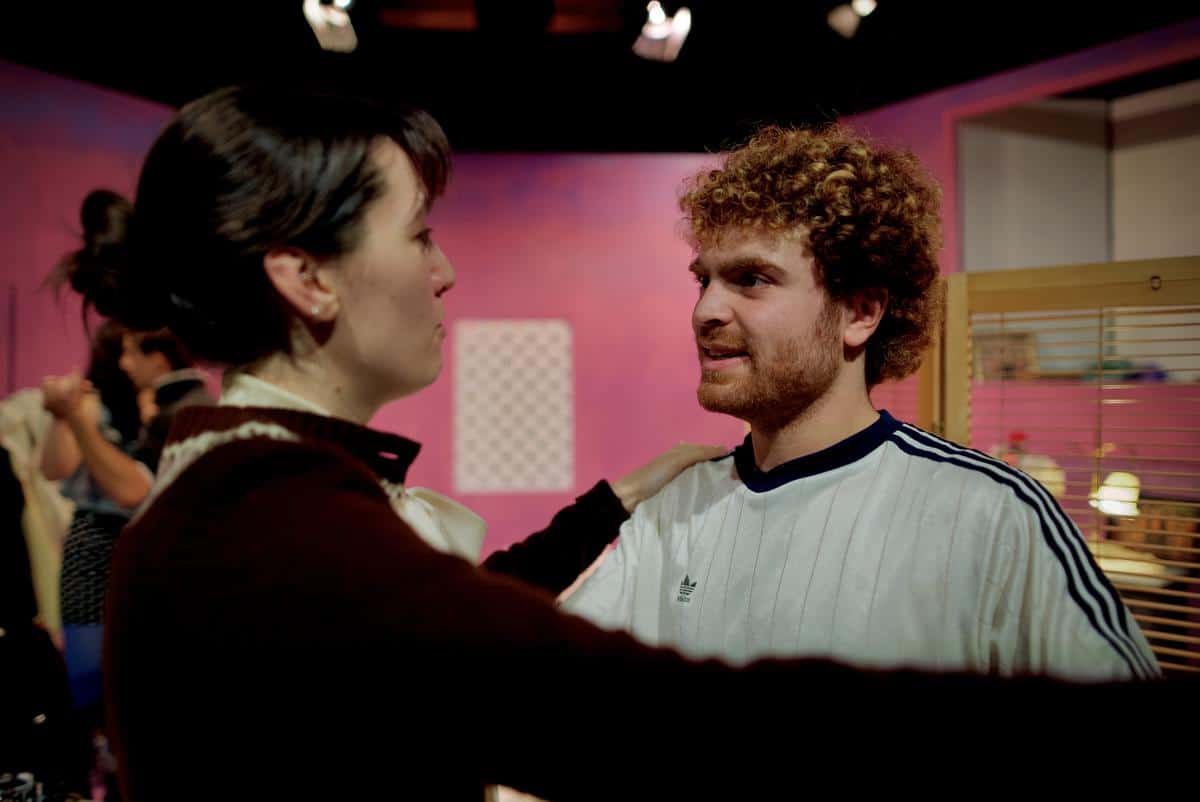
Her quiet, humble evening is interrupted by a group of her students who visit to celebrate, or so they say, bringing gifts and alcohol. Their true intention is masked by their polite manners and youthful joviality, trying to bring Elena onside so she willingly helps them with a secret plan. But she refuses to be their accomplice, so the students hold Elena captive as the evening descends into a tense battle between different generations and ideologies.

The current production at The Old Fitz Theatre, directed by Clara Voda, doesn’t quite manage to capture the sense of danger and tension so evident in the script. The cast try their best with string performances. Teodora Matović is well cast as Elena, convincingly embodying the bookish, conservative and idealistic teacher. Toby Carey, Harry Gilchrist, Faisal Hamza and Madeline Li brought the students to life with energy and exuberance, even if they sometimes stumbled on their lines. Each was perfectly cast for their respective character.

The only thing missing was tension. At no point did I feel concern for Elena’s safety or fear what students may be capable of. Much of the subtleness in the script was missing. There were many lost opportunities where menace and terror could brood underneath the ideological conflict, but the emotions were big, loud, and shallow.

Elena’s outburst fell flat despite Teodora's excellent physical performance, embracing the emotions completely. It was just the wrong directorial choice. I could barely hear anything being screamed and failed to have any emotional reaction to what should have been an incredibly powerful moment. Most of the important emotional moments were the same: big and loud rather than powerful.

I liked how the characters were always engaged in some activity, even when they were not the focus of the story. There was always something else going on, and that level of detail is commendable. The actors were almost always on stage, so keeping busy and interesting when you don’t have any important plot action to deliver can be challenging, and they did this skillfully. I also really enjoyed how the dialogue was dynamic, with characters constantly talking over each other like we do in real life. Unfortunately, that wasn’t enough to immerse me in the performance, and by the end of the play, all I could think about was what could have been. It’s still a great, timeless story. Maybe next time.

Dear Elena Sergeevna is now playing at the Old Fitz Theatre in Woolloomooloo until the 11th of April.

To book tickets to Dear Elena Sergeevna, please visit https://www.oldfitztheatre.com.au/dear-elena-sergeevna.

Photographer: Noah David Perry

Spread the word on your favourite platform!

Subscribe to What's The Show

Reviews, show news and what is on, straight to your inbox.