Belvoir St Theatre’s A Room With a View is Full of Heart and Humour

A Room With a View

A Room With a View Rating

★★★★★

Click if you liked this article

2

Grace Chapple’s “A Room With a View”, based on the novel of the same title by E. M. Forster, was a delightful adaptation brought to stage, with a dose of heartfelt romance and subtle yet at other times bold, uproarious humour.

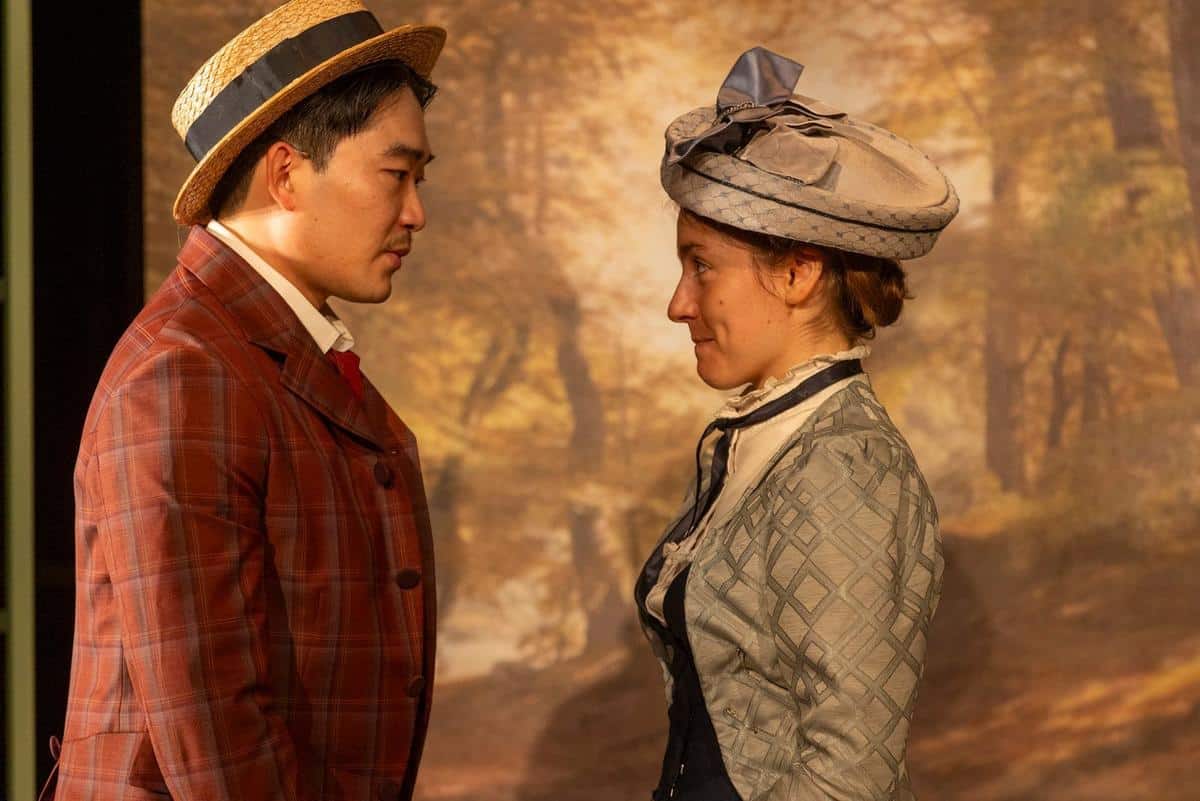
At first glance the set was minimal. A few chairs, tall doors and windows introduced the audience to a hotel room in Florence. This remained the set throughout the whole play, with some additions. It became apparent as the play progressed that the set did not need to be cluttered with period furniture and ornate furnishings. The costumes were beautiful and intricately detailed enough to place us in the exact time period of the early 1900’s, courtesy of set and costume designer Zoe Atkinson.
Lighting designer Amelia Lever-Davidson, sound designer Madeleine Picard and composer Grace Ferguson pulled together masterfully to create an atmosphere to surround the characters and convey exactly where they were at any given time. This was through nuanced lighting and clever sound design. One standout scene was when three characters, George Emerson (Luke Wiltshire) Freddy (Tomas Kantor) and Mr Beebe (Tom Conroy) went swimming in the pond in the woods in Surrey. When they ducked under the water in a circle together, the light spotlit the men using cool blue tones and underwater meditative sounds. This, combined with the actors’ slow and exaggerated ‘underwater movements’ and playful interactions whilst holding their breaths had me almost believing they were going to emerge from this scene totally soaked when their heads popped up.

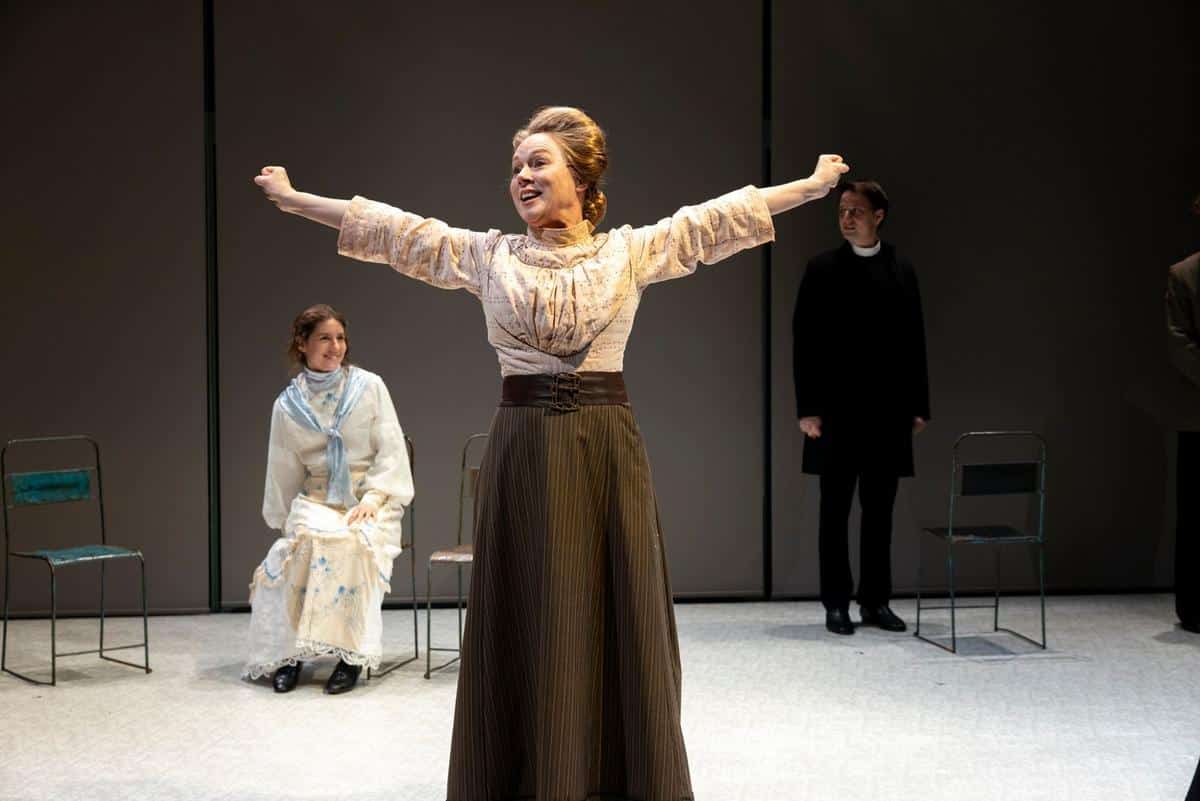
“A Room With a View” follows Lucy Honeychurch (Nathalie Morris) as she begins her holiday in Florence with the older and wiser (in her own words) Charlotte (Hayley McElhinney). Charlotte has been put in charge by Lucy’s mum Mrs Honeychurch (Kate Atkinson). She is accompanying her naive-to-the world cousin and promises to keep Lucy safe and ladylike, a responsibility which she takes extremely seriously. McElhinney’s exacting potrayal of an anxious Charlotte rang true to her character, kudos to her.

It is in Florence where the ladies meet Mr Emerson (Patrick Williams) and his kind hearted son George (Luke Wiltshire). He offers his room with a beautiful view of the piazza to Charlotte and Lucy after overhearing them wishing their room had a view. Morris effortlessly became her character and immersed into Lucy with ease, portraying her as a young woman genuinely torn between acting as society expects – a respectful and quiet young lady – and the need to burst out of her conventional self to bloom into a spirited woman who wants more than being a subservient wife and living a sombre life.

Williams played Mr Emerson well, portraying his kind, honest and truthful heart in a calm and likeable manner. His poetic delivery of advice towards the end hits to the core of the play and the message the audience are left to ponder – “We fight for more than Love or Pleasure; there is Truth. Truth counts, Truth does count.” – is poignant.
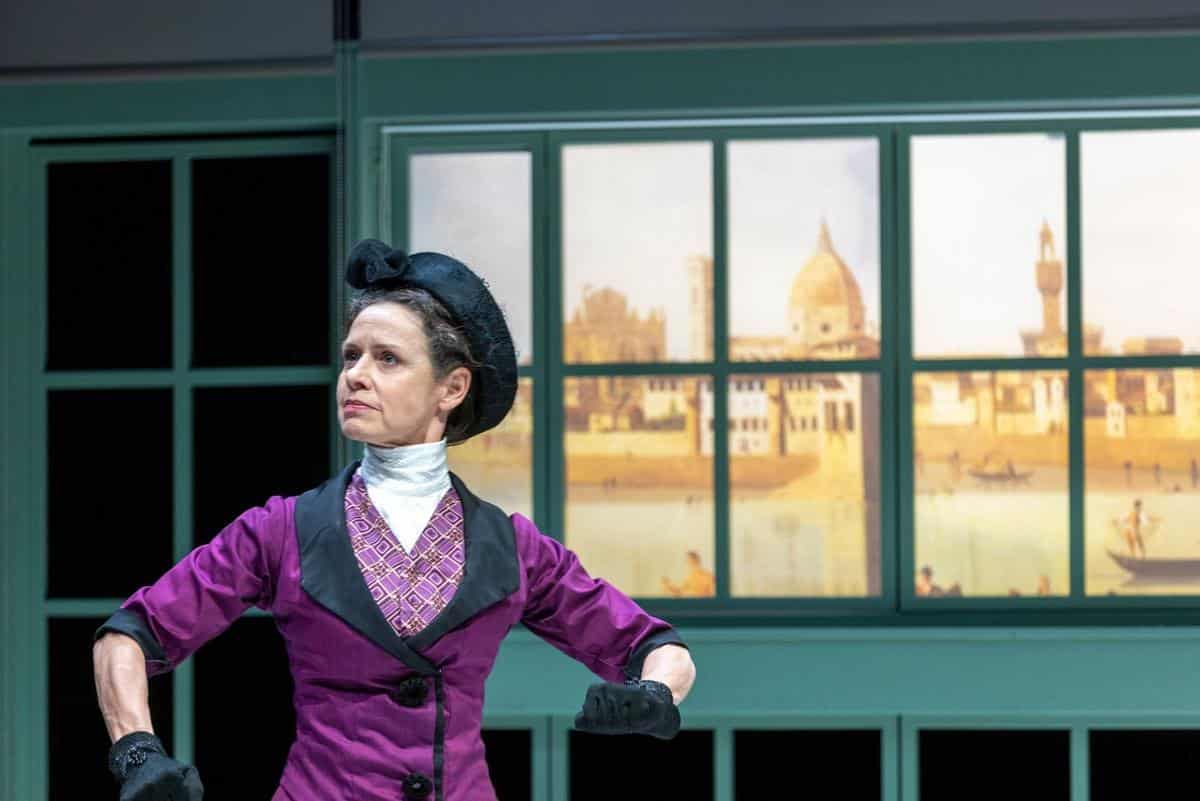
 

There are outings together in Florence and one day, they are taken on a sight seeing trip led by a confident and outgoing Italian driver, portrayed by Tomas Kantor. After the British tourists leave, the Italian driver, cigarette in hand, turns to the audience and begins a one way conversation. He spoke expressively about the tourists in fluent Italian, even pouring a drink from a wine bottle into a glass that he gave to some front row patrons, thus breaking the fourth wall. How did we know what he was saying? With the very creative use of subtitles! This was done the 1900’s way with a projector and with the Italian driver manually clicking through slides as he spoke. This delighted myself and from the audience’s laughs, they appreciated it too.

Later, the play progresses to Windy Corner and Surrey where Lucy lives with her mum Mrs Honeychurch (Kate Atkinson) and her younger and animated brother Freddie, played by Tomas Kantor. Mr Beebe, the local Pastor who had also been in Italy, has new neighbours move in who happen to be Mr Emerson and his son George. They had been invited to stay by Mr Cecil Vyse (Charles Wu). Lucy announces her engagement to Cecil. Wu’s portrayal of Cecil is excellent, and we see that this upper class character, “a fortunate man of leisure”, is a mismatch for dynamic Lucy. There is a very funny scene which highlights this. Lucy, George and Freddy are playing tennis. As each ball hits the tennis racquet, it was highlighted with a live note struck by Patrick Williams discreetly situated at the back behind the windows on a keyboard. As they are screaming with laughter, running around and having rallies (resulting in a shower of musical notes being played), Cecil sits on the umpires chair, trying to read a novel and looking extremely uncomfortable amongst the physicalities and laughter from his fiancé and the men. Lucy is faced with the choice of continuing her engagement or breaking it off with Cecil, and trusting and following her heart, to wherever and to whomever that may be.

Serious themes such as the complexities of one’s heart, women in society, family and class structure and expectations are balanced perfectly with the lighter moments brought to the stage by the cast. One such scene comes with a full frontal nudity scene warning on the program, and not having viewed the program before the play began, this particular scene was a surprise and created the intended hilarious response from myself and from the audience. Director Hannah Goodwin, A Belvoir St Fellowship Awardee, has brought together a captivating and complete reimagining of a novel nearly one hundred and twenty years old, and it is a timeless theatrical masterpiece! Book your tickets to “A Room With a View” at The Belvoir Theatre soon, before it changes its room with a view and onwards travels to Melbourne.

“A Room With a View” is playing from 3 October – 1 November at The Belvoir St Theatre.
25 Belvoir St, Surry Hills 2010.
Run Time: 2 hours and 40 minutes (including a 20 minute interval)
Tickets: www.belvoir.com.au/productions/a-room-with-a-view

To book tickets to A Room With a View, please visit https://belvoir.com.au/productions/a-room-with-a-view/.

Photographer: Brett Boardman
Spread the word on your favourite platform!

Captain Corelli’s Mandolin – There’s Always Love And Music

Captain Corelli’s Mandolin

Captain Corelli’s Mandolin Rating

★★★★★

Click if you liked this article

3

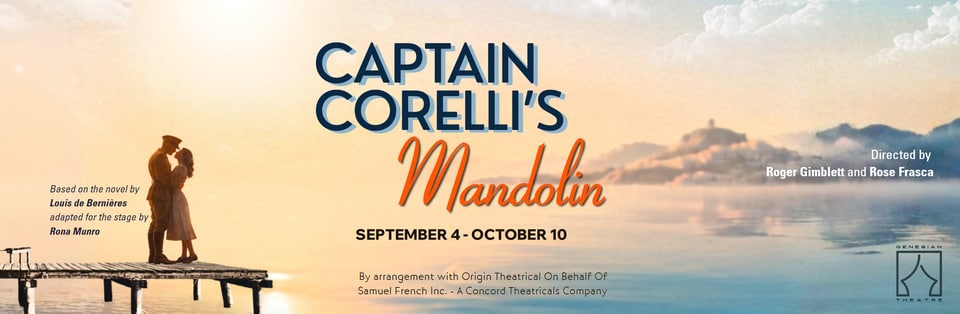
“Captain Corelli’s Mandolin”, originally a novel written by Louis der Bernieres in 1994, was adapted for stage by Rona Munro. The Genesian Theatre Company are no strangers to presenting a diverse genre of plays and has been a staple in Sydney’s theatre scene delighting audiences since its first play in 1945, notably after the war and the time period this play was set. I have tremendous respect for The Genesian Theatre, having seen many of their productions at their previous home in Kent St, inside a church built in 1868, where they had performed for 70 years. Their new era began at their new home in Rozelle in 2025.

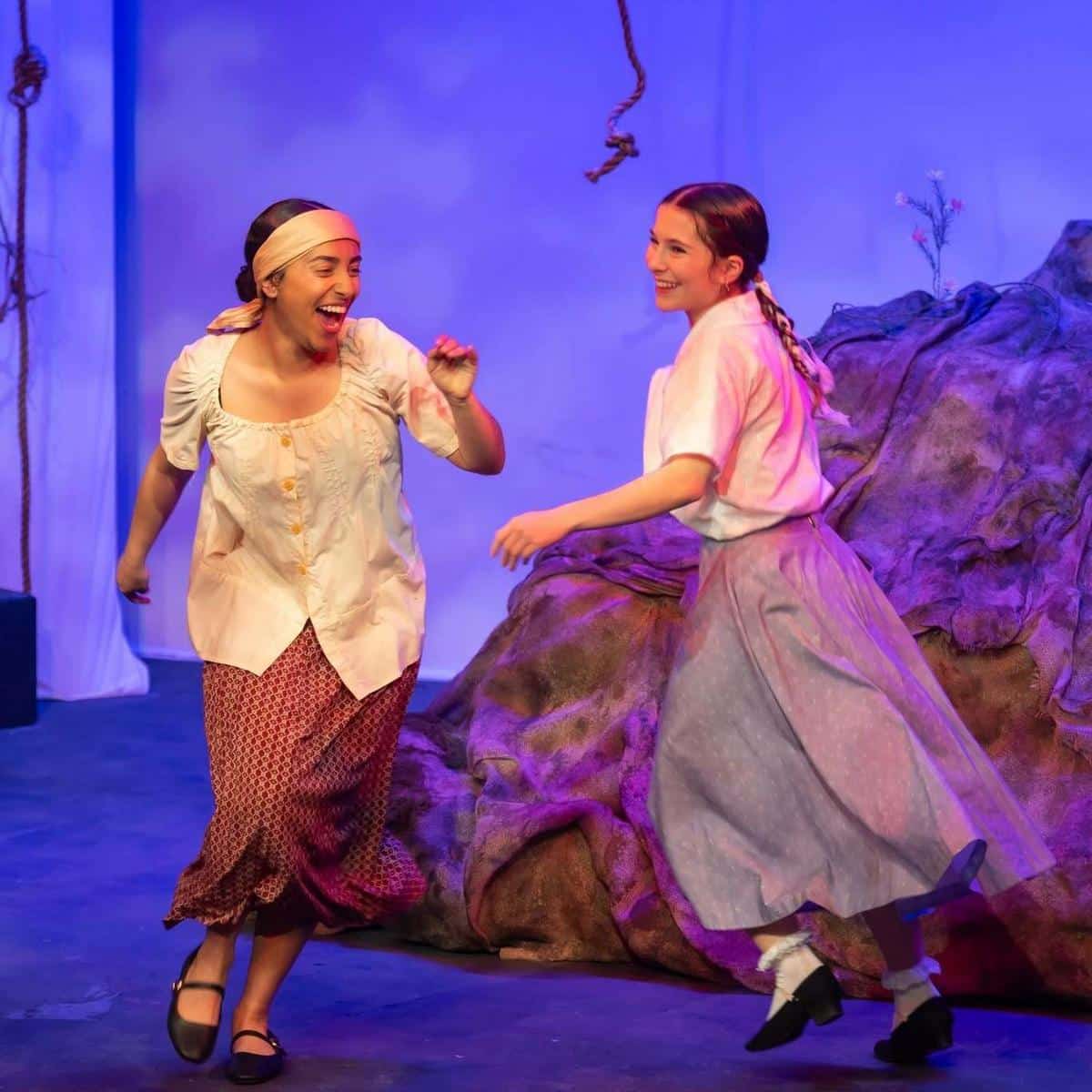
“Captain Corelli’s Mandolin” takes the audience back in history to 1941, set during the second world war on a beautiful Greek island, Kefalonia. Opening to a peaceful seaside scene, people are living a happy life, unaware that their lives are about to be changed. Dr Iannis (David Stewart-Hunter) and his daughter Pelagia’s goat (Hope Selim) are breathing in the ocean’s fresh air. The goat proceeds to nibble on his paper while Dr Iannis’ back is turned, and Selim’s wide eyed goat was very amusing as Dr Iannis continued to berate the animal, who clearly did not understand a word he was saying. I wondered if this was a prelude to the following hardships of war, where the oppression and suffering of innocent people fall on deaf ears of those responsible.

Dr Iannis’s daughter Pelagia (Isabelle Serafim) is engaged to Mandras (Maximillian Choma). Her character is feisty and headstrong; she is a character with strong opinions. The first act builds up to the arrival of Captain Corelli, and lays the historical foundation and significance of the war. It shows traditional Greek life on the island and the importance of family, with scenes showing Mandras’ relationship with Pelagia and with his mother, Drosoula (Phillipa Coleman).

The background to the arrival of Captain Corelli and his soldiers is told through the relationships of the people living on the island and also through the character Carlo (Brodie Chong). Chong’s Brodie addresses the audience directly and through scenes onstage, and tells of his own experiences in the war as an Italian soldier, and his relationship with Francesco (David Newton). There are touching scenes showing simple joys amongst the horrors of fighting in the war, these being with Francesco keeping a pet mouse secretly in his pocket and the importance of companionship between the two soldiers, and with the pet mouse, as well.


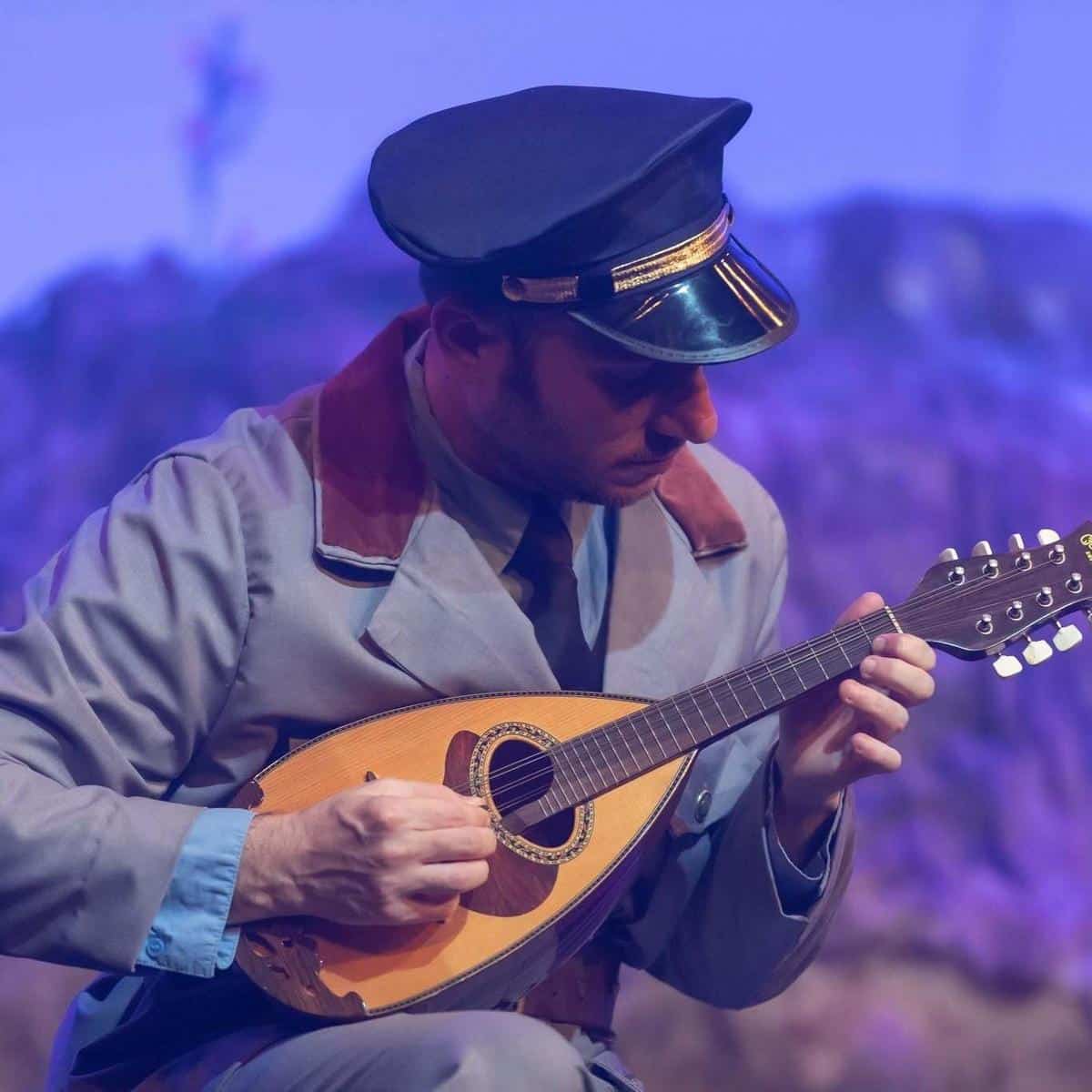
The second act was longer than the first act, which felt like it dragged a little, and moved at a faster pace. It told the story featuring human relationship elements, with Captain Corelli and the Italian soldiers who invaded the island, and were living inside the Greek islander’s houses. Mandras had left Kefalonia to fight in the war. Captain Antonio Corelli (Dimitri Armatas) arrived with a rather easygoing manner, and appeared as a breath of positivity with his love of music and his mandolin, in a time of wartime struggles. Food was scarce and the Greek people were under occupation. At first reluctant and hostile towards Captain Correli, Pelagia begins to soften and eventually a romance begins. This of course brings complications and Stewart-Hunter embodies the caring father role fully as he delivers advice to Pelagia. He warns that although he does like Captain Corelli as a person, she is betrothed to Mandras and by her being with the “enemy” it will likely bring negative judgements and make her a social outcast in their community. One of his lines was poignant and was delivered by Stewart-Hunter perfectly. “Love is a temporary madness. It erupts like a volcano and then it subsides. And when it subsides you have to make a decision. You have to work out whether your roots have been so entwined together that it is inconceivable that you should ever part.”

Captain’s mandolin, which he named Antonio, from the play’s title, had a starring and important role, particularly towards the end which I won’t disclose. Not only was the mandolin a star, but music itself and the power of it to lighten and transport people away, if only for a short while. Well done to the sound and lighting designer Michael Schell, for creating the atmosphere of not only the sounds of the bombs and frightening aspects of wartime in red flashes and strong white headlight lighting, but also for the gentler parts of the play such as the ocean waves, and the understated spotlight on Carlo to highlight his heroism during an important scene. The music chosen throughout the play and during the many scene changes immersed the audience into the 1940’s. The song “Pelagia’s March” was touching and represented the depth of love Captain Correlli had for Pelagia. Kudos to Armatas for playing the mandolin live onstage. I liked how the song he wrote for Pelagia started so simply with a few plucks, and then we were able to hear the full orchestral song later when he became a successful musician.

Susan Carveth’s costume design brought the characters alive out of the page into wartime and showed the traditional Greek culture on the island.

The script was quite wordy and I am sure it was not an easy task to incorporate the complexities of many themes into one play. Well done to the main and supporting cast! Co-Directors Rose Frasca and Roger Gimlett pulled together both the large 24 person cast and crew cohesively to create a serious play showing the frail balance of life on a beautiful Greek island, how families and relationships are forever affected by forces out of their control and the struggles of putting love before loyalty. And music. Always the beauty of music.

Captain Correlli’s Manolin is playing from 4 September – 10 October 2025 at The Genesian Theatre. 2B Gordon St, Rozelle Sydney

Running time: 2.5 hours, including a 20 minute interval

Tickets: www.genesian.sales.ticketsearch.com/sales/salesevent/156354

To book tickets to Captain Corelli’s Mandolin, please visit https://genesiantheatre.com.au/events/captain-corellis-mandolin/.

Spread the word on your favourite platform!

All Things Must Pass: A Play About The Beatles

All Things Must Pass

All Things Must Pass Rating

★★★★★

Click if you liked this article

1

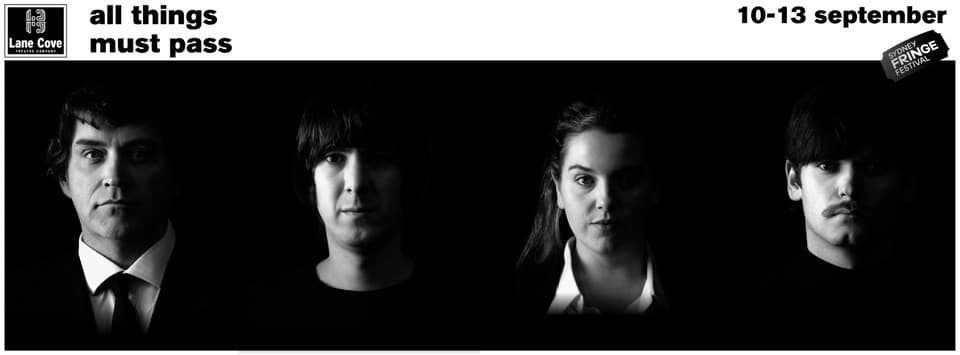
When we think back in history to musicians who have had a profound influence in their industry, and an even greater effect on people who love them, there are a handful of people. George Harrison, John Lennon, Paul McCartney and Ringo Starr were The Beatles, and at the height of their career in the mid to late 1960’s, they caused what was coined, “Beatlemania”.

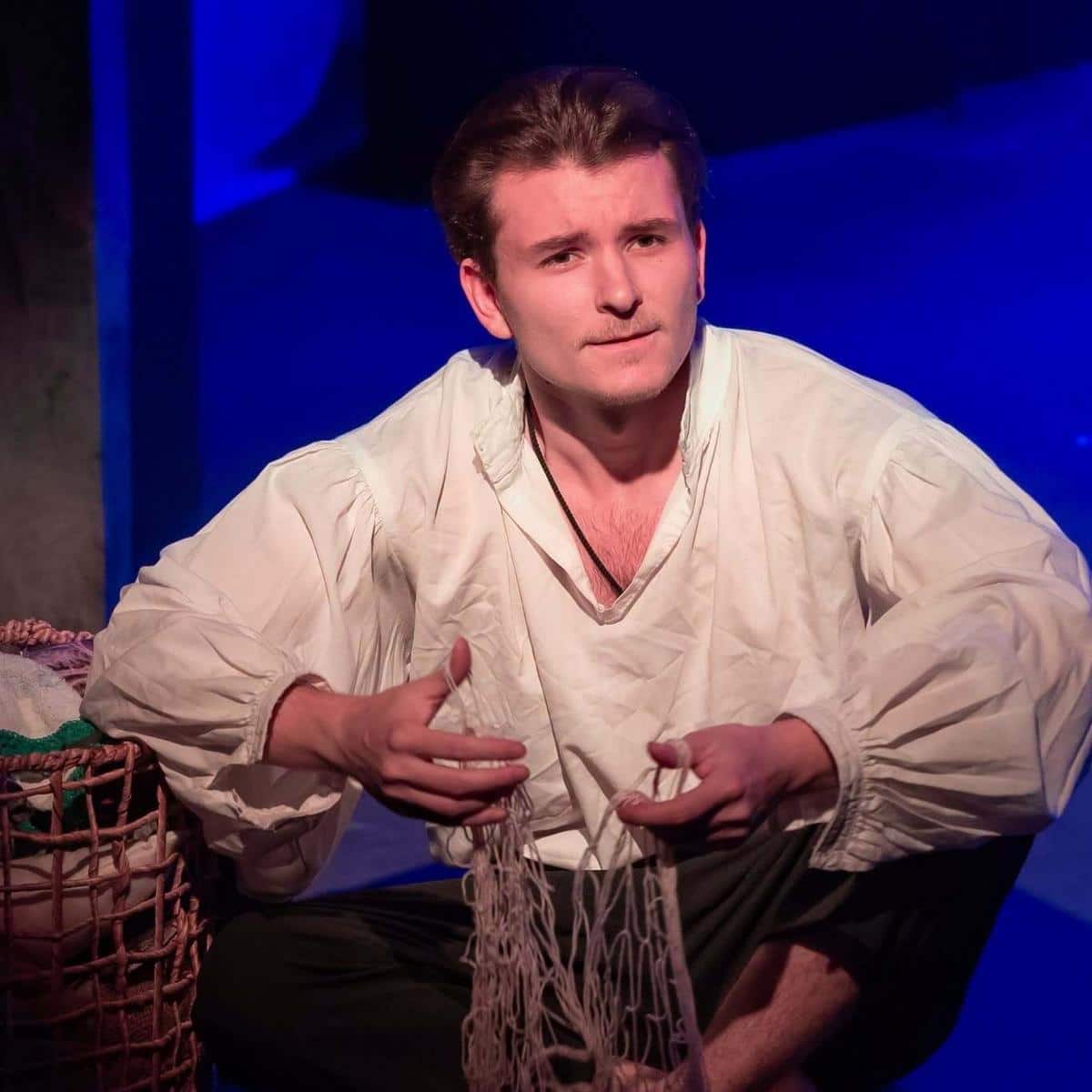
It is during this time when “All Things Must Pass”, a play performed by the Lane Cove Theatre Company, focuses on. Written by David Potter and directed by Luke Derrick, this play takes its name as a nod to one of the solo albums released by George Harrison in 1970. This title makes sense on two fronts. One reason being that the play, although featuring all four Beatles, does have a steady focus on George (Matt Clayton). The other reason I think the title suits, was a bit of a play on words. Following John Lennon’s death, the play examined the aftermath of a friend’s murder, and the grief of the remaining members. Towards the end, George mused, “Life doesn’t conclude, it just stops. What does it mean to us?” thinking that everyone passes and “death is taking off your suit”, so life is one thing that simply passes.

The play opens with George in his living room, silent and upset. It has only been a short while since John Lennon was shot. Ringo, (Blake Nicholas), comes to visit and we quickly see the dynamics of these two friends. Nicholas plays Ringo with natural charm, showing his character’s optimism as his tries to gently cheer up his friend. Paul (Rachel Benedict) arrives and soon they are visited by the memory of John (Clayton Moss).

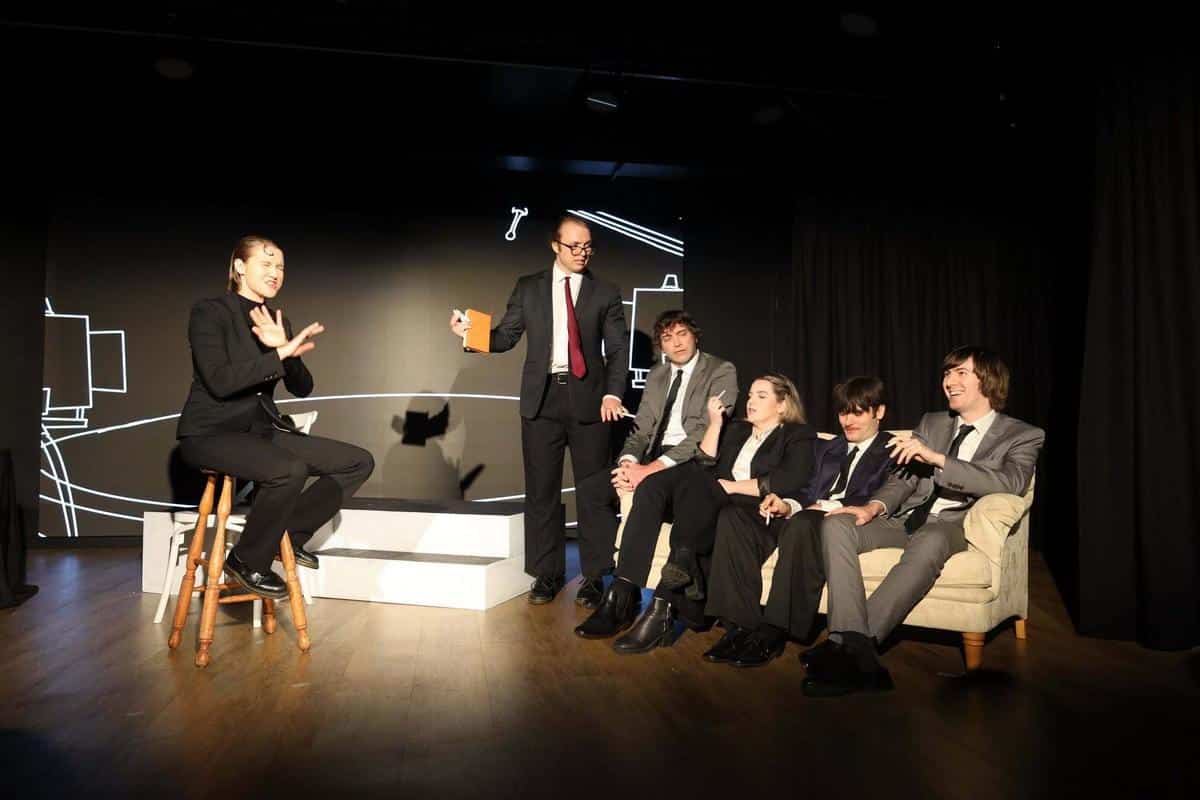
They are soon transported in time back to the 1960’s where all four band members are being interviewed and filmed – bantering on the couch. All four are sitting in a row, squeezed together and completely at ease with each other and with the media. I would say that this scene represented that it was as good as it would get between the band members, and relationships appeared to fracture after this point.

“All Things Must Pass” takes a deeper look into the strained relationships between the four, most notably between Paul and George. It appeared that Benedict’s character Paul was mostly terse and unhappily snarky throughout the entire play, and it may have been purposeful, although this did make him unlikeable. One of his quotes showed arrogance – he snaps at George, “I was the one who made you!” after George brings up that he was unhappy that Paul was suing him. Paul completely refuses to take responsibility for the legal action, blaming his lawyer.


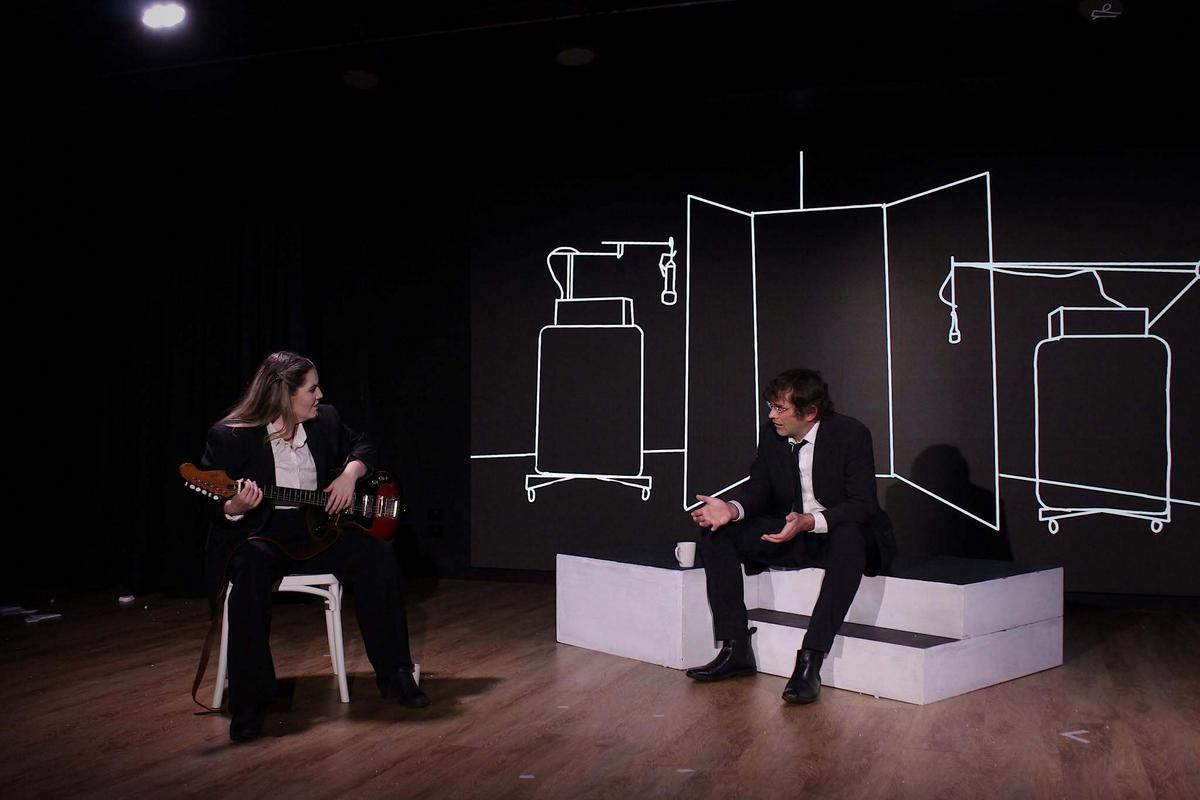
Ringo remained level headed and patient, even playing chess with himself (three games!) as Paul and George recorded in the Abbey Road studios. Nicholas did a great job of portraying Ringo and his laid back character. John, re-joining the three at different times to show the audience what life was like back before he died, appeared later on to take himself away on “trips” (of the pharmaceutical non-legal kind).

Brian Epstein (Nat Jenson) was The Beatles manger and whenever he came onto the stage, he did so in a whirlwind of exuberance, if not a bit over the top. He guided their career and was said to have made their commercial success by putting them into matching suits, securing their record contract and guiding them.

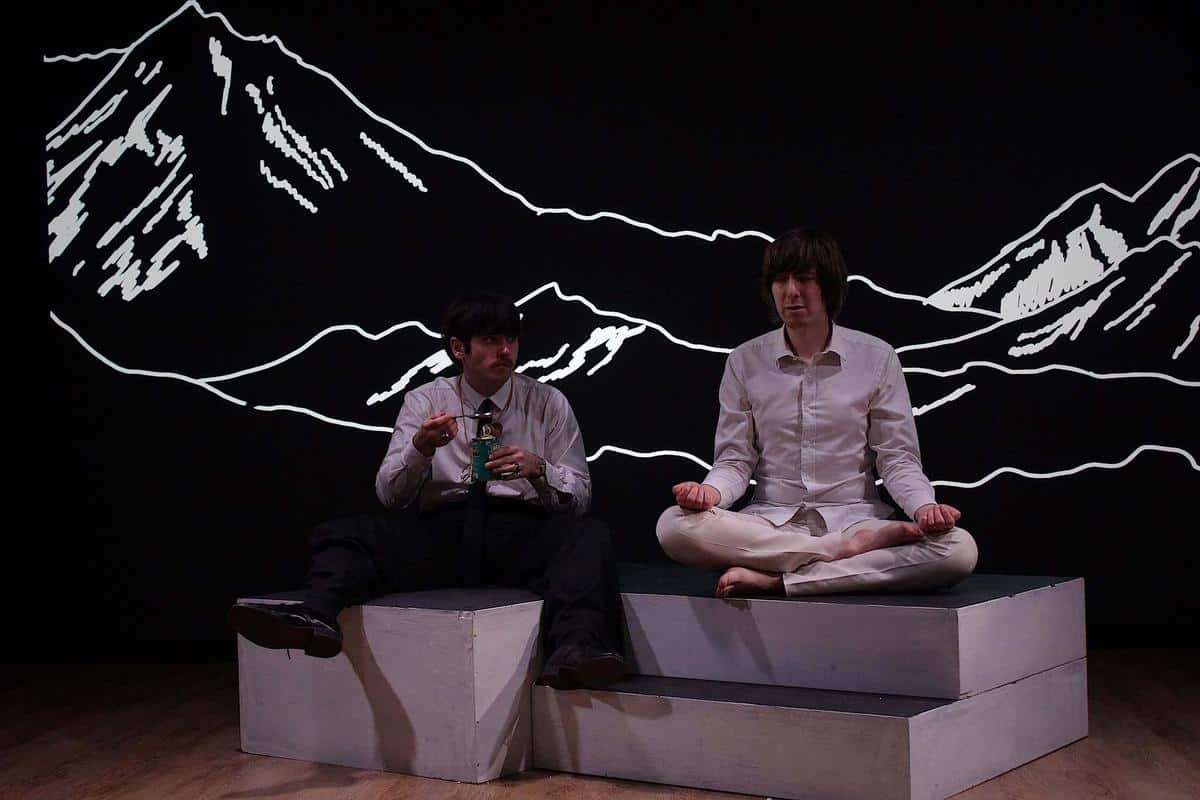
The time periods skipped back and forth throughout the 1960’s and upward, with the intended date projected onto the screen behind the actors. The set was very simple, with a minimalistic look. The screen showed black and white sketches of where they were, sometimes in George’s living room, other tines in the Abbey Road Studio or on a rooftop in London. Costumes were also streamlined. The characters wore suits, with no change of costume.

Matt Clayton was a standout in this play. His Liverpool accent never dropped and his portrayal of George Harrison kept the audience riveted. I was impressed by the monologues that George said, which often gave us an insight into his mental health. His way of coping with life after John died was to become immersed in spirituality. In one scene, he was meditating, repeating the “Hare Krishna” mantra over and over, all the while being drowned out by the increasing volume of noise and chaos of the outside world. In this intense scene, it seemed to be a catalyst for the other times where it was mentioned that the screaming and attention of fans were unwelcome. It culminated in George shouting, “Leave me alone with my thoughts! Just let me die!”

Sara Vencalkova and Anastasia Vokhmyakova completed the cast, playing different roles; the reporters, photographers and other characters which added to this story. This is an original play about another side of The Beatles, about being famous, and mostly about friendship, life and grief.

“All Things Must Pass” is in partnership with The Fringe Festival and is on from 10 -13 September 2026 at Pottery Lane Performance Space.

Time: Approximately 100 minutes with a 15 minute interval.

Tickets: www.sydneyfringe.com/events/all-things-must-pass-a-play-about-the-beatles

To book tickets to All Things Must Pass, please visit https://sydneyfringe.com/events/all-things-must-pass-a-play-about-the-beatles/.

Spread the word on your favourite platform!

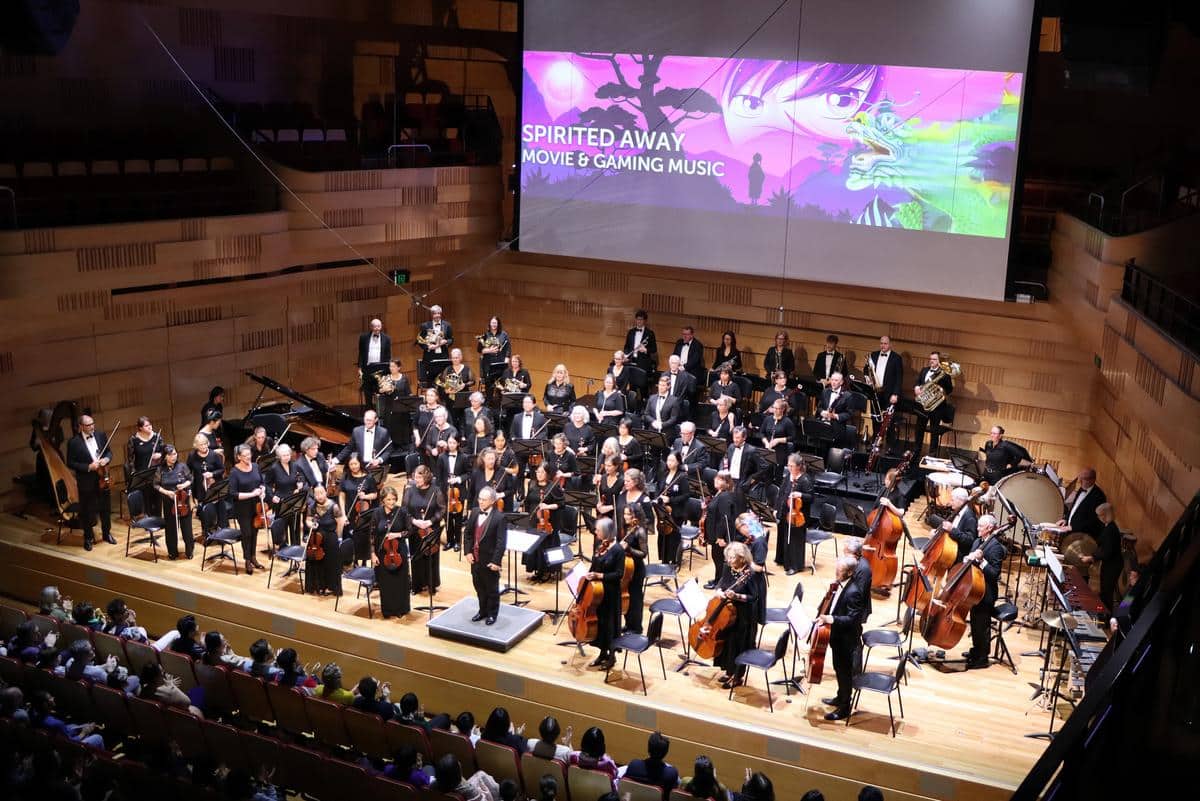
The Ku-ring-gai Philharmonic Orchestra’s Spirited Away: A Musical Masterpiece Into The Movie And Gaming Worlds

Spirited Away

Spirited Away Rating

★★★★★

Click if you liked this article

2

For a relaxing Sunday afternoon, being immersed in the sounds of film and gaming music scores performed by the Ku-ring-gai Philharmonic Orchestra (KPO) was perfection. The choice of songs was varied, from the widely known “Star Wars Suite” composed by the legendary John Williams to other songs that I was not familiar with, such as Jeremy Soule’s “Song of the Dragonborn”.

The KPO’s deliberate choice of song order was clever, which took the audience on an emotional musical journey with ups and downs like a wave. The KPO alternated playing intense songs, then moved next to a quieter song, then back to a powerful piece.

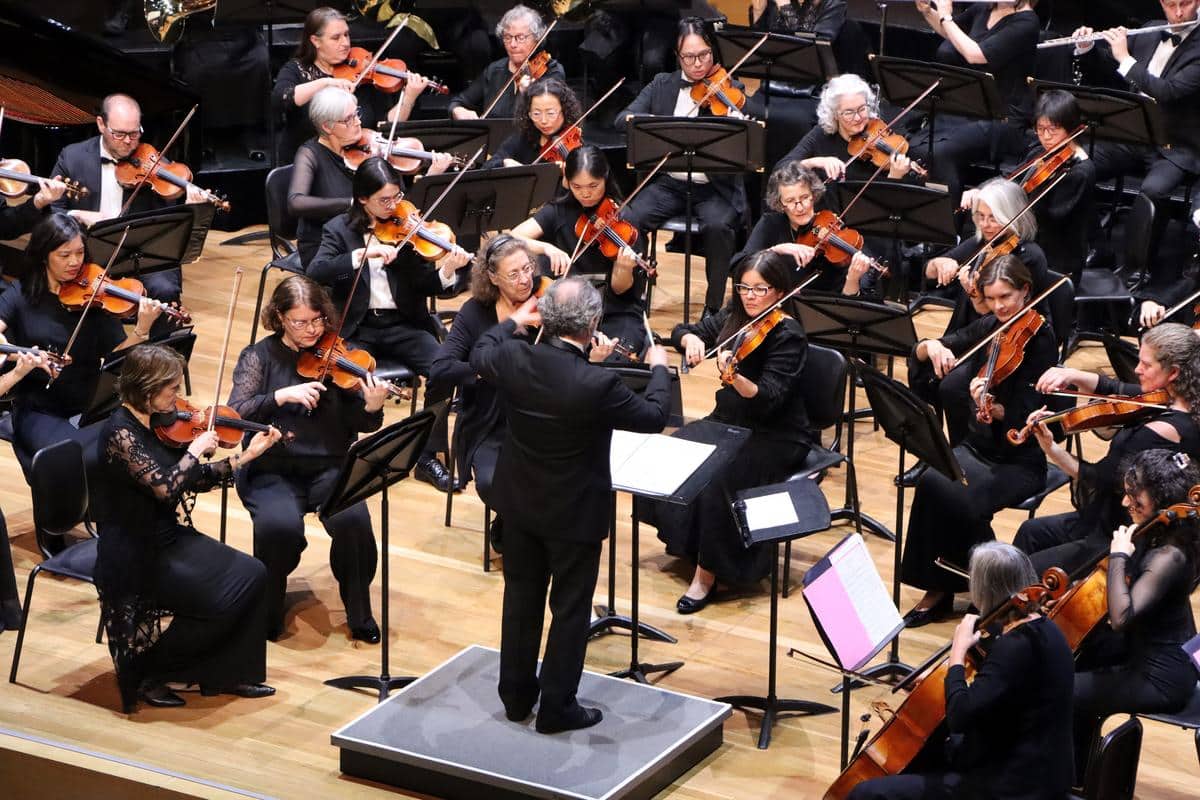
A standout song was the meditative beauty “Benjamin”, originally from the ABC/ International film and television series, “The Hymns of the Forefathers”. Listening to this song live was quite special, as we were fortunate to witness the composer conduct his own piece. The song “Benjamin” was named after his three year old son. KPO’s Artistic Director and Chief Conductor Paul Terracini used his baton, signalling tempo and guiding the orchestra in all of the song performances, except this one. Instead, it was beautiful to see the love and depth of feeling he had for his own piece. He did not use his baton, he conducted with his whole body and arms, swaying to the tempo, and it was mesmerising to watch.

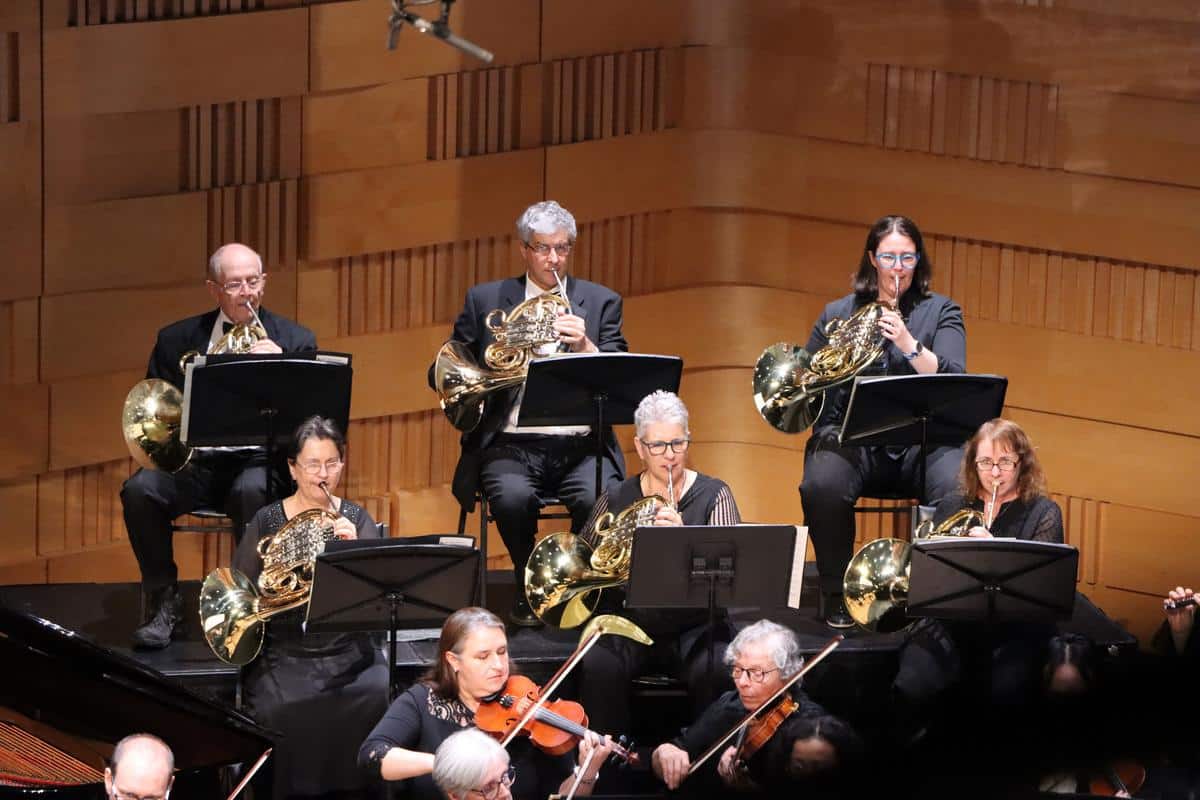
Before each performance, Terracini introduced each song with some background information on each composer and some information on the song. The KPO’s first song was the “Star Wars Suite”, and from the very first opening note, the power and precision of the orchestra created an exciting start. The “Imperial March” was played with perfect precision, with the sharpness of the trumpets, bassoons, trombones and tuba intermingled with the frenetic violins and full orchestration to create the menacing Darth Vader theme. This Suite arrangement displayed an example of the alternating powerful and gentle song format, with sweet and regal “Princess Leia’s Theme” following the boisterous main theme. The different tempo and soft beauty of “Yoda’s Theme” with the harp, and the grandiosity of the “Throne Room and End Title” contrasted with each other and conjured up scenes from this classic movie into my mind.

The magic of the KPO’s music continued with “Spirited Away Suite”. Joe Hisaishi composed for Hayao Miyazaki’s animated films from Studio Ghibli. I had seen the 2001 anime “Spirited Away” a long time ago and did not remember the music, so it was with curiosity that I began to listen to this suite. The piano infused a gentle and curious beginning with “One Summer’s Day” and as this song progressed, it shone of innocent wonder. The harp plucking represented the moon to me, in “Night Time Coming”, with a lovely lullaby. This was followed by “The Gods”, which had a dramatic element, with the percussion leading the effects in some parts. This suite featured lovely solos by harpist Kaela Phillips and Concertmaster Violin Lead Anne Marie Braid. The effect of a solo, and then the orchestra joining in was effective in creating a musically flowing journey for the audience.


After the interval, the KPO performed the soundtracks and music from “Song of the Dragonborn”, “The Elden Ring 2022”, “Spartacus”, “Benjamin” and ended with “Fellowship of the Ring Suite”.

Japanese Composer Yuka Kitamura’s “Elden Ring 2022” theme was arranged by Jonathan Shaw and was a very strong and powerful piece. Beginning gently, the quick metamorphosis into a highly dramatic theme, with the brass, wind instruments, violins, percussion and metallic percussion gong’s calling was impressive.

“Spartacus”, was composed by Aram Khachaturian. This song was written for a ballet in 1954, and the retelling of a Thracian gladiator reuniting with his wife after she was captured, was romantic. The middle part of the song hinted at a shadowed darker time, and the echo of a call and response of the orchestra was instrumental in building the dramatic intensity to a crescendo. The ending of the song relayed the couple’s tender love, as the tempo calmed and the lead violinist brought the story to a peaceful end.

Jeremy Soule’s “Song of the Dragonborn” played next and began in the Dragonborn’s ‘tongue’ – shouts which are heard alongside the horns and violins and were an effective way to introduce the mood. This was an uplifting and courageous song and in some parts it lifted my imagination skyward. This was a very regal song utilising strong brass and percussion to create a mediaeval themed mood.

“The Lord of the Rings: Fellowship of the Ring Symphonic Suite”, arranged by John Whitney, was the last piece the KPO performed and was a wonderful piece to end on. Composer, conductor and orchestrator Howard Shore’s film scores have earned Academy Awards, Golden Globes and Grammy Awards and this suite, beautifully played by the KPO, showcased his talent. The LotR suite included distinct sweeping movements for different character themes. Most notably, the heavier colours during one part came through with sharp precision with the brass and percussion, and then was contrasted with the piccolo, flutes and strings for lighter moments.

The talented musicians from the the Ku-ring-gai Philharmonic Orchestra, led by conductor Paul Terracini created a magical afternoon. This was an encompassing musical journey into the imaginative world of make believe worlds of film, animation and gaming. If you are a music lover, you must listen to a live KPO performance in the future. There is a free community concert called Nothing is Forever, on September 20 2026 at the Turramurra Uniting Church.

Spirited Away Movie and Gaming Music was performed at The Concourse Concert Hall in Chatswood.
Time: 2 hours with a 20 minute interval.

www.kpo.org.au/current

To book tickets to Spirited Away, please visit https://www.kpo.org.au/current/.

Spread the word on your favourite platform!

Subscribe to What's The Show

Reviews, show news and what is on, straight to your inbox.