Beyond Good and Evil: Lord of the Flies Examines the Darkness Within

Lord Of The Flies

Lord Of The Flies Rating

โ˜…โ˜…โ˜…โ˜…โ˜…

Click if you liked this article

6

In todayโ€™s world, where the terms โ€˜unpredictabilityโ€™ and โ€˜uncertaintyโ€™ have become part of our everyday vocabulary, is it no wonder that we, as a society, are craving more and more control over our lives? To feel safe, repetitive routines and rituals are formed. Activities and nutrition fuel our bodies and minds. Social connections satisfy our need for feeling valued and accepted.

And yet, beyond our scope, there are greater forces that exist in our world that we have no control over. Circumstances of good vs evil; of hate and suffering; of larger-than-life power plays beyond our human understanding. So we look for strong leadership (of countries, corporations or institutions) to restore peace and harmony. To fix and put right. To give us hope. To make us feel safe once more.

But, as humans, are we naive to think that peace is the answer to eradicating evil? Or does evil exist as part of our nature, if all hope is lost?

In director Steven Mitchell Wrightโ€™s reimagining of Nigel Williamsโ€™ adaptation of Lord Of The Flies, we examine how the science of evil can slowly creep into the human psyche, and seek to dismantle order and destroy others in its wake.

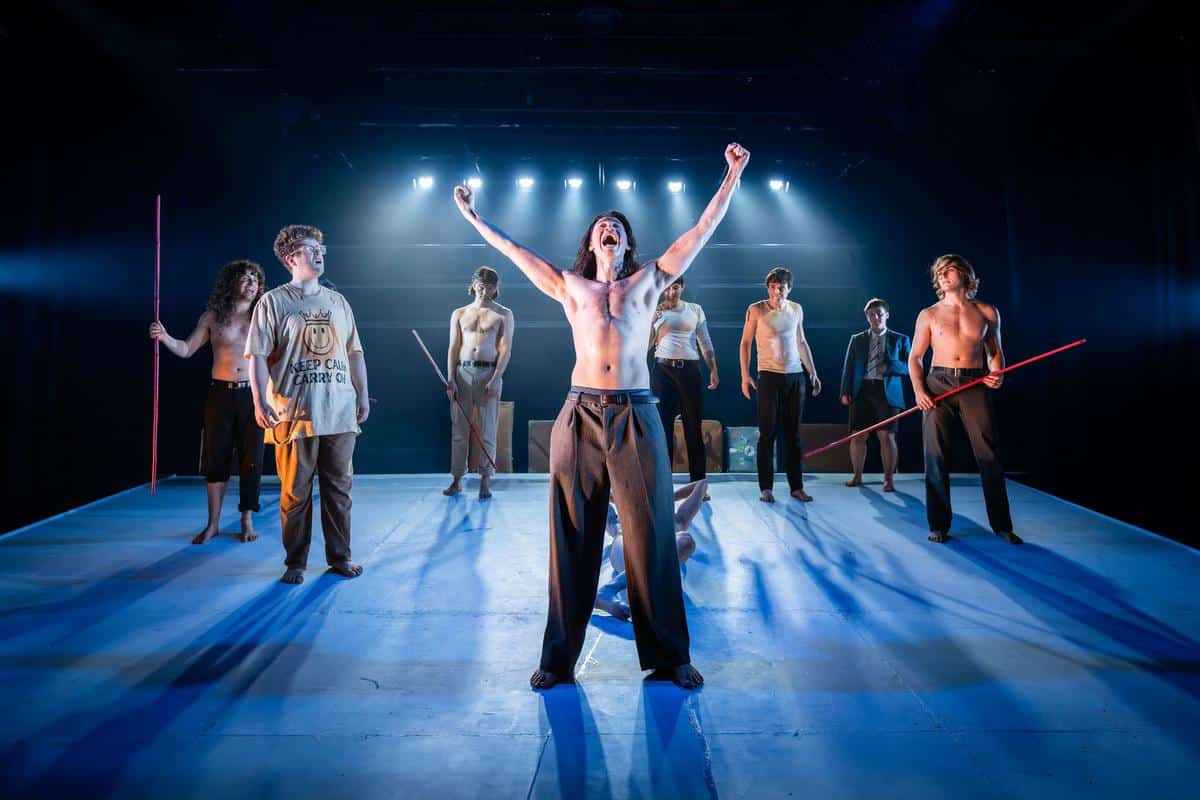
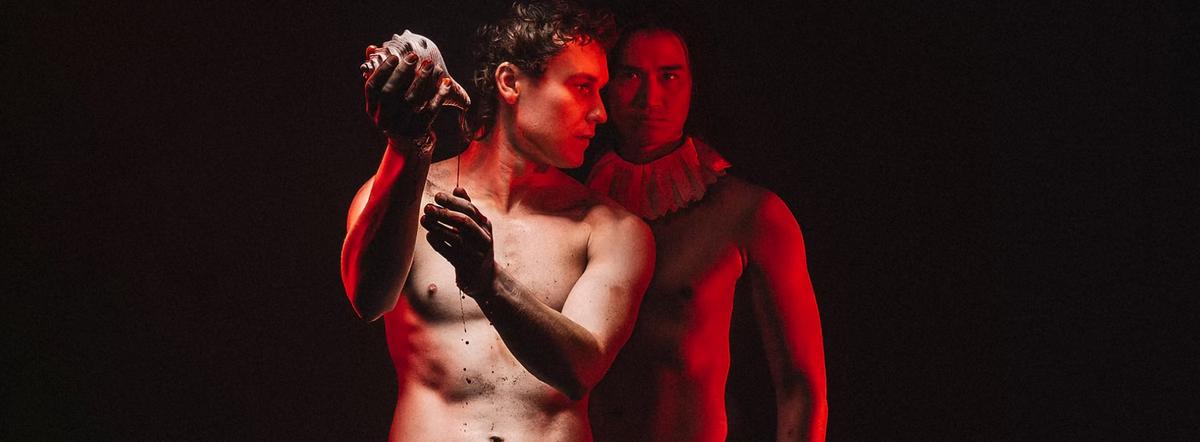
From the moment I enter the theatre, award-winning director Steven Mitchell Wright transports me in a moment of childhood innocence, where a deeply-slanted white stage faces in towards the audience, exemplifying a pure boys-being-boys existence: (played by adolescents and non-gender actors). Boys playing joyful sport together, free as flies, even in an uncertain world.
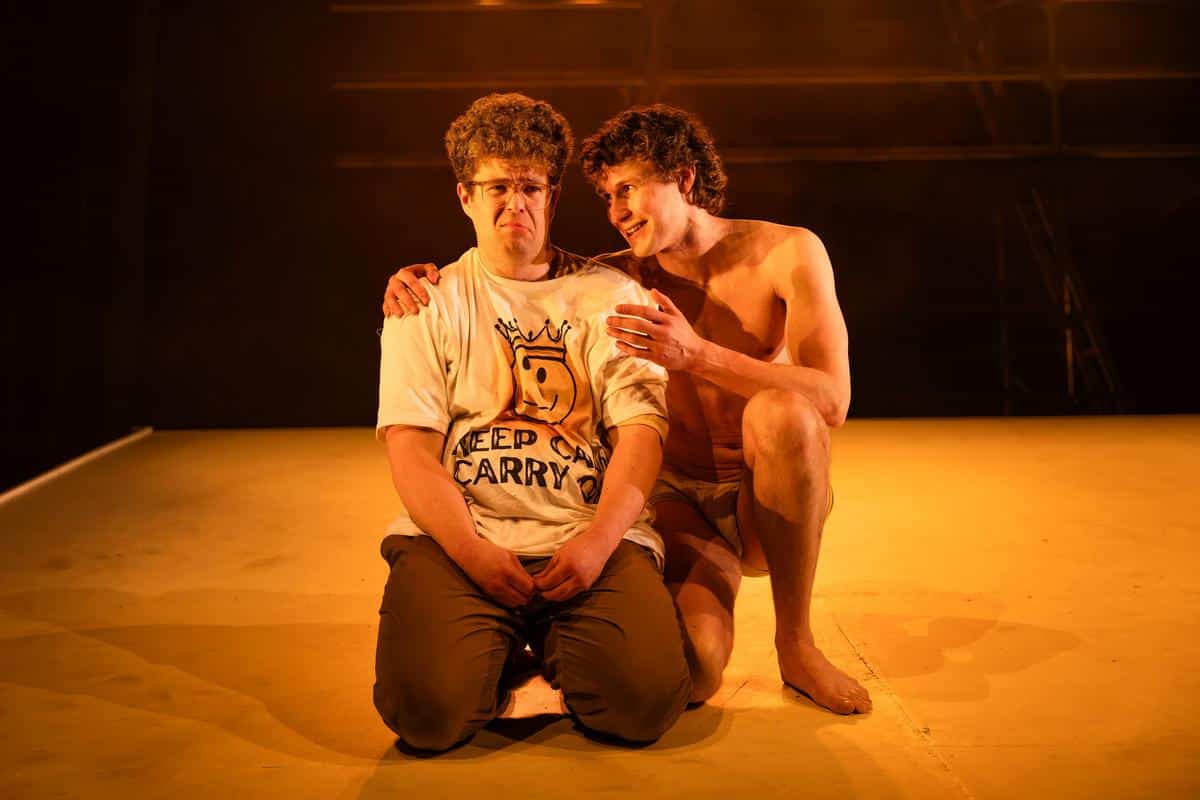
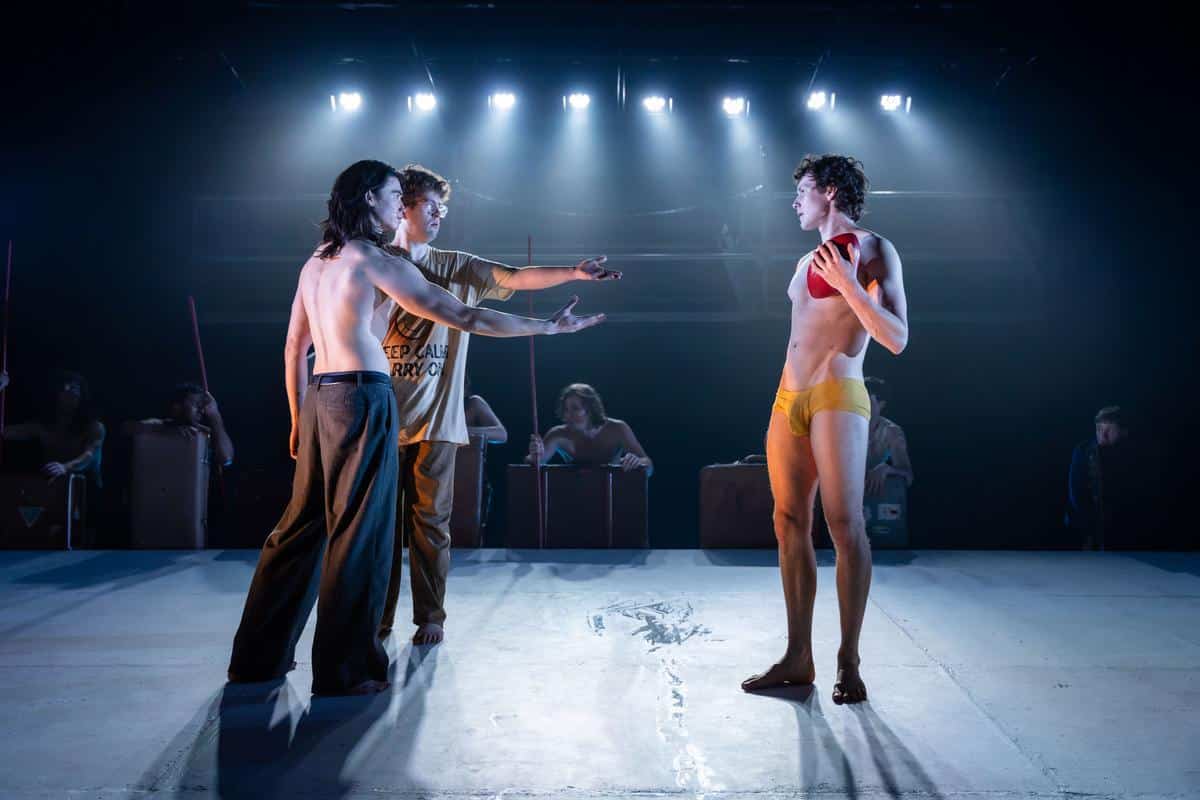
 

When these boys are put on a plane out of England to escape an atomic war, crash-landing on a remote island, we are witness to a different kind of battle - the survival-of-the-fittest. We are transported to a land where the forces of good are distorted slowly into evil - from innocent boys basking in adventure to descending into tribal warfare. Asking us: if evil is rooted in our nature - or borne from ego-driven madness?

For in this no-holds-barred classically brilliant production, Wright looks at every line in the script and explores the timing of its statements for a new generation. Much like looking into a mirror, he begs us to ponder: Have rules become cloudier? Has leadership lost even more of its meaning? Has the ball of โ€˜authorityโ€™ become so weak and so disposable, that it can be thrown around willy-nilly, like an Aussie rules football, when it comes to our modern survival? Or does it come complete with sharpened spears and a winning-at-all-costs mindset?

Brilliantly played, staged and choreographed, Steven Mitchell Wrightโ€™s immersive staging also places modern technology at the forefront of his production to amplify the madness of evil. Actors carry a selfie stick with an iPhone camera projected onto the stage to amplify the terror of savagery. A dance mob forms to symbolise freedom with undertones of carnal desires and the birth of wild savagery. Animalistic chants and wild physical movements intensify the killer instinct of a hunter seeking its prey. Boys in fight-or-flight mode constantly on guard - losing their train of thought in a world without routine, becoming animal-like in nature. The effects of red lights depicting madness, effectively created by lighting designer Ben Hughes and alerting sounds of nature infiltrating our minds, such as tropical thunder and rain pouring down, were effectively created by sound designer Jack Burmeister - inviting us into the fearful world existing even within nature itself.

The cast of this show were no less than exceptional. Angus Leighton as Ralph exemplified the exact leading man energy and machismo required to play a budding showman, a leader in looks, and in bark; with no bite. Yet, watching his characterโ€™s ego-crushing demise was both heartbreaking and riveting.

Sean Yuen Halley as Jack commanded the stage immediately with his intense energy of unapologetic arrogance and ferocity, seeking to seize control of everything in his world, yet losing control of himself in the process. Jackโ€™s descent into madness was depicted so methodically and so seamlessly, launching into what appeared to be a devil-like possession that was flawlessly executed.

But in the role of Piggy, my most highest of accolades goes to Oliver Cowen. Wearing his heart on his sleeve, Cowen brought the audience to tears with his angelic presence, beyond the obvious childhood taunts and physiological judgements: to symbolise the moral compass within us all. Cleverly balancing the show out with the hope - that there is good in people. For this alone, I congratulate Cowan as not only embodying the backbone of this production, but the heart and conscience of this show as well.

All in all, this production of โ€˜Lord Of The Fliesโ€™ is a must-see. It is an exceptional production for the 2026 season at Theatreworks that should not be missed.

To book tickets to Lord Of The Flies, please visit https://www.theatreworks.org.au/2026/lord-of-the-flies.

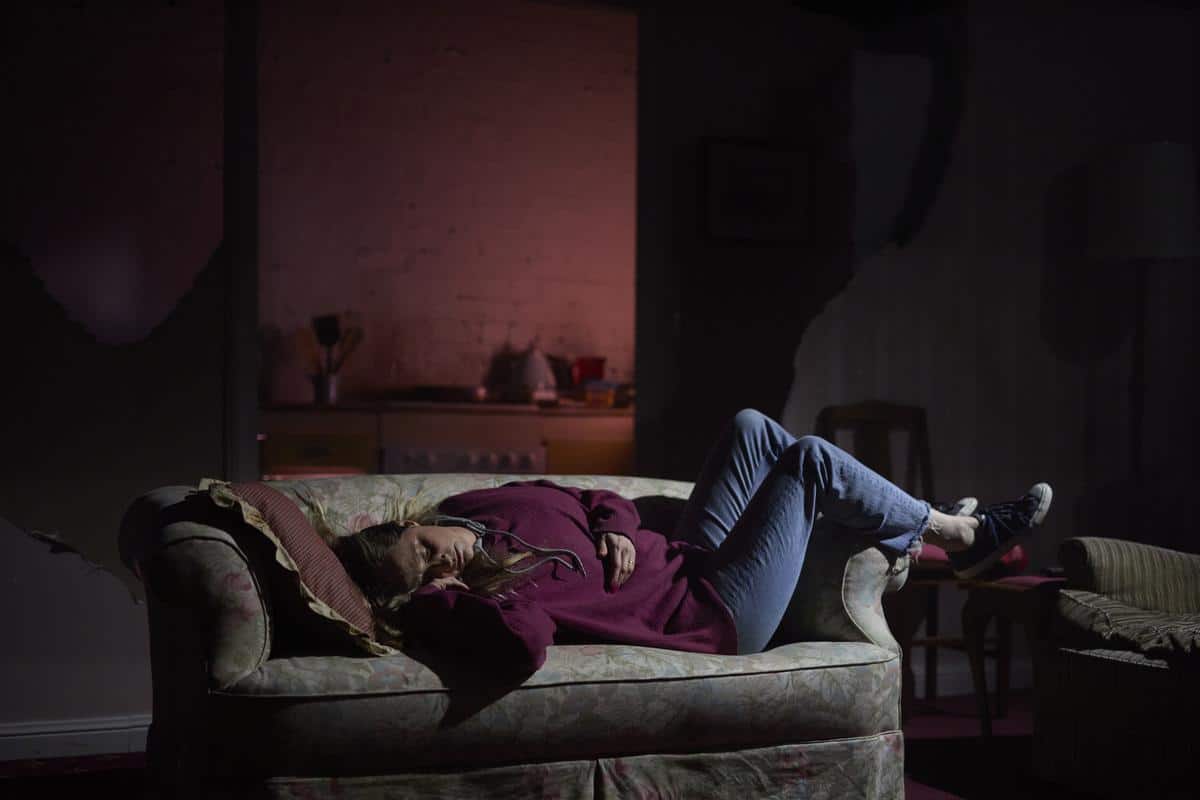
Photographer: Image 1: Oliver Cowen and Angus Leighton Image 2: Sean Yuen Halley, Oliver Cowen, and Angus Leighton Image 3: Blaise Tindale, Oliver Cowen, Charlie Veitch, Sean Yuen Halley, Oliver Gorringe, Declan Magee, Darcy Crawford, William Bastow

Spread the word on your favourite platform!

If These Walls Could Speak

Dixon And Daughters

Dixon And Daughters Rating

โ˜…โ˜…โ˜…โ˜…โ˜…

Click if you liked this article

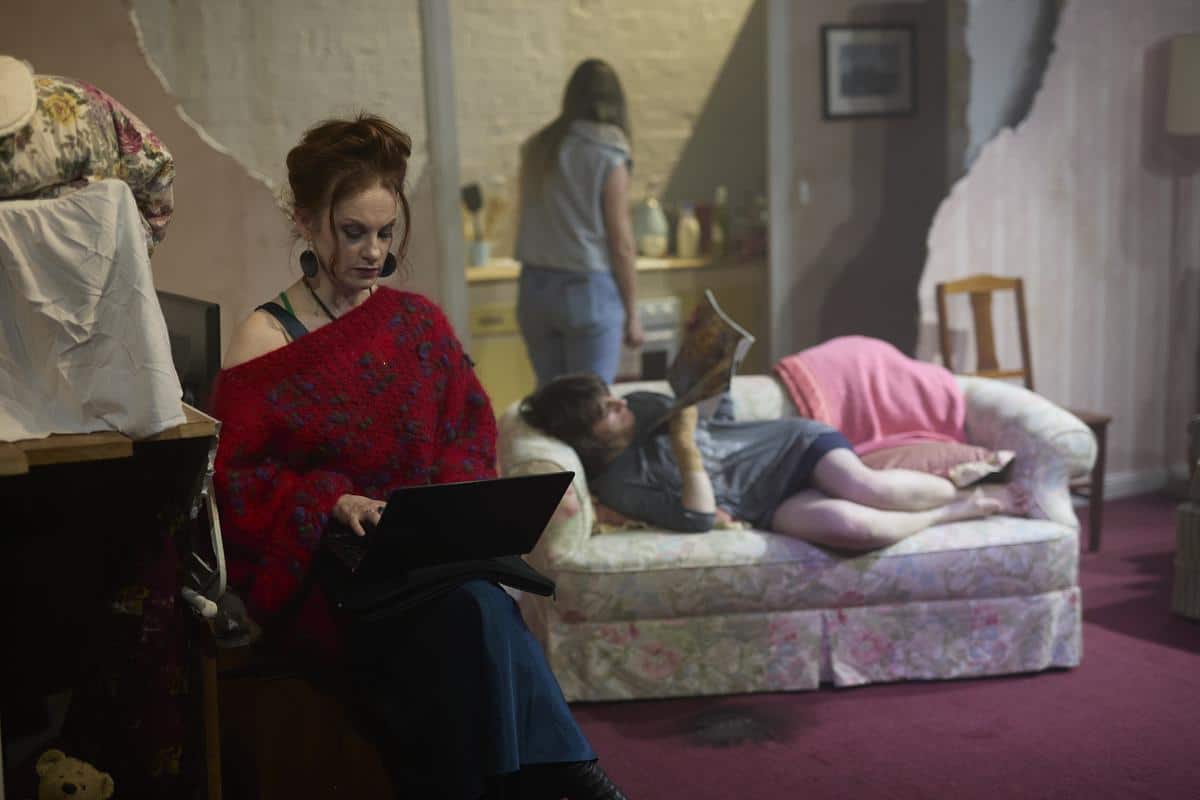
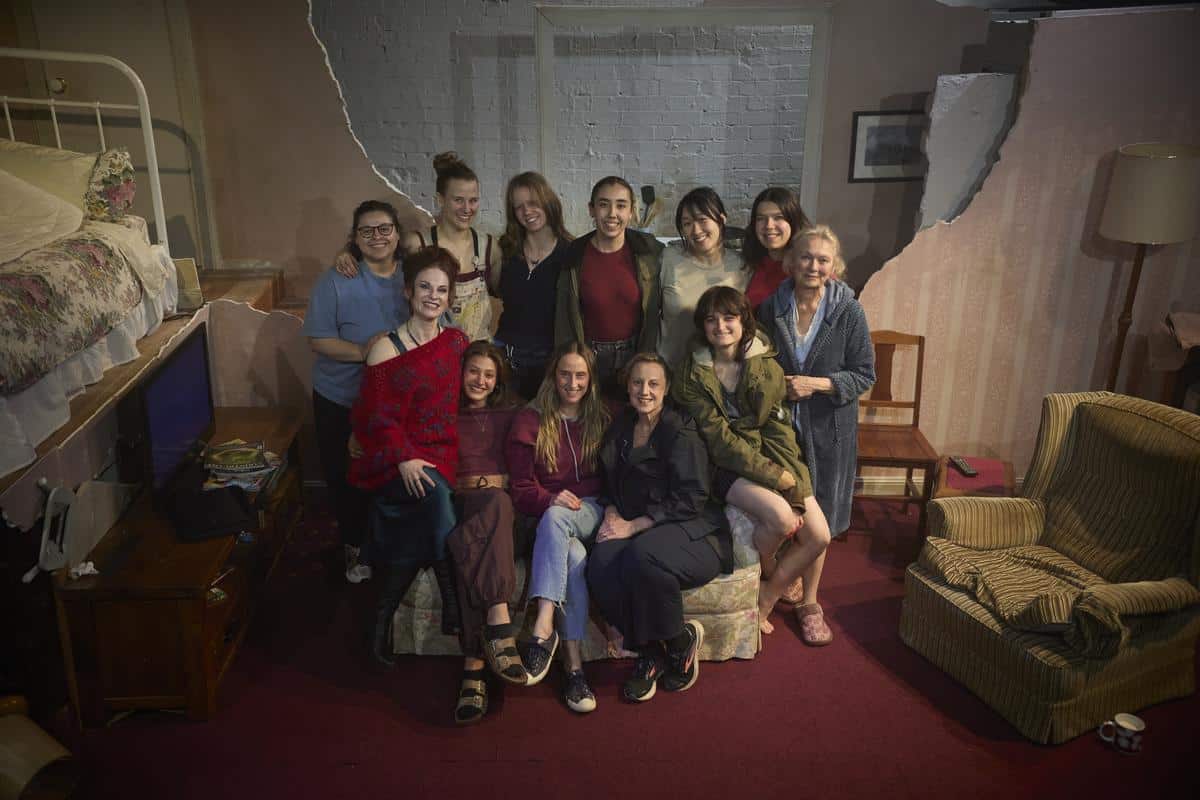
I will never cease to be amazed at what can be done with the right amount of creative genius, even in a small space, and I was particularly blown away as we entered the theatre at Old Fitz. Mia MacCormick's Dixon & Daughterโ€™s set was immediately impressive with a two-storey set up with two upstairs bedrooms, one open to us with the double bed clearly belonging to someone who has lived there for many years and the familiar bedspread that told the same story. Thereโ€™s a kitchen in the background, an old style living room (again, with the iconic upholstery of the era on the sofa). We see all the childhood remnants such as rocking horse in storage underneath. Itโ€™s a typical house that has seen generations. A house we might all remember but the shell of it is peeled away in parts, symbolic of the here and now and fuzzy, messy, reminiscing that we are about to be pulled into.

Topaz Marlay-Cole's lighting and Nicky Pardesi's sound design engage throughout. Darkness pools around the moments that need it most, and characters are isolated by a single source when they are at their most exposed and vulnerable. The transitional soundscapes hold us in the uncomfortable space between scenes, refusing to let us settle, while the pauses punctuated by light shifts carry their own quiet weight. Clever and intentional.

Mary, played by Vanessa Downing, has just returned home. Her granddaughter Ella and daughter Julie are ready to surprise her, while youngest daughter, Bernie quietly prepares them for the reality that Mary is "in a mood." In these early scenes, Deborah Bruce's script establishes the architecture of the family with deceptive lightness: Julie as the scapegoat fleeing a bad relationship and fighting an alcohol dependency; Ella as the playful peacemaker trying to offset the formidable dark cloud her grandmother carries into the room. Mary is no-nonsense, wanting nothing more than to get home and back to life. We soon discover she has served six months in prison for something connected to her deceased husband, and from that moment, the unravelling begins.


Downing's Mary is formidable. There is no softening of the character's abrasiveness, no easy bid for sympathy, just a woman carrying decades of damage and struggling to articulate the remorse beneath the bluntness.

Linda Nicholls-Gidley as Bernie embodies the daughter who must hold it together at all costs, and we see that fight written into every moment. Sarah Jane Starr arrives as the estranged stepdaughter Tina/Briana, larger than life and glamorous, having stepped into her power and intent on helping Julie do the same. Starr plays the light and shade with real skill, making Briana's complicated journey entirely her own. Romney Hamilton's Julie is the loveable screw-up, all flightiness and docility in the early scenes, and then, when the drama reaches its peak, Hamilton delivers a performance that takes your breath away. You genuinely do not see it coming.

Danette Potgieter's Ella makes her own quiet pivot, moving from the warmth and playfulness of the opening to something altogether more grounded and affecting when the moment demands it. Leigh is a character that Mary introduces into the mix, at first I wondered about this writing choice, I wasnโ€™t sure we needed this character from the school of hard knocks who was providing a lot of comic relief (played joyfully by Rylea Ellis), but I realised that Mary had to bring this outsider in to disrupt the roles and stories running and Rylea plays this very well.

Director Kim Hardwick's work is full of specificity. Every exchange feels immediate, every relationship fully inhabited. But what struck me most was the blocking. Each character had their physical place within the history of this intergenerational story, allocated to a particular space unless the action required something different. They were connected but always isolated, until they weren't. It was a brilliant choreography of power and position, making visible what the dialogue could only gesture at.

An all-femme cast is its own kind of power, and this one is clearly working together and holding one another with real care. The dark themes are handled with tenderness and unflinching honesty in equal measure.

Dixon and Daughters is not an easy watch, but it is an important one. It will speak to anyone who has lived as a woman, and to anyone who has loved, nurtured or been shaped by one. This is a story that needs to be told, and the Tiny Dog Productions team has told it with exactly the courage and care it deserves.

To book tickets to Dixon And Daughters, please visit https://purchase.oldfitztheatre.com.au/EventAvailability?EventId=1201.

Photographer: Campbell Parsons

Spread the word on your favourite platform!

Anastasia: An Elegant, Enchanting Enigma

Anastasia The Musical

Anastasia The Musical Rating

โ˜…โ˜…โ˜…โ˜…โ˜…

Click if you liked this article

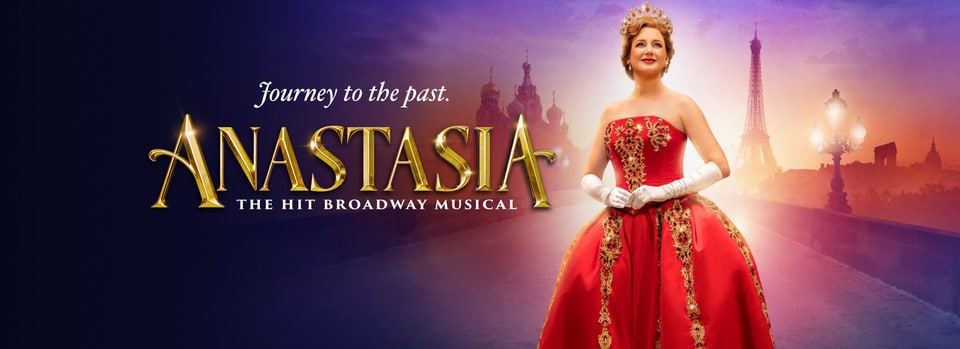
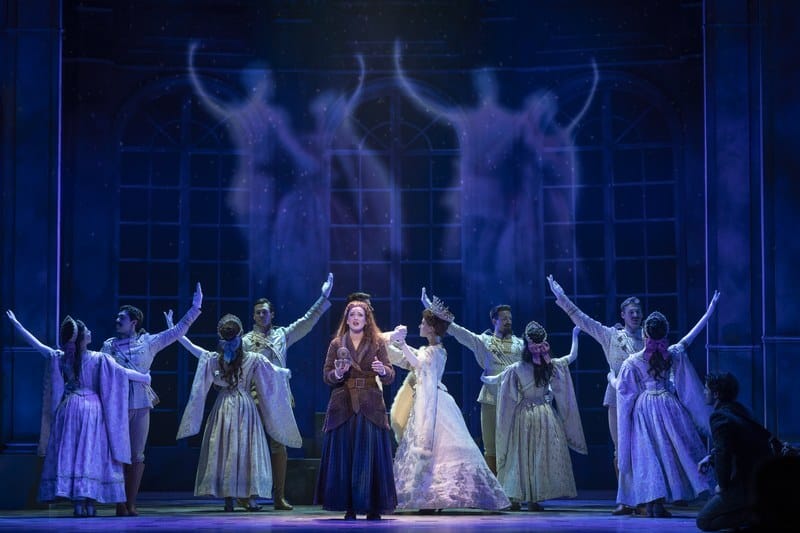
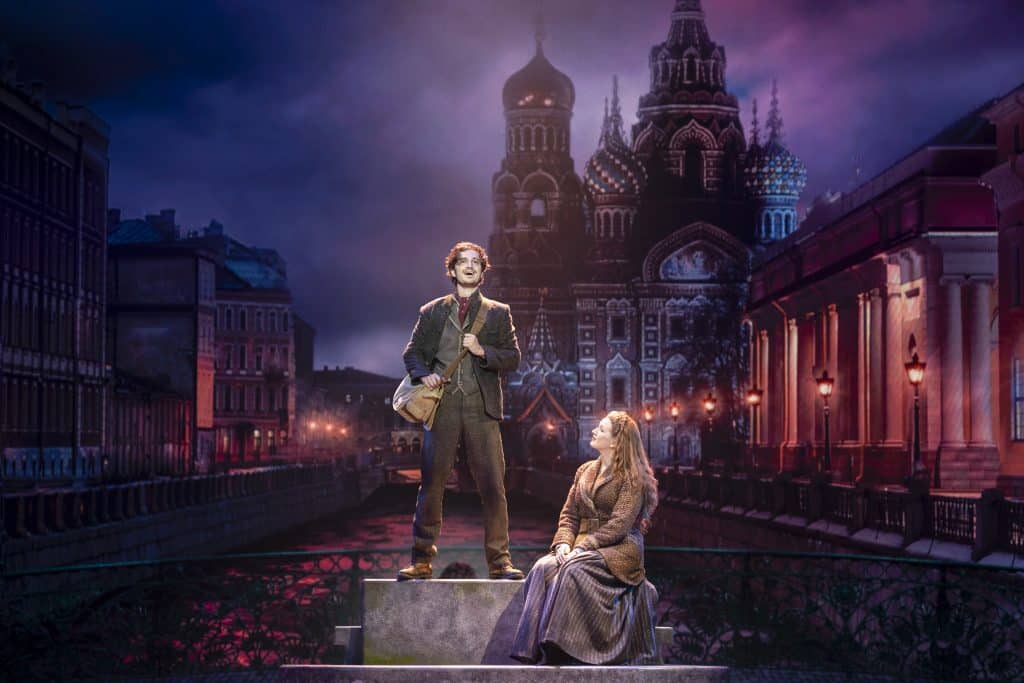
According to Anastasiaโ€™s writer Terrence McNally, a fairy tale is a story that even if it isnโ€™t demonstrably true, tells us something very truthful about who we are. So even if modern DNA testing has concluded any claim about a runaway Romanov, the rumour, legend and mystery of Anastasia rightly endure and find luminous life in a Broadway show, now performing at QPACโ€™s Lyric Theatre in Brisbane. Set largely within economically shattered early 1900s Russia, Anastasia avoids excessive sentimentality, canvassing a society struggling to survive, and haunted with loss. Street sweeper Anya is groomed by conmen Dmitry and Vlad to pose as Grand Duchess Anastasia Nikolaevna of Russia, rumoured to have escaped and survived her Imperial familyโ€™s execution, so they can pocket a reward. However, as the story develops, the grift turns to gratitude, and the fiction may not be so far-flung.

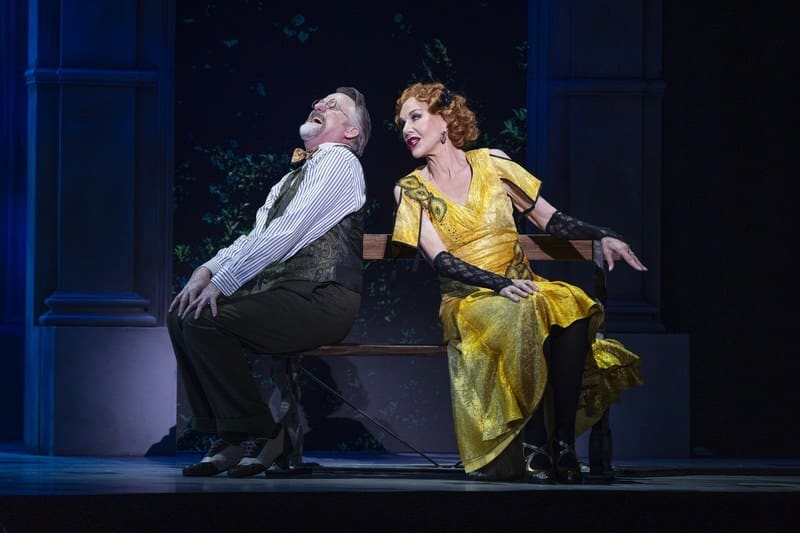
Every facet of Anastasia is impressively crafted, creating a musical that is spirited and spellbinding, yet sombre. Of the performers, Georgina Hopson is an admirable Anya, exuding the guts and grace to embody both the peasant and the princess with authentic likeability, not to mention pitch-perfect vocals, delivered with power and tender restraint. Robert Tripolino is eye catching as the resourceful rogue, Dmitry, a conman with a conscience. The magnetism between Anya and Dmitry is evident earlier than the characters realise it, and their burgeoning romance provides them with satisfying realignment and redemption, respectively. Rodney Dobson brings lived-in levity to the character Vlad, wily associate of Dmitry, and ex-member of the Imperial Court, sharing good connection and timing, particularly in his scenes with Tripolino, and Rhonda Burchmore - who is a giddy, glamourous and genial Countess Lily. Joshua Robson stands out as Gleb, capturing the complexity and ambivalence of the character, with velvet, vibrato-rich vocals, while as the Dowager Empress, Nancy Hayes commands with gravitas and regal decorum. The entire ensemble is highly commendable, vivacious and versatile.


Anastasiaโ€™s projection and videography are remarkable, adding depth and cinematic spectacle to the stage, immersing us in the adventure even more thoroughly. Dance is another special feature, with effervescent group numbers and stirring contrast between Russian waltzes, beautiful but bygone, and the up-tempo jazz stylings of 1920โ€™s Paris. There is some phenomenal ballet added in for good measure, which provides a dazzling link between the old and new. The stylistic changes in costume, dance, and music achieve a marked tonal shift from the repression of revolution era Russia to the joie de vivre of Paris โ€“ and the possibilities of a new dawn. The costumes are stunning, the womenโ€™s regal dresses in particular draw gasps of appreciation, and the music is sumptuous and memorable, with undertones of melancholy befitting the fallen who at once grace and haunt the stage.

Anastasia shares many elements with the animated 1997 film, including five of the songs, but it achieves something new and more grown up, with each aspect combining beautifully. Director Darko Tresnjak and the entire creative team truly sweep us away in the journey. Overall, the legend of Anastasia endures, and this production is an elegant and enchanting enigma, telling many truths, including about how serendipity leads us where we are meant to be. Highly recommended.

To book tickets to Anastasia The Musical, please visit https://anastasiathemusical.com.au/tickets/brisbane/.

Spread the word on your favourite platform!

Monty Python's Spamalot

Monty Python's Spamalot

Monty Python's Spamalot Rating

โ˜…โ˜…โ˜…โ˜…โ˜…

Click if you liked this article

This Saturday, I was able to attend the opening night of Monty Pythonโ€™s Spamalot at the Atheneum Theatre in Melbourne.

The production advertises itself as โ€œa new musical lovingly ripped off from the motion picture Monty Python and the Holy Grailโ€ and the atmosphere inside the theatre stayed true to this sentiment, with audience members being welcomed in to lively music and clips from the original Monty Python films. Once everyone was seated, the audience was treated to a lively animated opening credits sequence, introducing the cast and setting the tone for the rest of the evening.

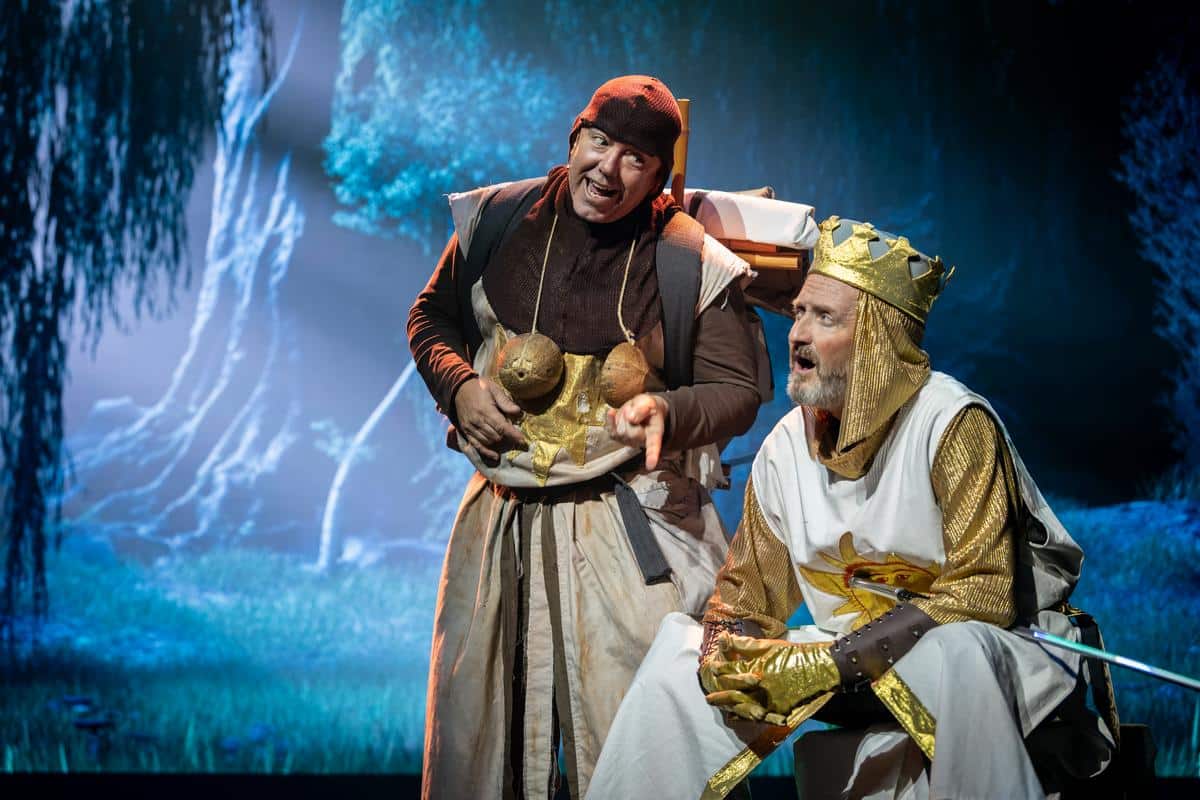
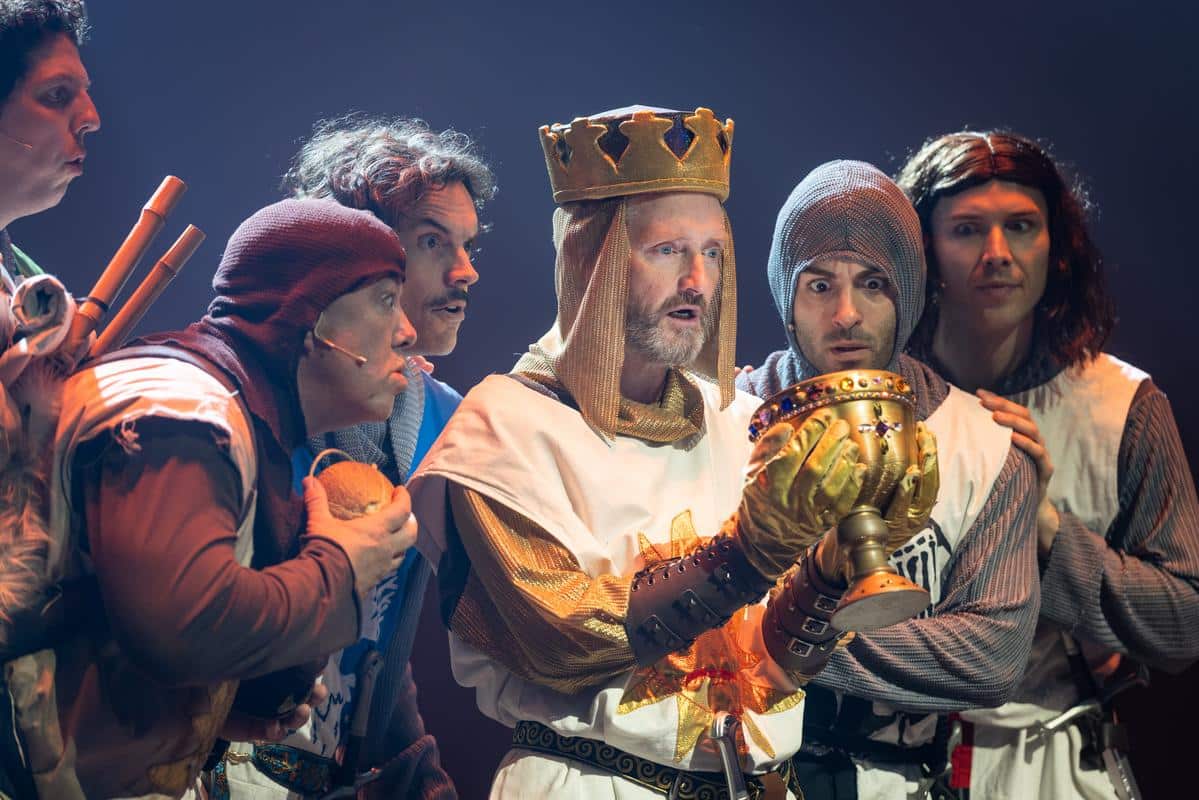
For myself, and for many other Australian acting fanatics, one of the major draws of this production of Spamalot, is the opportunity to see Stephen Curry in the lead role of King Arthur. Curry is one of Australiaโ€™s most beloved character actors, who many will recognise from his role as Dale Kerrigan in The Castle, and he steps into the role of King Arthur with the grace and expertise expected of him. He truly embraced the chaos and tongue in cheek humour that flows through Spamalot, giving it his own touch of comedic disdain and aloofness.


While Curry may be the biggest name on the call sheet, he is, by no means, the only star of the show. Flowers must also be given to (the aptly named) Jaz Flowers who played the featured role of the Lady Of The Lake. This self proclaimed diva showcased some powerhouse vocals and well executed comedic timing as well as a consistent stage presence that, alongside Curry, provided a grounding contrast amongst a cast of many changing characters.

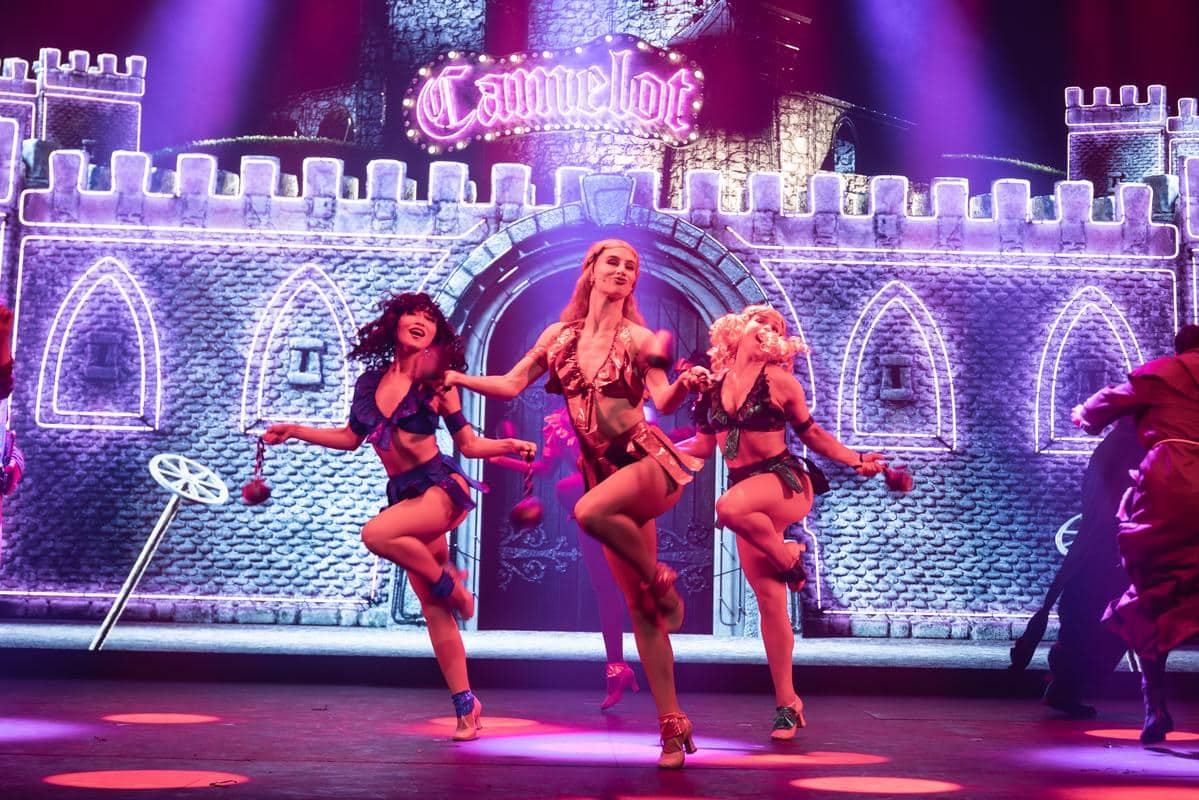
Credit must also be given to the ensemble dancers, Grace Williams, Danielle Gibson, Jacinda Tsakalos, Emily Huynh, Will Basson and Ethan Churchill, captained by Dominique Hamilton and choreographed by Suzi and Jamie Rolton. From tap to cancan, from showgirls to cheerleaders, these dancers embraced a variety of characters and styles to fill out the performance.

Monty Pythonโ€™s Spamalot is a very specific brand of humour. It may have been opening night emotions, however the energy and enthusiasm showcased by the entire cast (and, in occasional moments, the crew) infected the whole audience. There were many laughs, cheers and occasional gasps throughout the entire show. The use of animated backdrops (sourced from Aquixel Studios) provided opportunities for fast paced jokes that would otherwise be impossible onstage and the showโ€™s self awareness of its own limitations (smaller set pieces, no horses) turned those elements from shoddy to funny.

To book tickets to Monty Python's Spamalot, please visit https://www.athenaeumtheatre.com.au/.

Photographer: Ben Fon

Spread the word on your favourite platform!

Subscribe to What's The Show

Reviews, show news and what is on, straight to your inbox.