Lies And Macaroons – Who Is The Real Hero?

A Dolls House

A Dolls House Rating

Click if you liked this article

The Mercury Theatre in Wynnum performs in the lovely old Manly-Lota RSL Memorial Hall at 184 Melville Terrace, Manly QLD 4179. Their current production – “A Doll’s House” ends this weekend.

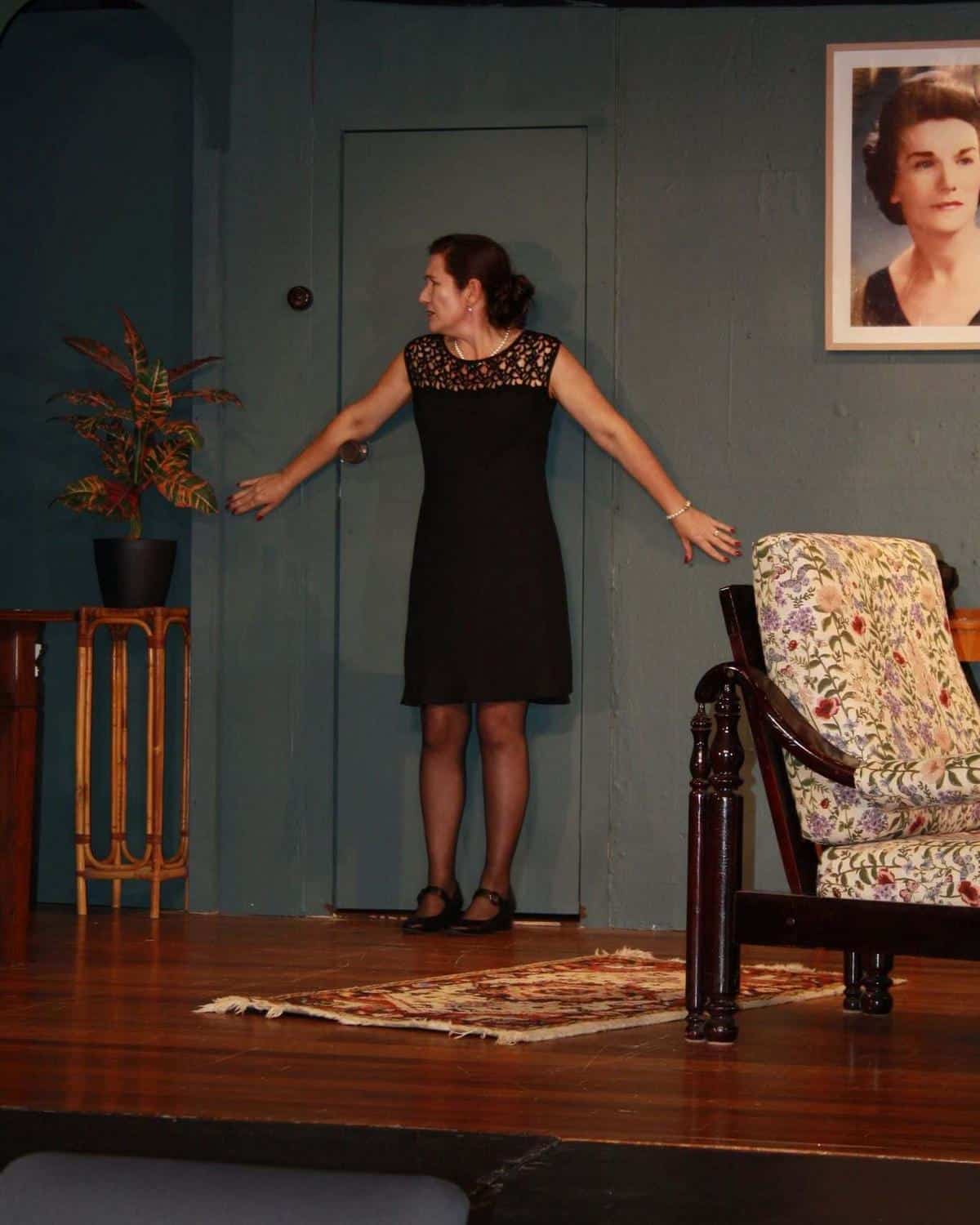
You are greeted by a warm glowing hall with a multi-level stage set with a Victorian styled parlour, a study, a piano and the Letterbox. The FOH staff are helpful and welcoming, and the barmen are humorous.

“A Doll’s House” is a three-act play written by Norwegian playwright Henrik Ibsen. It premiered at the Royal Danish Theatre in Copenhagen, Denmark, on 21 December 1879 and Ibsen was forced to write an alternative ending because his initial ending was considered scandalous for the Victorian era. It has been considered ahead of its time, because of the themes of male and female inequalities helping it to hold a modern appeal.

This version of the play has 6 characters:
Nora – the protagonist – petulant, self-indulgent yet still symbolic of a good Victorian wife – pretty, obedient to her husband, head of the household and a loving mother but has a secret.
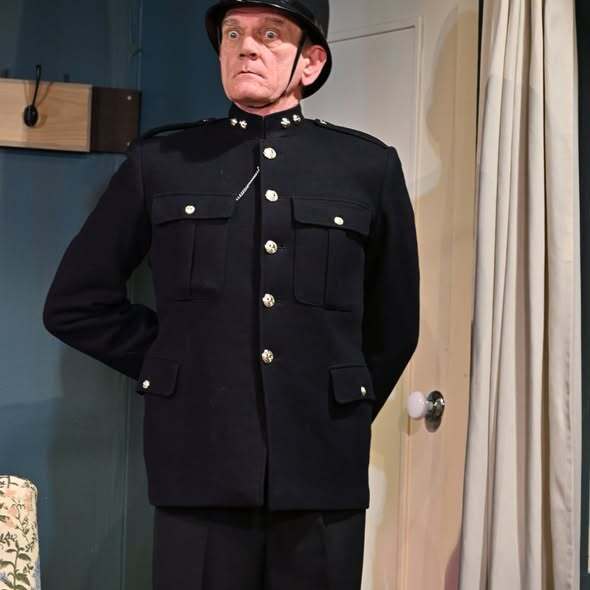
Torvald – the antihero- breadwinner, domineering, respectable.
Krogstad – the antagonist – a lawyer, blackmailer, bully, desperate man with a secret
Mrs Linde – the Hero -a widow, humble, hardworking, morally sound
Dr Rank – the romantic interest – terminally ill, besotted with Nora, friend of the family.
Nanny – symbol of lower class, forced to give up her children to work for the family.


Elaina Mullins played Nora, the central character, a symbol of the time with a tendency to tell petty lies, until it is revealed that she has committed a crime of fraud. Pushed to this by a society that prevented married women taking control of their financial affairs. Elaina made good use of the stage, her costume was pretty, a Victorian-esque blouse and a pale pink overskirt. She was the wife a Banker and mother, with a weakness for macaroons.

Torvald, played by Derick Yearnsmith was the husband of Nora. An emotionless character, domineering and focused on work. The multi-level staging worked well – giving this character his own identifiable space.

Trevor Sammon played Krogstad, a believable villain, with a big physical presence that lent itself well to the character. Which he played emotionally detached from the business of blackmail.

Hugo Fong was Dr Rank, making good use of a walking stick to give characterization of an unwell man. His gentleness was a good contrast to the other male characters.

Helen Goleby, the Nanny popped in and out and gave believability to there being children in the household, dressed appropriately this character added a dimension as the servant.

But the real hero was Janet Palmer as Mrs Linde. Superb characterization, good range of emotion, her character was totally believable. Playing a childless widow (therefore unwanted by any man in that era) she must work to support herself. She rescues Nora, first by mending the skirt, then by listening to her problems. She helps Nora to face what she has done.

You can sit and watch this play and see a different version of the same play. The beauty of life theatre is that the longer the season, the likelihood of more layers being added, more discoveries made by the actors.

This is the last weekend so don’t miss out. It is a good solid play and the direction, tech and staging are delightful. The costumes were also on point helping to solidify the era.

Shows start at 7pm and 2pm
https://www.trybooking.com/DEOHJ

To book tickets to A Dolls House, please visit https://www.trybooking.com/events/landing/1450887.

Spread the word on your favourite platform!

The Mousetrap: A Remarkable and Marketable Mystery

The Mousetrap

The Mousetrap Rating

Click if you liked this article

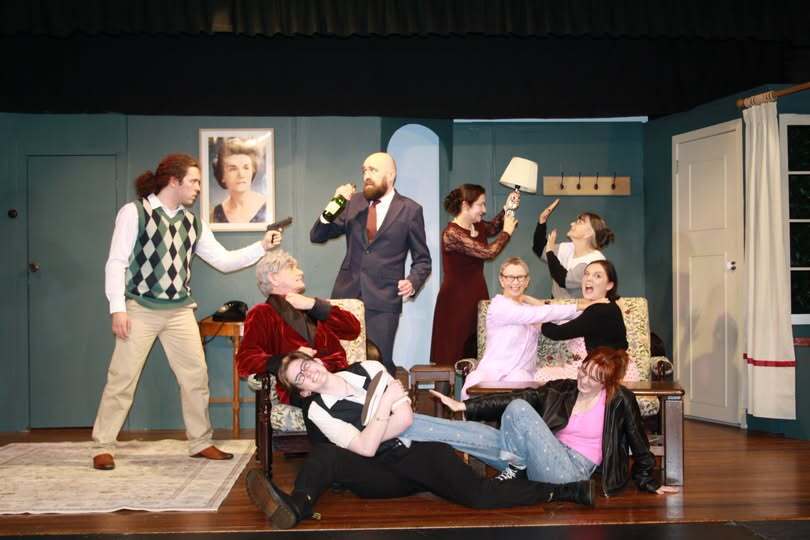
A Guinness World Record holder for the world’s longest continuously running show, The Mousetrap continues to captivate, this time in the capable hands of New Farm Nash Theatre. While the Agatha Christie formula is well-worn, it is reliably fun and accessible, and an undeniable box-office draw; Opening night was a sell-out, and I’d wager the entire run will be no different.

This new rendition is tremendously paced and polished, with excellent interplay and characterisations by the dynamic ensemble cast, ensuring a great night at the theatre – even for those like me, who have already seen the play, so cannot join the fun of solving the mystery. For the uninitiated, The Mousetrap is a classic whodunnit with a twist; As is customary, we are sworn to secrecy not to tell once we know – so this review will be spoiler free. But it is safe to share the action revolves around some horrible happenings at Monkswell Manor, a guesthouse recently opened by Giles and Mollie Ralston. While awaiting the arrival of their first guests, Mollie hears radio reports about a local murder being investigated by police; Little does she know she is now in the course of danger, snowed in after a storm and a murderer about to infiltrate Monkswell Manor with their incoming guests – who won’t all make it out alive.

It is a miracle the play made it onstage at all, after an 11th hour cast member withdrawal and replacement. As Giles Ralston, Matthew Hobbs deserves great credit for filling the breach; Given his short preparation time, it is commendable Hobbs is even off-book, let alone presenting such a credible character. As his wife Mollie Ralston, Helen Barrett is a likable figure, maintaining one of the better executed accents, while showing a warm, conciliatory tone throughout the story’s chaos and mischief. Brendan James excels as the awkwardly enigmatic Christopher Wren, with signature unnerving chuckle, to boot. James captures the nuance required for this mystery well – first-time viewers are uncertain until the very end whether he is a menace or misunderstood.


John Stibbard is another standout, a perfect Mr Paravicini with a knack for enlivening even quieter moments of the script. A statuesque and dapper figure in his blue velvet suit, Stibbard receives many hearty laughs with merely an animated glance or gesture, disappearing into his character with eccentric flair and creative intuition. As Mrs Boyle, Chris Sibley is perfection, portraying a character we love to hate – a disagreeable pedant with an imperious heir and penchant for caustic comments. Sibley is like a pompous, post-war Karen, if you’ll take a slightly dated cultural reference, and her derisive dynamic makes for some humorous interaction with scene partners. Phillippa Dwyer captivates as Miss Casewell, with eye catching assurance, and deft duplicity, while Matt McNeice projects calm gravitas and grounding as Major Metcalf. Last but not least, Tyson Hargreaves is a commanding and determined Detective Inspector Trotter, moustache game on point; While his cockney accent is uneven at times, he is present and otherwise precise throughout his performance, commendably capturing Trotter’s motivations and complexity.

New Farm Nash Theatre produce the very best of Community Theatre, delivering a consistently high standard of shows with thoughtful variety, and a warm, welcoming atmosphere filled with old friends and new. The Mousetrap is another wonderful example of this, with congratulations due to Director Sharon White and the entire team, for a very enjoyable rendition of this remarkable and marketable mystery.

To book tickets to The Mousetrap, please visit https://nashtheatre.com/.

Spread the word on your favourite platform!

St Luke’s Theatre Society’s “Sense and Sensibility”

Sense & Sensibility

Sense & Sensibility Rating

Click if you liked this article

1

St Luke’s Theatre Society presents the stage adaptation of Jane Austen’s “Sense and Sensibility”. Directed by June Balfour, the Society portrays the charming tale of the Dashwood sisters and their pursuit of love after tragedy befalls their family. After the death of their father, the Dashwoods move from the lavish family estate to a quaint cottage in the country, where they meet friends and new acquaintances who enlighten and challenge them in new ways.

The stage was set with the intention that actors could access props, costumes, and accessories with ease. Chairs placed around the edges of the stage allowed the ensemble to contribute to scenes when required, making transitions between scenes run smoothly. Lighting consisted of a white wash over the stage, with each scene accompanied by some transitional classical music that seemed melancholic in nature. While the music was enjoyable, there was a concern that some of the songs chosen were not aligned with the themes of the story. With many colourful and bright characters, I felt that the music should rise to meet them rather than creating sombre tones at odd times.

A loveseat, small table and the already available chairs complemented each scene and were adaptable to the changes in settings throughout. The costume alternation of accessories to represent different characters was a great and necessary tool and was well utilized. On occasion, a few of the ribbons or hairpieces were misplaced, but were easily resolved. The majority of the scenes utilized the limited space onstage as well as the aisle running down the centre of the room. The frequent movement and stylistic dynamics created an interesting effect that engaged the audience well.


Madelyn Scott’s depiction of Elinor was gracefully and mindfully executed. While the character struggles to resolve her emotions and prioritizes those she loves over herself, the audience could see more gradually how the burden that weighed upon her. Scott performed her dialogue seamlessly and professionally, locked in and exploring the essence of who Elinor was and aspired to be. Lillian Dowdell’s performance in the role of Marianne was also impressive, as she portrayed the longing and passionate nature of Elinor’s artistically inclined, younger sister. Immersing herself in the role, Dowdell gracefully expressed each of Marianne’s highs and lows, engaging the audience to empathize with her amidst her heartbreaks.

The male leads that were especially notable were the roles of Mr Edward Ferrars (Eamonn Clohesy) and Colonel Brandon (Jock Dunbar). Clohesy played a highly believable Edward that grew in confidence throughout the course of the show. They emulated everything that Edward was, mindfully and skillfully capturing the slightly anxious but thoughtful and sincere manner that Elinor fell in love with. Similarly, Dunbar portrayed Colonel Brandon with ease. Their ability to gradually reveal Brandon’s complex emotions as naturally as Austen’s novel would depict was highly commendable. I was very impressed by the way Dunbar was able to seamlessly portray the manner of a man in love; a character who was both stoic and integrous. His portrayal of Robert Ferrars was also highly entertaining, and the audience enjoyed it thoroughly.

The choice to use the group of Gossips to symbolize the pressure from society was a dynamic approach that added to the expression of emotional turmoil within the Dashwood sisters’ hearts and situations. The roles of John Willoughby (Lachlan Gregory Hugh), Miss Steele (Kiah Latham), Margaret Dashwood (Megan Brown), John Dashwood (Steve Pearton), Mrs Jennings (Phillipa Bowe), Thomas (Bruce Edgerton), Mrs Dashwood (Marion Jones) and Mrs Fanny Dashwood (Jessica Fletcher), were wonderfully portrayed and added a joyful and bright spirit to the story. The casting, done particularly well, urges me to look forward to the company’s next production.

To book tickets to Sense & Sensibility, please visit https://stlukestheatre.asn.au/.

Spread the word on your favourite platform!

Rate Of Decay

Rate Of Decay

Rate Of Decay Rating

Click if you liked this article

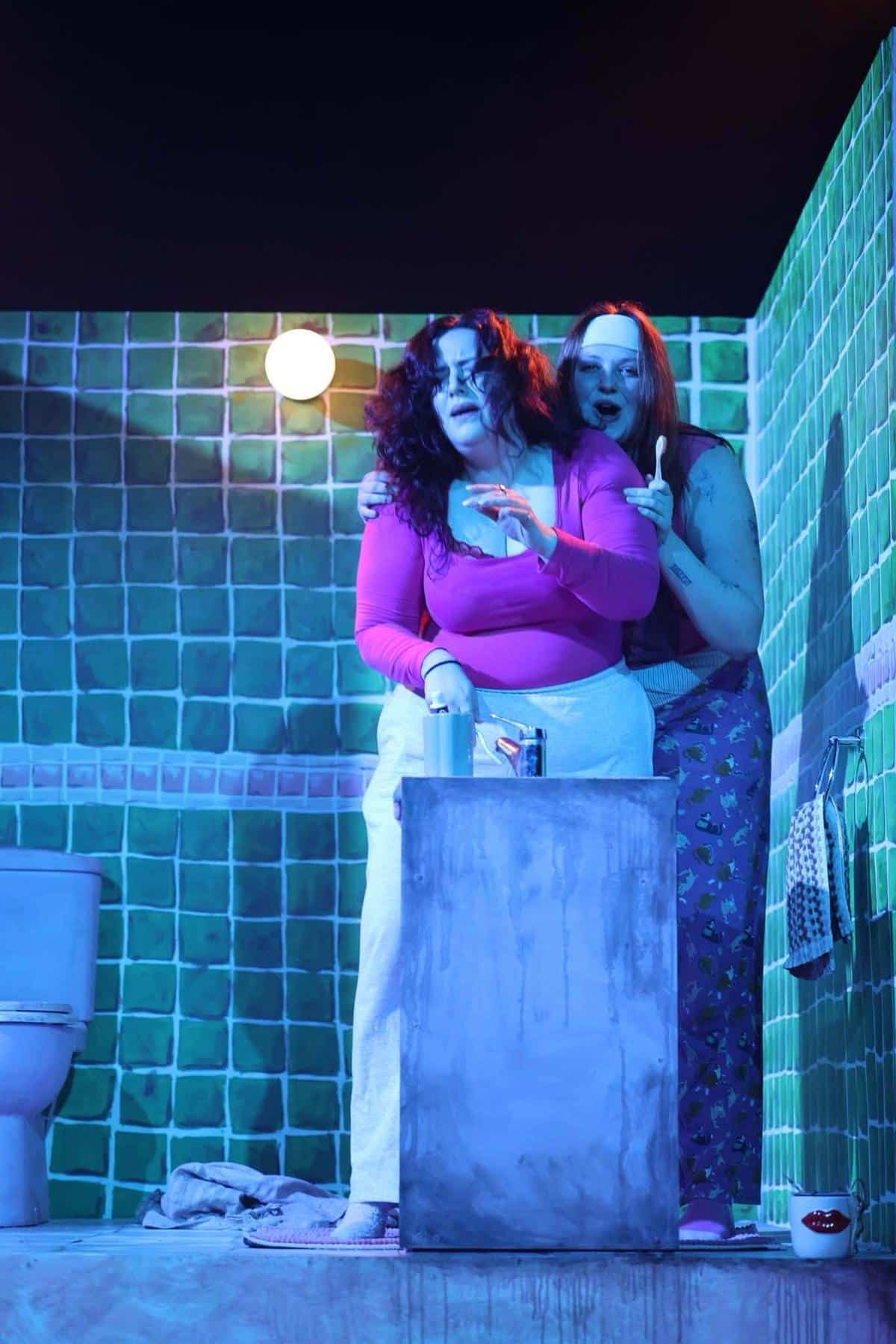
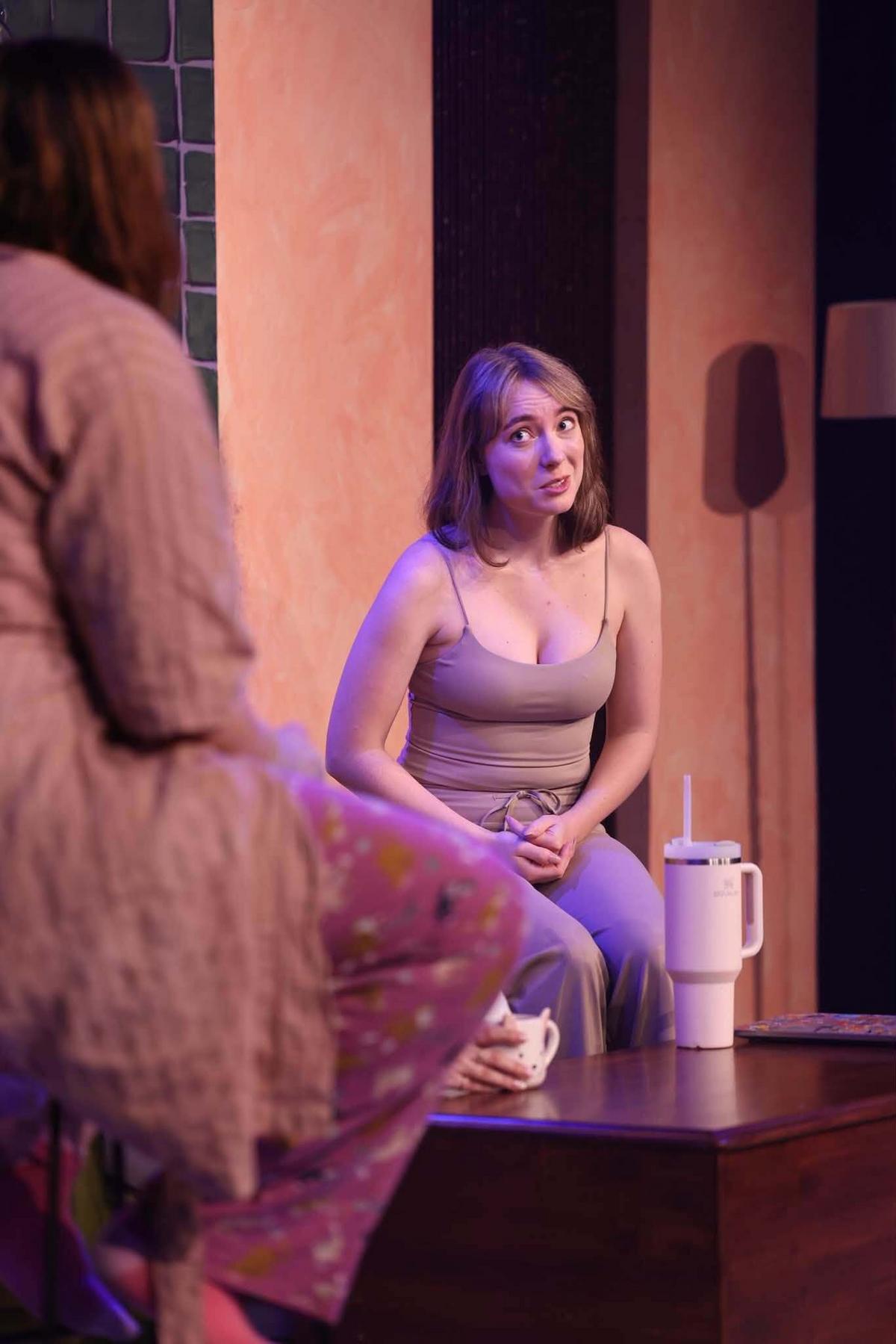
Rate of Decay is an anthological Australian Gothic Theatre piece created and directed by Xanthe Jones. It totes itself as an ‘exploration into the shadows of the Australian Psyche’ and delivers eleven separate stories played by a talented cast of seven. Rate of Decay is a goodie bag full of delights, and some darker chocolates that leave a bitter taste in the mouth. Some segments are played for comedy, providing moments of levity whilst some scenes are heavy and tense. As a whole, it provides an entertaining journey across the far reaches of Australia.

Our opening scene explores a very natural feeling relationship between a young couple and some eventuating mysteries in the bush. This story felt like a tall tale told at the pub come alive, with eerie consequences. Tension built nicely across this cameo, however I would have liked to see a little more of the ill fated outcomes of the characters and the involvement of the old man. Triona Calimbayan-Giles captivates the audience with her performance and Peter Hatton plays an irritating yet good natured spouse. There was some issue understanding Hatton in this segment as his articulation could use some refinement to ensure we capture every beat of the dialogue. Next we are introduced to a concept called ‘Memory’ which is a beautifully written thriller. Alisha O’Brien steals the stage with an ernest and expressive performance, and Tom Pocilujko plays an annoyingly supportive brother. The beat shift at the conclusion of this scene was sublime, Xanthe Jones is a master of writing flawed Men.

The play then flows into ‘the interview’ which presents as a crime thriller set in a police station. Siena D’Arienzo does an exceptional job as ‘Marsha’ , a lost little girl, her performance felt perfectly innocent. Josephine Olton plays a straight talking detective while Will Kasper is a loose tempered wild-card. The twist in this segment was fun although the delivery fell flat, it felt over-explained. It also felt odd that Kasper remained after losing his temper, this might have concluded better if Kasper stormed out and Olton was left to hesitantly ask a final one or two questions. The play then introduces us to the absolute highlight ‘Castle Hill Lookout’ which explores three teenage boys mucking up in the bush. The comedic beats land perfectly and the nuanced drama and connections feel completely authentic. Jones writes a compelling and honest feeling dialogue between these young men. She expertly conveys their flaws, yet also their love for each other in navigating difficult subjects in a friendship. Hatton, Kasper and Pocilujko have great chemistry in this cameo, it left me wanting more of this relationship.


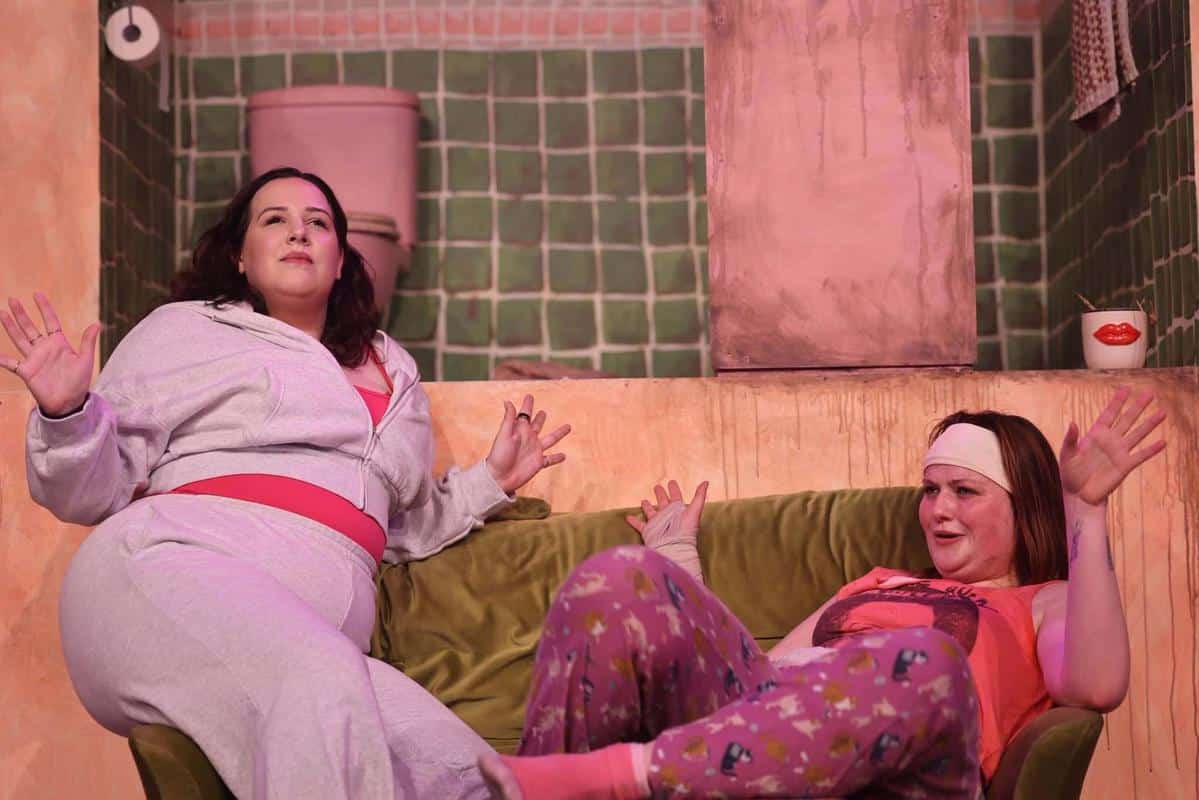
We are then taken to ‘Best in show’ set at a Dalby Pageant. This section felt mostly played for laughs with ‘cat fight’ coming to mind. It gives a small reprieve from the heavier themes and doesn’t feel like it serves much other purpose. Next we find ourselves in ‘Gold Fever’ which centres around two gold panners and one travelling woman. This segment lost some pace due to the attempt at heightened language, which occasionally felt like it detracted from the Australian feel. The scene did however contain some fantastic fight choreography, in fact all fight choreography in the play was crisp and well done. ‘The Love Spell’ is a fun albeit dark segment, however it didn’t always feel like the aggression between the schoolgirls was motivated or earnt. ‘Pine Gap’ was an enjoyable moment of levity providing some well placed opportunities for laughter.

‘Orphans’ takes us on a journey amongst three girls living at a Victorian orphanage. The chemistry between O’Brien, D’Arienzo and Olton feels ernest, keeping us drawn in. I would have liked to see this scene develop even more and use a more ‘show don’t tell’ approach but it was effective. ‘Believers’ had us at the dining table of a cult between the first wife and the enigmatic leader. This scene was compelling and worked well, although it did feel like certain shocking things were revealed with much weight at times. ‘Pray for us’ felt like a neat political statement about nuclear energy, leaving us on a slightly harrowing note.

Rate of Decay was an interesting experience that took us on many ups and downs. It had great fight choreography and the segments ‘Memory’ and ‘Castle Hill Lookout’ were masterfully handled. Jones excels at complex relationships and flawed characters. There was room for more exploration in some of these more intriguing scenes, while others seemed only for comedy or came up slightly short. All in all, an intriguing play that was well performed. The cast and crew should be commended on their efforts.

To book tickets to Rate Of Decay, please visit https://backbone.org.au/backbone-festival-2025-events/rate-of-decay.

Spread the word on your favourite platform!