The Class Of 85 - Bach Akademie Australia

The Class Of 85

The Class Of 85 Rating

★★★★★

Click if you liked this article

1

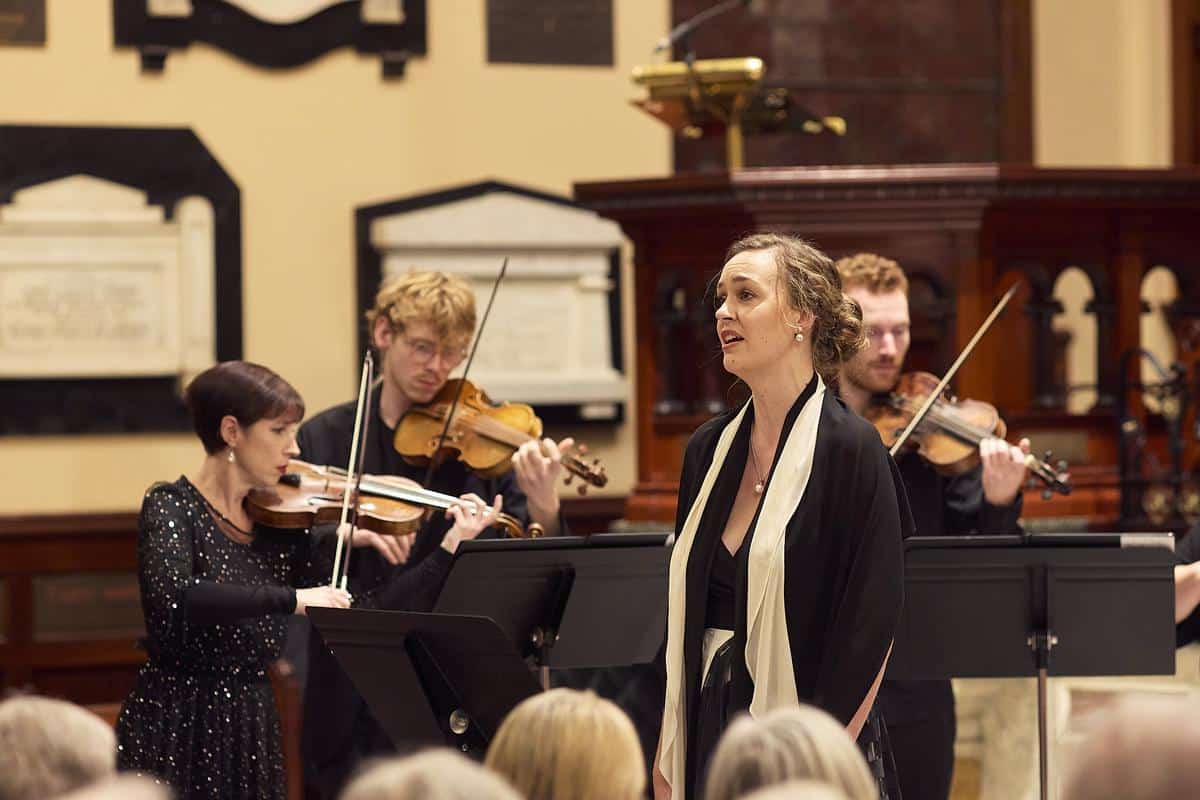
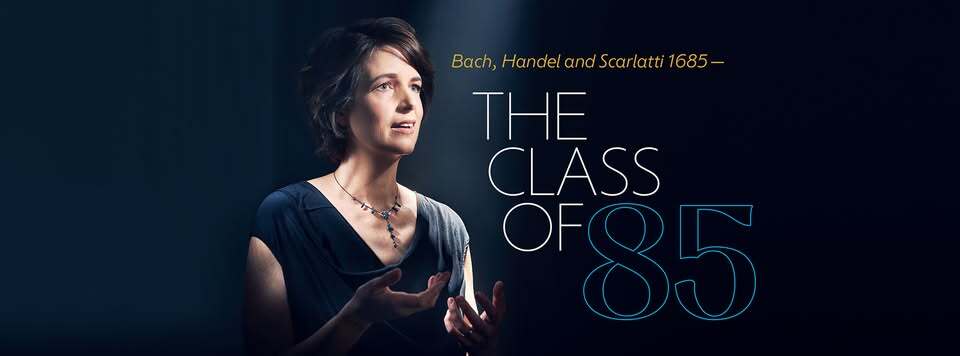
Last night I experienced something absolutely incredible: “The Class of ’85” by the Bach Akademie Australia featuring the divine voices of mezzo-soprano Hannah Fraser and soprano Susannah Lawergren.

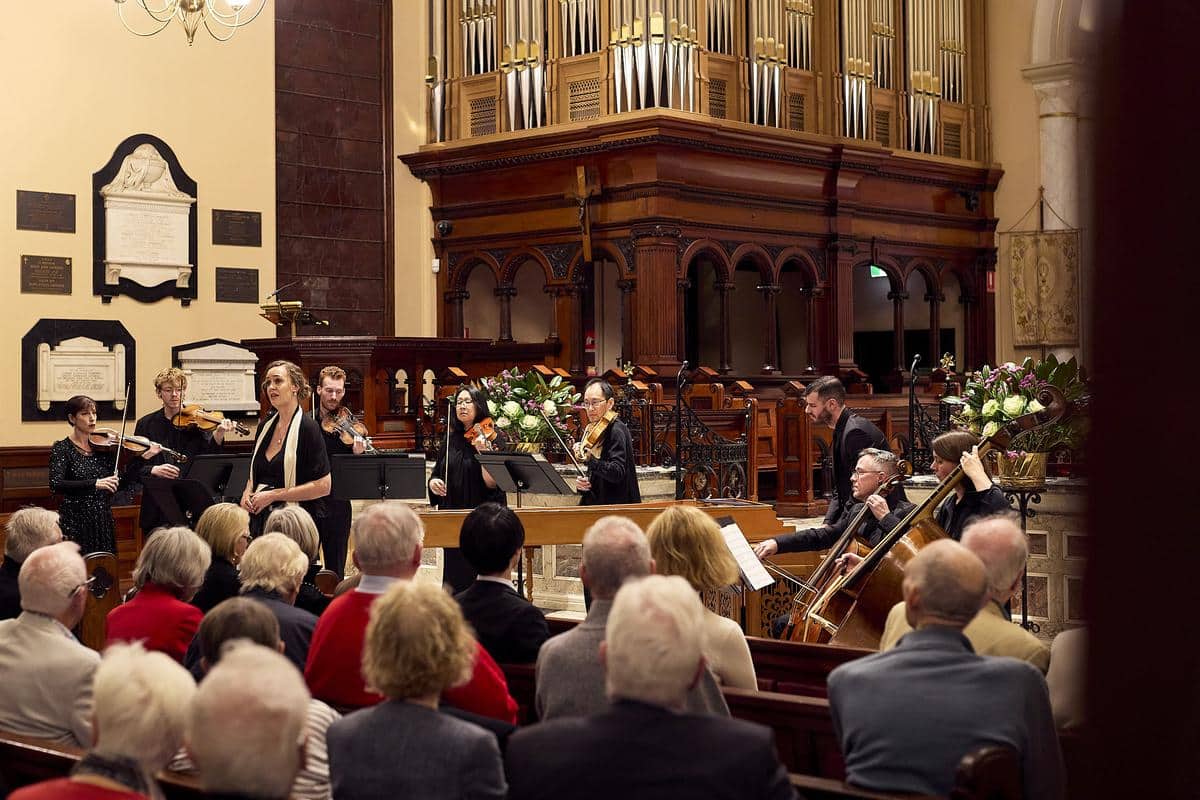
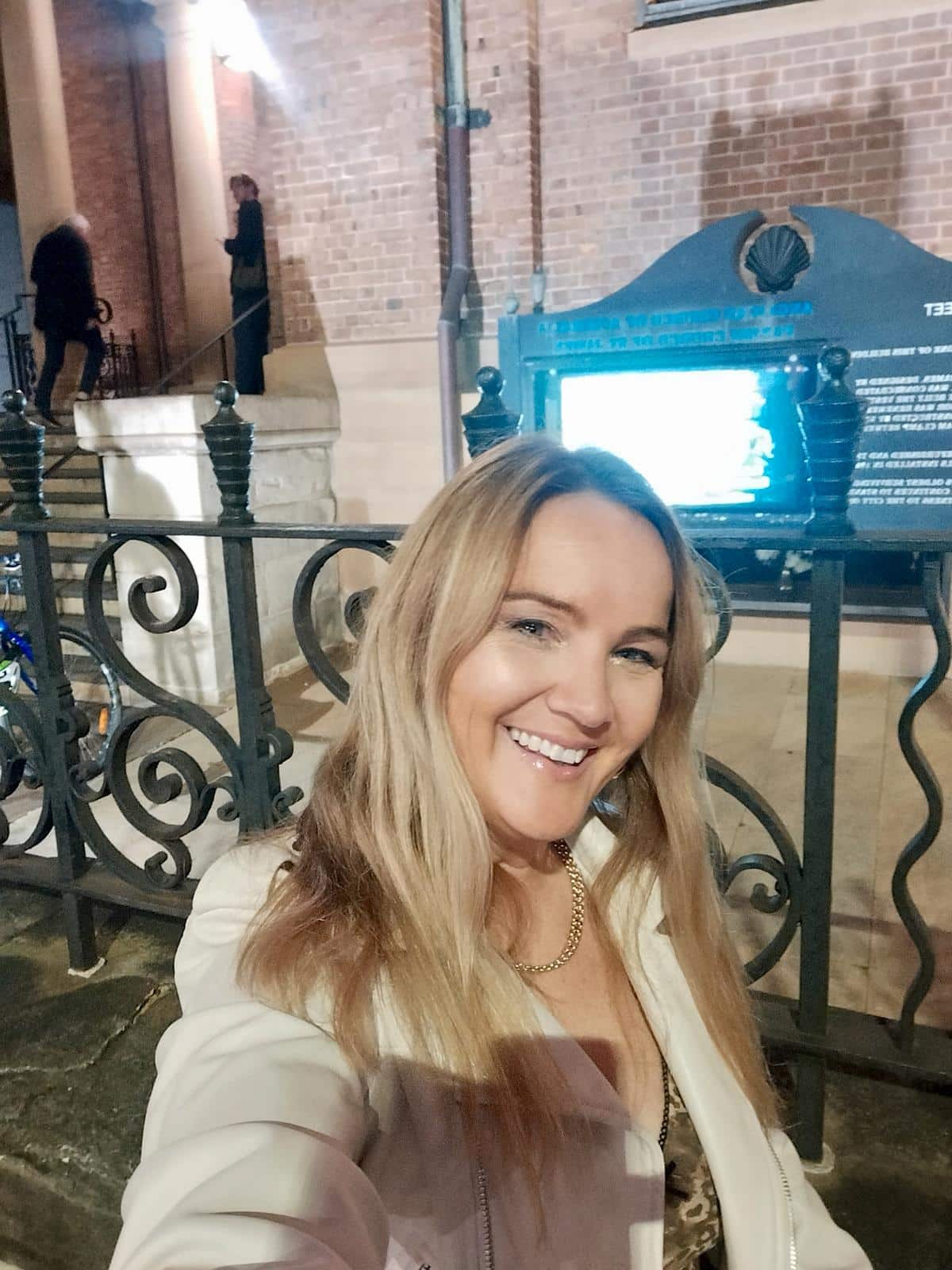
The remarkable performance was held within the exquisite grandeur of St James' Anglican Church Sydney, which was consecrated in February 1824 and named in honour of St James the Great. It is the oldest standing church in Sydney and reminiscent of a bygone era. The walls are adorned with plaques in memory of people from hundreds of years ago. I felt engulfed in the memories and rich history and I couldn't resist pondering on all the events that might have taken place in the majestic building.
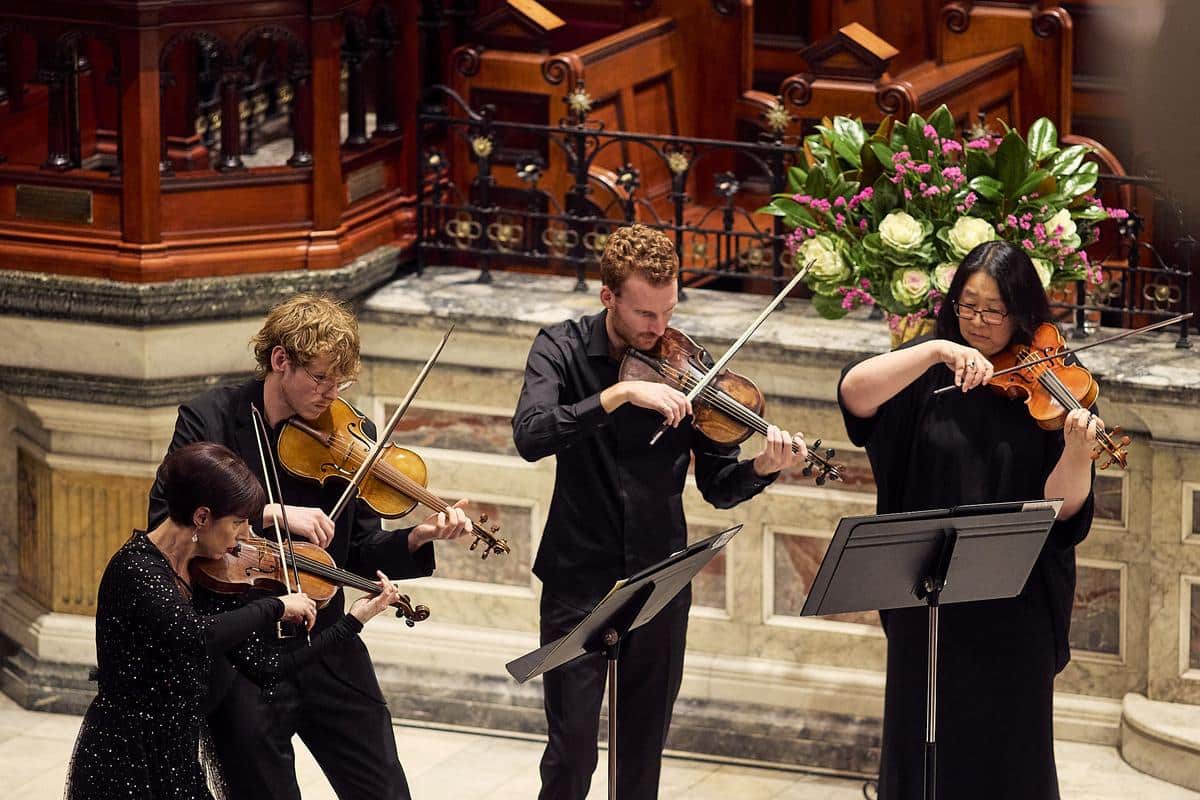
Initially, I was longing for the pipe organs standing before me to come to life but I was quickly comforted by the rare sound of a live harpsichord accompanying the orchestral melodies played by ten immensely talented musicians. One of the amazing violinists, Madeleine Easton, is the Artistic Director and founder of Bach Akademie Australia, she has graced international stages and was even invited to perform at King Charles’ coronation, performing on her 1682 Giovanni Grancino violin.

"The Class of ’85” is a tribute and exploration of four of the world's most significant composers- Bach and his contemporaries Handel, Rameau, and Scarlatti. It is almost unfathomable that Domenico Scarlatti, George Frideric Handel and Johann Sebastian Bach were all born in the same year-1685 and only within a few hundred kilometres of each other. These remarkable musicians have continued to shape the world hundreds of years later with their incredible compositions.

But how did three such remarkable musicians, all born in the same year, become so noted in the same Baroque period? Was it that they influenced each other, or urged the other to succeed, or was it a simultaneous opportunity seized to create in the same musical movement? Either way, they are still impacting the world hundreds of years later and their influence on music and the arts has remained overwhelmingly steadfast. They have left behind a legacy that will surely live on indefinitely.
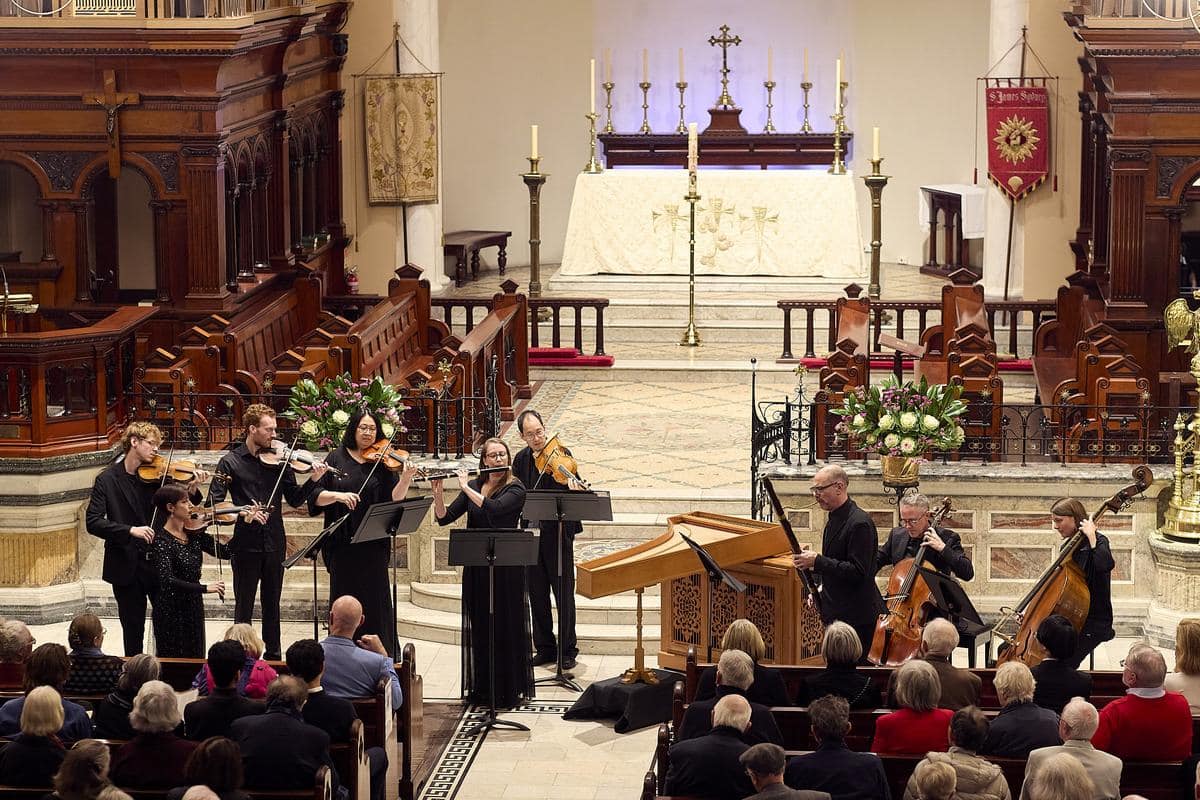
The vocal performances of Hannah Fraser and Susannah Lawergren were absolutely spellbinding. The perfect resonating acoustics in the church added to what I felt was an ethereal experience. My feelings were obviously shared by the entire audience whose chins were arched and heads visibly swaying, rendered overcome with emotion. So much so, that there was a compelling desire to close your eyes as to absorb the music in its entirety.

The entire church was engulfed by the beauty and spectacular experience. A pin drop could be heard. Not a soul spoke or whispered; it was as if a spell had been cast upon the room and only broken by intermittent applause.

I feel so humbled and honoured to have been invited to review this incredible performance: a cultural experience that has surely marked myself and other audience members for life. Thankyou from the bottom of my heart for allowing me to experience your excellence and witness a musical performance of the highest imaginable calibre.

To learn more about the Bach Akademie Australia, please visit https://www.bachakademieaustralia.com.au/.

Photographer: Keith Saunders

Spread the word on your favourite platform!

The Goat, Or Who Is Sylvia: Chookas Entertainment

The Goat, Or Who Is Sylvia

The Goat, Or Who Is Sylvia Rating

★★★★★

Click if you liked this article

1

Presented by Chookas Entertainment & Insight Acting is undoubtedly a ‘one of a kind’ dark comedy performance. The production was expertly directed by Tim Kemp and produced by Jodie Miller. “The Goat, or Who is Sylvia?” was written by Edward Albee and was the Winner of the 2002 Tony Award for Best Play.

The performance was held at the Civic Playhouse which naturally lends itself to an intimate environment for audience participation and tonight's performance definitely had the audience engaged, receptive and most definitely gobsmacked.

The cast of four actors displayed utmost skill and seasoned professionalism. They all shone in their own right portraying great conviction and dedication to their characters.

Tony Jozef played the lead role of Martin who has unquestionably become deranged in his newfound sexual desires. Martin is at the peak of an existential crisis as he endeavours to explain his unimaginable love affair between himself and his lover Sylvia - a goat! His unfathomable lust for Sylvia is definitely very unsettling. Tony’s ability to create empathy for his character's grave misgivings is indeed commendable.

Joel Stibbard gave a solid performance as Ross, the long time best friend of Martin. He portrayed great comradery between himself and Martin and delivered the perfect amount of flair for a TV presenter.

Seventeen year old Billy is played by Clio Vellis who gave a wonderful rendition of a hormonal, confused teenager. Billy is struggling to comprehend newly learnt tragic information regarding his father which leaves him utterly perturbed.

Angela Robertson delivered first class acting in her role as Stevie, the loyal and dutiful wife of Martin. Angela showed unwavering commitment to her role and achieved great audience connection and sympathy to her character.

The lighting by Riordan Munnoch was simple, effective and poignant. The blackouts at the end of each scene were powerful and equally notable was the utilisation of subtle coloured lighting techniques to enhance and mirror the dramatic moments being portrayed on stage.

“The Goat, or Who is Sylvia?” is recommended for mature audiences and for theatre goers who have an appreciation for morbid humour.

It is a deeply disturbing, highly unconventional and controversial play. It explores taboo topics and themes of bestiality and incest that will definitely leave the audiences shocked, perhaps disgusted and definitely talking about it for some time.

Spread the word on your favourite platform!

The Dictionary of Lost Words

The Dictionary of Lost Words

The Dictionary of Lost Words Rating

★★★★★

Click if you liked this article

2

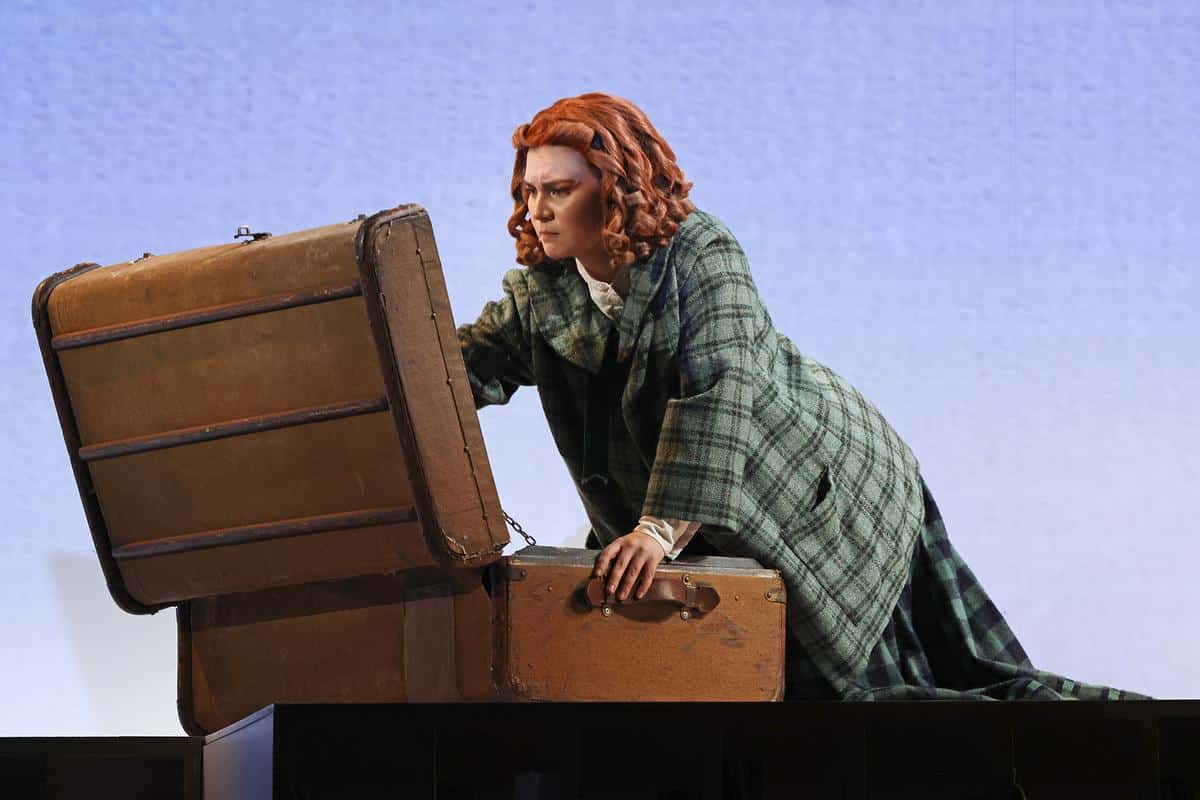
The curtain has officially opened for the State Theatre Company South Australia and Sydney Theatre Company’s ‘The Dictionary of Lost Words’ at Wollongong’s Illawarra Performing Arts Centre. Presented by Merrigong Theatre Company, Verity Laughton’s adaptation of the New York Times bestselling novel by Pip Williams opened its two-week run with a spectacular masterclass in storytelling.

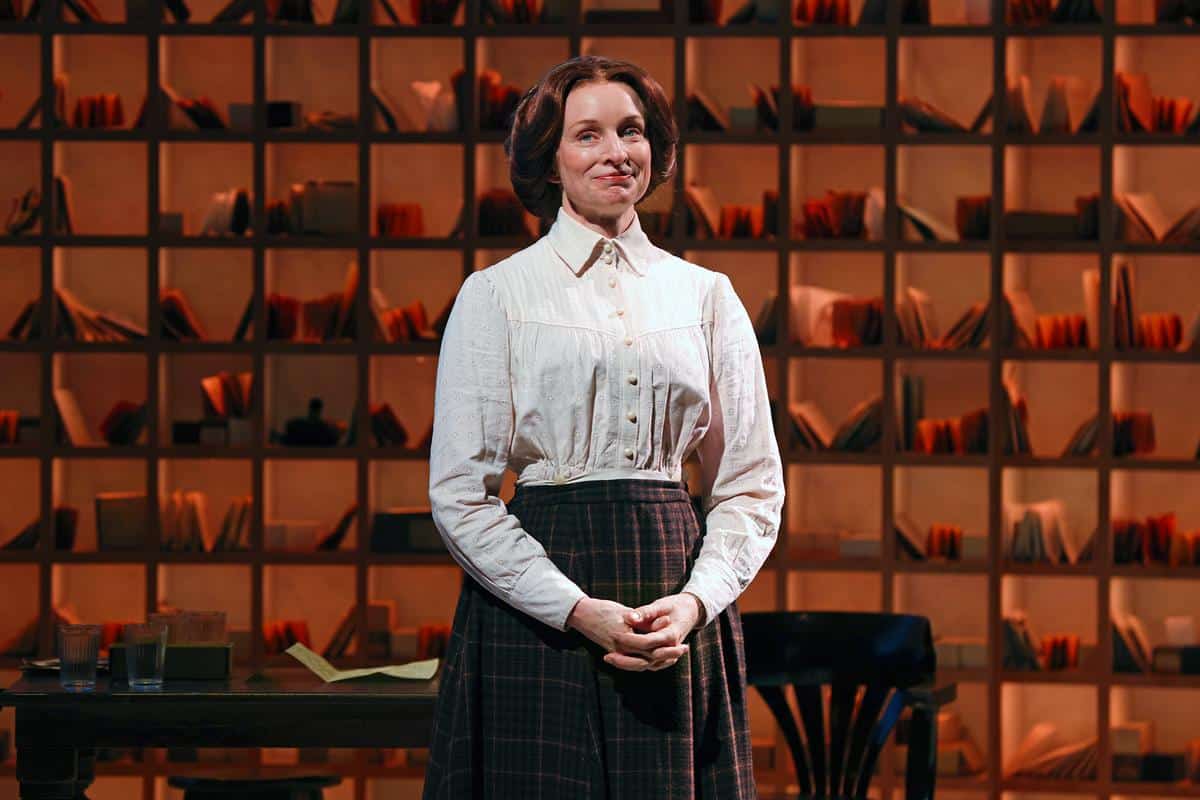
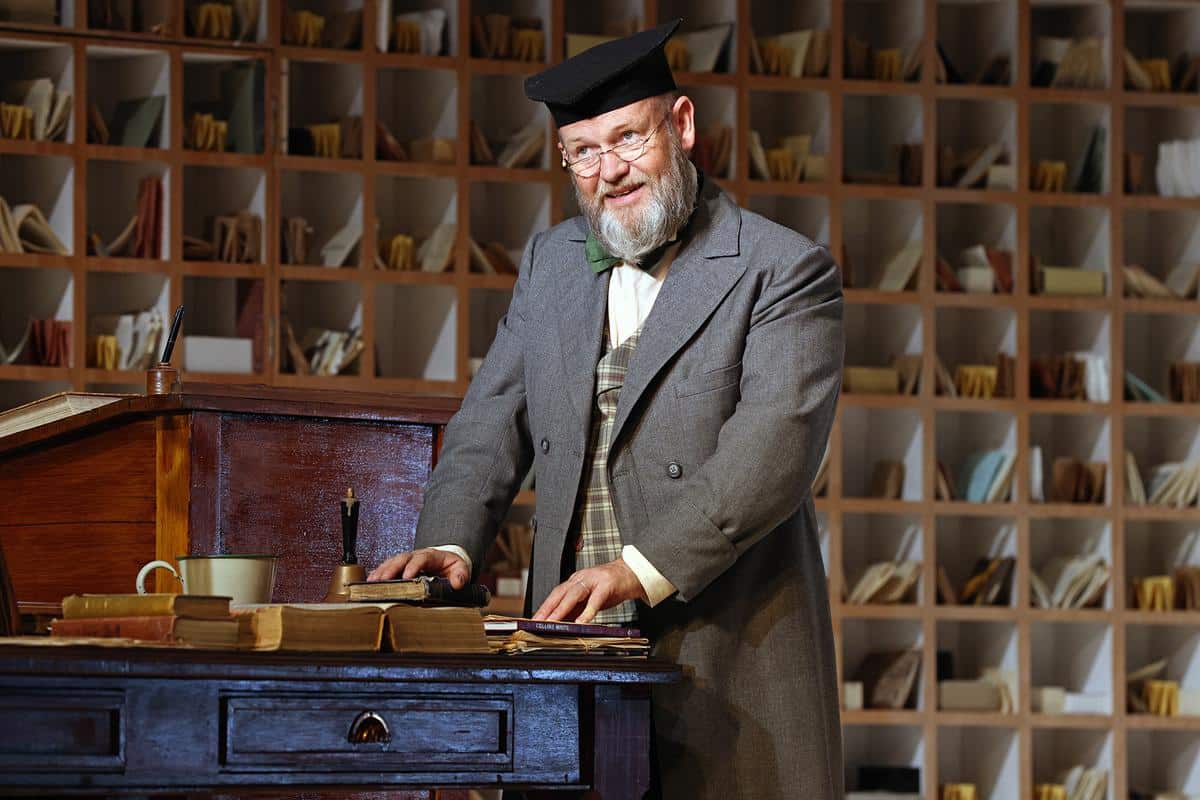
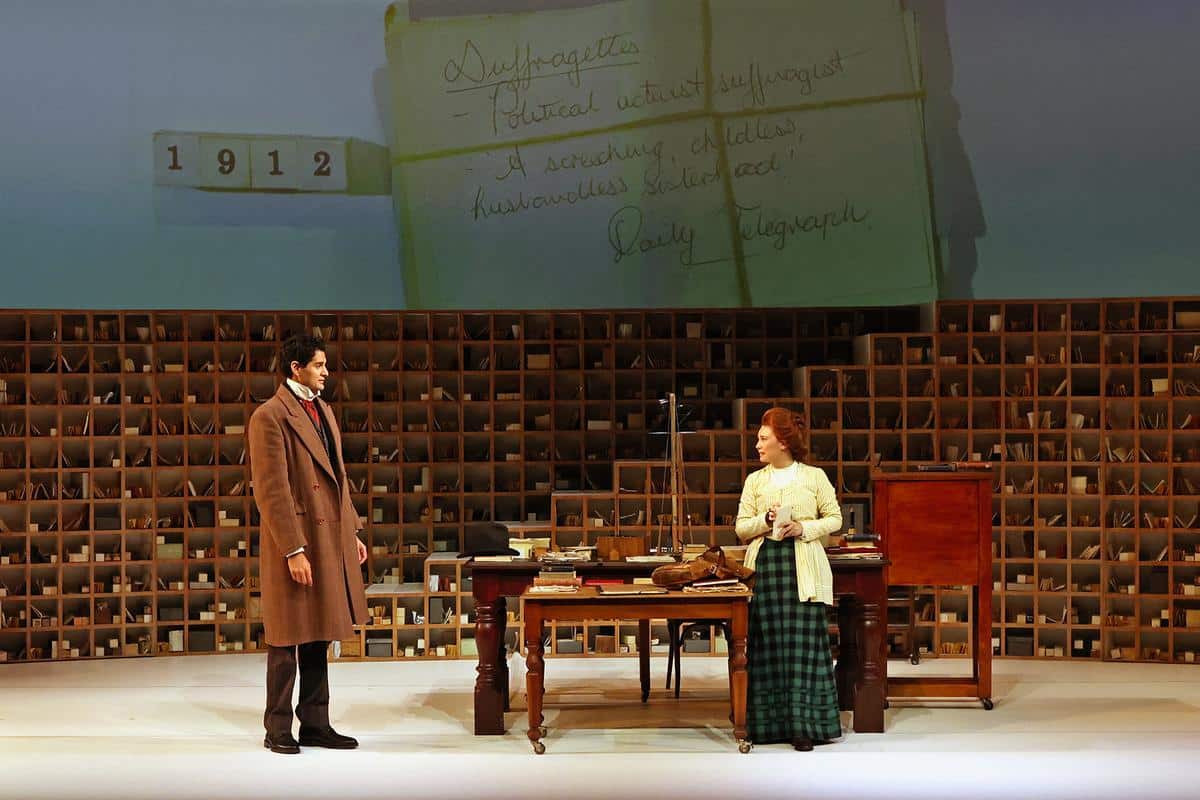
From the moment you walk into the theatre, the set is captivating and immediately draws you into the Scriptorium, which is arguably a character in itself. As a book lover myself, I was absolutely taken with the hundreds of shelves and the stacks of old books and papers adorning them. You can practically smell the old books from your seat.

The use of live effects through lighting and the projector really changes the way the stage can be used and perceived. Having cast members seamlessly changing the location and years, as well as the symbolism of moving water and dirt being poured over the projection was mesmerising and effective when it came to some of the more emotional moments. The split-level stage and hidden doors made the space so much bigger, assisting in transporting viewers to Esme’s top secret hiding spots and locations that had the most impact on her growth as a woman and a lover of words.

I adored the way each cast member brought their characters to life, with nuances like delectable accents that were so good I couldn’t help but grin every time Brian Meegan’s Sir James Murray rolled his R’s in a delightful Scottish brogue. Transformative acting is a personal favourite, and each character had such life breathed into them with vivacity and evolved as the years passed in an authentic and effortless manner. All cast members are commended on their commitment to everything they touched. The hilarity of the Flower shop vendor who uttered not a single word and yet, managed to convey everything with a single glance absolutely stole those scenes.

Shannen Alyce Quan and Angela Nica Sullen who play Esme Nicoll and Tilda Taylor, respectively, were absolutely electric. Quan’s ability to play a precocious four-year-old who, through the years turned into a world-weary, borderline cynical woman was nothing short of incredible. Not only did they, as Esme, rescue those lost words over time, but they preserved a beautiful piece of historical fiction and gifted a contagious delight for knowledge and eternity to the audience. Sullen’s spirit as Tilda is a commanding presence throughout the performance. Her vibrancy and commitment to the suffrage movement, as well as Sullen’s portrayal of her other characters added such depth to the show.

The decision to recount Esme’s most treasured secret with absolutely no dialogue was brilliant. Choosing instead to use music and roving characters with spotlights to signal each part of her story was incredibly moving and I could not look away. You could feel the emotion in the room and each actor held themselves with such raw feeling that was completely inescapable. A massive round of applause to the cast, and the entire team of creatives behind this performance.

Despite the almost three hour run-time, ‘The Dictionary of Lost Words’ is incredibly enriching, and I’d highly recommend it for anyone who loves history, books or a good night out at the theatre. Make sure to grab yourself a ticket before it closes on the 7th of June at the IPAC! Jump on to the Merrigong Theatre website to book now!

To book tickets to The Dictionary of Lost Words, please visit https://merrigong.com.au/shows/the-dictionary-of-lost-words/.

Photographer: Prudence Upton

Spread the word on your favourite platform!

Eureka Day

Eureka Day

Eureka Day Rating

★★★★★

Click if you liked this article

1

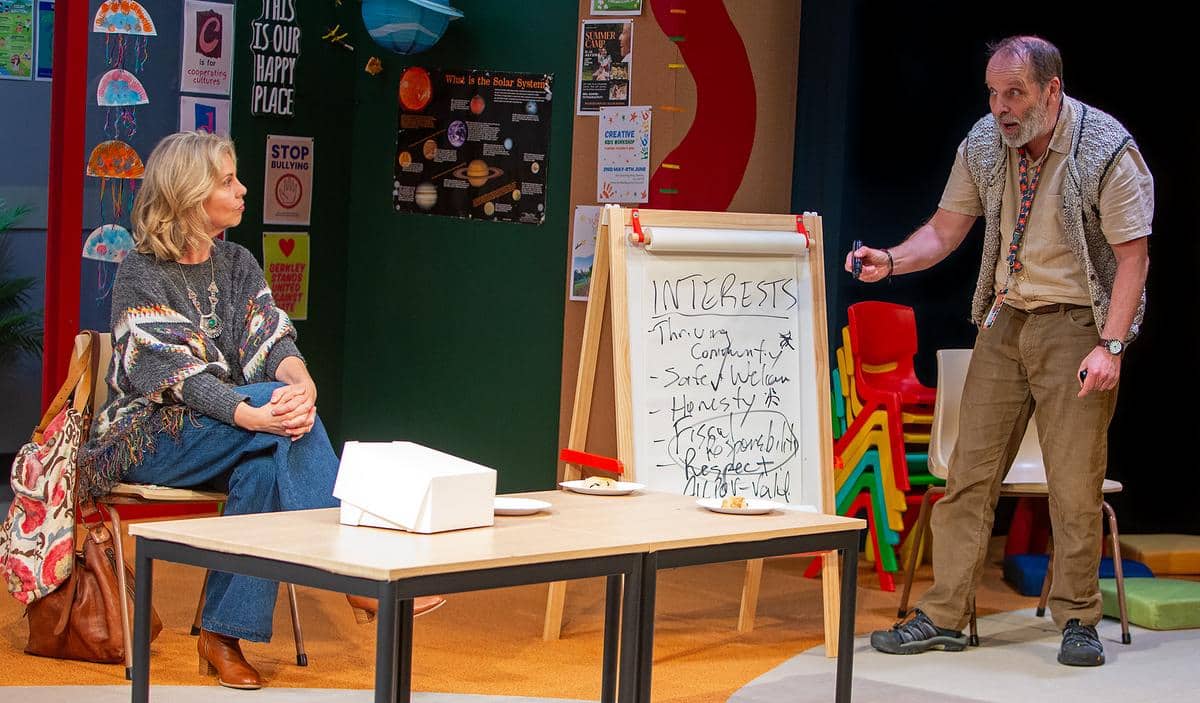
In Eureka Day, Jonathan Spector’s razor-sharp satire of liberal consensus and public health anxiety, a seemingly progressive Californian school board descends into chaos over a mumps outbreak. But what could easily become a smug send-up of anti-vaxxers and virtue-signallers is instead something more nuanced, uncomfortable, and timely. Under Craig Baldwin’s deft direction, Outhouse Theatre Co’s production at the Seymour Centre lands every comic beat while never losing sight of the emotional truths buried beneath the surface.

Although the play is distinctly American in setting, this Australian staging loses none of its relevance. The characters feel instantly recognisable, the debates all too familiar. This is a story not just about vaccines, but about what happens when our desire for clarity and reassurance collides with ambiguity, grief, and fractured trust.

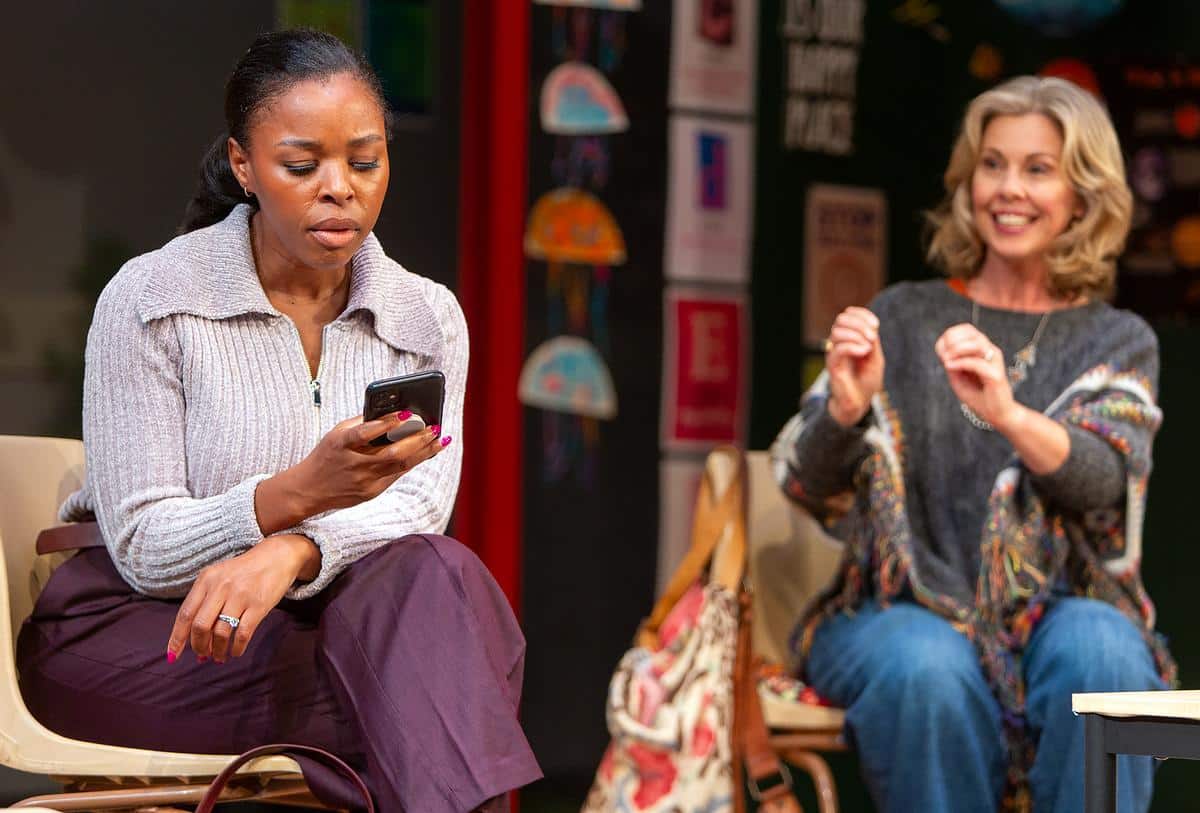
Katrina Retallick is particularly compelling as Suzanne, the new age, soy latte-sipping board member whose calm certainty masks deep personal pain. She walks the tightrope between satire and sincerity with precision, making Suzanne both maddening and deeply human. When the character’s backstory is revealed, Retallick’s performance shifts into something tragic—an aching portrayal of a parent failed by the institutions she once believed in.

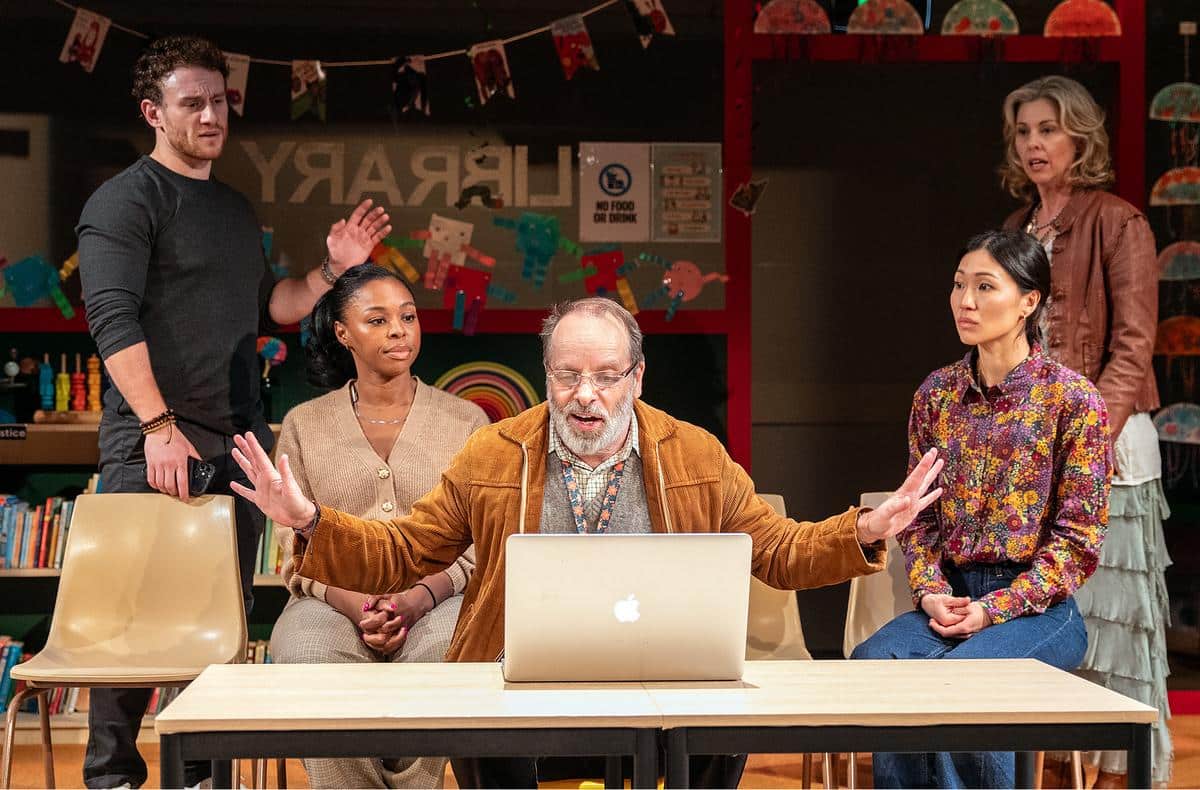
Jamie Oxenbould’s Don is equally affecting. The embodiment of well-meaning, moderate liberalism, Don wants nothing more than to keep everyone happy. Oxenbould captures his charm and diplomacy perfectly, but also lets us see the cracks forming under the strain of trying to appease all sides. His unravelling in the brilliantly staged Zoom scene is as funny as it is painfully relatable.

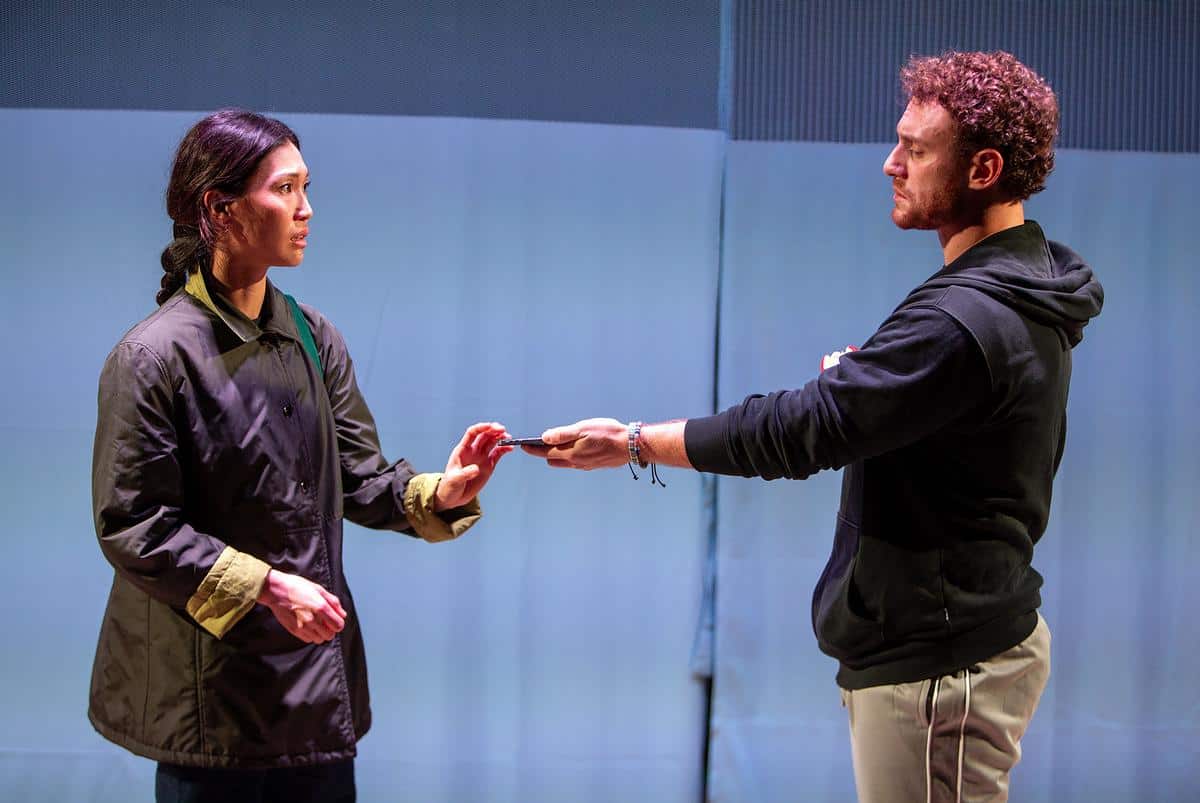
Deborah An brings a quiet strength to May, initially playing her as a reserved and observant figure. But as the stakes rise, An reveals the steel beneath the calm, delivering a performance that builds patiently to a moment of quiet triumph. Christian Charisou’s Eli enters bold and brash, full of passionate conviction, but undergoes one of the play’s most significant emotional shifts. His transformation, grounded in his role as a father, adds weight and tenderness to a character that could easily become just a mouthpiece.

As Carina, Branden Christine is a standout. Starting off as a newcomer eager not to step on toes, she grows into a voice of clarity and compassion. Her confrontation with Suzanne doesn’t just showcase moral courage, but also the empathy that gives the scene its emotional punch. Christine subtly anchors the play’s message: that we must speak up for what we believe in, but also make space to truly hear one another.

Technically, the production is sharp and inventive. The colourful, clean set provides a visual cue for the play’s early optimism, which contrasts starkly with the bleakness of the later hospital scene. The use of live projection, sound, and lighting in the Zoom sequence is a highlight—expertly timed, uproariously funny, and all too recognisable to anyone who survived the remote meeting era.

Eureka Day is a biting, intelligent, and unexpectedly moving production. Outhouse Theatre Co has created a version that speaks directly to Australian audiences, reminding us that the messiness of democracy—and of parenting—has no borders. It’s as hilarious as it is human, and well worth seeing.

To book tickets to Eureka Day, please visit https://www.seymourcentre.com/event/eureka-day/.

Photographer: Richard Farland

Spread the word on your favourite platform!

Subscribe to What's The Show

Reviews, show news and what is on, straight to your inbox.