A Bond Beyond Blood

Sita and Urmila: Unheard Conversations

Sita and Urmila: Unheard Conversations Rating

Click if you liked this article

7

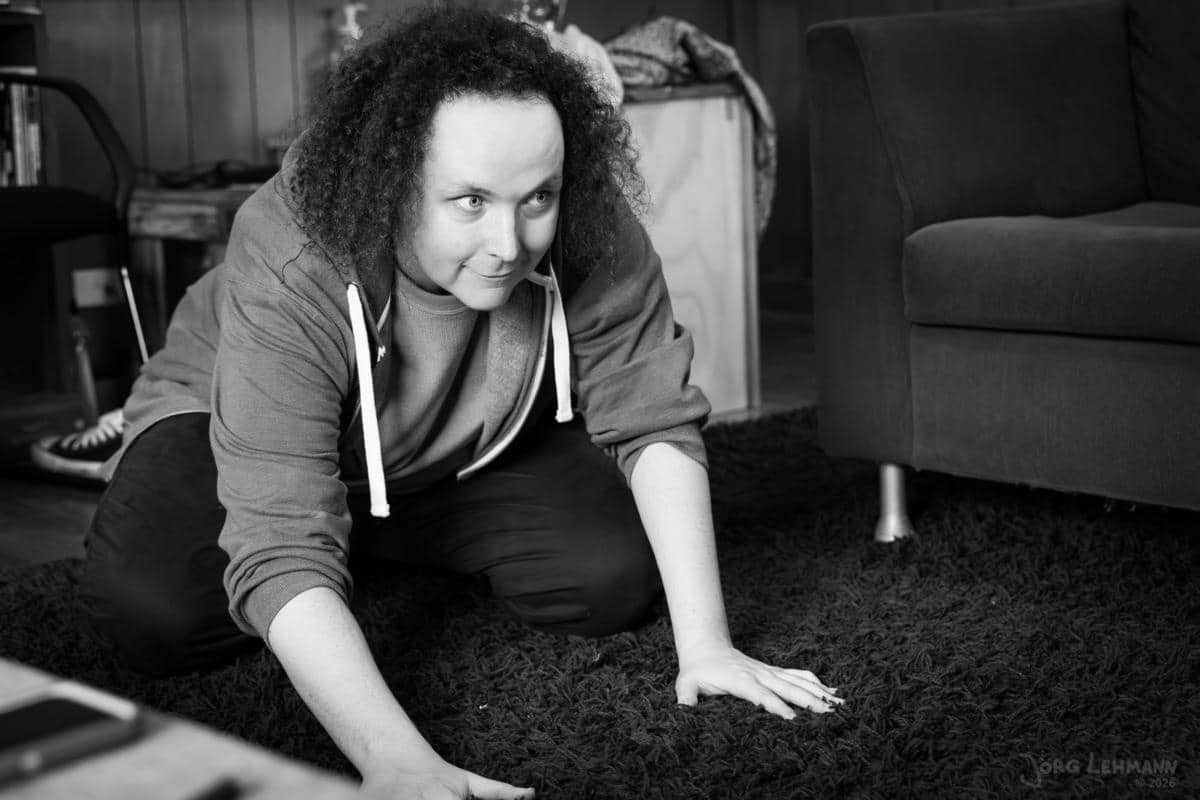
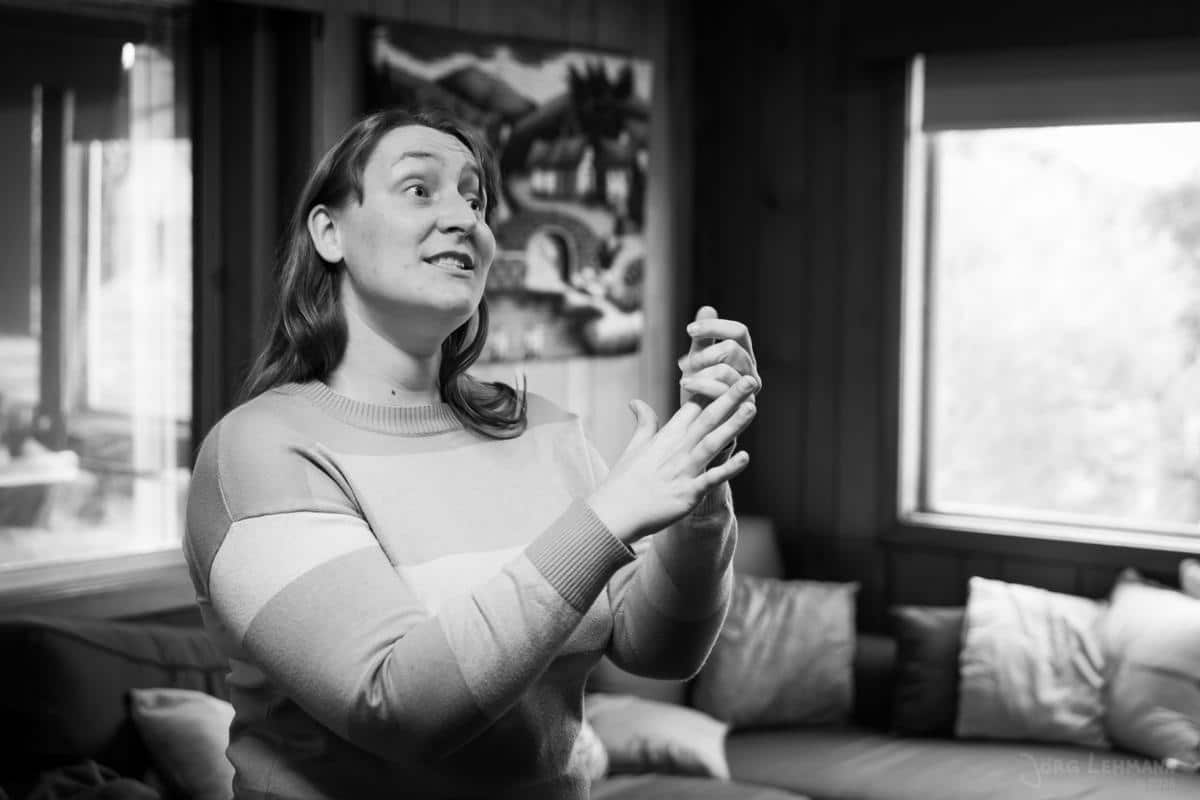
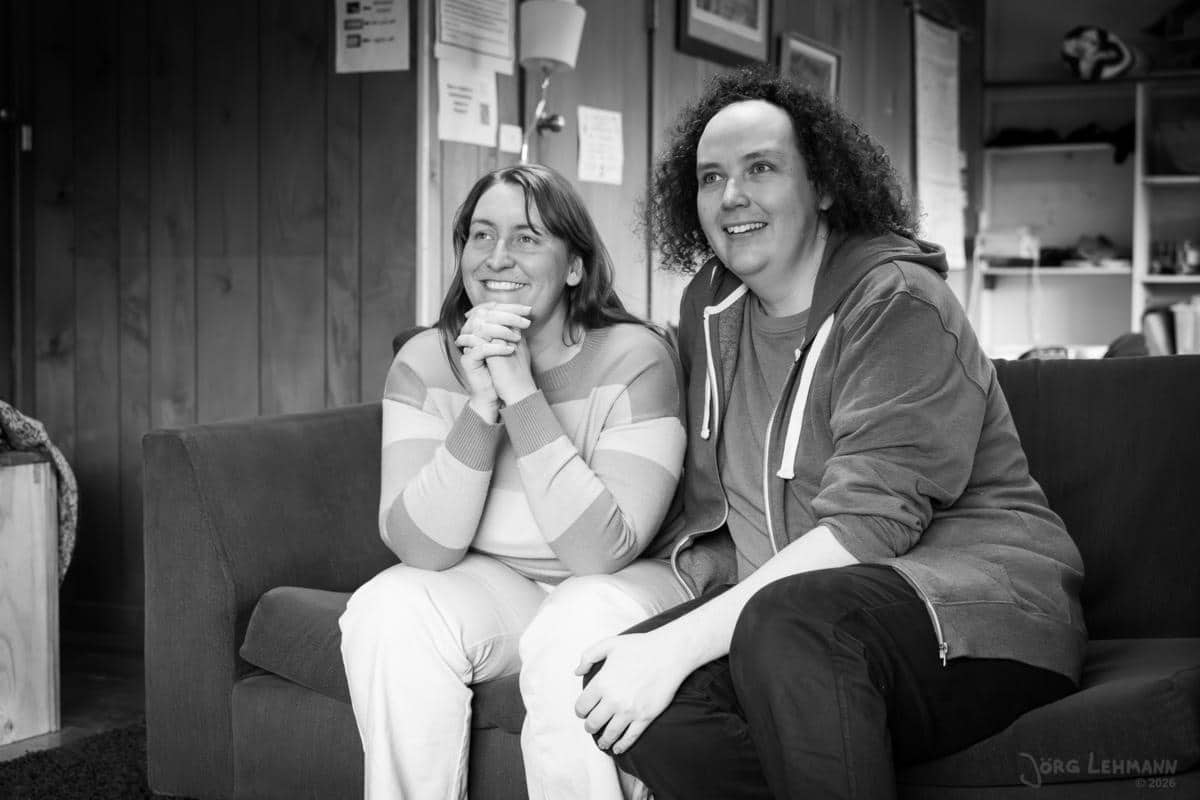
Sita and Urmila: Unheard Conversations is a production from The Great Indian Theatre Company playing at the Nexus Theatre. It is an hour and fifty minutes without an interval. It is the story of two sisters who share a loving bond.

When Prince Ram of Ayodhya wins Sita’s hand in marriage, he reveals he has a vow that he and his brothers must marry from the same family. A solution is made and his brother, Laxman, marries Urmila. When Prince Ram is exiled to the forest for fourteen years, Sita immediately agrees to come with while Urmila must stay behind. Laxman is visited by The Goddess of Sleep and asks to stay awake for fourteen years to protect Ram and Sita. When The Goddess of Sleep says that someone must take his place to sleep, Laxman tells her that Urmila will, who reluctantly agrees. 

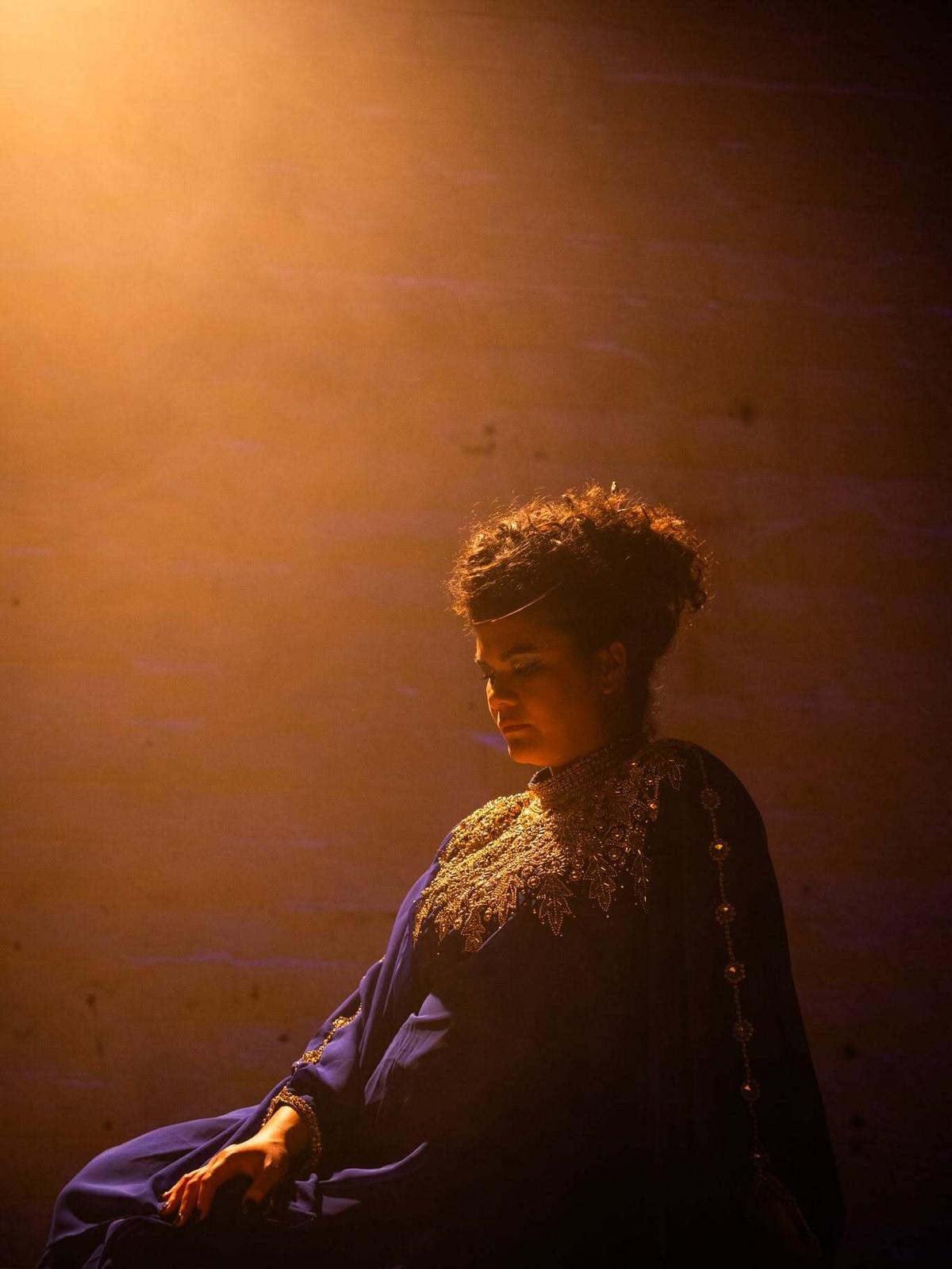
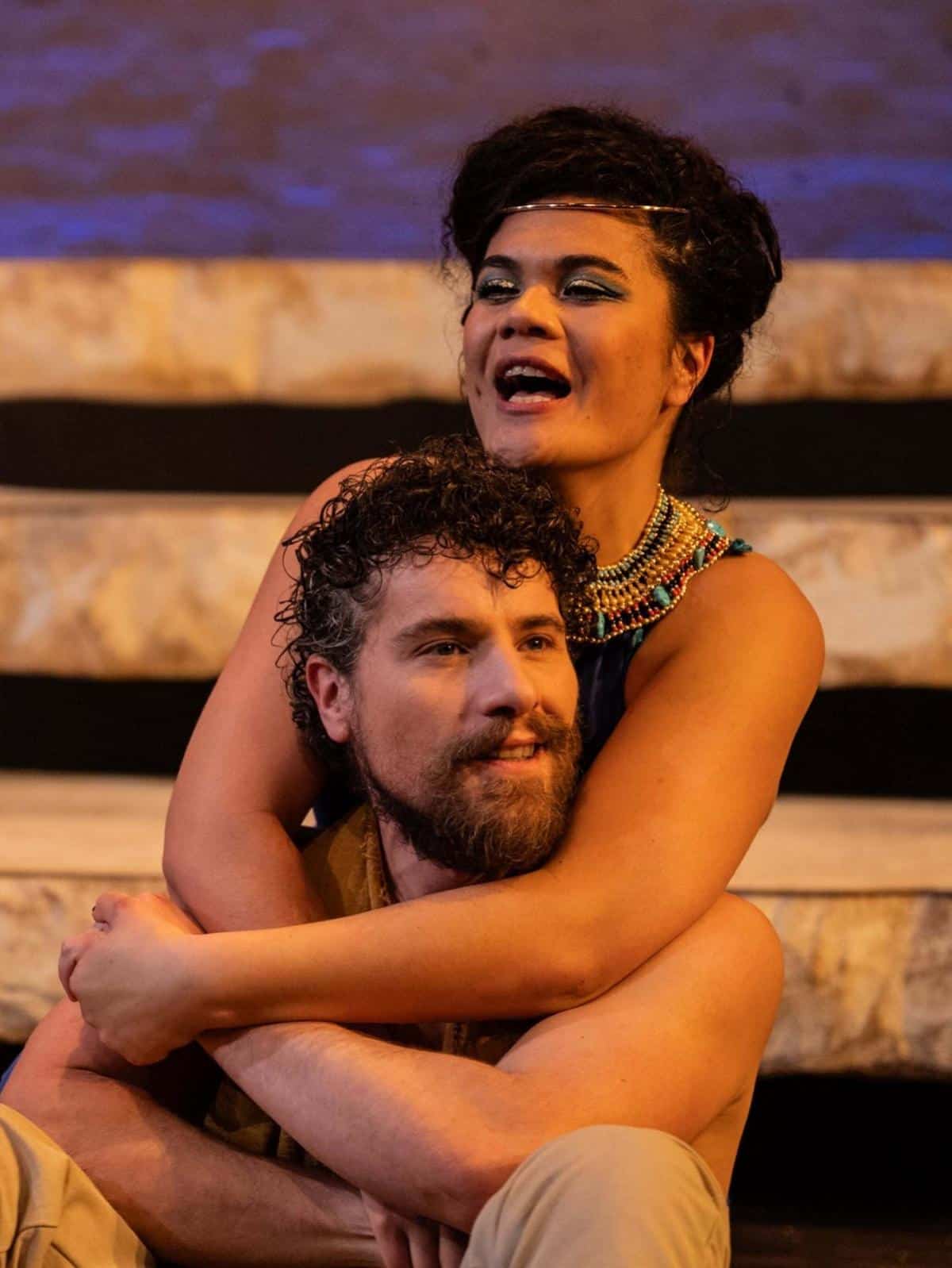
The story is written and directed by Sreekanth Gopalakrishnan. I particularly loved the sisters’ bond. Sita is adopted and although they don’t share the same biological family, they say the words “beyond blood”, meaning their love for each other goes beyond their DNA. Karthika Nair gives a stellar and powerful performance as Urmila and she captured my attention in every emotional scene. Prakriti Rayamajhi shows Sita’s character growth beautifully and portrays her journey from a dutiful woman to one who is strong and independent.

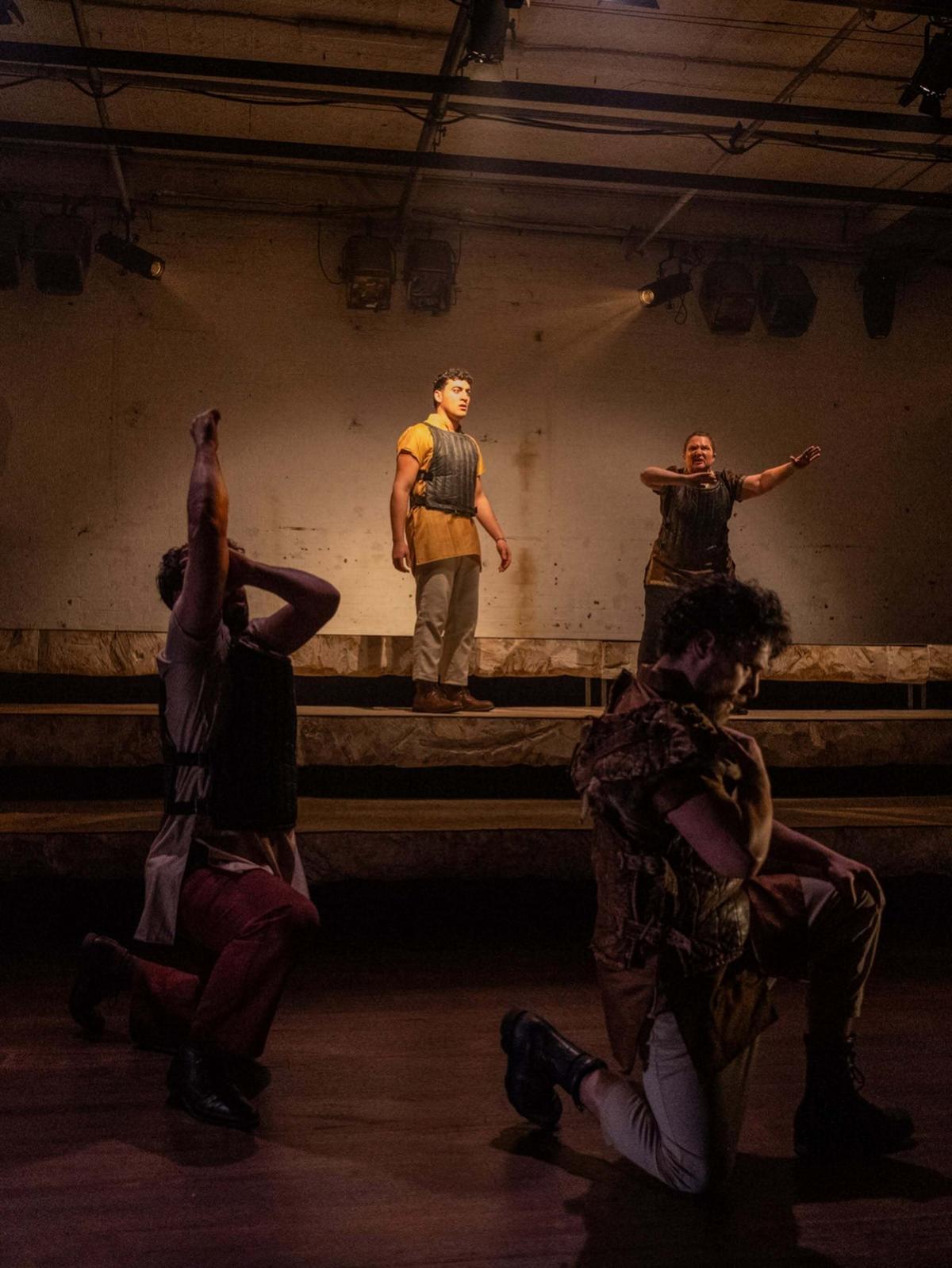
Deepti Shukla gives a delightfully cheeky performance as The Goddess of Sleep and children will love Akshay Sheela Nair as Hanuman, a monkey, whose physicality was engaging and entertaining. Ashish Malik and Wilfred Doray play perfectly evil characters and comedy is speckled through the script, giving audiences a chuckle when needed.

The costumes, designed by Param Kaur and Sreekanth Gopalakrishnan, was the first thing that caught my eye. They are beautiful and elegant with intricate designs. Indian music plays throughout the show and throughout scenes but still gives the actors the stage to capture the scene. When Sita and Urmila are separated, the set is cleverly split into two without feeling disjointed.

Dance is also incorporated into the storytelling and Sindhu Nair, winner of the Western Australia’s Multicultural Artist of the Year, brought a unique cultural interpretation of dance to be shared with the audience. The lighting works well with the storytelling, including spotlights to build dramatic tension during intense conversations with the sisters as well as sinister red lighting to highlight the emotions of the scene.

This is a production which would be enjoyed by anyone who has a sister or familial bond who they would do anything for.

To book tickets to Sita and Urmila: Unheard Conversations, please visit https://thegreatindiantheatrecomp.com/.

Spread the word on your favourite platform!

The Four Quartets

The Four Quartets

The Four Quartets Rating

Click if you liked this article

The Four Quartets – T.S.Elliot

Venue: Old Fitz Theatre, Woolloomooloo
Date: 12 March, 2026
Running: Until 20 March 2026
Directed by Patrick Klavins
Presented by The Wounded Surgeon

Four actors presented a sermon each on time, place, spirituality, a crisis of the soul and so many other philosophical ideas. Each piece was presented with fervour, not with pomposity, and left us with questions as Elliot intended. Whilst it would be good to understand the historical, religious, nature-focused and literal context of when he was writing these, it is also interesting to note that many of the words and references have also faded away and are no longer used. Eliot may have found this philosophically interesting.

The set was sparse with a tired looking curtain, one old chair, a crate and a bucket and by chance, a lone cockroach scuttled across the large hanging curtain as if to say, this is where I belong. Lighting and dry ice were used effectively to give a sense of sadness and thoughtfulness. We were in for an interesting time. Costumes were old linen as if the actors had come from the land.


The first actor set the scene as she presented immediately with a strong, shaman-like oration about time and that time is really eternity and what of it? With a depth of quiet sadness and gentle hand movements, she created an image of how life is not quite how we imagine and the present, past and future are non-chronological. The audience was attentive and moved by her sense of fatigue and desire to understand how we live and age and come to terms with it all.

The second actor was just as powerful and communicated the poetry as if it were a fervent conversation. Fiery at times and imploring at others, it was all about age and the actor was of an age to demonstrate an understanding of the questions we ask ourselves about where we have been as a reflection. The message was not to give up and keep on creating and experiencing life. It reminded us of Dylan Thomas’, “Do not go gentle, in to that good night…”

The third actor was young and moved us with parables about the sea, the ebb and flow of life and death, the sailors who didn’t come back and the women that mourned. Each part was about nature’s lifecycle and how we are part of it regardless. A strong plea was to “fare forward”.

The final actor brought the other pieces together with passion and fire questioning what we are doing with our lives and thoughts. To well-deserved applause for the difficulty of the text, it was the last word on deep imagery offering philosophical questions. The audience seemed to leave asking ourselves, where are we going, where have we been and why?

To book tickets to The Four Quartets, please visit https://www.oldfitztheatre.com.au/four-quartets.

Photographer: Matt Bartlett

Spread the word on your favourite platform!

Romeo & Juliet – An 80s Reimagining!

Romeo & Juliet

Romeo & Juliet Rating

Click if you liked this article

2

St Luke’s Theatre Society’s adaptation of Romeo and Juliet reimagines this timeless Shakespeare tragedy with an 80s backdrop: the iconic decade that shocked our senses with a mixtape of neon colours and bold prints, leg warmers, lycra, big hair and rebellious youth culture.

Assuming not all are familiar with the storyline, Romeo and Juliet fall deeply in love despite their feuding families. Their secret relationship and plans go awry and lead to an untimely tragedy that finally compels the two families to reconcile.

If you’ve not had the luxury of surviving this decade, the question arises: why the 80s? The rebellious pop culture and emotionally defiant spirit of this decade echo Romeo and Juliet’s determination to follow their love despite social rules. U2’s song ‘With or Without You’ is just one example of a music transition used to reflect the pain of loving someone in impossible circumstances.

The Director-June Balfour takes us on this 80s inspired journey transitioning scenes with aptly chosen songs, often tongue-in-cheek, revisiting music icons such as Tears for Fears, Madonna, INXS, and Queen.

Nestled in the grounds of St Luke’s community church is a modern performance space. Sound production effectively delivers the dense prose often found in Shakespeare plays. A central revolving platform was used to alternate between Juliet’s bedroom and other locations including Romeo’s quarters. Utilising the centre aisle and steps as an entry and exit point for actors, cleverly extended the performance space creating a more intimate and immersive experience.


The portrayal of Romeo was delivered strongly by Lachlan Gregory Hugh, his mastery of the Shakespeare script effortlessly showing light and shade. Romeo’s footy-loving cousin Benvolio (Giorgio Impiccini) played his role with gusto and high levels of energy, bringing the scene to life wherever he went. Madelyn Scott’s commitment to the role of Romeo’s friend Mercutio brought clarity and meaning to the witty wordplay of Shakespeare.

Lillian Dowdell earnestly portrays Juliet bringing a quiet confidence to the role. The dynamic between Juliet and her Nurse was engaging and playful, their banter evoking much laughter from the audience. Ellie Bickerdike, as the bawdy touchy-feely nurse, leans into the role so much it’s bordering on cringeworthy.

The costuming showcased the hyper-coloured boldness of 80s fashion. Using set props like a Walkman and a gremlin plushie were fitting nods to the decade. I particularly liked the inclusion of Juliet’s drop-waist wedding dress!

While well-intentioned, the 80s tracks to transition scenes sometimes disrupted the mood, creating a disconnect with the story. The attempt to blend upbeat 80s music as light humour with the emotional volatility of the play occasionally interrupted the momentum, ultimately causing certain moments to fall flat.

Overall, the production succeeded in highlighting the timelessness of Shakespeare’s story. While it made bold use of 80s fashion and music, the theme was more decorative than immersive, still offering enjoyable relatability and engagement with the audience. This connection was further enhanced by creative staging and strong performances.

Romeo and Juliet is showing at St Luke’s Theatre Society, Brisbane until the 28th March. For tickets go to:
https://stlukestheatre.asn.au/

To book tickets to Romeo & Juliet, please visit https://stlukestheatre.asn.au/.

Photographer: carpediam.ink

Spread the word on your favourite platform!

Worlds Alive 2026

Worlds Alive 2026

Worlds Alive 2026 Rating

Click if you liked this article

Offering five separate perspectives of oppression, suppression, and corruption across different cultures but with the same result of division and pathos, Worlds Alive presented plays and excerpts as if listening to a radio. In a current world of media and without costumes, a set or lighting, the spotlight was on the beauty or directness of the word. It required concentration and some stamina but was well worth it.

Kunene and the King presented two people from opposing cultures and with past apartheid history hanging overhead. With one person ageing and the other caring for the aged, the audience was hoping for a developing friendship. Despite the antagonism due to a disappointment of the present socio-political environment, eventually deep conversations led to an understanding. Both actors generated a connection with well-rehearsed readings intertwined with the beauty of King Lear but also the foolishness of misunderstanding and ageing. With no set, the language was all the audience had and a powerful message was relayed of how mis-communication results in missing the opportunity for understanding and peace.

Miss Margarita’s Way – it was a hard act to follow the first powerful play. The actor offered a dark comedic vignette of suppression and indoctrination starting with youth. It left people quite rightly nervous of being in her space!


An Evening at the Opera – a couple at war with themselves and with a history of their despotic family ties and corruption, the relationship erupts as the dictator focuses on a macho-style leadership of ‘bread and circuses’ to appear as a benevolent dictator. At the same time, his wife, who has come from a line of family dictators, faces herself literally in the mirror and has to come to terms with who she is and what she has become. With her mother’s ghost offering dutiful female advice from the past, the future looks bleak. The actors each kept the audience uncomfortable enough to recognise the underlying political corruption with the overlay of a marriage and family dynasty.

Night Picture of Rain Sound – a reader questions the symbolism of Romeo and Juliet, offering a different perspective and possible outcome. The actor presented quietly and thoughtfully how we should question what we are supposed to believe, perform or be and for what purpose really?

The Struggle of the Naga Tribe – the full ensemble presented as a Greek chorus swapping roles to offer different perspectives. There were the corrupt business developers deliberately misinterpreting and demonstrating the results of economic progress to the benevolent but corrupt government who choose to ignore the impact on a peaceful village. Other voices included the village leader and people recognising too late that they have also been sold a story and that their culture and soul has been sold at a huge price. The actors powerfully presented alternating points of view with a sobering ending of ‘too little, too late’.

The audience listened carefully, absorbing and resonating with the social messages applauding each piece as a separate entity. It was at times bald, poetic and informative and well worth the effort.

To book tickets to Worlds Alive 2026, please visit https://www.scenetheatresydney.net.au/.

Spread the word on your favourite platform!