Whenever fan fiction is brought up in film, theatre or just in conversation, I’m always a little sceptical and often very protective. It’s a community that people take little effort in actually understanding or finding any merit in and end up using to poke fun at, so as a retired fan fiction writer I can spot a poser a mile away. So when I walk into La Mama to see Gag Reflex I’m keeping my ears piqued for any “lemon”, “y/n” or retrospectively terrifying age gaps. Thankfully, Flick knows their way around.
Gag Reflex follows three teen girls near the end of their final year of high school as they lament about their lack of schoolies funds. With an idea to win a writing prize by writing smutting monster fanfiction, their relationships begin to strain and evolve. Shenanigans ensue.
Louisa Cusumano as Anna is an absolute riot. Cusumano’s endless energy is infectious and guides us into the tone and style of the play perfectly. Her ability to make the most ridiculous line come out naturally needs to be studied. Cusumano also brings a gentle layering to Anna that allows us to critique her without forgoing our empathy.
Rheya, played by Miela Anich, brings a needed straight man to the dynamic. Full of pride, insecurity and exasperation, Anich’s performance is peppered with stunningly curated micro inflections and expressions that emulates the girls I knew in school. Anich balances the tender and stubborn sides of Rheya beautifully, keeping all sides present in every single moment.
I am in love with the way Immi’s awkwardness is brought to life by Mia Tuco. Immi is incredibly endearing from the moment she enters, seamlessly sliding from bashful to saucy at a moment’s notice, along with taking the responsibility of delivering a gut wrenching scene near the end of the play. Tuco holds all of the extremes of Immi in a way that is both consistent and exhilarating.
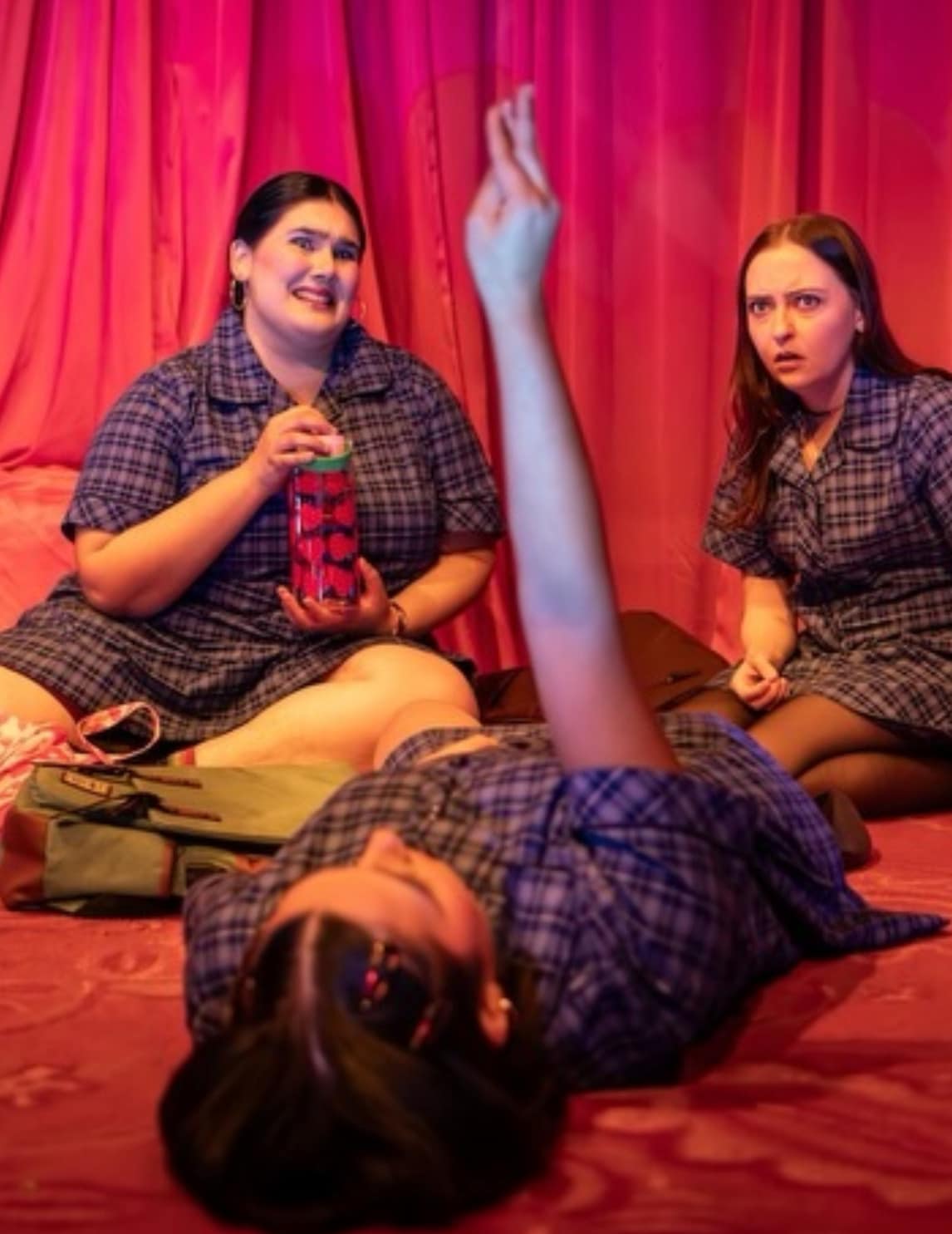
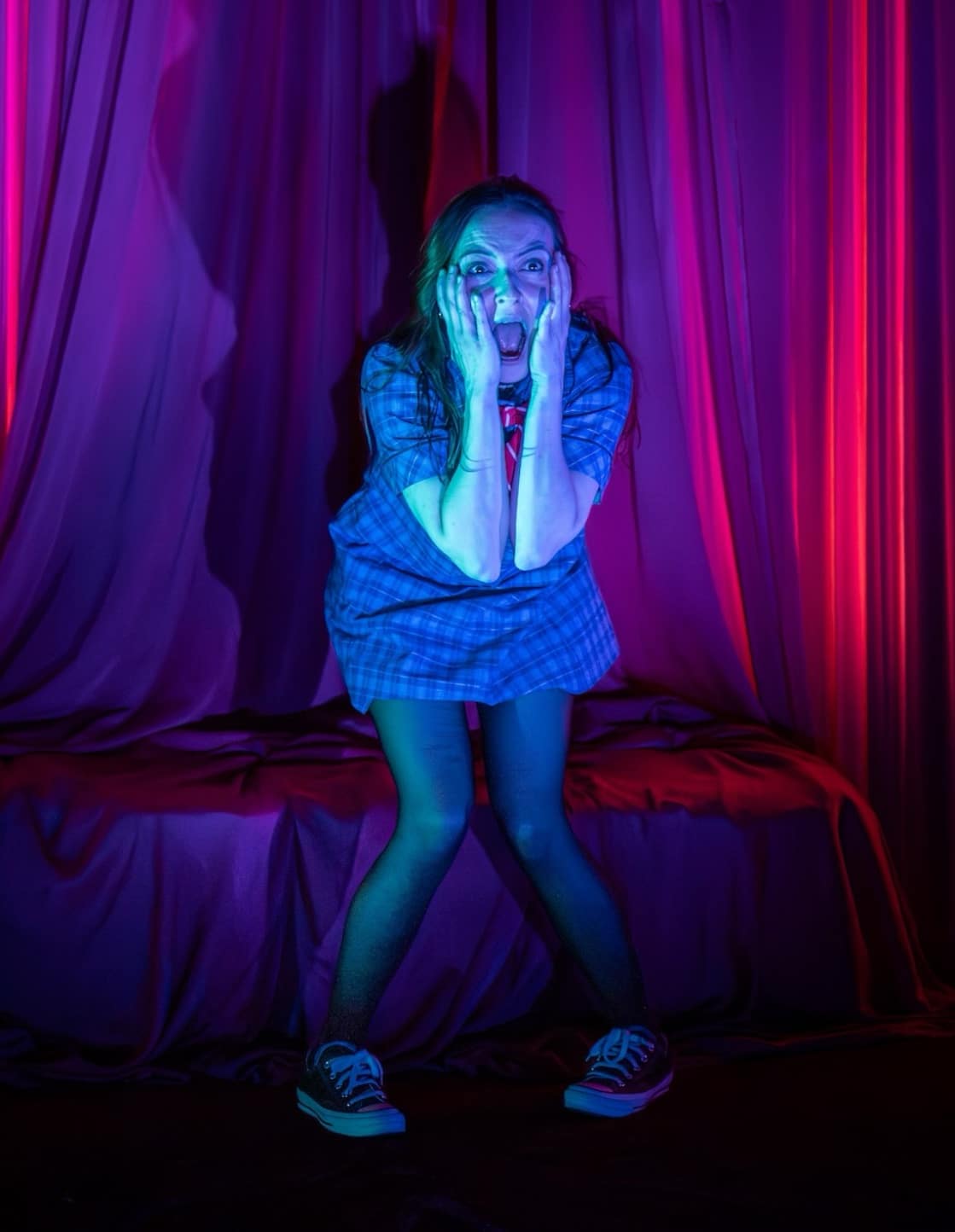
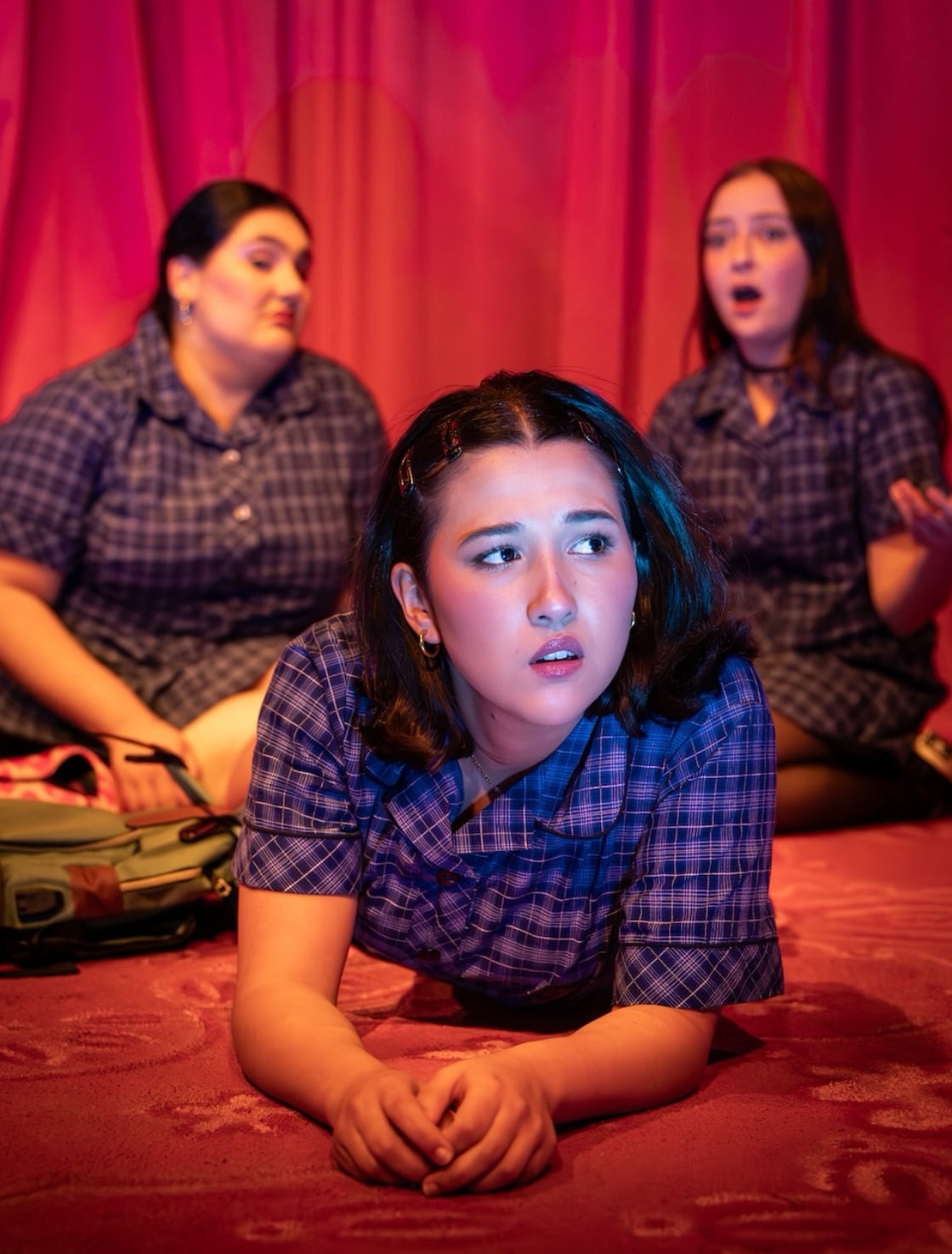
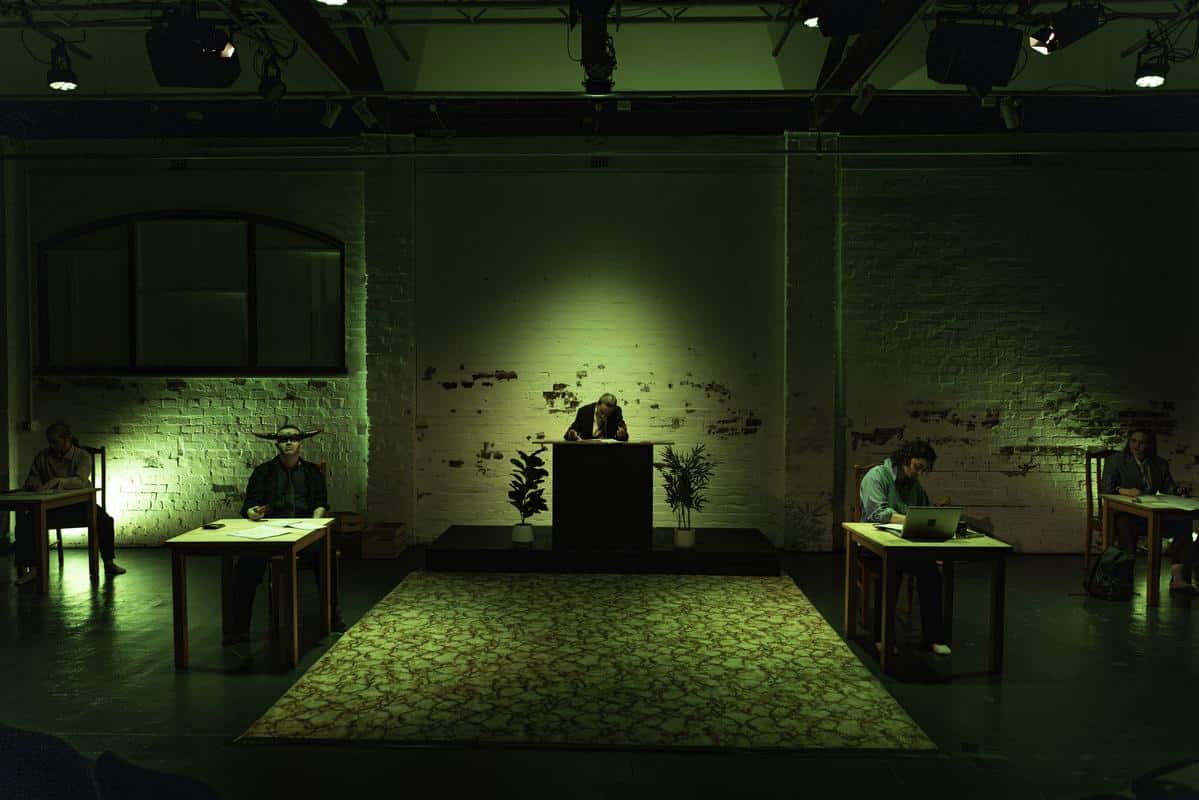
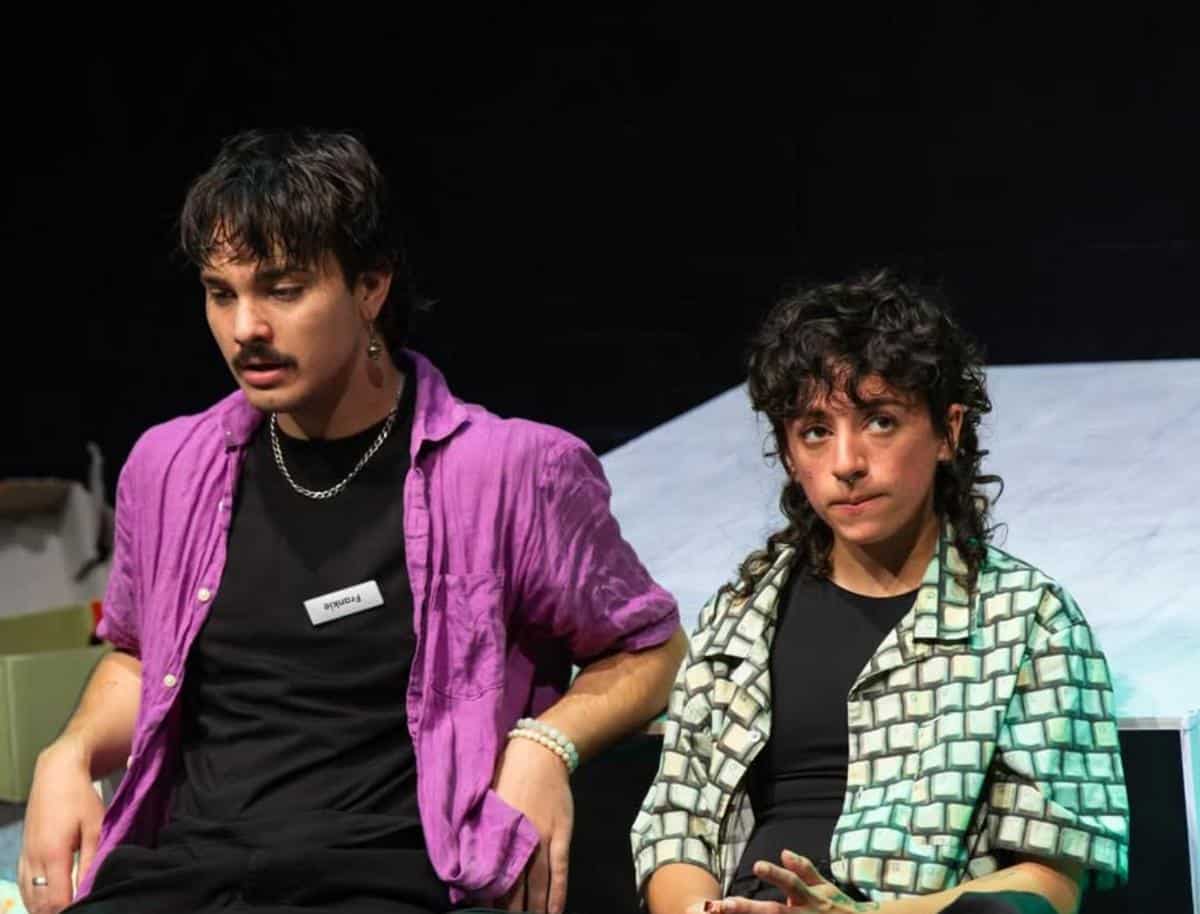
Tansy Gorman has made the ballsy gamble to play the vast majority of the show with the cast sitting on the ground which pays off wonderfully. So much of my teenage life was done sitting on stairs, on grass and on bedroom floors – to force in chairs and tables would feel like a farce. It does, however, require incredibly charismatic performers in order for Gorman to pull it off, which thankfully the ensemble has in spades. Every line is made into a joke, the funniest possible physicalisation is somehow found every time, by no means will Gag Reflex let you be bored.
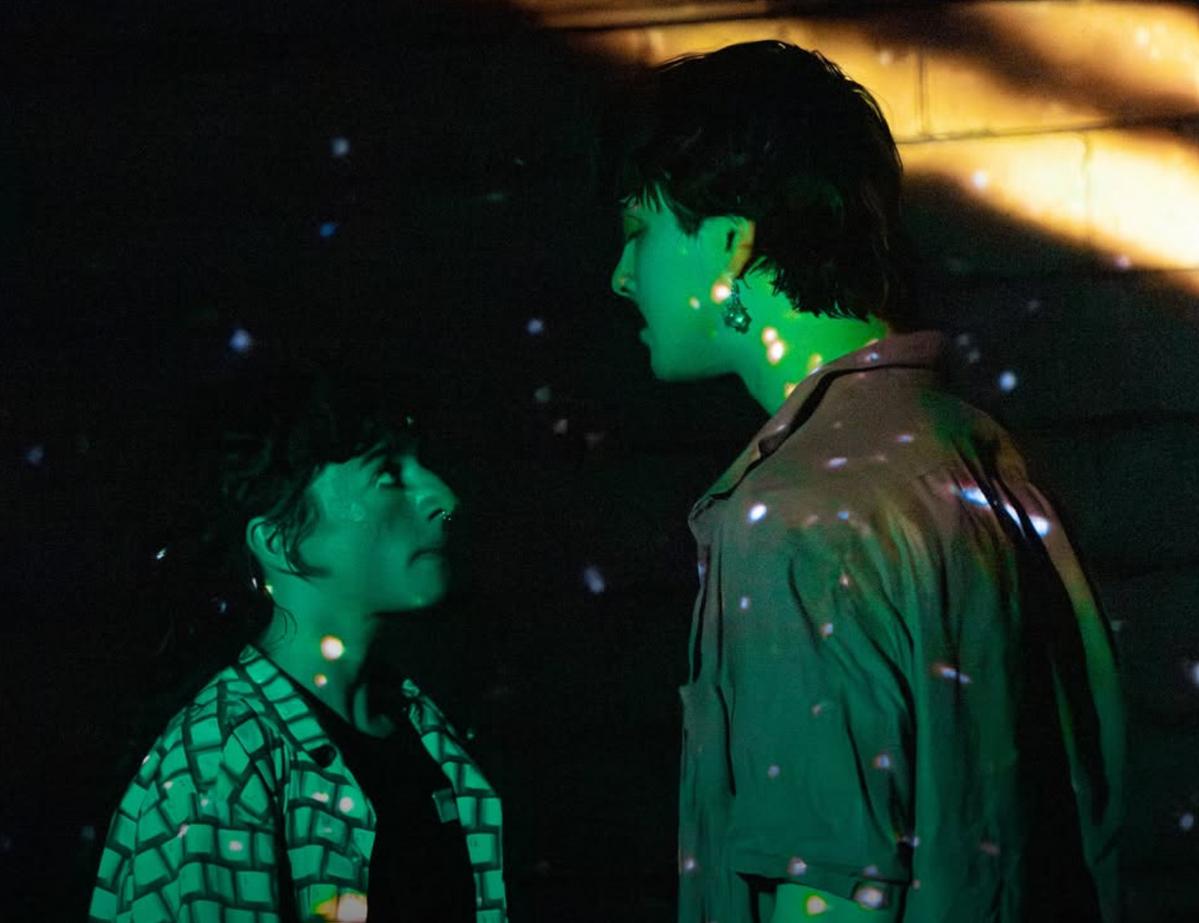
I have to commend the intimacy work by Margot Fenley because the way in which they lean, grab, and hold each other feels incredibly real. It almost feels voyeuristic at times to watch them interact. It would also be amiss to not mention the fanfiction scenes which were performed with such love for camp and cringe, that the entire audience was in stitches without fail. The one thing that was a bit difficult to ignore however, was that every time we went back to school, the three would be sat in the same upstage corner which did start to feel a little repetitive, especially as it exposed how little they were using the opposite corner and the centred bench.
Karli-Rose Laredo has created a beautifully yonic set, with a cheeky patterned carpet and cavernous drapes. The stage was contained within a frame which allowed Justin Gardam to project part titles and comments, guiding the tone of the show along with giving me Wattpad cringe attacks (positive) from the painstakingly accurate fanfic comments.
Ultimately, it is Flick’s writing that makes this show so special. It is notoriously difficult to write how teenagers talk, let alone in a way that is this uproariously funny. This is not to say the script is entirely without holes, there are a few abandoned plotlines – particularly Immi and Rheya’s secret plan come to mind, but use of misused slang, specific gaps in knowledge, and jokes that are funny to no one but themselves, is the most accurate portrayal I have ever seen of teenage girls.
Selfishly, I do wish that the Gag Reflex had gone more into the merit or cultural impact of fanfiction but that would be missing the crucial point of this show – there is a reason why it is specifically using Wattpad. This choice might seem inconsequential to the fanfiction foreigner, but this would be an entirely different show if it was based on fanfiction.net or Archive of Our Own. Flick has chosen the site that was the cultural staple of teenage girls being cringe, overly sexual, and writing badly – exactly what this show subversively finds radical joy in. Anna, Immi and Rheya and complete messes. They’re selfish, crude, oblivious and sometimes downright annoying, but it is exactly these traits that make them so believable and loveable. Friendships in high school with insufferable teenage girls you’’ ever meet are some of the most cherished relationships you’ll ever have in your life, and Gag Reflex knows it.
To book tickets to Gag Reflex, please visit https://www.lamama.com.au/whats-on/la-mama-presents-2026/gag-reflex.
Photographer: Darren Gill