
Gag Reflex

Gag Reflex

Gag Reflex Rating

Click if you liked this article

1

Whenever fan fiction is brought up in film, theatre or just in conversation, I’m always a little sceptical and often very protective. It’s a community that people take little effort in actually understanding or finding any merit in and end up using to poke fun at, so as a retired fan fiction writer I can spot a poser a mile away. So when I walk into La Mama to see Gag Reflex I’m keeping my ears piqued for any “lemon”, “y/n” or retrospectively terrifying age gaps. Thankfully, Flick knows their way around.

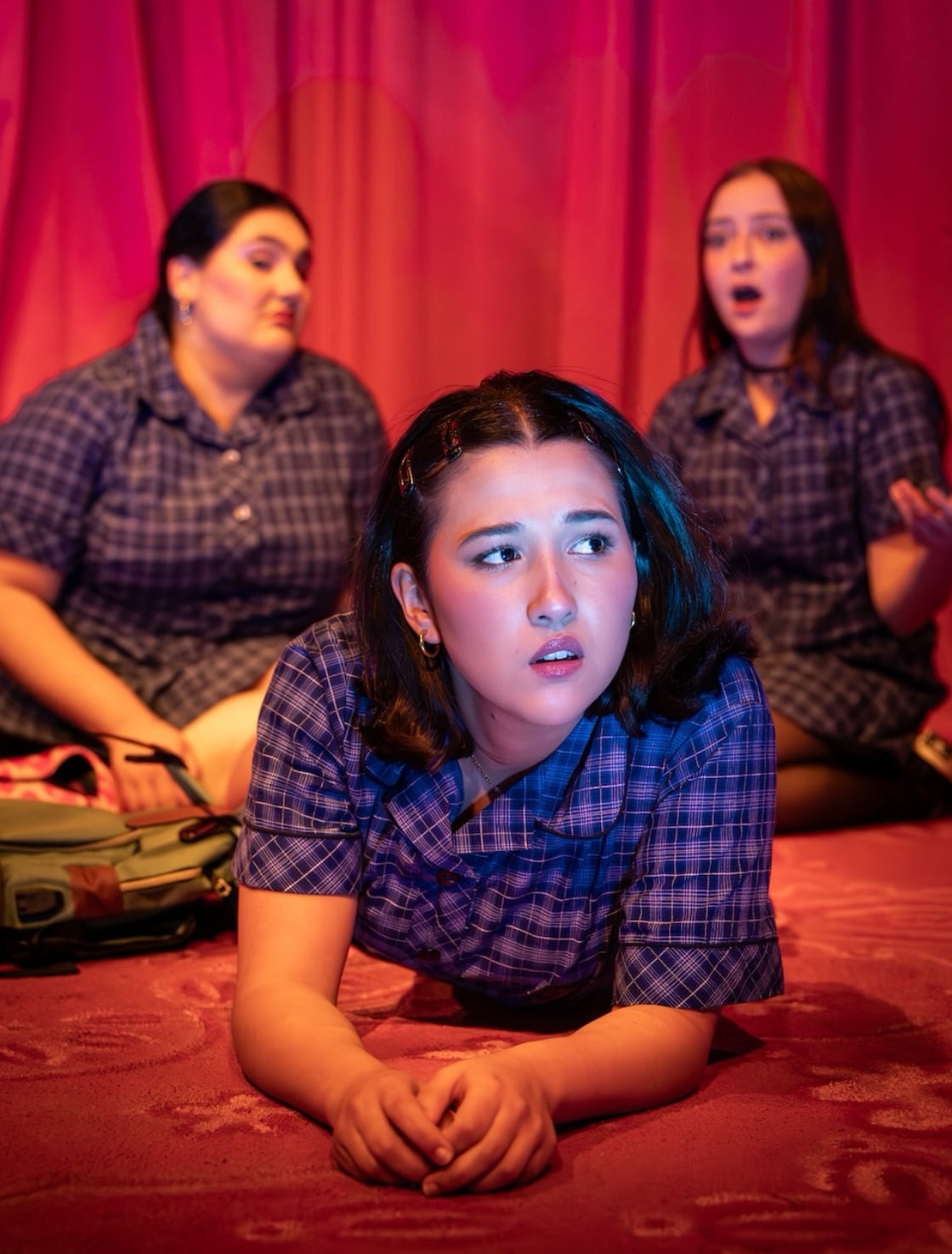
Gag Reflex follows three teen girls near the end of their final year of high school as they lament about their lack of schoolies funds. With an idea to win a writing prize by writing smutting monster fanfiction, their relationships begin to strain and evolve. Shenanigans ensue.

Louisa Cusumano as Anna is an absolute riot. Cusumano’s endless energy is infectious and guides us into the tone and style of the play perfectly. Her ability to make the most ridiculous line come out naturally needs to be studied. Cusumano also brings a gentle layering to Anna that allows us to critique her without forgoing our empathy.

Rheya, played by Miela Anich, brings a needed straight man to the dynamic. Full of pride, insecurity and exasperation, Anich’s performance is peppered with stunningly curated micro inflections and expressions that emulates the girls I knew in school. Anich balances the tender and stubborn sides of Rheya beautifully, keeping all sides present in every single moment.

I am in love with the way Immi’s awkwardness is brought to life by Mia Tuco. Immi is incredibly endearing from the moment she enters, seamlessly sliding from bashful to saucy at a moment’s notice, along with taking the responsibility of delivering a gut wrenching scene near the end of the play. Tuco holds all of the extremes of Immi in a way that is both consistent and exhilarating.
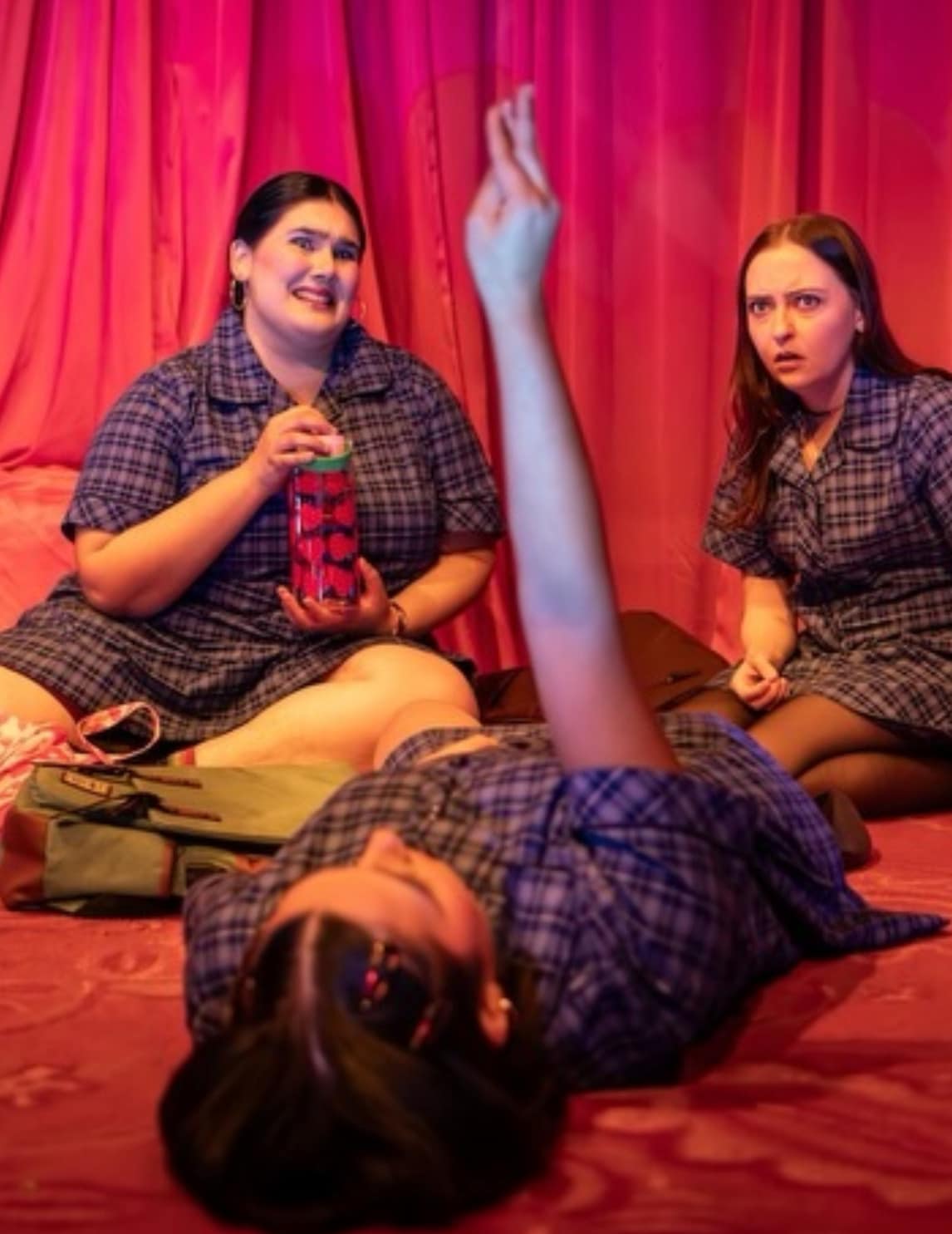
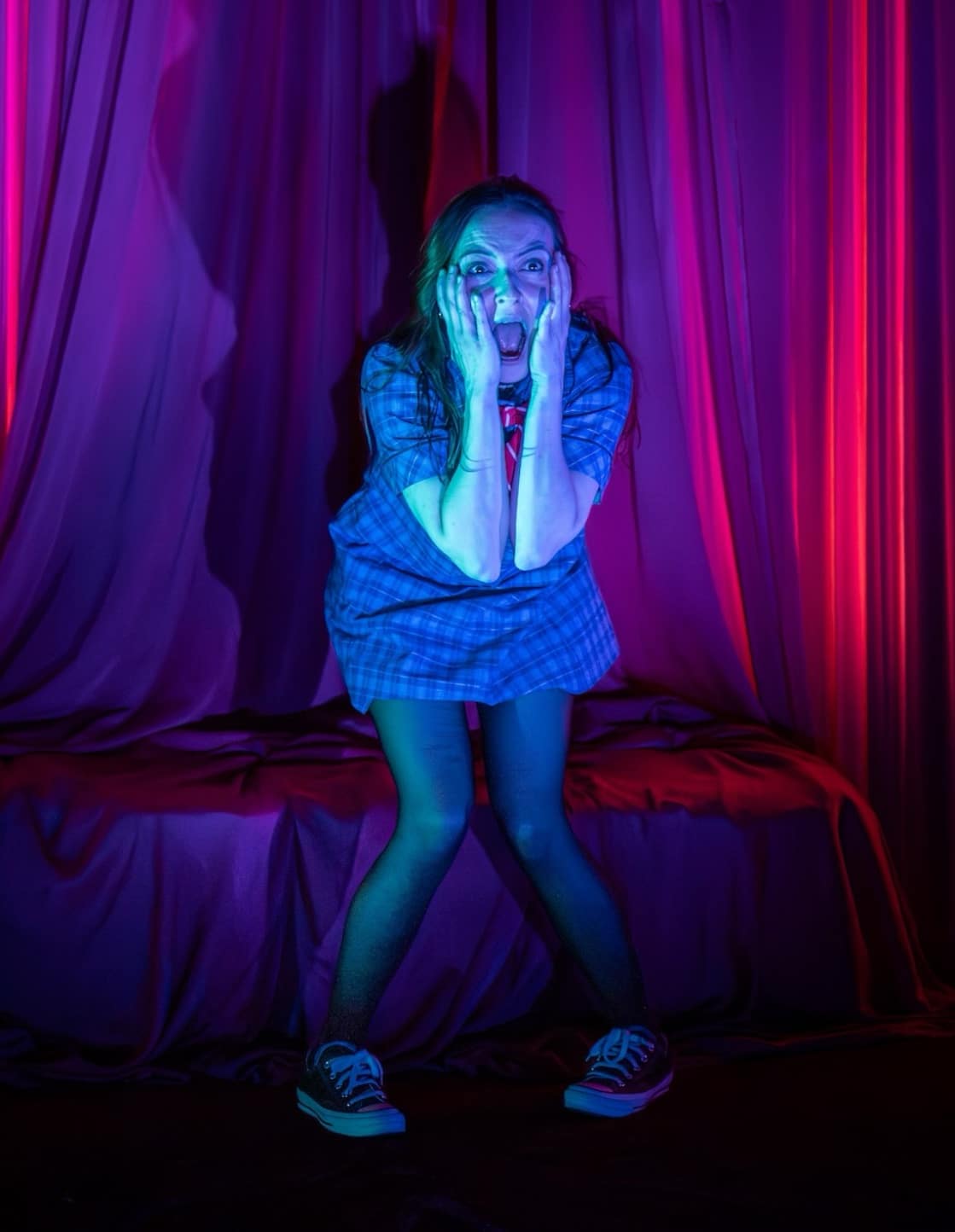


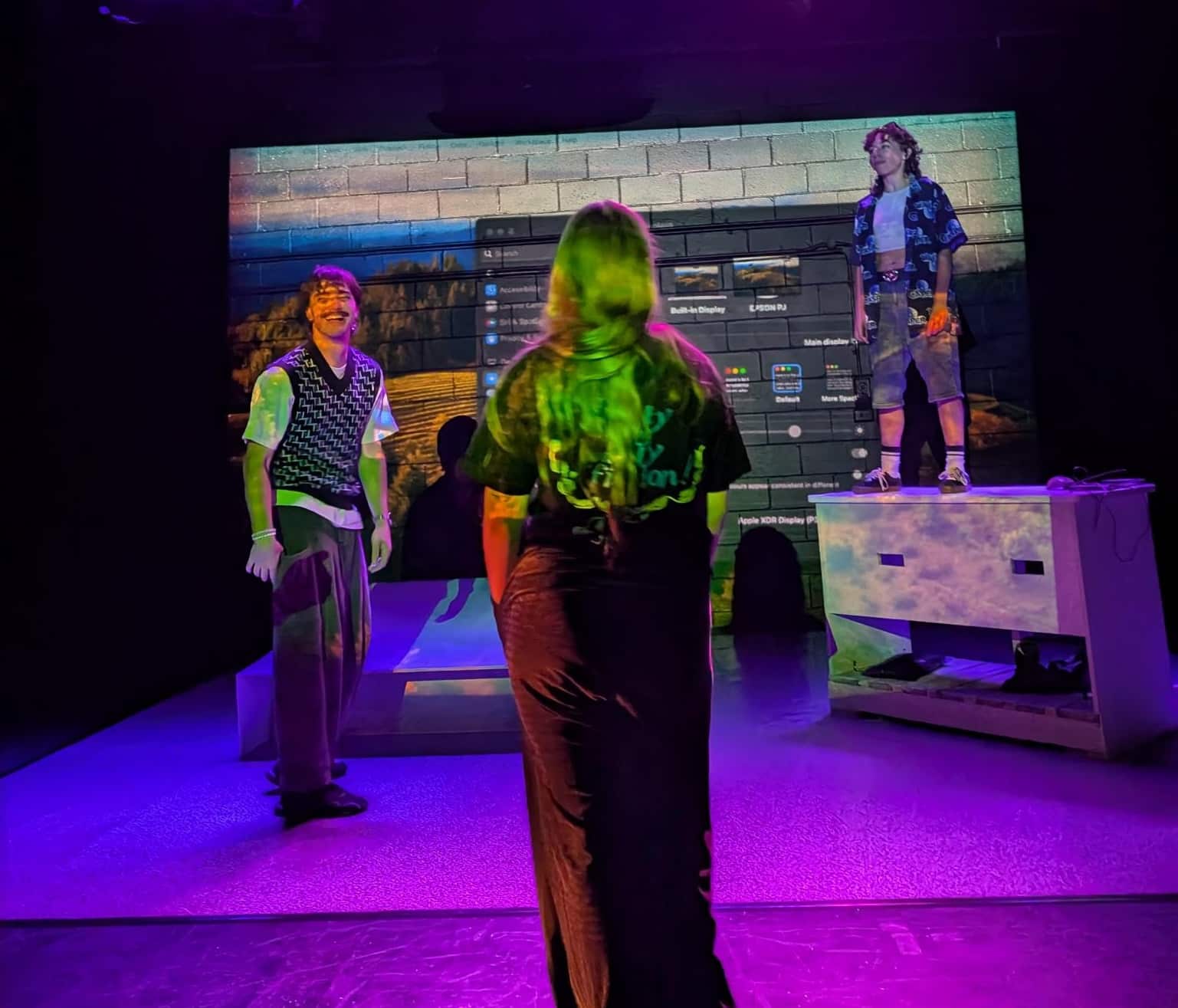
Tansy Gorman has made the ballsy gamble to play the vast majority of the show with the cast sitting on the ground which pays off wonderfully. So much of my teenage life was done sitting on stairs, on grass and on bedroom floors – to force in chairs and tables would feel like a farce. It does, however, require incredibly charismatic performers in order for Gorman to pull it off, which thankfully the ensemble has in spades. Every line is made into a joke, the funniest possible physicalisation is somehow found every time, by no means will Gag Reflex let you be bored.

I have to commend the intimacy work by Margot Fenley because the way in which they lean, grab, and hold each other feels incredibly real. It almost feels voyeuristic at times to watch them interact. It would also be amiss to not mention the fanfiction scenes which were performed with such love for camp and cringe, that the entire audience was in stitches without fail. The one thing that was a bit difficult to ignore however, was that every time we went back to school, the three would be sat in the same upstage corner which did start to feel a little repetitive, especially as it exposed how little they were using the opposite corner and the centred bench.

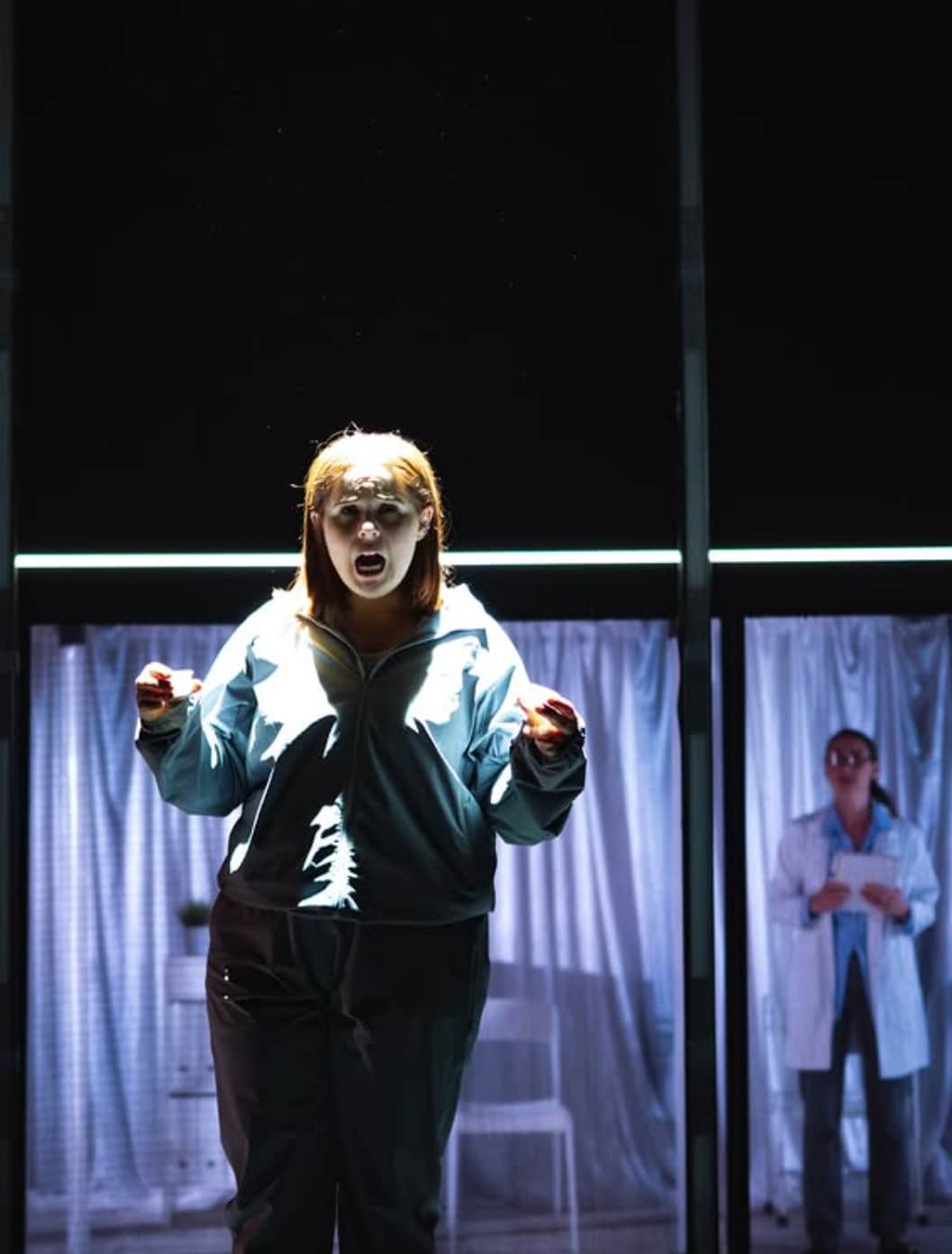
Karli-Rose Laredo has created a beautifully yonic set, with a cheeky patterned carpet and cavernous drapes. The stage was contained within a frame which allowed Justin Gardam to project part titles and comments, guiding the tone of the show along with giving me Wattpad cringe attacks (positive) from the painstakingly accurate fanfic comments.

Ultimately, it is Flick’s writing that makes this show so special. It is notoriously difficult to write how teenagers talk, let alone in a way that is this uproariously funny. This is not to say the script is entirely without holes, there are a few abandoned plotlines – particularly Immi and Rheya’s secret plan come to mind, but use of misused slang, specific gaps in knowledge, and jokes that are funny to no one but themselves, is the most accurate portrayal I have ever seen of teenage girls.

Selfishly, I do wish that the Gag Reflex had gone more into the merit or cultural impact of fanfiction but that would be missing the crucial point of this show – there is a reason why it is specifically using Wattpad. This choice might seem inconsequential to the fanfiction foreigner, but this would be an entirely different show if it was based on fanfiction.net or Archive of Our Own. Flick has chosen the site that was the cultural staple of teenage girls being cringe, overly sexual, and writing badly – exactly what this show subversively finds radical joy in. Anna, Immi and Rheya and complete messes. They’re selfish, crude, oblivious and sometimes downright annoying, but it is exactly these traits that make them so believable and loveable. Friendships in high school with insufferable teenage girls you’’ ever meet are some of the most cherished relationships you’ll ever have in your life, and Gag Reflex knows it.

To book tickets to Gag Reflex, please visit https://www.lamama.com.au/whats-on/la-mama-presents-2026/gag-reflex.

Photographer: Darren Gill
Spread the word on your favourite platform!

All Bull

All Bull

All Bull Rating

Click if you liked this article

2

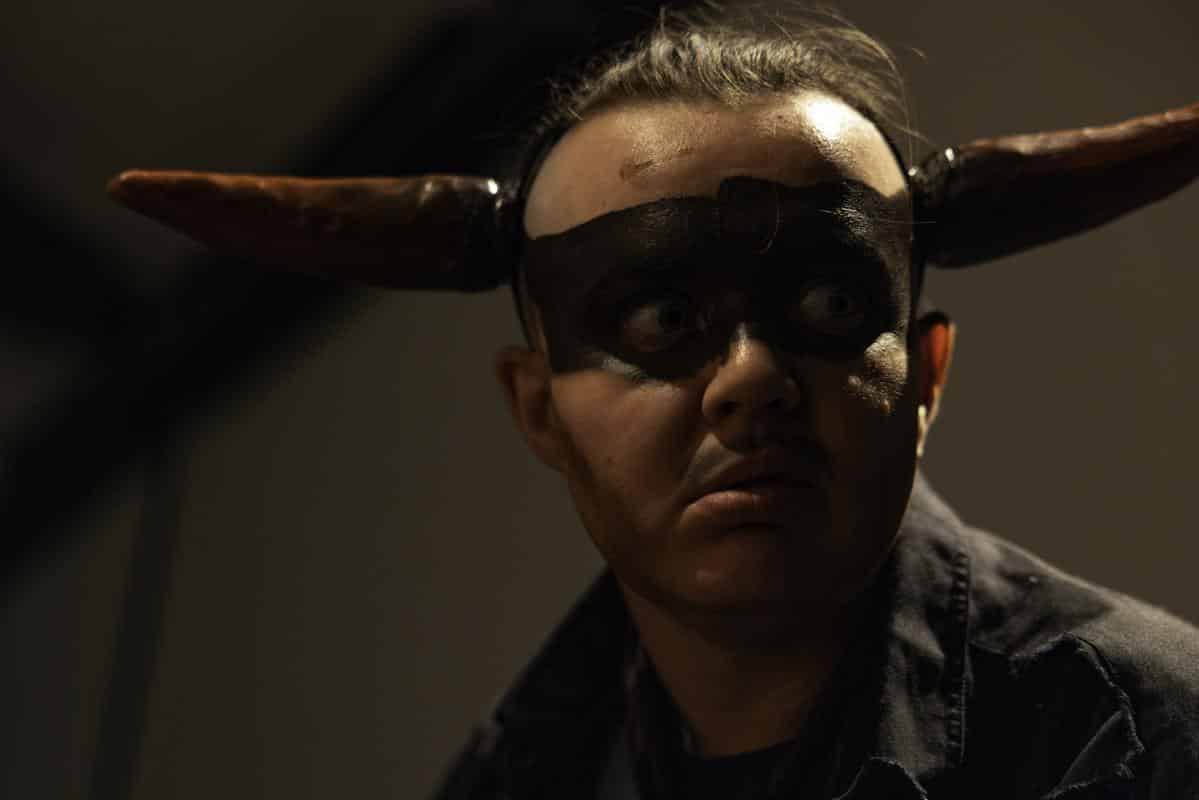
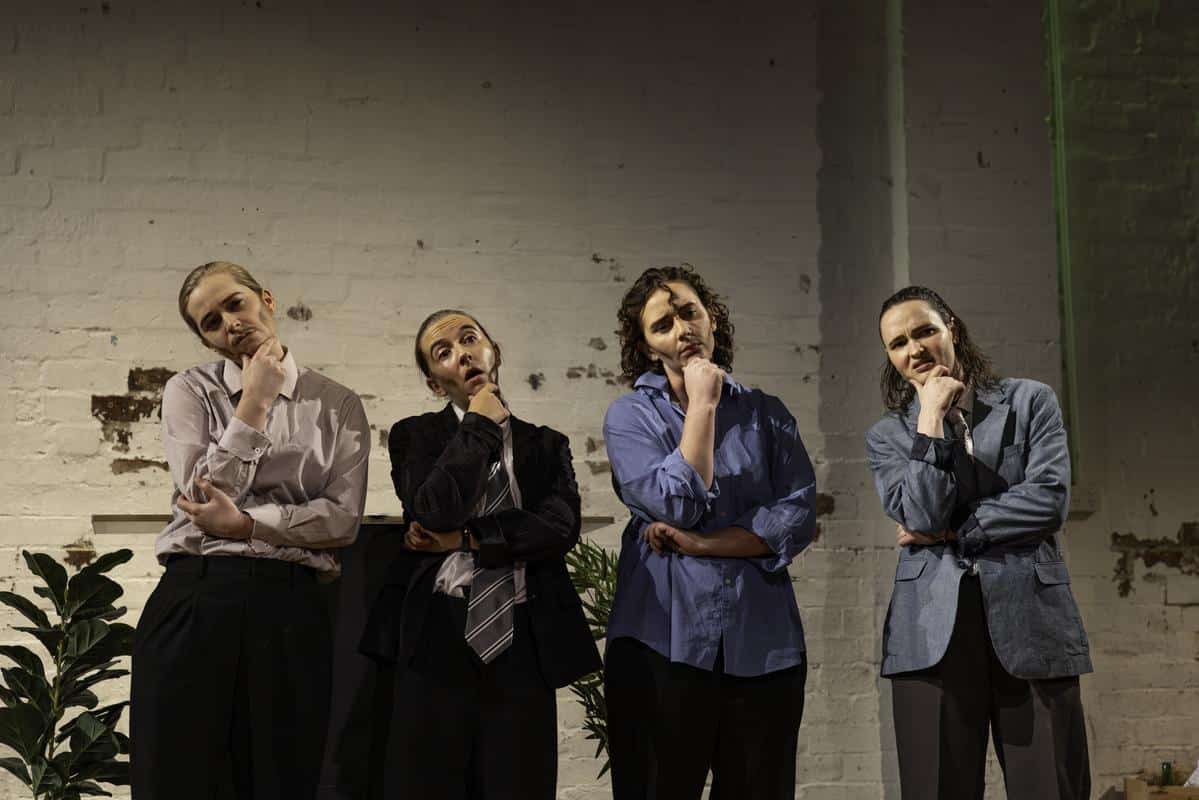
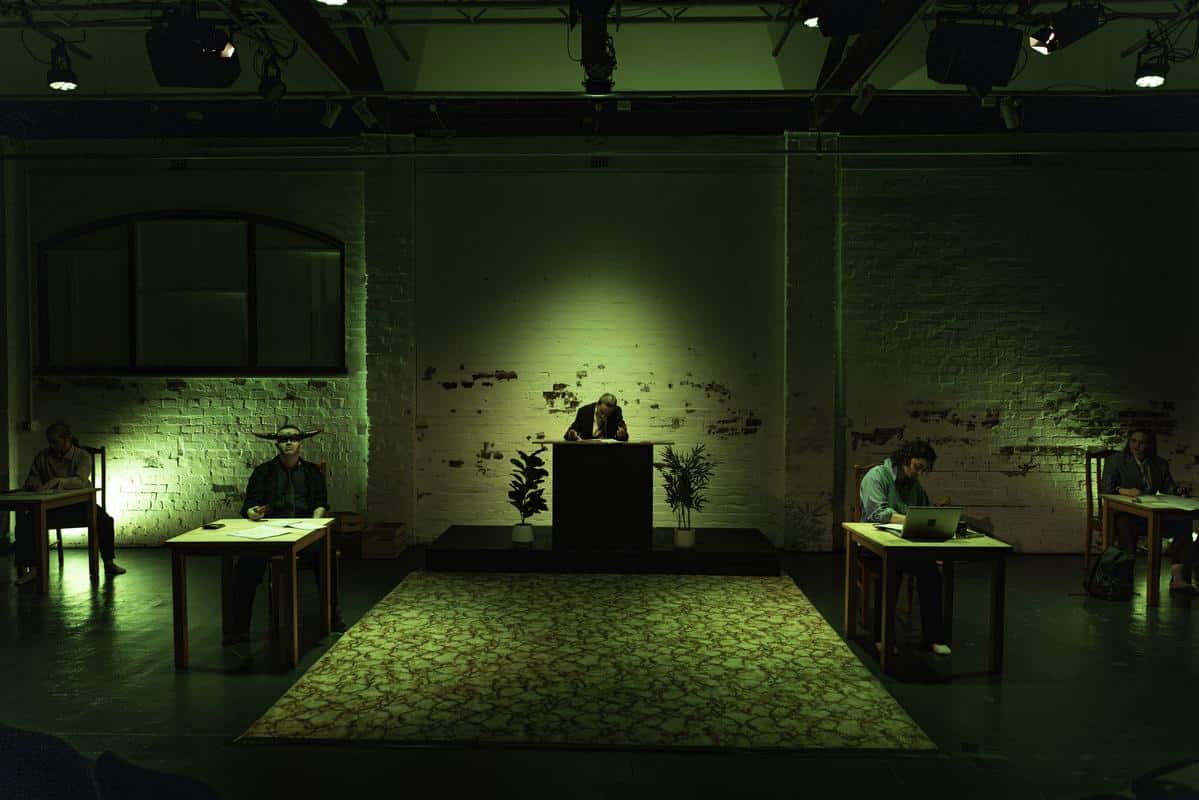
All Bull, written and directed by Walt Dyson, follows a group of five salesmen as they travel from pub to work to pub to work and spot a bull stampeding down the street. As the play progresses, employees Ben (Lousie Jameson) and John (Ashlynn Parigi) attempt to raise the alarm as the group and the rest of the city are turned one by one into bulls.

The show is a bit unpolished in a few ways, firstly its tone/style has difficulty finding a home. Joe and Jeff who were played by Emily Farrell and Emily Jenkins respectively, were written almost solely comedically, allowing the actors to lean into the ridiculousness of their characters. Farrell and Jenkins’ clowning energy were fantastic to watch and were real comedic highlights of the show. In comparison, Jameson’s Ben and Parigi’s John were more grounded. Their embodiments created men the audience felt they knew. However this does highlight that the play is unsure whether to commit to realism or camp, and therefore often lands awkwardly in between. There were more camp moments near the start, particularly when first spotting the bull, that I wish had been peppered more throughout.

The sound and composition by Junaid Eastman is a stand out production element. Transitioning from cow bells to clinking glasses, Eastman creates an unnerving environment from when the audience first enters and plays off the tonal layers throughout the show.


While I was particularly excited to see where the bull transformations fit in the themes, the allegory is a bit half baked and attempts to stretch without material to cling onto. The script attempts to make it explicit, spoonfeeding the audience direct lines about what it’s meant to mean, e.g. “bulls will be bulls,” while the allegory itself becomes inconsistent. The reasoning for why some of the men turn into bulls or are drawn to its appeal is underdeveloped. Additionally, the choice of making dangerous men monstrous and unintelligent is already a delicate game.

Though I give credit to the fact the script was attempting to branch out from sexual violence and misogyny – as many productions critiquing masculinity have focused their attention – it ends up being a vague what is being critiqued. It leans towards talking about male alcoholism, but we don’t see it actually cause many problems. In the director’s note Dyson references “drunken acts” he had witnessed, but few happen during the show, including none from Ben who is meant to be the raging alcoholic. It ends up not feeling grounded in these real world issues it’s alluding to, saying “drinking makes men act badly” without proving its claim or asking why. I think there is something in the cracks about how capitalism nurtures toxic masculinity, but it doesn’t develop far.

The show’s strongest moments were in the choreographed movement sequences and leaning into the physicalisation and aggression of the bulls. Faun Xe and Eden Bren were standouts in their bullish masculinity, even when doing a set transition the energy was palpable with clear hierarchical lines drawn. The staging did however at times feel static and awkward, often drawing my eye away from the main conversations.

All Bull attempts to examine Australian drinking culture, toxic masculinity and at times the manosphere, but ends up unsure in its thesis. I think with some more development and a confident through thread, this show could truly be something special. In a current climate where there is by no means a lack of theatre about masculinity, Dyson needs to be specific with what he actually wants to talk about.

To book tickets to All Bull, please visit https://www.eventbrite.com.au/e/all-bull-a-play-in-one-act-tickets-1984172243593.

Spread the word on your favourite platform!

The Effect – Dopamine, Love, or Both?

The Effect

The Effect Rating

Click if you liked this article

I’m already fairly familiar with The Effect by Lucy Prebble when I sit down in the Theatre Works audience, the play having first debuted in 2012 at the National Theatre in London and been played across the world since. More than a decade later the show has made its way down to Key Conspirators and I’m curious what they’ll do with it. The four-hander mainly follows two participants in an antidepressant drug trial, Connie and Tristan, as they begin to fall in love – but whether it’s caused by the supplementary dopamine coursing through their veins is troublingly unknown to them and the doctors alike.

As needed for any tight cast show, the ensemble is near flawless. Directed superbly by Alonso Pineda, each actor embodies their character to their utmost limits.

Emma Choy, playing Dr Lorna James, has wrapped everything she does in anxiety. Her vocal tone, her gaze, her slight shifting, all build to a near pitiful portrayal of the doctor until it reveals a spine that stands straight throughout all the chaos. Choy is endearing and heart-breaking all at once, honing in on the lovable awkwardness so we can watch it be torn apart.

Jessica Martin finds an unexpected confidence in Connie instead of the bashful and desperate versions I’ve previously seen. Martin lets Connie discover a self-aware power which becomes fascinating to watch be desperately clung to and employed against Tristan and Dr James. It also got to rear its head beautifully well within the intimate and vulnerable relationship with Damon Baudin’s Tristan that made me blush to watch.


Baudin’s physicalisation is intoxicating to watch. His bounces, his fidgets, his careful curation of presence are all highly rendered. Tristan feels real. He’s able to slip from small and helpless to explosive in the blink of an eye, weaving a carefully constructed pathos through a character that could easily become scarily dominating and uncomfortable. To balance such crassness with an earnest love that you root for, proves Baudin is a master of his craft.

Similarly, Philip Hayden as Dr Toby Sealey carefully toes the line between a pretentious dickhead and a man genuinely trying his best. The role of Dr Sealey is one that can quickly slip into caricature or downright evil, but Hayden brings a needed empathy. You trust that he believes his own words, even if you vehemently disagree with them.

Pineda has intelligently leant into the repetition and isolation of the text. People are scattered across large spaces, making them feel simultaneously alone and claustrophobic. We want to escape the trial as much as they do. There is also an employment of voyeurism by both the characters and the audience that creates a layered effect of examining the show as its own experiment. Occasionally during the longer scenes between Connie and Tristan, the staging did start to feel a bit static, mainly because I was desperate for more play as soon as the characters could escape the rigidity.

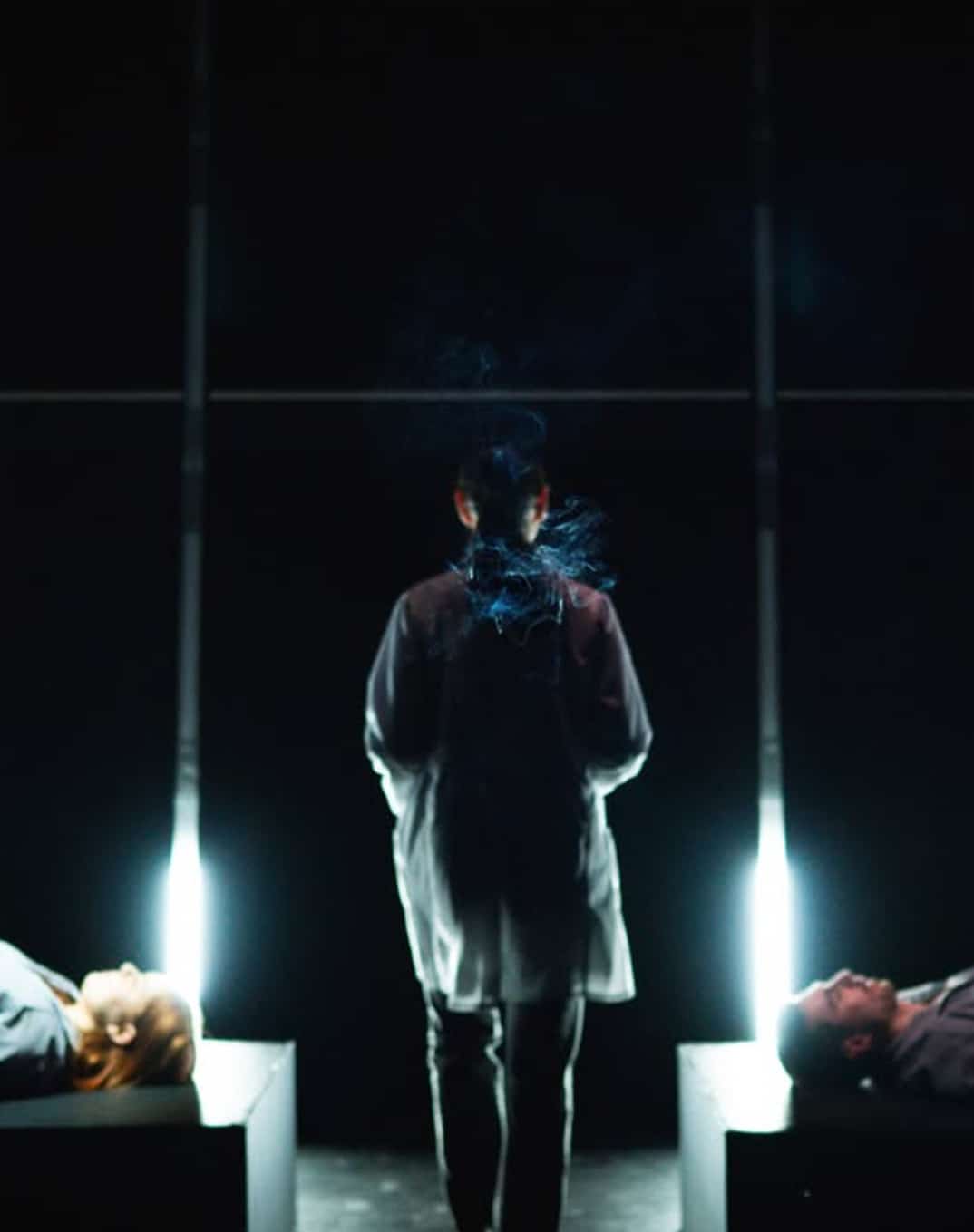
Vulcan is meticulous in his design, the aesthetics feel entirely in tune with the clinical and desaturated nature of the text. The stage is split into three distinct areas. We have the main downstage area acting as the facility where only the actors can bring it colour and life, amplified by the grey-scale costumes. Then we have the two-story set up where below are realistically rendered medical facilities and above is a transient play space that moves from bedroom, to stage, to a platform for the watchful eye. This two-story set up smartly allows itself to be hidden away, only visible when lit, letting us sit in the dark, unstimulating emptiness with Connie and Tristan.

Additionally, Vulcan has built an absolute spectacle of lighting into the membranes of the set. The set is the lighting and the lighting is the set: it’s symbiotic. Using an array of lighting bars, Vulcan had created lighting that breathes and has a life of its own, almost reacting organically to actors. Vulcan is not afraid of the dark either. Light is only introduced when it’s absolutely required, the haunting scene of Dr Lorna James sitting quietly in the dark comes to mind.

The Effect is a tight production that doesn’t do more than it needs to, threading all production areas together to prioritise the themes of the text. With a wicked ensemble and beautiful design, the show is not to be missed!

To book tickets to The Effect, please visit https://www.theatreworks.org.au/2026/the-effect.

Spread the word on your favourite platform!