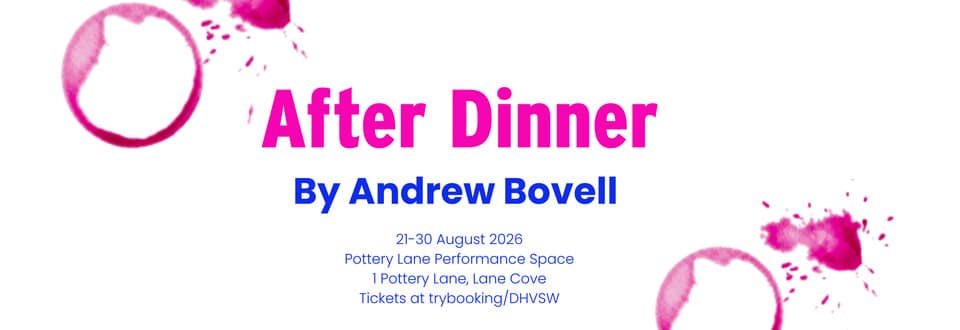
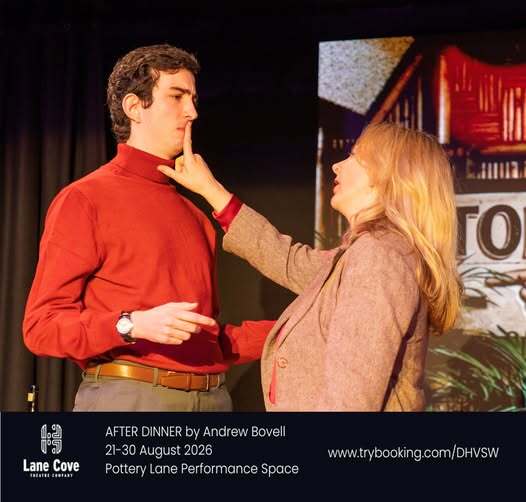
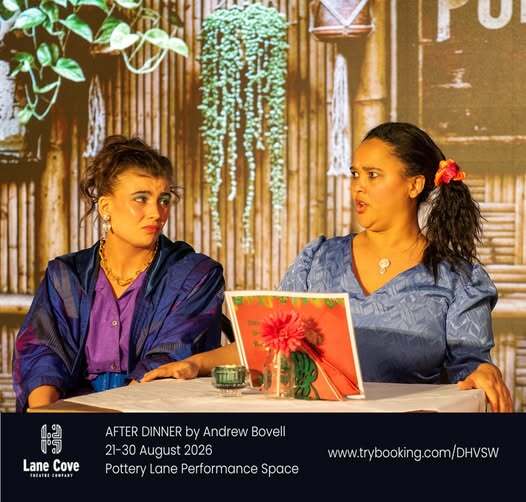
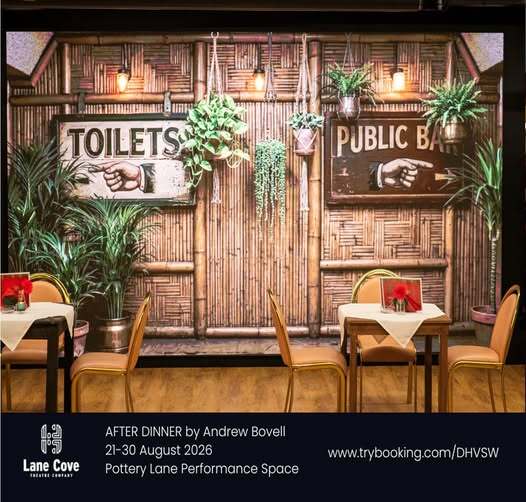
After Dinner took us back to the 1980s with decor, fashion, black stockings and not a mobile phone in sight. The scene was set in a dining/entertainment venue with apricot tablecloths and chairs with touches of gold. With echoes of the television series, Kath and Kim and a little of The Office, the cast threw themselves into a by-gone era of dancing and romancing.
The audience first meets Gordon played by Oliver Wilson. He is a world-weary and sad man in a baggy 1980s suit recently separated from his wife. As he waits for two office colleagues, two women appear at a nearby table. Dympie played by Chantal Harrison enters with a classic 1980s side ponytail and wearing a blue satin dress and stockings. Paula, played by Noa Besser, dressed in what appears to be a genuine padded 1980s ensemble in purple is Dympie’s friend. Immediately it appears that Dympie is one of those people where her life is ‘my way or the highway’. Having no real social intelligence, she rearranges the table to suit her needs. Paula wants to be up close to the band but Dympie is having none of that and chooses a table at the back. Paula reluctantly gives in. They are absolute opposites.
Later, another colleague, Monica, played by Claire Gandy, joins as a grieving widow. At first, social etiquette tries to skirt around death with some funny moments and comments during an awkward conversation. Claire plays the role with enthusiasm and great comedic timing. We are there for her and the audience responded laughing at the intimate and embarrassing details of a mundane marriage. Her two colleagues listen in horror with Dympie shutting down the conversation only focusing on her hunger.
There are funny moments during ordering dinner as the throwback to 1980s menus and drinks is explained. All agree that they only order a carafe of white wine, either dry or not too sweet as they haven’t a clue. Claire unravels at the table with Gordon overhearing the drama. He is joined by his colleague Stephen, played convincingly by Nicholas Berthold. Stephen is looking for women and is a clichéd 1980s banker and ‘women’s man’. The outpouring of men’s issues between Gordon and Stephen is funny and revealing and acted with suitable embarrassment regarding ‘men’s talk’.
As the evening develops, in one of the best scenes of the play, Claire Gandy portrays the most genuine, angry and frustrated woman who is all pathos and suppression, seeking answers about wasting her life. She reveals all in a hilarious authentic monologue. The men become involved and with great comedic timing we see the fumbling and bumbling of both sexes.
With 1980s music reminiscent of a pub band in the background, the third male colleague never appearing and the desperate need for any of them to pair off, the conversations are both funny and bittersweet. Not one person was scrolling, trolling or texting, it was all about the language and social comments about dating, dancing and finding love.
In today’s world, what does it mean to be free? Is it a feeling of liberation from the rules that society dictates, or is it a fire of truth within us that refuses to simmer down?
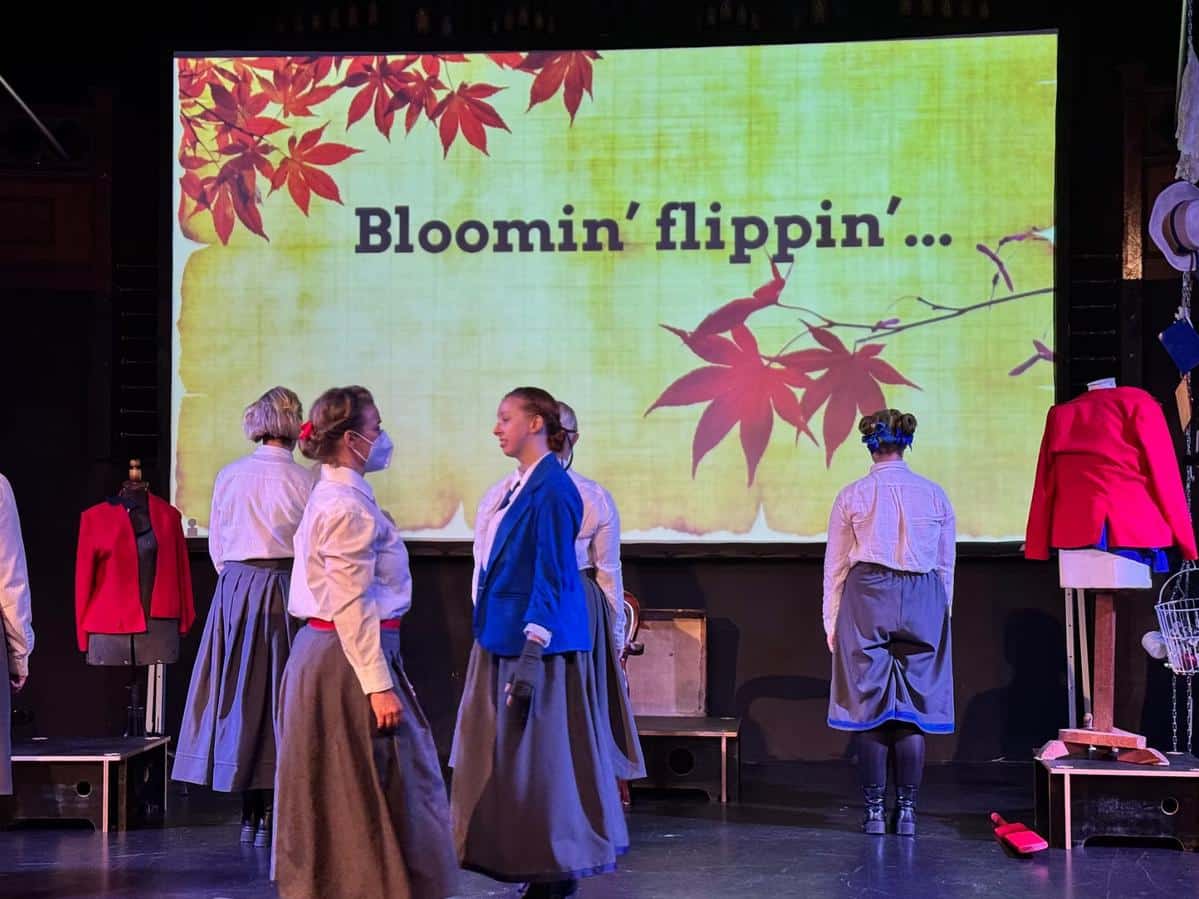
Marking a 2-year benchmark, ‘The Deplorables’, an award-winning production by female-led regional theatre company Skin of our Teeth Productions, marks its final inning at Theatre Works with empowered pride and pure, theatrical joy. Where in a span of 70 minutes, the audience is fully immersed into a no-holds-barred historical tale of female bravery and resilience set in 1874 in Bendigo, where an all-women’s cricket charity match takes place to great communal acclaim with lots of money raised and 22 women praised for their sporting prowess.
As they celebrate their joy and liberation, chaos and backlash ensue – when the press declares that these women are ‘Deplorable’ for playing a male-dominated game, and should instead ‘know their place’ and ‘stay home’. As the story unfolds, we experience the courage and resilience these women face – to fight for their sense of freedom: to be who they are without limitation.
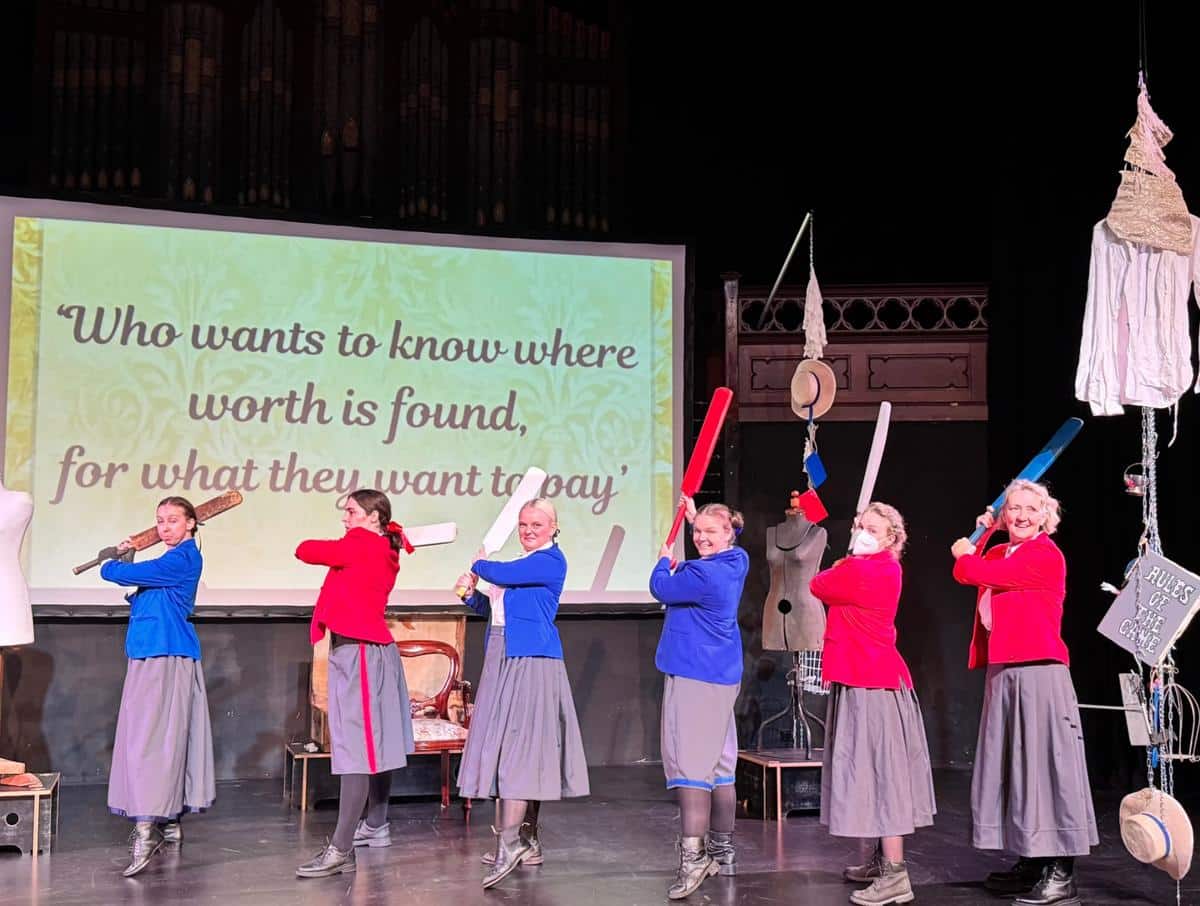
Written and directed by Christine Davey, and composed and choreographed by the very multi-talented Tess Parker, this heart-warming story begins with a minimal yet highly-symbolic set framed around this 19th-century period. Four descending pillars of chains cleverly embellished with stage props used throughout, in particular; a hand-held 19th-century moustache to depict the male-roles. Birds resting in cages near signs that say ‘Rules Of The Game’. Red and blue uniformed blazers displayed on sewing bodices marking the juxtaposition of identity; of the changing roles that are budding in that society. A curvy armchair depicting a feminine world in which they must sit quietly. While behind, in a trunk marked with the word ‘Hope’ – colourful cricket bats rest in anticipation – hoping to get a game, or perhaps hoping that society changes its tune.
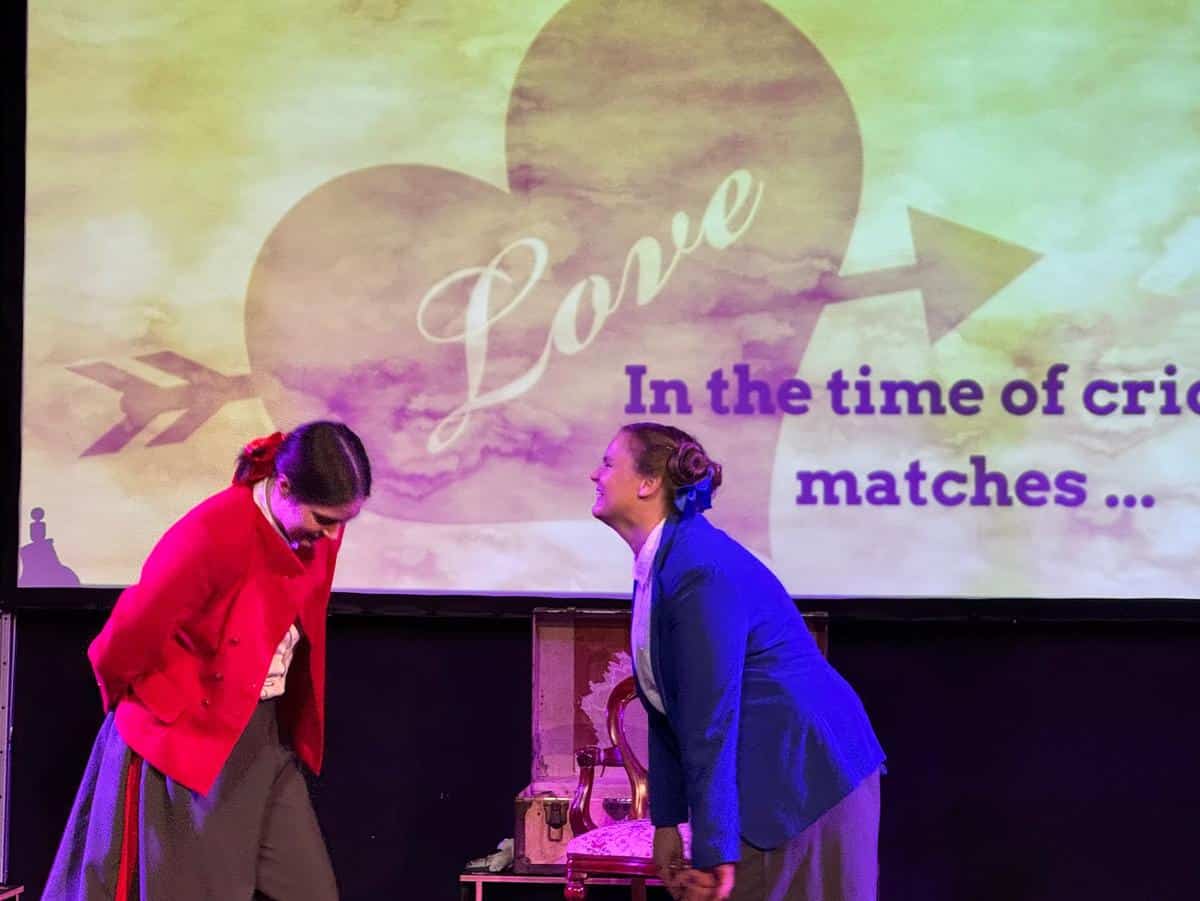
Blending engaging Australian music and striking physical movement, this delightful, quick-witted, show consists of six highly-talented women who bring commitment to their roles with immense energy and enthusiasm; each bringing different layers to tell this courageous tale.
Marie-Claire Tchernomoroff stuns as Barbara Rae with such tender emotion, immediately connecting to the audience with dreams – of achieving more than just sitting still. Of harbouring a secret wish: to fly freely like the bird she tenderly holds in her hands, away from its stilted cage. Danae Reid as Miss Gerber and Aeonie Ostik-Smith as Katie Petrie bring the musical comedy elements of this show to new heights, with beautiful, heartfelt singing and added flavour, displaying their loving relationship with subtle sensitivity. But Tess Parker, stepping into the role of Miss Murdoch? Absolutely steals the show. With her ball of blazing comedic energy, she combines the exact ingredients of humour, storytelling and sass that engaged me thoroughly. Tess Parker managed to entangle me into a world of a 19th-century woman, who despite her limitations, continued to fight for momentary joys – in humour and in sadness. For in watching her, I too was able to embody the feeling of inner-sovereignty, in a world that perhaps even today, seeks to halt the path of what it truly means to be free, for all of us.
AUSTRALIAN-BORN DRACULA EXPANDS TO 65 PERFORMANCES ACROSS SYDNEY AND MELBOURNE
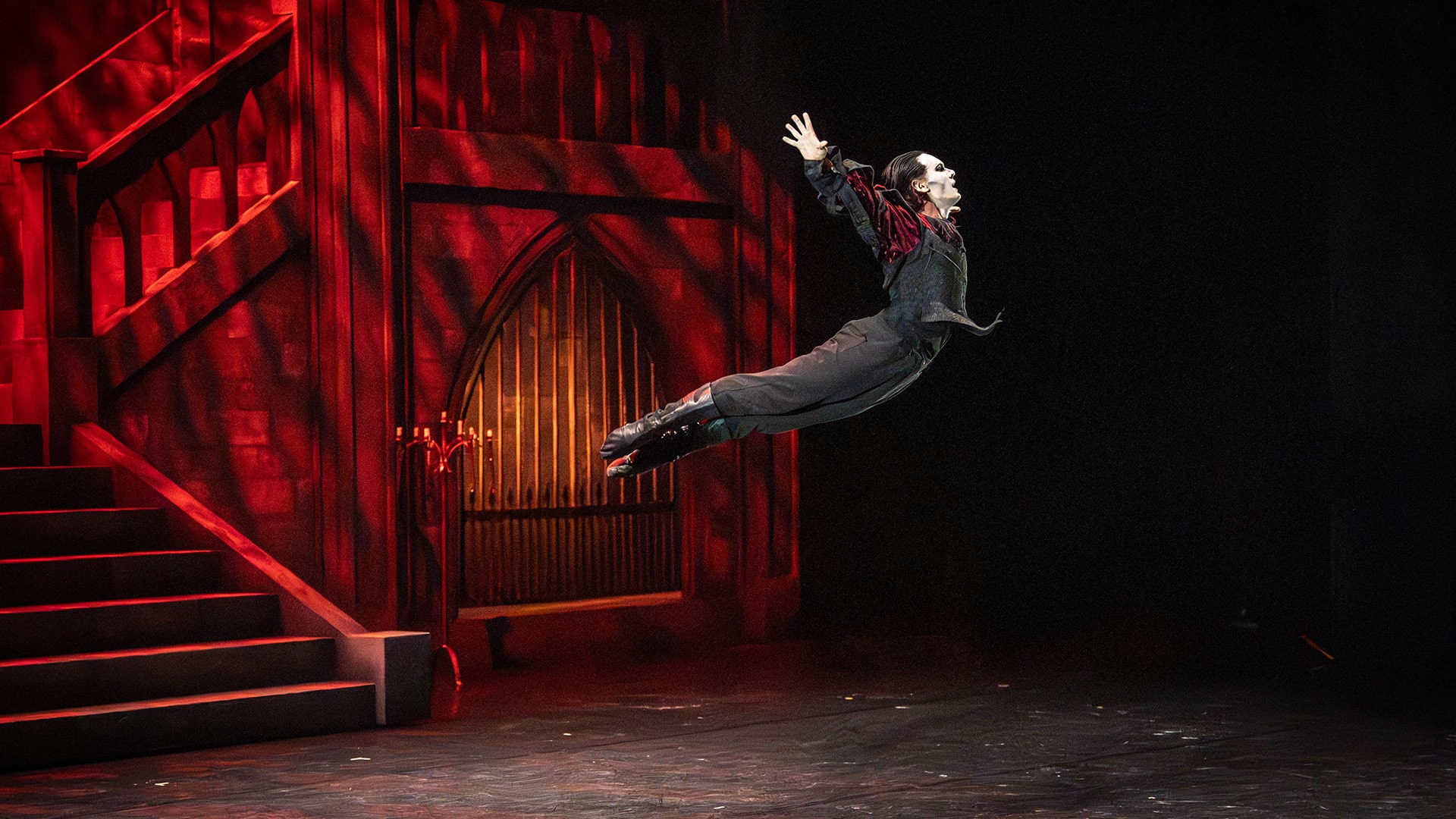
Fresh from sold-out international seasons, BIG Live brings its Brisbane-born global success back to Melbourne and Sydney, across 65 performances. Following sold-out seasons in London’s West End and the United States, and a record-breaking tour across Australia and New Zealand in 2025, BIG Live’s critically acclaimed Dracula: Ballet at its Darkest will return home for 65 performances across Sydney and Melbourne: 35 in Melbourne and 30 in Sydney.
The Australian-born production will play 35 performances at Her Majesty’s Theatre, Melbourne, from 10 September to 25 October 2026, alongside two Sydney engagements: eight performances at the State Theatre from 22 to 27 September, followed, due to overwhelming demand, by 22 additional performances at the Capitol Theatre from 7 to 29 November 2026.
The Capitol Theatre extension adds 22 performances to the originally announced eight-show State Theatre engagement, taking Dracula’s Sydney season to 30 performances in total. It will also return a major production to dates made available after the cancellation of Beetlejuice: The Musical’s Sydney season, supporting work for artists, technicians, venue teams and the wider live-performance economy.
The additional Sydney performances have been welcomed by Foundation Theatres, with Chief Executive Graeme Kearns placing the expansion in the context of the wider pressures facing the Australian live performance sector. “The industry relies on producers with the confidence to invest, adapt and continue bringing ambitious works to our stages. It is particularly significant to see an Australian founded company developing work here, building an international audience for it and then bringing that success home. Productions of this scale sustain artists, musicians, technicians and theatre workers, while giving audiences compelling reasons to experience great live performances. We are delighted to welcome BIG Live back to the Capitol Theatre with Dracula”
In Melbourne, the season also marks BIG Live’s return to Her Majesty’s Theatre during the venue’s 140th anniversary year. “In our 140th year of proudly entertaining Melbourne audiences, Her Majesty’s Theatre is delighted to welcome BIG Live back to our stage with Dracula: Ballet at its Darkest. We are proud to present an Australian-created production that has grown into a genuine international success, performing on major stages across the United Kingdom, the United States, Asia and Australasia. Its bold storytelling, exceptional artists and impressive theatrical scale make it a particularly exciting production to welcome back to Melbourne.” Quan Tu, Chief Operating Officer, Her Majesty’s Theatre
For BIG Live, the 65-performance return is part of a wider story of Australian investment and international growth. Founded in Brisbane and operating without government funding, the independent company is on track to sell more than 400,000 tickets across its productions in 2026, with more than 200,000 people expected to see Dracula during its 2026 international tour alone. “There’s no question the touring landscape is challenging right now, but there is also real cause for confidence. The response to Dracula – both across Australia and on major international stages – shows that when work genuinely resonates with people, the demand is there. We are proud to support Australian talent and to prove that Australian-led productions can hold their own anywhere in the world. As an independent company, we have built BIG Live around audience demand, long-term employment and the confidence to move quickly when opportunities arise.” — Khalid Tarabay, Executive Director and Co-founder, BIG Live
For Artistic Director and Co-founder Joel Burke, the Australian seasons are also a creative homecoming for a production developed in Brisbane and now established on major international stages. “Dracula was created in Brisbane with the belief that ballet can deliver the same emotional intensity, scale and excitement as any major theatrical production. We wanted to create something cinematic, immediate and unapologetically theatrical – an experience that could connect with devoted ballet audiences while also bringing people into the theatre who may never previously have considered seeing a ballet. To see an Australian-created production welcomed by audiences in London, the United States and Asia, and now returning for these major seasons at home, is enormously rewarding.” — Joel Burke, Artistic Director, Choreographer and Co-founder, BIG Live
BALLET AT ITS DARKEST
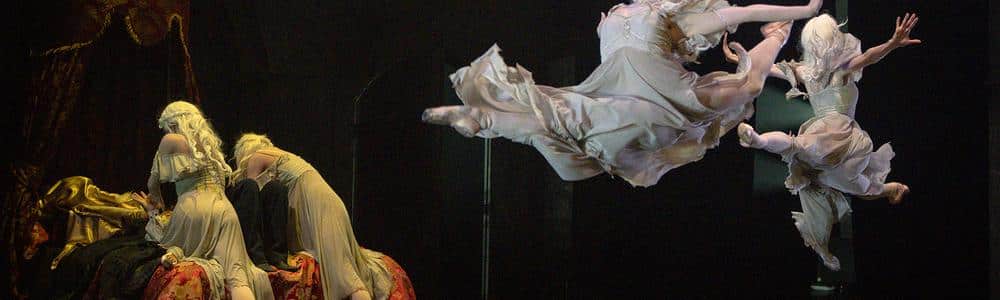
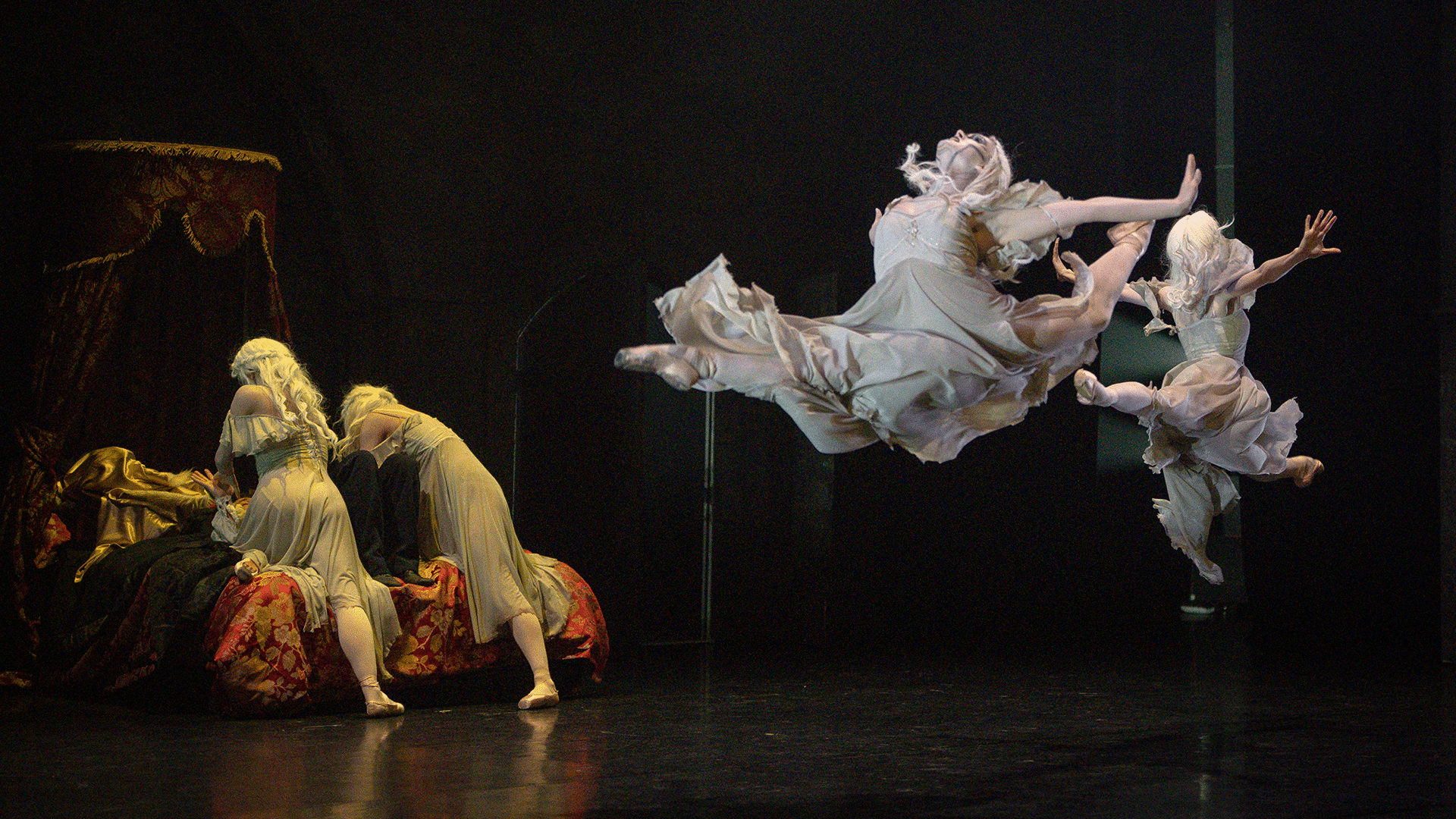
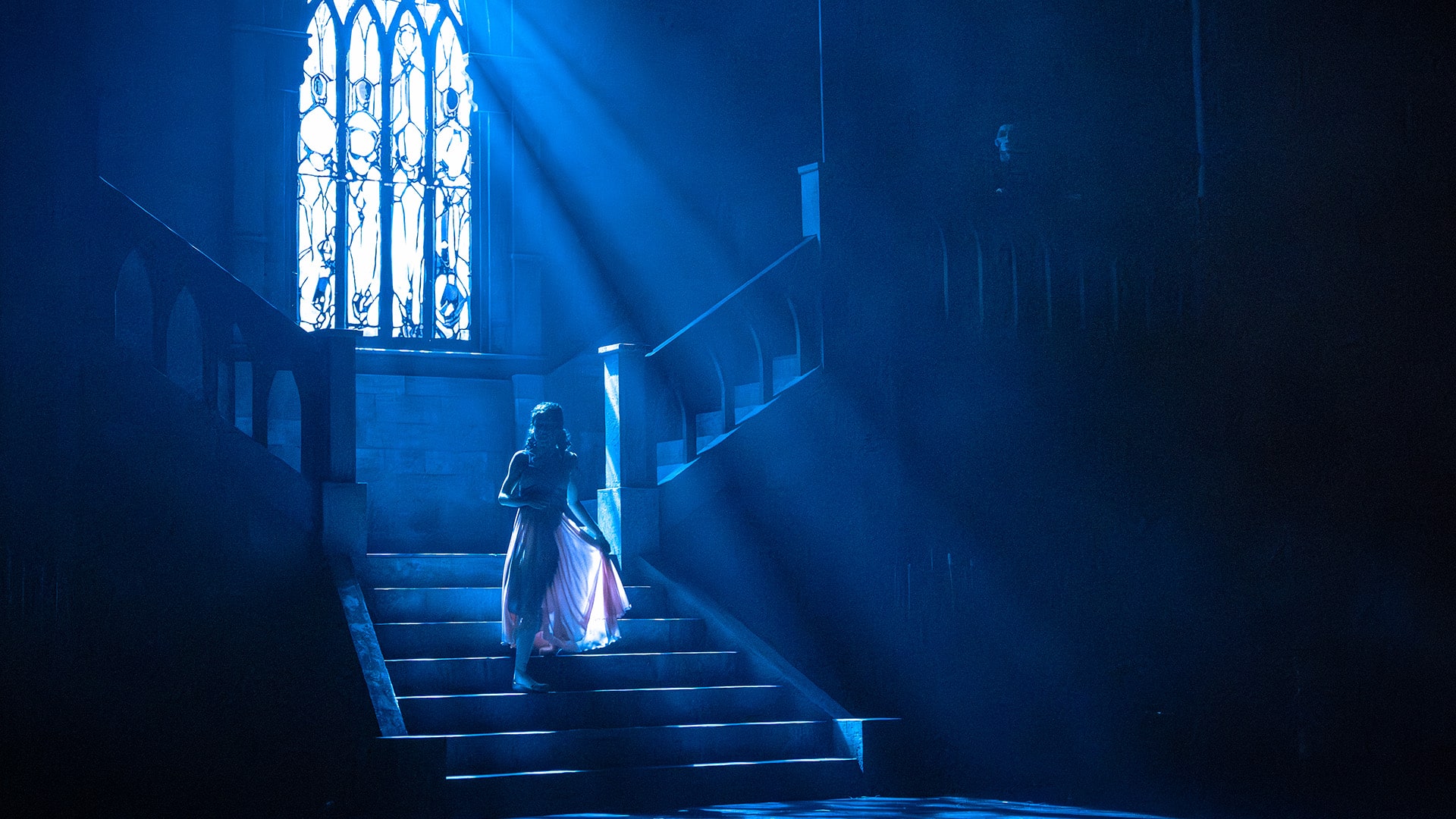
Choreographed by BIG Live Artistic Director and Co-founder Joel Burke, Dracula: Ballet at its Darkest is a bold, cinematic reimagining of Bram Stoker’s gothic classic – a visceral exploration of forbidden love, grief, obsession, immortality and sacrifice.
The production features a powerhouse cast of artists with experience at the Mariinsky Theatre, English National Ballet, Stuttgart Ballet, The Australian Ballet, Queensland Ballet and other leading companies. BIG Live principals Ervin Zagidullin and Abbey Hansen perform as Dracula and Mina Harker, with internationally renowned guest artist Adamzhan Bakhtiyar appearing at selected performances.
Set within a world of gothic grandeur created by award-winning CTS Design, Dracula is driven by a powerful score led by Emmy Award-winning composer Jason Fernandez and featuring masterpieces by Bach, Rachmaninov, Mozart, Liszt, Mussorgsky, Mendelssohn, Saint-Saëns and Debussy.
Dracula’s 2026 international tour has included the London Palladium, Sadler’s Wells, Edinburgh Festival Theatre, San Francisco’s Orpheum Theatre and Singapore’s Esplanade Theatre, before returning to Brisbane, Melbourne and Sydney. Further international performances are scheduled for Hong Kong and Bangkok in January 2027.
ONE MONTH TO GO
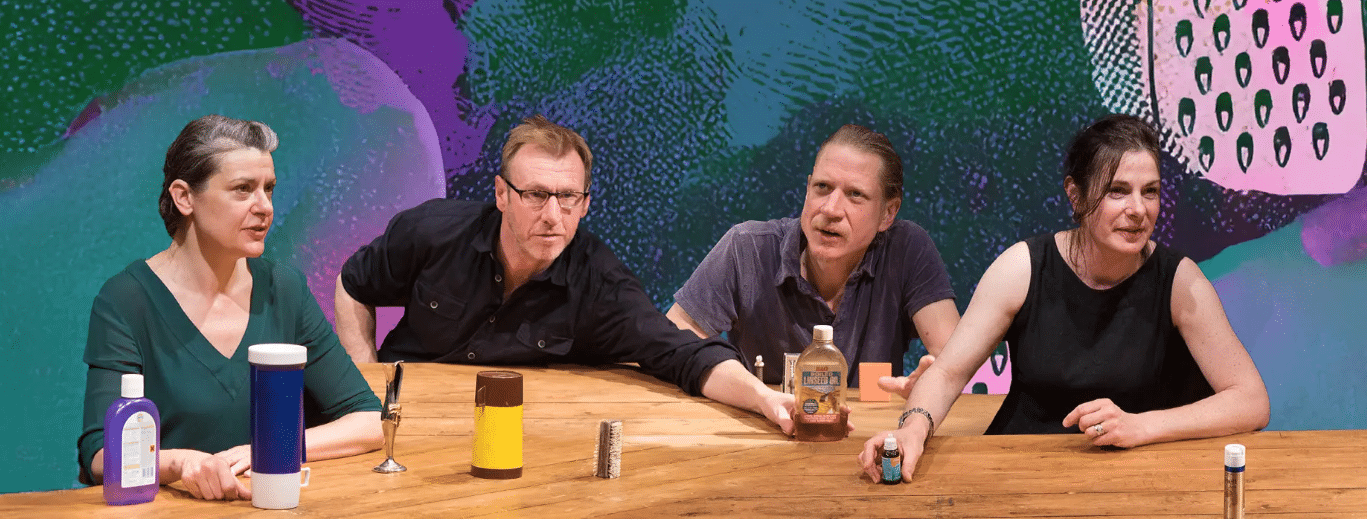
Shakespeare’s greatest plays retold with a Dettol bottle, a jar of marmalade and a set of salt and pepper shakers at Sydney Opera House
World-renowned, Ibsen award-winning UK company Forced Entertainment brings its acclaimed production, Table Top Shakespeare, to Sydney for the first time this September – a genuinely accessible, laugh-out-loud way into the Bard for anyone who finds his works intimidating or a slog at school. Suitable for ages 14 and up.
With exactly one month until opening, the Sydney Opera House is counting down to the Sydney premiere of Table Top Shakespeare, presented by internationally acclaimed ensemble Forced Entertainment – the company The Guardian has called “Britain’s most brilliant experimental theatre company” and The Times says is “confounding conventions and exploding audience expectations.”
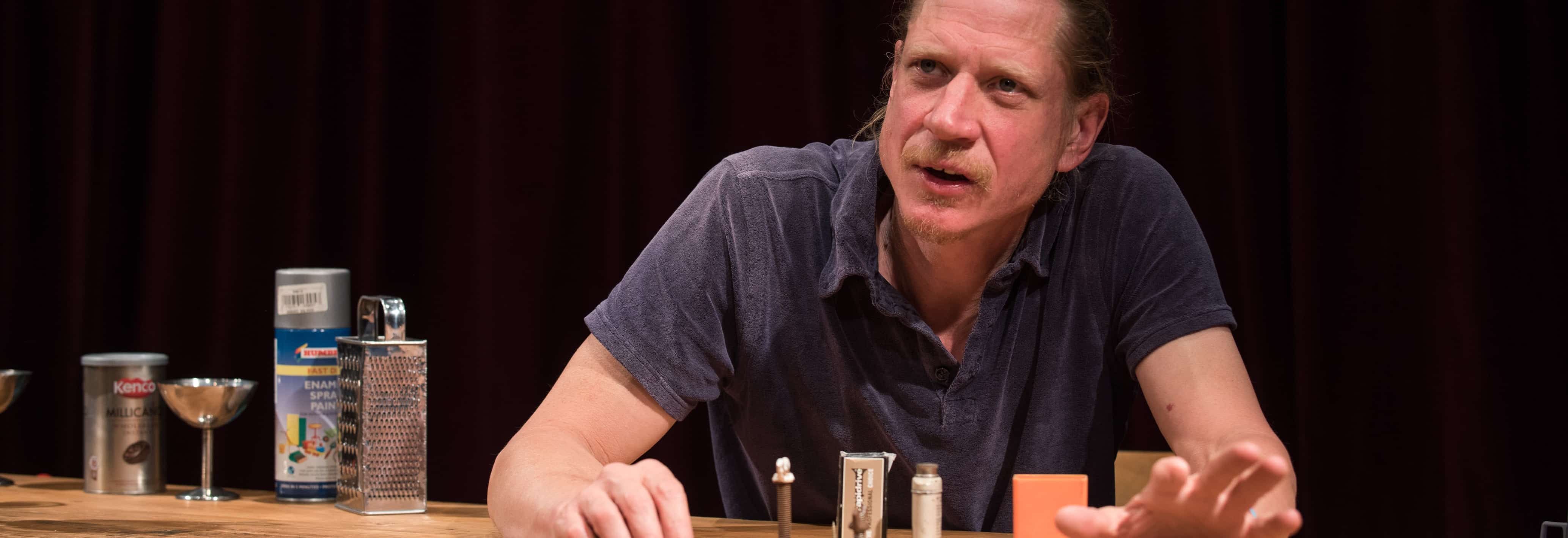
Six performers take on the whole of Shakespeare’s canon using nothing but everyday household objects – a vase becomes a prince, a jar becomes Juliet, a Dettol bottle plays her nurse, and salt and pepper shakers rule an entire kingdom. Narrated live and entirely from memory, with no fixed script, each retelling strips Shakespeare’s comedies, tragedies and histories back to their essential drama, wit and plot – no prior knowledge of the plays required.
It’s a genuinely different way in for audiences who find Shakespeare’s language intimidating or who haven’t engaged with his work since school, as well as a fresh, funny lens for seasoned theatre-lovers. Forty years into a career built on pulling apart theatrical convention, this marks Forced Entertainment’s first-time tackling Shakespeare – and their first time performing them in Sydney.
Table Top Shakespeare: Selected Works is presented as double bills across the season – two plays per evening over one week, covering comedies, tragedies and histories including Hamlet, Macbeth, Romeo and Juliet, Othello and A Midsummer Night’s Dream.
SHOW INFORMATION: WHAT: Table Top Shakespeare WHEN: 22 – 27 September 2026 (one week only) WHERE: Studio, Sydney Opera House FOR: Ages 14 and up PRICES: Tickets from $75 + booking fee.
ABOUT FORCED ENTERTAINMENT Forced Entertainment is an ensemble of artists founded in 1984, recognised as one of the world’s most influential experimental theatre companies. Winners of the International Ibsen Award, the company has spent over 40 years pulling apart the conventions of narrative, genre and theatre itself, touring their work across the UK, Europe, North America and Japan. Led by Artistic Director Tim Etchells, with performers Robin Arthur, Jerry Killick, Richard Lowdon, Claire Marshall, Cathy Naden and Terry O’Connor.
Spread the word on your favourite platform!
Subscribe to What's The Show
Reviews, show news and what is on, straight to your inbox.