Deal Me In's Beautiful Chaos

Deal Me In!

Deal Me In! Rating

★★★★★

Click if you liked this article

7

After a brisk walk along the piers at Dawes Point with nothing to guide us but Google Maps and pink lights in the distance, we stumbled into the Rebel Theatre for the final night of Deal Me In!, a “glitzy Las-Vegas style dance cabaret featuring some of Sydney’s best variety artists!”

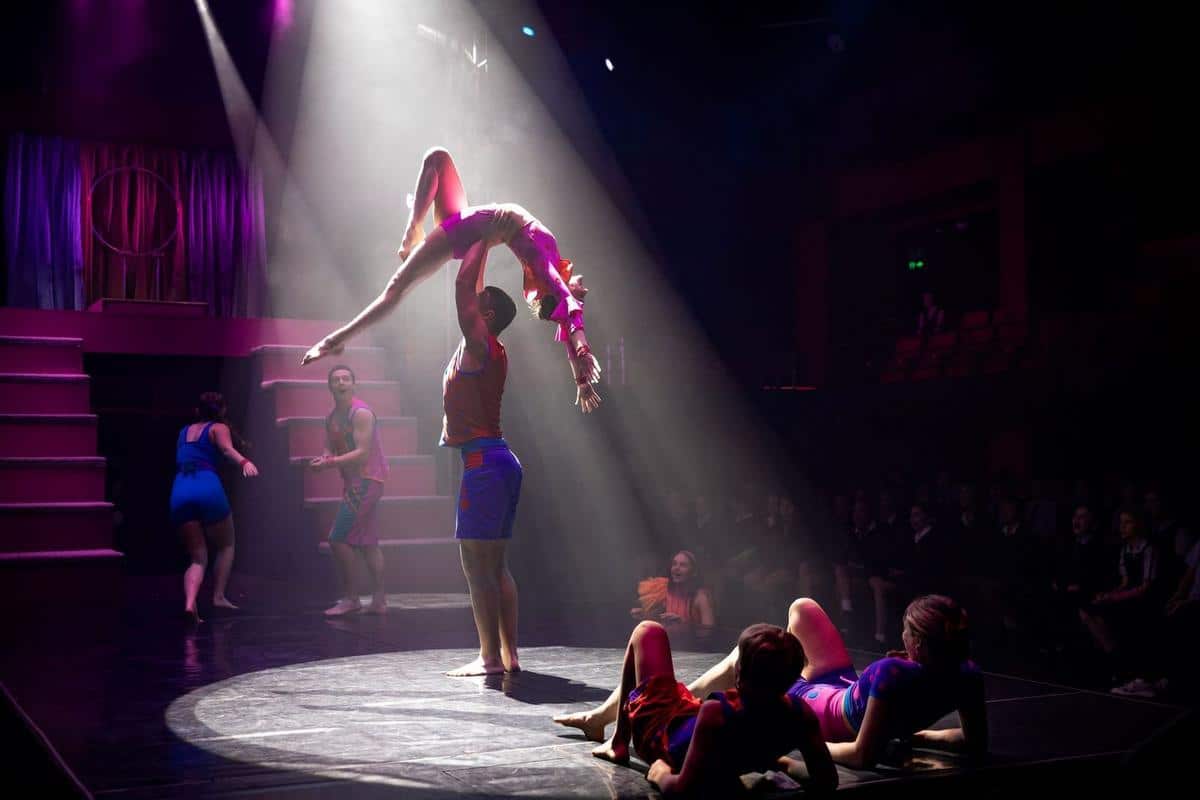
Under the guise of a simple game of poker, Deal Me In! follows a group of hapless players through their game as it descends into chaos, flirtation, and sleight of hand. The 90-minute cabaret effortlessly maintained a perfect balance of comedy, storyline, circus, and glamour, with hilarious moments of audience participation that kept the room engaged from beginning to end.

Walking into a lush theatre, the incredible mood lighting and show logo displayed on the curtains perfectly set the scene, alongside a killer pre-performance playlist. As the lights went down, singer Vivienne Stone (Songbird Siren) made herself known at the back of the audience, floating down the stairs towards the stage in a glittering silver corset and star headdress.

We then met Frankie St. James (Zak Vasiliou), a self-proclaimed Short King, who kept the show moving seamlessly between acts with stand-up, Pringles-themed ASMR, and more. He also ran an audience-wide competition, where poker chips were handed out based on participation with the individual holding the most chips at the end of the show receiving a prize. This really made the show stand out, and I enjoyed how it encouraged the audience to participate more without pressure.

Philipe le Scripte (Courtney Robinson) was the first solo act of the evening, dancing around the stage to “Smiling Faces Sometimes” by The Undisputed Truth in an electric red suit, with trousers that unzipped up the sides and a hidden plushie snake.


Following in quick order was a flirtatious swing dance between Theo Sparkes (Justin Sacco) and Daisy Fontaine (Alanna Hocking), who stunned the audience with their effortless spins and flips. Sparkling under a pink spotlight, Lola Champagne’s (Nicole Aspinall) attempt to give a reading to a member of the audience went astray when she pulled the Death card. She escaped to the stage for an incredible burlesque number that began with her spinning out of a skirt and ended in a life-sized martini glass, all under the same pink spotlight. Unfortunately for Lola, she had accidentally brought her Tarot cards to the poker table instead of playing cards, and thus was forced to fold.

Frankie returned as a masterclass of scripted improv as he skillfully and hilariously foiled a front row member’s attempt to pilfer Lola’s skirt. After the theft was averted, he took someone backstage with him while Vivienne taught everyone else a dance. Frankie returned with his audience volunteer dressed up as Elvis Presley, and I have to give her so much credit for her enthusiastic and immediate commitment to the role.

Vivienne’s solo consisted of a jazz ballad cover of Poker Face by Lady Gaga, before Theo Sparkes returned for a tap number that featured a surprise - a seventh poker player! (Cooper Cossettini)

Affectionately dubbed as “Sound Guy” by myself, Theo and the surprise cast addition engaged in friendly competition through a synchronised dance that featured canes, brooms, and a conspicuous prop that wobbled in time with their jumps and spins. This quickly devolved into a full-cast bar fight/dance number, with the cast taking turns beating up the interloper while he lunged at Theo.

Scarlett Voss (Etana Wasley) then took the spotlight for a “solo” magic act, but Sound Guy was quickly discovered as her hidden assistant. Their every attempt became increasingly disastrous, escalating until Scarlett was trapped in her own slacks during a quick-change trick. Philipe then came back on stage for a fire-eating solo, lighting his own hands, arms, and tongue on fire to keep the torches lit. After another Frankie interlude had him commentating on a game of snap, the flirtation between Theo and Daisy finally came to fruition through an incredible aerial set that received an audible “Wow!” from the audience while Vivienne sang.

The poker game came to a tense close as Scarlett decided to try and cheat the house to win the game. The final group number featured a comically large card that was tossed about between the cast as they danced and flipped and rode tables across the stage. The final surprise of Deal Me In! arrived in the form of Frankie St James’ tearaway pants as he delivered an impassioned speech on late-stage capitalism and posed in his golden hot pants.

To book tickets to Deal Me In!, please visit https://www.dealmeintheshow.com/.
Spread the word on your favourite platform!

Pay No Attention

Pay No Attention

Pay No Attention Rating

★★★★★

Click if you liked this article

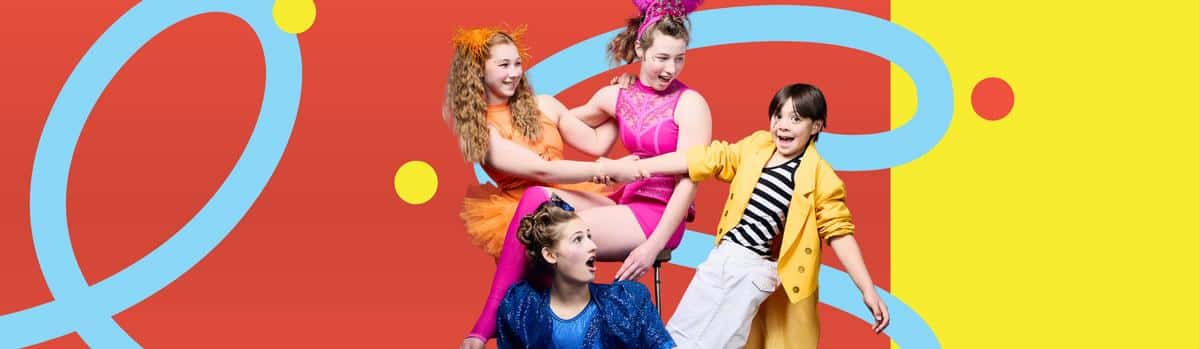
This show is perfect for children and adults of a certain age! It is true physical theatre and demanding whilst being inspirational at the same time. The Flying Fruit Fly Circus, Australia’s only full-time training circus for young people, started in 1979 and it is still going with amazing results.

One artist opened the show with a thought provoking view on growing up and the need to pay attention to young people find out what really happens. Then with bright coloured costumes, fun lighting and a circus style set, the audience was ready for a fun hour of kaleidoscope trapeze artists, dancers providing strength-testing and comic acting. At times, the acts produced tension as young people performed from heights with no safety harness but all of the props were carefully managed with trainers standing by. It was still thrilling to watch as the artists with great stamina and strength and depending on the act, with elegance, performed to great applause and wonder.

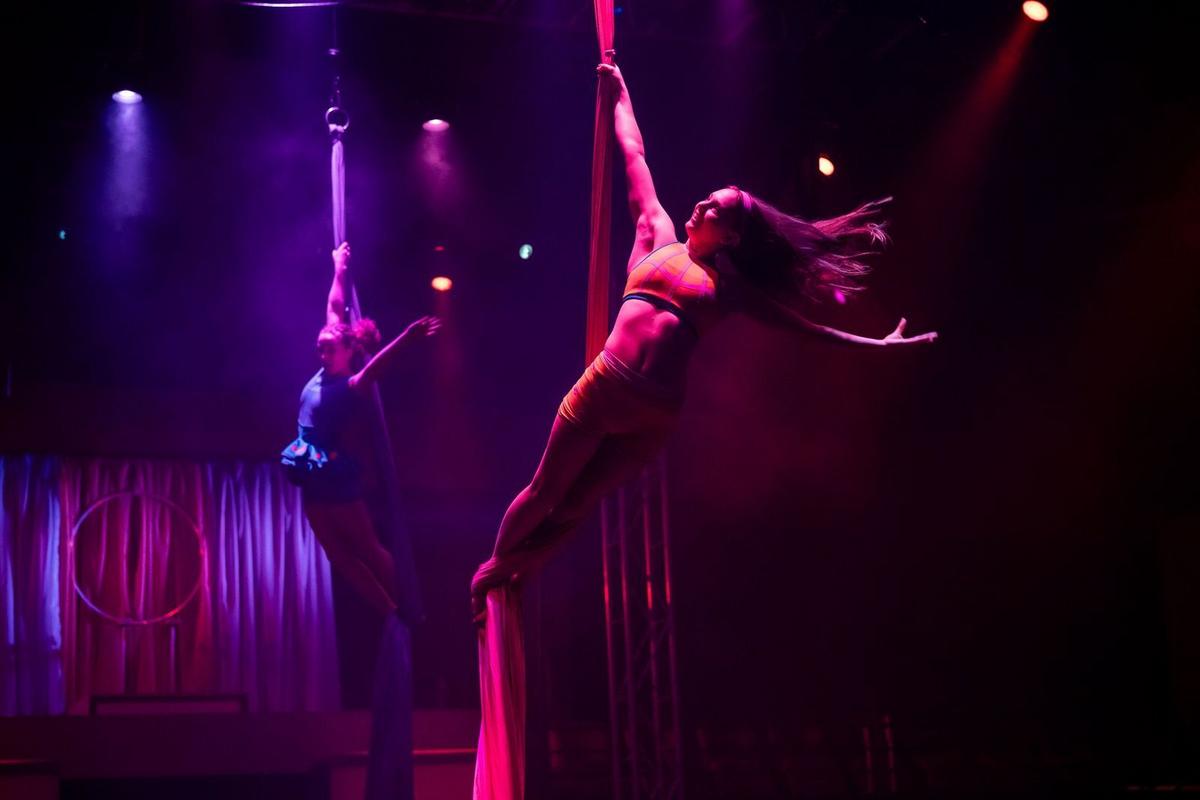
One artist ascended a pole and gracefully demonstrated her flexibility and style. Two other female performers worked with high wire aerial silks and perfect timing as they whirled and twirled within the silk. There was a wonderful hula hoop performer showing her dexterity. The audience watched a strong young man holding up three people, with breath held hoping they were all balanced.


Music played a part with fun Spanish and Italian music matching the rhythm of the act. An elegant classical waltz had couples dancing as if at a Victorian ball and then two of the young men presented a wonderful act on two separate poles, running up and down them in time and then quickly falling to an inch of their noses. All with a balletic turn.

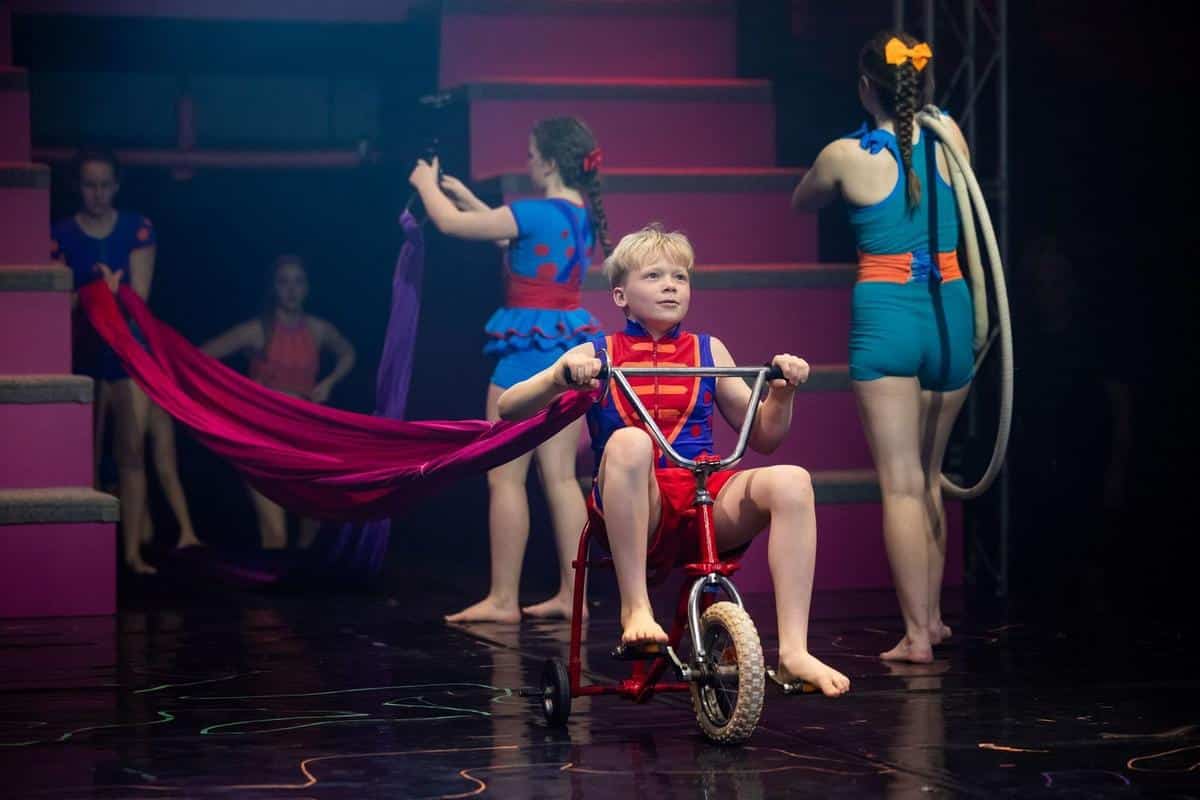
Two young women presented a kind of friendship, twirling with ropes and blending with each other in time to the music with a gentle flow. The two youngest members provided some comedy with classic circus moments including a tricycle and other fun circus style props. The finale was an ensemble piece with careful choreography, balletic grace and lots of balance and strength. The audience was enthralled.

It is a joy to watch a young ensemble supporting and working together with such professionalism, determination and style. There was obviously a range of ages with older members supporting young members when needed. It brought to mind the dream that many young people have, to run away to the circus!

To book tickets to Pay No Attention, please visit https://fruitflycircus.com.au/performance/pay-no-attention/.

Spread the word on your favourite platform!

Haydn's Creation

Haydn’s Creation

Haydn’s Creation Rating

★★★★★

Click if you liked this article

11

Haydn’s The Creation
Sydney Opera House – Concert Hall

For my first experience of a major classical performance, I could hardly have asked for a more fitting introduction than Joseph Haydn’s The Creation in the Sydney Opera House Concert Hall. Performed by the Sydney Philharmonia Choirs and Orchestra under the direction of Brett Weymark, this one-night concert presentation demonstrated that music alone can tell a story with extraordinary clarity, scale and emotional force.

For those unfamiliar with the form, an oratorio shares many features with opera, using soloists, chorus and orchestra to tell a dramatic story, but is presented as a concert rather than with scenery, costumes or theatrical staging. Oratorios are also usually sacred or liturgical in theme; Handel’s Messiah, which helped inspire Haydn’s The Creation, is perhaps the best-known example. Here, the programme’s inclusion of the libretto was especially useful. As Naomi Hnat noted in the pre-concert talk, The Creation was always intended to be performable for an English-speaking audience, and the edition used in this performance adopted the original English words as set by Haydn. That made the storytelling feel immediate rather than translated at a distance.

Before the performance, a free forty-five-minute talk in the Northern Foyer provided an excellent introduction to the work. Hosted by Tom Forrester-Paton, with Conducting Fellow Naomi Hnat and geobiologist Dr Maxwell Lechte, it proved especially valuable for those without a long background in classical music. Hnat demonstrated key passages at the piano, making Haydn’s musical language accessible without oversimplifying it. Her explanation of the opening “Chaos” was particularly illuminating, showing how Haydn deliberately avoids the musical resolutions audiences instinctively expect, leaving the music unsettled as it searches for order. She also explained the famous “and there was light” passage, where the word “light” marks the transition from C minor into a blazing C major — a moment she described as one of Haydn’s favourites, while Forrester-Paton noted it was also a favourite passage for the chorus to perform.

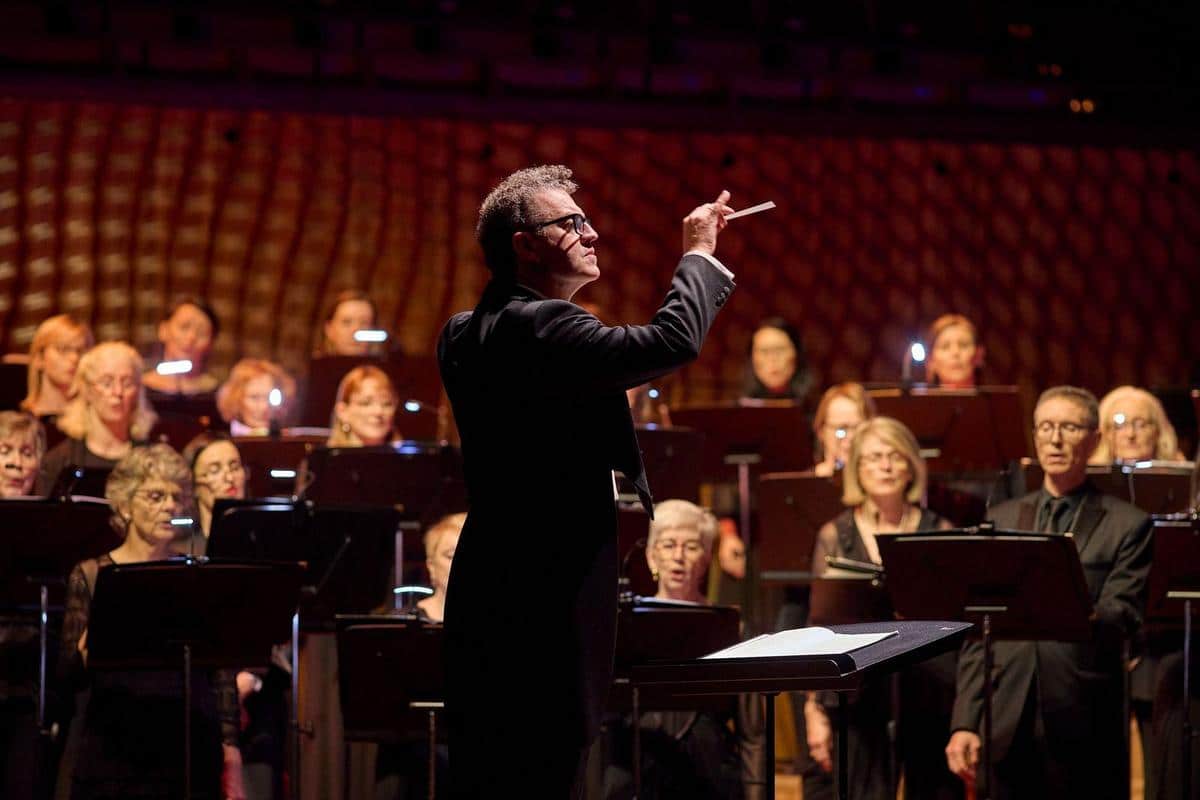
Brett Weymark conducted with remarkable vitality. At times he seemed almost to dance the music into being, but never in a way that distracted from the performance itself. Rather, he seemed to live inside Haydn’s score as it turned and changed, especially during the more dramatic passages. His evident affection for the work translated into a performance of momentum, warmth and conviction, drawing committed responses from both orchestra and choir.


The opening “Chaos” unfolded exactly as Hnat had described, resisting comfortable resolution and creating an unsettled musical landscape before the famous declaration, “Let there be light.” The command itself arrived softly but with quiet certainty. The true release came with “and there was light,” when orchestra, choir and the lighting above the stage opened together in what felt like a blazing sunrise of sound. After the uncertainty of the opening, the effect was overwhelming: not merely heard, but physically felt throughout the Concert Hall.

The orchestra served not simply as accompaniment but as the foundation on which the entire performance rested. Rather than drawing attention to individual sections, it supported the unfolding narrative and allowed Haydn’s vivid musical imagery to emerge naturally. Nathan Cox’s fortepiano became an elegant bridge between orchestra and voices, adding delicacy and clarity whenever the soloists emerged.

The principal soloists each brought a distinct vocal character to the performance. Celeste Lazarenko’s Gabriel had a quicksilver lightness, bright, agile and seemingly airborne. As Eve, that radiance remained but became more grounded, giving the final part a warmer and more human presence. The transformation was subtle rather than theatrical, allowing the audience to hear not merely another role but another way of encountering the newly created world.

Kyle Stegall’s Uriel brought his own brightness and flexibility to the tenor line, carrying the narrative with clarity and ease. His singing had an effortless quality that allowed the story to move naturally from one stage of creation to the next, without ever feeling merely functional.

Michael Lampard’s baritone offered an ideal counterweight, oak-like in its warmth and solidity. As Raphael, he anchored the great descriptive passages with steadiness and authority; as Adam, he revealed a gentler and more intimate character. His duets with Lazarenko were among the evening’s finest moments, their contrasting vocal colours creating both balance and intimacy.

The addition of mezzo-soprano Yvette Leonard in the closing section broadened the vocal palette of the solo ensemble. Rather than competing with the principal voices, her contribution enriched the finale, adding warmth and balance to the concluding pages and giving the ending a fuller sense of vocal breadth.

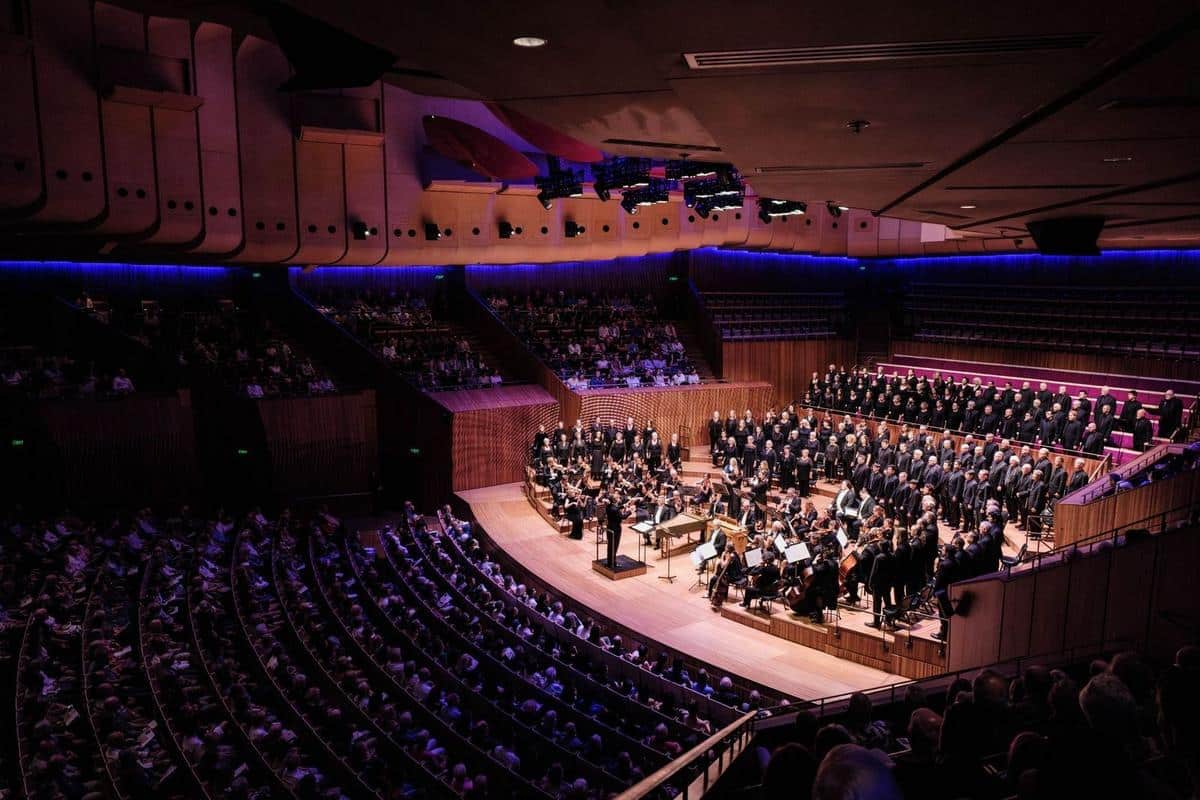
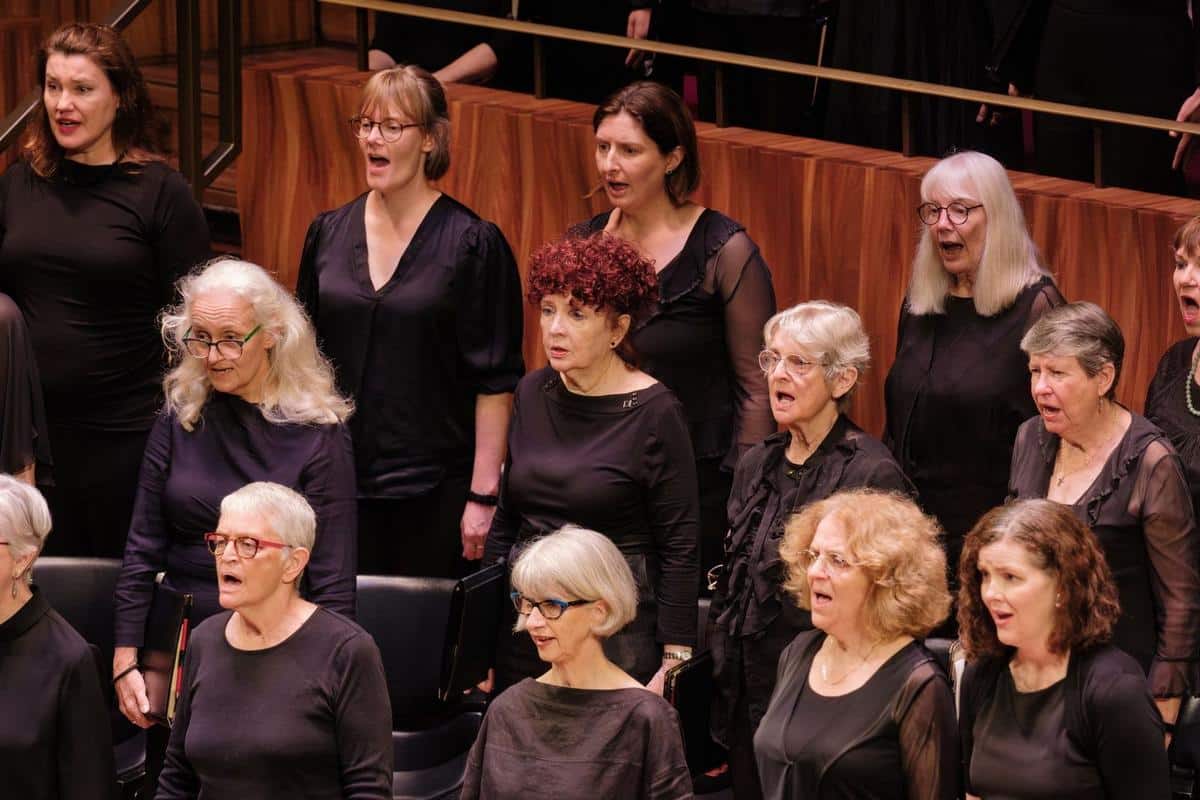
If the soloists carried the narrative, the Sydney Philharmonia Choir supplied the emotional and spiritual force of the evening. At its most powerful it became a wall of sound, filling the Concert Hall without losing clarity. Yet what impressed just as much was its subtlety. Softer passages revealed many colours, while from the stalls it was possible to see and hear the individual vocal lines ripple across the risers before gathering once more into a unified whole. The effect was almost orchestral in itself, different voices emerging and receding like changing colours through falling leaves. By the second half, I found myself anticipating each occasion the choir would rise again.

The renovated Concert Hall deserves mention as a participant in the performance rather than simply its setting. The acoustics combined warmth, clarity and power, allowing orchestra, soloists and choir to blend without sacrificing individual detail. Music in this space was not simply audible; it had a tangible physical presence that surrounded the audience and reinforced the grandeur of Haydn’s vision.

The audience responded warmly throughout the afternoon, with appreciative applause between the major sections and a generous ovation at the conclusion. It felt like an acknowledgement not only of technical accomplishment but of the care, preparation and affection that had gone into bringing Haydn’s masterpiece to life.

For a first encounter with large-scale classical performance, The Creation proved both welcoming and awe-inspiring. More than two centuries after Haydn composed it, its sense of wonder remains intact. Under Weymark’s energetic direction, supported by outstanding soloists, orchestra and choir, this one-night performance transformed the Concert Hall into a place where creation was not simply described — it was vividly experienced.

To book tickets to Haydn’s Creation, please visit https://www.sydneyphilharmonia.com.au/events/haydns-creation/.

Spread the word on your favourite platform!

Bet You Laugh Out Loud

The Dapto Chaser

The Dapto Chaser Rating

★★★★★

Click if you liked this article

Yes, The Dapto Chaser, is about greyhound racing, but there are many other themes at its core. Mary Rachel Brown's black comedy studies the intimate dynamics of family relationships and explores the ramifications of risk-taking.

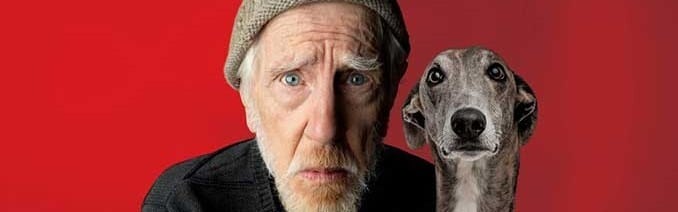
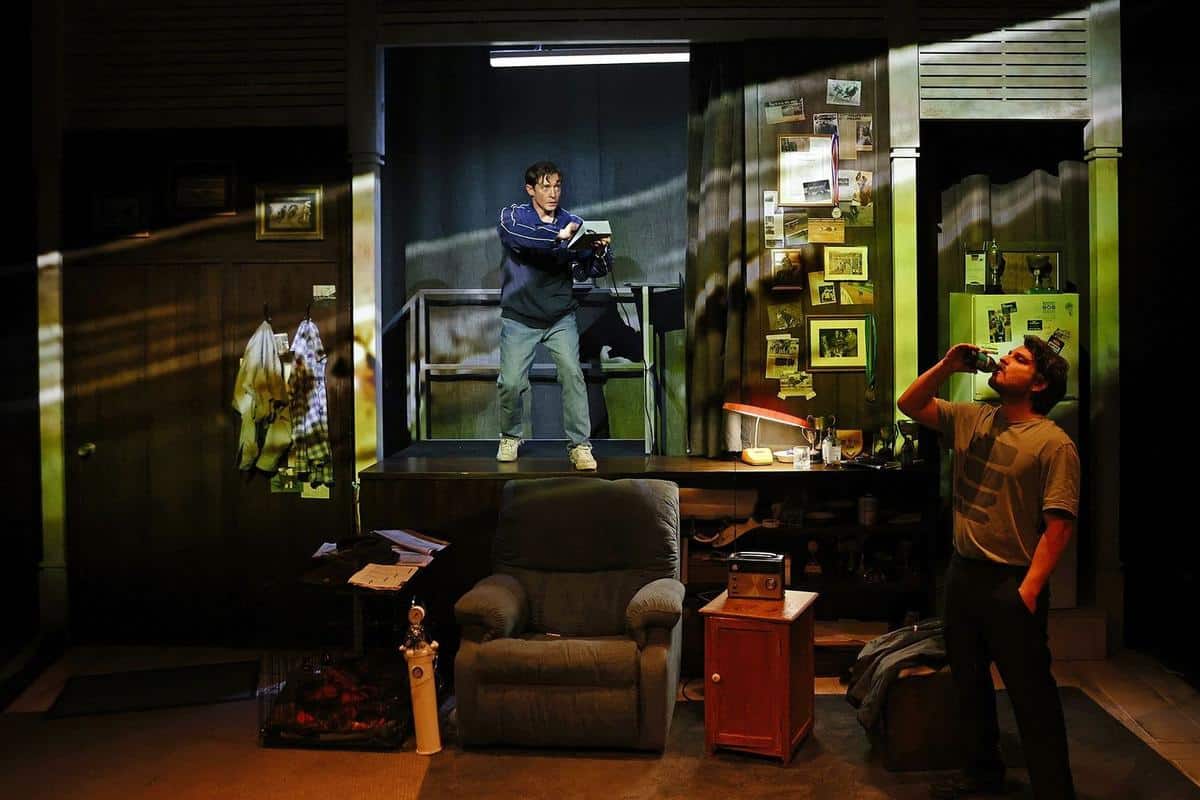
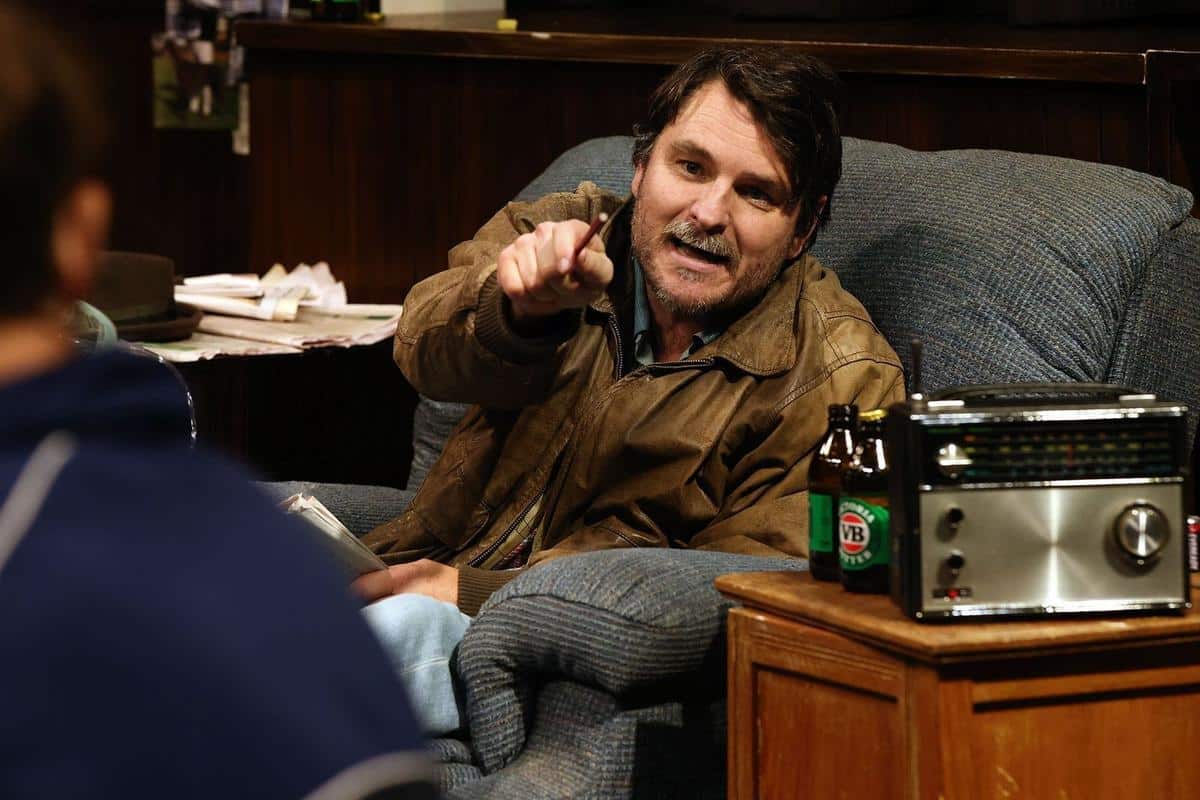
The play opens with Errol (Peter Carroll), the patriarch of the Sinclair family, sitting in his lounge chair and wrestling with a scratchy, portable radio. (He's attempting to listen to the dog races at Dapto.) Cigarettes, beers and an oxygen tank are close-by. Fiddling with the form guide in the newspaper, Errol announces he has Stage 4 lung cancer and that there's no Stage 5! Carroll relishes his sardonic, sarcastic dialogue with exquisite coming timing. On opening night, the mainly actor-filled audience were in hysterics.

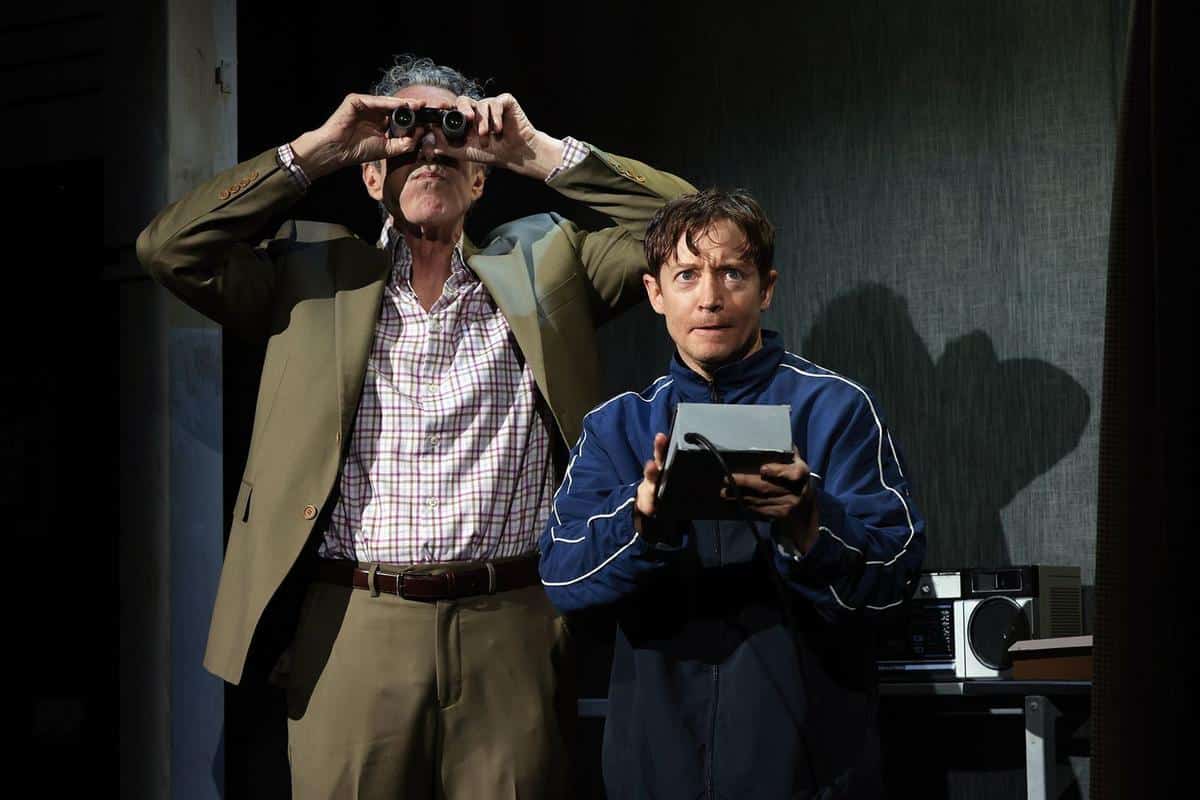
Errol fits the stereotype of an Aussie battler, living in a humble home, surrounded by bland furniture. He's not despondent about his plight because there's a belief a big win is just around the corner. His two sons, Cess, played with edge-of-the-seat intensity by Justin Rosniak and Jimmy, a character given a convincing edginess by Andre de Vanny, are constantly at war with each other. Cess has his own greyhound called, Boy Named Sue (an obvious reference to the Cash classic) and Jimmy works at the track as a dogs' lure driver. Arnold (Marco Chiappi) is a bookmaker/ trainer who is always lurking. Chiappi plays the role of smooth sleazebag with aplomb. The Sinclairs' lives are fully wound up with Arnold's power plays, which always riled Errol.

We sense that greyhound racing is full of eccentrics. Brown is playful with the greyhound names. 'Mum's Bunion', extracted lots of giggles from the audience. Having video projections of greyhound races, complete with commentary, adds to the whole experience. The high energy nature of gambling is felt.


When Errol dies, there's an immediate sense of panic between the brothers. The funeral costs amount to nine thousand-plus dollars. The figure is problematic. A get-rich-quick scheme is needed. Cess decides to sell his dog, to offset the debts. The dog is worth fourteen thousand dollars, but Arnold will only pay ten thousand. Even so, the figure is accepted. Cess boasts that there's money left-over for fancy sandwiches and Jimmy can get ham/ pineapple pizza.

Cess will not leave the greyhound world, but Jimmy decides to flee to the Gold Coast. (Cess hands him a hundred dollar note for petrol.) One senses that the brothers may never see each other again.

Ensemble Theatre's production of The Dapto Chaser , is brilliantly performed. Director, Anna Houston, has the cast performing at the peak of their powers. Peter Carroll (if he was acting in England, he'd be knighted), Marco Chiappi (can do it all from Shakespeare to the TV Show, Wentworth), Andre De Vanny (extensive TV credits including Wicked Science) and Justin Rosniak (who made the transition ftom child actor to seasoned professional, decades ago, but I still fondly remember him from Eggshells with Garry McDonald and Rebecca Smart.)

Simone Romaniuk's set design perfectly captures the mood of this working class family. Matt Cox lighting design, Madeleine Picard, composer and sound design and Aron Murray on video design, all work to make this is a thoroughly immersive experience.

Interestingly, I noticed actors from Griffin's Theatre's 2015 production of The Dapto Chaser, in the audience. Noel Hodda and Jamie Oxenbould, certainly enjoyed this performance. I bet you will too! On opening night, there was a standing ovation.

To book tickets to The Dapto Chaser, please visit https://www.ensemble.com.au/shows/the-dapto-chaser/.

Spread the word on your favourite platform!

Subscribe to What's The Show

Reviews, show news and what is on, straight to your inbox.