The Book Of Everything

The Book of Everything

The Book of Everything Rating

โ˜…โ˜…โ˜…โ˜…โ˜…

Click if you liked this article

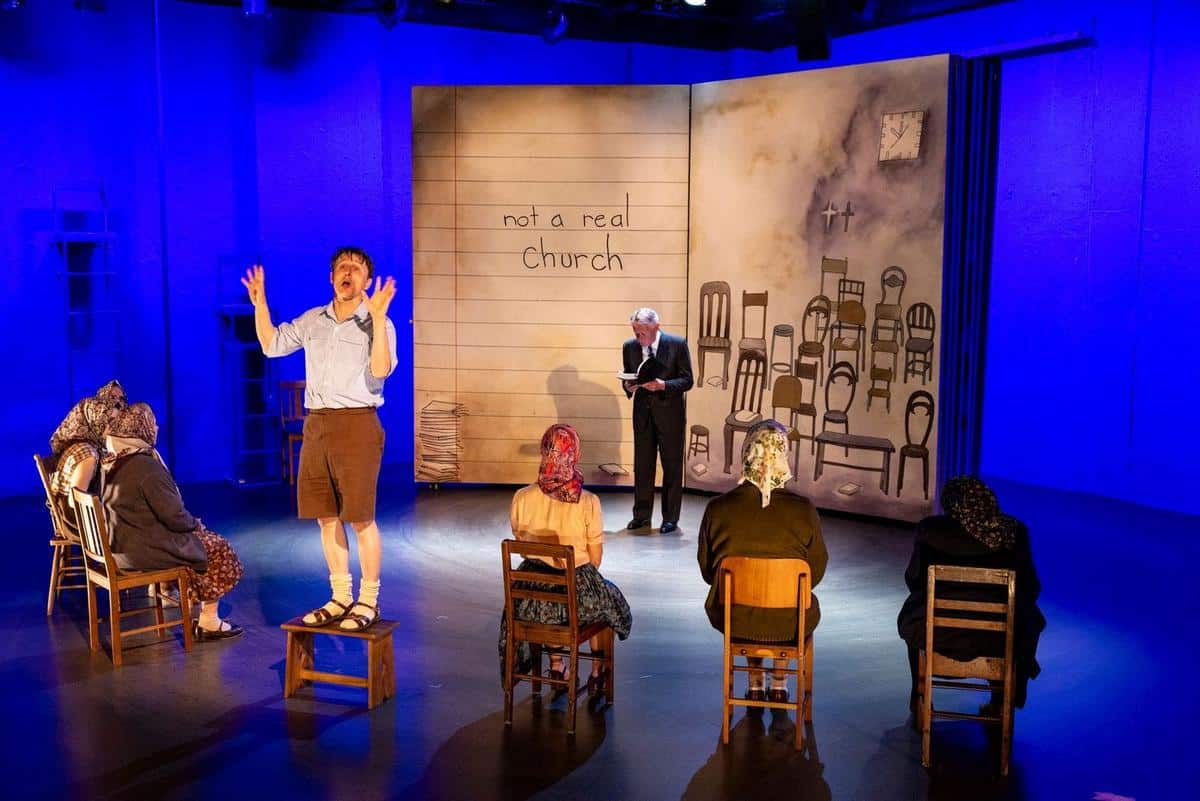
โ€œWhat I want to be when I grow up? Happy!" said Thomas Klopper, aged โ€˜nearly 10โ€™. The audience was young and old and instantly charmed by Thomas played by a grown up Matthew Whittet. We were let into his imaginary world of tropical fish in the canal, his joy of reading and talking to a very present and comical Jesus (John Leary). He is also part of a post-war family dealing with just about everything.

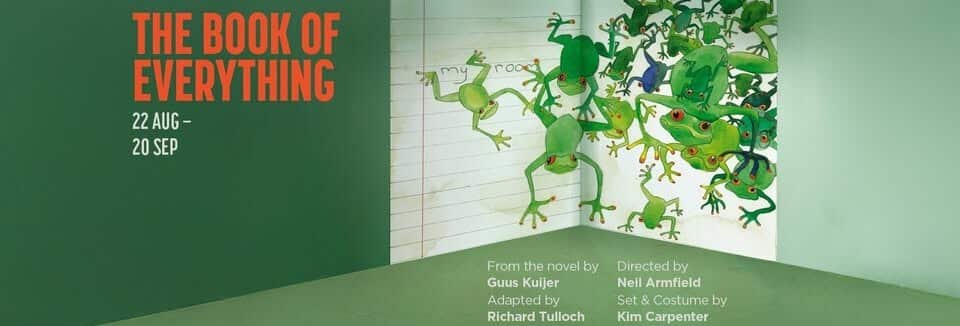
The set of a giant book that was opened and re-opened with dreamy cartoon-like scenes was another character that took on a life of its own and provided a backdrop to each event. A musician (Jack Ward) playing music beautifully, added emotion with a range of instruments providing a childlike understanding of life and sound. The cast members also contributed to the โ€˜soundtrackโ€™ by playing instruments themselves.

We were engaged within five seconds being brought into the world and gentle naivety of children pushing back the past dark war years and its impact on what is left of life. The script (Guss Kuijer) is full of witticisms and the audience responded with laughter and joy. The team of Richard Tulloch, Neil Armfield and Kim Carpenter produced a play that was delightful, funny, thoughtful and uplifting. This play, which addresses serious themes skilfully balanced with humour, is highly recommended for the young and young at heart.
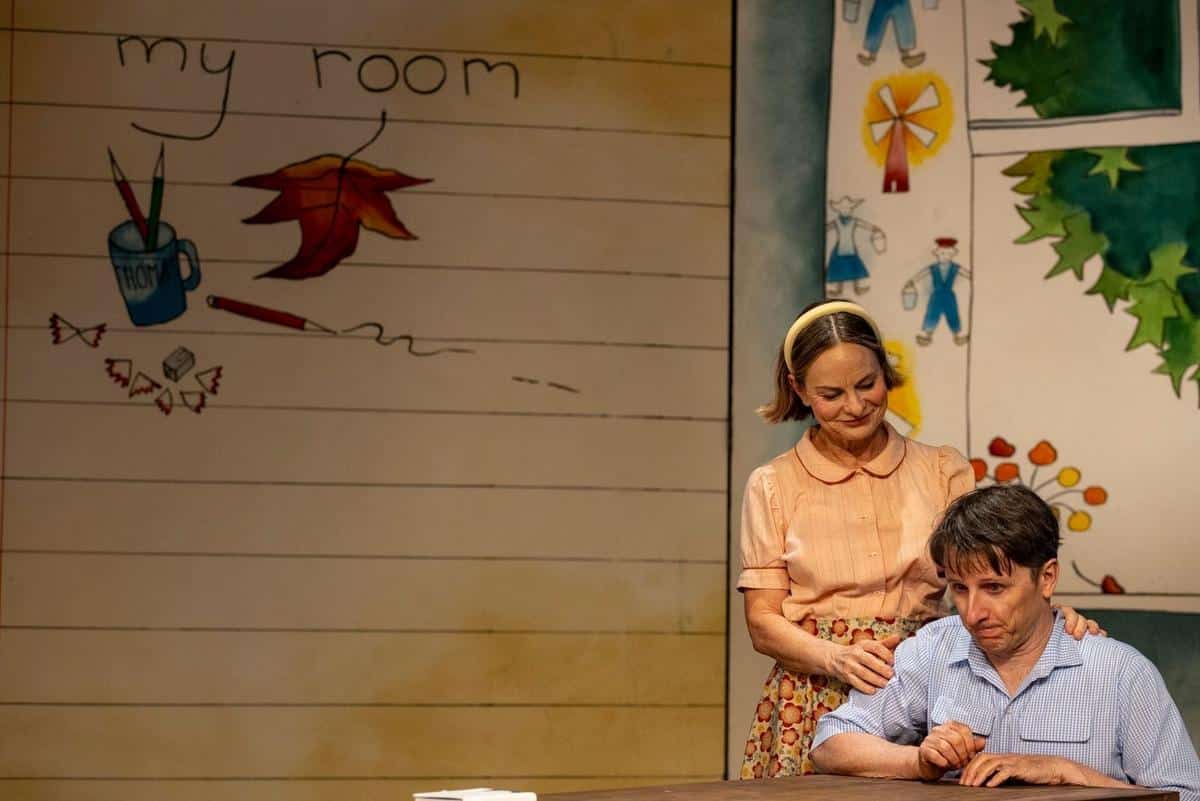
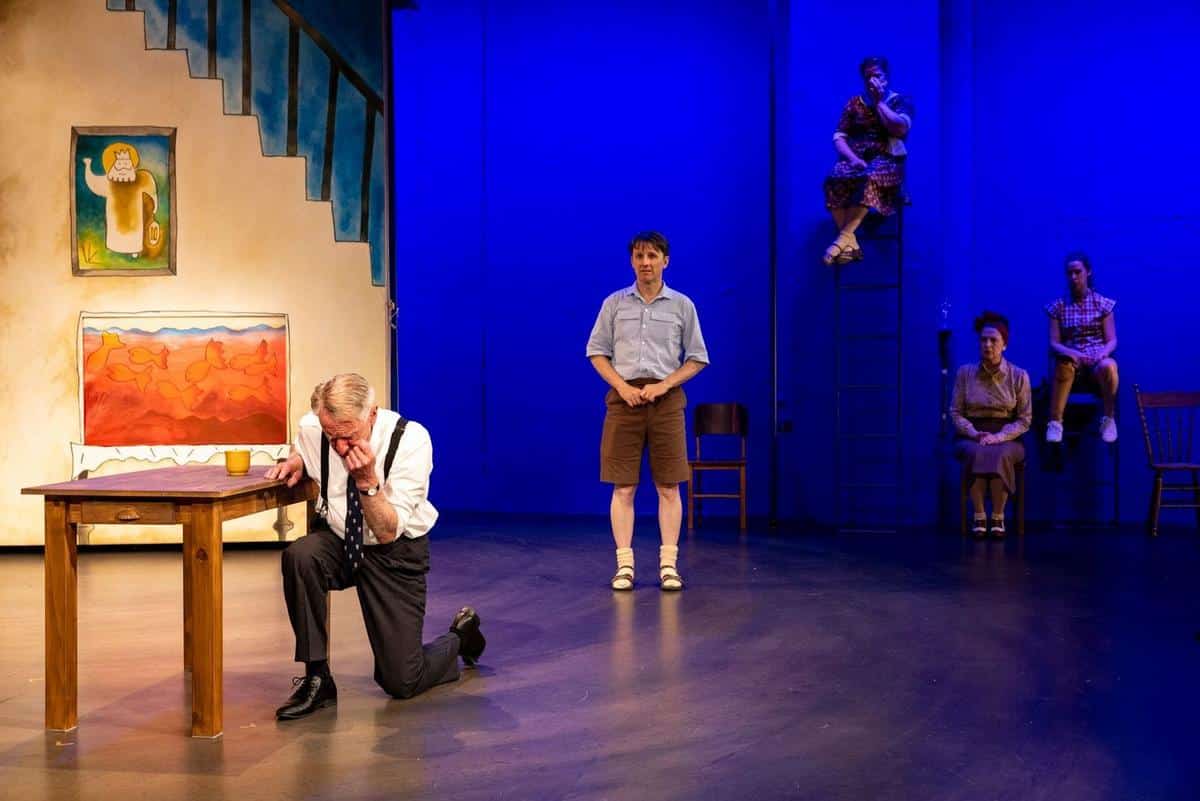


Thomasโ€™ father (John Gaden), a dry, deeply religious and angry man, his mother (Claire Jones), a weary and loving mother and Margot (Rebecca Massey), a sprightly teenager coming into her own, form a family living in Amsterdam and dealing with family secrets. On the sidelines is the observant neighbour, Mrs Van Ammersfoort, (Julie Forsyth), with the look and panache of the neighbourhood witch but who is really a war resistance survivor. Aunty Pie (Pamela Rabe), rebels by wearing trousers and Eliza (Bridie McKim), is Thomasโ€™ love, despite being 16 years old and having a leather and hinged leg.

The lesson is about kindness and how Thomasโ€™ gentle and whimsical heart breaks open the community as he desperately tries to resolve his fatherโ€™s violence towards his mother. It is a journey of discovery around loneliness, fear and finding a sense of self. As each character breaks open, new life reveals itself and in a childlike manner, the adults discover their innocence and desires.

Audience participation was included with one hilarious action and young people are invited on to the stage. Serendipitously, a large group of schoolboys was in the audience and they bounded down the steps to joyfully join the cast and be โ€˜nearly 10 years oldโ€™ again. They took a group photo after to celebrate. And that was what the play was about; the celebration of kindness, innocence and peopleโ€™s dreams, even if all it really amounts to is being happy.

To book tickets to The Book of Everything, please visit https://belvoir.com.au/productions/the-book-of-everything-3/.

Photographer: Brett Boardman
Spread the word on your favourite platform!

It Takes Two: A Gripping Lens Of Life, Love and Loss

Two

Two Rating

โ˜…โ˜…โ˜…โ˜…โ˜…

Click if you liked this article

3

In our lifeโ€™s journey, itโ€™s safe to say that we may likely get to experience the gamut of relational dynamics. Some may be genuine, some may be deemed unhealthy or harmful; but more often than not; they are largely played out behind closed doors, where couples may hide their truth from the outside world for privacyโ€™s sake, or in deeper cases, to protect the masks they portray to the outside world.

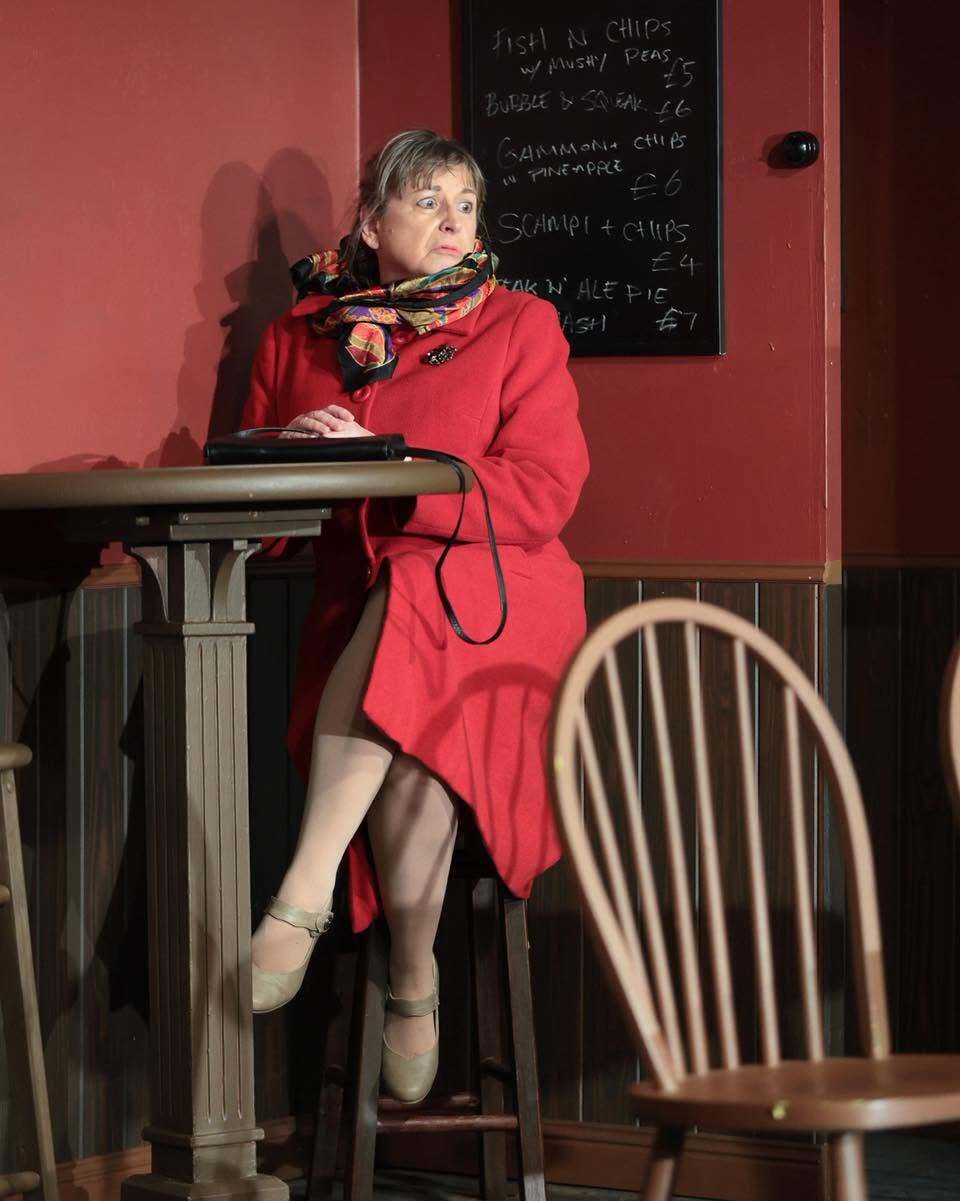
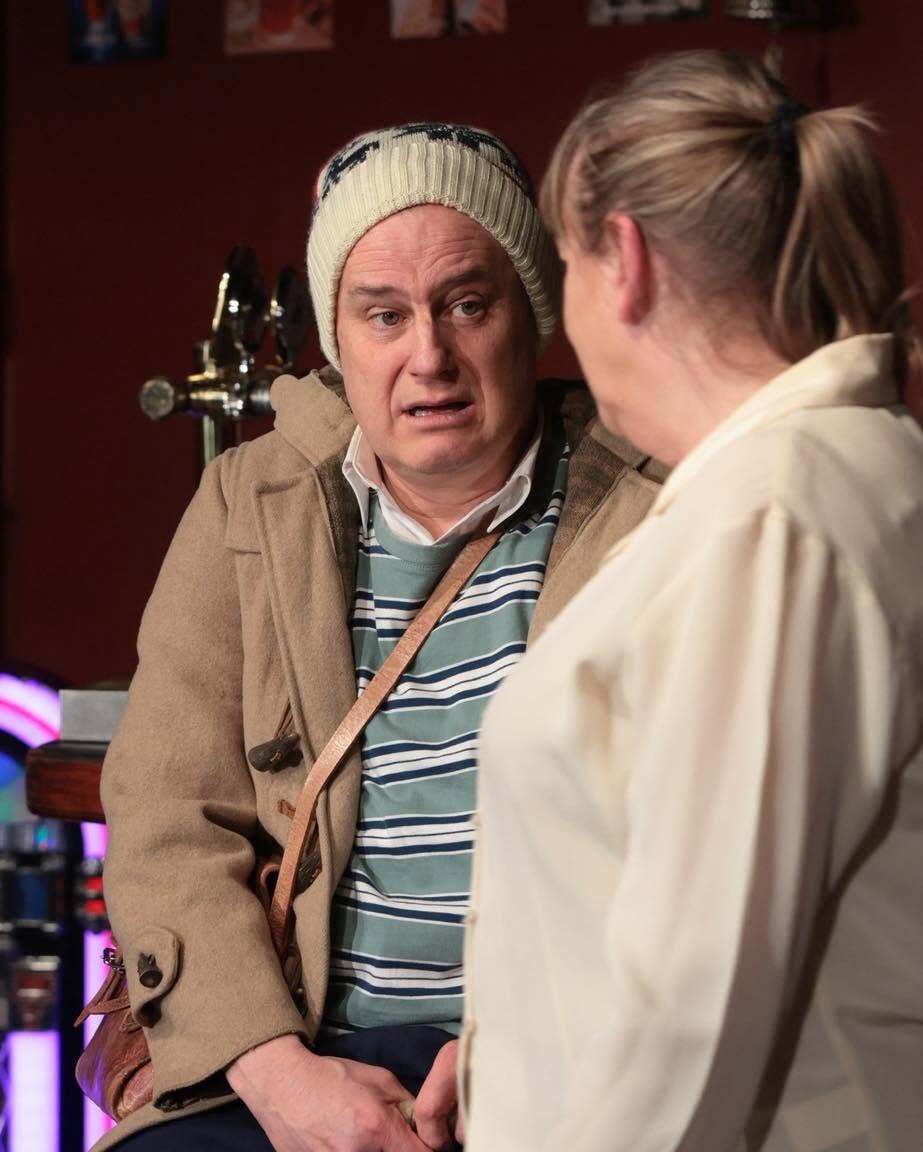
But in the case of playwright Jim Cartwright, his masterful take on the complexity of human relationships, his play aptly entitled โ€˜Twoโ€™, turns the โ€˜behind-closed-doorsโ€™ theory on its head - instead having the audience focus on the fractured relationship between a boisterous, bickering landlord and his counterpart, a landlady - both publicans of a working- class Northern English pub. Tasking us โ€˜head-firstโ€™ with a particular duty - of piecing together the โ€˜whyโ€™sโ€™ behind the โ€˜cocktail of cracksโ€™ we are witnessing in their relationship. Is it largely due to infidelity? Or is it simply a love/hate relationship where both parties have simply outgrown one another?

But wait โ€” that is not all. For Cartwright dared to take it one step further, and distract us from the issue at hand; perhaps to set the record straight. Setting this coupleโ€™s woes aside, we remain glued to this pub setting, and instead are greeted by a revolving door of 14 other pub patrons (all played to perfection by the showโ€™s only 2 leads), where we get to experience the gamut of different relationship dynamics, and how both genders choose to survive within walls of light vs shade; of the highest-of-highs, to the woest-of-woes. There are comedic moments, as well as grimmer ones that are at times, harder to bear witness to.

The difference in this play? Is that surprisingly, BOTH genders are shown in these scenes to be equally as lustful, resilient, bittersweet, deeply troubled and lonely. Posing a question to us about the power play in romantic relationships. Do they go both ways? Are there indeed two sides to the coin? And if so; can both sexes sometimes be deemed equally good or bad, when it comes to relationships?

As we start to question this, Cartwright cleverly places us back into the first dynamic - the blaring energy of the landlord and landlady, to piece together whether there is any hope left in their fractured relationship.


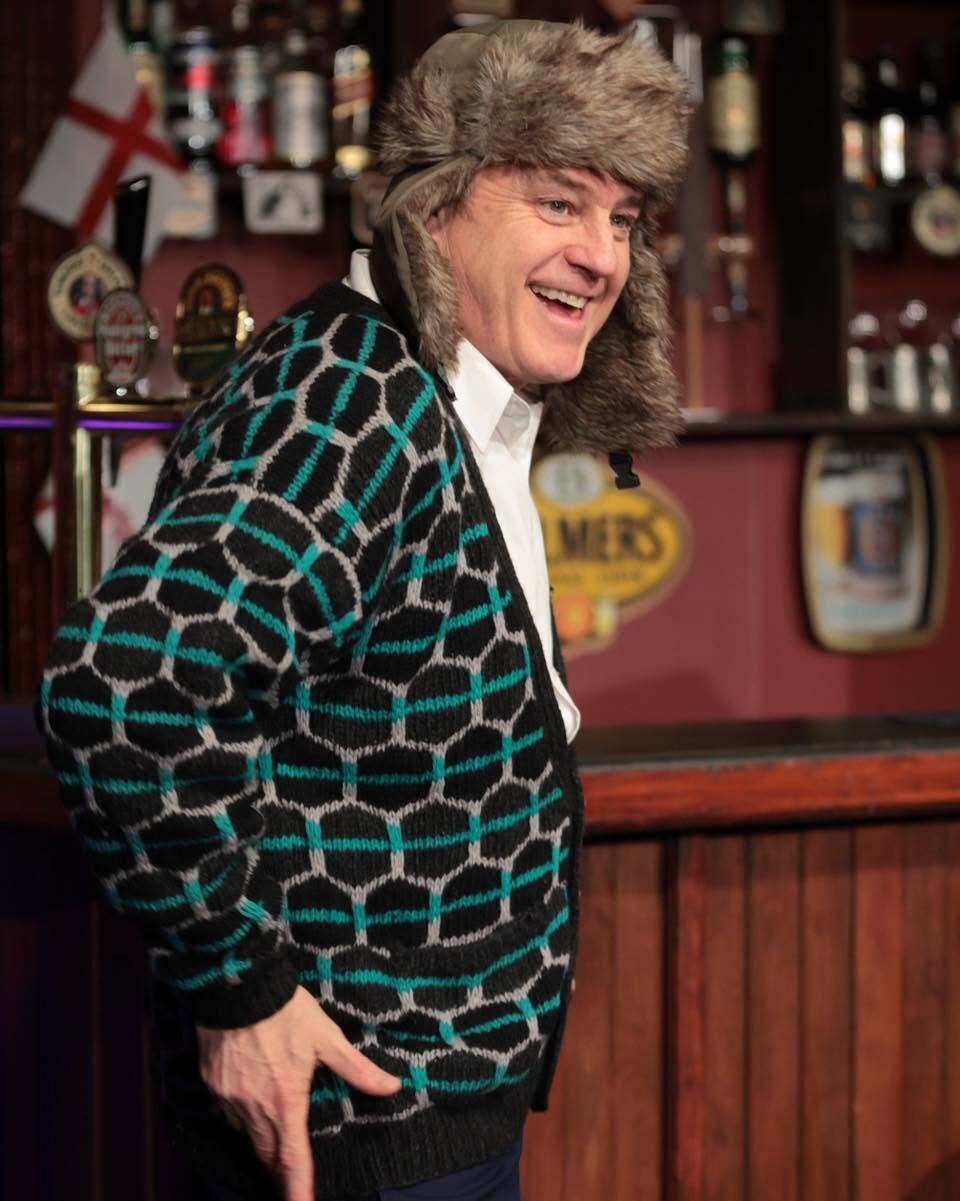
Speaking of which, the landlord, played by the very charismatic Chris Mentor, is simply mesmerising as he is so nuanced in every character he plays. From a sensitive 7 year old boy, to a damaged husband, to a widower tenderly describing his grief. And yet, his presence is unwavering and strong; remaining confident and courageous enough to tell stories that range from deeply funny to deeply broken. From his seamless performance, it is clear why Chris Mentor was cast in this demanding lead role.

As the Landlady, Angelique Pascoe is exquisite, and her energy of ferocity perfectly matched the role required to play the landlordโ€™s counterpart. Every part she played had the bite and the stacks of humour needed to play such complex female characters, many who owned difficult backgrounds and stories not for the faint-hearted. But she conquered each tale with aplomb, as if it spoke to her heart, completely.

Cartwrightโ€™s powerful play โ€˜Twoโ€™, is brilliantly directed by Natasha Boyd, who has perfected in her actors the precise bridging of comedy vs pathos needed to keep us hooked; gripping us in every scene with a spectrum of human emotion and an unbridled energy that pulls no punches. Where in a span of 80 minutes, the audience is fully immersed in a fly-on-the-wall experience of witnessing a vivid cross-section of complex characters come to life inside the closed door of a pub. Where we can bear witness to what it truly means to be human in our most challenging moments.

And lastly, I feel it fitting to mention the incredible set design crew that brought this little English pub to life. From the detailed 80โ€s lighting fixtures to the bright and jolly jukebox. From the old wooden bar and classic dartboard to the colourful wall-to-wall postered ads all in their fine 80โ€™s form. From every angle, not one detail was left out โ€” even creating a makeshift hallway with paintings off one side of the stage, bringing the aspect of pure realism to the audience, whichever way their eyes looked.

All this, was what indeed made STAGโ€™s โ€˜Twoโ€™ a dramatic experience like no other, filled with a scope of comedy, grit, storytelling and a sum of surprises - making this a winning night out at the theatre.

To book tickets to Two, please visit https://www.trybooking.com/events/landing/1528222.

Photographer: Dave Swann

Spread the word on your favourite platform!

Cleopatra & Antony

Cleopatra & Antony

Cleopatra & Antony Rating

โ˜…โ˜…โ˜…โ˜…โ˜…

Click if you liked this article

2

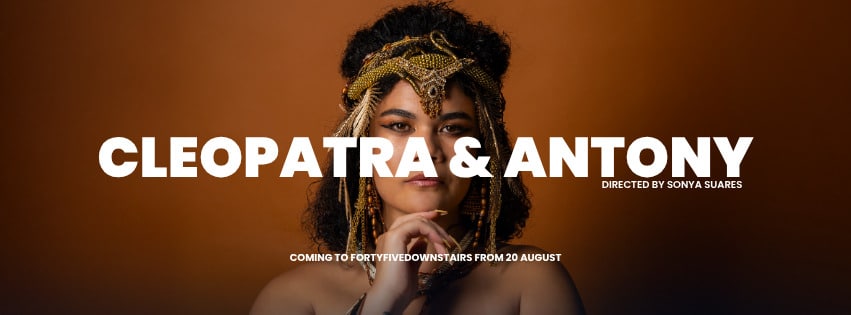
With a simple reframe, the Melbourne Shakespeare Companyโ€™s โ€˜Cleopatra & Antonyโ€™ signals a deviation from the norm long before curtains up. Shakespeareโ€™s original play centres the Roman general Mark Antony, but this production flips the script to spotlight his infamous beau, the Egyptian queen Cleopatra.

Shakespeareโ€™s โ€˜Antony & Cleopatraโ€™ follows the powerful relationship between Cleopatra and Mark Antony and their tragic demise as casualties of the crowning Roman Empire. The tragedy is one of Shakespeareโ€™s more ambitious works, notorious for its numerous scenes spanning scores of characters, relationships and locales. On paper, itโ€™s a bit of a slog, so itโ€™s the direction that makes or breaks this production.

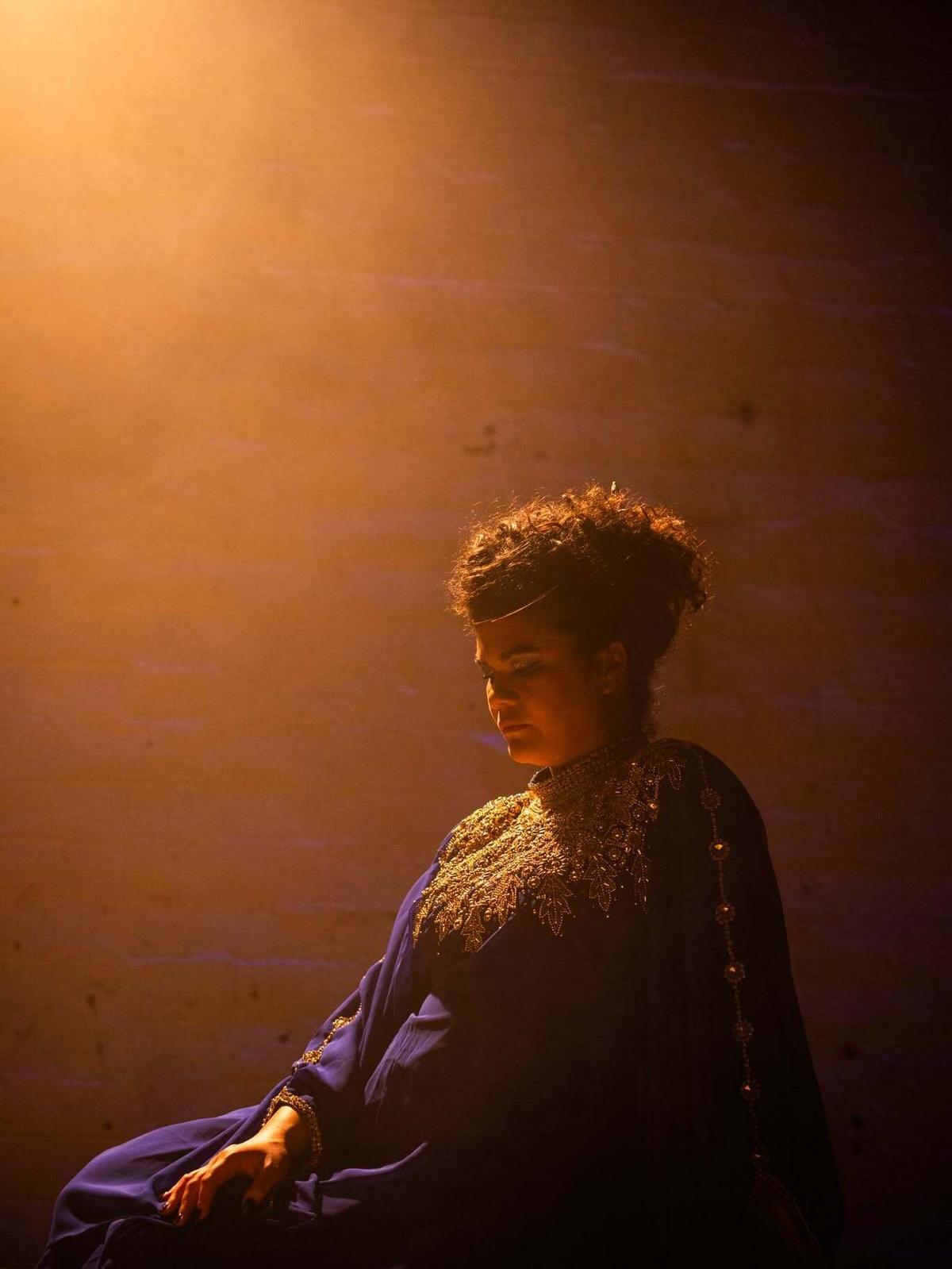
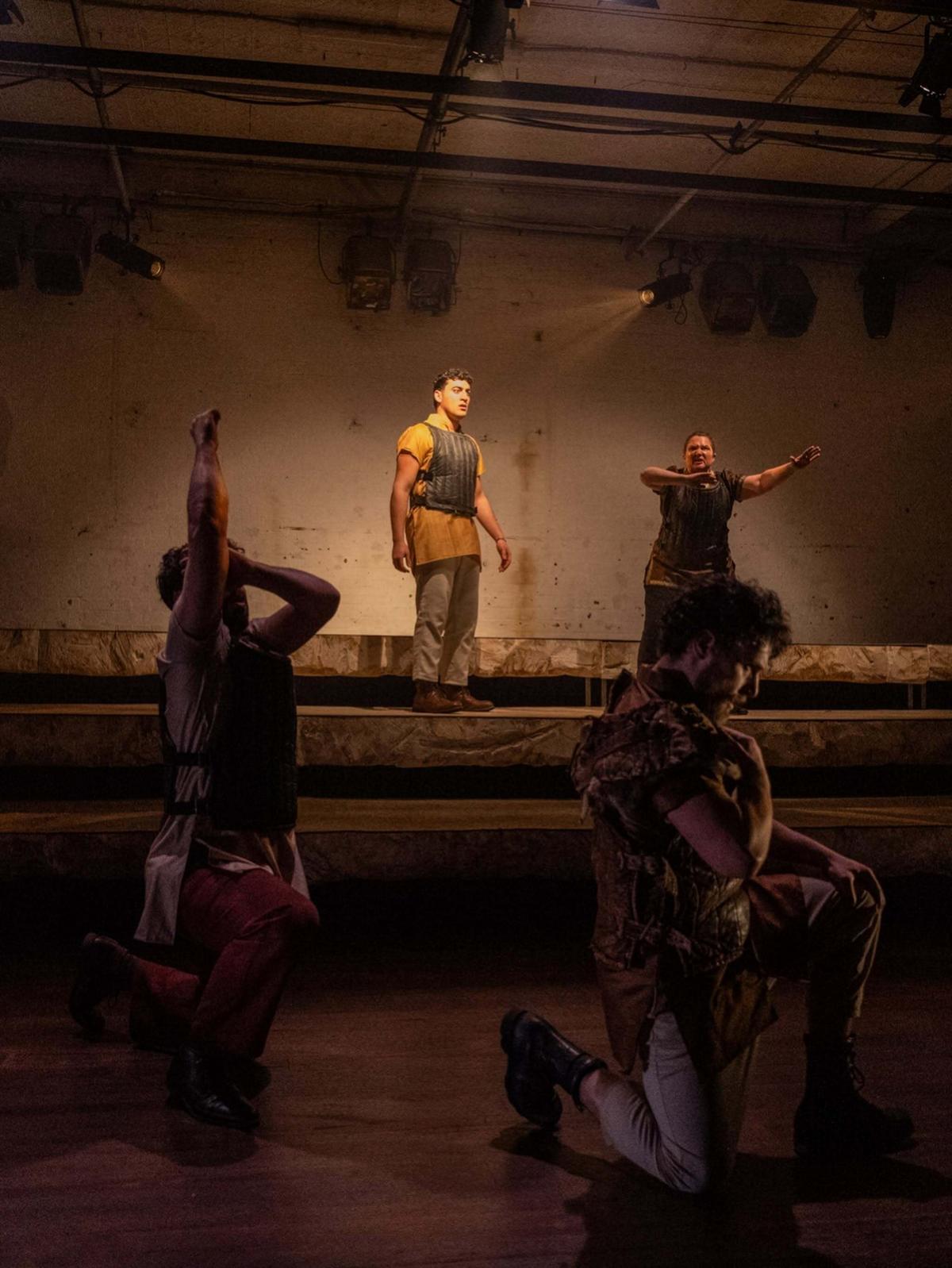
The Melbourne Shakespeare Company's adaptation sat dreamlike between traditional and contemporary. On stage, the set (designed by Eloise Kent) was pared back, with organic splays of linen, stone and smoke; pale fawns and ochres evoking a dusky Mediterranean villa.


Crazy, stupid love is the one luxury Cleopatra and Antony canโ€™t afford; their chaotic affair begets a doubly chaotic state of affairs. Sonya Suares directs โ€˜Cleopatra & Antonyโ€™ with that restless, impulsive passion which grated at times to watch, but only for its bitter truth. Thatโ€™s where tragedy lives, in the oh-so-avoidable. Weโ€™re meant to shake our heads at the foolishness of these characters because we arenโ€™t the fools in love (until we are).

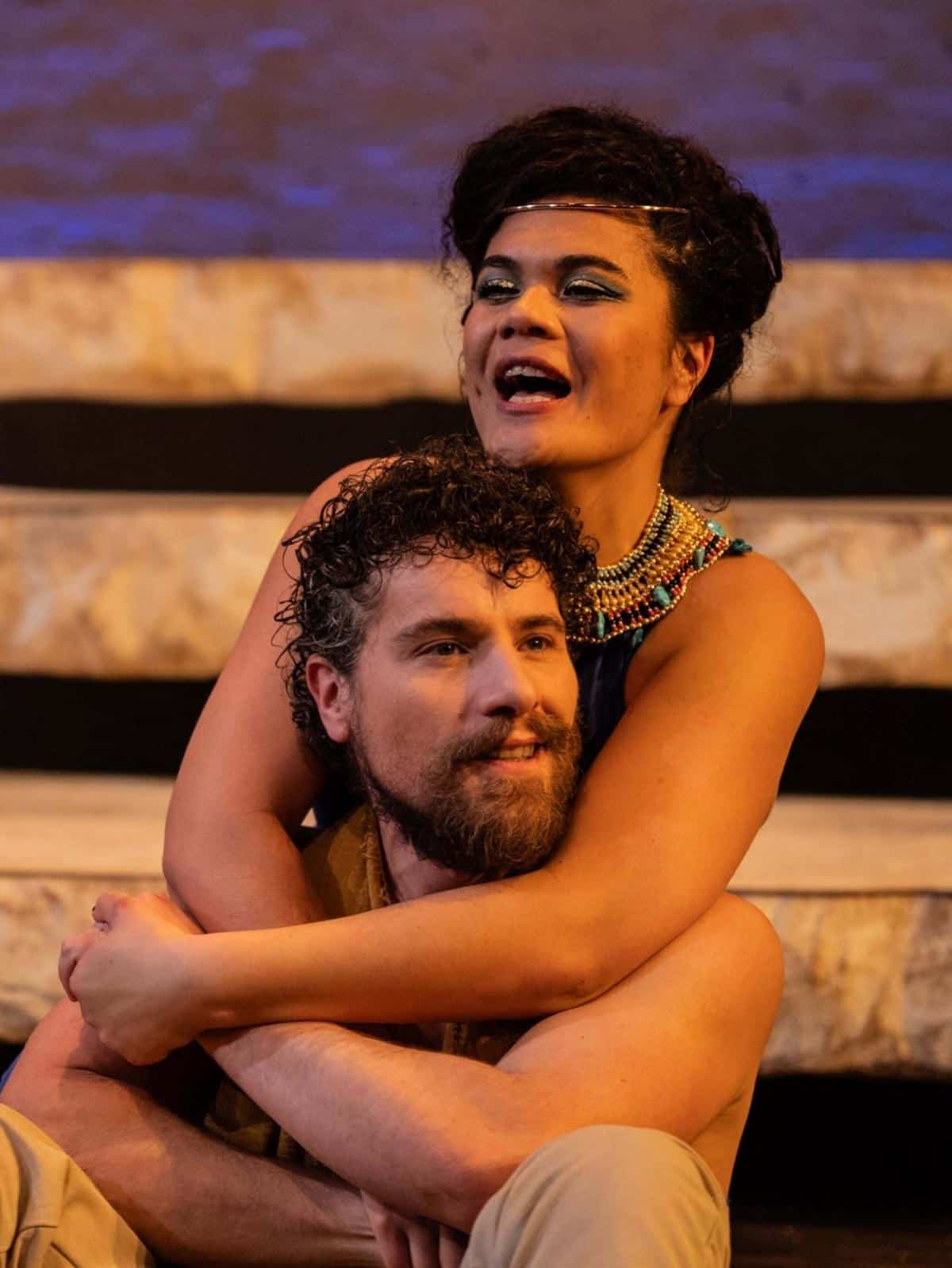
Akina Edmondโ€™s Cleopatra and Louis Lucente's Antony were forces in their own right and all the more powerful together. Intense, playful and hotblooded, the two moved as if in orbit and fed off each otherโ€™s boundless energy until their final devastating moments. Supported by strong characters from Tsungirai Wachenukaโ€™s Charmian to Jennifer Vuleticโ€™s Agrippa, Laura Iris Hillโ€™s Enobarbus and the multifaceted ensemble, the chemistry on stage was palpable.

I appreciated the intention to make the content more digestible, but Iโ€™m unsure if Charmianโ€™s metatextual narration answered this adaptationโ€™s purpose. The play stretches itself across so many histories and contexts that I wonder whatโ€”if anyโ€”method there would be to compensate for gaps in audience knowledge. For a lesser-known play, it struggles to reap the benefits of contemporary direction. Strip off the frills, let us relish in the madness.

Iโ€™m similarly undecided if anything new was added for me in the reframing of Cleopatraโ€™s role, though I will say this: thereโ€™s a power in perception and Cleopatra is one of historyโ€™s most misunderstood figures. Even if the story remained the same, the Melbourne Shakespeare Companyโ€™s adaptation extends an invitation to its audience to recontextualise a previously fixed character, wielding the transformative power of narration to ask a critical question: who is telling the story?

To book tickets to Cleopatra & Antony, please visit https://www.melbourneshakespeare.com/cleopatra-and-antony.

Spread the word on your favourite platform!

After Dinner

After Dinner

After Dinner Rating

โ˜…โ˜…โ˜…โ˜…โ˜…

Click if you liked this article

2

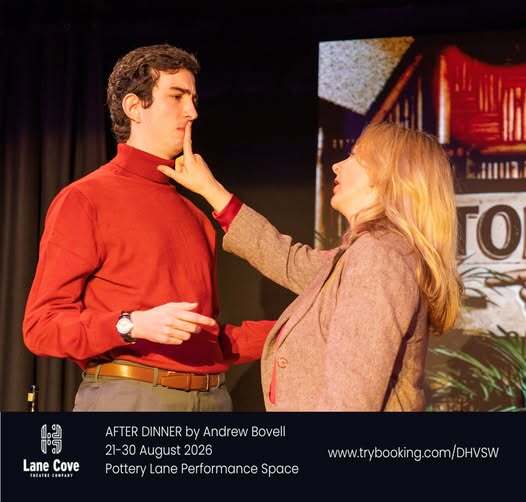
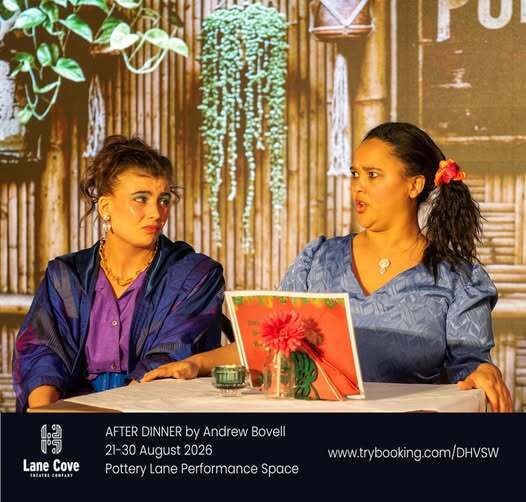
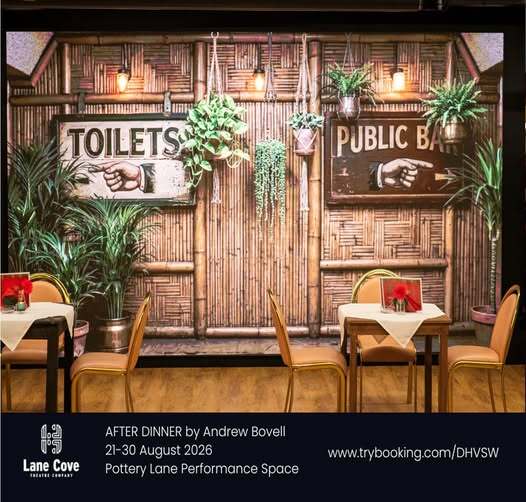
After Dinner took us back to the 1980s with decor, fashion, black stockings and not a mobile phone in sight. The scene was set in a dining/entertainment venue with apricot tablecloths and chairs with touches of gold. With echoes of the television series, Kath and Kim and a little of The Office, the cast threw themselves into a by-gone era of dancing and romancing.

The audience first meets Gordon played by Oliver Wilson. He is a world-weary and sad man in a baggy 1980s suit recently separated from his wife. As he waits for two office colleagues, two women appear at a nearby table. Dympie played by Chantal Harrison enters with a classic 1980s side ponytail and wearing a blue satin dress and stockings. Paula, played by Noa Besser, dressed in what appears to be a genuine padded 1980s ensemble in purple is Dympieโ€™s friend. Immediately it appears that Dympie is one of those people where her life is โ€˜my way or the highwayโ€™. Having no real social intelligence, she rearranges the table to suit her needs. Paula wants to be up close to the band but Dympie is having none of that and chooses a table at the back. Paula reluctantly gives in. They are absolute opposites.

Later, another colleague, Monica, played by Claire Gandy, joins as a grieving widow. At first, social etiquette tries to skirt around death with some funny moments and comments during an awkward conversation. Claire plays the role with enthusiasm and great comedic timing. We are there for her and the audience responded laughing at the intimate and embarrassing details of a mundane marriage. Her two colleagues listen in horror with Dympie shutting down the conversation only focusing on her hunger.


There are funny moments during ordering dinner as the throwback to 1980s menus and drinks is explained. All agree that they only order a carafe of white wine, either dry or not too sweet as they havenโ€™t a clue. Claire unravels at the table with Gordon overhearing the drama. He is joined by his colleague Stephen, played convincingly by Nicholas Berthold. Stephen is looking for women and is a clichรฉd 1980s banker and โ€˜womenโ€™s manโ€™. The outpouring of menโ€™s issues between Gordon and Stephen is funny and revealing and acted with suitable embarrassment regarding โ€˜menโ€™s talkโ€™.

As the evening develops, in one of the best scenes of the play, Claire Gandy portrays the most genuine, angry and frustrated woman who is all pathos and suppression, seeking answers about wasting her life. She reveals all in a hilarious authentic monologue. The men become involved and with great comedic timing we see the fumbling and bumbling of both sexes.

With 1980s music reminiscent of a pub band in the background, the third male colleague never appearing and the desperate need for any of them to pair off, the conversations are both funny and bittersweet. Not one person was scrolling, trolling or texting, it was all about the language and social comments about dating, dancing and finding love.

To book tickets to After Dinner, please visit https://lanecovetheatrecompany.com.au/.

Photographer: Jim Crew, Lane Cove Creative Photography

Spread the word on your favourite platform!

Subscribe to What's The Show

Reviews, show news and what is on, straight to your inbox.