The Rep Presents: The Other Place

The Other Place

The Other Place Rating

★★★★★

Click if you liked this article

1

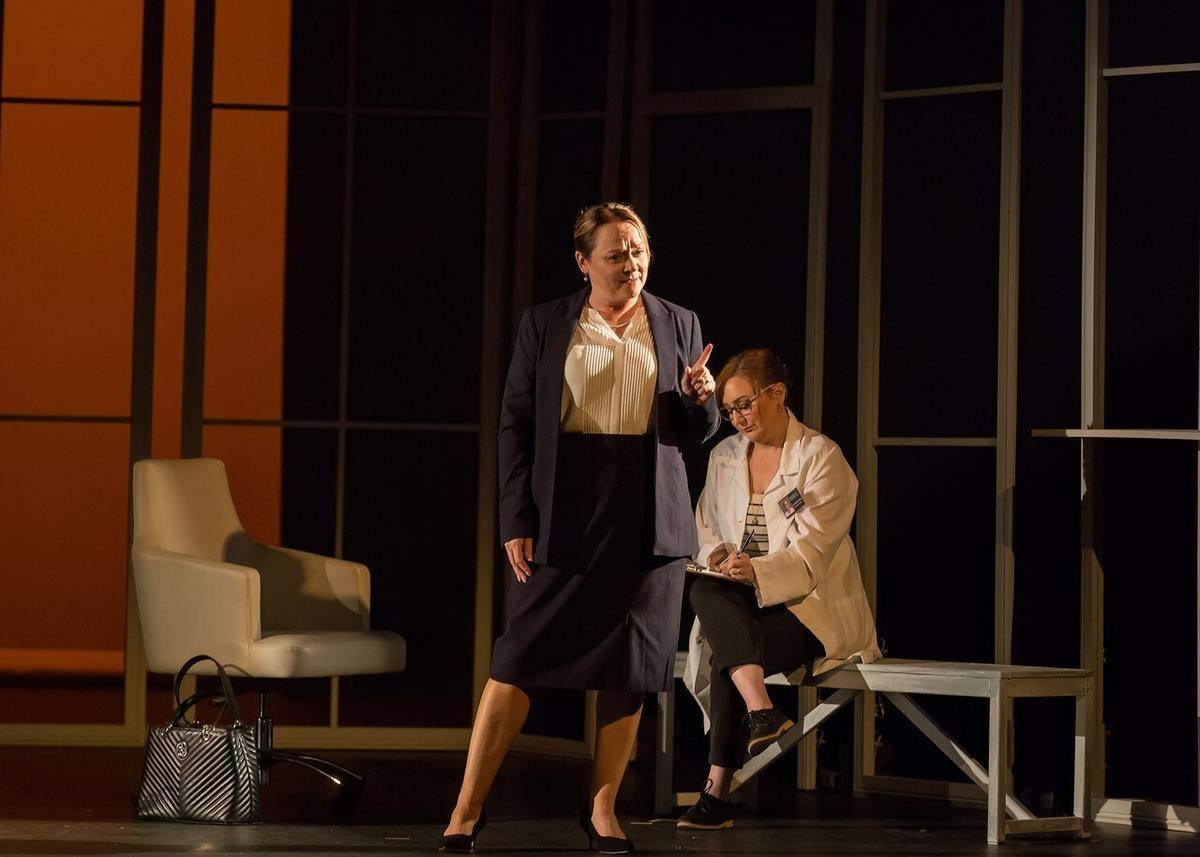
Sponsored by Dementia Australia, the Adelaide Repertory Theatre’s production of ‘The Other Place’ by Sharr White portrays an emotional journey of the impact this disease can have on the surrounding people. As Dr Juliana Smithton struggles to accept her ‘medical episode’ and unexpected diagnosis, the people around her attempt to adapt and cope with her changing moods, sudden accusations, and large gaps in memory. Told entirely from Juliana’s perspective, the unreliable narration of the play leaves the audience wondering which moments were real and which were her deluded imaginings to make sense of her reality.

Robyn Brookes performance as Juliana is consistent, not leaving the stage from the very beginning of the one act play. Brookes shows great range as her character begins calmly and almost flatly, transitioning to cruel and cocky, before plummeting to desperate vulnerability, and finishing with quiet acceptance.

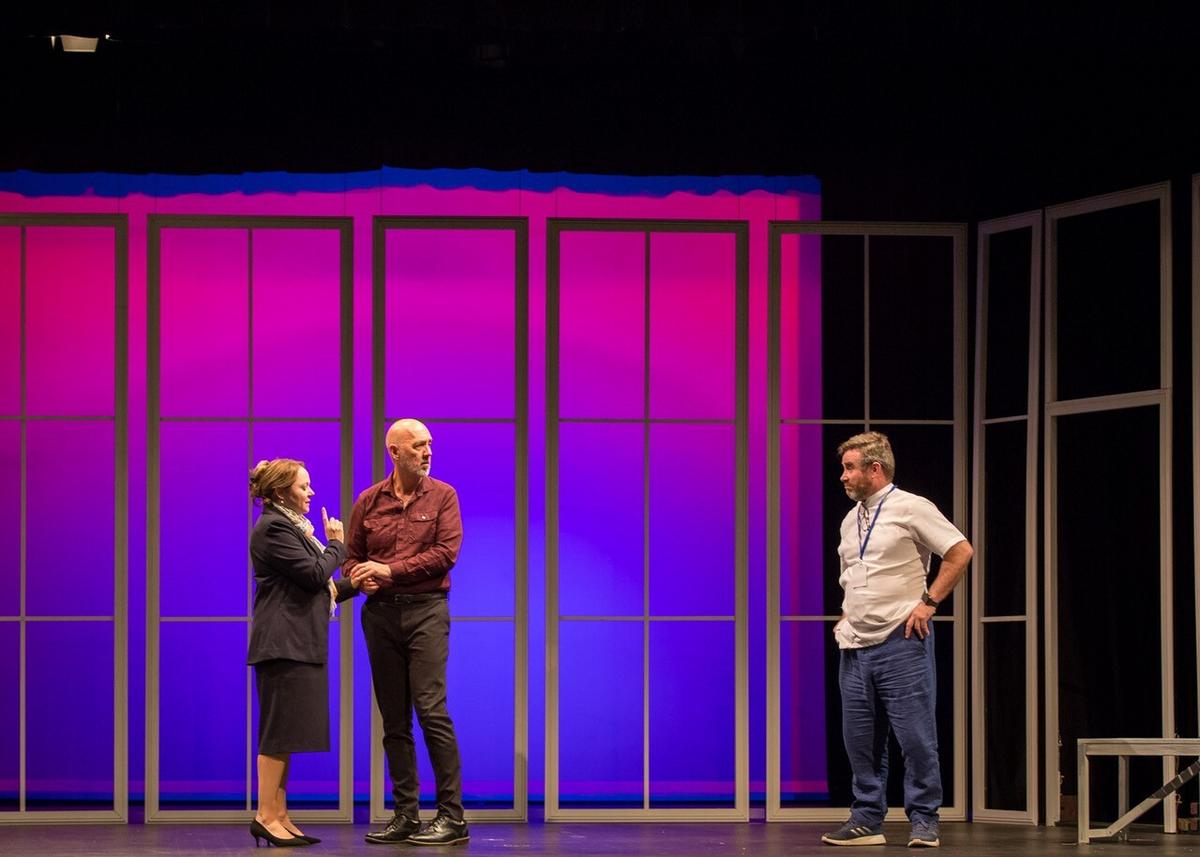
Jules’ devoted husband Ian, played by Scott Nell, displays a few beautiful moments of heartbreaking desperation as he tries to reason with his wife. However, there are times where an overuse of hand gestures and melodramatic tone hint to a lack of chemistry in this partnership. Brendan Cooney plays multiple minor characters as Man, reliably supporting his castmates with his solid stage presence and delightful diversity of characterisation. From the technician at Juliana’s presentation, to her disgraced post-Doc student, to her doctor, Cooney’s timing was great to watch.
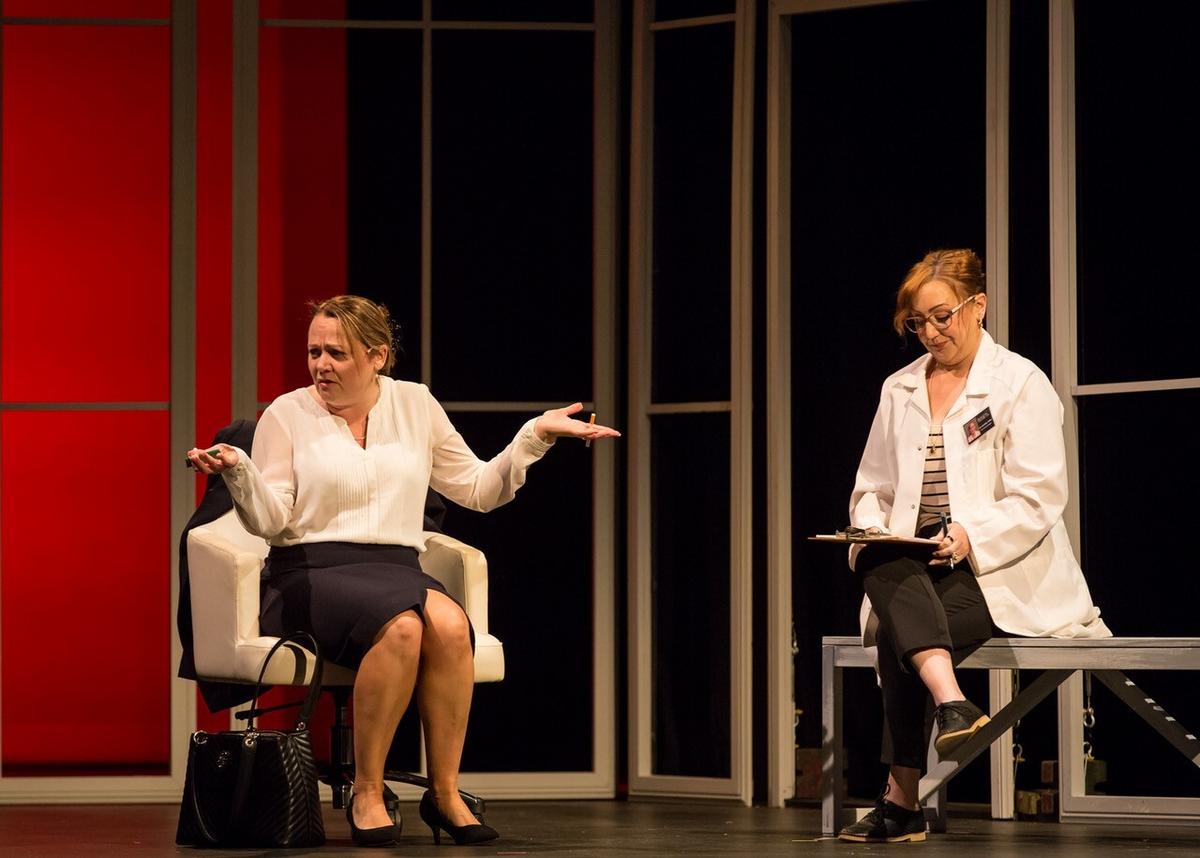
The standout performance must go to Tegan Gully-Crispe, who plays Woman, mastering a variety of characters including the Doctor, Juliana’s daughter Laurel, and the woman who now owns the other place. From her consistency and diversity in American accents, Gully-Crispe exuded a centeredness from within each of her characters that suspended disbelief, allowing the cool professionalism and warm empathy to come from the same person.

The stark minimalism of the set, reminiscent of National Theatre Live in the UK, gave way to quick changes in location within seconds, the main pieces being a rolling chair and a couple of stagnant benches on either side of the stage. White windows intersected to cut off the back of the stage to create a more enclosed space and to bring the actors closer downstage. While this was assisted with the occasional change in lighting for diversity in ambience, the back windows were underutilised in their capacity to deepen the space within some of the more isolating and projected scenes.

Basic lighting was used to imply a change in time and place, but could have also been used to more clearly differentiate the transitions between moments of reality, delusions, the past, and narration. Ominous sound cues were used initially to help those transitions, but they weren’t consistent throughout the play. Costumes were simple yet captured the essence of each character without being unnecessarily complicated. Head microphones were also used by each of the actors instead of projecting vocally.

David Sinclair’s gentle direction of this sensitive topic allows the character-driven story to highlight the fallibility of humanity and the need to support each other. While slow to start, it grows in both strength and vulnerability, encouraging the audience to reflect upon the direct and indirect impact of dementia. If you’re in the mood for some thoughtful theatre as we move into the cooler months, come along to see this beautifully bittersweet performance.

To book tickets to The Other Place, please visit https://adelaiderep.com/season-2025/the-other-place.
Spread the word on your favourite platform!

Posh: Presented At The Old Fitz

Posh

Posh Rating

★★★★★

Click if you liked this article

5

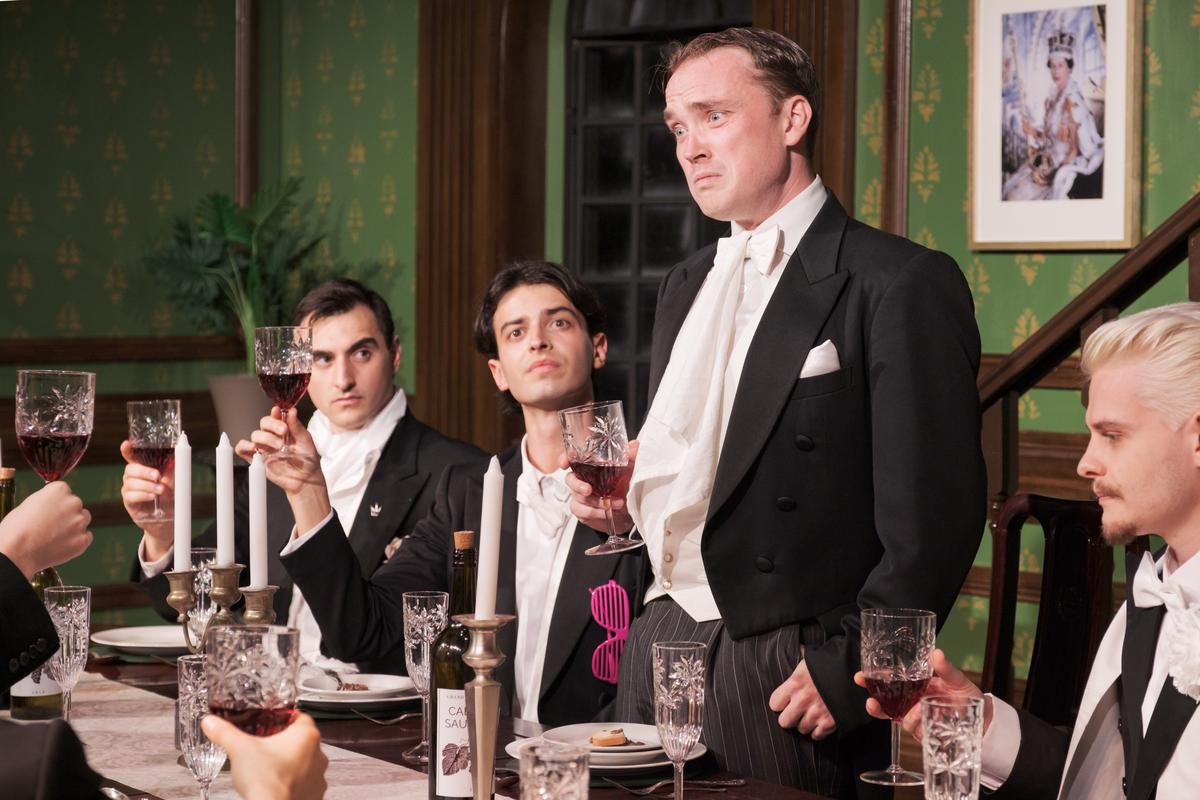
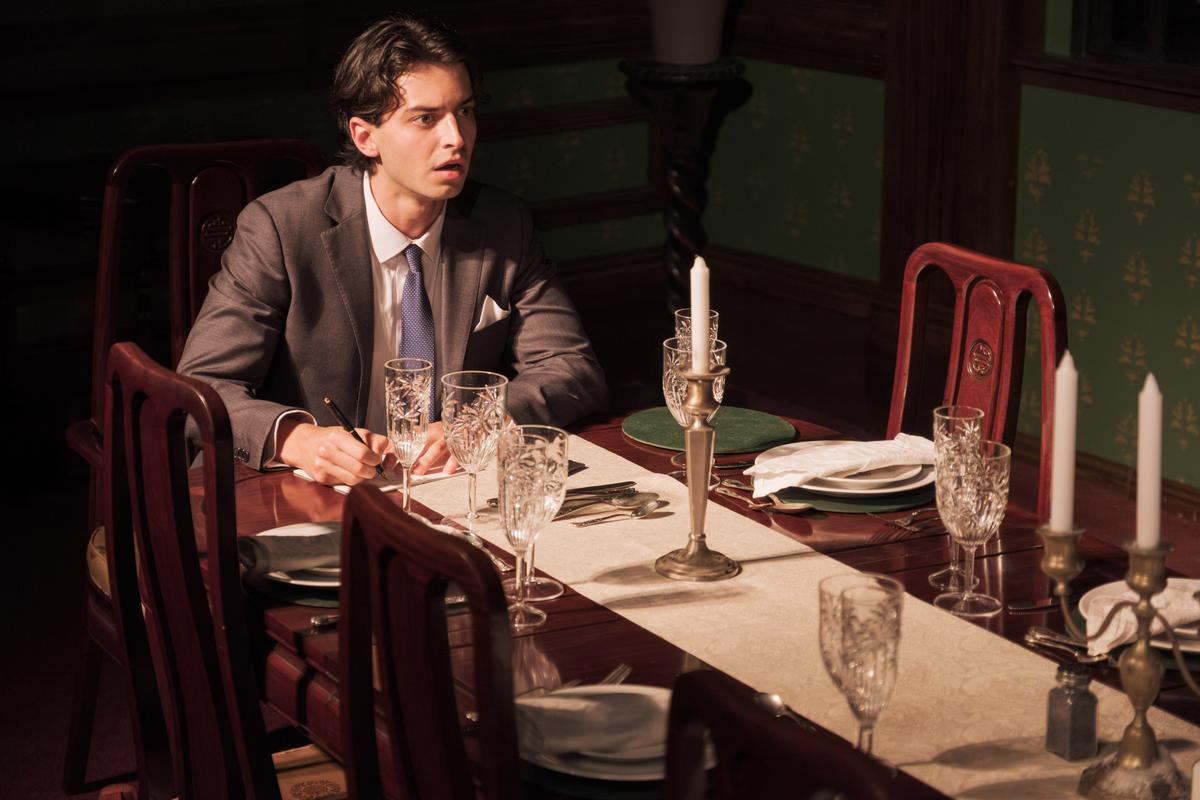
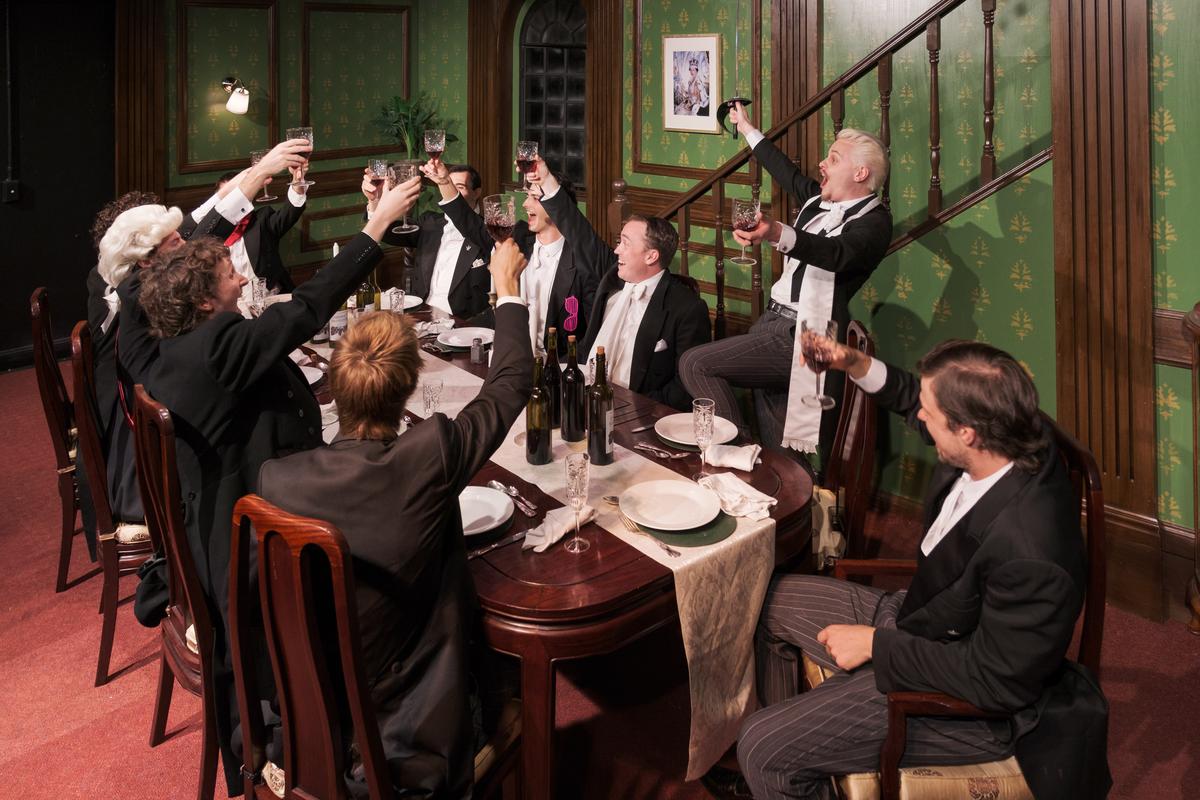
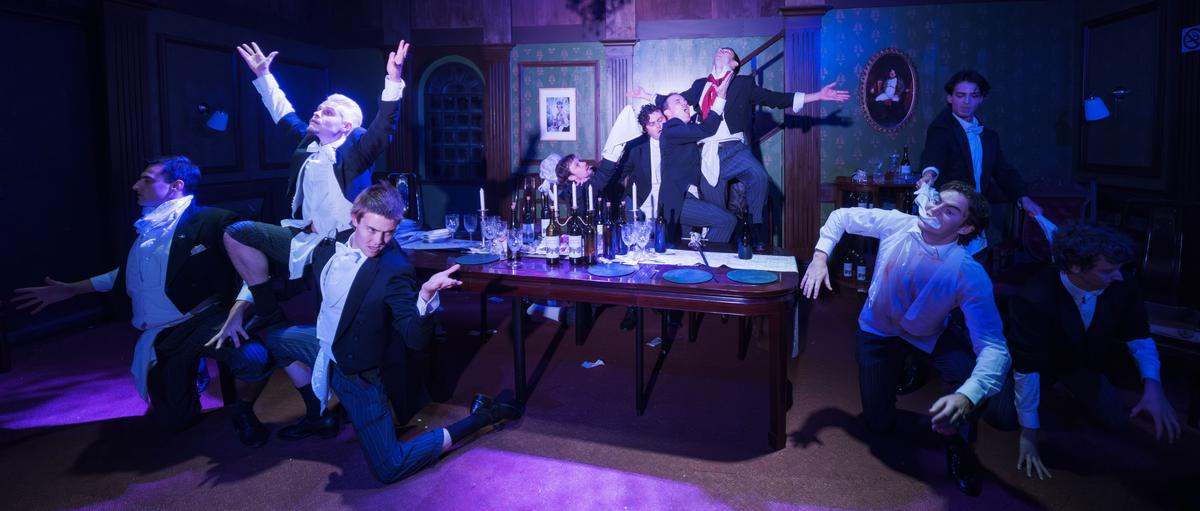
“Boys will be boys”—a phrase as old as time, and in Posh, it becomes both a celebration and a condemnation. From the moment you step into the theatre, you’re transported into the opulent, eerie calm of a private dining room in a British house. A long table is laid out for ten, gleaming with anticipation. But this isn’t any dinner party—it’s a resurrection of legacy, a night with The Riot Club.

The play, penned with sharpness and nuance, builds its tension masterfully. We wait with bated breath for the dinner to begin, as the lore of past debauchery—smashed chandeliers, demolished rooms—echoes through stories of old. This elite society of British best and brightest has long thrived on mayhem masked as tradition. But in the present, their antics have come under fire, forcing them to tread carefully. This dinner is meant to be their 'resurrection'.

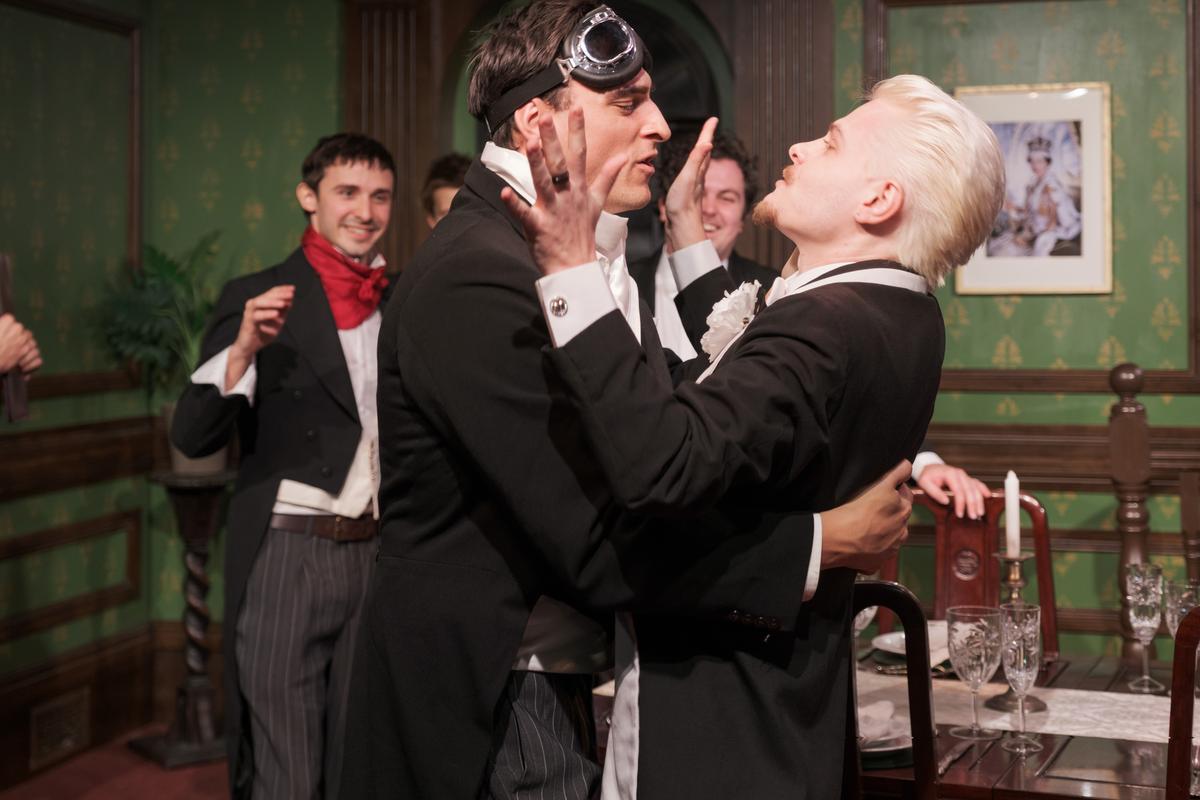
The cast is nothing short of magnetic. Each actor carves a distinct identity, from the naive newcomer brimming with excitement to finally earn his seat at the table, to the lewd over sexualised brute who arranges a prostitute as entertainment. The chemistry is palpable; the banter quick and witty. You find yourself drawn in, laughing, charmed by the absurdity, even wishing for a moment you were part of the mayhem. There’s an undeniable allure to their camaraderie—rituals that bind, jokes that exclude outsiders, a shared past that feels bigger than all of them.

But that’s where Posh truly shines—luring you into complicity before ripping away the curtain. As drinks flow and inhibitions fall, the evening spirals. A dark undercurrent emerges: a generational rage, the resentment of young aristocrats who believe they've been muted in modern Britain, where privilege is no longer applauded but looked down on. Their descent into violence is shocking yet all too believable. And when the inevitable consequences arrive, the final twist cuts deep—money shields, privilege prevails, and accountability is artfully dodged. A crime becomes a credential.

What makes Posh exhilarating is not just its pace or wit, but its layers. It’s a play that makes you laugh, then makes you uncomfortable for having laughed. It seduces, then indicts. Director and cast navigate these shifts with precision. The set design and costumes are elegant and old-world-like —a perfect metaphor for the world these boys inhabit, symbolic of the class system that has existed for generations. And the writing is as clever as it is cutting, never veering into caricature but instead painting a disturbingly real portrait of entitlement unchecked.

In a landscape where theatre often grapples with contemporary questions of identity and power, Posh stands out. With only two female characters, it doesn’t pretend to be balanced—it chooses to focus, with almost clinical scrutiny, on the male diaspora. It shows us men in their glory, their chaos, their fear, and their failure.

Posh is not just a play. It’s an invitation to the table, then a rude awakening.

To book tickets to Posh, please visit https://www.oldfitztheatre.com.au/posh.

Photographer: Robert Catto

Spread the word on your favourite platform!

Hysteria - A Thriller That Burns Through the Lies

Hysteria

Hysteria Rating

★★★★★

Click if you liked this article

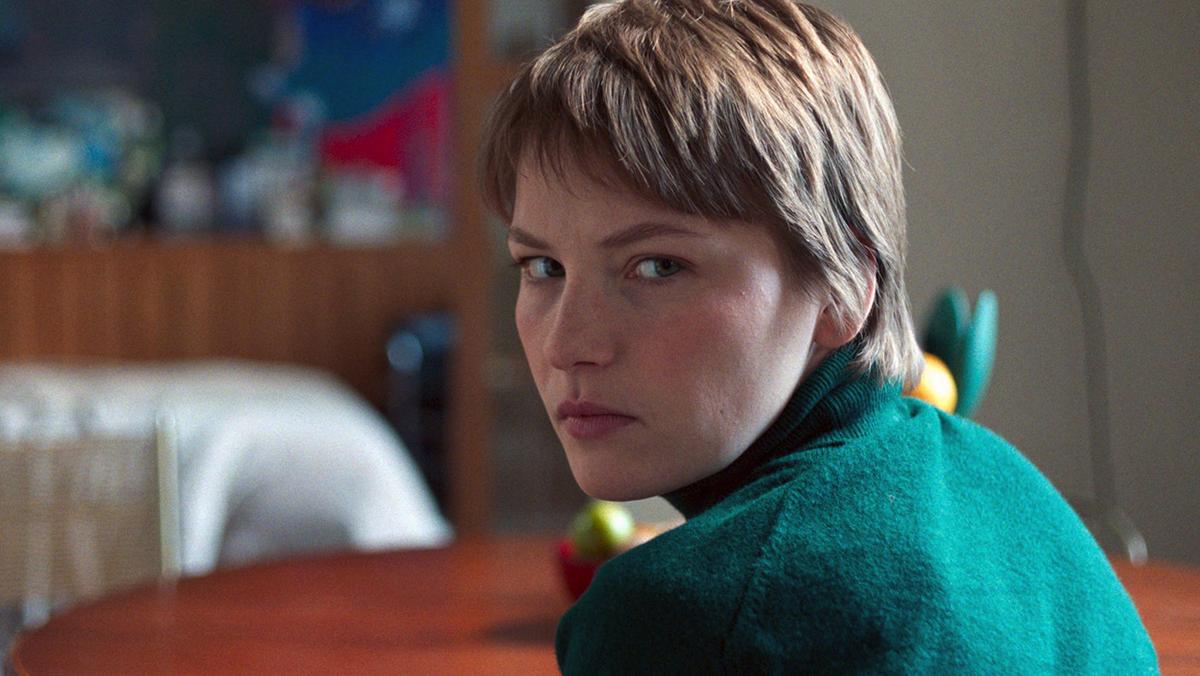
The German Film Festival previewed at Palace Cinemas with the Australian première of Mehmet Akif Büyükatalay's Hysteria. This 104-minute political thriller left the crowd hushed and visibly rattled on the way out. On a film set that unravels after a burned Quran is discovered, Hysteria is equal parts whodunnit, social essay, and psychological pressure cooker.

Büyükatalay wastes no time striking the match. When the sacred text is smouldering among the props, blame ricochets between the director, the star, a slippery producer and a van-load of asylum-seeker extras. Class, faith and power lines are drawn in seconds; alliances fray just as quickly. This film proves you don't need a big budget to create tension. The tension comes from the people, not the pyrotechnics.

One of Hysteria's thrills (and frustrations) is its refusal to hand you a neat answer. Every scene forces you to ask: whose version of events do I believe, and what does that say about me? Büyükatalay is less interested in solving the mystery than in showing how easily images of "the Other" override the human being standing before us. That makes for an unsettling watch, but it's precisely the point. Cineuropa praised the film's "important inquiry into the representation of migrant minorities", even as it noted the narrative leaves viewers "confused". Confusion about how you want the story to pan out and who turns out to be the protagonist and the antagonist.

As a 24-year-old intern, Elif Devrim Lingnau anchors the film with wide-eyed resolve that gradually hardens into fury. Refugee extra Said (Mehdi Meskar) and Director Yigit (Serkan Kaya) spar with her in tightly coiled exchanges that feel one breath away from violence. Nicolette Krebitz steals scenes as a calculating producer who knows exactly how far an image can travel once uploaded. The casting is strong, there are no weak links.

The use of close-ups in Hysteria traps the audience inside green-screen warehouses and cramped caravans. The pacing is fast; the 104 minutes fly by. Cinematographer Julian Krubasik ensures we feel connected to every character in every shot.

This film may leave you feeling cold if you love films that end all tied up neatly with a little bow. Hysteria is a must-see for viewers who relish cinema that sends them out into the foyer to debate morality, identity, and media manipulation. Behind every flame lies a darker truth.

Büyükatalay's sophomore feature doesn't just hold up a mirror; it shatters it, then asks us to pick up the shards and see which reflection we choose. Catch it while the German Film Festival programme runs nationwide, and check session times via the Palace Cinemas website. Take a friend; you'll need someone to argue with on the tram ride home.

The HSBC German Film Festival presented by Palace runs from 2 May – 21 May, in association with German Films. In 2025, the festival will showcase the best contemporary German cinema direct from major festivals in Europe, plus a selection from its German-speaking neighbours, Austria and Switzerland.

To book tickets to Hysteria, or for date and session information for any other films in the festival, please visit https://germanfilmfestival.com.au/.

Spread the word on your favourite platform!

Brown Women Comedy Performance: A Light Look at Being a Brown Woman

Brown Women Comedy

Brown Women Comedy Rating

★★★★★

Click if you liked this article

3

Deciding to be a comedian professionally is probably one of the bravest steps someone can take.

Some people are naturally funny, others are talented writers who have the skill to take a situation and focus in, give it a tweak and make it sound hilarious. From the many comedy acts I have been to, almost all comedians poke fun at their occupation in their set, and point out how poor they will be all their life. Brown Women Comedy, featuring four bold Indian and South Asian Australian comedians, did indeed broach this.

The first comedian, Niv Prakasam, extended this line of thinking and talked about her job as being someone who was simply carrying forward a family tradition, that of Generational Debt! I have heard other comedians talk about how disappointed their parents are, that they’re not a lawyer or a doctor earning the big bucks, but Niv swung this joke around with her Generational Debt take, and it was refreshing.

Niv spoke with the easy-going flow of a seasoned performer and was a wonderful opening act. I really enjoyed her stories about coming from a conservative country and how different Australia is from her home. She took this topic and brought a whole lot of different and amusing tales, some involving arranged marriages, what it means to hug, or hold eye contact with someone (that’s it, you’re now betrothed) and the audience reacted very well. Niv was able to incorporate the audience into her act, making them feel comfortable whilst talking to them.

Ramya Ranapriya followed and continued to make the audience laugh. In her set, she told stories about situations in her country. She talked about family (of course, the in-laws got a mention, but not even Grandma was spared!) and her dynamic views of the ever-changing world of becoming a mum reached the audience’s heart. Her stories from when she had a newborn and was bombarded by requests from everyone to meet her little one was relatable to many people – such as the endless stream of visitors (the quick look of the men visitors versus the delight of women visitors inhaling the scent of her baby) and was very funny. As was her take on how visitors brought money as gifts when they came – but I won’t spoil Ramya’s jokes by relating them.

Founder of Brown Women Comedy, Daizy Maan, followed Ramya. Her impressions of her friend’s friend made people laugh, and she cleverly circled back to this particular joke to close her set. Daizy told tales about her family, sharing some funny experiences ranging from her mum’s roti to awkward moments, which had the audience cringing in sympathy. One of the funny moments for me was something her mum said to one of Daizy’s friends, about her thighs! It is still quite an Asian thing for the older generation to comment about one’s weight, and this made the audience laugh.

To close the performance, Guneet Kaur came on, and brought another dimension to the show. She delivered her comedy set with a deadpan coolness, and this worked to bring out the joke’s meanings even more. Her stories about dating and being a racial chameleon were hilarious, as were some stories about dating, bisexuality and how lies can go wrong when making up a false family!

The four womens' comedy acts were all different, with each comedian bringing another side of being a woman into the show. It was an all-rounded show, incorporating sexism, feminism and racism into 2025 and the modern Aussie world. If you feel like a break from the real world, a comedy show should whisk you away. Brown Women Comedy does just this – these ladies will whisk and stir up your funny bone and imagination, at least for an hour!

Brown Women Comedy was hosted at the Lennox Theatre inside Riverside Theatres in Parramatta and is part of the Sydney Comedy Festival.

Performances: 23 – 25 April 2025
Riverside Theatres. Corner Market and 353 Church St, Parramatta
Tickets: $44
www.riversideparramatta.com.au

Spread the word on your favourite platform!

Subscribe to What's The Show

Reviews, show news and what is on, straight to your inbox.