Maori Mini Film Festival: Marahoro

Marahoro

Marahoro Rating

Click if you liked this article

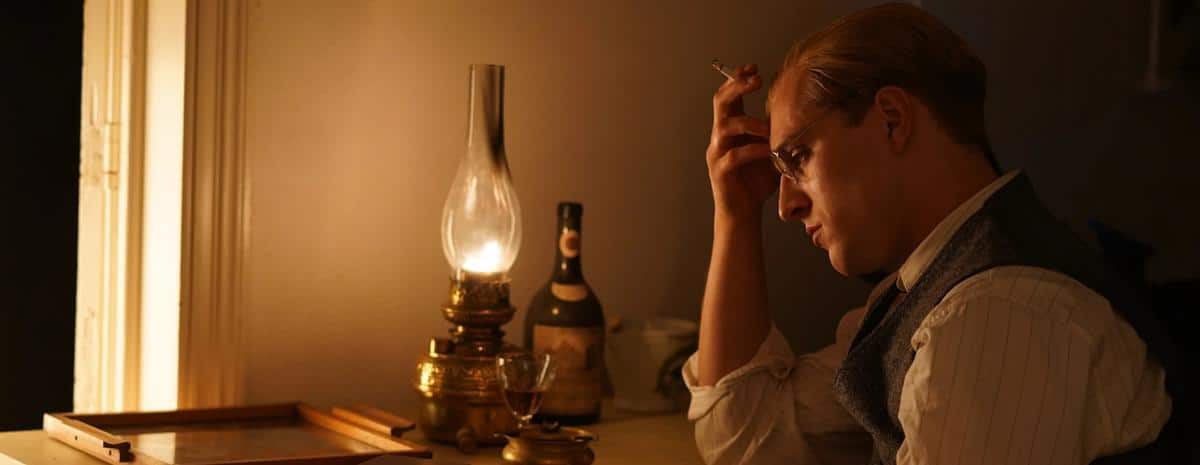
On the island of Rapa-Nui, teenager Marahoro is not only in the midst of his transition from boy to man, but embarking on an exploration of his relationship with his heritage and culture. This 2024 short-film, directed and written by Sofia Rodriguez Pizero, explores generational tensions, the conflict of duty and desire, and what it means to embrace oneself completely.

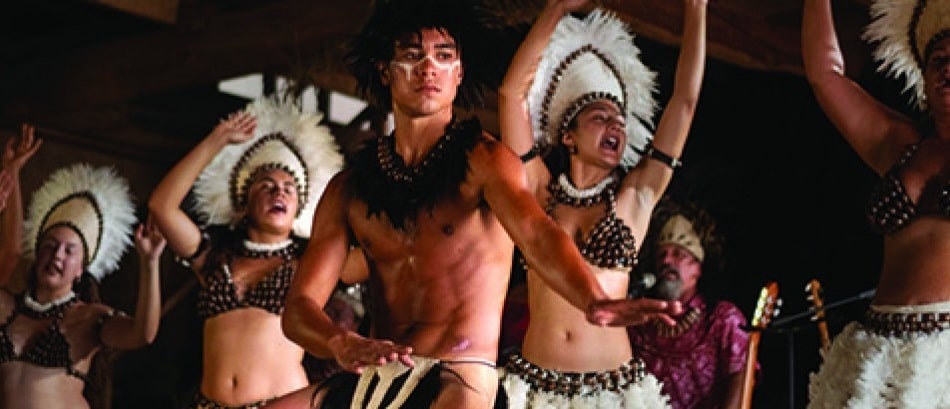
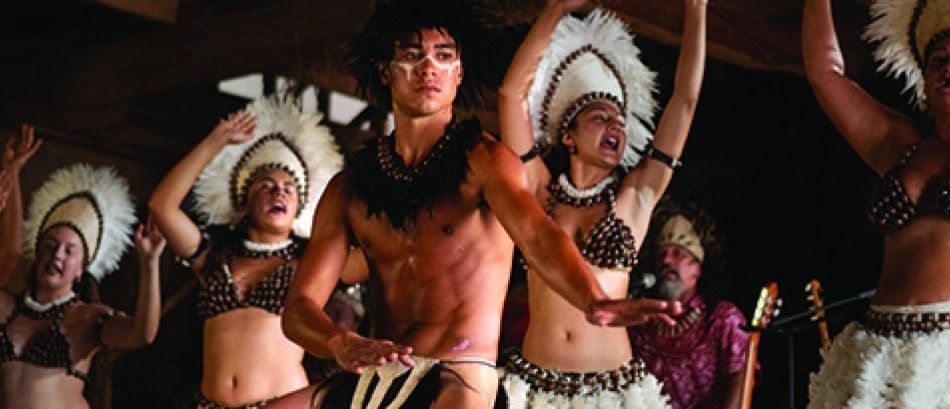
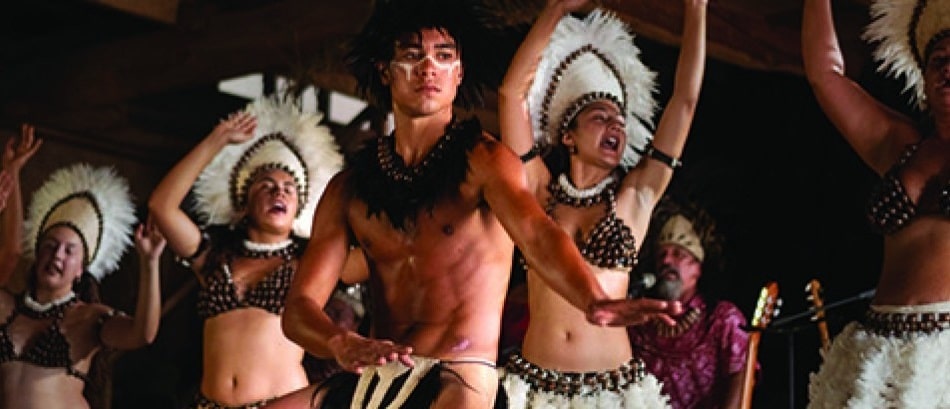
Poike Tuki Mejia stars as the film’s lead and does so much justice to the position Marahoro is in. He’s young, but craving freedom and adventure. This places him in opposition to his father Tu’umaheke, played by Aka-hanga Rapu Tuki, a cultural leader who directs the Mana Ma’ohi Ensemble (which is a real cultural performance group, for those interested in travelling to Rapa Nui to visit!).

Tu’umaheke strives for excellence. His passion and appreciation for their heritage manifest in his high demands of the ensemble. Young men exert their energy, but do not move in their dance properly. Women perfect their dances, but then fail to sing loudly enough. Even the drummers, some of them Tu’umaheke’s seniors in age, face his wrath. For all the ferocity Tu’umeheke musters, there is no doubt that he motivates his group.


But this does not come without a cost. Marahoro, a member of the ensemble, struggles with his father’s methods of cultural preservation. Whether it’s through placing stress on his dance group, demanding Marahoro spend more time practicing cultural movements, or by limiting his opportunities to see his friends, Mejia beautifully conveys the strained relationship many young men experience as they begin to question trusted, but disciplined, authority guiding them verse the ever-growing desire for autonomy, freedom and sensory pleasure.

The audience can be grateful that Marahoro offers a form of sensory pleasure as well. Pizero’s direction leads to commendable, deeply emotional acting. The working partnership between Pizero and cinematographer Fred Renata ensures that each frame of the film highlights either the intimacy of emotions in the characters, the richness and depth of cultural traditions, or the raw wonders of nature on the island. The film is clear and crisp in its camerawork, with a delightful vibrancy of colour throughout. With Mana Ma’ohi musicians and dancers taking part in the film, it’s beautiful and inspiring to witness several performances of song and dance.

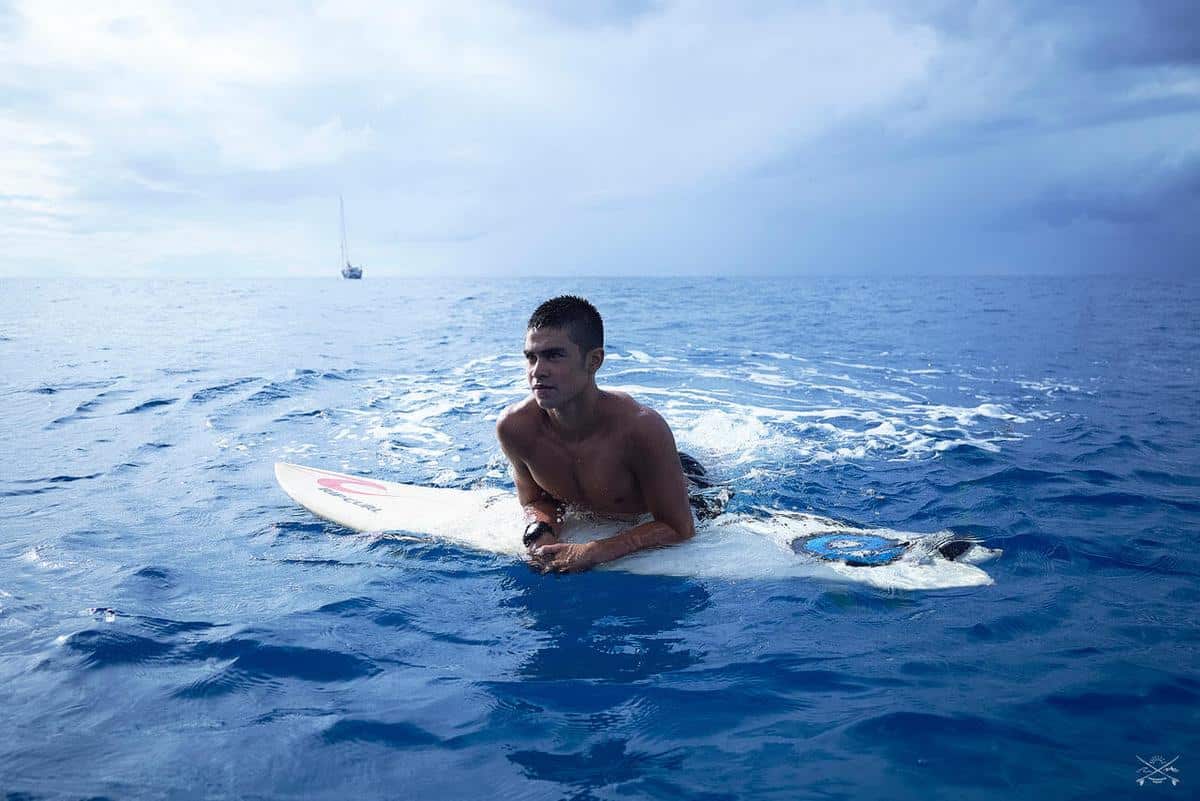
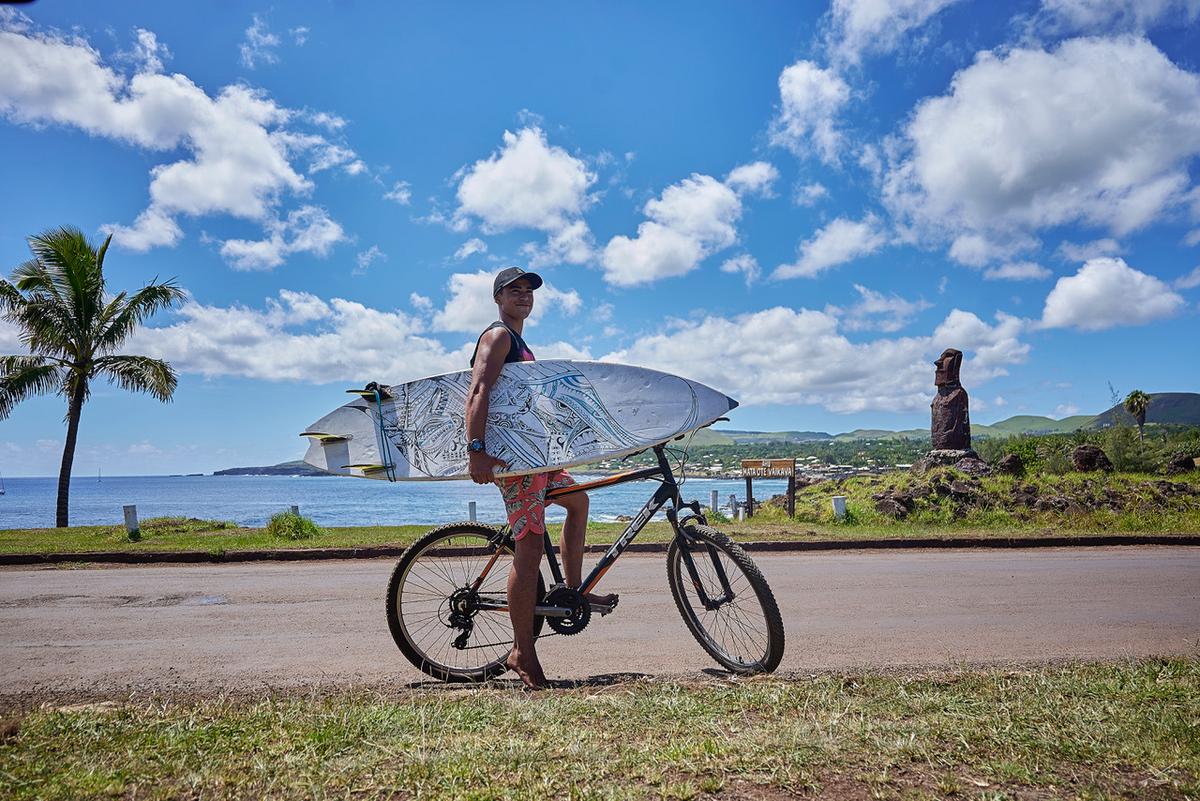
Throughout the film, Marahoro yearns to spend time with his friends. A skilled surfer, Marahoro must compromise his time with his friends and in the water to sing and dance about swimming with turtles with the cultural group under the strict supervision of his father. Marahoro’s cautious attempts to question further the conflict between him and his father. While they both have the same love for their ancestors and, deep down, are driven to preserve and share their legacy, their alternative means of doing so threaten to drive them apart.

Marahoro must learn to be a leader. But is the only way to do so by following his father, or can he find a way to balance his youthful spirit with his own admiration of the land and its people?

To book tickets to the Maori Land Mini Film Festival, please visit https://www.bunjilplace.com.au/events/maoriland-film-festival

Spread the word on your favourite platform!

Maori Mini Film Festival: A Worthy Individual

Tai

Tai Rating

Click if you liked this article

It’s quite hard to review an animated film objectively when we are so accustomed to big-budget games and movies with high-end graphics, like Pixar Shorts.

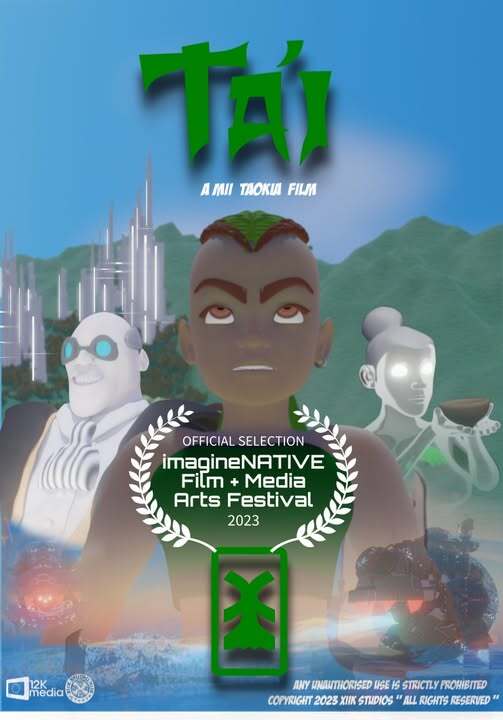
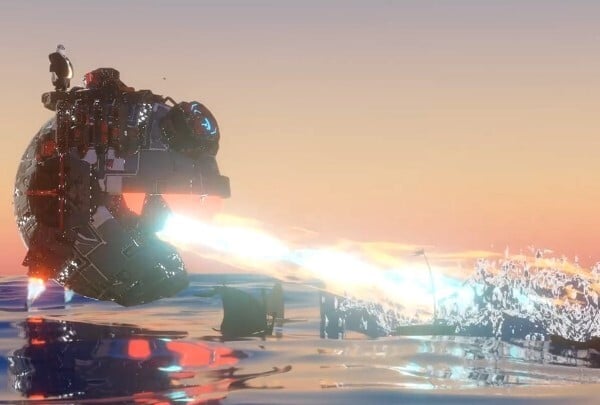
However,Ta’i is a poignant short animated film by Mii Taokia about the wanton and targeted destruction of the abundantly resourced and beautiful pacific islands by the ‘Island Eaters’ – a system of corrupt government scientists.

The pastel-hued, blurred visuals heighten the islands’ lushness and give a sense of dreamlike beauty, juxtaposed against the more sinister imagery of their oppressors. This is all underscored by a modern lo-fi soundtrack that subtly contrasts the intimate devastation.

Even the island Gods, goaded into action, are unable to stop the destruction until they combine their powers and share them with a ‘worthy individual’.

The film’s central tenet is that a place’s most valuable but overlooked resource is its people and that sometimes, they are the only way to create real change.

Indeed, an individual taking a stand for what is right and good is all that has ever effected change, and this message feels especially resonant in today’s political climate.

To book tickets to the Maori Mini Film Festival, please visit https://www.bunjilplace.com.au/events/maoriland-film-festival

Spread the word on your favourite platform!

Maori Mini Film Festival: Walking Between Worlds

Tuia Ngā Here

Tuia Ngā Here Rating

Click if you liked this article

It was a real pleasure to review this soulful short film by Ngā Aho Whakaari as part of the Maori Short Film Festival and not just because it’s so impressive to see filmmakers who can create something so beautiful, with such incredible production values, on a small budget.

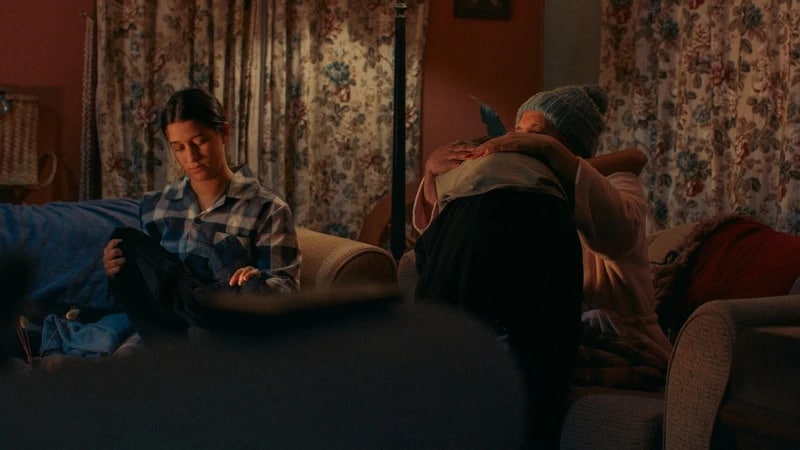
Exploring important themes of land and belonging – environmental protection, the preservation of cultural identity and intergenerational familial relationships – we are introduced to 16-year-old Hiwa who returns home from boarding school to discover her beloved grandfather, the local ‘land legend’, is seriously ill and unable to tend to the forest he has spent his life protecting.

Whilst her younger brother Pōtiki, who has clearly inherited his grandfather’s deep affinity for the ‘whenua’ (land), is determined to follow in his Korua’s footsteps, Hiwa struggles to integrate her simple, traditional values with the ‘modern’ world she inhabits at school.

Both children wrestle with the shifting dynamics in their family, and the darkly green and lush scenery is a beautiful but ominous metaphor, reflecting both Hiwa and Pōtiki’s realisations of the importance of their new roles as the next generation of guardians for the land and their family.

This film was part warning, part love letter to land and culture. As someone who has a deep connection to land myself, it was an invitation to recognise the ways in which we are called to stand as protectors for that to which we ‘belong. ‘ It’s definitely one to watch.

To book tickets to the Maori Mini Film Festival, please visit https://www.bunjilplace.com.au/events/maoriland-film-festival

Spread the word on your favourite platform!

Spit: An Australian Sequel

Spit

Spit Rating

Click if you liked this article

1

If you thought running in heels was tough, imagine running in a pair of thongs…while trying to outrun border security…on a moving baggage carousel. No need to do it yourself, though, because Johnny ‘Spit’ Spitieri absolutely nails it in this fresh Aussie flick.

In this follow-up to Aussie Action/Comedy hit Getting’ Square (2003), we get to reunite with our beloved side character & ex-heroin addict, Spit (David Wenham). Last we saw of him, Spit was stuck in the middle of trying to appease a corrupt cop, a criminal kingpin, and an agent from the Criminal Investigation Commission. Leaving them (and his crippling debt) in the dark, he faked his own death and fled to Israel to…well, as the predecessors title will tell you, get square.

Picking up 20 years later as he re-enters Australia, still rocking the women’s jeans and perhaps too laid-back attitude, Spit is now off the gear and looking to restart his life. But it seems suddenly coming back to life ruffles more than a few feathers with old associates.

Where on one foot Spit seems like perhaps the most idiotic person you could ever meet, he’s seen by people on the other foot as being a criminal mastermind. So watching the game of cat-and-mouse from both extremities, particularly in moments where they are quickly intercut together, is absolutely hilarious.

As with any great comedy, the story has a lot of heart and each character is played completely seriously, which makes daggy Spit all the more entertaining. Fear stood on end any time Chicka (Gary Sweet) graced the screen, and so much joy came from the relationships Spit made with the refugees at the Immigration Detention Centre.

The whole cast of refugees, many of whom are true refugees/offspring of immigrants themselves according to Wenham, gave a depth to the film that was hugely memorable. Particularly Arlo Green (as Jihad), who played such a beautiful soul that both saw, and brought out the heart in Johnny Spit himself.

A few scenes that hung on a little too long and minor characters that didn’t feel essential (the recast of the late-great Richard Carter, a not-so bright lawyer, and the Tik Tok dancing daughters) were easily bypassed for the joy that surrounded them. Drowned out also by the striking punk/rock soundtrack that added to the grittiness and almost nostalgic feel of the film – thanks to local Australian bands such as Frenzal Rhomb and Amyl and the Sniffers.

Many people are quick to roll their eyes at the mention of a sequel, but this one feels well-earned. With a majority of the cast and key crew returning after 22 years, you could tell that it meant a lot to them and that they felt it was essential to revisit the world.

What stood out from the first instalment was that Spit injects a lot more emotion and had some real shocks that that left a lot of people feeling elated at its conclusion. And for fans of the previous film, don’t you worry, there is still a stand-out courtroom scene and plenty of close-up thong shots to get all you Quentin Tarantino sorts excited.

Spit truly got a chance to be rubbed in and become shiny, creating easily one of the best comedies Australia has produced in a while. It is worth supporting in cinemas, and thongs crossed that we get to see more home-grown comedies like this in the near future.

Spread the word on your favourite platform!