Bushidō

Bushido

Bushido Rating

Click if you liked this article

TW: The movie represents violence, sexual references, blood and has other trigger warnings. This review will not.

Amid the blooming Sakura trees, a Samurai and his daughter are trying to make their way in the world. Cast out from their hometown, they live a poor but honest life. We see our Samurai, Kakunoshin Yanagida, teaching others to play Go, carving personalised signature stamps (hanko) and negotiating to extend the date for his already late rent. We are witnesses to his life changing its course when he intercedes on behalf of a pawn shop owner in conflict with another samurai. This pawn shop owner becomes an important player in the story as an avid Go player, and an unofficial student of Kakunoshin Yanagida, learning to be an honourable man.

The story of Kakunoshin Yanagida is a Japanese drama, set in the Edo period. The set designs are elegant, transformative, and perfectly suited for the era. The lighting has been carefully chosen for each scene, drawing the audience in with each slight shifting of mood. In a moment towards the end of the movie, we are treated to a backdrop of a breathtaking, glimmering sunset before the set morphs into a thoughtful, candlelit space. With shoji screens and doors assisting the lighting throughout, adding layers of complexity as well as being used by the characters to give the audience some insight into their inner thoughts, the space and lighting feel as though they have been created and used with care and consideration.


I will admit I am no expert on Japanese clothing, but I could tell the kimonos in Bushidō were each carefully considered for every scene. For example, if a character were feeling helpless, or as though misfortune were on their doorstep, we would see them wearing dark colours, as opposed to their previously brighter fabrics. The glimpse we get to see of women discussing their kimonos was with the utmost respect for the garment, and it was not expressively mentioned, but Kakunoshin Yanagida’s own outfits are clean and well cared for, as are his swords. Of which we only see unsheathed when it is absolutely necessary.

The camera work brings the story to life, with a variety of techniques to keep the story alive and thriving. With shaky vintage filters to represent memories, an impressive use of blurring during the scene, and some heart-wrenching still moments, the camera guides us through the story with ease. There was never a moment when I found myself feeling overwhelmed by what was on the screen, or wondering where I was supposed to be looking. My personal favourite was a sideways tracking shot, overflowing with top-quality choreography.

Kakunoshin Yanagida might be poor, but he is striving to live his life as honourably as he can, while playing Go fair and square. He is a man of great self-control, but of course what’s a movie without some conflict? When we are treated to the conflicting moments in the movie, Kakunoshin Yanagida transforms into another person, filling the screen with his presence and emotion. I won’t give away too much, but he becomes vengeance, fulfilling his destiny.

Bushidō is a tale of revenge, family, and honour. It is as intense as it is gentle, as brash as it is thoughtful, and as hateful as it is filled with love. The story is a slow burn, but once it has lit, be prepared for a rollercoaster of a journey.

To book tickets to Bushido, please visit https://japanesefilmfestival.net/film/bushido/.

Spread the word on your favourite platform!

Signorinella: Little Miss (Italian Film Festival)

Signorinella: Little Miss (Italian Film Festival)

Signorinella: Little Miss (Italian Film Festival) Rating

Click if you liked this article

6

When they began migrating to Australia pre-World War II, Italian’s were given plots of land in the harsh outback to call their own. From there, they worked hard to ensure the land would thrive, build their businesses, and their families. Even while they were labelled as a threat by Australians in 1939, they didn’t let this stop them from building the best version of their lives.

“Signorella: Little Miss” explores how Italian women have contributed to the history of Australia, from fashion to politics, food to art, and almost everything in between. With feminism as the core theme, the interviewees are charming, lively women reminiscing on their stories in Australia, and showing a resilience that can only come from having to repeatedly explain to their friends and acquaintances that good food is so much more than just a Sunday roast of potatoes and carrots.

Through the documentary, we are treated to family pictures – some of which are brought to life, and animated to show smiling faces and happy interactions – showing the lives of the young Italians while they tell their stories. Some of these women were not allowed to leave Italy without first being married, and were married by proxy, with their husbands waiting patiently for them in Australia. We are treated to a beautiful story from one interviewee deciding to come to Australia after seeing a picture of her future husband, and creating a beautiful family together.

“… sometimes destiny takes you there whether we believe it or not.”


Some viewers will find it amusing that even then, through well-written letters and years-old photographs, men were catfishing women into marriage. So not many of these proxy weddings were meant to last.

We hear not only from Italian migrants, but also from politicians, activists, magazine editors, chefs, business owners, singers, and more. The women on the screen are inspiring, well spoken, and beautifully dressed. Some chose to speak in Italian, some in English, and some a little of both, but they all share the same passion for their heritage, and their homes.

The focus for the documentary is on how Italian women have been quiet, hard-working building blocks in Australia, but we can’t ignore the stories of how they have been girl-bossing since they found their way to Australia. From keeping their families afloat while the men were taken away to internment camps, to finding themselves smack in the middle of the “man’s world” and refusing to back down, these proud women are an inspiration to everyone.

Through the documentary we are told, and shown, the Italian outlook on life: Anything is possible. And these women prove that.

“Life is most beautiful when it is diverse.” Tina Arena.

To book tickets to Signorinella: Little Miss (Italian Film Festival), please visit https://italianfilmfestival.com.au/films/iff25-signorinella-little-miss.

Spread the word on your favourite platform!

Film Review- Bonhoeffer: Pastor. Spy. Assassin.

Bonhoeffer

Bonhoeffer Rating

Click if you liked this article

3

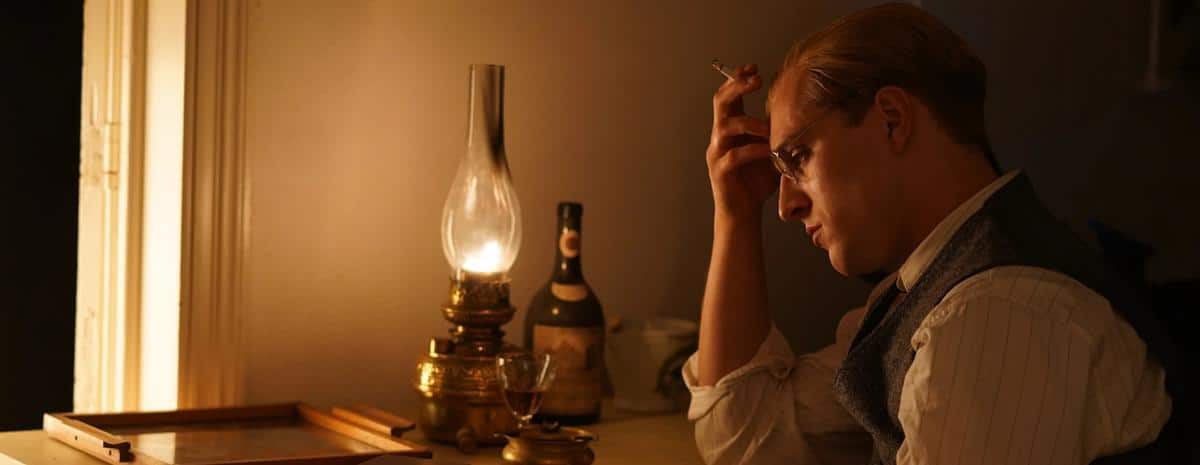
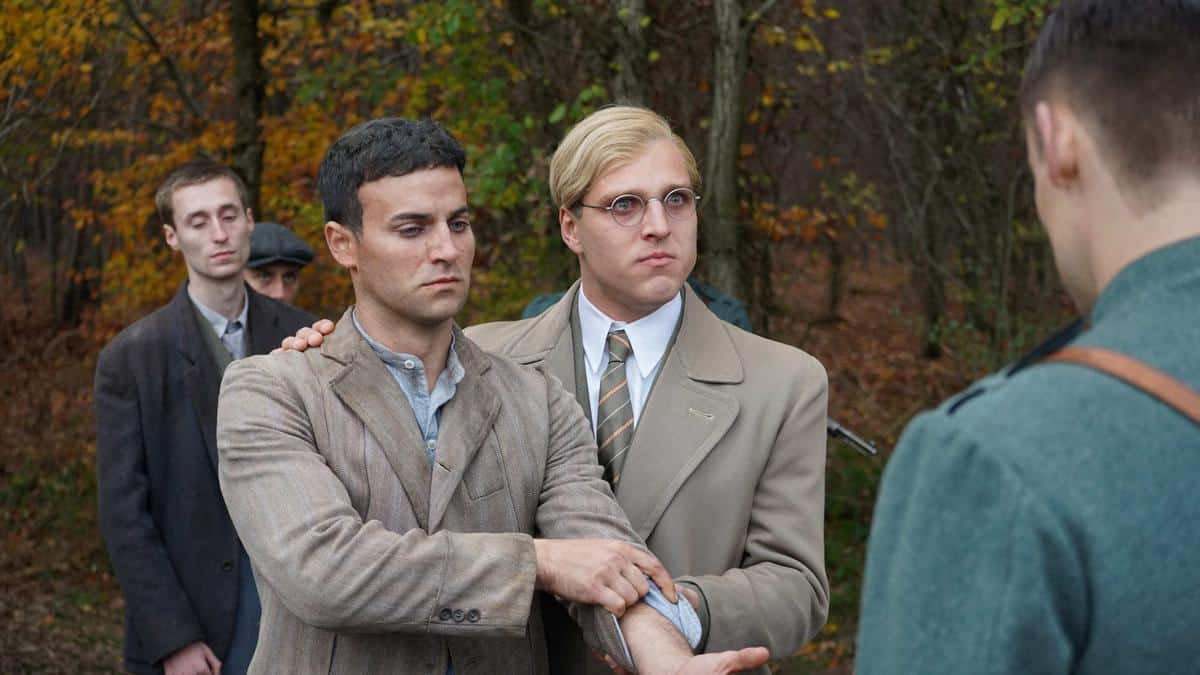
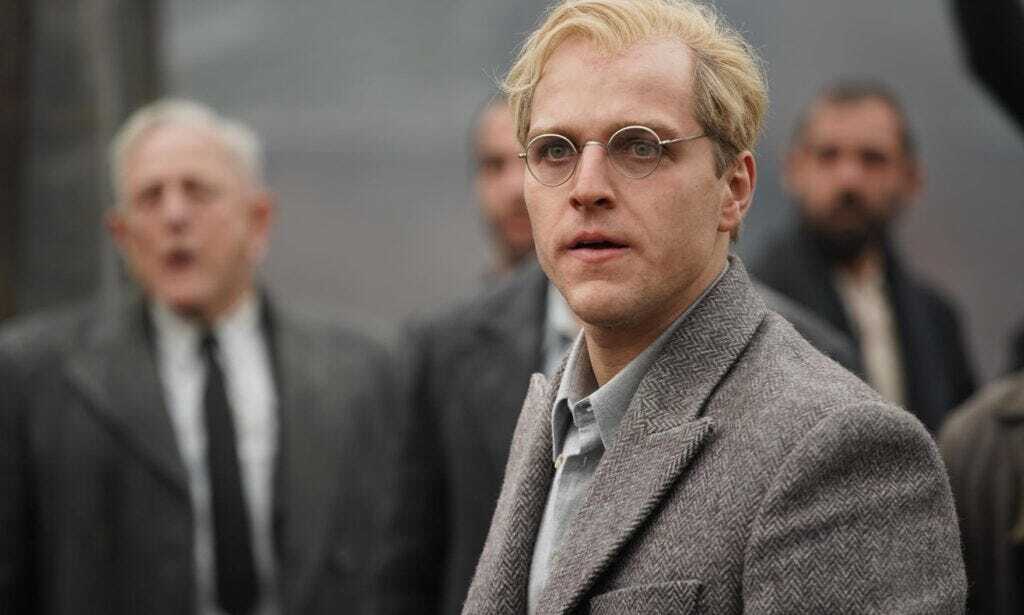
BONHOEFFER: PASTOR. SPY. ASSASSIN is not just another war movie; it is the dramatization of Dietrich Bonhoeffer’s journey as he grapples between upholding his pacifist moral convictions or joining the resistance in a plot to assassinate the Führer and save millions of Jewish lives.

A German Lutheran pastor known for his resistance to the Nazi dictatorship and his intense opposition to Adolf Hitler’s genocidal eradication of Jews, Bonhoeffer’s extraordinary human spirit in the face of adversity rises during the darkest of days despite the odds that are clearly pitted against him.

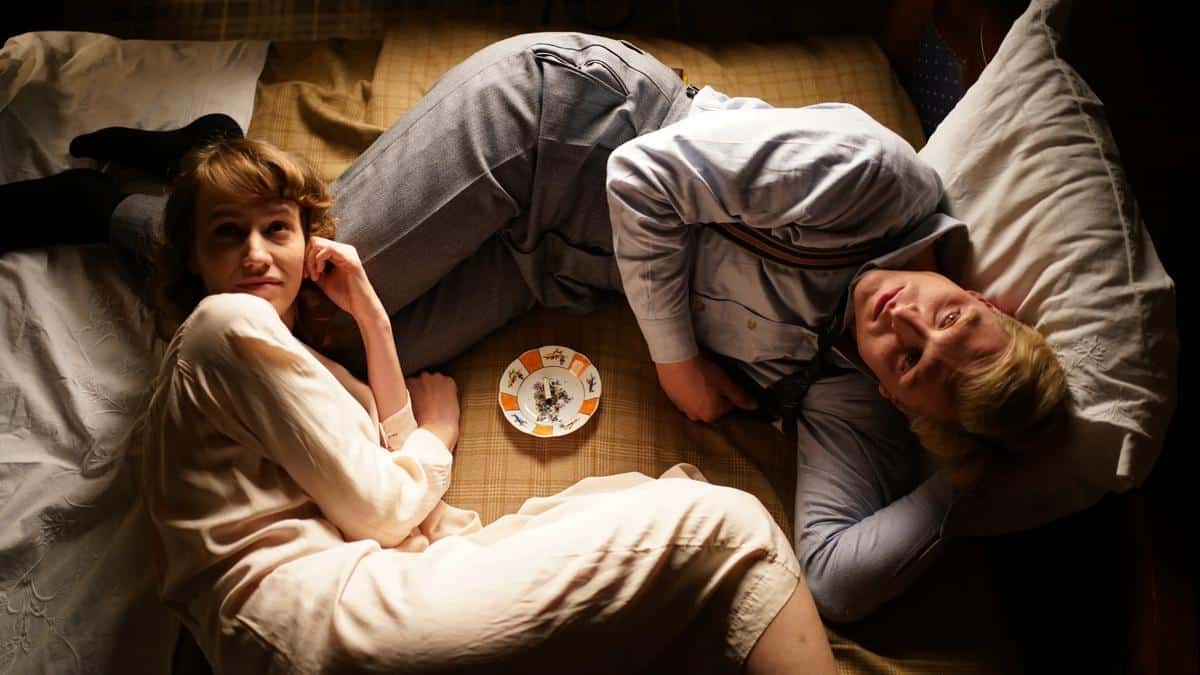
From Angel Studios, Bonhoeffer: Pastor. Spy. Assassin is written and directed by Todd Kamarnicki with Dietrich Bonhoeffer effectively represented by Jonas Dassler. This political period drama is beautiful presented with cinematic mastery visible through the creative vision of Kamarnicki. Costuming and location choices are authentic and believable as the audience is seamlessly transported back and forth between time periods.

This film is let down by some historical inaccuracy, perhaps more so by the omissions within Bonhoeffer’s story. While this does take some of the essence away from depicting the depth of his spirit, at over two hours long it does well to create impactfully dramatic moments that direct the audience toward an understanding of his loving relationship with God and family and the heart-wrenching moral and emotional conflict this man faced.

Bonhoeffer: Pastor. Spy. Assassin will be appreciated by those of Christian faith, but in saying that, those of no religion will not feel uncomfortable. Bonhoeffer’s story deserves to be told – it is respectful and reverent and well worth the investment of two hours of your time.

Tickets to Bonhoeffer will be available for purchase in 135+ cinemas nationwide through Rialto Distribution, starting March 13.

Spread the word on your favourite platform!

Let Sleeping Dogs Lie

Sleeping Dogs (2024)

Sleeping Dogs (2024) Rating

Click if you liked this article

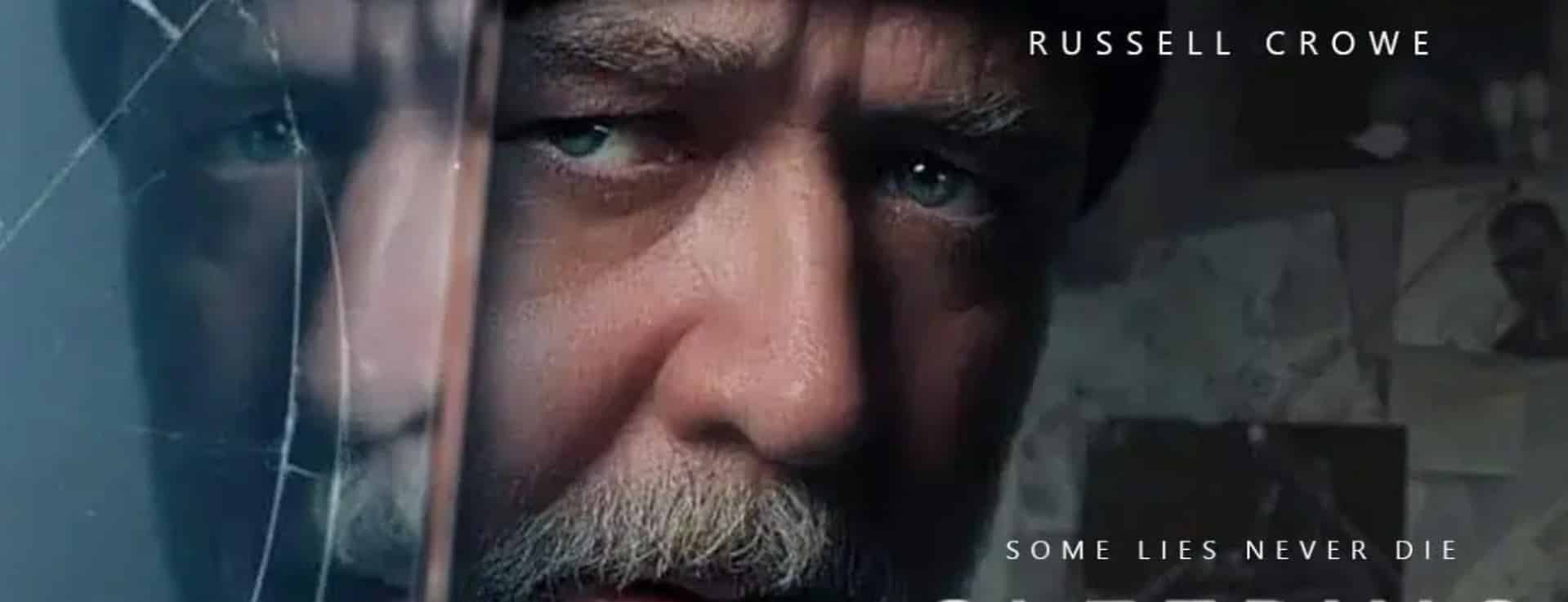
Adam Cooper’s directorial debut Sleeping Dogs tries to reckon with jealousy, power, perception, and memory but never reaches the heights of genre classics like Se7en or Memento, which are clear inspirations.

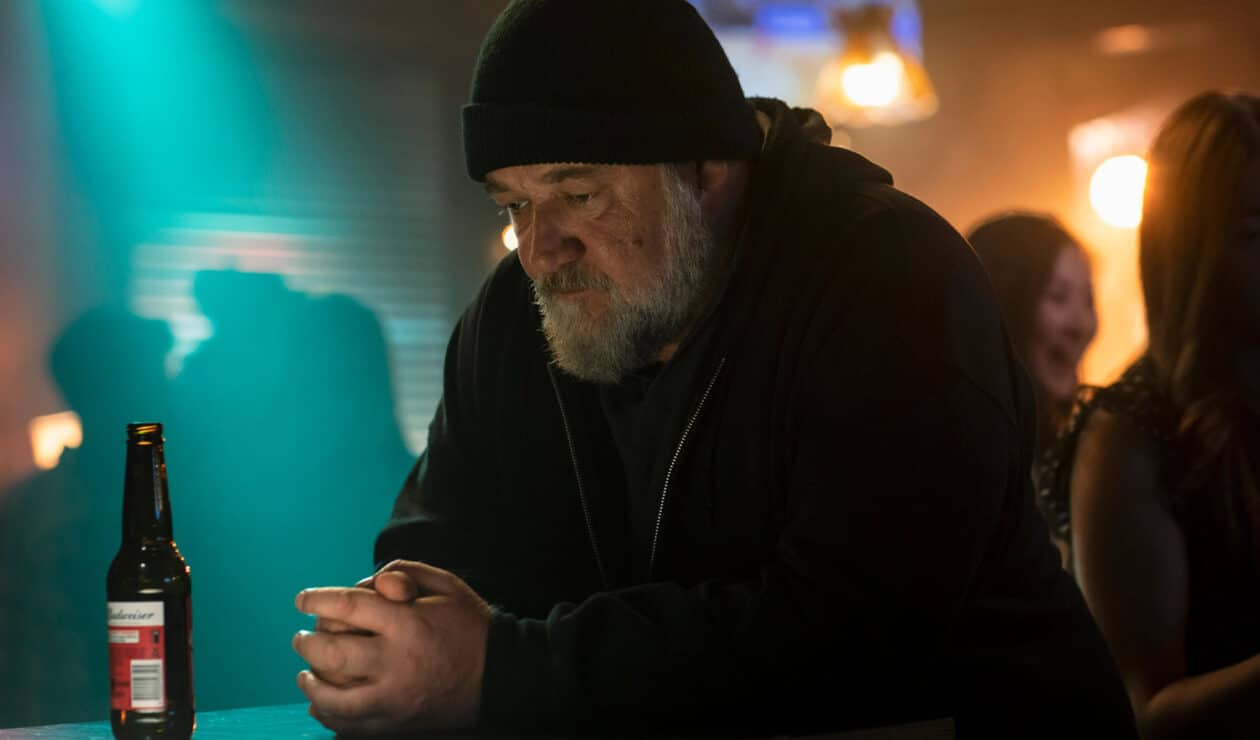
Crowe plays Roy Freeman, an almost aggressively broken man whose recent brain surgery scars dice his scalp, his home littered with masking tape with notes to himself.

It is partially a sobering drama about a broken man suffering a debilitating illness and partially a gritty crime thriller, but never enough of either to satisfy fully. The Alzheimer’s diagnosis that bookends the film is under treatment effectively enough that Freeman is able to solve enough of the mystery for the plot to move forward. Despite this, whilst the final reveal hits more with a whimper than a bang, the story has spent so long focusing elsewhere that it never built the alternatives.

Sleeping Dogs (2024)

The story takes an extended detour into a flashback based on a manuscript that tells a compelling story of the corrupting power of influence, but it struggles to translate it back into the main plot, making it no more impactful on the plot than Freeman’s diagnosis.

Where this film does shine is in tone. The almost drained composition of shots when Freeman is our focal point is starkly contrasted to the vivid manuscript flashback, as author Richard Finn reckons with his perception of the murder and his relationships with Laura Gaines (Karen Gillan), a flighty yet brilliant researcher, and Joseph Wieder (Marton Csokas), a murder victim and manipulative psychologist.

These sections are awash with colour and vibrancy, a comment as to how each of our unreliable narrators is coming to the story and how they are analysing events with their own limited knowledge. Unfortunately, this sequence is front-loaded, and we lose this contrast from that point.

There is enough to satisfy a genre fan, but viewers may be baffled by the leaps it takes to justify a conclusion that didn’t reach the heights it was aiming for.

Sleeping Dogs is now playing in cinemas starting August 1st. Catch it at a cinema near you!

Spread the word on your favourite platform!

Spread the word on your favourite platform!