Twisted Tales

Twisted Tales

Twisted Tales Rating

Click if you liked this article

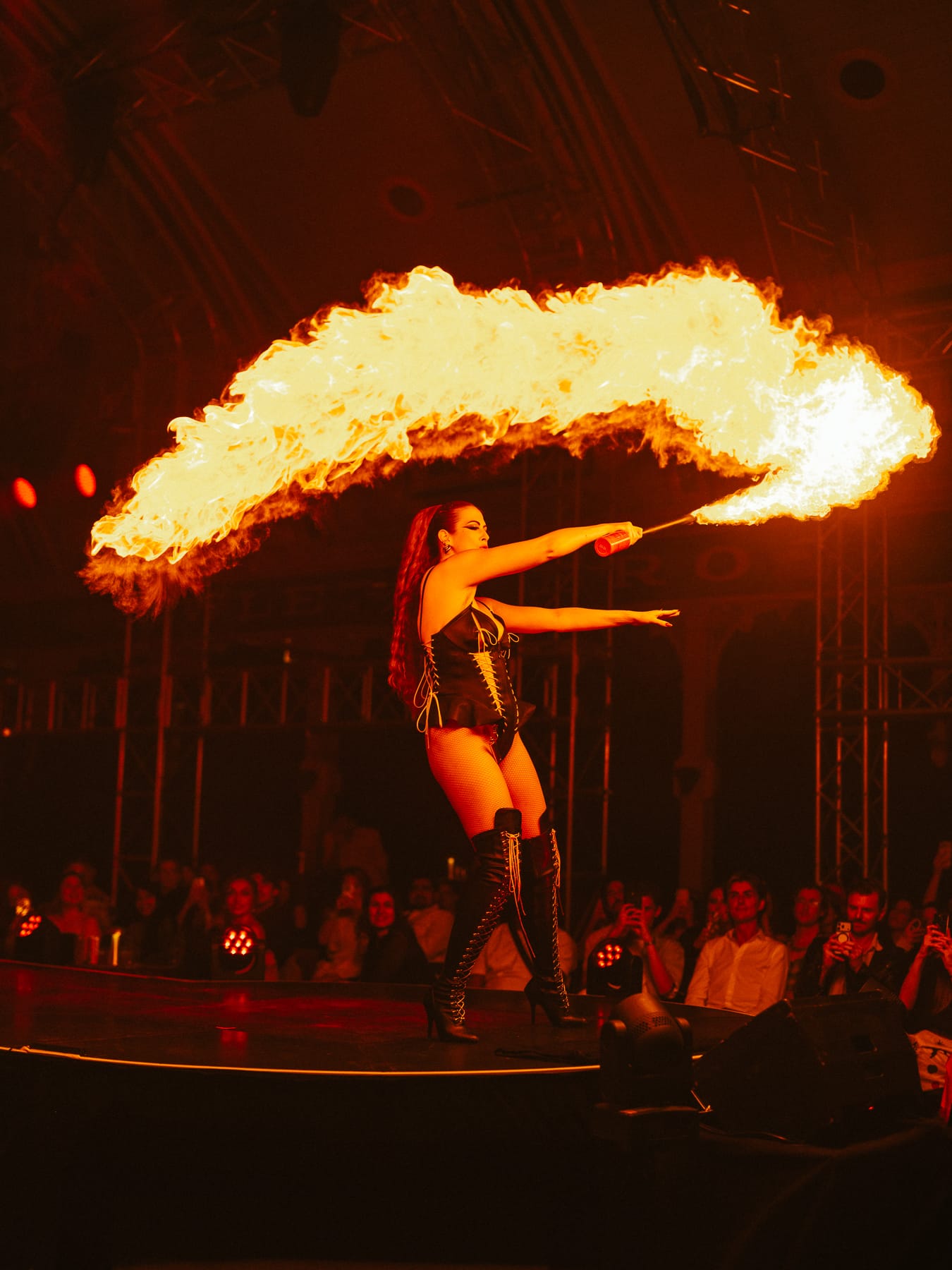
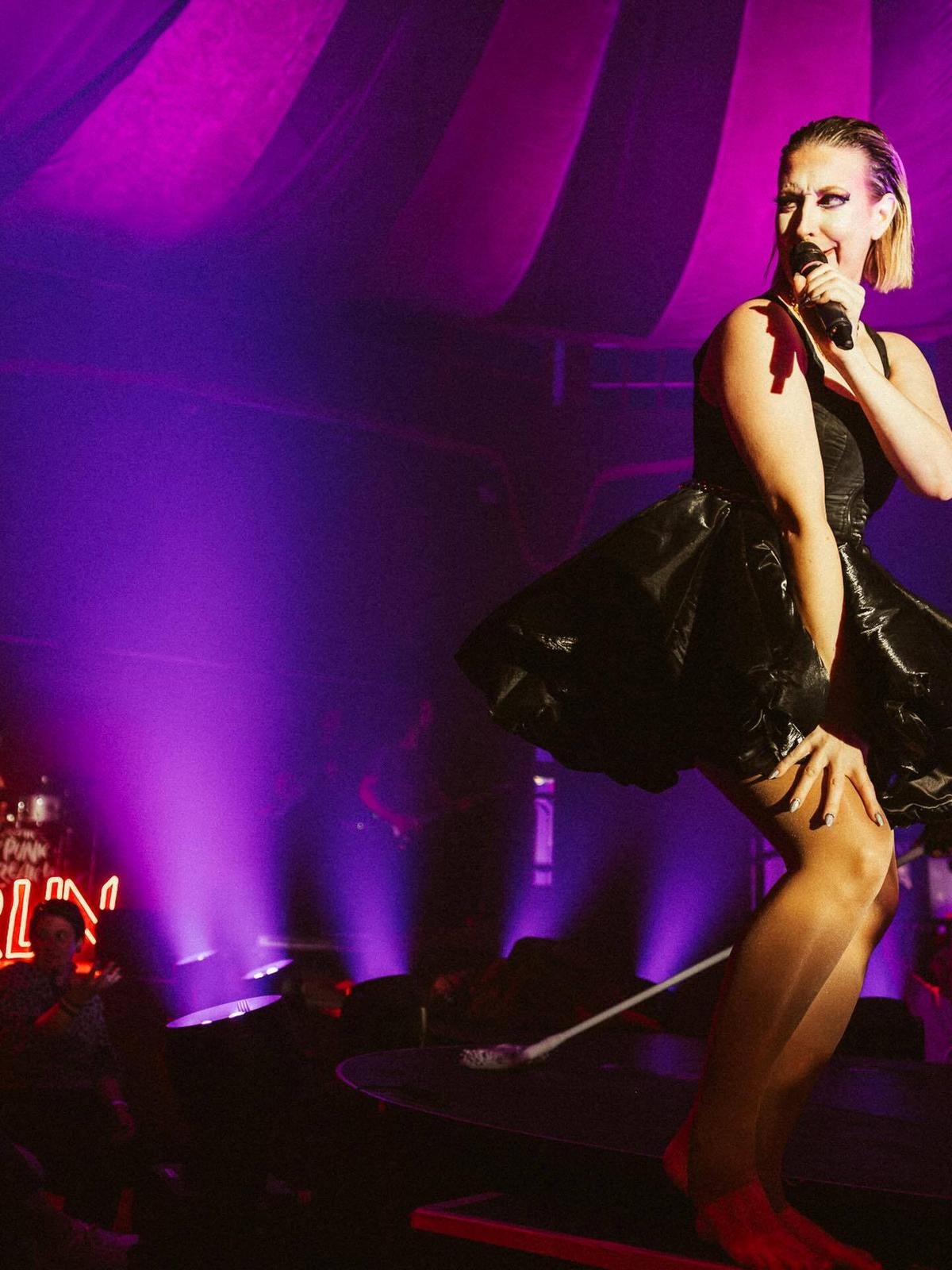
Does Jessie, the cowgirl from Toy Story 3, prefer a buzz or a woody? Could Elphaba and Galinda actually be lesbian lovers, and who says that Ursula is a villain, especially when she holds a legally binding contract! She’s just misunderstood. These questions and more are explored in Twisted Tales, the extremely NOT child-friendly cabaret show at the Sydney Fringe Festival, fresh from their success in Adelaide.

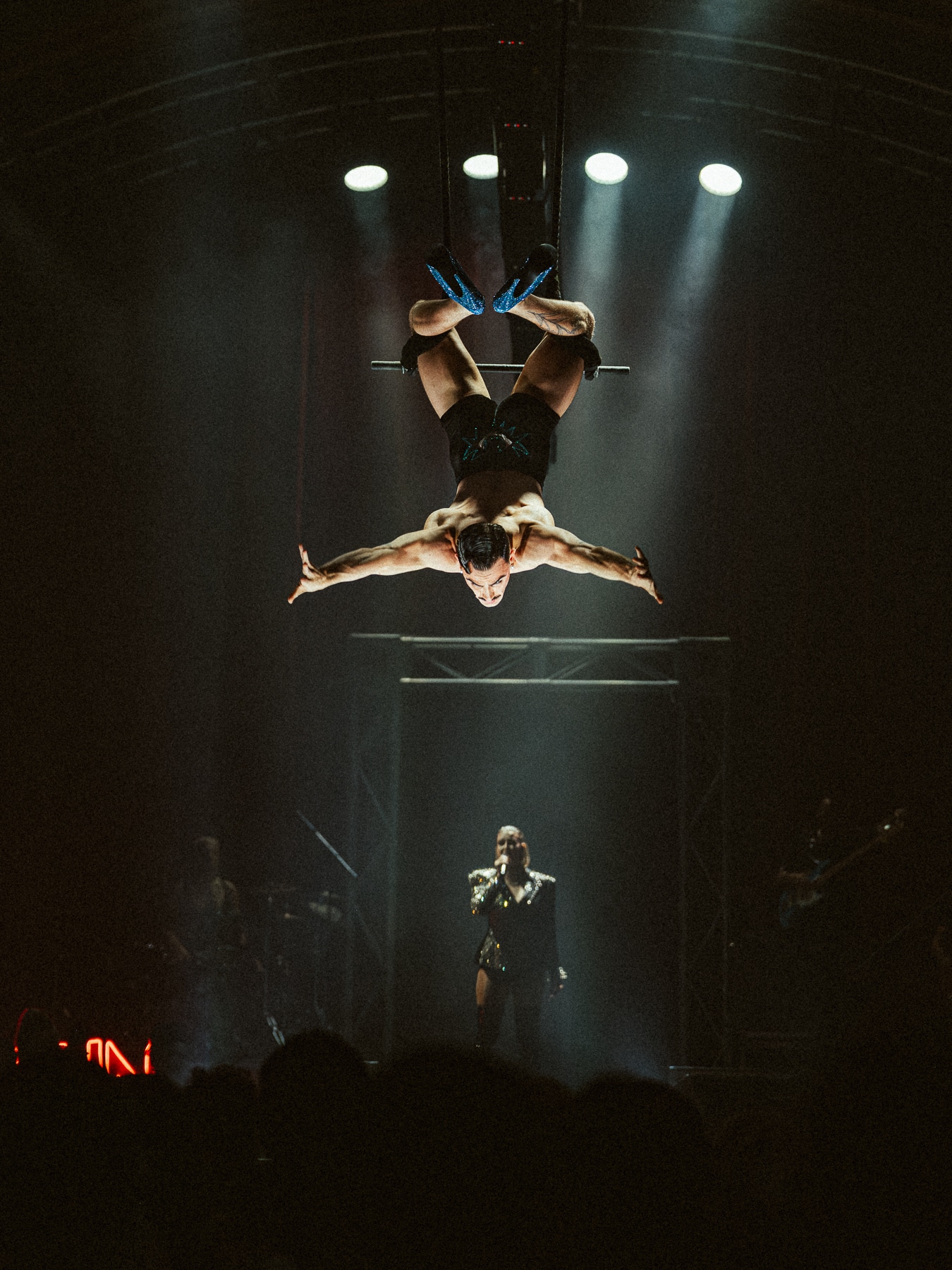
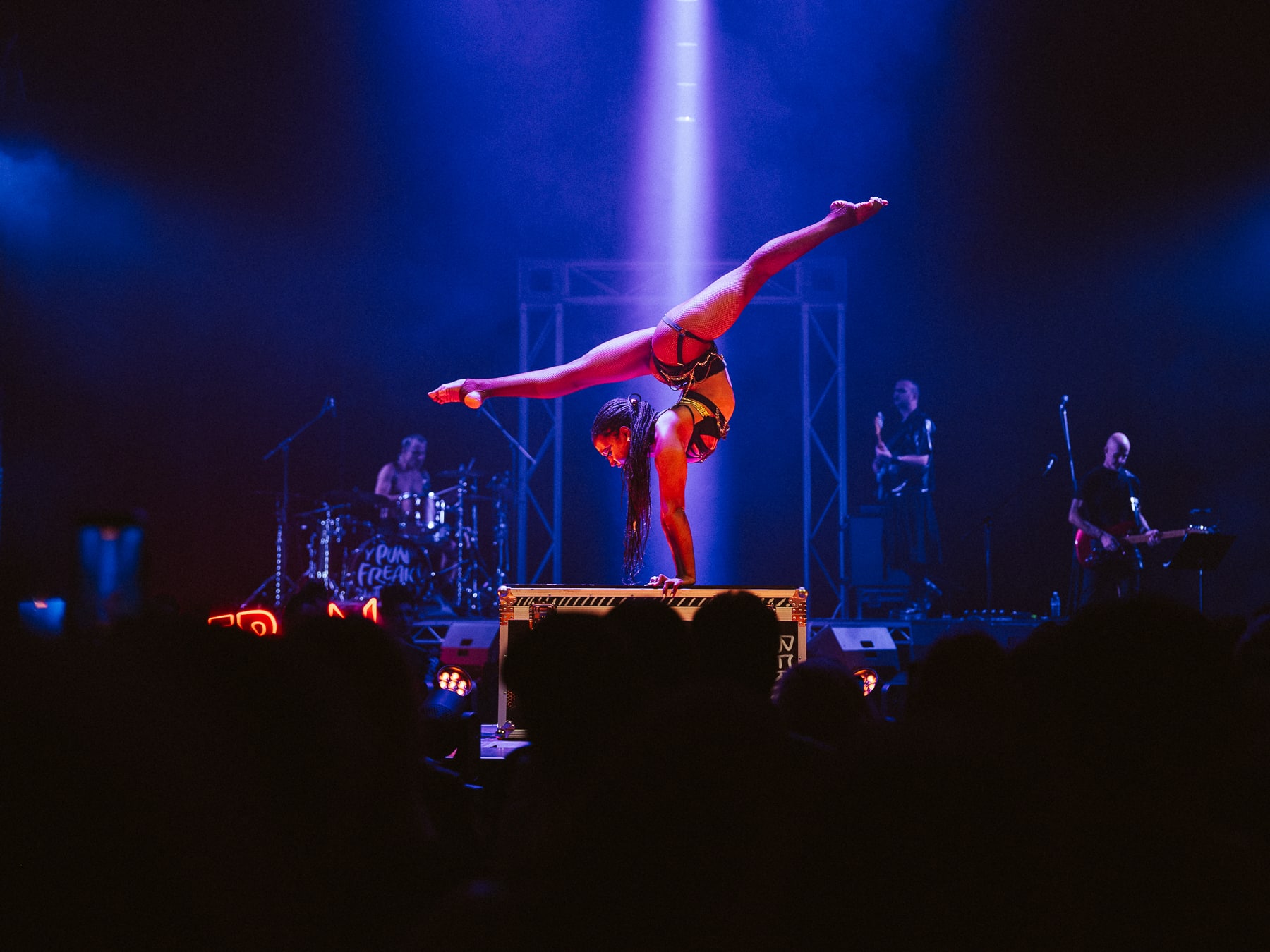
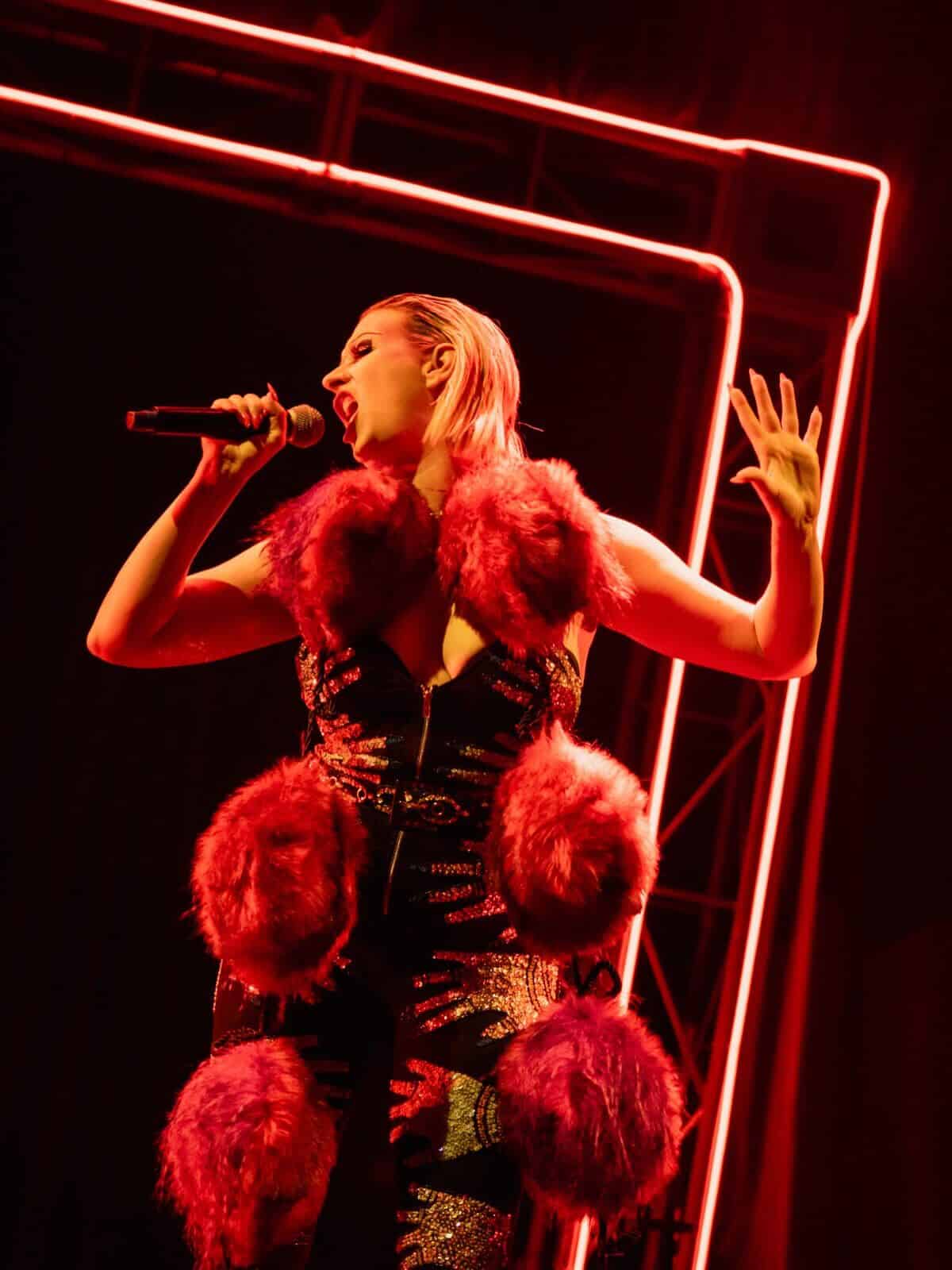
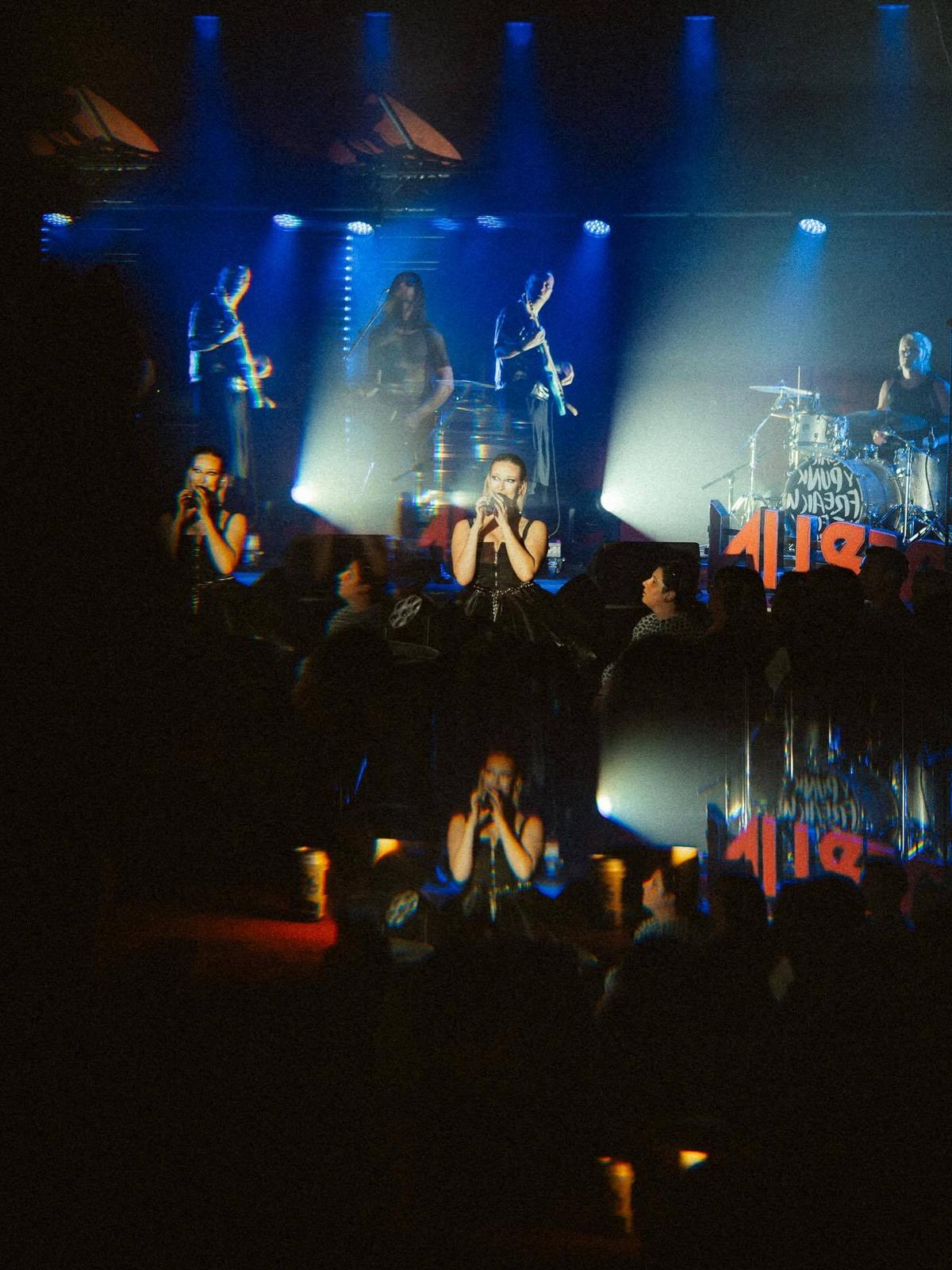
Guided by the hilarious and charming Magic Mirror, Twisted Tales uses well-known children’s characters as the basis for a cabaret of acrobatics, music, and burlesque. The premise on the tin is to explore the twisted truths and hidden realities of classic fairy tales, but that’s not really accurate. Modern Disney movies and children’s stories (most of them not actually fairy tales) merely serve as a thematic launching pad for the bright costumes and various acts in a fast-paced mixture of rebellious mischief and wicked mayhem. My favourite was the Cinderella story. I won’t spoil it, but the twist here was both hilarious and genius. The show’s tongue is firmly in cheek, the cast seemingly having as much fun performing as the audience is watching. There is plenty of course language, adult humour, and exposed flesh, so again, the show is 18+ and not suitable for children.


The space was cavernous but somehow still intimate, the whole audience sitting close to the action and feeling involved and connected. A leaking roof and a large storm outside merely proved a small distraction from the glitter, flesh, and laughter. Some of the acts felt repetitive, such as the multiple burlesque numbers merely changing performer and costume but effectively doing the same thing all over again, but they were still fun and cheeky (literally) so it didn’t really matter. Everyone was having a great time, constantly laughing, clapping, whistling, and hollering in support. And isn’t that the point?

Also, a shout-out to the stage crew. Off to the side I could spot a few people clad in black trying to go un-noticed, working all night hoisting the performers up and down on various acrobatic apparatus, pulling hard on ropes with choreographed precision. It didn’t look easy.

Twisted Tales is part of the Sydney Fringe Festival and playing at The Bunker, Fool’s Paradise, Moore Park Entertainment Quarter until the 21st of September.

To book tickets to Twisted Tales, please visit https://sydneyfringe.com/events/twisted-tales/.

Photographer: Georgia Moloney

Spread the word on your favourite platform!

A Clever Tour de Force, Full Of Surprises

The Forgotten Songbook

The Forgotten Songbook Rating

Click if you liked this article

4

Stepping through a light haze in Chapel Off Chapel’s Loft, into the twilight world of The Forgotten Songbook instantly transports the audience to bygone era of music-making. The set, dressed simply but evocatively with a piano, a few furniture pieces and faded posters of long-forgotten musicals like Vienna Days and Girl Leaves Boy, conjures a smoky dive bar in the middle of nowhere and everywhere. It’s the perfect frame for a show that unearths the dazzling, almost unbelievable, fragments of composer Wilbur Weissman’s lost career.

What follows is a two-act whirlwind of longing, misfires and brilliance, pulled together by a creative team whose passion for Weissman’s story pulses through every beat.

Emerson Hurley’s compositions form the heartbeat of the show. Sitting at the piano with a relaxed command, Hurley not only plays with casual virtuosity but delivers a score that is tuneful, witty and remarkably affecting. His pastiche writing honours the Tin Pan Alley style while crafting songs that feel entirely fresh. “I’ll Never See Memphis Again” is one of the evening’s most poignant moments, unveiling emotional depths in both character and composition that stop time. Hurley may be at the beginning of his career, but The Forgotten Songbook suggests a voice with the sophistication of a modern-day Gershwin, or dare I say Weissman? Either way, he has the originality to stand on his own.

Co-writer and producer Dylan McBurney brings theatrical structure and dramaturgical clarity to this sometimes chaotic rollercoaster tale. The narrative, full of unexpected turns (a hippo attack??) never wavers in purpose. It’s comedic and poignant in equal measure, an impressive feat that speaks to the balance and restraint of McBurney’s work.


In his debut as director and choreographer, Mikey Halcrow crafts a staging full of flair and control. He uses stillness to great effect, allowing quieter moments to resonate and leans into the physicality of the performers to heighten the absurd and the powerful beats. The rapid pace never falters, but the show knows when to let a moment land and when to let the music speak for itself.

Karla Hillam gives a stellar performance. Channelling the style and swagger of a classic torch singer, she moves with elegance and sings with great versatility. Her character work is razor-sharp, shifting styles and personas with impressive precision. Her natural chemistry with co-star Jonathan Guthrie-Jones anchors the piece. Together, they deliver both belly laughs and broken hearts.

Guthrie-Jones, in turn, feels like a Hollywood leading man of yesteryear brought to life. His rich, beautifully controlled voice wraps itself around the material with ease and his performance is laced with charisma and genuine vulnerability.

Together, the cast form a dynamic double act (or trio including Hurley at the piano), effortlessly slipping between satire, drama and song. Their rendition of The House Un-American Activities Rag is a showstopper. It’s choreographically tight, musically rich and laugh-out-loud funny.

The Forgotten Songbook is more than a showcase. It is an excavation of talent, myth and memory. In a country where new musical theatre often struggles to find space, this piece deserves to travel far beyond its opening weekend. Don’t miss it and don’t miss seeing the work of any of this team in the future.

To book tickets to The Forgotten Songbook, please visit https://chapeloffchapel.com.au/show/the-forgotten-songbook/.

Photographer: Kristopher Wardhana

Spread the word on your favourite platform!

Pursuing Pleasure

Pursuing Pleasure

Pursuing Pleasure Rating

Click if you liked this article

1

“Pleasure” is a concept humanity has pursued, defined, and debated for millennia—from Early Greek philosophers musings to Freud’s theories, from ancient Chinese philosophy to Egyptian mysticism.

In her deeply personal and compelling one-woman show, Pursuing Pleasure, opera singer Piera Dennerstein steps into this lineage of inquiry, offering her own story as both case study and celebration. Through an eclectic mix of musical selections—from Puccini to Cardi B—Dennerstein examines the rigid structures of her profession, the silencing of her voice, and the hard-won rediscovery of her personal joy.

The moment the audience enters the small, intimate theatre, they’re immersed in a world that feels equal parts boudoir and dreamscape. Soft pink lighting bathes the space; feathered chairs and velvet accents suggest sensuality and softness. A lone piano waits like a co-conspirator in the corner. The atmosphere is one of warmth and openness, setting the tone for the confessional yet theatrical journey ahead.

Dennerstein makes her entrance like a vision: glamorous, confident, and possessed of a voice that commands immediate attention. She opens with an aria from Carmen, a dramatic choice that immediately showcases her operatic prowess and establishes her as a powerful stage presence. Her voice—a heavy soprano—fills the room with depth and resonance, but it’s her storytelling that truly pulls us in.


As she begins to speak, Dennerstein draws back the velvet curtain on the world of opera, revealing a system that to outsiders can feel like an elegant but arcane secret society. With sharp wit and heartbreaking clarity, she explains how singers are typecast according to vocal “fach”—a system of classification that determines what roles a singer can audition for. It’s a rigid framework that values tradition above individuality, and Dennerstein invites us to see how such a system is also a gatekeeper of artistic expression. In this world, a single note sung incorrectly can mean losing a role; personal taste, emotional connection, or daring interpretation are often secondary to the mechanics of tone and volume.

Dennerstein’s own experience as a dramatic soprano—destined to sing the tragic, the regal, the doomed—becomes a metaphor for confinement. When she delivers a searing excerpt from Wagner, it’s clear she inhabits these roles with mastery. But when she speaks of her desire to sing something joyful, light, or flirtatious—and how the opera world deems these pleasures off-limits for her voice—we see the emotional cost of that confinement.

In the show’s second half, she shifts from analysis to revelation, sharing stories of rejection, emotional abuse, and the slow, courageous return to herself. Through pop music, humor, and fierce vulnerability, Dennerstein stages a rebellion against the rules she was trained to follow.

Pleasure is more than a performance—it’s a quiet revolution. In just an hour, we witness an artist stepping out of the roles the world assigned her and into the one she’s written for herself. By the end, Piera Dennerstein doesn’t just sing—she reclaims her voice. And that, in every sense, is a pleasure.

To book tickets to Pursuing Pleasure, please visit https://www.oldfitztheatre.com.au/pursuing-pleasure.

Photographer: Olivia Charalambous

Spread the word on your favourite platform!

Sugar Might Be Addictive…

Sugar

Sugar Rating

Click if you liked this article

2

Wow! What a yummy treat this cabaret was. I ate it up and didn’t want it to end! Tomàš Kantor sucked us into the story from the get-go with clever use of current pop bangers that we all know, and love. From Chappell Roan to Gaga, the Sugababes and TikTok hits, the music always encapsulated the story in an interesting and unique way. The rollercoaster of emotions throughout was relatable and we were rooting for the very lovable Tomàš as Sugar. Honestly, in this economy, who hasn’t contemplated taking the “easy way out” and becoming a sex worker after watching Pretty Woman. Especially easy to relate to if you’ve ever been a struggling uni student living in a share house.

Tomàš performance of this (as far as I can tell), true story, was powerful, fun and playful. I loved the use of the poppiest of songs arranged in a cabaret format. I died when Prada played. They gave us clever costume, prop and set use, great vocals, dance breaks and played multiple instruments. What a multi-talented and intelligent performer! The characters were all interesting, well-defined and had a point of view. The story was clear. I feel as if this is a show you could see many times and notice new clever intricacies each time. Tomàš and Bullet Heart Club (Ro Bright – show writer & Kitan Petkovski – director) deserve high praise for this!


Don’t be distracted by the sparkles though. Not only was it funny, but there were poignant moments as well. These included some insight into why sex work is often not “easy money.” This is a job which requires incredible sacrifice of self and often places the worker into perilous personal situations where they have no power or recourse for wrongs committed. This window into sugar-babying throws light on some inherent class divides and the power imbalance of these transactional relationships. There was subtle commentary on internalised queerphobia too, and I had goosebumps when they started singing the last song.

The show included considerable (optional) audience participation and use of house lights which made for a very immersive theatre experience. This hooked us in for the ride and made us laugh. Word of warning, if you are uncomfortable with descriptions or portrayals of sex on stage this is maybe not the show for you. However, those who are down, you are in for a thrilling collective release. I was unsure how the audience would react at the Hayes, but they loved it! Tomàš is so charismatic and charming that we feel as if we are a friend getting the tea.

Ultimately, such a fun journey, I laughed and sympathised with Sugar. I would heartily recommend going to see Sugar if you get the chance. This debut cabaret has already won multiple awards, and rightly so, Tomàš is a talent to watch. Look out Edinburgh…

To book tickets to Sugar, please visit http://hayestheatre.com.au/event/sugar/.

Photographer: James Reiser

Spread the word on your favourite platform!