The Weathering

The Weathering

The Weathering Rating

Click if you liked this article

7

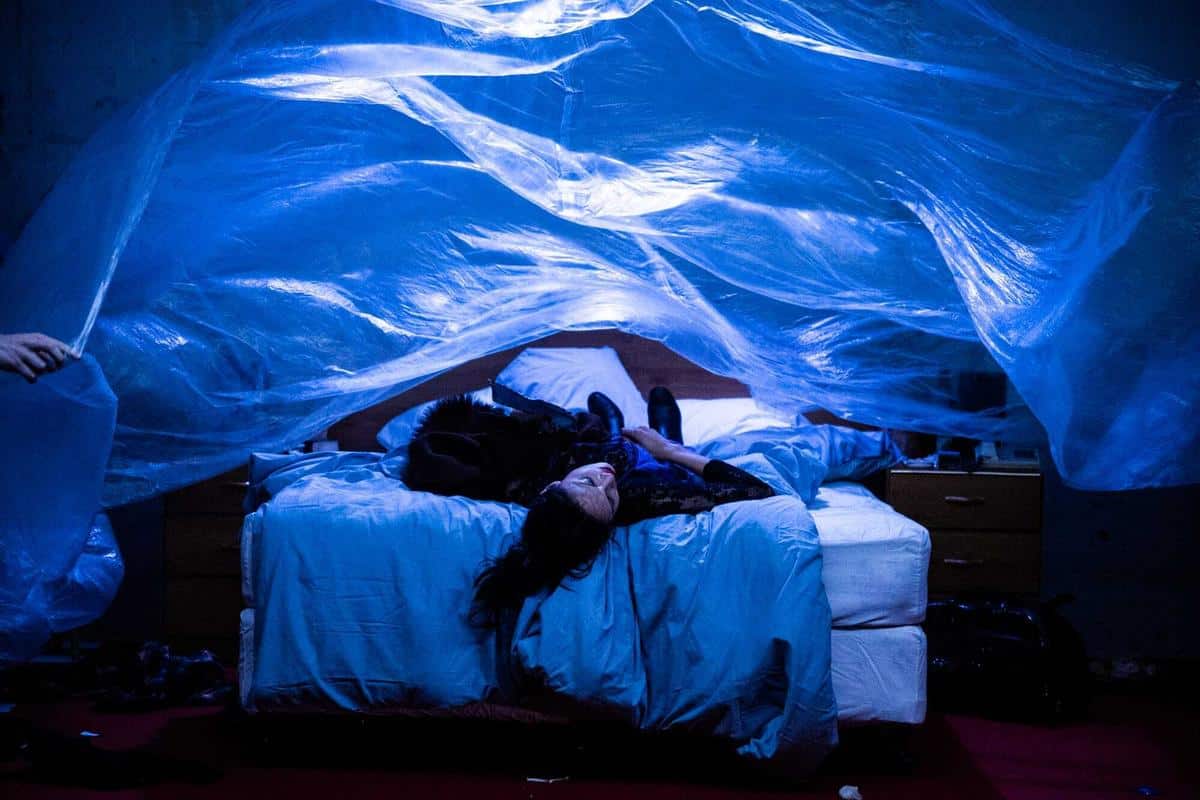
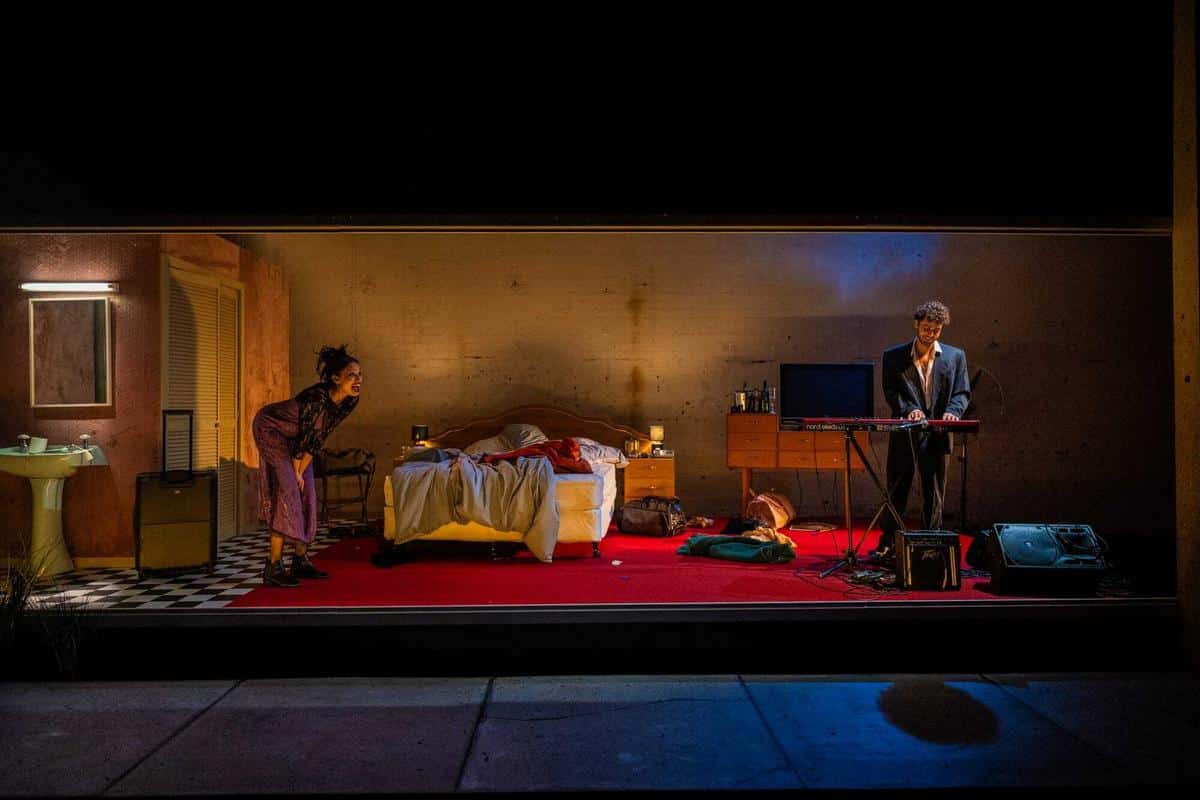
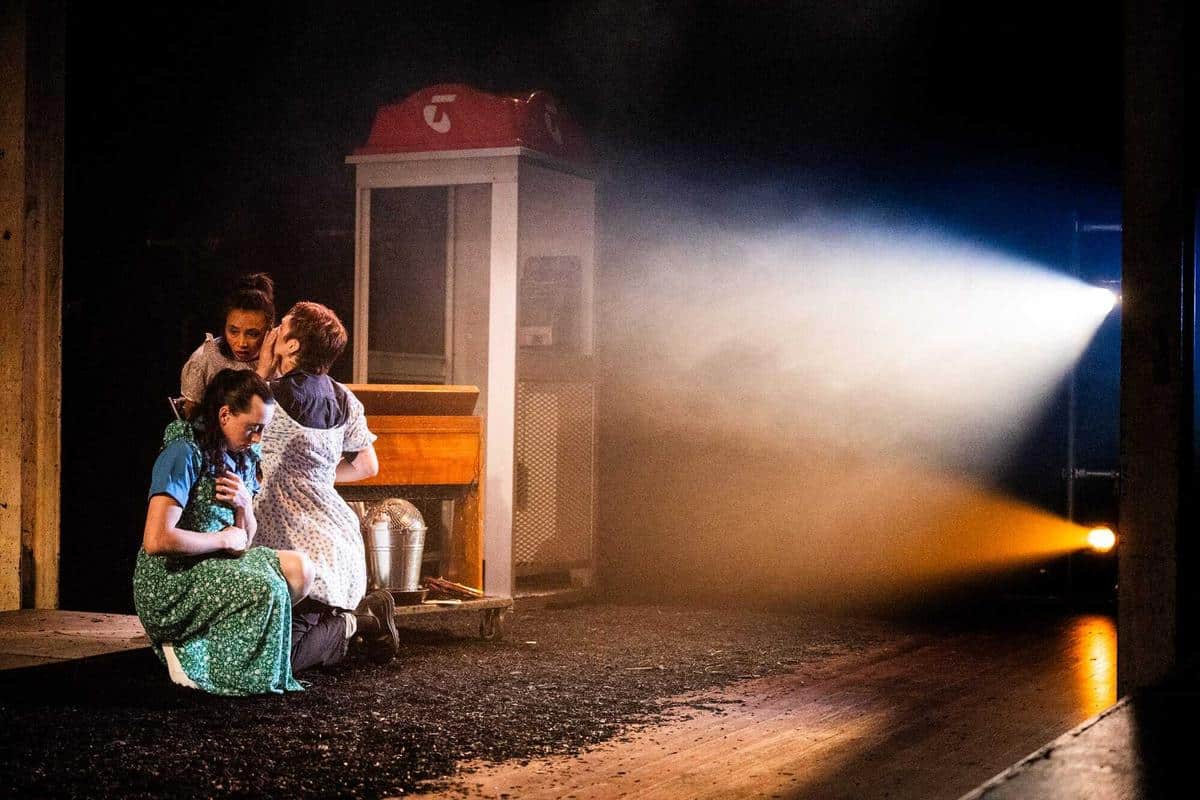
The Weathering is an extraordinary fusion of movement, sound, projection, and puppetry, a bold new work from Fusion Theatre’s inclusive ensemble that resonates long after the final moment fades into darkness. Directed by Darcy McGaw and Jo Raphael, this poetic and deeply human production transforms the urgent realities of climate change into a visceral, sensory experience.

From the first moments, the performers command the stage through their physicality. Their bodies become landscapes, trembling trees, surging waves, shifting winds — embodying both the fragility and ferocity of a planet under pressure. The use of light and darkness creates a haunting rhythm, as projections wash across the stage like passing weather fronts. At times, the performers seem to dissolve into these shifting visuals, blurring the line between human and environment.

The original soundscape adds another layer of emotional texture. Whispers of rain, the low rumble of thunder, and fragments of breath and song create a world that feels at once intimate and immense. The puppetry, too, is quietly powerful — delicate yet evocative, revealing the interconnection between people and nature in ways words alone could never capture.


What makes The Weathering so compelling is the way it seems to capture opposing forces in its grip. It holds space for both helplessness and hope, for the chaos of the storm and the calm that follows. The pacing shifts fluidly between frenzy and stillness, echoing the unpredictable rhythms of the natural world. There are moments of silence that feel deafening, and bursts of movement that feel like the earth itself is speaking.

At its core, this is a show with immense heart. It gives voice to those who are too often excluded from conversations about the climate crisis — voices that are essential, urgent, and profoundly moving. The ensemble’s commitment shines through every gesture, every sound, every flicker of light.

McGaw and Raphael have crafted a work that feels both timely and timeless. The Weathering doesn’t just ask us to think about the world we’re losing — it invites us to feel it, to grieve it, and ultimately, to imagine how we might begin again.

To book tickets to The Weathering , please visit https://www.theatreworks.org.au/2025/the-weathering.

Spread the word on your favourite platform!

Brothers Bare

Brothers Bare

Brothers Bare Rating

Click if you liked this article

2

Tucked away in Theatreworks’ blink-and-you’ll-miss-it supplemental venue, the aptly named Explosives Factory, “Brothers Bare” explodes with creativity, menace, and an unnerving relevance. This darkly comic, sharply observant production takes the fertile soil of Brothers Grimm folklore and replants it in the uneasy terrain of modern life — specifically, the digital dating world, social media perfectionism, and the real-life horror of hidden agendas. It’s as confronting as it is captivating.

Written by Jessica Fallico and Iley Jones, the play takes classic nursery rhymes and fables — often sanitized for contemporary children — and strips them back to their grim roots, before repurposing them as cautionary tales for today’s world. The result is an inventive and affecting piece of theatre that blends rhyming prose, movement, and shadow puppetry in ways that surprised and disarmed the audience.

The space itself — small, industrial, and intimate — works to the show’s advantage. There’s something unnerving about being so physically close to the action, especially in a production so focused on exposing the hidden terrors of seemingly safe, everyday situations. It amplifies the tension and vulnerability on stage and makes the audience complicit in the dark journey unfolding.

The ensemble — Grace Gemmell, Elisheva Biernoff-Giles, Charlie Veitch, and Dion Zapantis — is formidable. Each performer brings a distinct intensity to their roles, switching between characters and archetypes with remarkable fluidity and precision. Whether embodying twisted versions of familiar childhood figures or portraying modern personas lost in digital disconnection, their performances are sharp, committed, and often deeply unsettling. It’s rare to see such consistency in an ensemble cast — each actor not only held their own but elevated one another in moments of shared stage time.


Choreographer Cameron Boxall deserves special mention for crafting sequences that punctuate the narrative with physical storytelling that is both poignant and restrained. Movement here isn’t ornamental; it deepens the emotional and thematic weight of the show. One particular sequence, exploring the disintegration of identity through curated online personas, was particularly memorable — beautifully composed, visually haunting, and emotionally resonant.

The use of shadow puppetry is another triumph. Rather than gimmickry, the technique is deployed with precision and purpose, often representing the lurking fears and dark fantasies that exist beneath the surface of our everyday lives. These moments — brief, almost ephemeral — leave a lasting impact, suggesting more than they show and allowing the audience’s imagination to fill in the gaps with dread.

What elevates “Brothers Bare” beyond clever concept is its unwavering commitment to its message. Rather than lecturing us, it seduces the audience into familiarity before pulling the rug out. This is theatre that plays with expectations — and with its audience — to make us question the safety of the stories we grew up with and the realities we now inhabit.

Despite its modest setting, this is a production with big ambitions. Its themes are bold, intellectually sharp, and emotionally potent. The fusion of form and content — from the lyrical script to the expressive choreography and visual flair — is remarkably cohesive, making for a rich, multi-sensory theatrical experience.

As a highlight of this year’s Fringe Festival, “Brothers Bare” proves that some of the most powerful theatre can emerge from the smallest of spaces. With its relevant themes, inventive execution, and standout performances, it wouldn’t be surprising to see this production return — and on much larger stages. It’s a haunting, timely reminder that the scariest monsters are no longer in the woods, but often behind screens or waiting with open arms and hidden intentions.

Don’t blink — you’ll want to remember “Brothers Bare”.

To book tickets to Brothers Bare, please visit https://www.melbournefringe.com.au/whats-on/events/brothers-bare.

Spread the word on your favourite platform!

Wasteworlds

Wasteworlds

Wasteworlds Rating

Click if you liked this article

3

There’s something magical about a space that not only invites you to witness art, but also lets you get your hands dirty and dive right into the creative chaos. The “Wasteworlds” fashion show at the Abbotsford Convent did just that—transforming the stunning venue into a playground for artistic expression, where the boundaries between audience and artist were beautifully blurred.

The weather couldn’t have been more perfect, with the sun casting its warm glow over the convent’s historic grounds. As I stepped into the space, I was immediately drawn to the centerpiece of the event: the gigantic patchwork-sewn moth. Its enormous open mouth spilled a black-and-white checkerboard runway that looked as if it had come alive from the pages of a surreal dream. It felt like an invitation to step into a world of pure imagination, where fashion was no longer just something to admire—it was something to create, to play with, and to wear proudly.

The layout of the convent’s Magdalen Laundry Room was equally inspired. Each quadrant had been cleverly labeled to represent iconic directional districts: Northland, Southland, Eastland, and Westfield. These weren’t just names—they were microcosms of creative possibility. As if stepping into different parts of the world, each district held a different energy and vibe, encouraging exploration and collaboration. It was the perfect environment to let loose and experiment with fashion in a way I hadn’t done in years.

The theme of the day was all about fun and free artistic expression. The best part? The audience was encouraged to participate. The organizers had laid out huge piles of pre-loved clothes—donated and ready for transformation—and provided our artistic tools: scissors, sewing machines, pins, and fabric galore. You were free to grab what you could and get to work. No judgment, no pressure. Just pure creative freedom.


I couldn’t resist the urge to dive right in. I grabbed some fabric, a few scraps of old tulle, and set about crafting a Dune-inspired veil—thinking of how the desert winds would billow it dramatically as I strutted down the runway. With my best Heidi Klum impersonation in mind, I took to the catwalk, feeling the playful, liberated spirit of the day wash over me. But it wasn’t just about making something to wear—it was about making something fun. The people around me were so full of joy, whether they were fashioning stuffed toys into elaborate coats or cutting up old pants to turn them into quirky face masks. One woman turned a handful of doilies into a delicate springtime fascinator, and children used fabric to create a fantastical characters. The sense of possibility was intoxicating.

Adding to the atmosphere was the witty and light-hearted commentary from the catwalk judges, who added an extra layer of humor and playfulness to the whole experience. Their jokes and quips had the crowd laughing, cheering, and feeling like we were all part of something truly special.

What I loved most about the event was the way it embraced sustainability without being preachy. The focus wasn’t on lecturing us about fast fashion—it was about making us feel empowered to take something “wasted” and transform it into something beautiful, something new, something uniquely ours. The concept of reimagining pre-loved clothes as a medium for artistic expression was a brilliant commentary on our relationship with materialism, consumption, and creativity.

“Wasteworlds” was more than just a fashion show; it was an experience—a celebration of creativity, community, and the power of giving discarded materials a second life. It reminded me that fashion doesn’t have to be about perfection—it’s about playing, experimenting, and making something that feels right for the moment. And that’s exactly what we all did on that gorgeous day in Abbotsford.

To book tickets to Wasteworlds, please visit https://fastfashun.com/wasteworlds.html.

Photographer: Theresa Harrison

Spread the word on your favourite platform!

Till Death (Or Court) Do Us Part

Till Death (Or Court) Do Us Part

Till Death (Or Court) Do Us Part Rating

Click if you liked this article

2

Written and performed by Jai Cameron, “Till Death (Or Court) Do Us Part” is a heartwarming and hilarious comedy cabaret that delves into the complex emotions of love and marriage. The show, set in the intimate Bluestone Church, delivers an engaging mix of comedy, audience interaction, and musical moments.

Cameron, who played Keith, a celebrant navigating the ups and downs of love, brought an infectious energy to the stage. His comedic commentaries were topical, and he had a natural connection with the audience that made the experience feel immersive. The show’s lighthearted moments, often accompanied by a cheeky sense of self-awareness, were balanced by deeper reflections on love and relationships, making for a dynamic performance.

Josh Tooth, in his supporting role, provided an earnest contrast to Cameron’s more comedic portrayal. Tooth’s portrayal of the Bunnings tradie Lee, added depth to the narrative, and his witty interactions with Cameron kept the audience engaged. The back-and-forth between the two performers felt genuine, with the chemistry between them elevating the humor and heart of the piece.


The real highlight of the performance came during a moment of introspection. In an unexpected turn, Cameron slowed the pace and took the energy down to a soft poignancy, reflecting on his own experiences with love and longing. This shift in tone was masterfully executed, and it’s during this moment that the show transcended the typical comedy cabaret. Cameron’s rendition of Make You My Love was a beautifully sung number that added an emotional depth that resonated long after the performance ended.

What truly set “Till Death (Or Court) Do Us Part” apart was its ability to blend humor with vulnerability. The show’s mix of audience participation, witty dialogue, and musical moments kept things fresh and engaging throughout. This wasn’t just a comedy show—it was an exploration of love, commitment, and the longing for connection. The cabaret format allowed for a fluid, intimate experience that felt personal while still being accessible to all.

“Till Death (Or Court) Do Us Part” was a delightful exploration of love in all its forms, wrapped in the charm of a comedy cabaret. Cameron’s wit, emotional depth, and vibrato vocals made for a compelling evening of entertainment. This show should be commended for its combination of humor, reflection, and music, leaving the audience with a smile and a thoughtful reflection on their own relationships.

To book tickets to Till Death (Or Court) Do Us Part, please visit https://www.melbournefringe.com.au/whats-on/events/til-death-or-court-do-us-part.

Photographer: Jeremy Guzman

Spread the word on your favourite platform!