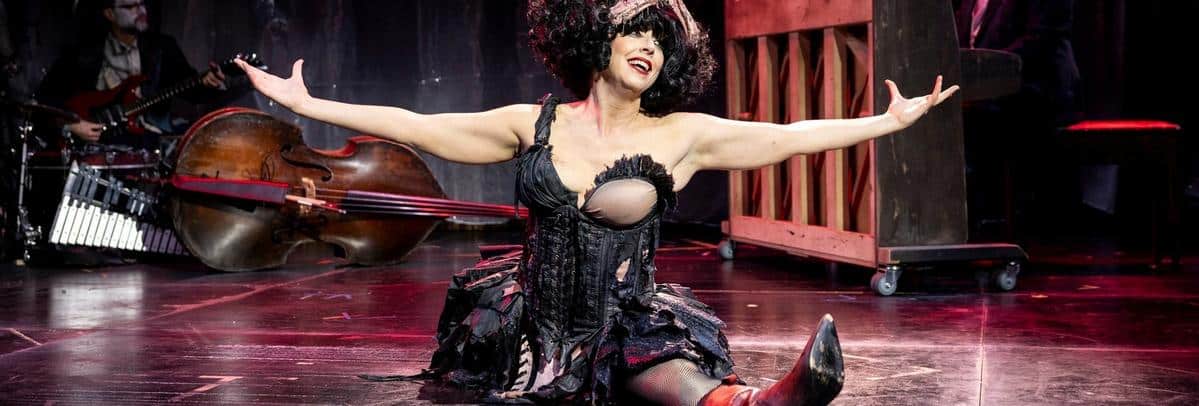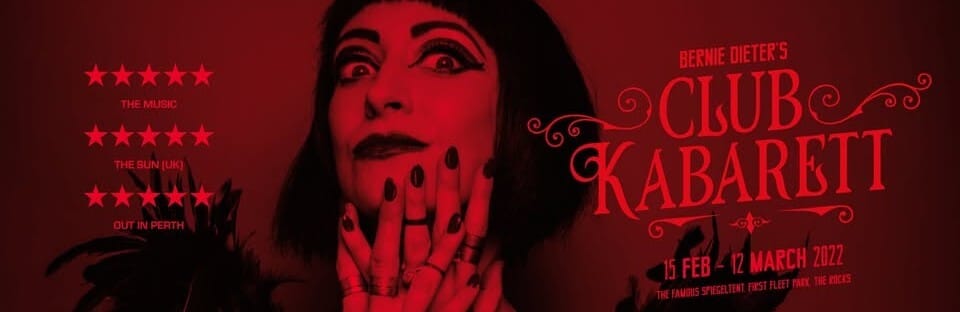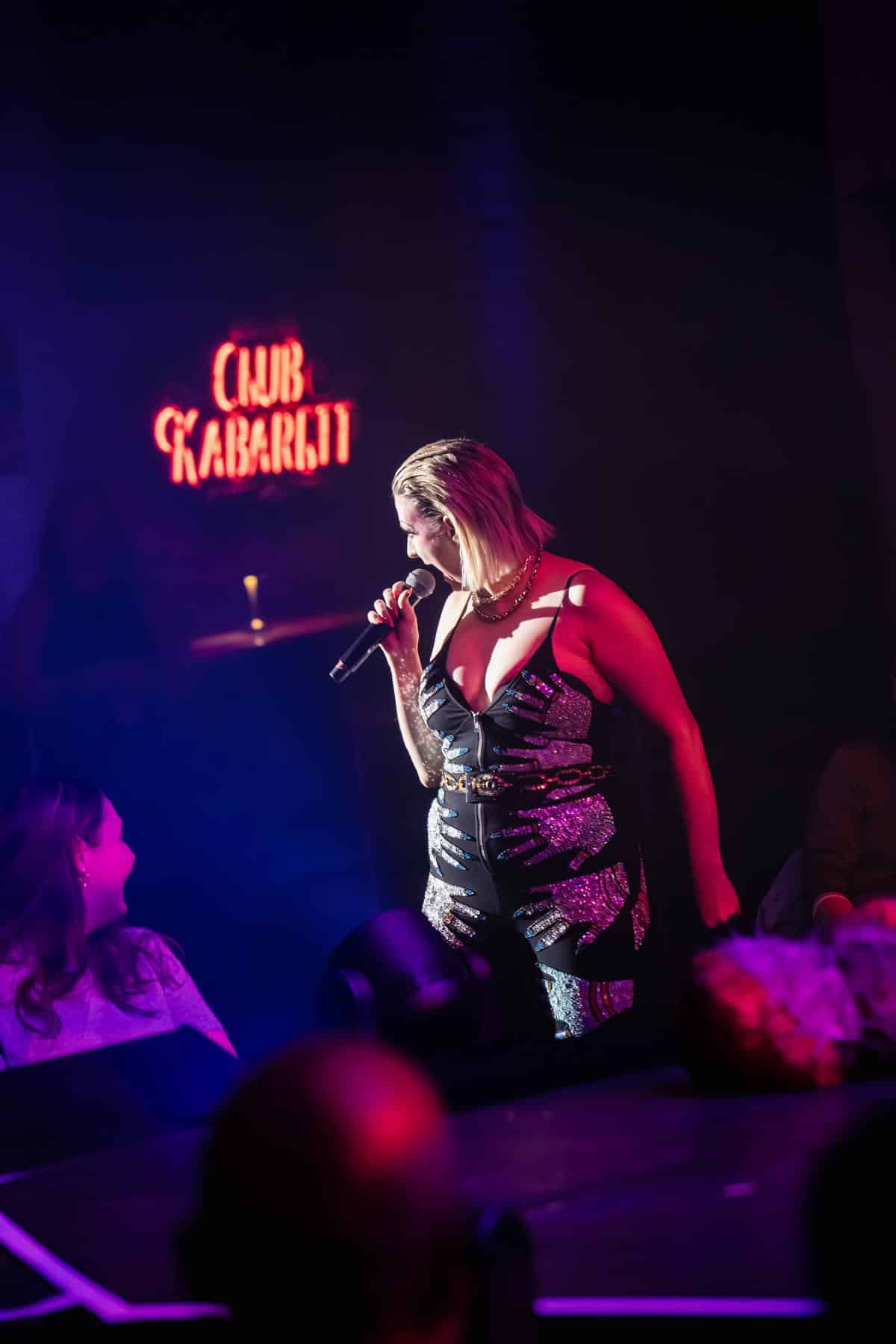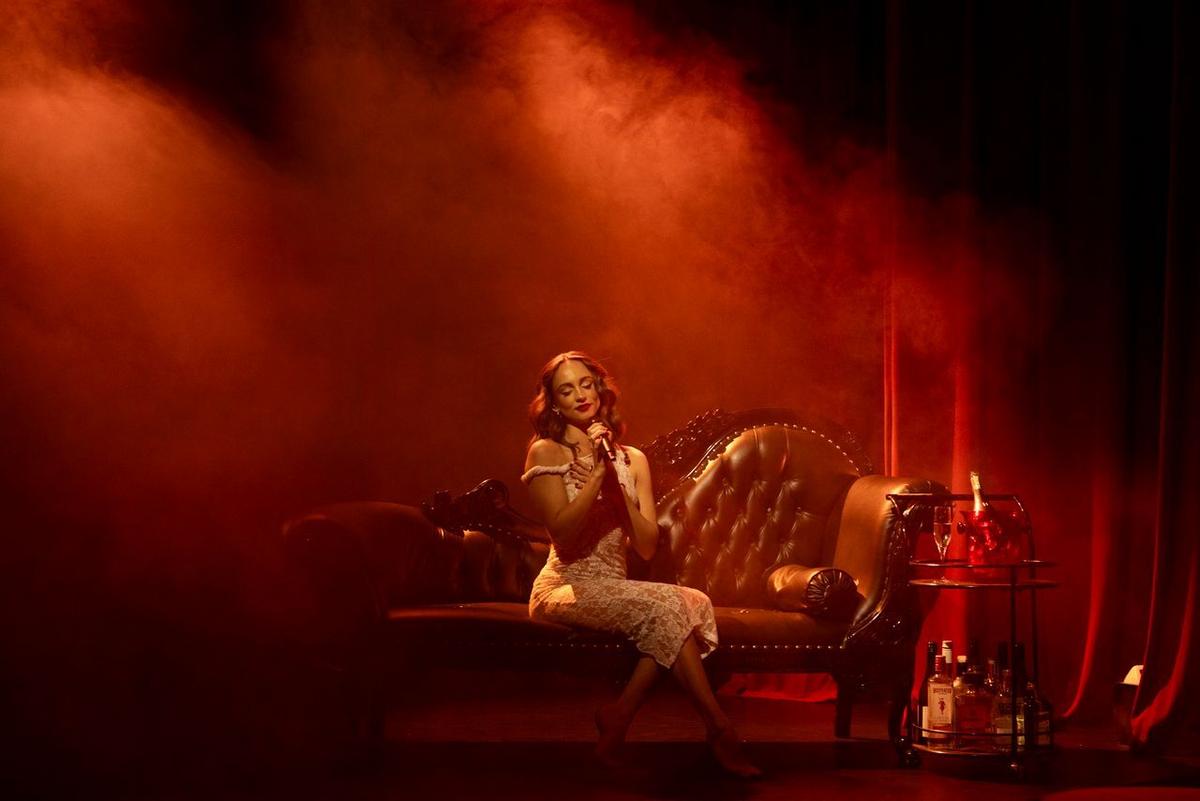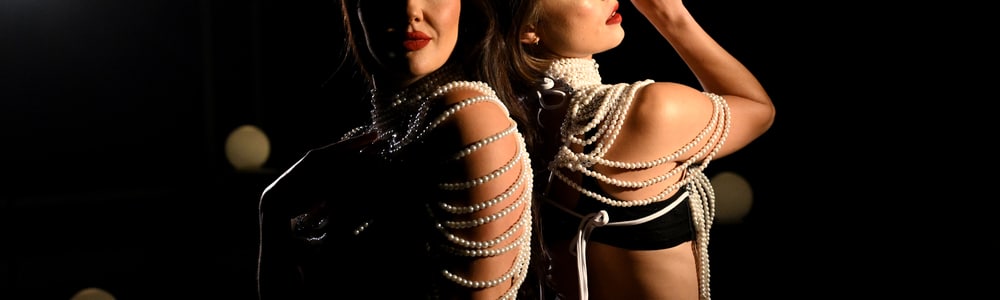
Direct from sold-out seasons in Melbourne and Sydney, Strut and Fret, the masterminds behind Blanc de Blanc Encore are bringing Late Night Vice back to The West End Electric, featuring new cast! Audiences who attended the show’s sold-out Brisbane Festival debut were warned Late Night Vice has a much sharper bite than previous Strut & Fret productions and embraced the hilariously risqué show with open arms and minds.
The show’s success means it will this time return as a stand-alone headline show outside of festival season, with a line-up of world class cabaret, burlesque and circus talent from the USA and Australia.
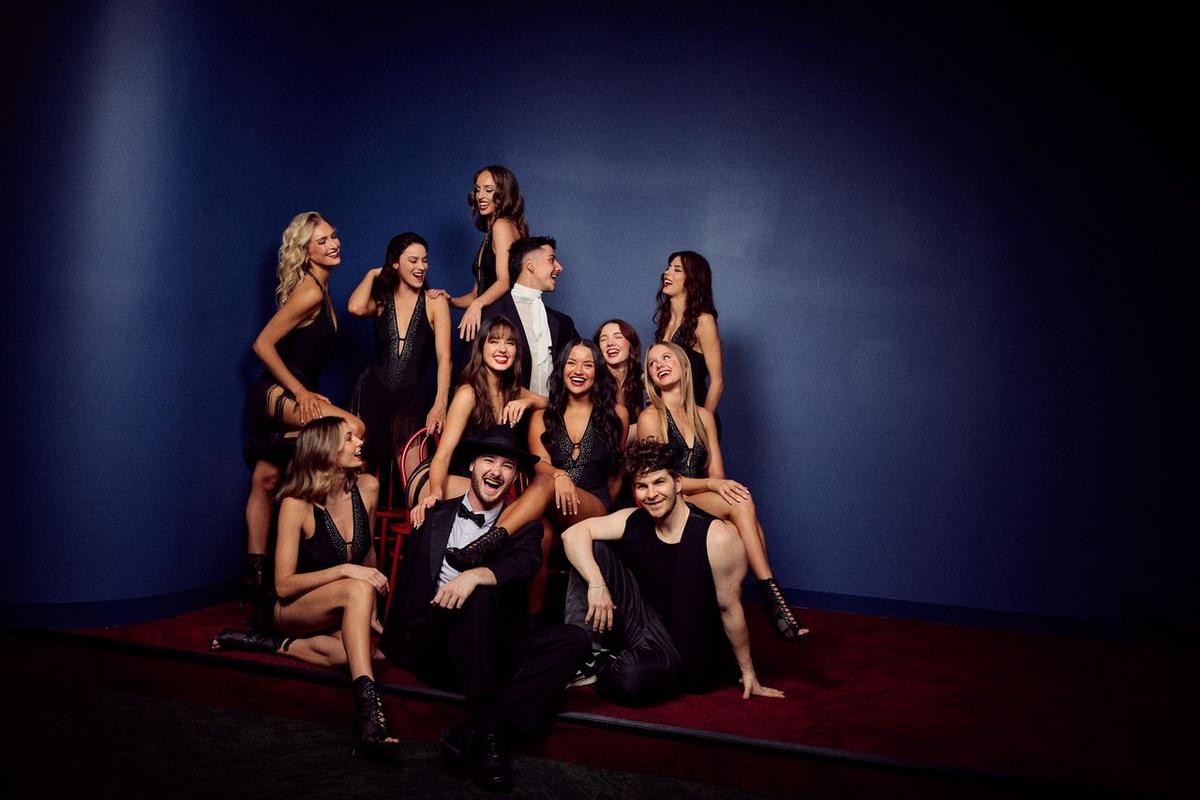
Straight from a Vegas residency as the opening act for Kylie Minogue and Christina Aguilera, Jake DuPree (RuPaul’s Drag Race) stars alongside Spencer Novich (Cirque du Soleil’s KA, FX’s American Horror Story); leading vocalist Em Mylott (Les Misérables, We Will Rock You); Melanie Hawkins (Saturday Night Fever, Baz Luhrmann’s Strictly Ballroom musical); Brett Rosengreen (The Voice, X Factor, Britain’s Got Talent) and Brisbane’s seductive cirque performer Katrina Louise, who has toured across five continents.
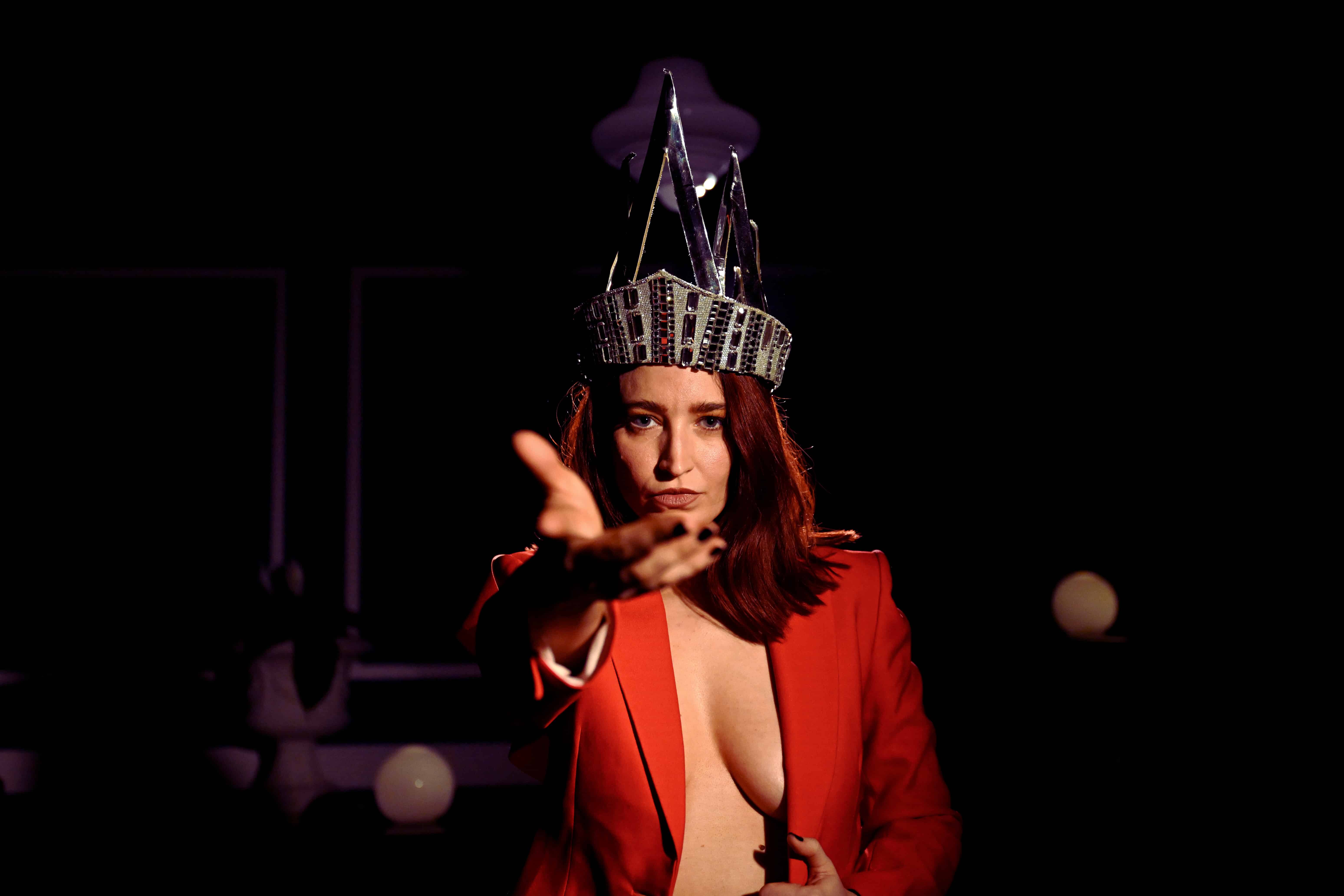
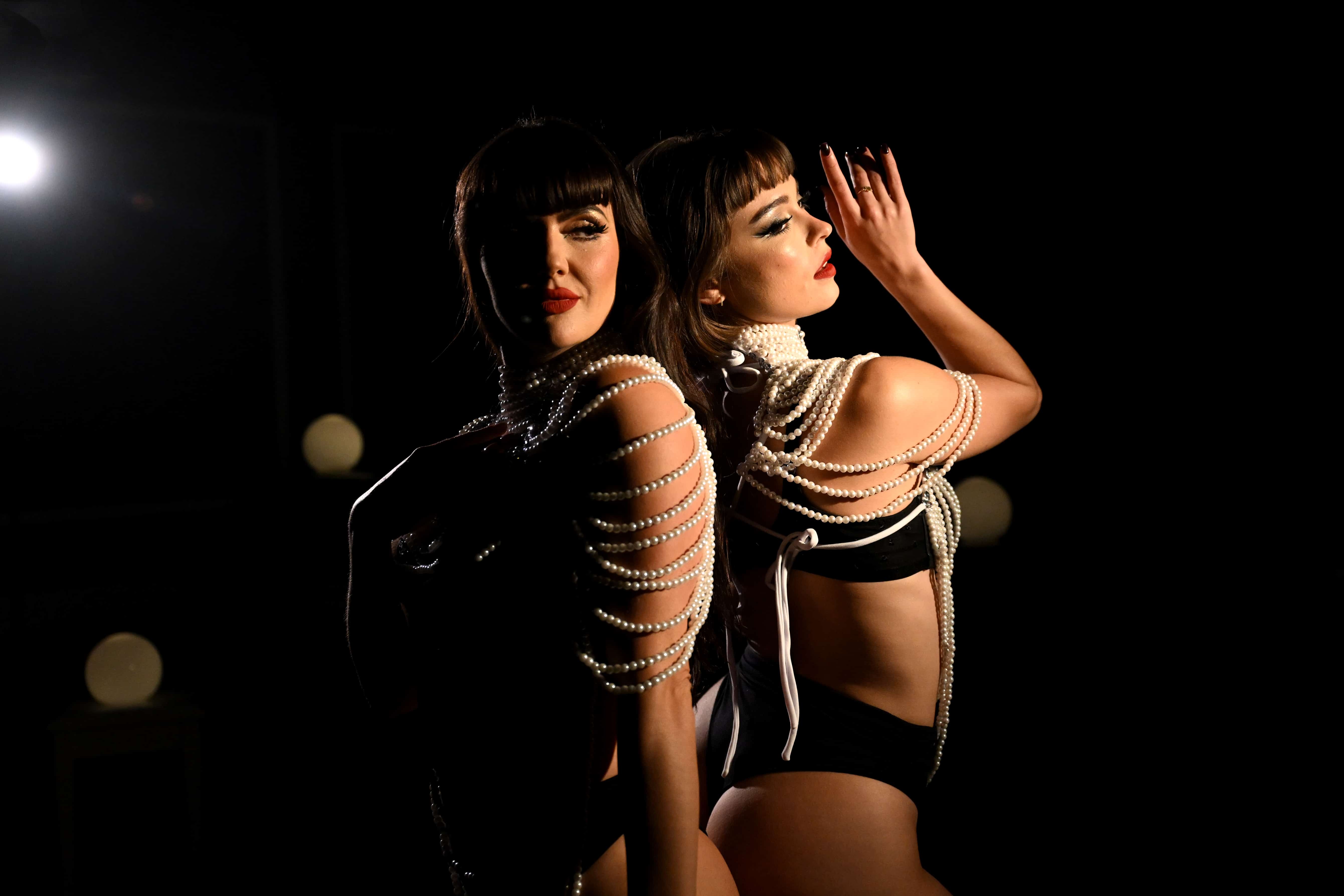
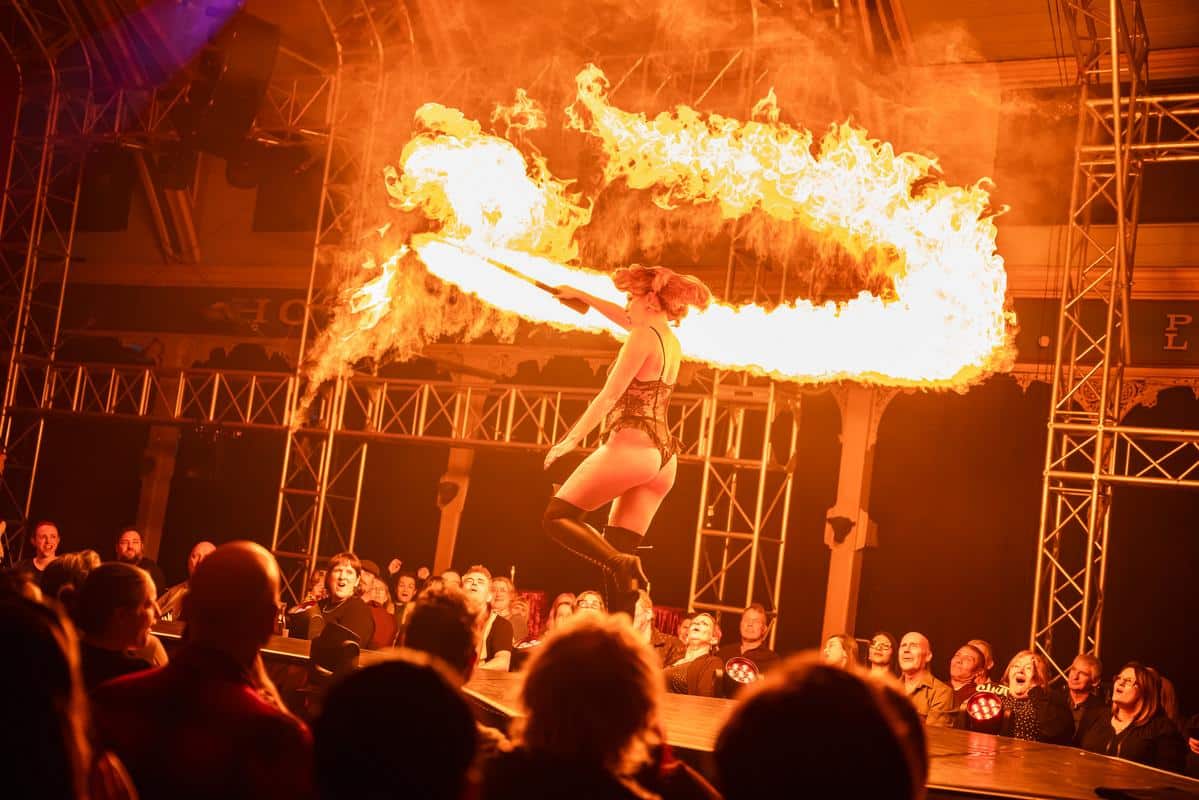
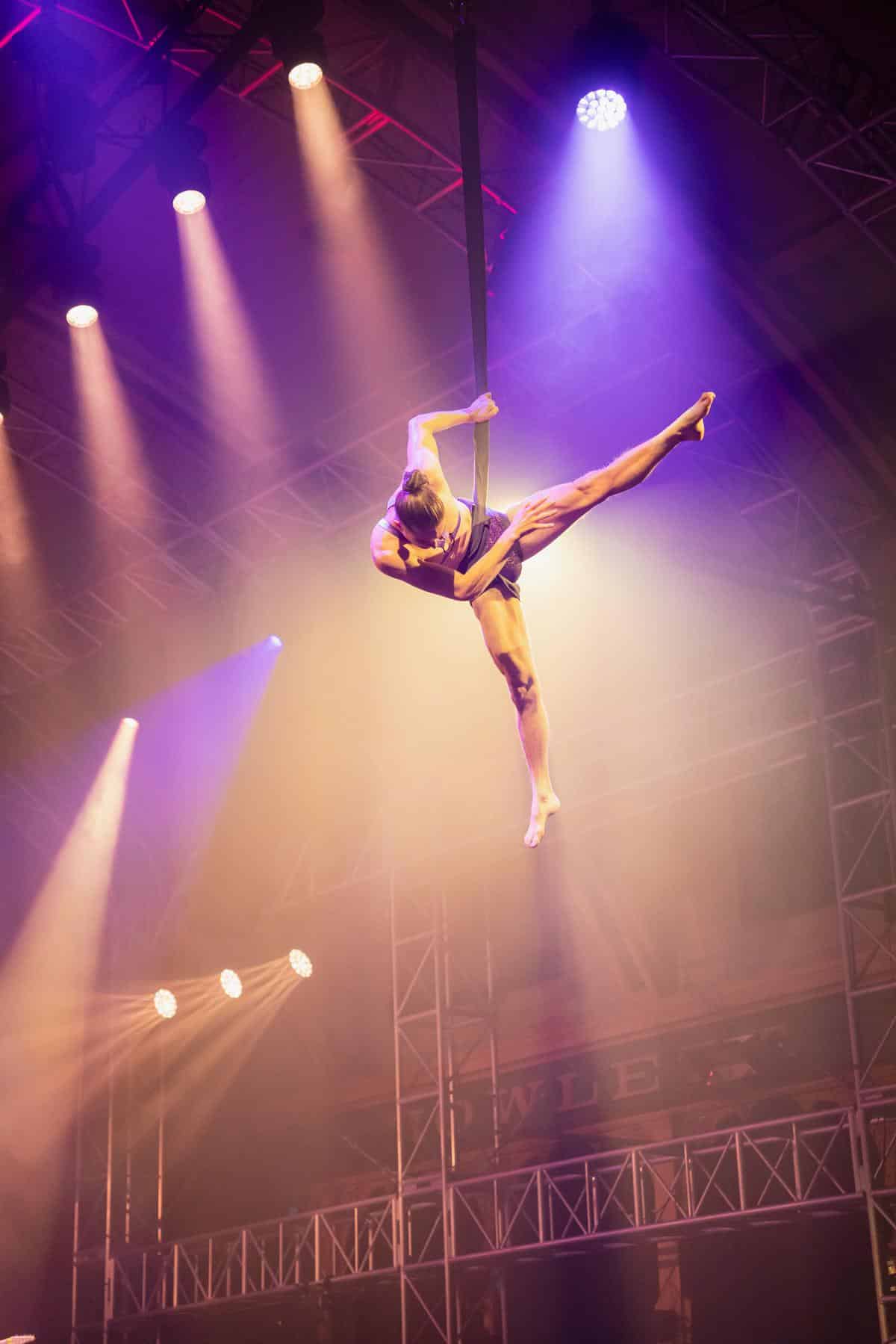
“Brisbane is my home town and I’m so excited for this to come back to West End. I’ve performed in 18+ entertainment around the world, and I think we’ve needed a show like this for a long time. It’s wild, it’s fun and it’s absolutely filthy,” says flame wielding hair-aerialist cast member Katrina Louise.
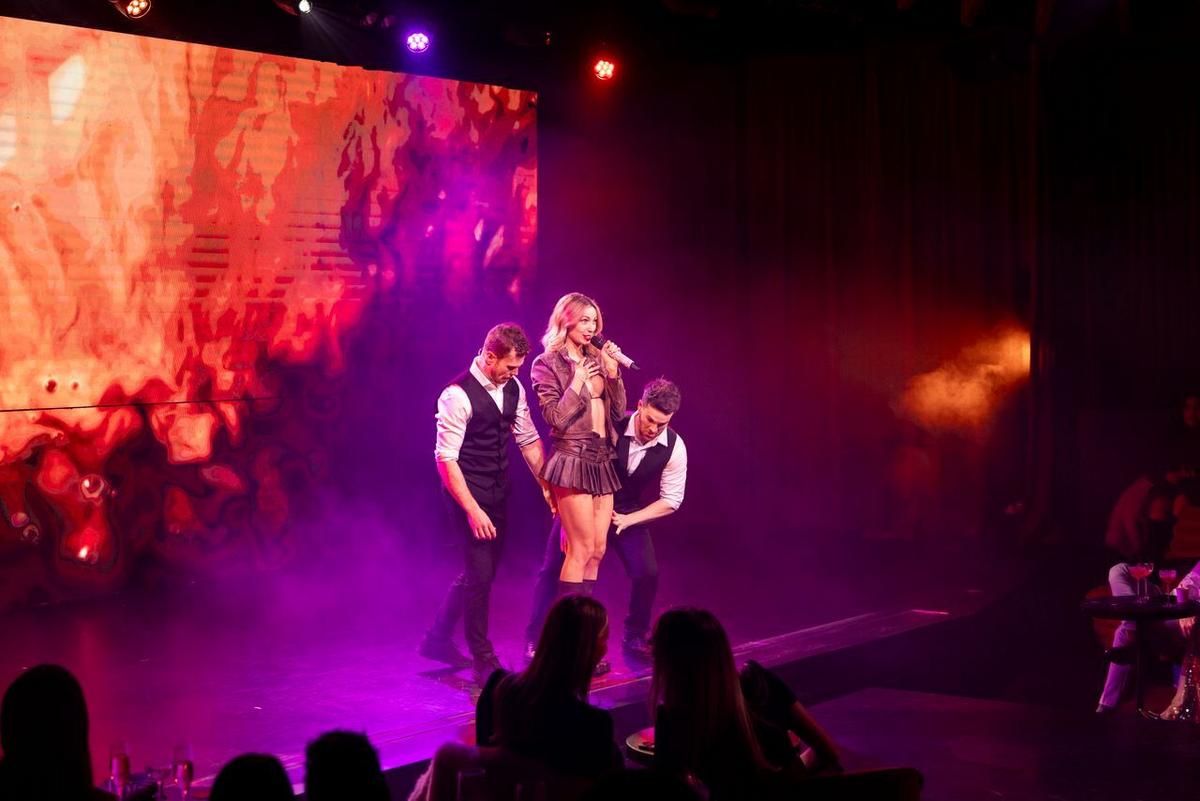
Described by the creators as a ‘cocktail-drenched fever dream where cabaret collides with chaos’, Late Night Vice opens on 19 March.
The scandalous content of this sell-out show has remained under wraps with no cameras, no phones and no reviews allowed. The X-Rated experience is strictly Adults Only 18+ with a valid ID.
Dress to impress in black tie or all black and enter a world of mystery, mischief, and midnight glamour. Late Night Vice is set to become Brisbane’s bold after-hours escape once again, showing off the river city’s glimmering wild side.
Expect shadowy glamour, whispered secrets and a rogue’s gallery of theatrical renegades in an electric feast captured by your eyes only!
CONTENT WARNING: The show contains nudity, profanity, strobe effects, pyrotechnics. Explosions of feathers, confetti—and quite possibly your mind.
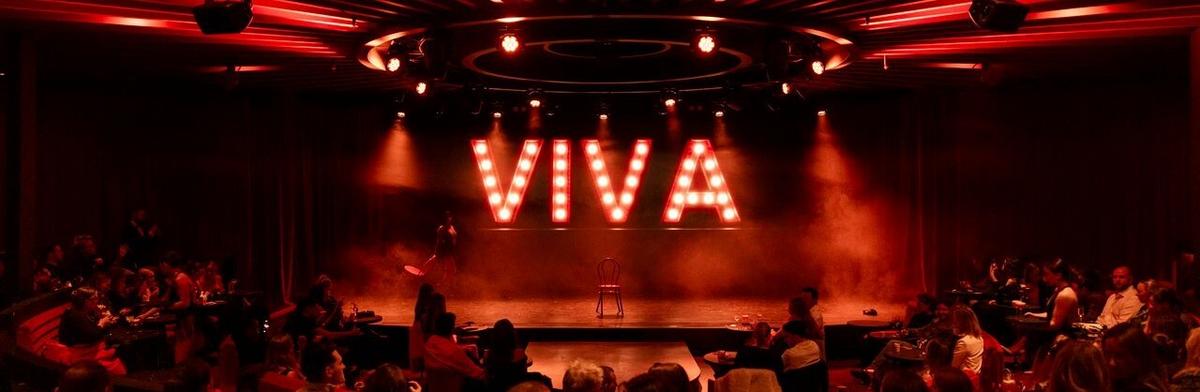
WHERE: The West End Electric, 125 Boundary St, West End (Brisbane)
WHEN: 19 March – 19 April; Thursday to Saturday 9:45pm | Sunday: 8:00pm
TICKETS: $69.00 (ticket types General, Premium, Moët & Chandon Tables); https://latenightviceshow.com/brisbane/