A Slice Of Community

Community Garden

Community Garden Rating

★★★★★

Click if you liked this article

10

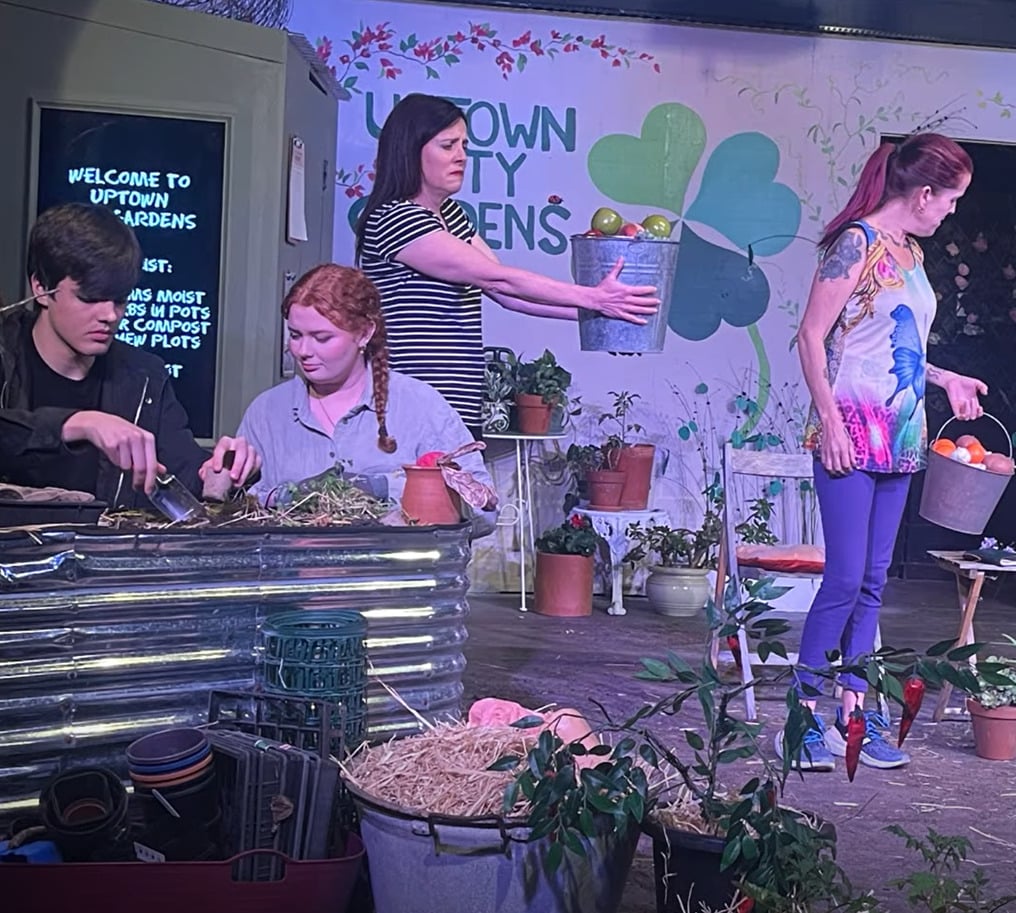
Community Garden is a play with no intermission about a man named Ralph, a nervous and new volunteer at Uptown City Gardens. Throughout the show he is slowly drawn to the strangers in the community, who all offer different stories and upbringings, but who all come together in one garden. This show is written by Justin Borak and directed by Cade Smith. August 7th was the world wide premiere for the Australian version. Justin Borak and Cade Smith worked hand-in-hand to rework the original story to fit Western Australia.

When I walked into Roxy Lane theatre, the foyer was transformed into a small Italian restaurant, representing Gigi’s Italian Family Restaurant, the Italian restaurant in the play. Pizzas were available to order so the audience could come into the restaurant at the end of the show and enjoy their meal, a truly creative way to immerse the audience into the story, even after the show had ended. The art of the set is intricate and realistic while offering lots to look at and the props (including a full-sized cut out of one of the characters) were true works of art that made the audience laugh. The work that went into the set and props, made by Kirsten Halford-Bailey, Nellie Pease, Sophie Harwood, and Cade Smith, hit the mark and it is clear just how much time and effort went into the art. I appreciated the play’s use of technology as they chose to use a screen off to the side of the stage to show the other end of a Zoom call that a character is making. Not many sound effects were used and there was no music, but the performance itself makes up for it. The lighting, designed by Katherine Robertson, was simple, only switching slightly as the tones changed. The costumes, designed by Kirsten Halford-Bailey and the cast, are modest, not drawing too much attention, but they fit the character’s personalities well. Bella, wonderfully played by Zarah D’Costa, is covered in flour to display her hard work at the pizzeria she works at.
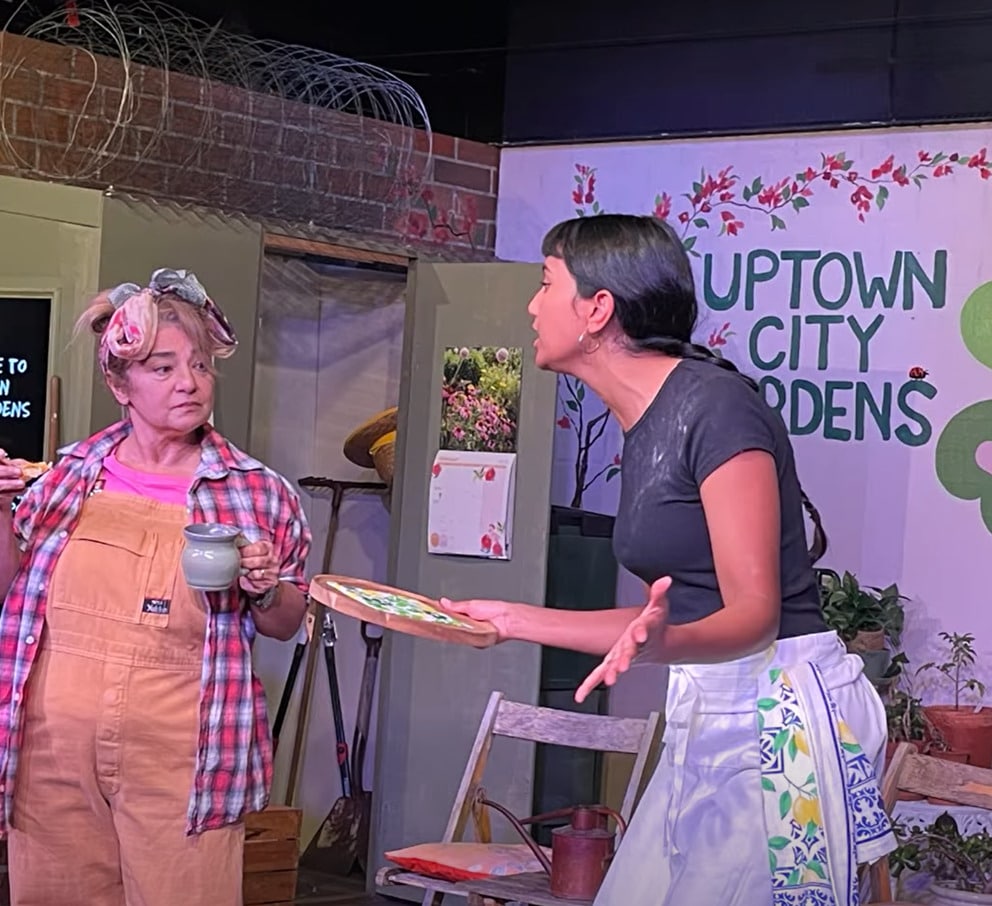
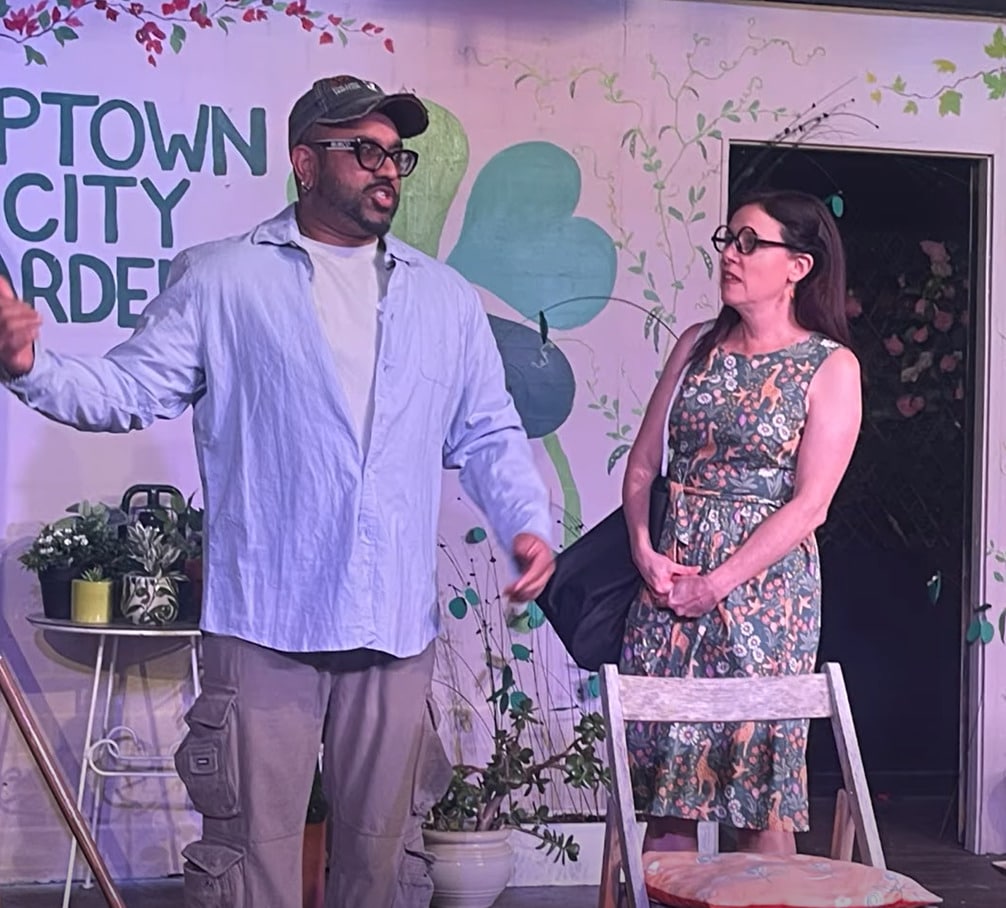
 

Ralph, played by Harry West, is naturally funny and would remind you of someone you know, a friend. His acting is real and friendly, allowing the audience to feel at ease. Elle Fisher plays both Donna and April, naturally owning the stage. She provides comic relief and fills the role of characters that show reality and acceptance. When watching Rachel Calder play Casey, her conversations and actions felt natural, like the audience could be part of the conversation. This show offers even more to relate to as there is LGBTQ+ representation in multiple characters. Several times throughout the performance, audience members fully laughed at the dialogue. The comedy gives the audience a joyous moment in such an intricate production.

This is a heartfelt play that offers many moments that people of all ages can relate to. Community Garden is playing at Roxy Lane Theatre from August 14th, 15th, 16th, 21st, 22nd, and 23rd, and I, for one, plan on visiting my local community garden soon to see what might be in store.

To book tickets to Community Garden, please visit https://www.taztix.com.au/event/roxylanetheatre/.

Spread the word on your favourite platform!

Pomona

Pomona

Pomona Rating

★★★★★

Click if you liked this article

4

Content Warnings: Coarse language, adult themes, references to sexual assault, and suicide.

Science fiction, Dungeons and Dragons, and a missing sister. Pomona has it all.

With a well-oiled cast who together bring the desolate Blade Runner-esque world to life, the audience is sucked into the mystery of the missing sister.

“Ollie? Like, Oliver? Like, a boy’s name?”

We follow the stories of multiple characters in Manchester; as they manoeuvre through the story the characters watch one another’s performances from the stairs and behind the audience in the cloisters. Are they judging each other? Observing from afar? Making a point of the interconnections between the characters? You decide.

The jagged, raw emotions from each character as they navigate their lives, their connections, and their mistakes is palpable, and flows naturally from the performers. The stress, fear, and love emanate from the stage – no performer holds back, fully immersing themselves and their audience in their character’s storyline.


The costumes bring a balanced mix of dreary and science fiction, looking natural on the performers while adding to the worldbuilding of this alternate Manchester. Each costume appeared carefully considered and tailored for the character, while managing to encapsulate the atmosphere of the alternate Manchester and the performance. There are few costume changes, and each of them were smooth, blending into the story seamlessly.

The same can be said for the set design and the set changes – well-chosen pieces that showcase the ambience of Manchester, and seamless changes undertaken by the performers. The set changes were efficient, and elegantly doubled as an opportunity for the performers to drape themselves in their next observation location for the scene. The pieces doubled as a backdrop for the city, never straying far from the stage, and some contained multiple uses, changing from a bed to a desk and back again – a very tasteful use of the pieces at hand without overwhelming the performers or audience.

The audience was enraptured from the first lowering of the lights – LED strip lighting lined the stage and emitted a soft glow of anticipation. With torches being used by the performers as well as the lighting team, there was no shortage of creative use. This extends to the use of sound, as they work hand-in-hand with the lighting team to not only set the scene, but fully immerse the audience.

Pomona jumps forward and back in time to tell the story, with the mystery of the missing sister unfolding as the characters’ connections and personal gripes unfold. Be prepared to walk away with questions, and maybe even a desire to play Dungeons and Dragons.

To book tickets to Pomona, please visit https://www.trybooking.com/events/landing/1476481.

Photographer: Sophie Livingston-Pearce & Alice Smith

Spread the word on your favourite platform!

Unicorn Girl

Unicorn Girl

Unicorn Girl Rating

★★★★★

Click if you liked this article

3

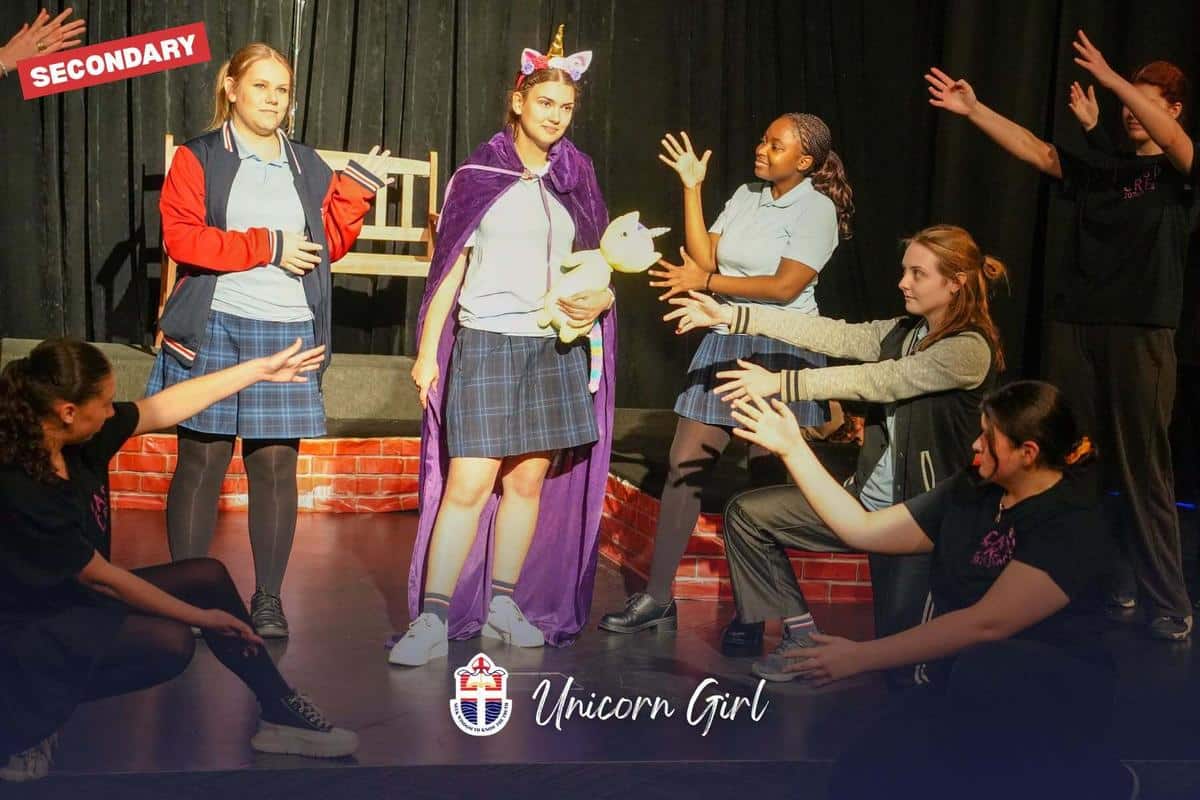
Madelaine Nunn’s Unicorn Girl is a quirky and heartfelt coming-of-age story exploring identity, friendship and the responsibilities that come with leadership. Under the direction of Rhiannon Thomas, John Wollaston Anglican Community School’s production embraced the humour and heart of the script, delivering an enjoyable evening of student theatre.

In the interests of transparency, I came to this production with a particularly close understanding of the material, having recently directed Unicorn Girl myself at Santa Maria College. This was, in fact, part of my interest in seeing another school’s interpretation of the work. Having worked intimately with the script, I also appreciate that Unicorn Girl is not necessarily an easy play to stage. As a relatively new ensemble work with a large cast and limited opportunities for traditional set, it asks a great deal of both director and performers—although finding inventive solutions to those limitations can also be part of the fun.

Leading the cast as Sam, Alexis Atkins gave a warm and engaging performance, bringing an endearing quality to the title character. Her strong vocal projection ensured Sam’s journey remained easy to follow.

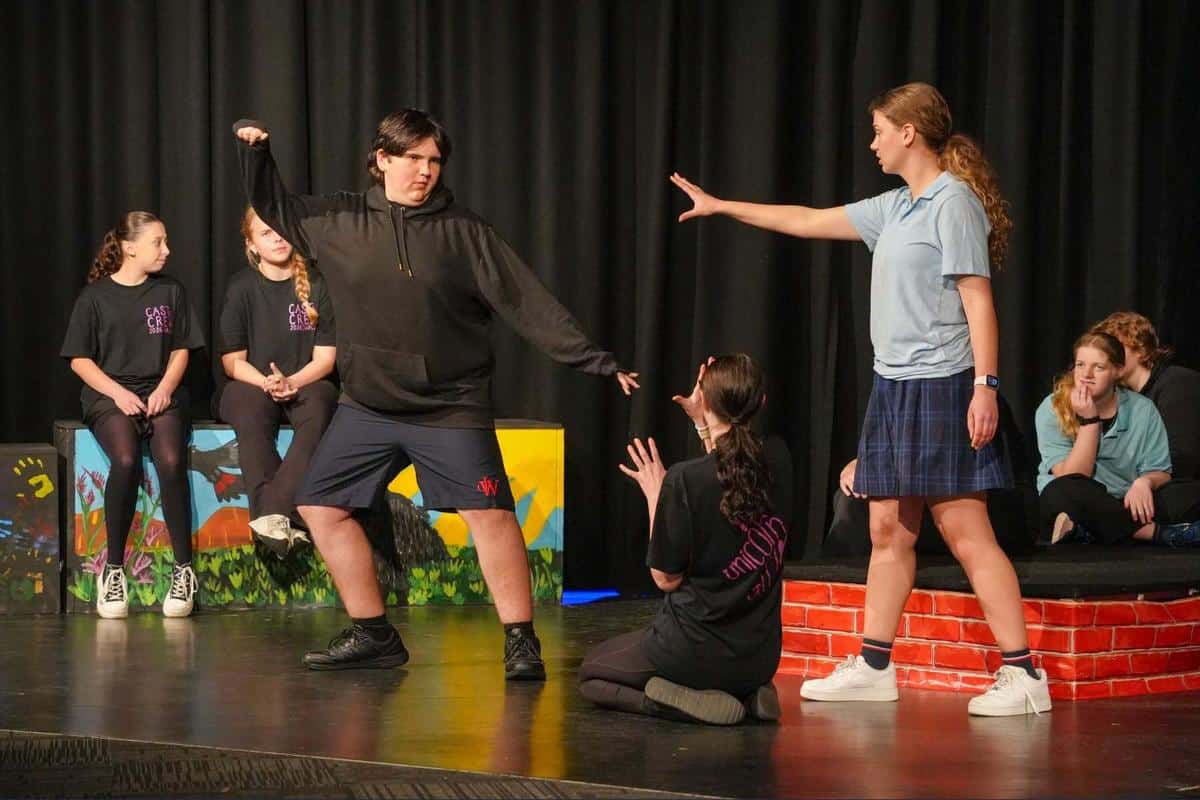
Among the supporting cast, Victoria Moyo delivered a confident and energetic performance. Ash Ulerick also made a memorable impression as Lee, with thoughtful vocal choices—including a subtle accent—that gave the character an appropriately slimy, slightly gangster-like quality.

Lila De Sena impressed with her versatility across multiple roles, particularly as Principal Higgins and one of the office ladies. She brought a lovely, bright energy to the stage, complemented by clear diction and strong vocal projection.


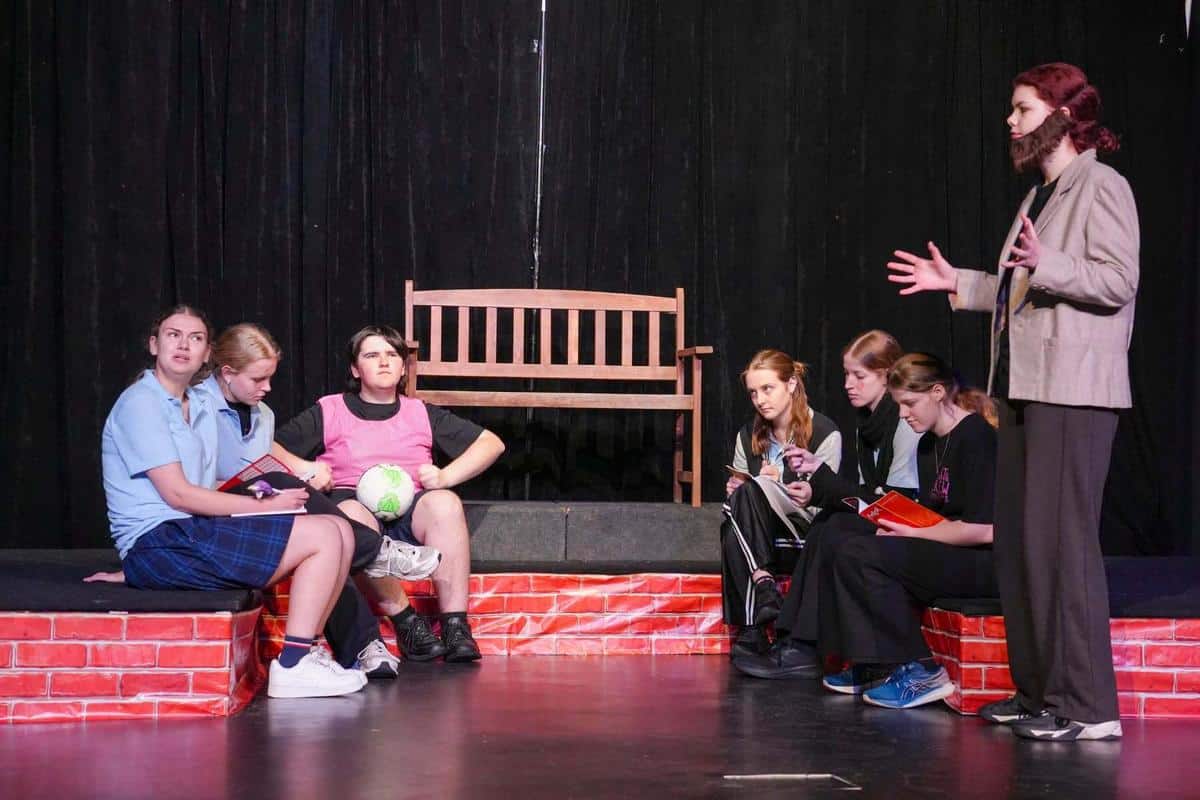
One of the production’s greatest strengths was its embrace of theatricality. The inclusion of original songs, composed by Sophie Albury, was a fun and unique addition, creating opportunities to bring the ensemble together and giving this interpretation its own identity. Creative staging choices also stood out, particularly the imaginative use of ensemble members’ bodies as pieces of the set—at one point, quite literally becoming a table. These moments added visual interest while keeping the larger ensemble actively involved in the storytelling. The decision to cast Archie Richards as Mum was another playful choice that suited the production’s heightened comic style and demonstrated a willingness to have fun with the material.

There were, however, moments where confidence wavered, with some uncertainty around lines occasionally interrupting the flow. More significantly, the overall energy and momentum softened through the middle and particularly towards the latter stages of the production.

Having recently worked with the script myself, I think some acknowledgement must be given to the material here. Unicorn Girl becomes quite dialogue-heavy and, in my view, somewhat overwritten towards its conclusion. There are sections that could benefit from substantial tightening, and sustaining energy through these passages presents a genuine challenge for both young actors and their director. Greater pace and confidence through these later scenes would nevertheless have helped maintain the momentum established earlier and strengthened the production’s final impact.

Despite these moments, the cast’s commitment was evident throughout. Unicorn Girl provides an accessible vehicle for a large school ensemble, giving young performers opportunities to explore comedy, character work, physical theatre and collaboration, and this production embraced those opportunities with enthusiasm.

School theatre is about far more than delivering a perfectly polished performance. It is about building confidence, developing creativity, taking risks and giving young people the opportunity to experience the joy of making theatre together. John Wollaston Anglican Community School’s Unicorn Girl embodied that spirit. The evident enjoyment of the cast, some inventive directorial choices and a strong sense of ensemble made for an entertaining evening. The cast and student technical crew should be commended for bringing this challenging and vibrant work to the stage!

To book tickets to Unicorn Girl, please visit https://www.trybooking.com/events/landing/1553471.

Spread the word on your favourite platform!

We Were Only Joking, My Dear

The Murder Room

The Murder Room Rating

★★★★★

Click if you liked this article

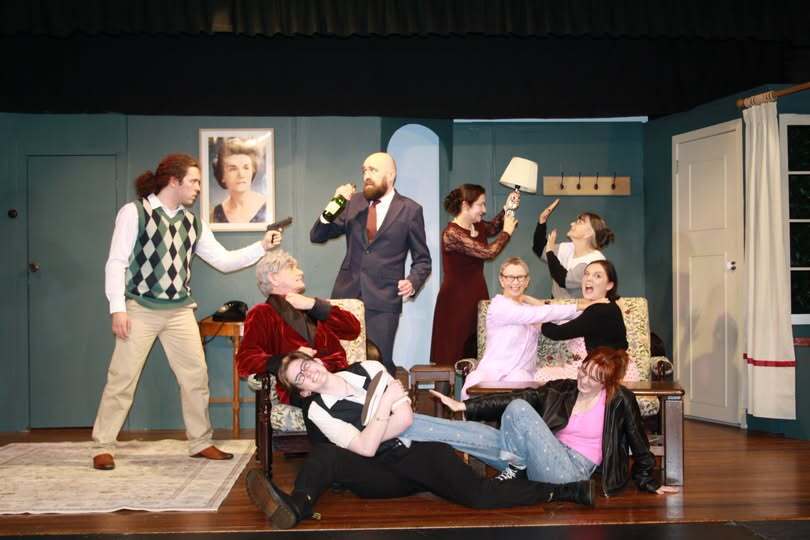
“The Murder Room” is currently on at the New Farm Nash Theatre. This comedic farcical play is directed by Sharon White, known for her Agatha Christies productions. It was originally written in 1977 by Jack Sharkey, an American author who had over 80 plays published, a prolific catalogue of novels and articles appearing in Playboy.

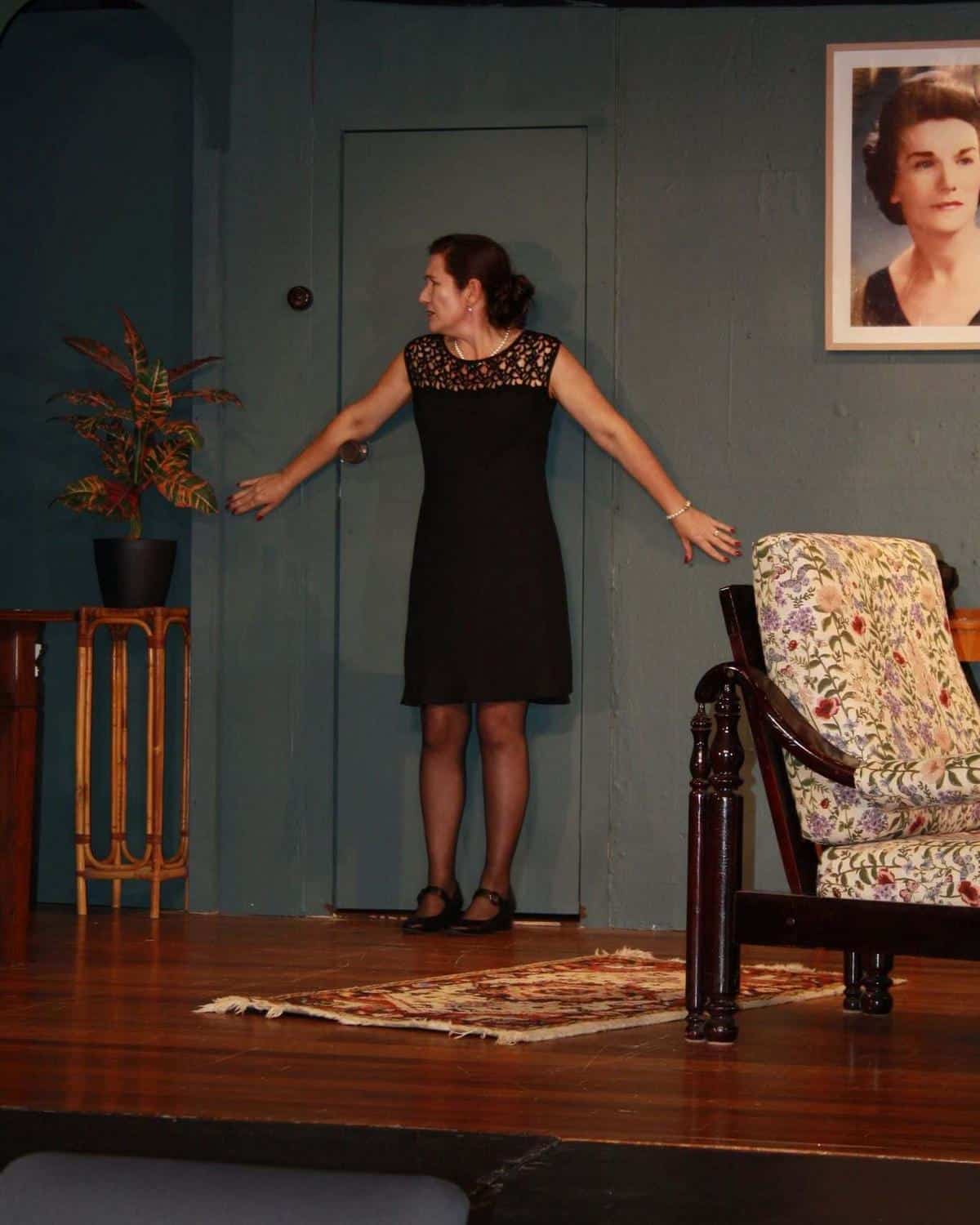
Once again, the hard-working committee and members of Nash Theatre have presented us with a simple yet functional set, modestly decorated but with tricks that reveal as the play progresses. Sound effects are well used adding to the believability of a large home.

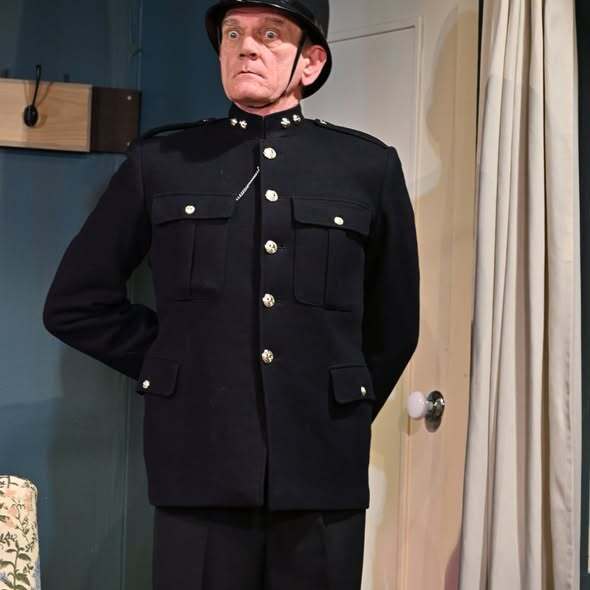
An array of costume changes for the ladies kept us guessing the era but did not distract. The gentleman gave a Great Gadsby vibe noting the smoking jacket, the knitted vest and the Bobby costume or maybe Doc Martin.

The cast all complemented each other in this farcical production that was filled with corny one-liners and comebacks. The over-the-top expressions and actions entertained the audience who rewarded the actors with constant laughter.

John Mann played two characters. Distinguishing between them with the help of a wig, a moustache and accent. Firstly, as the upper crust gentry Edgar Hollister newly married and gullible inventor to reappear as the bumbling slow-witted Bobby. Creating two funny and awkward characters.

Philippa White played Mavis Templeton. The conniving, manipulative Gold Digger. Who in the very opening scene gives the impression that she has killed her new husband, Edgar. From there we are led on a merry chase – of is he or isn’t he dead?

Philippa plays the part with great conviction, facial expressions and comedy.


The housekeeper, Lottie Malloy, played by Robyn Stumm was always chipping in, adding her two cents worth, whether it’s invited or not. The comical aspect of this was rather like a Laurel and Hardy or Charlie Chaplin character with noise.

Jonathan Knox came in as the inspector, but actually was the red herring. His tall physique and interrogational manner suited the role very well. Lulling us into a false belief of his involvement until the end. Again a talented actor with great stage presence.

When Edgar’s daughter Susan appears with her new fiancĂ©, we are introduced to two more characters, adding further comedic opportunities. Madeline Scott played the rather ditsy, naive character, who innocently drops hints and clues as what was going to happen and how throughout the play. Her mimicking of Mavis’s facial expressions added to the comedy.

Drew Russell playing Barry Draper, had a great American accent to distant himself from suspicion as the newly engaged fiancé to Susan. A millionaire about to marry into the landed gentry. He was like a calming anchor for the play. Drew held this character together very well when all was going to pieces around him, playing the straight guy is a skill.

The play overall relied on quick comebacks with fast-paced banter. Which the cast mostly achieved. The choreography of the lights on, off scene was very well done.

The play went for two hours 10 minutes, including interval, and the church hall in New Farm is very handy to the city.

As usual the mature audience laughed and cackled, picking up on nuances that appealed to a certain era of entertainment. But speaking with audience members they very much enjoyed the comedic farce that was presented. Among the comments were ‘aren’t we lucky to have such affordable theatre, so close to us.’ And once again, community theatre is just that; affordable theatre right in your neighbourhood. So, make sure you get out and support them.

The play runs until the 29th of August. Tickets are through Trybooking .com

To book tickets to The Murder Room, please visit https://nashtheatre.com/play-3-2026/.

Spread the word on your favourite platform!

Subscribe to What's The Show

Reviews, show news and what is on, straight to your inbox.