A Look At Love Again In Neil Simon’s Play ‘Chapter Two’

Chapter Two

Chapter Two Rating

Click if you liked this article

3

Chapter One of your life – if you are lucky, you may date, find your ‘person’, your one true love and live happily ever after. But what happens if that person isn’t there anymore? Do you find another True Love? Do you deserve a second chance at love? “chapter two”, written by Neil Simon and directed by Moja Band, is a fast-paced play exploring the human depth of emotional self-introspection.

Neil Simon is widely regarded as one of the most successful playwrights by his audience and peers. Over his career, he wrote more than 30 stage plays, many of which were adapted into major motion pictures – a rare achievement that highlights his influence on both theatre and film. Simon’s work earned him significant critical respect, reflected in his record for the highest combined number of Oscar and Tony nominations received by any writer in show business history. Having written comedies such as the well-known plays The Odd Couple and Biloxi Blues, I was looking forward to seeing the Hunter’s Hill Theatre’s production of “chapter two”.

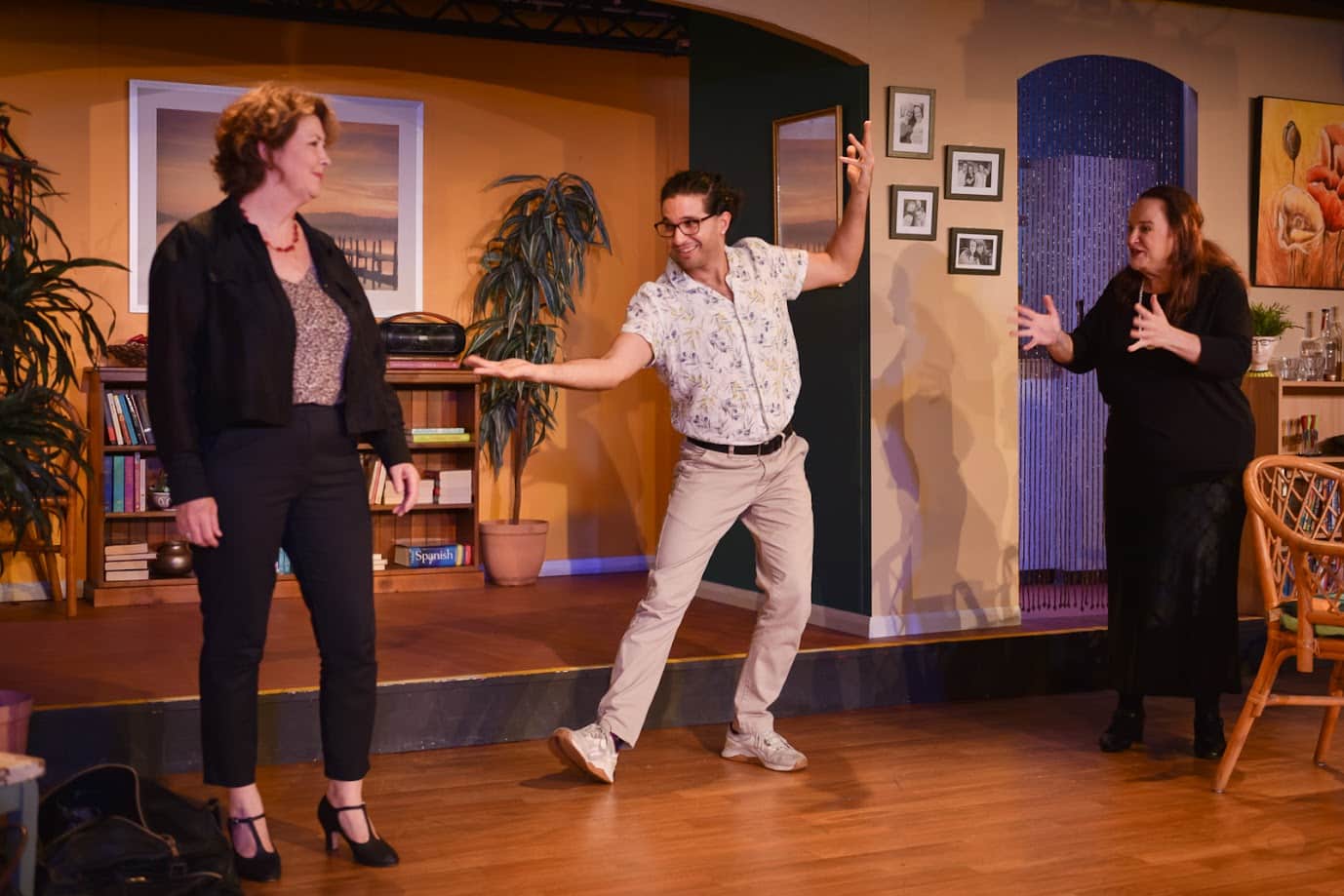
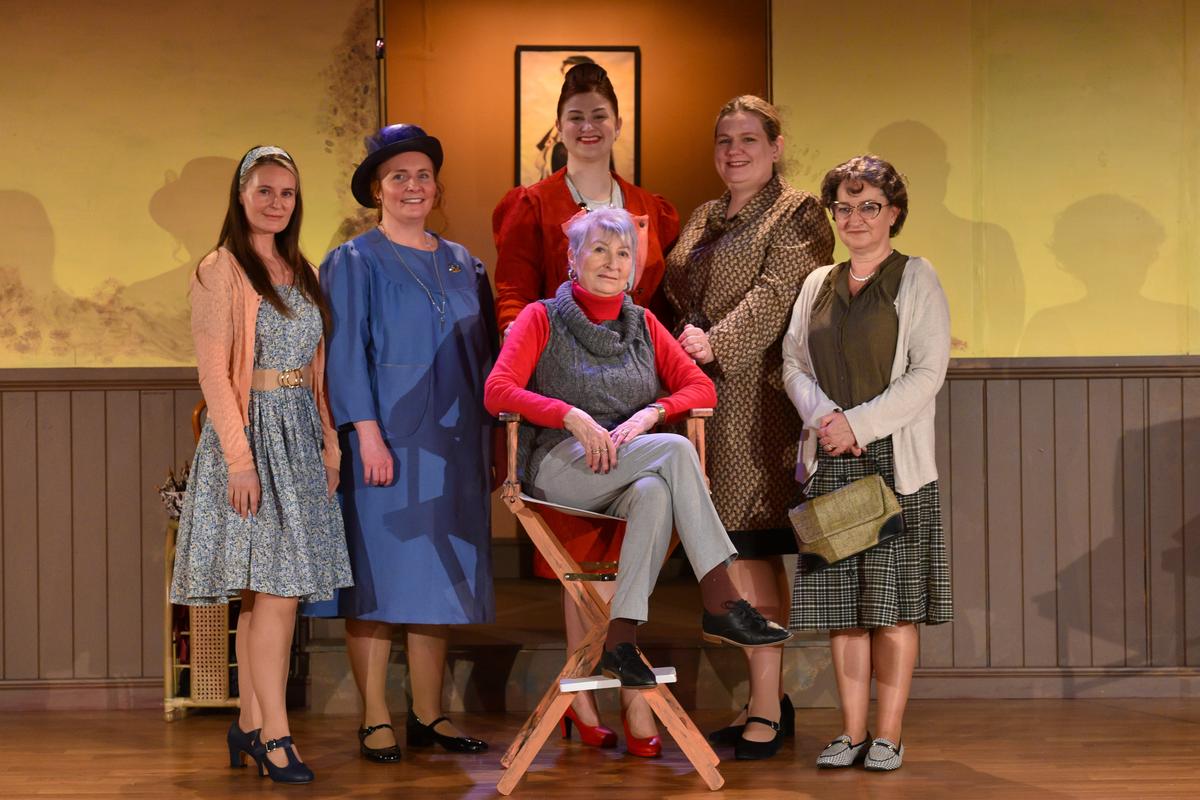
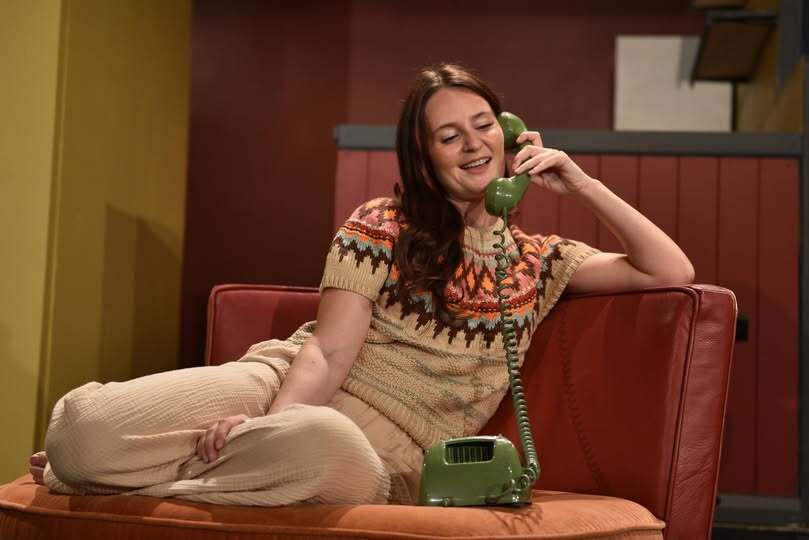
When grieving widower George (Daniel Ferris) returns from an overseas trip that was meant to be healing following the loss of his beloved wife Barbara, his brother Leo (Simon Pearce) sets him up with Jennie (Laura Stead) who had gone through and come out the other side of a divorce. Though at first reluctant to return to dating, George relents and picks up the phone to call Jennie. What follows is a surprisingly strong connection between the two characters and they agree to meet that day in George’s apartment. A whirlwind romance blossoms during the first act leading to an unexpected (from the audience’s point of view) engagement after only knowing each other two weeks. Treated to the witty dialogue with the trademark one liner sharp comedic lines of Neil Simon, carried off with just the right amount of nuance and confidence by the two lead characters, I was hooked and asking myself, “where does it go from here?”.
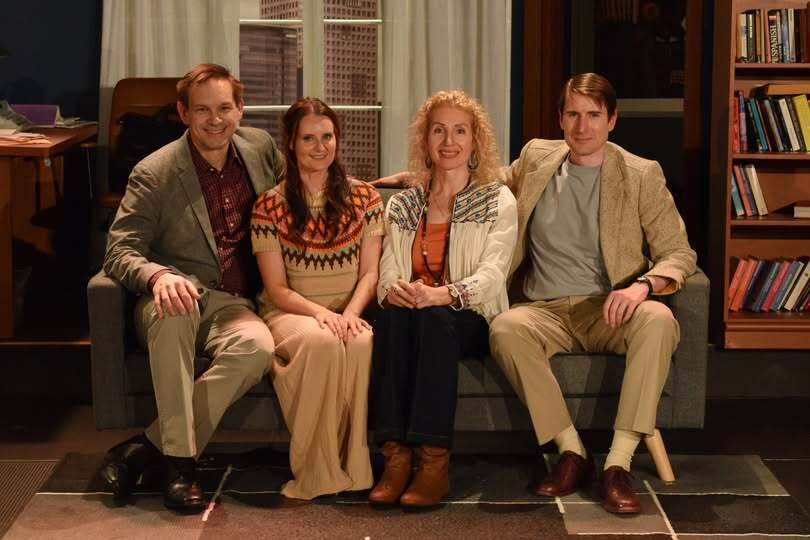


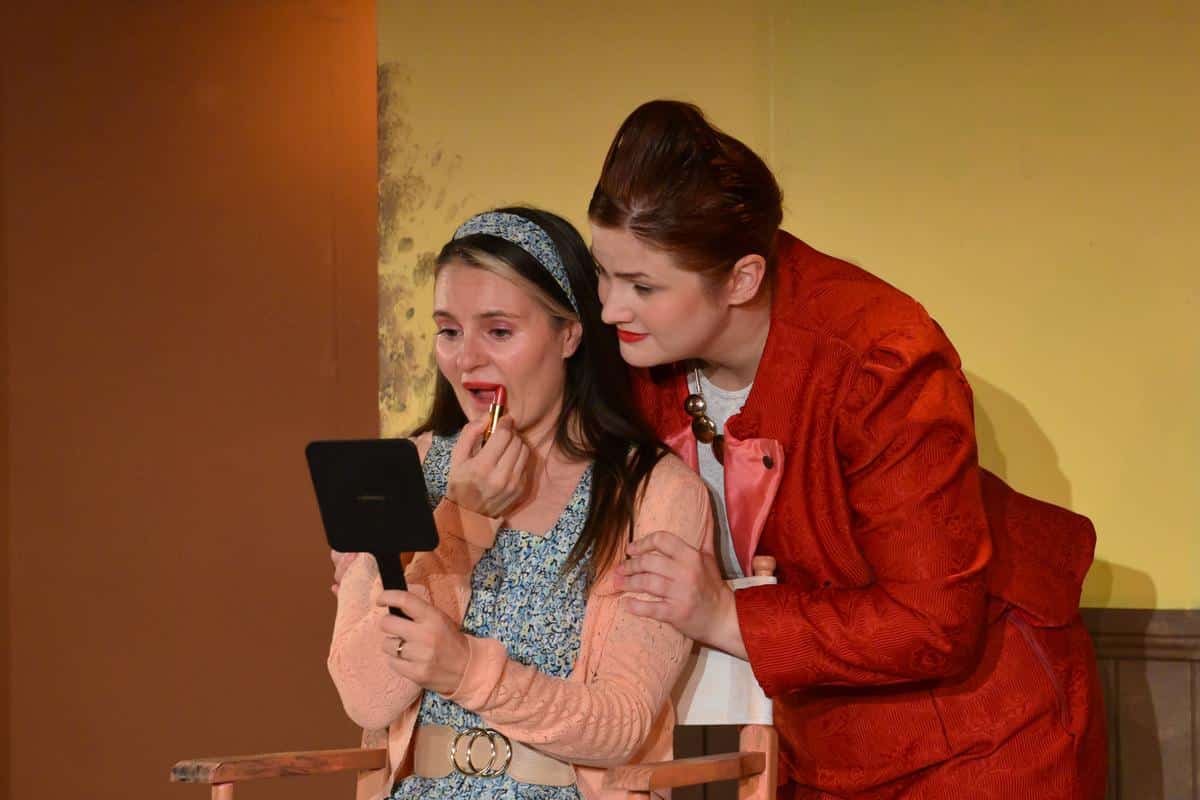
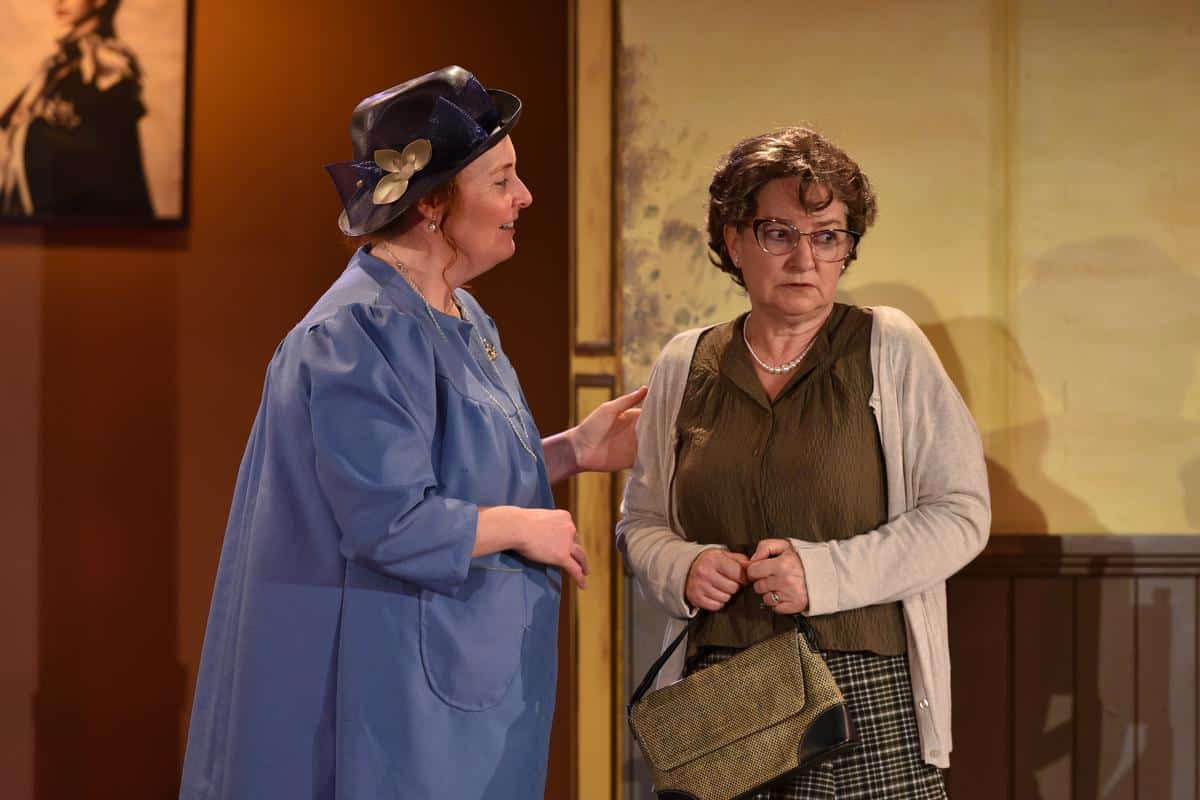
Meanwhile, Jennie’s best friend Faye (Margareta Moir), a brassy actress unhappy in her loveless marriage, longs for attention and affection. Moir highlights Faye’s dramatic lunge into what she hopes will be a cloak and dagger affair with George’s brother Leo, a busy press agent. Pearce leans fully into the role of Leo, a smooth-talking philanderer (and proud of it!) and both he and Moir together deliver the lighter comedic scenes in contrast to some of the more complex themes his younger brother and Jennie are experiencing.

The second act sets out to explore some of these emotionally conflicting themes as George deals with his unresolved immense guilt about moving forward with his life with Jennie. I felt the weight of these heavy scenes as the actors encompass their characters.

Only two months ago, Ferris co-directed The Heartbreak Choir with Pymble Players, which I saw and loved. He quickly switched hats from director to actor onstage, with an outstanding performance playing all the complicated highs and lows of George. “chapter two” was semi-autobiographical, echoing similarities of Neil Simon’s life. Like his character, Simon was already a successful writer when his wife of twenty years passed away from cancer. He met and married his second wife just three months after she died. Drawing from his own guilt and subsequent pulling away from his second wife in the months shortly after their marriage, it is no wonder the dialogue felt so real and raw.

Jennie is left with the emotional fallout of George’s unhappiness during their honeymoon and on the return to their apartment. Stead’s performance led me to be cheering for her character to have a happy life as when we first met Jennie, she was bright, a real sweetheart and full of life. There were plants all around her apartment and from the first telephone conversation, Jennie’s optimism and sweetness was apparent. In the second act, Jennie stood up to George when he was saying some hurtful things to her, and the strength in these scenes showed us that she would fight for George because she loved him, and that she had the confidence to not be a replacement wife but be loved for who she is.

Stead delivers a commanding performance as Jennie, capturing her fierce independence, yet also her raw vulnerability. I had seen Stead some time ago performing the lead role in Hunters Hill Theatre’s “The Ballad of Maria Marten” and I remember that I was impressed by her acting then. It is to her credit that I didn’t recognise she was the same actress until I read her bio in the program, as that character was so different from the current character she was portraying; a testament to Stead’s acting.

The stage was divided into half, with each representing George and Jennie’s apartments. The lighting design by Antony Read worked well, using different types of light and strengths to highlight each. The sound design by Peter Tucker brought out the emotional moments in the play, with songs from the 1950’s lyrics delivering subtle messages to the audience. Well done to the lighting and sound operators Wayne Chee and Oliver Davies on the night I attended the play.

“chapter two” is a witty and emotionally raw masterpiece. Book your tickets to see Hunters Hill Theatre’s performance of this deeply moving play, which invites audiences to witness a story of self-reflection after tragedy and the courageous pursuit of true happiness, the second time around.

Season: 29 May 2026 – 21 June 2026
Running Time: Approx 2 hours with a 15 minute intermission
Club Ryde Ex. 728 Victoria Road, Ryde.
Tickets: www.huntershilltheatre.com.au

To book tickets to Chapter Two, please visit https://www.huntershilltheatre.com.au/.

Spread the word on your favourite platform!

Exit Laughing

Exit Laughing

Exit Laughing Rating

Click if you liked this article

3

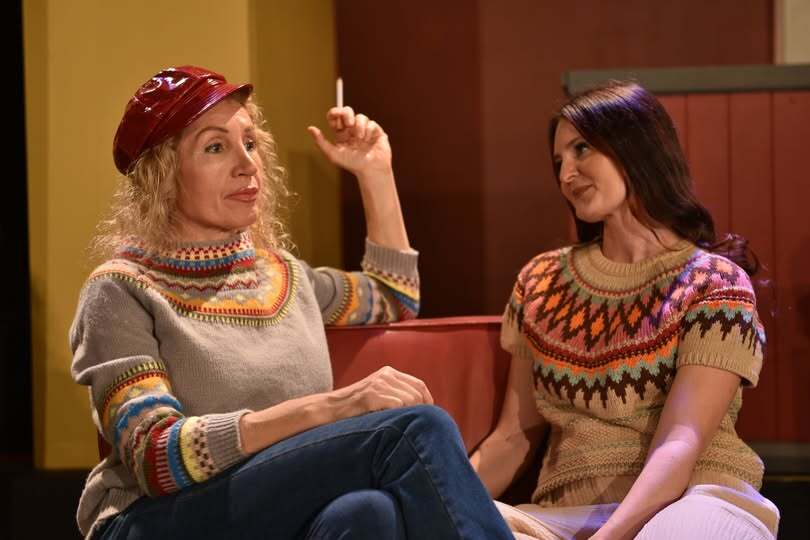
There are plays that make you laugh, plays that make you cry, and then there are plays that quietly sneak up on you and remind you that life is happening right now. Watching ‘Exit Laughing’ feels a little like attending the obituary of a woman who refused to leave the table before the last hand was played. Not a solemn obituary, of course—but one written in laughter, cake crumbs, and the shuffle of bridge cards.

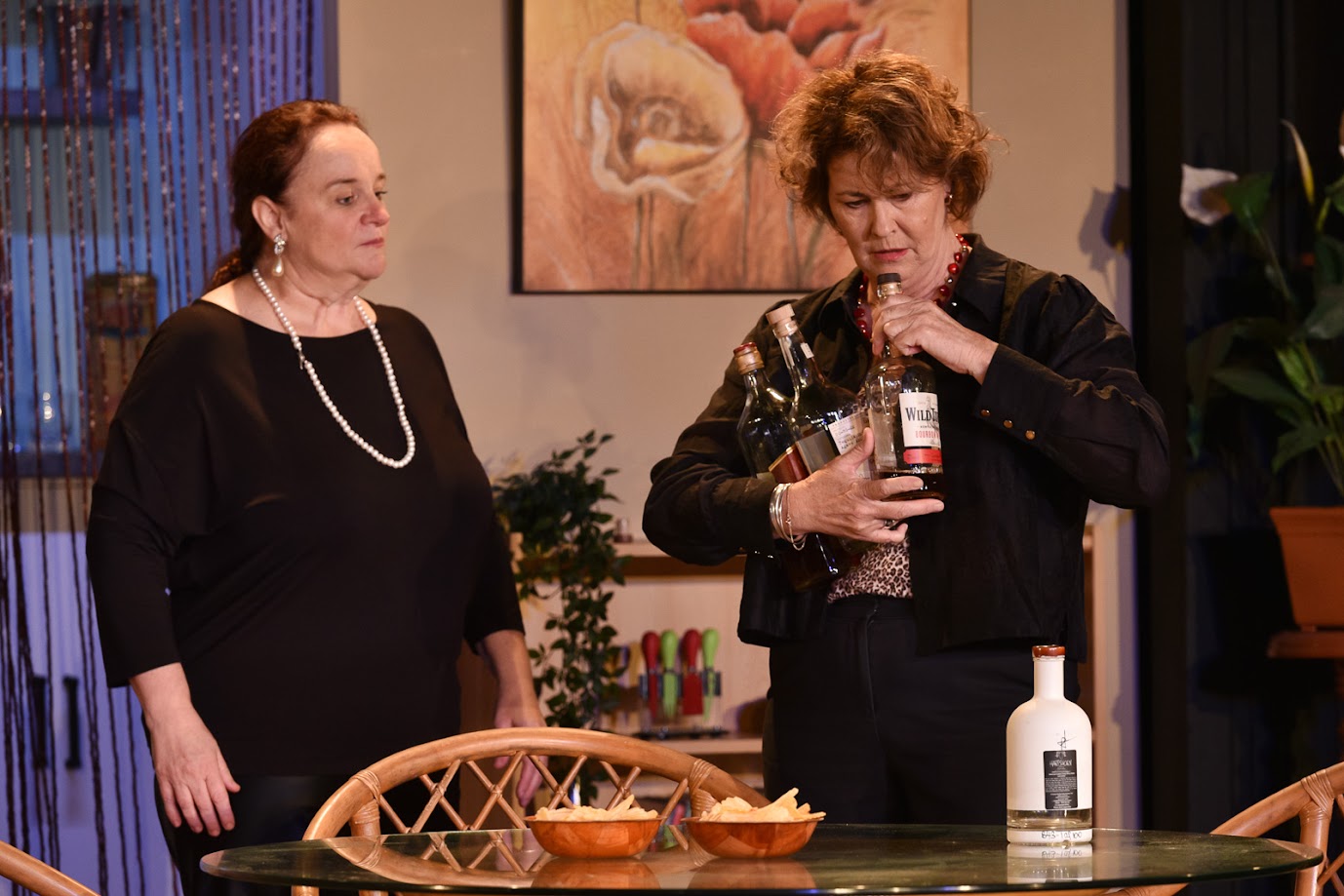
For thirty years, Mary’s greatest adventure was her weekly bridge night with “the girls.” In the grand ledger of life, perhaps that sounds small. But for Connie, Leona, Millie, and Mary—four Southern ladies from Birmingham—it was ritual, friendship, and the quiet glue that held the years together. So when Mary dies rather inconveniently before the next scheduled game, the surviving trio does what any respectable, bridge-loving friends might do: they “borrow” her ashes from the funeral home and bring her along for one final night of cards.

From that moment on, the play unfolds like a mischievous wake—one where the guest of honor is present in an urn and the night spirals gloriously out of control. What begins in melancholy quickly turns into an evening of surprises. It is ridiculous in the best theatrical sense: a celebration of life disguised as chaos.

Originally staged at the historic Landers Theatre by the Springfield Little Theatre, the production famously broke the theater’s fifty-year record for tickets sold, playing to standing-room-only audiences and becoming the most popular non-musical in the theatre’s century-long history. It is not difficult to see why. The play carries a universal message wrapped in laughter: it is never too late—or too early—to seize the day.


The recent production at Hunters Hill Theatre, directed by Annette Van Roden, captures this spirit beautifully. Van Roden’s direction keeps the pacing lively while allowing the emotional moments to breathe. She has clearly chosen her cast with care, creating an ensemble that feels authentic, warm, and delightfully human.

Among the cast, Penny Church’s Millie stands out as a particularly charming presence—eccentric, slightly unhinged, but utterly lovable. Her performance captures the play’s essence: that life, even in its later chapters, can still be wild, surprising, and full of joy.

By the end, the audience leaves with what might best be described as a warm aftertaste—a smile lingering long after the curtain falls. In the end, Exit Laughing is less a comedy about death and more an obituary for a life lived too cautiously. Mary’s final hand reminds us all that the game isn’t over yet—and that the best move might simply be to laugh and play on. ♠️♥️♣️♦️

To book tickets to Exit Laughing, please visit https://www.huntershilltheatre.com.au/.
Photographer: Daniel Ferris

Spread the word on your favourite platform!

A Thoughtful, Entertaining, And Faithful Rendering Of A Complex Classic

Rosencrantz & Guildenstern Are Dead - Hunter's Hill Theatre

Rosencrantz & Guildenstern Are Dead – Hunter’s Hill Theatre Rating

Click if you liked this article

1

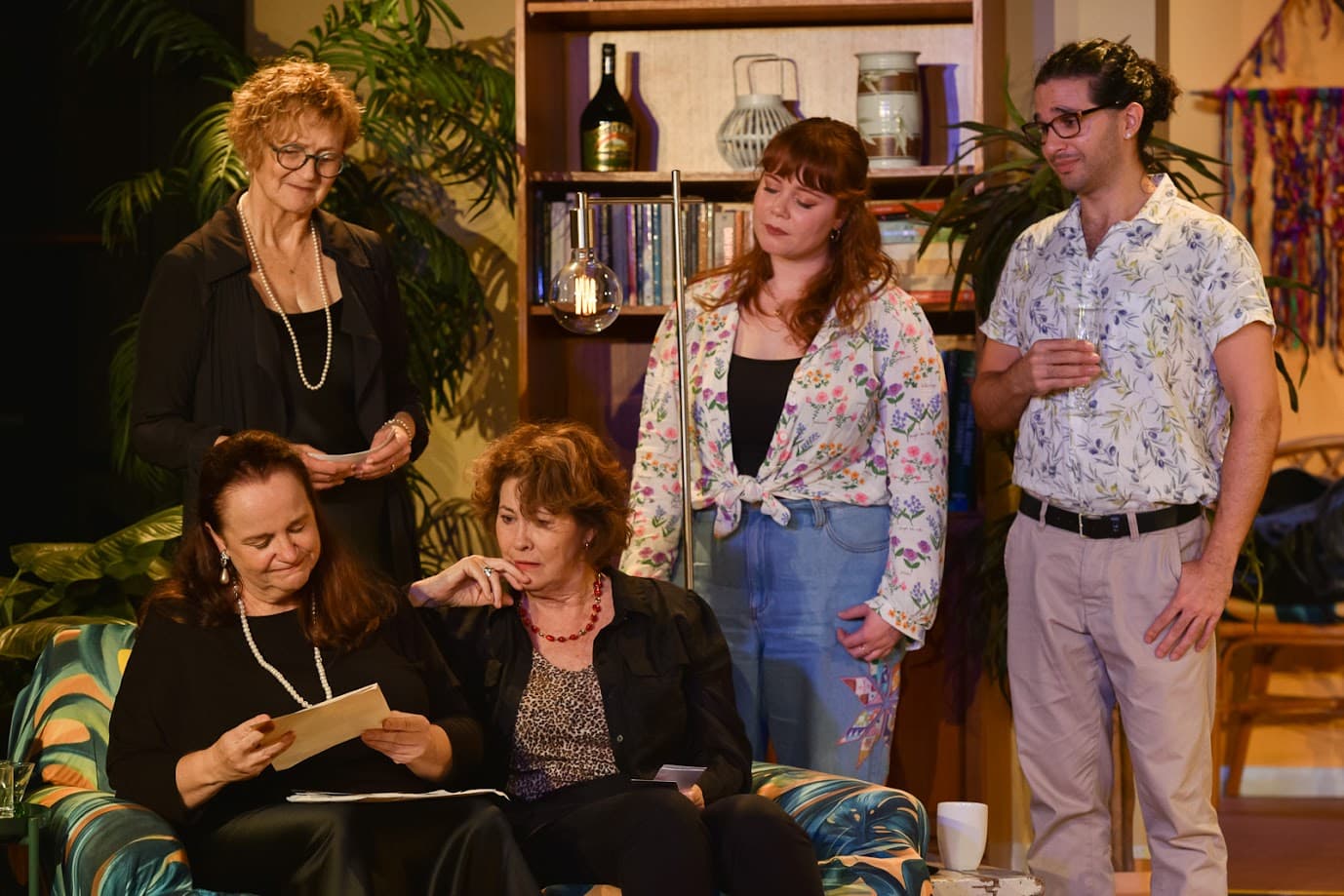
Hunters Hill Theatre’s “Rosencrantz & Guildenstern Are Dead,” Tom Stoppard’s legendary absurdist tragicomedy, delivers a warm and lively take on the tale of two minor Hamlet; characters doomed by fate and their own obscurity. From the outset, the greeting from the Hunters Hill Theatre committee sets an inviting tone, matched by the cheerful note of live music wafting through the space as the audience finds their seats; a particularly thoughtful touch that eased the transition into what would be a lengthy but joyful theatrical experience.

Stoppard’s play pivots around Rosencrantz and Guildenstern, two bewildered courtiers caught on the fringes of Hamlet’s story, who contort through existential wordplay, philosophical meanderings, and a growing awareness of their own lack of agency. The narrative, fragmented and surreal, weaves in and out of Hamlet, placing our protagonists in a landscape where meaning and momentum are perpetually just out of reach. While in theory this absurdist structure invites playful confusion, in practice it can be a genuine challenge for audience members to follow; something I certainly experienced at times.

The sequence of coin tosses, theatre-troupe hijinks, and discussions of fate and free will were made more powerful by the gorgeous old theatre style setting, the reds of the enticing set, the colourful costuming and light design and the interwoven 90s classics as the soundtrack.

Karen Pattinson’s Rosencrantz anchors the show with remarkable vitality, her presence is infectious, and she brings a buoyant, engaging quality to every scene. With a playful physicality, Pattinson makes superb use of the stage, drawing energy from even the most challenging passages and keeping the audience engaged. She manages the lightness and quick wit the role demands, creating a Rosencrantz who is both affable and deeply sympathetic, maintaining momentum even where Stoppard’s existential riddles might otherwise cause the pace to lag.


Jivan Drungrilas as Guildenstern plays the perfect foil to Pattinson’s cheer, rendering their character with brooding skepticism and philosophical weight. The dynamic between the two is the production’s heart; comic timing and tonal balance keep the core relationship feeling alive, dynamic, and frequently funny.

The supporting cast deserves credit for enlivening the margins with punch and humour, particularly during the play’s meta-theatrical moments and ensemble-driven scenes involving the Tragedians. The use of shadow puppetry adds a whimsical element. Their comic timing and character work bring welcome clarity and relief, heightening the absurdity while never losing the sense of fun.

Practical touches, such as the provision of cushions for the chairs, should absolutely be taken up, as the play’s length is both a testament to the ambition of the company and a point of practical consideration for audiences. These small gestures, along with the committee’s warm welcome, reflect the community ethos that makes local theatre so rewarding.

As with any opening night, there were some small hiccups and moments where the pace snagged slightly, but these did little to diminish the overall energy and connection of the cast. The enthusiasm onstage, particularly in the lead performances, quickly won over the audience and supported the more challenging elements of the text.

The direction of Tui Clark and the well-chosen cast really have taken this piece to the next level. The production offers a thoughtful, entertaining, and faithful rendering of a complex classic.

To book tickets to Rosencrantz & Guildenstern Are Dead – Hunter’s Hill Theatre, please visit https://www.huntershilltheatre.com.au/.
Spread the word on your favourite platform!

The Revlon Girl: Grief, Grit and Grace in a Welsh village

The Revlon Girl

The Revlon Girl Rating

Click if you liked this article

In a quietly moving production, The Revlon Girl brings to life the complex emotional aftermath of one of the UK’s most devastating tragedies – the Aberfan disaster of 1966. Directed by Jennifer Willison, this amateur production presented by Hunters Hill Theatre honours the resilience and humanity of those left behind.

On the morning of 21 October 1966, a coal waste tip collapsed onto the village of Aberfan in South Wales, burying Pantglas Junior School. The landslide killed 144 people, including 116 children. The event, as sudden as it was catastrophic, left a community overwhelmed by grief, anger, and unanswered questions.

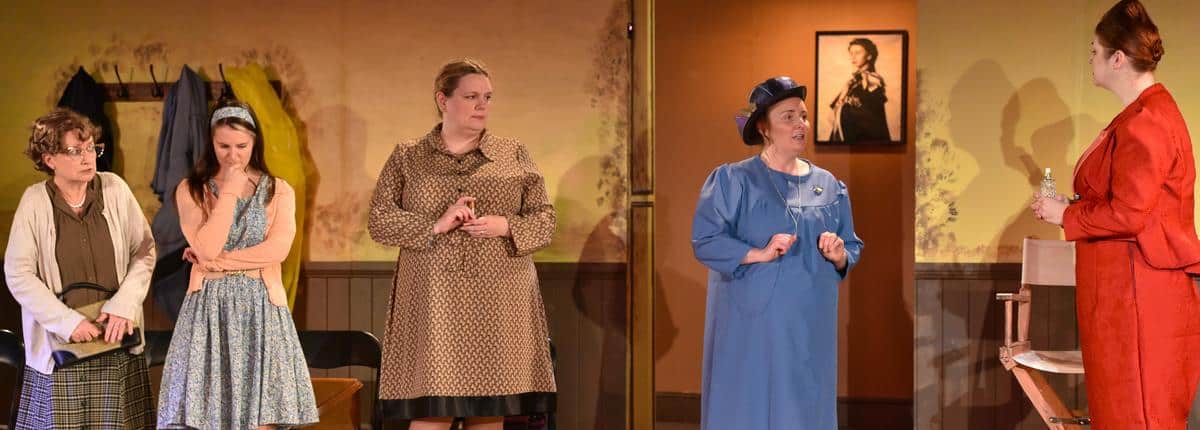
Docking’s play imagines a meeting of four bereaved mothers, eight months after the tragedy. They gather in a back room above a pub – still deep in mourning, but grasping for something, anything, to lighten their pain. In a gesture that’s equal parts defiant and desperate, they’ve invited a Revlon representative to speak to them about beauty. The logic? Maybe a touch of lipstick could lift the spirits, even briefly.

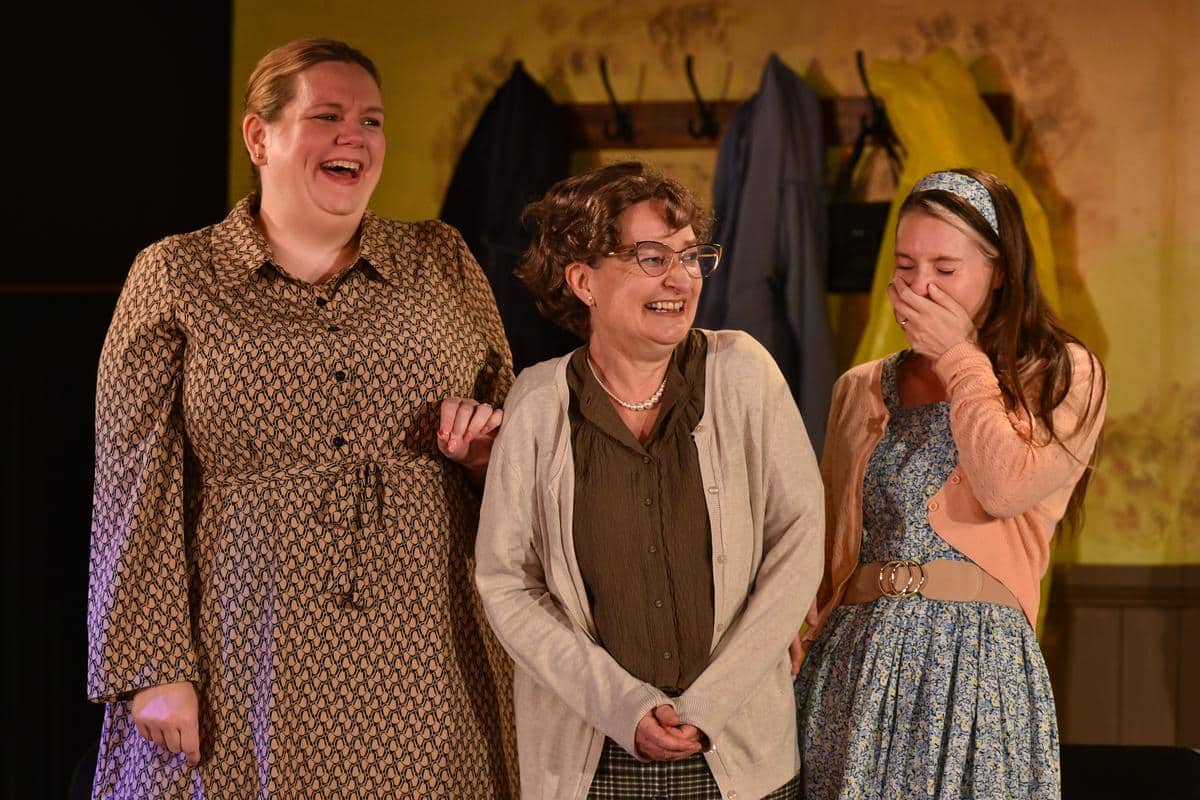
Each woman carries her grief differently. Rona (Anthea Brown) is fiery and confrontational, lashing out at others to mask her own despair. Sian (Laura Stead) is eager to please, lost in a fog of denial and abandonment. Marilyn (Kate Kelly) clings to the hope of contacting her children through spiritual means. Jean (Annalie Hamilton), heavily pregnant again, struggles to reconcile the past with the future growing inside her.

The Revlon Girl (Niamh McKervey) at first seems naïve and out of her depth, awkwardly tiptoeing around the room’s raw emotional undercurrents. But as the evening unfolds, she reveals her own hidden grief – bridging the gap between outsider and insider, and showing how even small acts of care can resonate in moments of deep despair.

While the play echoes with sorrow, it’s peppered with disarming humour and small moments of grace. The dialogue is rich with wit, capturing the unspoken ways people try to survive the unbearable. It’s a credit to the cast that these tonal shifts feel authentic, and not forced.

The minimalist set (Casey Moon-Watton) and restrained lighting (Wayne Chee) focus attention exactly where it should be – on the women, the words, and the emotional tension in the room. Subtle sound effects – rain, thunder, distant echoes – underscore the weight of memory without distraction.

The Hunters Hill Theatre’s home at Club Ryde is a relaxed and comfortable venue, seating around 100 in an air-conditioned auditorium. With food and beverages available at club prices downstairs, and ample onsite parking, it makes for a welcoming evening out.

Running from 30 May to 22 June 2025, The Revlon Girl is a sensitive, compassionate portrayal of unimaginable grief and the strength it takes to keep going. It reminds us that even in the darkest moments, connection – and yes, even a little lipstick – can offer a flicker of light.

Written by Neil Anthony Docking | Directed by Jennifer Willison | Presented by Hunters Hill Theatre at Club Ryde

To book tickets to The Revlon Girl, please visit https://www.huntershilltheatre.com.au/whats-on.html.

Photographer: Dan Ferris

Spread the word on your favourite platform!