The Rep Presents: The Other Place

The Other Place

The Other Place Rating

★★★★★

Click if you liked this article

1

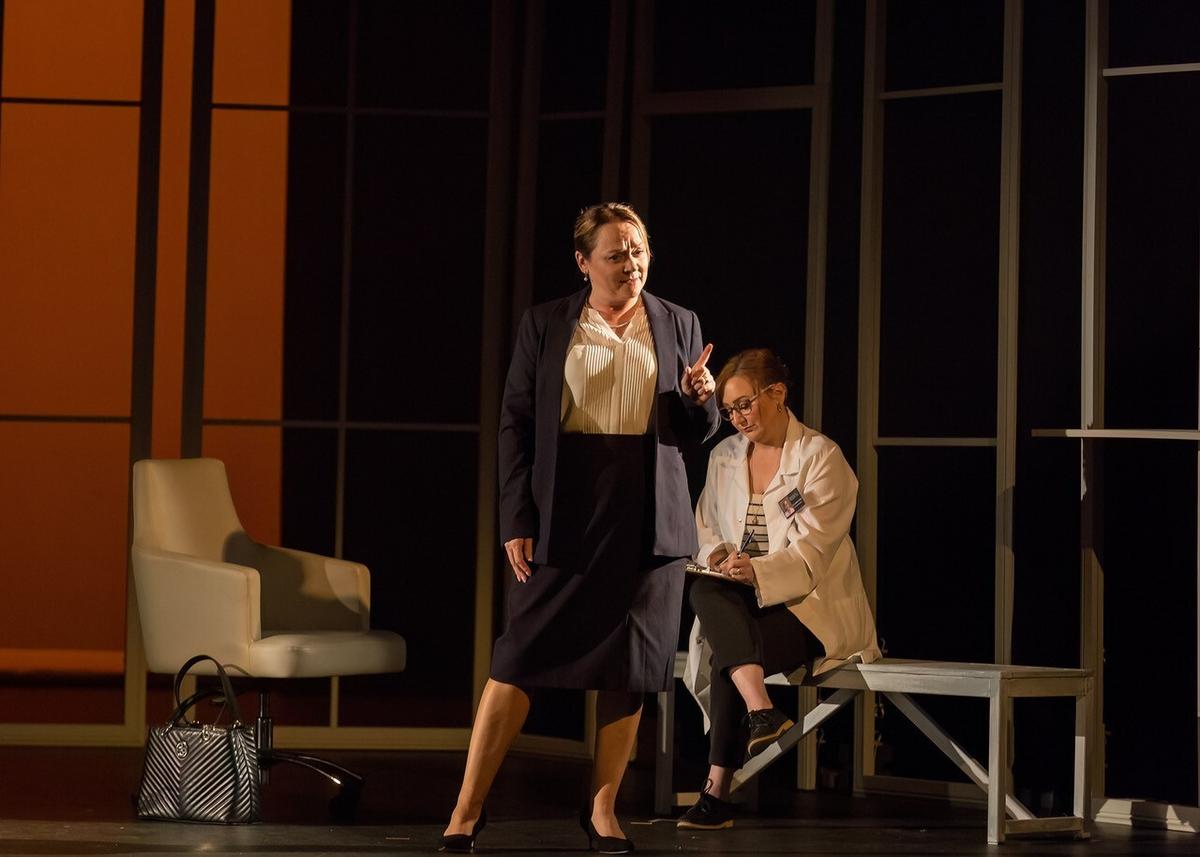
Sponsored by Dementia Australia, the Adelaide Repertory Theatre’s production of ‘The Other Place’ by Sharr White portrays an emotional journey of the impact this disease can have on the surrounding people. As Dr Juliana Smithton struggles to accept her ‘medical episode’ and unexpected diagnosis, the people around her attempt to adapt and cope with her changing moods, sudden accusations, and large gaps in memory. Told entirely from Juliana’s perspective, the unreliable narration of the play leaves the audience wondering which moments were real and which were her deluded imaginings to make sense of her reality.

Robyn Brookes performance as Juliana is consistent, not leaving the stage from the very beginning of the one act play. Brookes shows great range as her character begins calmly and almost flatly, transitioning to cruel and cocky, before plummeting to desperate vulnerability, and finishing with quiet acceptance.

Jules’ devoted husband Ian, played by Scott Nell, displays a few beautiful moments of heartbreaking desperation as he tries to reason with his wife. However, there are times where an overuse of hand gestures and melodramatic tone hint to a lack of chemistry in this partnership. Brendan Cooney plays multiple minor characters as Man, reliably supporting his castmates with his solid stage presence and delightful diversity of characterisation. From the technician at Juliana’s presentation, to her disgraced post-Doc student, to her doctor, Cooney’s timing was great to watch.
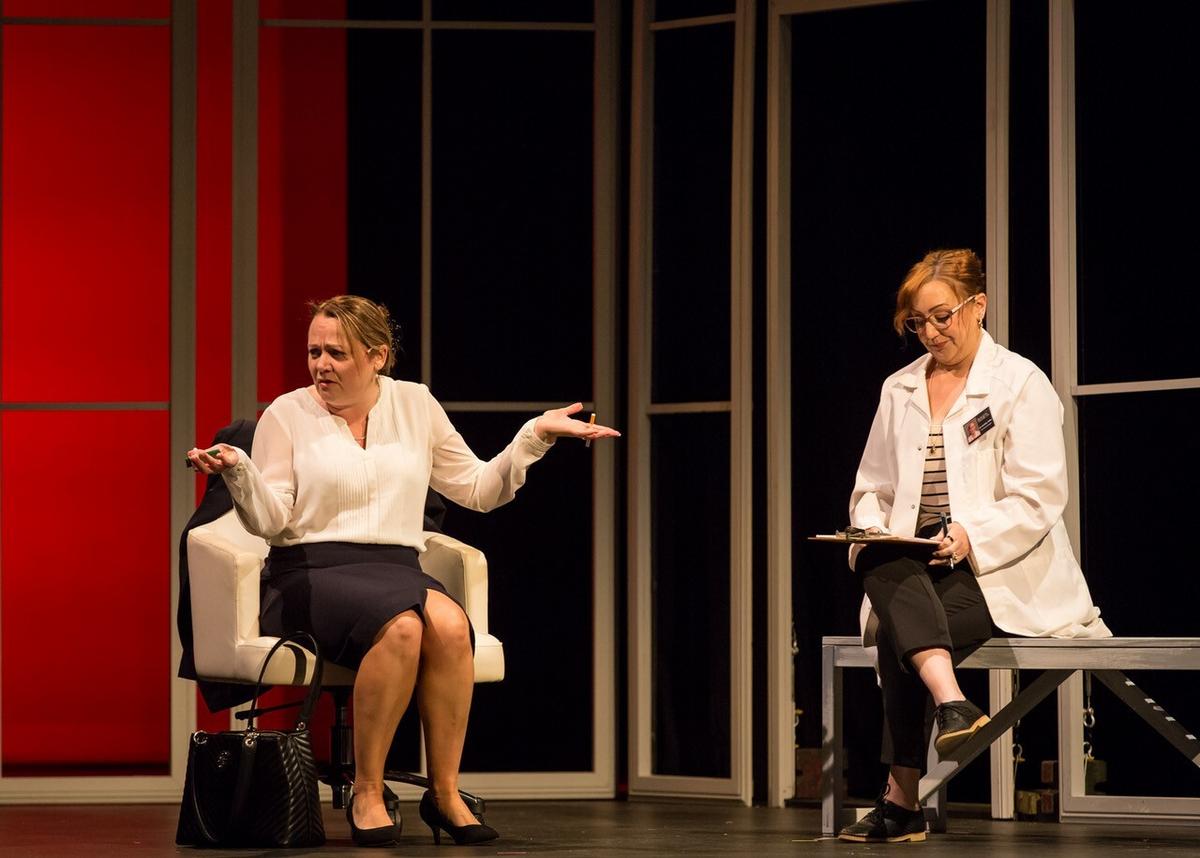
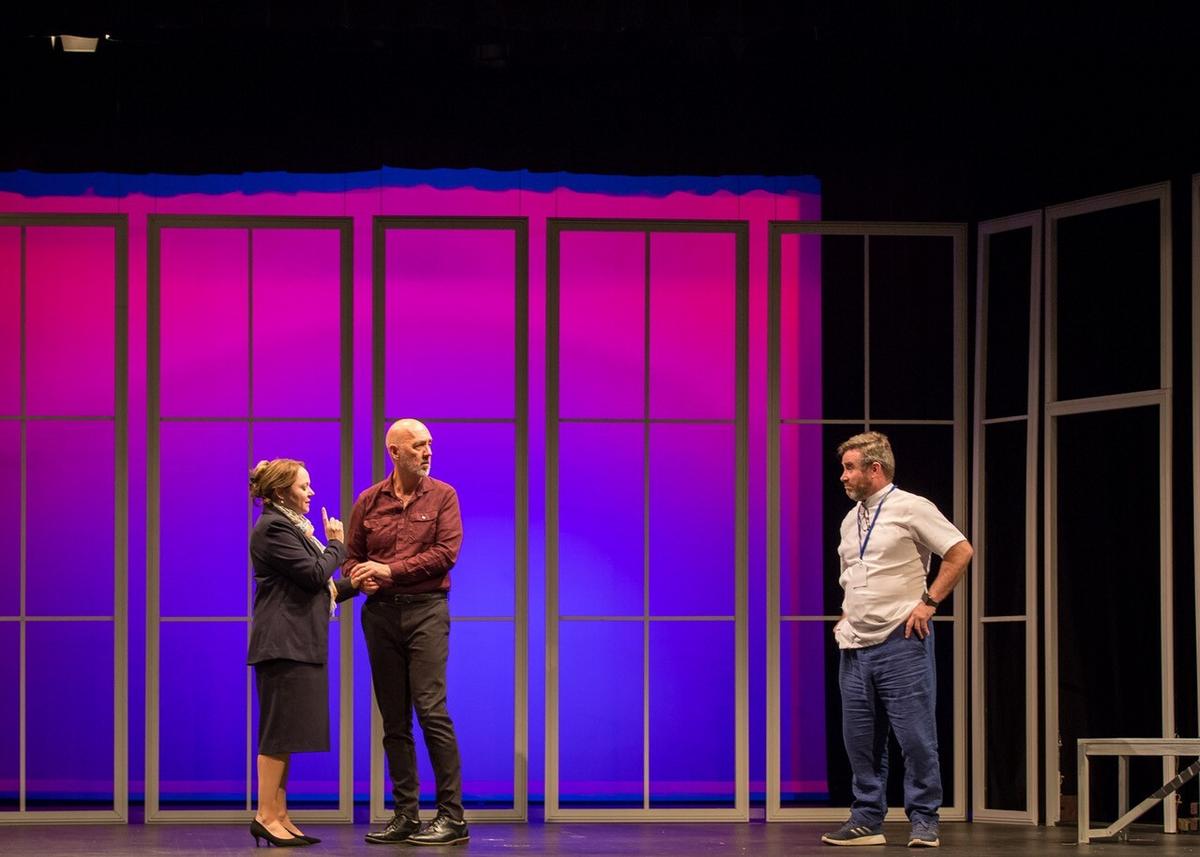
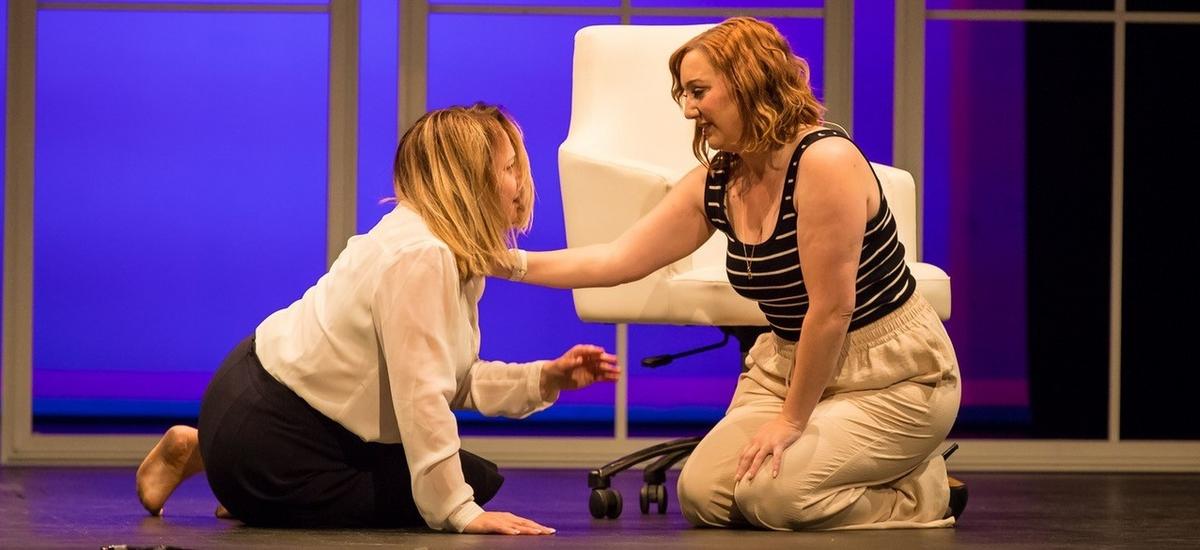
The standout performance must go to Tegan Gully-Crispe, who plays Woman, mastering a variety of characters including the Doctor, Juliana’s daughter Laurel, and the woman who now owns the other place. From her consistency and diversity in American accents, Gully-Crispe exuded a centeredness from within each of her characters that suspended disbelief, allowing the cool professionalism and warm empathy to come from the same person.

The stark minimalism of the set, reminiscent of National Theatre Live in the UK, gave way to quick changes in location within seconds, the main pieces being a rolling chair and a couple of stagnant benches on either side of the stage. White windows intersected to cut off the back of the stage to create a more enclosed space and to bring the actors closer downstage. While this was assisted with the occasional change in lighting for diversity in ambience, the back windows were underutilised in their capacity to deepen the space within some of the more isolating and projected scenes.

Basic lighting was used to imply a change in time and place, but could have also been used to more clearly differentiate the transitions between moments of reality, delusions, the past, and narration. Ominous sound cues were used initially to help those transitions, but they weren’t consistent throughout the play. Costumes were simple yet captured the essence of each character without being unnecessarily complicated. Head microphones were also used by each of the actors instead of projecting vocally.

David Sinclair’s gentle direction of this sensitive topic allows the character-driven story to highlight the fallibility of humanity and the need to support each other. While slow to start, it grows in both strength and vulnerability, encouraging the audience to reflect upon the direct and indirect impact of dementia. If you’re in the mood for some thoughtful theatre as we move into the cooler months, come along to see this beautifully bittersweet performance.

To book tickets to The Other Place, please visit https://adelaiderep.com/season-2025/the-other-place.
Spread the word on your favourite platform!

Posh: Presented At The Old Fitz

Posh

Posh Rating

★★★★★

Click if you liked this article

5

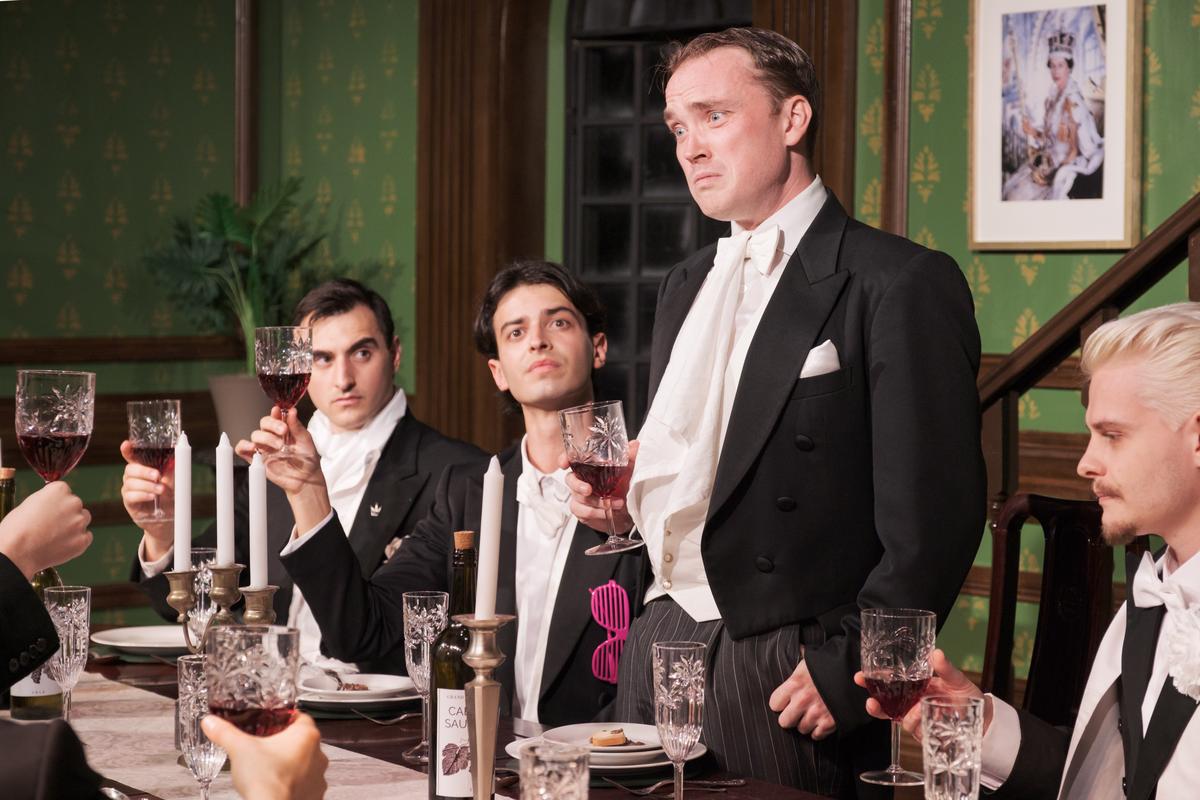
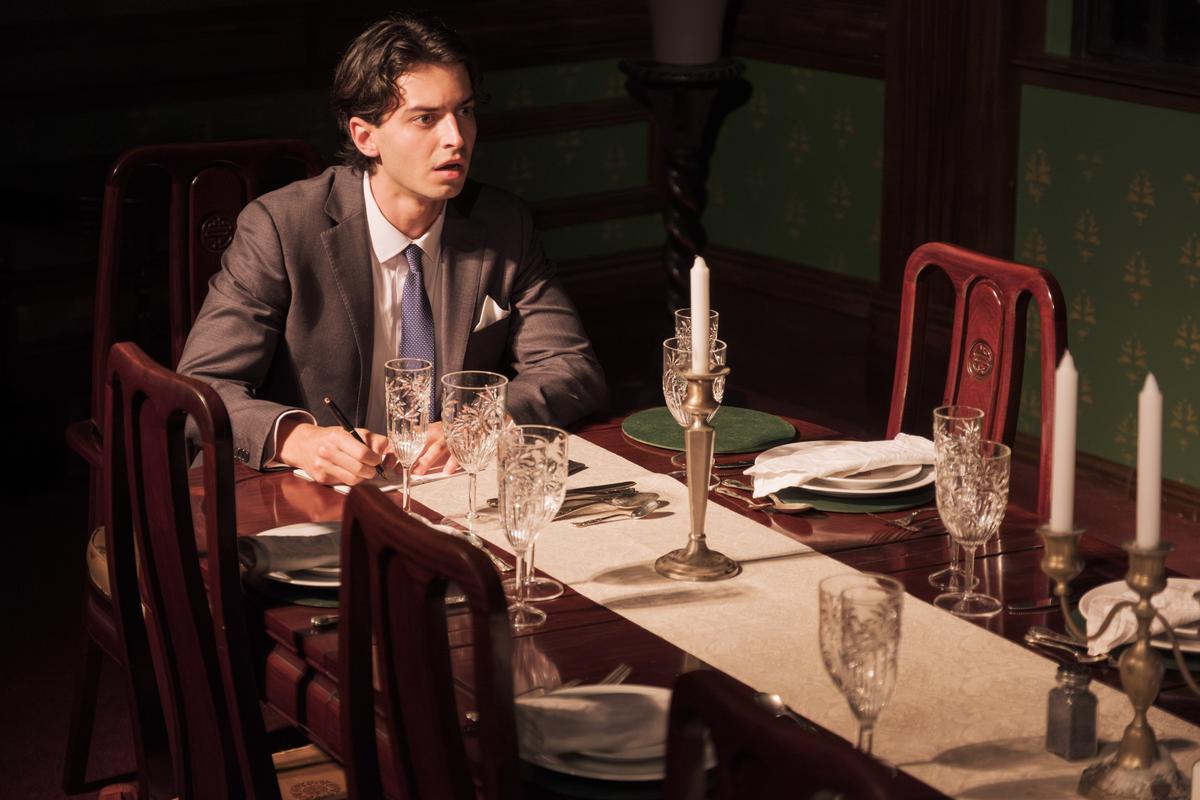
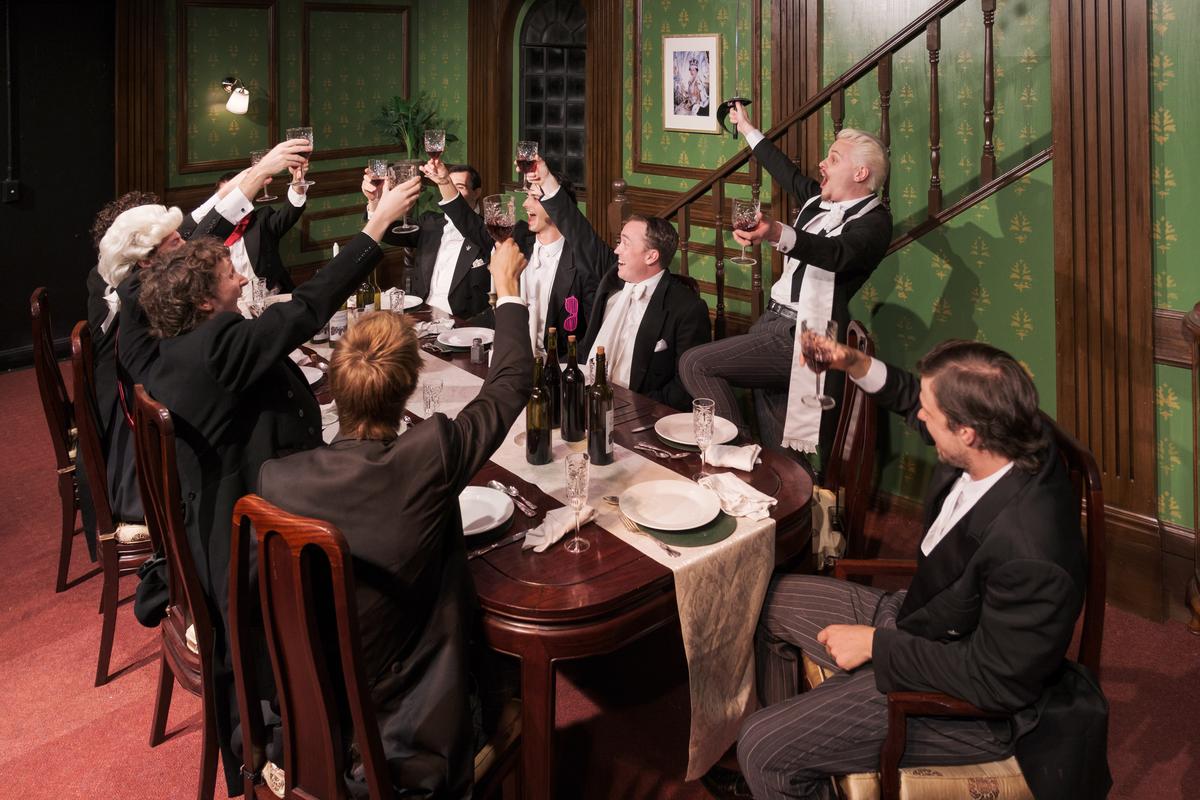
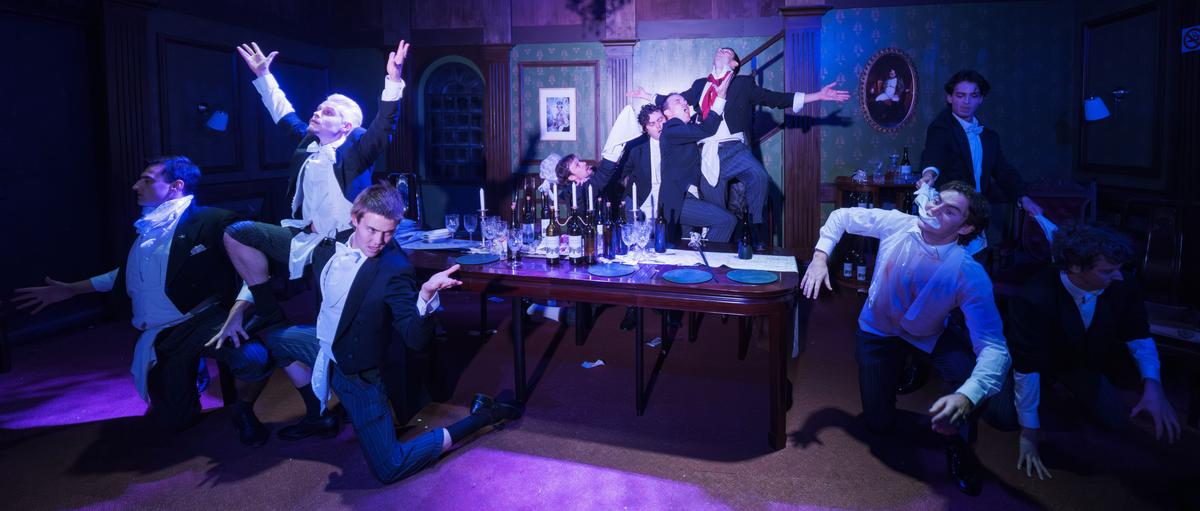
“Boys will be boys”—a phrase as old as time, and in Posh, it becomes both a celebration and a condemnation. From the moment you step into the theatre, you’re transported into the opulent, eerie calm of a private dining room in a British house. A long table is laid out for ten, gleaming with anticipation. But this isn’t any dinner party—it’s a resurrection of legacy, a night with The Riot Club.

The play, penned with sharpness and nuance, builds its tension masterfully. We wait with bated breath for the dinner to begin, as the lore of past debauchery—smashed chandeliers, demolished rooms—echoes through stories of old. This elite society of British best and brightest has long thrived on mayhem masked as tradition. But in the present, their antics have come under fire, forcing them to tread carefully. This dinner is meant to be their ‘resurrection’.

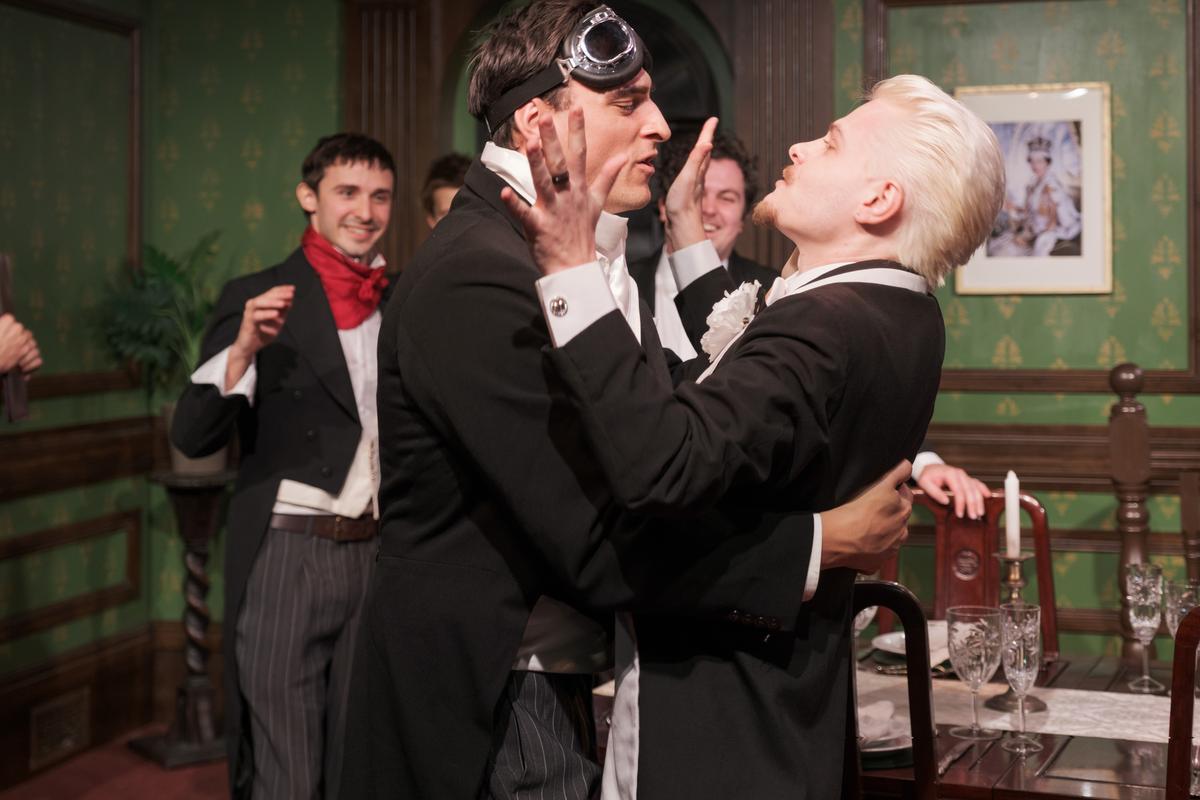
The cast is nothing short of magnetic. Each actor carves a distinct identity, from the naive newcomer brimming with excitement to finally earn his seat at the table, to the lewd over sexualised brute who arranges a prostitute as entertainment. The chemistry is palpable; the banter quick and witty. You find yourself drawn in, laughing, charmed by the absurdity, even wishing for a moment you were part of the mayhem. There’s an undeniable allure to their camaraderie—rituals that bind, jokes that exclude outsiders, a shared past that feels bigger than all of them.

But that’s where Posh truly shines—luring you into complicity before ripping away the curtain. As drinks flow and inhibitions fall, the evening spirals. A dark undercurrent emerges: a generational rage, the resentment of young aristocrats who believe they’ve been muted in modern Britain, where privilege is no longer applauded but looked down on. Their descent into violence is shocking yet all too believable. And when the inevitable consequences arrive, the final twist cuts deep—money shields, privilege prevails, and accountability is artfully dodged. A crime becomes a credential.

What makes Posh exhilarating is not just its pace or wit, but its layers. It’s a play that makes you laugh, then makes you uncomfortable for having laughed. It seduces, then indicts. Director and cast navigate these shifts with precision. The set design and costumes are elegant and old-world-like —a perfect metaphor for the world these boys inhabit, symbolic of the class system that has existed for generations. And the writing is as clever as it is cutting, never veering into caricature but instead painting a disturbingly real portrait of entitlement unchecked.

In a landscape where theatre often grapples with contemporary questions of identity and power, Posh stands out. With only two female characters, it doesn’t pretend to be balanced—it chooses to focus, with almost clinical scrutiny, on the male diaspora. It shows us men in their glory, their chaos, their fear, and their failure.

Posh is not just a play. It’s an invitation to the table, then a rude awakening.

To book tickets to Posh, please visit https://www.oldfitztheatre.com.au/posh.

Photographer: Robert Catto

Spread the word on your favourite platform!

Snakeface – A Young Woman’s Raw And Unfiltered Portrait

Snakeface

Snakeface Rating

★★★★★

Click if you liked this article

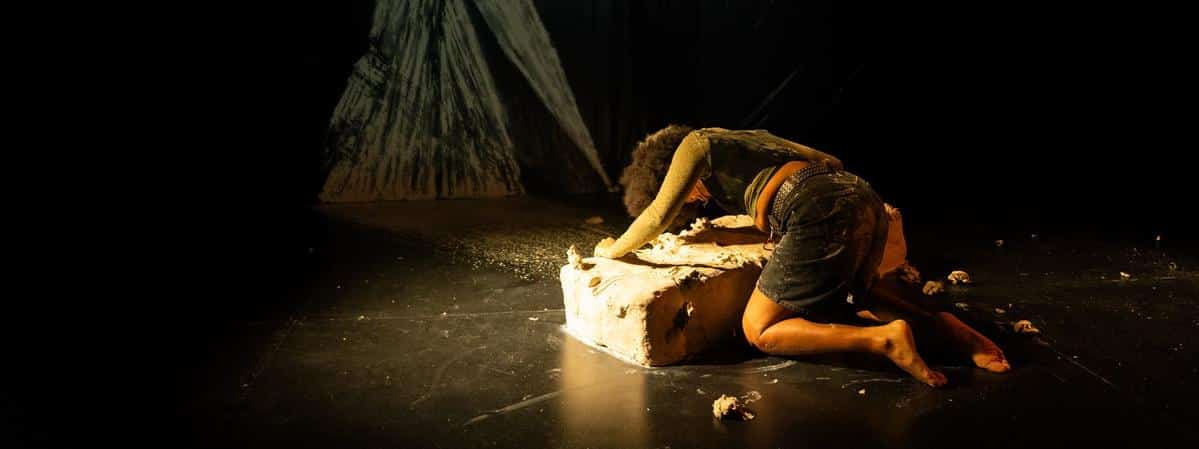
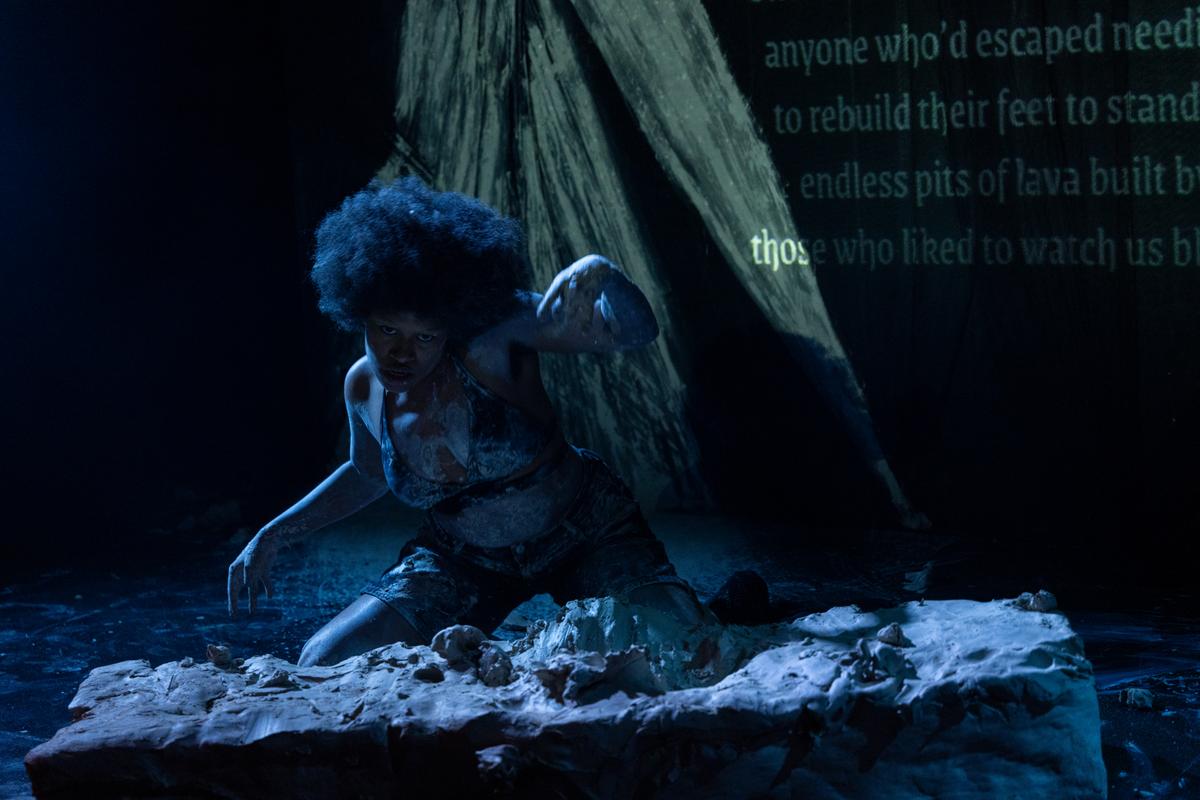
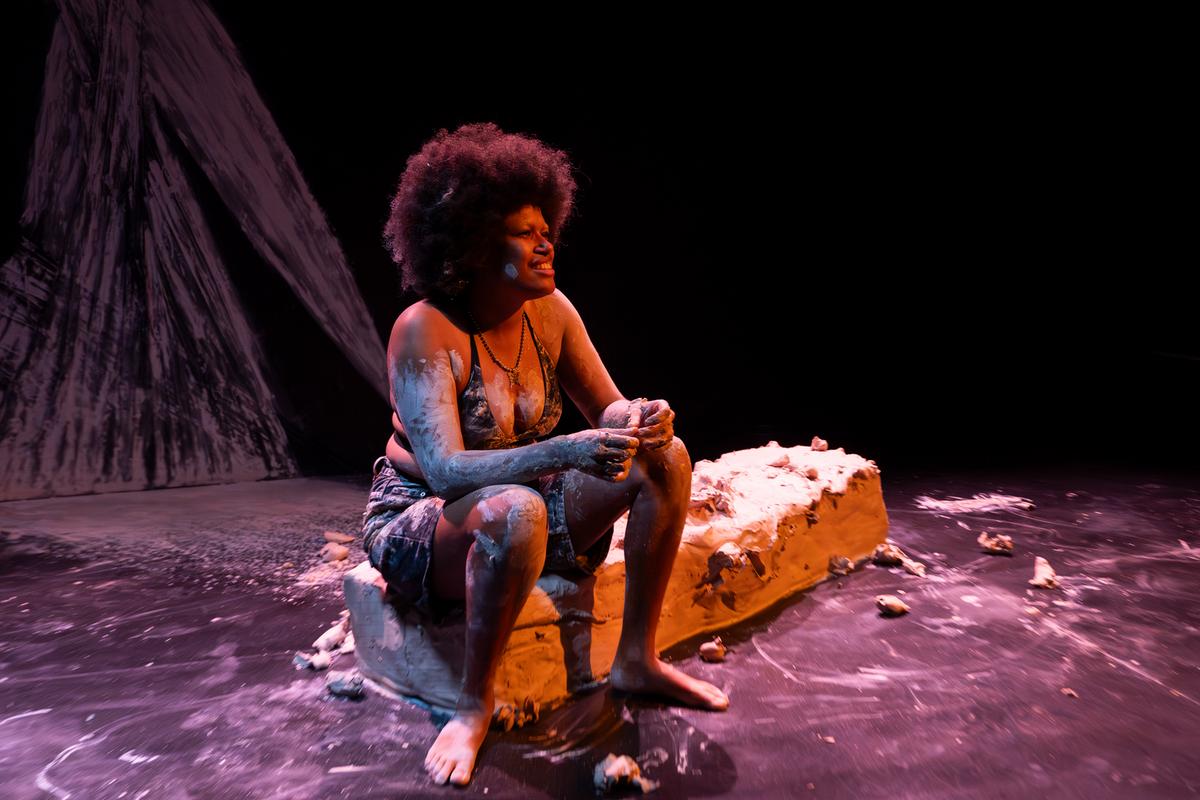
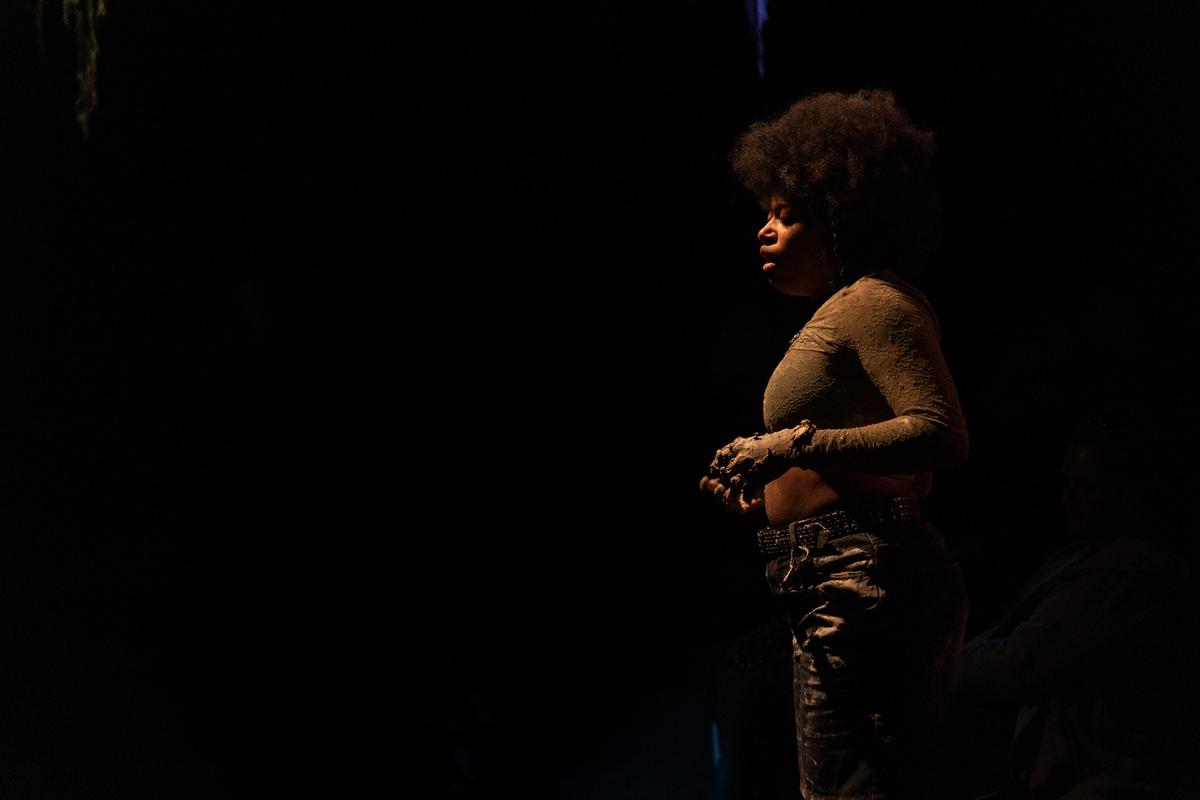
Written and performed by Aliyah Knight, Snakeface is an unapologetically raw solo performance that plunges the audience into the turbulent mind of a young black woman navigating love, identity, and self-worth in white Australia. Staged in an intimate, amphitheatre-style venue seating no more than 80 people, the sparse set and close quarters create a confessional atmosphere – almost as if we’ve been invited into Snakeface’s private reckoning.

The play unfolds as a 90-minute monologue – fast-paced, fragmented, and emotionally charged. Knight’s character spirals through thoughts and memories, swinging between the emotional highs and gut-wrenching lows of relationships: a girlfriend she adores but who drifts in and out of her life, predatory men, and the isolating ache of being unseen. These aren’t clean narrative arcs but messy, unresolved entanglements – mirroring the chaos within.

There are moments of levity, brief flashes of sharp humour that puncture the heaviness. Yet overall, the experience is intense, almost claustrophobic in its honesty. It’s not an easy listen – the sheer density of language and emotional weight can be exhausting – but it’s also riveting.

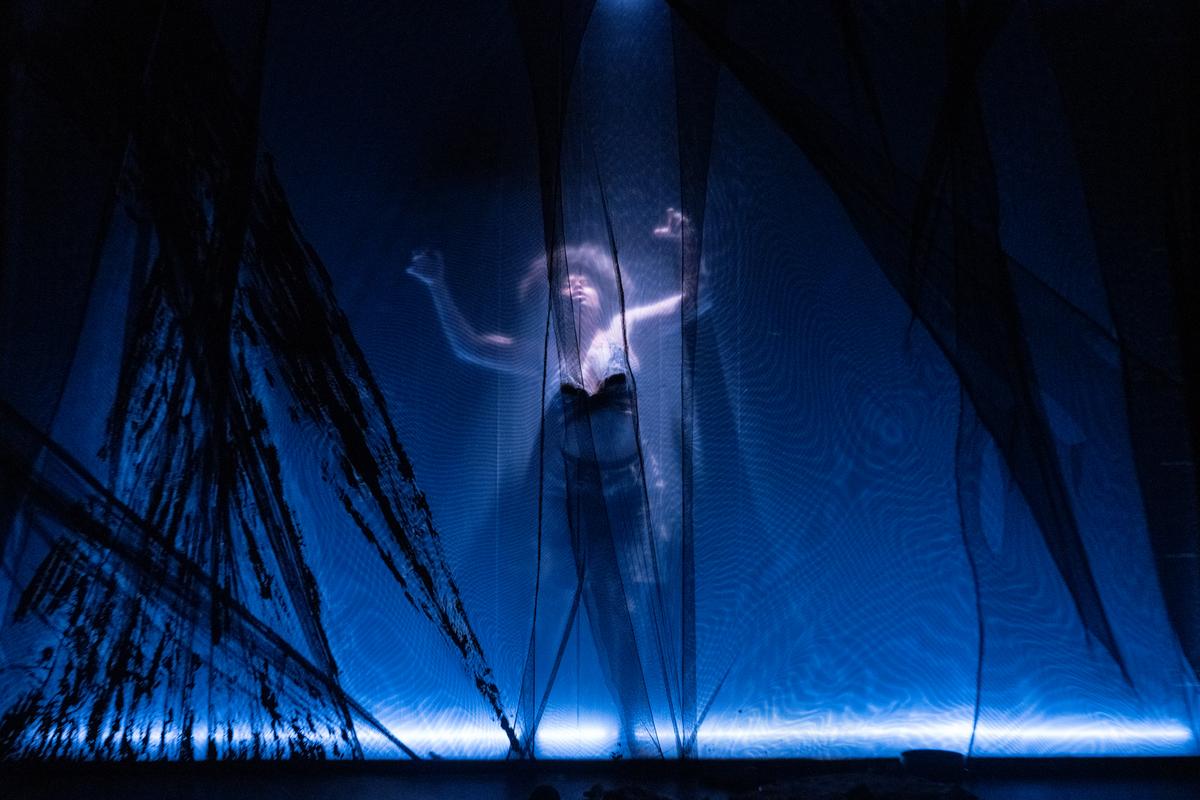
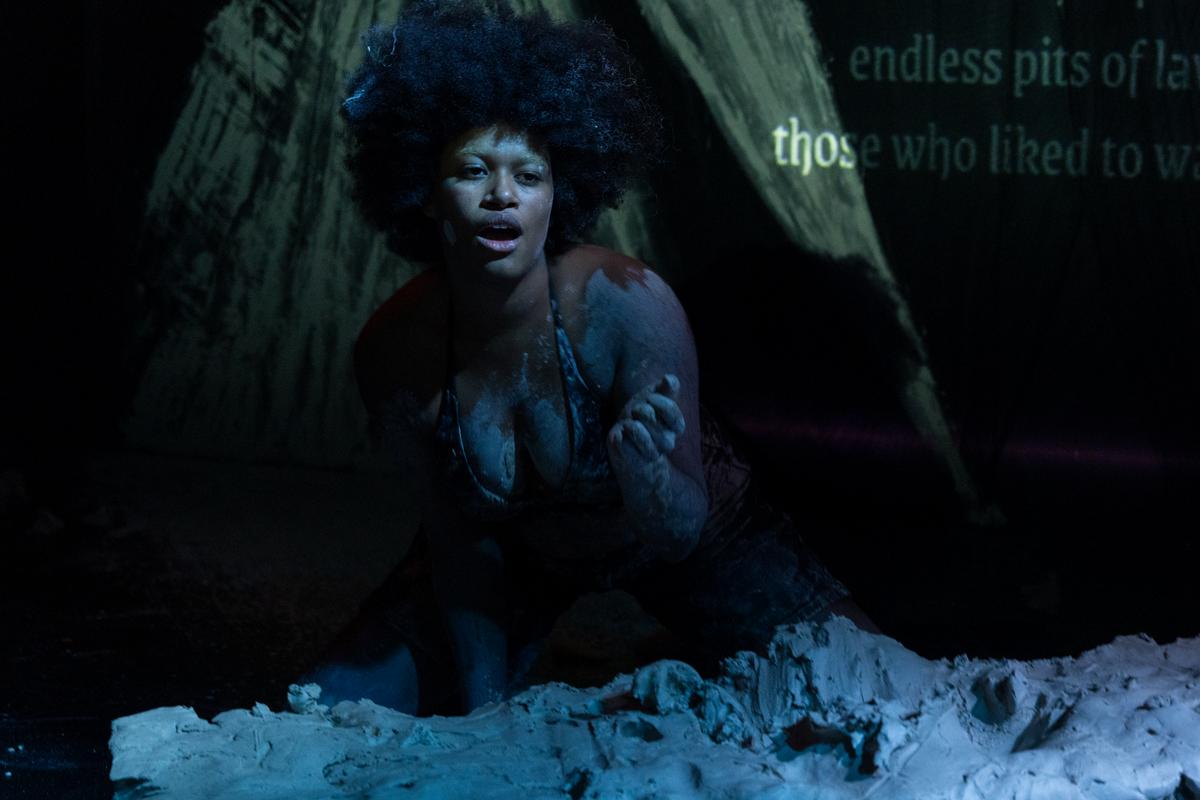
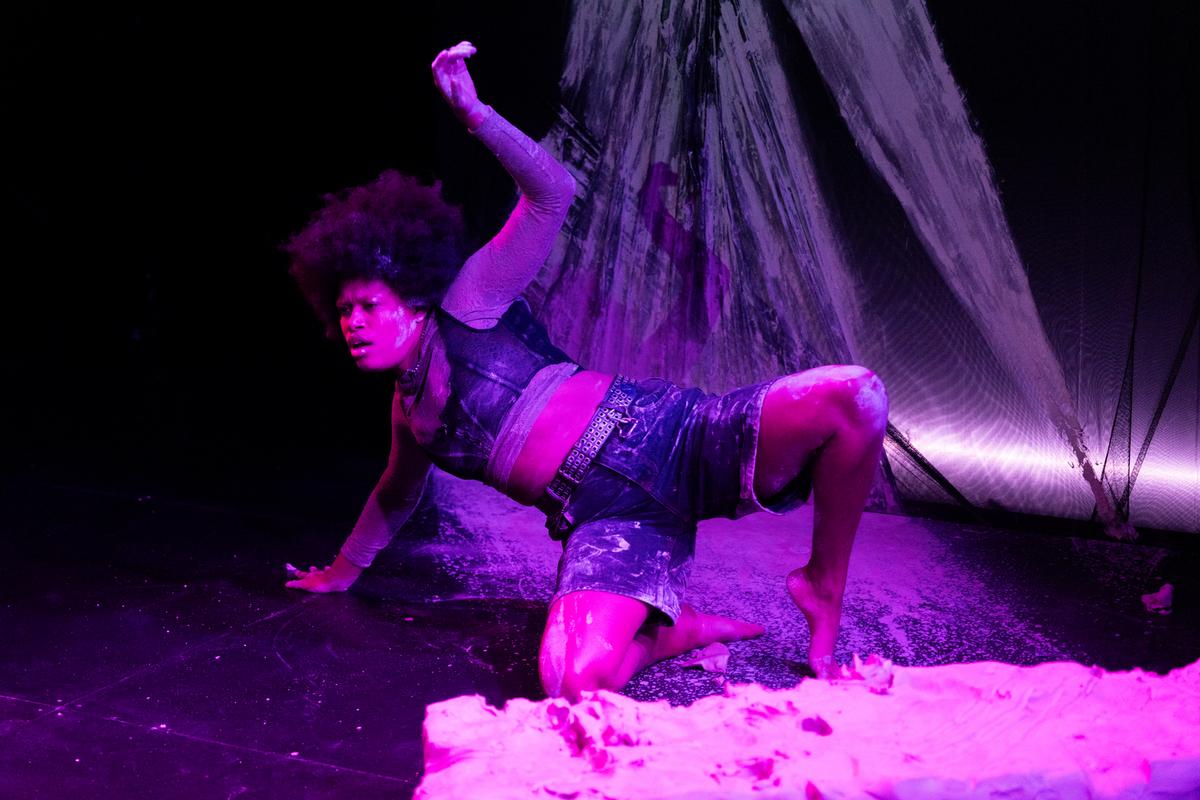
Knight’s sculptor identity is cleverly embedded in the staging. A large block of soft clay sits at the centre of the set, which she digs into and manipulates as the performance progresses. By the end, she’s covered in it – a visceral visual metaphor for how we mould and are moulded by our traumas, desires, and decisions. The mesh backdrop, which doubles as a projection screen, flashes fragmented thoughts and phrases, echoing her inner turmoil and providing commentary or emotional cues for the audience.

The sound design by Marco Cher-Gibard adds an atmospheric layer – ranging from subtle ambient textures to pounding nightclub beats – underscoring shifts in mood and energy. Similarly, lighting by Rachel Lee and projection design by Wendy Yu enhance the storytelling, immersing us deeper into Snakeface’s emotional landscape.

Though the structure at times feels loose, even meandering, it’s this lack of polish that gives Snakeface its edge. It’s not about resolution – it’s about being seen in the mess. And Knight, as the sole performer, commands the space with stamina and vulnerability, keeping the audience engaged throughout.

Directed and dramaturged by Bernadette Fam and supported by a team of creatives – including producer Madeleine Gandhi, set and props designer Keerthi Subramanyam, and movement director Fetu Taku – Snakeface is a collaborative feat with Knight’s bold performance at its heart.

The audience was predominantly female and spanned a wide age range, clearly resonating with the rawness and relatability of the themes. Practical comforts – padded seats, excellent air conditioning, and the welcome permission to bring drinks into the theatre – made the experience physically enjoyable, despite the emotional intensity onstage.

Snakeface is not a traditional play – it’s a poetic excavation, a cry for recognition, and a reflection of one woman’s attempt to make sense of her fractured world. It may not be comfortable viewing, but it is compelling, urgent, and defiantly human.

Snakeface was awarded runner-up in the Australian Theatre Festival NYC 2024 New Play Award.

To book tickets to Snakeface, please visit https://belvoir.com.au/productions/snakeface/.

Photographer: Abraham de Souza

Spread the word on your favourite platform!

One-Acts By Locals: Presented by JETS

One-Acts By Locals

One-Acts By Locals Rating

★★★★★

Click if you liked this article

2

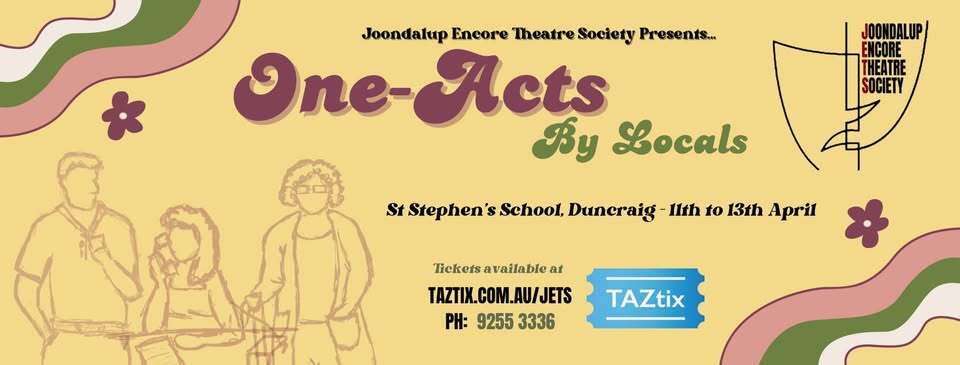
In recent years the Joondalup Encore Theatre (JETS) have relocated their performances from their home at Padbury Hall to the St Stephens High School Theatre in Duncraig. It’s an impressive space with comfortable seats and all the mod-cons you see in high school theatres these days; not like in my day where we would resort to hiring a stage for the drama room that seemed like something from Ikea, arriving in about 20 pieces, with the kids expected to construct it.

The premise of JETS’ April season is three one-act plays written by locals. I love that Community Theatre provides a platform for local talent, with years of experience or not, giving them a chance to share the stories that may have spent years in a notebook as an idea, or even a fully fleshed out script.

The first half of the evening featured two plays by Johnny Grim, ‘A Little Love and Understanding’ and ‘Jilted Lovers Helpline’. As we entered the theatre, the stage was already set with three men happily chatting at a table, drinks in hand; as the lights dimmed, the conversation grew louder, making a natural start to ‘A Little Love and Understanding’. Mike’s wife is ready to leave him, and he is completely clueless as to why, so he seeks guidance from his two friends (who aren’t exactly living love’s young dream themselves) and his two grown up daughters. Cue conversations about the changes in relationships from the early days of flowers, date nights and romantic gestures to the mundane tasks of everyday life and responsibilities of family that tend to get in the way as the years go by.

‘A Little Love and Understanding’ features a talented cast who drew the audience into the situation, much of the conversation being relatable to the audience in one way or another. The set was simple but effective, good use of props and movement around the space, while subtle perfectly suited the situation.

Gone are the days of the slow open and close of curtains between every scene, audiences nowadays will quite happily sit and watch the quick shuffle of sets between scenes, it feels preferable to be waiting awkwardly for what can feel like an eternity for the curtains to open once again. JETS made clever use of the space with most of what was needed for the first two plays on stage from the start, featuring as background pieces, and then switched out to front and centre when required.

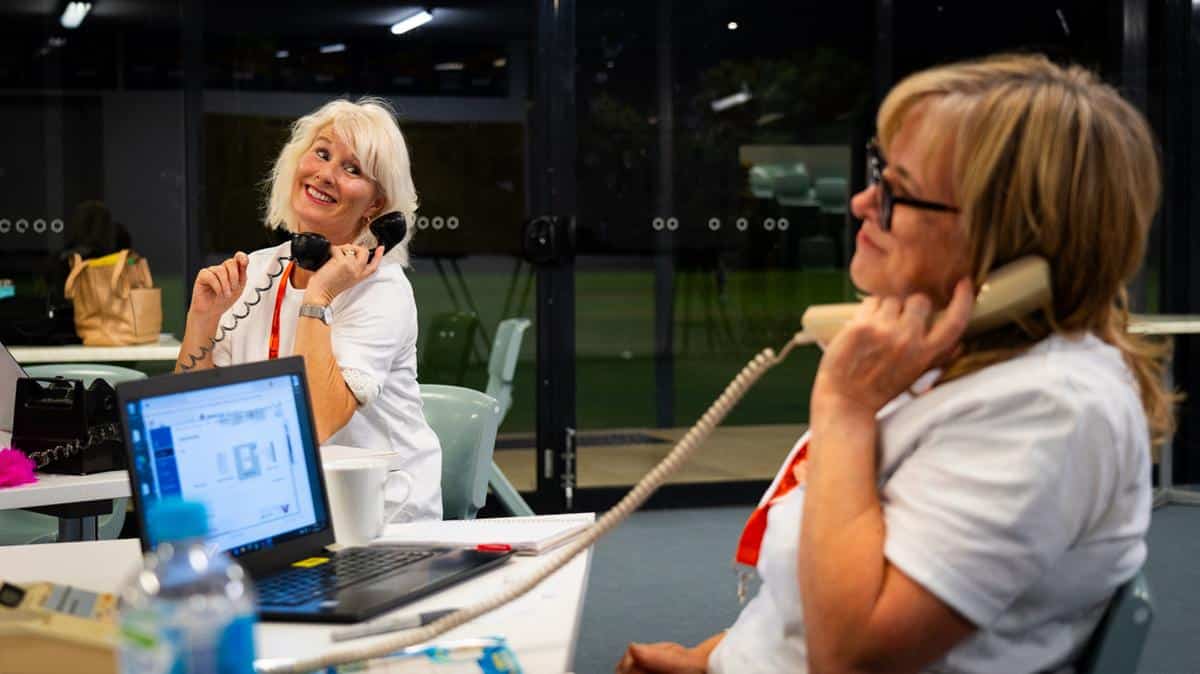
In ‘Jilted Lovers Helpline’ we are introduced to receptionists Mary and Jasmine who are on the frontline of calls from women scorned and men on the verge of a mental breakdown all due to a little thing called love. The two actresses kept us engaged in both their conversations with the aforementioned jilted lovers on the phone, and their own workplace interactions including a conversation around whether you would actually split lotto winnings having bought a ticket for a friend that won (something I’m sure we’ve all considered). Again, the simple set – a couple of desks, computers and accessories worked well for the script which included a few real laugh out loud moments.

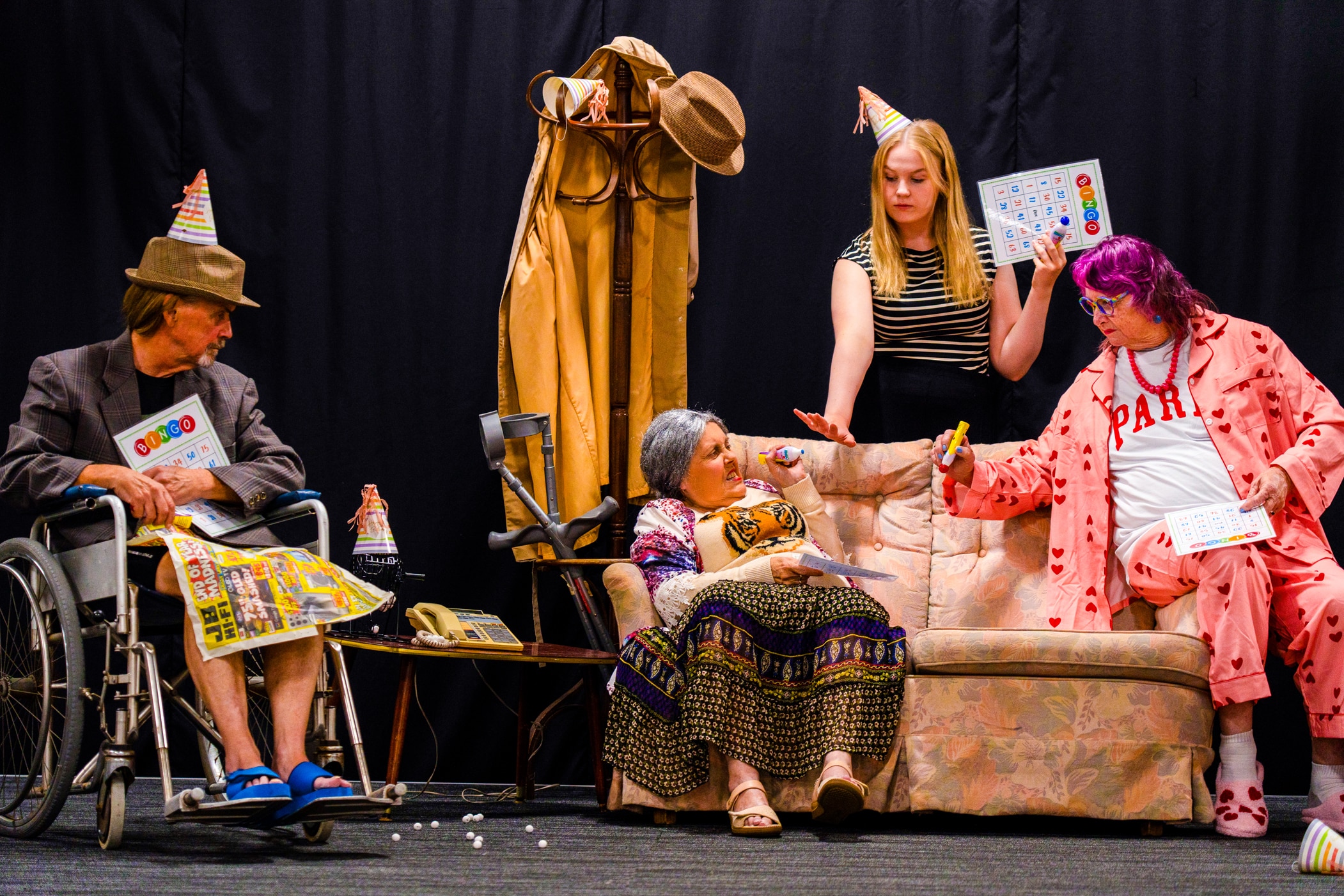
Following a short interval we returned for ‘Playing for Sheep Stations’ written by Audrey Poor, where we were taken into a nursing home where the Bingo stakes are high and we see that high school style drama and office politics don’t end, even once you’re elderly. The largest cast of the night featured in a story that both made you laugh and tugged at your heartstrings around the harsh reality of aging. The largest cast of the night bounced off each other well in this enjoyable piece.

With four shows only across one weekend it takes an ambitious group, so well done to JETS. Although I’m sure the cast and crew’s exhaustion will be outweighed by the buzz of performing.

To book tickets to One-Acts By Locals, please visit https://www.taztix.com.au/jets/.

Performance Dates:
April 12 @ 7.30pm
April 12 & 13 @ 2.00pm
Tickets:
$25 Adult, $20 Concession
Groups of 5+ @ $18 each

Spread the word on your favourite platform!

Subscribe to What's The Show

Reviews, show news and what is on, straight to your inbox.