Rate Of Decay

Rate Of Decay

Rate Of Decay Rating

ā˜…ā˜…ā˜…ā˜…ā˜…

Click if you liked this article

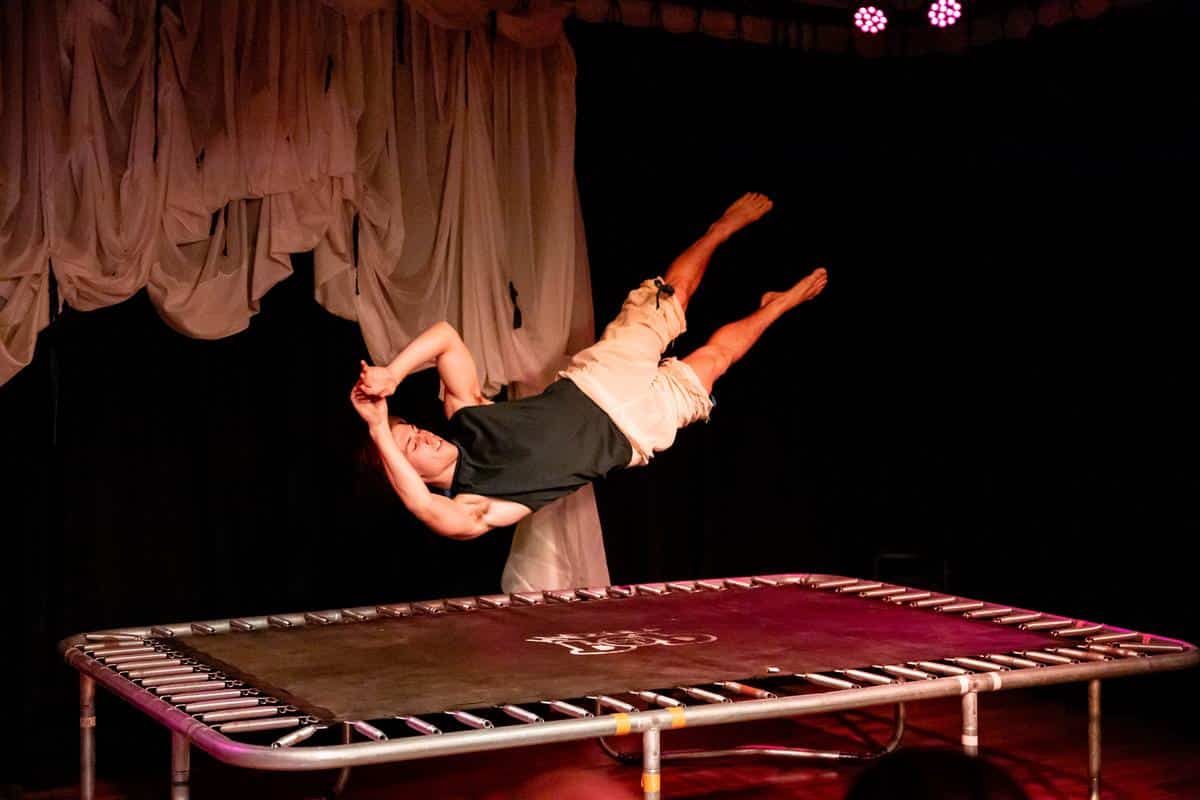
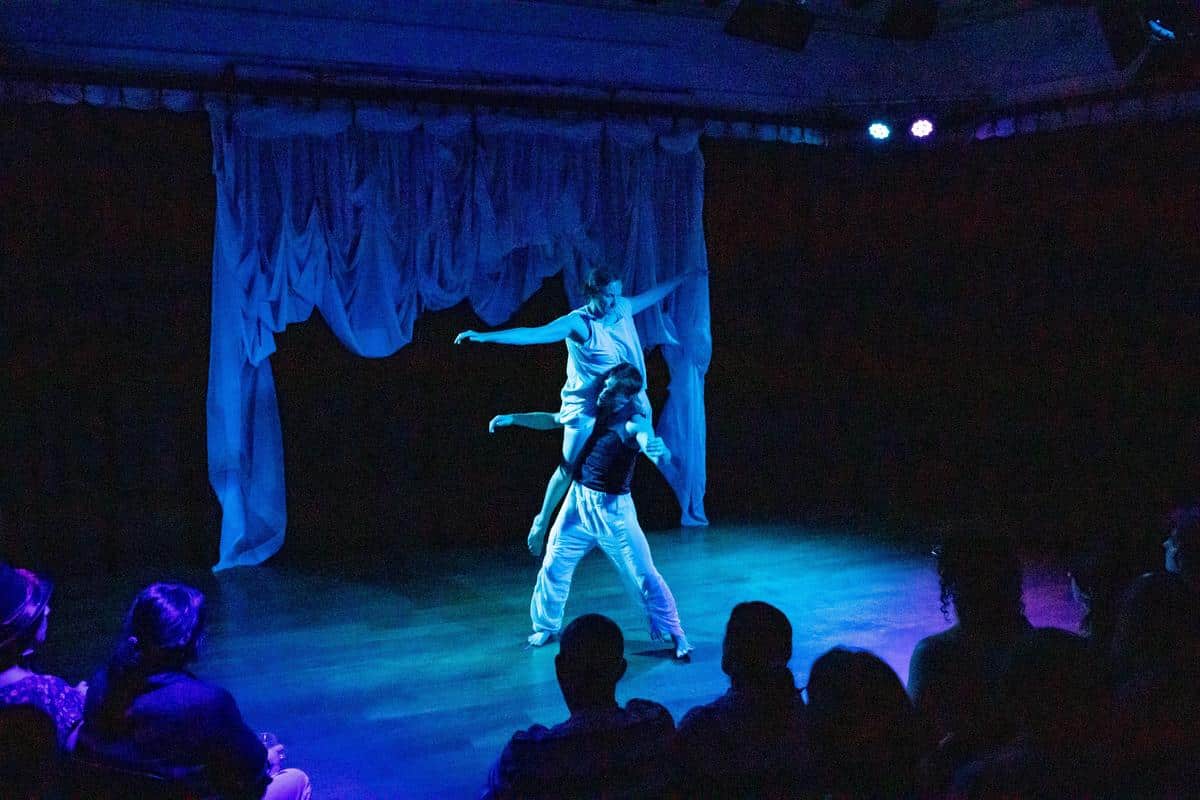
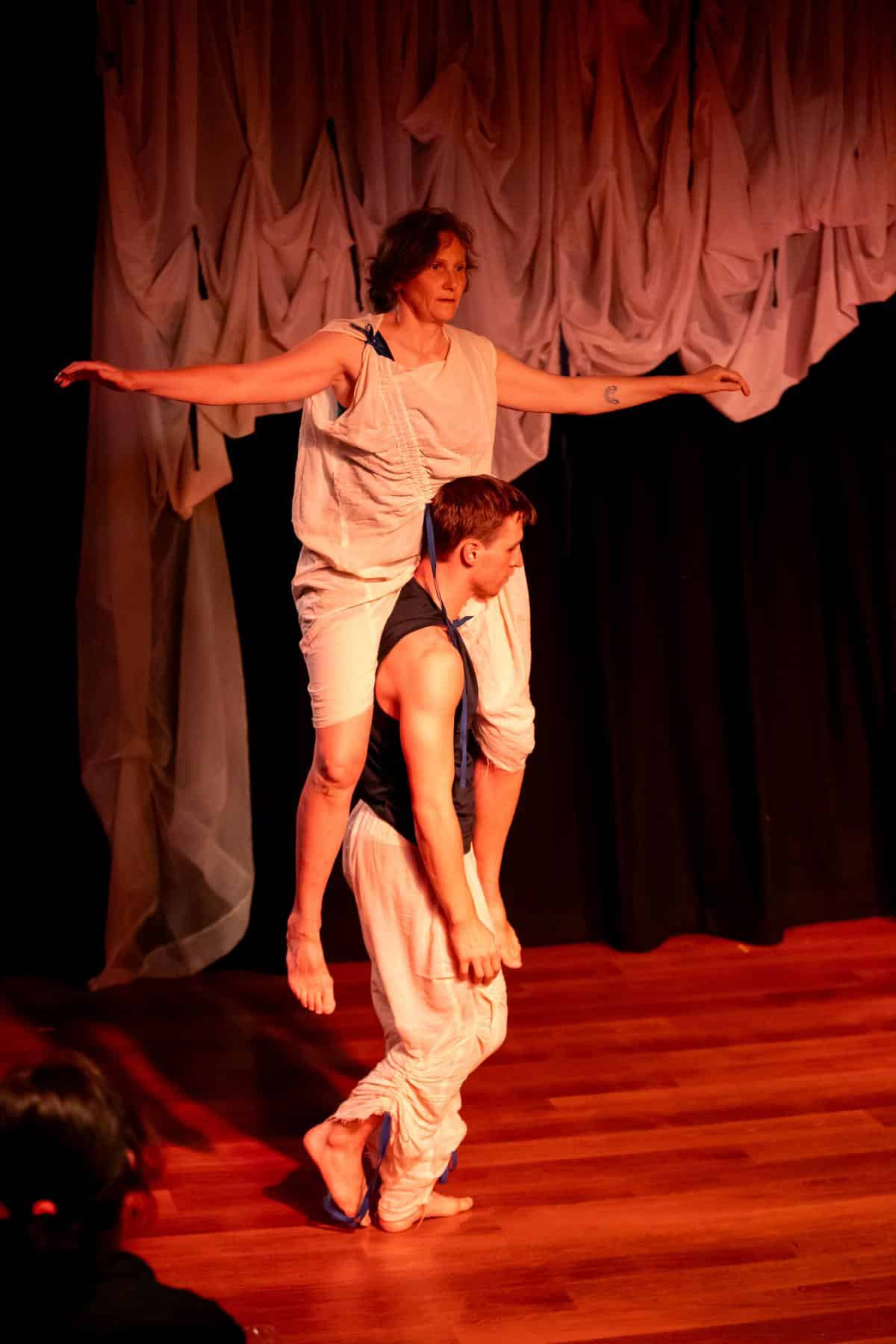
Rate of Decay is an anthological Australian Gothic Theatre piece created and directed by Xanthe Jones. It totes itself as an ā€˜exploration into the shadows of the Australian Psyche’ and delivers eleven separate stories played by a talented cast of seven. Rate of Decay is a goodie bag full of delights, and some darker chocolates that leave a bitter taste in the mouth. Some segments are played for comedy, providing moments of levity whilst some scenes are heavy and tense. As a whole, it provides an entertaining journey across the far reaches of Australia.

Our opening scene explores a very natural feeling relationship between a young couple and some eventuating mysteries in the bush. This story felt like a tall tale told at the pub come alive, with eerie consequences. Tension built nicely across this cameo, however I would have liked to see a little more of the ill fated outcomes of the characters and the involvement of the old man. Triona Calimbayan-Giles captivates the audience with her performance and Peter Hatton plays an irritating yet good natured spouse. There was some issue understanding Hatton in this segment as his articulation could use some refinement to ensure we capture every beat of the dialogue. Next we are introduced to a concept called ā€˜Memory’ which is a beautifully written thriller. Alisha O’Brien steals the stage with an ernest and expressive performance, and Tom Pocilujko plays an annoyingly supportive brother. The beat shift at the conclusion of this scene was sublime, Xanthe Jones is a master of writing flawed Men.

The play then flows into ā€˜the interview’ which presents as a crime thriller set in a police station. Siena D’Arienzo does an exceptional job as ā€˜Marsha’ , a lost little girl, her performance felt perfectly innocent. Josephine Olton plays a straight talking detective while Will Kasper is a loose tempered wild-card. The twist in this segment was fun although the delivery fell flat, it felt over-explained. It also felt odd that Kasper remained after losing his temper, this might have concluded better if Kasper stormed out and Olton was left to hesitantly ask a final one or two questions. The play then introduces us to the absolute highlight ā€˜Castle Hill Lookout’ which explores three teenage boys mucking up in the bush. The comedic beats land perfectly and the nuanced drama and connections feel completely authentic. Jones writes a compelling and honest feeling dialogue between these young men. She expertly conveys their flaws, yet also their love for each other in navigating difficult subjects in a friendship. Hatton, Kasper and Pocilujko have great chemistry in this cameo, it left me wanting more of this relationship.


We are then taken to ā€˜Best in show’ set at a Dalby Pageant. This section felt mostly played for laughs with ā€˜cat fight’ coming to mind. It gives a small reprieve from the heavier themes and doesn’t feel like it serves much other purpose. Next we find ourselves in ā€˜Gold Fever’ which centres around two gold panners and one travelling woman. This segment lost some pace due to the attempt at heightened language, which occasionally felt like it detracted from the Australian feel. The scene did however contain some fantastic fight choreography, in fact all fight choreography in the play was crisp and well done. ā€˜The Love Spell’ is a fun albeit dark segment, however it didn’t always feel like the aggression between the schoolgirls was motivated or earnt. ā€˜Pine Gap’ was an enjoyable moment of levity providing some well placed opportunities for laughter.

ā€˜Orphans’ takes us on a journey amongst three girls living at a Victorian orphanage. The chemistry between O’Brien, D’Arienzo and Olton feels ernest, keeping us drawn in. I would have liked to see this scene develop even more and use a more ā€˜show don’t tell’ approach but it was effective. ā€˜Believers’ had us at the dining table of a cult between the first wife and the enigmatic leader. This scene was compelling and worked well, although it did feel like certain shocking things were revealed with much weight at times. ā€˜Pray for us’ felt like a neat political statement about nuclear energy, leaving us on a slightly harrowing note.

Rate of Decay was an interesting experience that took us on many ups and downs. It had great fight choreography and the segments ā€˜Memory’ and ā€˜Castle Hill Lookout’ were masterfully handled. Jones excels at complex relationships and flawed characters. There was room for more exploration in some of these more intriguing scenes, while others seemed only for comedy or came up slightly short. All in all, an intriguing play that was well performed. The cast and crew should be commended on their efforts.

To book tickets to Rate Of Decay, please visit https://backbone.org.au/backbone-festival-2025-events/rate-of-decay.

Spread the word on your favourite platform!

A Bold and Breathtaking Culmination of Art Forms

BiPolar Express

BiPolar Express Rating

ā˜…ā˜…ā˜…ā˜…ā˜…

Click if you liked this article

6

As a community theatre director, I often stress the importance of teamwork and that no player reaches their best without the shared journey and uplifting of every member of the cast, often to eye rolls. However, Bipolar Express is a gleaming example of a powerful ensemble who are the backbone and heart of the story. It’s only now as I sit down to write this, having just read the program, that I ascertained how many creatives were among this ensemble cast including choreographer, Avalon Ormiston, and producer, Phaedra Brown, which doesn’t surprise me considering what a stellar example of full-bodied togetherness that this piece is.

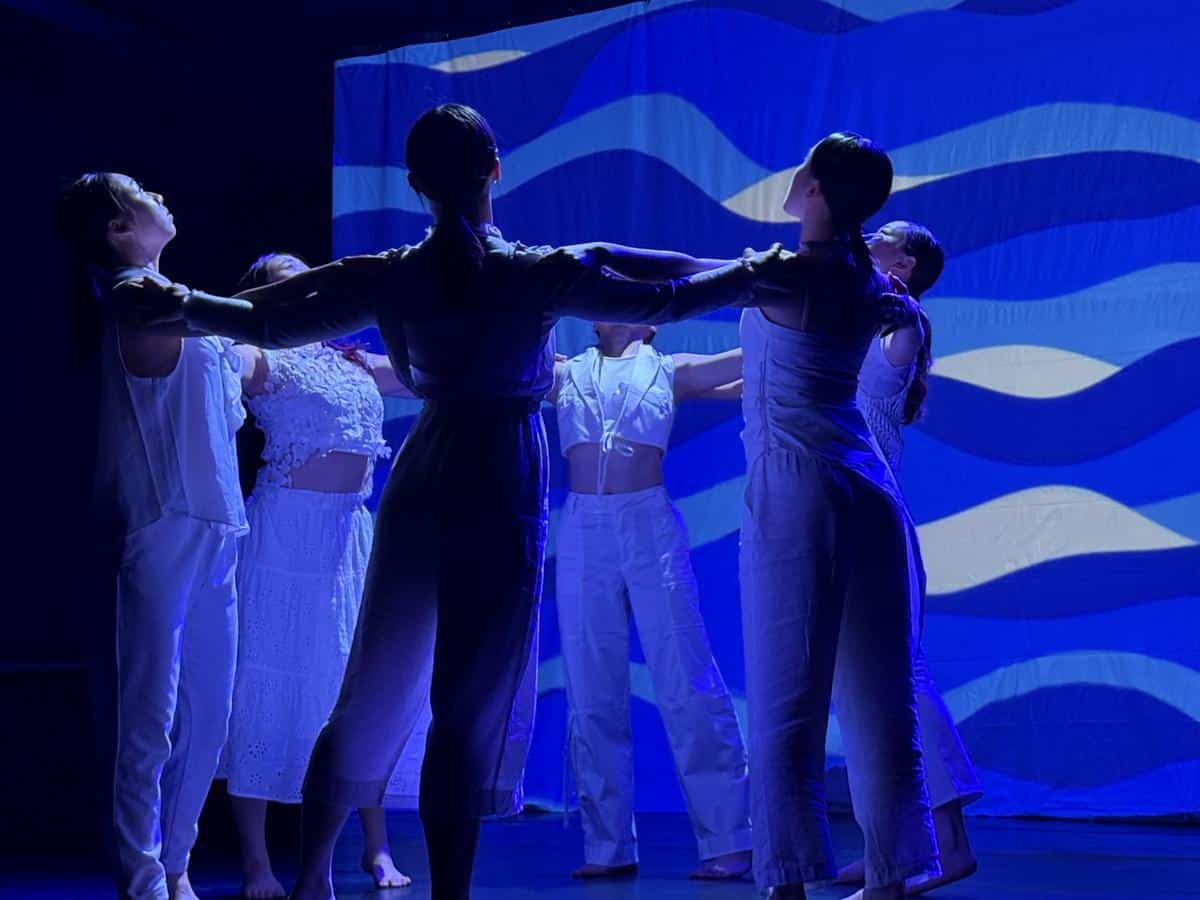
Anton played by writer, Bianca Yeung, is on a train to meet an estranged friend when she has a manic episode. The train is depicted with a simple yet vibrant set consisting of three double floodlights, and cane chairs with the iconic Sydney Transit blue squiggly velvet seats. Anton is desperately trying to remain upright as she sends voice-notes to friend, Mish, not knowing if Mish will be meeting her at the other end.

The ensemble weave and move around her, engaging in conversations that begin as small talk and progress into more interesting musings. Anton has a bouquet of orange flowers that become more disheveled as she unravels. They are the motif that anchors the passage of time. The set is changed with rhythm and poetry by the actors throughout the show.


The story moves between the present train delay and the past story of Mish and Anton. We discover that Mish was the keeper of Anton’s secrets, she was the one with the directives for what to do and when, and she was often the keeper of this part of Anton. We see the complications of these assigned roles between the two, and how it impacts their friendship over time.

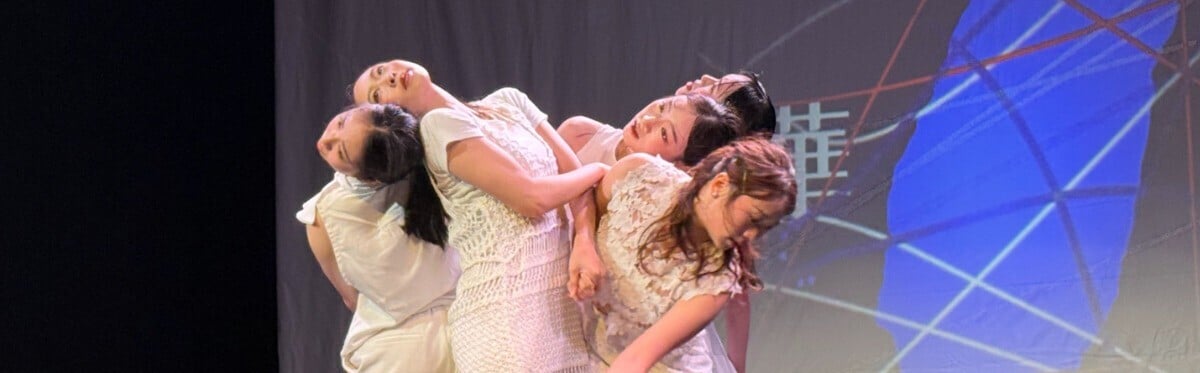
To describe and adequately give voice and understanding to a complex mental health diagnosis such as Bipolar would be incredibly difficult in words, that is where the powerful art of movement and dance breathtakingly fill in some of those gaps. For example; the ensemble close in around Anton during a portrayal of exhaustion. She tries to creep out, reach out and even tries to free Mish in these moments, but she is unheard as she is swallowed by ā€œThe Othersā€.

Sound and light design take a huge amount of credit as a device in this piece as well. We are stagnant and trapped along with Anton in the darkness and we are pulled into the jubilance of the bright highs punctuated by poppy, boppy, music.

It is abundantly clear this piece has involved all creatives building, supporting and creating deep intimacy, which in turn made it inevitable that the audience become deeply invested and intertwined.

It’s a bold and breath-taking culmination of art forms that does great justice to shining some light on an important lived experience. I highly recommend supporting this work.

To book tickets to BiPolar Express, please visit https://sydneyfringe.com/events/bipolar-express/.

Photographer: Nat Cartney

Spread the word on your favourite platform!

Nostalgic, Hilarious, Infectious Fun for Fans Old and New!

Stranger Sings! A Parody Musical

Stranger Sings! A Parody Musical Rating

ā˜…ā˜…ā˜…ā˜…ā˜…

Click if you liked this article

3

The Eternity Playhouse Theatre in Darlinghurst is a perfect blend of plush red velvet and modern design, creating a space that feels rich with history, despite modern touches. To the side of the stage, a small band waits eagerly, giving that unique thrill only live musical theatre provides. Early show wrinkles were handled with humour and camaraderie, immediately setting the tone for a show that thrives on both chaos and connection.

Stranger Sings! The Parody Musical is exactly what its title promises: a satirical, joyfully camp reimagining of Stranger Things. Across 90 minutes, Hawkins is gleefully turned upside down, with the iconic core four; Mike, Lucas, Dustin, and Will; at the story’s centre. Each young performer captures their role with razor-sharp comic nuance. Raven Swinkels gives Eleven both haunting presence and playful edge, while Anouk Macarthur Mitchell leans into Will’s fragility with endearing self-parody. Julien Daher’s winning Dustin brims with charisma, Ruben Aguilera hits the mark as earnest Mike, and Jahzara Mariasson brings fiery energy to Lucas.

And then, of course, there’s Barb. Belle’s powerhouse vocals ensure justice is not just served but belted to the back row, a standout that lit up the night. The wider ensemble provide a constant stream of physical comedy and energy, morphing into bullies, scientists, and perhaps most memorably, a gloriously camp Demogorgon. Together, their knack for timing and willingness to push into parody’s extremes kept the show fizzing with momentum.


The production is deliberately low-fi in its design, which only adds to its charm. Simple staging is enlivened with clever costumes, witty choreography by Anna Jaques, and inventive ensemble work that makes even the scene changes cheekily entertaining. Musical director Mitch Brown guides the band through a synth-heavy score that perfectly skewers the 1980s vibe, layered with inside jokes and knowing winks to pop culture.

Vocally, the cast are outstanding. Occasional mic issues threatened clarity, but the performers carried through with enough charisma and vocal strength that the cracks only showed how strong the foundations were.

What elevates Stranger Sings! beyond parody is its cheeky breaking of the fourth wall. These playful intrusions make the audience co-conspirators, reminding us all that this is both fan satire and affectionate send-up. Even for those of us who lost track of the show past season three, the humour lands. The references are sharp enough for superfans, yet broad enough to keep casual viewers grinning throughout.

Above all, the joy radiating from this young cast is infectious. They aren’t just parodying Netflix’s most nostalgic property; they’re celebrating the simple delight of putting on a show with gusto, fearlessness, and a palpable sense of fun. To see so much future talent unified in delivering something this funny, smart, and warm is a treat, and a reminder that Sydney’s next wave of performers is already here.

Did I want to leap onto the stage to join them? Absolutely. And that’s the upside-down magic of Stranger Sings!: a parody that revels in its chaos, and a cast that makes you want to be part of the ride.

To book tickets to Stranger Sings! A Parody Musical, please visit https://sydneyfringe.com/events/strangers-sings-the-musical-parody/.

Spread the word on your favourite platform!

A Deep, Beautiful, Brave and Vulnerable Piece of Performance Art

Once In A Blue Moon

Once In A Blue Moon Rating

ā˜…ā˜…ā˜…ā˜…ā˜…

Click if you liked this article

ā€œOnce in a Blue Moon,ā€ created and performed by Tala Issaoui as part of PYT Fairfield at the Sydney Fringe Festival, delivers a brief yet densely layered experience that fuses dance, ritual, and evocative visual storytelling.

Spanning just 30 minutes, Issaoui’s multidisciplinary performance beckons the audience into a shifting world of transformation. It’s a melancholic trilogy told through patterns, transitions, and potent symbolism.

The work opens with a striking video projection: Issaoui’s dance, rendered in cinematic hues and fluid imagery.

The transitions between film and live presence feel seamless, as the artist materialises onstage before a circular altar adorned with pebbles, an urn, and a pair of goblets.

The artist’s movements around this circle are cyclical and deliberate, blending ritual with choreography in a way that bridges the personal and the universal, with the lights, sound and music complimenting each phase.

Throughout, imagery and symbolism abound; the veil, for instance, which seems to float between meanings, might connote marriage, transformation, or transcendence.

The rhythmic motions, paired with dynamic lighting and a soundscape of often eery music, build tension and drama: thunder and lightning suggest fear and elemental power, while the act of dousing with water feels like a physical release, mourning, or rebirth. Texture becomes tangible as exaggerated makeup begins to spill down Issaoui’s face, accentuating the emotional intensity and the sense of unravelling.


The performer’s precision timing is key, with the crafted sound and lighting cues. These multi-dimensional effects surround the audience with layers of sensation, blurring boundaries between dance, ritual, and visual art.

Patterns repeat and modulate, symbolising repetition and cyclical pain, while the pace of the piece builds into a crescendo of melancholy.

Issaoui is visibly moved by the work’s close, punctuating the experience with authenticity and emotional depth. The ritual ends not with clear answers, but with a shared sense that something profound, if hard to articulate, has transpired.

While ā€œOnce in a Blue Moonā€ may not suit every taste, I found myself admiring the precision and vision more than personally connecting with its abstract ethos. It stands as a compelling example of experimental performance in Western Sydney. The blending of film, choreography, sound, and symbolic staging delivers a textured, esoteric meditation on grief, transformation, and spiritual passage. Issaoui’s willingness to traverse the boundaries of art-form and narrative ensures this work is both brave and memorable. I admire and am in awe of the power of the personal artistic risk and wholehearted embodiment.

Recommended for those ready to meaningfully engage with experimental theatre. It is a deep, beautiful, brave and vulnerable piece of performance art.

To book tickets to Once In A Blue Moon, please visit https://sydneyfringe.com/events/once-in-a-blue-moon/.

Photographer: Benjamin Tiger La

Spread the word on your favourite platform!