The Social Ladder

The Social Ladder

The Social Ladder Rating

★★★★★

Click if you liked this article

9

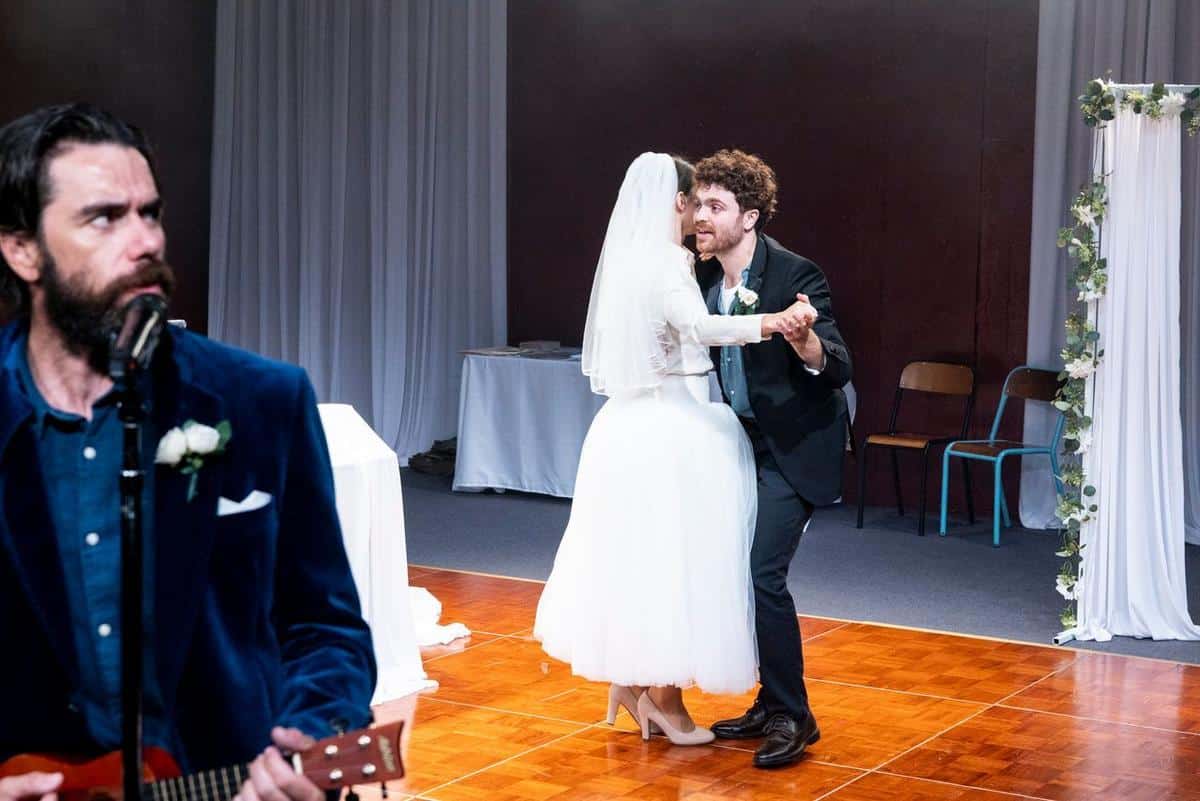
At its world premiere, The Social Ladder found an impeccably apt home at the Ensemble Theatre—the country’s longest continuously running professional theatre company—perched in rarified Kirribilli, with Sydney Harbour shimmering outside like an accessory quietly signaling old money. One could hardly imagine a more socially literate setting for a play so exquisitely preoccupied with rank, aspiration, and the fragile choreography of belonging.

Penned by David Williamson AO—Australia’s grand maütre of social satire, whose canon includes such drawing-room dissections as Emerald City and Don’s Party—this latest work turns its incisive gaze toward status itself: how it is curated, performed, and so desperately desired. Williamson’s dialogue is once again sharp as cut crystal, producing laughter that curdles almost immediately into recognition.

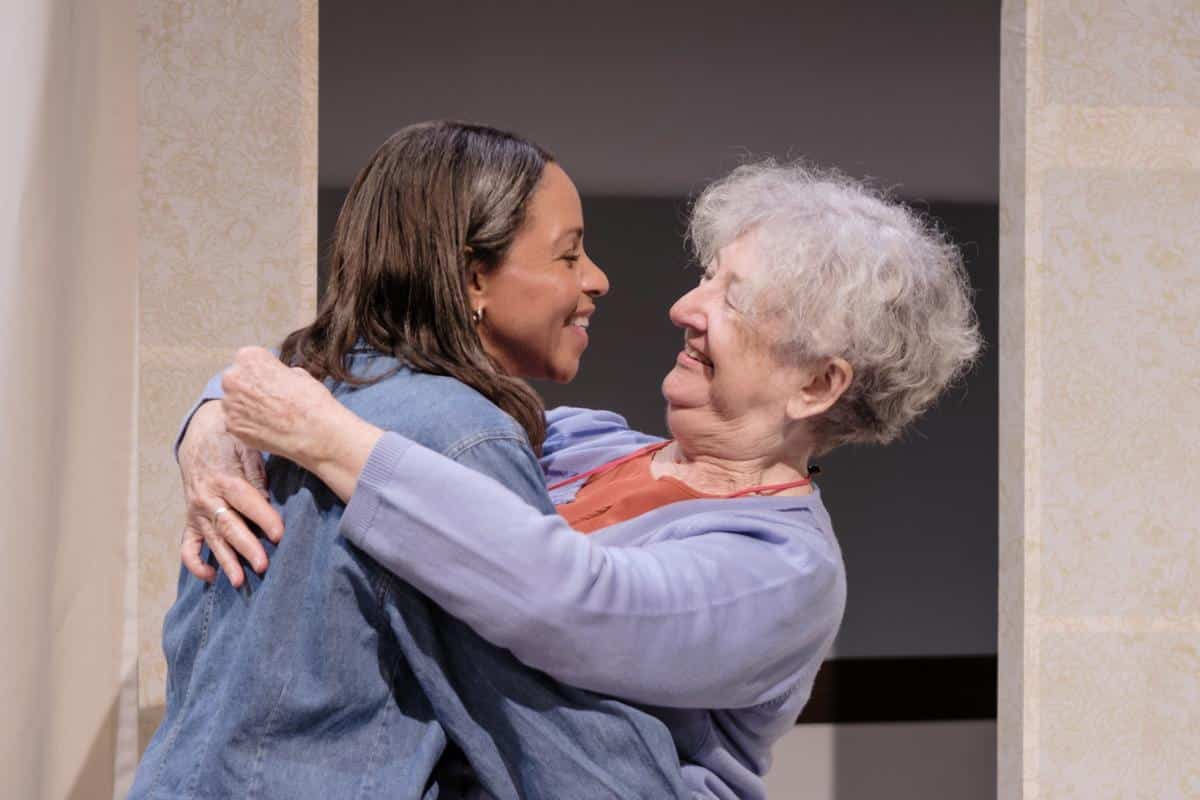
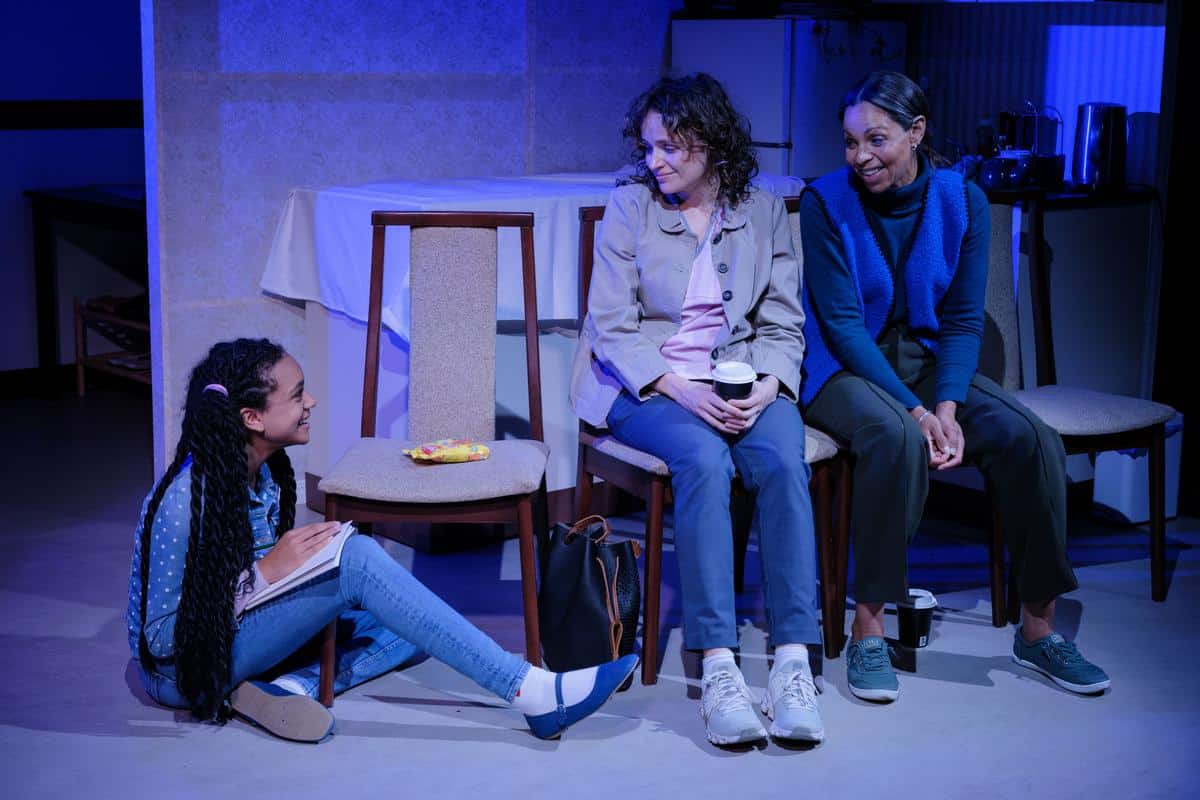
In an age of relentless social visibility, where curated online selves often eclipse private truths, The Social Ladder feels not merely timely but almost uncomfortably current. The premise is elegantly contained: three couples, six agendas, one dinner party designed as a social audition. At its centre is Katie (Mandy Bishop), a woman of unmistakable ambition and unmistakably non-elite origins. Hailing from resolutely middle-class Engadine, her accent alone threatens to betray her aspirations, yet she is convinced—fervently—that her talents merit elevation.


Her chosen ladder rung arrives in the form of Sydney power couple Charles (Andrew McFarlane) and Catherine Mallory (Sarah Chadwick), art-collecting, influence-wielding exemplars of cultural capital. A few fleeting schoolyard encounters with Catherine ignite Katie’s belief that proximity might equal access. Thus, the dinner is conceived: not a gathering, but a campaign.

No expense is spared. Catering is outsourced, furniture rented, and even an “artistic masterpiece” hired to telegraph taste. Appearances, after all, are everything. To soften the social calculus, Katie also invites her neighbours—old friends, Ben (Matt Minto), a once-promising film industry figure now professionally becalmed, and Laura (Jo Downing), a dance teacher whose achievements lack the requisite sheen. Their invitation is both olive branch and afterthought.

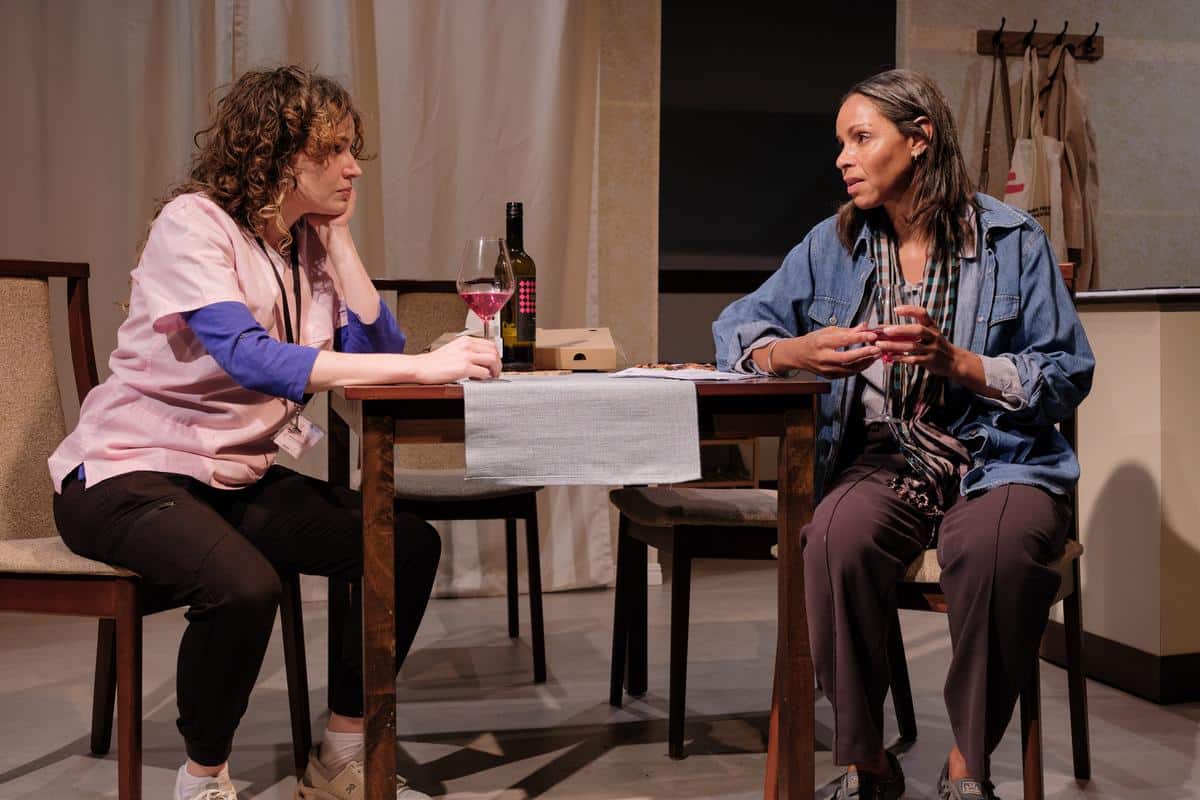
Naturally, the evening implodes. The food never arrives, the wine order is forgotten, and the borrowed artwork is revealed—mortifyingly—to belong to the very guests meant to be impressed. As façades fracture, civility gives way to desperation, deceit, and the ignominy of cheap wine and takeaway pizza.

The staging is slyly symbolic: three chandeliers ascending in grandeur, empty picture frames lining the walls, furniture beautiful but uncomfortable—an elegant visual shorthand for hollow status and performative taste. Performances across the board are finely tuned, creating the uncanny sensation of eavesdropping on a private catastrophe.

By the final unraveling—replete with secrets, betrayals, humiliations, and small redemptions—the audience is left laughing, wincing, and quietly auditing their own social manoeuvres. One exits the theatre not just entertained, but unsettled, pondering the price paid for a seat at the high-end table—and whether it was ever worth it.

To book tickets to The Social Ladder, please visit https://www.ensemble.com.au/shows/the-social-ladder/.

Photographer: Phil Erbacher

Spread the word on your favourite platform!

Danny And The Deep Blue Sea

Danny And The Deep Blue Sea

Danny And The Deep Blue Sea Rating

★★★★★

Click if you liked this article

6

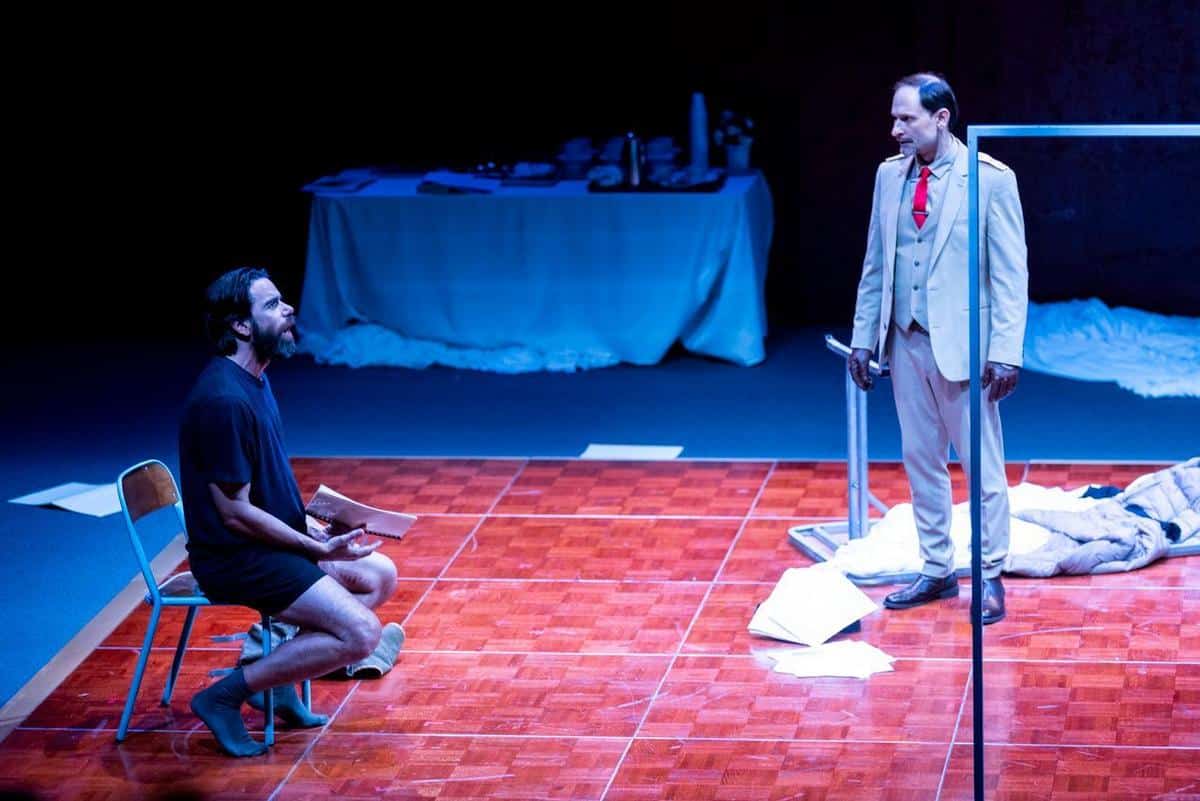
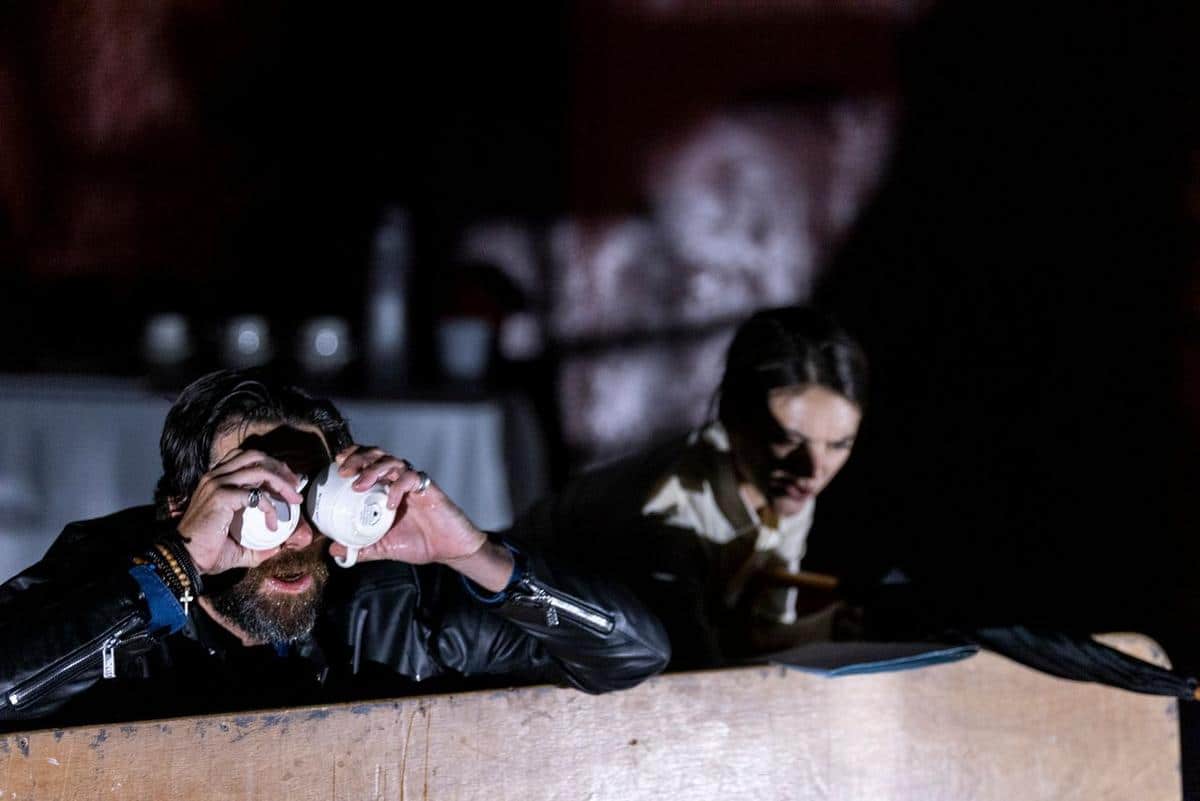
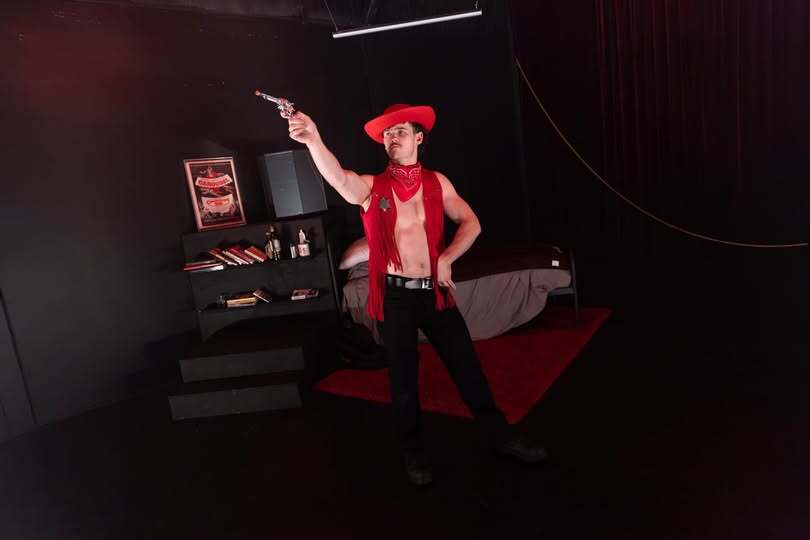
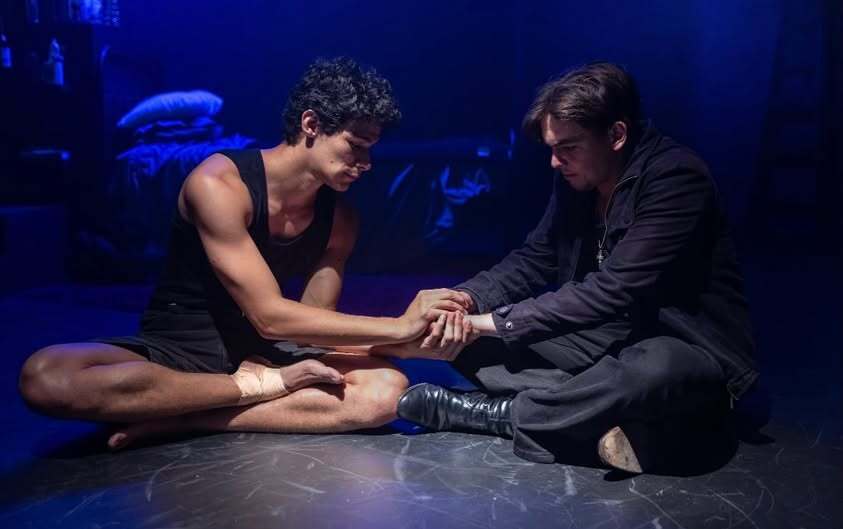
Danny And The Deep Blue Sea in one word is a hurricane. It is a force of nature to be reckoned with. Set in the 1980s in the Bronx, it follows the two characters of Danny and Roberta fiercely played by JK Kazzi and Jacqui Purvis. I mean this is a masterclass on acting. You truly believed every word they were saying. Honestly two of the best performances I have seen in recent memory. Their raw unfiltered emotion, and explosive dialogue masterfully written by John Patrick Shanley. This is no holds barred dialogue at its grittiest.

We follow the Characters of Danny and Roberta from a chance meeting at a bar and the encounters that follow are a whirlwind of violence and tenderness. I do issue a warning that this play has mature themes including violence from both parties, and does mention sexual abuse and there is also use of coarse language.

The direction of this play by Nigel Turner-Carroll is very clever, using every inch of the stage as an interactive landscape absolutely delights. There is a very well thought out scene change that doesn’t break the tension of the play which is very hard to do.


At the heart of this play is two very dysfunctional people that come across very unlikable at the beginning but then throughout the course of the play you will begin to think and ponder that absolutely everyone is deserving of love and kindness, no matter their flaws.

The audience gave this play a standing ovation, and rightly so. Everything worked, from the accents, to the acting, the lighting and great use of the stage.

The Old Fitz is an intimate venue perfect for this type of play.

Theatre at it’s absolute best should leave the audience changed in some way. This play left a mark on me and gave me an insight into a world that is foreign to me. I left the theatre actually having more empathy for people that live a different life to myself, and I think that is a true testament to everyone involved in this production.

This play is a thought provoking hurricane that takes you on a roller coaster of emotion, that will ultimately leave you changed after witnessing it.

A very big congratulations to all involved and I don’t think you can ask much more of a theatre experience.

To book tickets to Danny And The Deep Blue Sea, please visit https://www.oldfitztheatre.com.au/danny-and-the-deep-blue-sea-1.

Photographer: Tony Davison

Spread the word on your favourite platform!

Important and Deeply Moving: First Nations Theatre Not To Be Missed

Dear Son

Dear Son Rating

★★★★★

Click if you liked this article

2

Walking into Belvoir St Theatre felt like reconnecting with an old friend, one whom I have had multiple warm experiences with over the years, and Dear Son only deepened that relationship. Those who know me are aware of my self‑preservation from “spoilers”, so I walk into these situations with just the bare bones of what delight is about to unfold. I was unaware what other “old friends” would be part of this powerful experience.

When director and co‑adapter Isaac Drandic stepped onstage before the show to tell us that Luke Carroll was ill and could not perform, I was briefly disappointed, having known Luke in my youth and followed his career since. Brief is the key word, because it was announced he was being replaced by Aaron Pedersen, an actor who once showed me immense kindness when I was a wide‑eyed Melbourne wanderer in another life, and whose work I also hold in very high esteem. In other words, I already knew I was in for quite a treat before a single word was spoken.​

Dear Son, based on the book by Thomas Mayo and adapted for the stage by Drandic and co‑adapter John Harvey, gathers five Indigenous men in what feels like a coastal “men’s shed” to ask, again and again, “What is it to be a man?” through letters, yarns, song and embodied storytelling. The set design by Kevin O’Brien creates warmth and place with deceptively simple means: sandy ground, a rustic wooden covering, two park tables and a glowing sunrise upstage, an inviting representation of a communal gathering space that is both specific and symbolic. It immediately feels connective, it feels personal.


Our five Indigenous actors – Jimi Bani, Waangenga Blanco, Kirk Page, Aaron Pedersen and Tibian Wyles – begin by waving reverently to the audience as words are projected behind them. Video designer Craig Wilkinson’s projections fill the upstage screen with terms like “Father”, “Son”, “Artist”, “Protector”, held by these strong, proud figures as they claim space and create warmth, before those words are undercut and complicated by others that have been used as weapons against Indigenous people for generations, ushering us into Act 1: Letters of Struggle.

The group moves between letters to fathers and sons, shared conversation, humour that is deliciously specific, and moments of song supported by composer and sound designer Wil Hughes’ evocative soundscape. They unpack the impacts of colonisation and the generational trauma wrought by acts of violence, malevolence and cruelty, while also honouring resistance, love and the everyday work of breaking cycles. Lighting designer David Walters gently shifts us through time and tone, from campfire intimacy to something closer to ceremony, with haze and shadow allowing the stories to sit in a liminal, memory‑like space.

The individual performances are powerful, moving and deeply poignant, and the ensemble work is quietly transcendent. It is hard to believe that Pedersen has entered the fold so recently; he integrates with a calm, centred presence that never pulls focus from the collective but deepens it. Wyles often anchors the musical moments with guitar and voice, Bani brings an easy charisma and storyteller’s ease, and Page moves deftly between gravitas and wry humour. Blanco, who also serves as choreographer and movement director, gives the production its physical language.

These stories unite the men in shared trauma, and a far more powerful desire to transcend it by breaking the walls of toxic masculinity down. It’s an important dialogue and unpacking for men, but they are also very clear on the importance of women in their stories and how respect for women should be centred.

There are familiar public figures and stories represented amongst the letters and the production was beautiful, emotional and powerful, but the real tear‑jerker was when each artist shared their own personal lived experience and a meaningful piece of themselves in reverence to the vulnerability they have been celebrating and advocating for throughout.

Dear Son is an important and deeply moving work of First Nations theatre that should not be missed.

To book tickets to Dear Son, please visit https://belvoir.com.au/productions/dear-son/.

Photographer: Stephen Wilson Barker

Spread the word on your favourite platform!

The Comedy Of Errors

The Comedy Of Errors

The Comedy Of Errors Rating

★★★★★

Click if you liked this article

1

Is comedy tragedy reversed? Do we know it’s a comedy because it ends happily?

Sport for Jove’s “The Comedy of Errors” starts with an extra Shakespeare speech – the “stranger’s case” from a play called “Sir Thomas More”, making an appeal for displaced persons. A fitting prologue to the opening where the merchant, Aegeon (Nicholas Papademetriou), is sentenced to death for washing ashore in the wrong country.

Aegeon’s story told to Duke Solinus (Lani Tupu) is a beautifully demonstrated piece of theatre magic by the ensemble.

It is after this that the play becomes farcical with double the fun: two sets of twins causing confusion and mayhem throughout Ephesus.

Be prepared for some pretty violent text supported slapstick between the Dromios and the Antipholuses, or was that Antipholii?

A famous line from Hamlet: “let those that play your clowns speak no more than is set down for them” is unheeded and ‘Errors’ is all the better for it. These additions add energy and atmosphere, giving those in the audience unused to the verse a hook back into the action.


One such standout was Luciana’s (Tamara Lee Bailey) online Shakespeare workout for her followers: “please like and subscribe” integrating the modern world of selfies and influencers into the narrative.

Naomi Belet dazzles in two original songs as the directors wisely lean into the multitalented casts’ varied strengths.

The two Dromios (Gabriel Fancourt and Diego Retamales) might be in danger of stealing any other show but are surrounded by brilliant performances from the dashing Antipholus of Syracuse (Kaya Byrne) and the faithless Antipholus of Ephesus (John Panayiotis Tsakiris) to the fiery Adriana (Imogen Sage) and her Muay Thai and kickboxing sister Luciana (Tamara Lee Bailey).

Dr Pinch’s (Lani Tupu) subliminal presence throughout the play pays off in the exorcism scene. The lost lovers Aegeon (Nicholas Papademetriou) and Aemelia (Inga Romantsova) bring emotional depth amid the madcap antics.

Direction (Damien Ryan and George Banders) is well crafted.

The text is justified, a difficult task considering some Elizabethan comic references are truly dated, however imaginative settings grounds these to the present.

A visual treat is the dance at “The Mermaid”, with choreography (Shannon Burns), the costumes (Bernadette Ryan) luminous under lighting by Lisa Benham.

“The Comedy of Errors” is an enjoyable lark full of vibrant energy.

Unlike real life we know it is a theatrical comedy as Aegeon is forgiven his trespass by the Duke and no one dies in the end. Would that life were so forgiving.

To book tickets to The Comedy Of Errors, please visit https://www.sportforjove.com.au/the-comedy-of-errors-2025.

Spread the word on your favourite platform!

Subscribe to What's The Show

Reviews, show news and what is on, straight to your inbox.