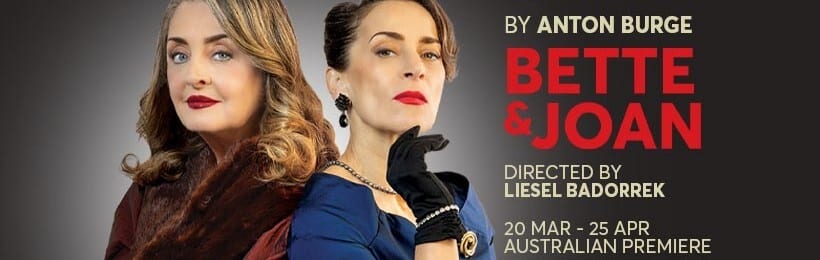
The theatre was abuzz as the audience took their seats, anticipating the legendary cat fight ahead.
Two dressing tables, both alike in dignity, face the audience. Behind them – a facade – flats from the film set of “Whatever Happened to Baby Jane” are standing, reverse side towards the audience. We are invited into their private world, to peak behind the scenes.
They were leading ladies of the silver screen so why was “Whatever Happened to Baby Jane” the only picture they ever made together?
A New York Times critic once wrote that to reach their level of stardom, a woman “needed the constitution of a horse and the temperament of a wildcat.”
The rivalry between Bette Davis and Joan Crawford is the stuff of Hollywood legend. Tinseltown was rocked by their personal feud for years. Even at age 79 Davis would say of Crawford: “We’re very different kinds of women, different kinds of actresses… she was a fool… she wasn’t very smart.”
Jeanette Cronin and Lucia Mastrantone reign supreme as the battling pair, both fulfilling the writer’s words with admirable physical and vocal skill.
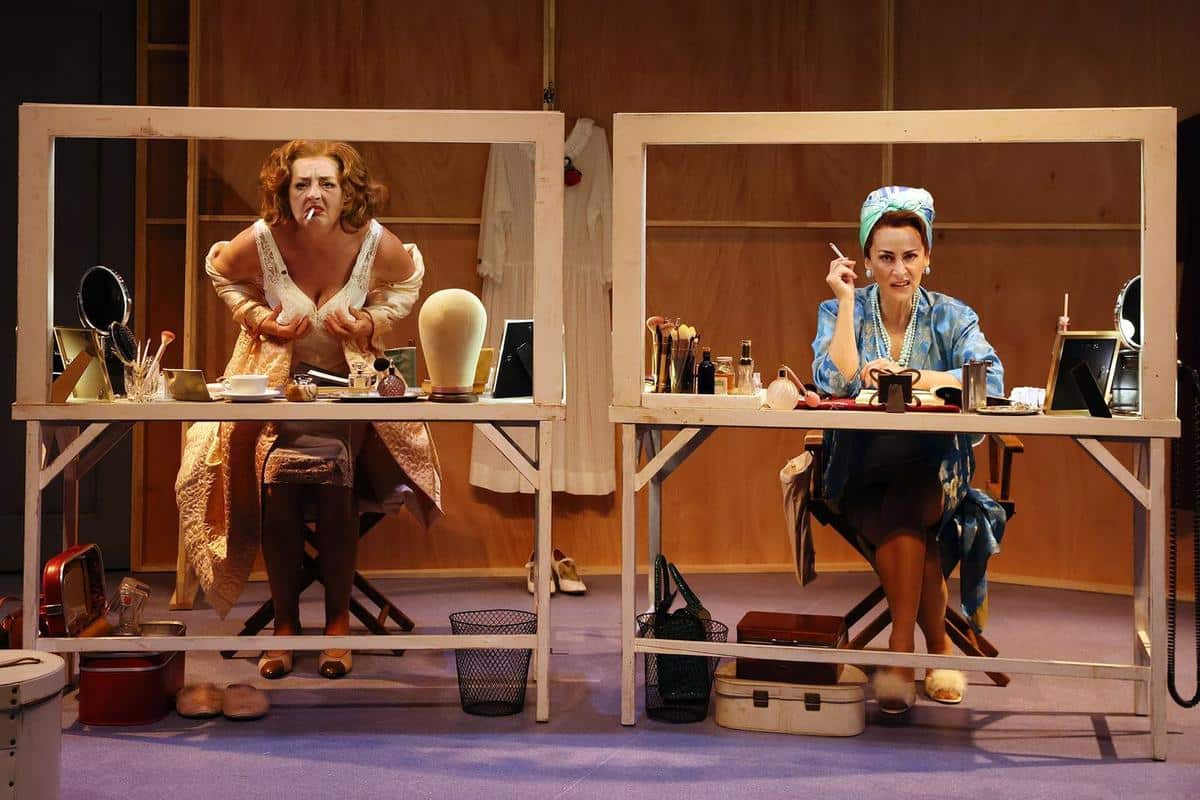
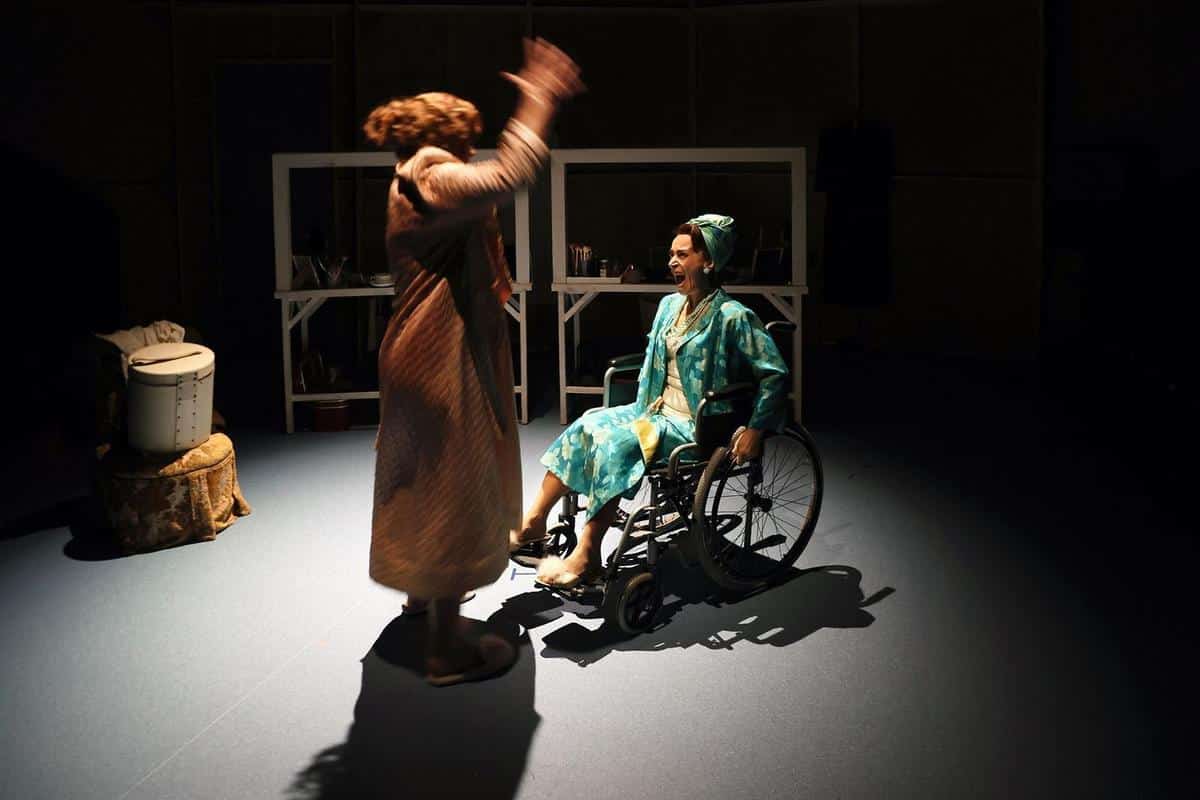
The clash of personality styles is fully realised – Bette Davis (Cronin) as the consummate artist striving for the pinnacle of performance and Joan Crawford (Mastrantone) the OCD actress obsessed with beauty who clawed her way to the top via the casting couch.
Cronin and Mastrantone are well cast and their characterisations specifically detailed, with excellent dialect work by Linda Nicolls-Gidley.
Joan: “Even close to death one must always resemble a star.”
The fourth wall is broken throughout, except in the moments of interaction between the two. This device works brilliantly as we are included in the Machiavellian plots as well as the moments of poignancy.
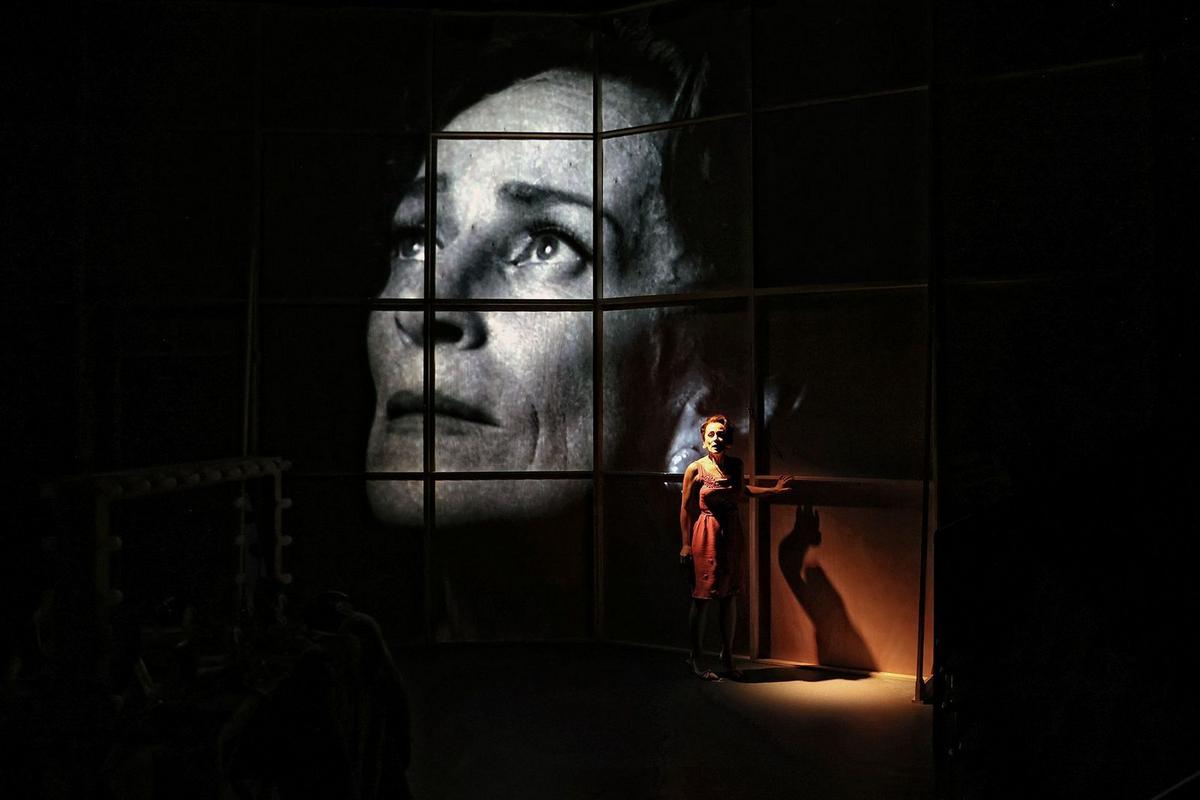
Direction by Liesel Badorrek is tight, scenes detailed. Exquisite choices using black and white video imagery, some live, some recorded, designed by Cameron Smith, enhance the Golden-Age Hollywood feel. Dialogue is paced well, with great rhythm and timing.
Costumes and sets by Grace Deacon are fabulous, immersing the audience. Kelsey Lee’s lighting design is flawless. The Ensemble Theatre becomes a backstage corner of a 1960s Hollywood lot.
The scenes turn on a dime, one moment we are brought to tears, the next – gaffaws as one of our divas drunkenly stumbles. But it is the painful moments, as their traumatic history is revealed that are truly moving.
Highly recommended. Sharpen your claws and get a ticket.
To book tickets to Bette & Joan, please visit https://www.ensemble.com.au/shows/bette-and-joan/.
Photographer: Prudence Upton