Dayna Fallon: Finding Comedy in the Unpaid Administrative Position of Motherhood

Feature-The Manager Is Me

Dayna Fallon finds comedy in the everyday pressures that rarely get a moment in the spotlight. Ahead of The Manager Is Me at Melbourne Fringe, we caught up with the performer to talk about creating a show alongside a busy home life, preparing to face an audience and finding moments of connection through laughter.

Meet The Performer – Dayna Fallon

What is this production or show about?

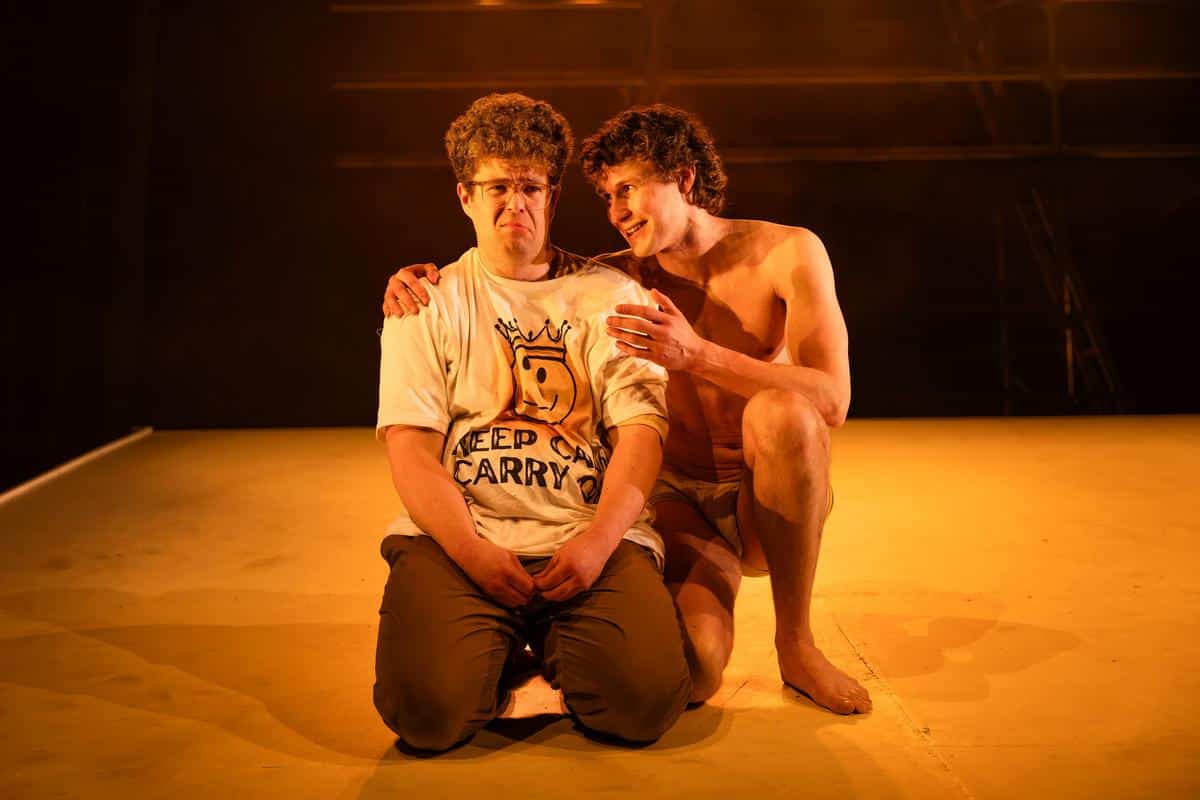
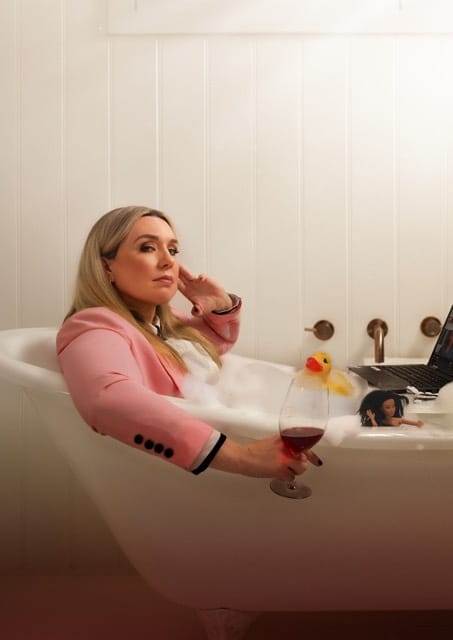
It’s a comedy about one woman trying to survive the morning before school drop-off. She has three children, a husband with complex health needs, work demands and a growing suspicion that her own life has become an unpaid administrative position.

It combines theatre and spoken word, and underneath all the chaos is a woman trying to remember what she wants beyond everyone putting their bloody shoes on.

How would you describe what you do to someone encountering your work for the first time?

I turn things that normally go unsaid into spoken word and theatre.

There are characters, there’s poetry, there’s a woman getting increasingly close to saying what she actually thinks. It’s funny and a bit feral, but there’s real tenderness underneath. I want you laughing before you realise I’ve said something that hurts.
What has been the biggest challenge in preparing for this role or performance?

TIME! As a mum of three, a carer and someone with a day job, finding uninterrupted time to make a show about never having uninterrupted time has been the biggest challenge. The material is very available. Chunks of free creative time are less forthcoming.
So I’ve learnt to use even fifteen-minute blocks. You can’t always wait until you feel inspired. Sometimes everyone’s briefly stopped needing you and you have to go NOW. You can’t wait for perfect conditions because they don’t exist.

What is your process for getting ready before you step on stage?

Secure the babysitter. Attempt nap. Watch Drag Race for confidence. Brush teeth. Do an actual warm-up. Brief existential crisis. Remind myself this is not an elimination episode. Breathe. Begin.

How do you look after your physical and emotional health during a demanding run?

I’m better at the physical side, I love the gym, mandarins, vitamin C! Sleep is key but challenging with kids. Emotional health, well that’s a work in progress. I think the key is to lower my standards at home. The washing can have its own demanding run.

What do you think makes a performance truly connect with an audience?

Specificity. “Motherhood is hard” is true, but it doesn’t tell you much. “I’m having a micro-holiday eating leftover toast in the driveway gives you the whole person.

I think people connect when you say something they’ve thought privately and assumed made them a terrible person. There’s a particular laugh that means, “Oh, thank God. You too.”

What strategies do you use to manage nerves before you go on?

Nerves and excitement feel very similar, so I tell myself I’m excited. I also remind myself the audience have chosen to be there, nobody’s been summoned for jury duty. And then I think, “Remember when you wanted what you currently have?” I’m getting to do something I’ve dreamed of. I want to savour it, not just survive it

Is there anything else you would like to share?

You don’t have to earn a night out by getting everything done first. It will never all be done. Come with a friend, come on your own, leave the housework. I’ve made a whole show out of being overwhelmed, so technically this is a tax deductable work event for you.

Huge thanks to Dayna for sharing her journey of creating art in fifteen-minute blocks between the demands of motherhood and caregiving. Her honesty about finding the funny in feeling overwhelmed is exactly the kind of comedy we need more of. If you are ready for a night out that counts as a tax-deductible work event in overwhelm, grab your tickets to The Manager Is Me at Melbourne Fringe.

Thank you to Dayna for giving us a glimpse into the work behind The Manager Is Me. See her bring it to the stage at Melbourne Fringe; tickets are available now.
Spread the word on your favourite platform!

Christopher Bryant: Finding the Calm in Chaos

Feature-New Balance

Christopher Bryant’s creative practice spans the stage, the page and academic research. In this edition of Meet the Performer, we chat with the writer and performer about New Balance, created with Emma Palackic, and the care, curiosity and collaboration that shape his approach to theatre.

Meet The Performer – Christopher Bryant

What is this production or show about?

New Balance is a contemporary performance about the intersection of queerness and disability: about navigating the world as a queer person with disability, about being a marginalised queer person who experiences further marginalisation through disability. Its script is woven together from intersecting anecdotes from the queer-disabled community about the universality of growing up deemed ‘different’.

How would you describe what you do to someone encountering your work for the first time?

I am a playwright and performance-maker – I make weird, queer, disabled performance works like New Balance with my collaborator Emma Palackic, and I have a more traditional playwriting practice as well. I am also an author and sometime-academic: I hold my Ph.D. in disability and playwriting representation, and have worked as a disability consultant for mainstage companies in Sydney.

What is your process for getting ready before you step on stage?

I give myself a good amount of time to warm up my vocals – I have terrible diction in my everyday life so I have to make a concerted effort to get things up to shape! And then a lot of stretching while listening to a playlist that mirrors the emotional journey of the show. Then as a focus exercise I speed run the text for myself – I’m probably too paranoid about forgetting lines, five seasons in, but I’d rather be prepared than not!

How do you look after your physical and emotional health during a demanding run?

Living with a TBI means I need to make sure I’m always getting a lot of sleep. I always attempt to meditate, and run the script each day to ensure it’s still in my head. Emotionally, I’ve not run into any issues, which is wonderful. The show Emma and I did before New Balance was more directly about my experience getting hit by a car & acquiring a disability, performed in intimate venues with minimal theatricality. It was successful, but by the end of its run I needed to stop touring the show – I was essentially retraumatising myself each night. Conversely, Emma and I were very intentional in crafting New Balance – and while it goes to some dark places, the show overall is full of abstraction, humour, and a lot of projection & design, which all work to separate my emotions from the show itself.

What do you think makes a performance truly connect with an audience?

Truth and specificity – both in what’s being performed, and the performance itself. Across New Balance’s seasons I’ve consistently had audience members talk to me after the show with some variation of: “I’ve had a very different life, but when you talked about x, it made me think about my own experience in a different way.” I think sharing honestly about specific experiences I’ve been through actually allows audiences to see themselves in the show.

What has been your favourite performance or role so far in your career?

This feels like a cop-out answer, but getting to bring New Balance back in 2023. We made the first version of the show in 2020 at Theatre Works, a few weeks before the country shut down. There were a lot of good ideas in it, but ultimately it needed more time to cook – and Emma and I were stretched incredibly thin, shooting for the sky on a budget made from working extra shifts. Getting to return to it later, we were able to be more intentional: change the parts we wanted to, deepen the philosophical enquiry in the text, and make the show overall much more effective. By turn, that made it so much more fun to perform: to get to spend time with each audience performing a show I’m so proud of, it’s just fun!

Have you ever had to improvise or adapt during a live performance? What happened?

The most recent I can think of was during the 2023 season of New Balance when all the tech suddenly went kaput! For about 10 minutes I somehow just bantered with the audience before picking the show up where it’d stopped – I didn’t even realise what I’d done until after the show when people congratulated me on keeping it together. It’s something I’ve gotten much better at across the last 10 years having performed in so many different locations, to audiences of 2 and audiences of 200. (It’d just be nice if I could be that calm in my everyday life, too!)

Thank you to Christopher for taking us behind the scenes of New Balance and sharing his perspective on life as a working artist. Catch the show at Melbourne Fringe, with tickets available through the festival.

Spread the word on your favourite platform!

World Premiere: Opera Australia’s New La Bohème Brings Snowy Paris To Melbourne This November

Feature-La Bohème

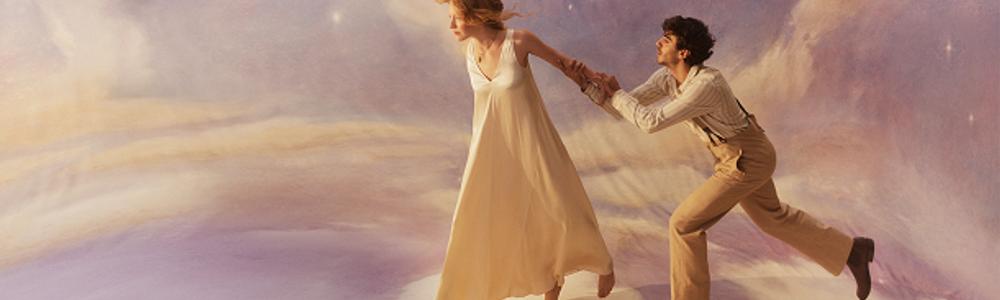
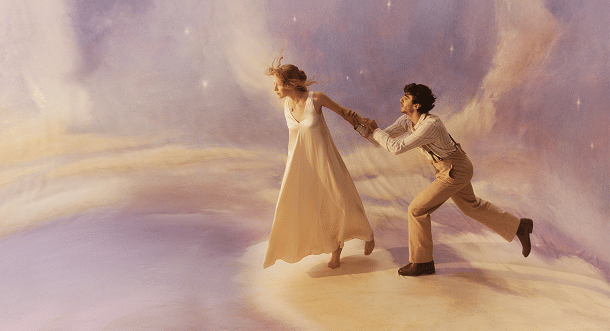
Opera Australia (OA) will unveil a shimmering new production of Puccini’s beloved opera La Bohème at the Regent Theatre, Melbourne in a World Premiere season from 7-18 November.

The first new mainstage production of one of the world’s most famous operatic tragedies by OA in 15 years, this production is set in the winter wonderland of 20th century Paris, recreated through the eyes of the painters, poets and musicians of its time.

One of Australia’s most exciting opera directors, Constantine Costi, will lead a talented team of young Australian creatives to envision this new La Bohème, including Set Designer Dann Barber, Costume Designer Sabina Myers and Lighting Designer Morgan Moroney.

Spectacular set pieces, including a flying balloon basket and life-sized, on-stage floats, will bring a painting-inspired set to life, with glorious scenery hand painted by OA’s talented team of scenic artists, with magnificently detailed and richly coloured costumes, all crafted by hand at OA’s headquarters.

La Bohème will star a luminous cast of international and Australian singers, including Melbourne-born Alexandra Flood who will sing Musetta in a highly-anticipated homecoming season, while award-winning soprano Galina Cheplakova, in her Australian debut, will share the heartbreaking role of Mimì with Italian soprano Valeria Sepe, who makes a welcome return to OA.

snowwyparis.png

Quickly becoming one of the most sought-after young lyric tenors in the opera world, Australian Chinese tenor Kang Wang will share the role of Rodolfo with award winning Italian Paride Cataldo, who will also perform with OA for the first time.

Under the baton of acclaimed British conductor Finnegan Downie Dear, making his OA debut, will be the brilliant Orchestra Victoria, internationally acclaimed Opera Australia Chorus and Opera Australia Children’s Chorus.

Puccini’s timeless music captures the power of love, the beauty of youth, and the sheer joy of being alive and in this production it finds new life once again by a whole new generation of talented creatives and performers.

Creatives
Conductor Finnegan Downie Dear
Director Constantine Costi
Set Designer Dann Barber
Costume Designer Sabina Myers
Lighting Designer Morgan Moroney
Movement & Assistant Director Shannon Burns

Performance information
7.30pm: 7, 10, 11, 12, 13, 14, 17, 18 November
2:00pm: 8, 15 November
Regent Theatre, Melbourne
Running time: Approximately 2 hour and 15 minutes.
Performed in Italian with English surtitles.

Cast
Mimì: Galina Cheplakova (7, 10, 12, 14 & 17 Nov), Valeria Sepe (8, 11, 13, 15 & 18 Nov)
Rodolfo: Kang Wang (7, 10, 12, 14 & 17 Nov), Paride Cataldo (8, 11, 13, 15 & 18 Nov)
Musetta: Alexandra Flood
Marcello: Luke Gabbedy
Schaunard: Stephen Marsh
Colline: David Parkin
Benoit/Sergeant: Clifford Plumpton
Alcindoro: Simon Meadows
Officer: Tom Hamilton
Parpignol: Benjamin Rasheed
Orchestra Victoria
Opera Australia Chorus
Opera Australia Children’s Chorus
Opera Australia Actors

Bookings
Adult tickets from $79 (fees may apply)
Opera Australia Box Office (03) 9685 3700
www.opera.org.au

Spread the word on your favourite platform!

Beyond Good and Evil: Lord of the Flies Examines the Darkness Within

Lord Of The Flies

Lord Of The Flies Rating

★★★★★

Click if you liked this article

4

In today’s world, where the terms ‘unpredictability’ and ‘uncertainty’ have become part of our everyday vocabulary, is it no wonder that we, as a society, are craving more and more control over our lives? To feel safe, repetitive routines and rituals are formed. Activities and nutrition fuel our bodies and minds. Social connections satisfy our need for feeling valued and accepted.

And yet, beyond our scope, there are greater forces that exist in our world that we have no control over. Circumstances of good vs evil; of hate and suffering; of larger-than-life power plays beyond our human understanding. So we look for strong leadership (of countries, corporations or institutions) to restore peace and harmony. To fix and put right. To give us hope. To make us feel safe once more.

But, as humans, are we naive to think that peace is the answer to eradicating evil? Or does evil exist as part of our nature, if all hope is lost?

In director Steven Mitchell Wright’s reimagining of Nigel Williams’ adaptation of Lord Of The Flies, we examine how the science of evil can slowly creep into the human psyche, and seek to dismantle order and destroy others in its wake.

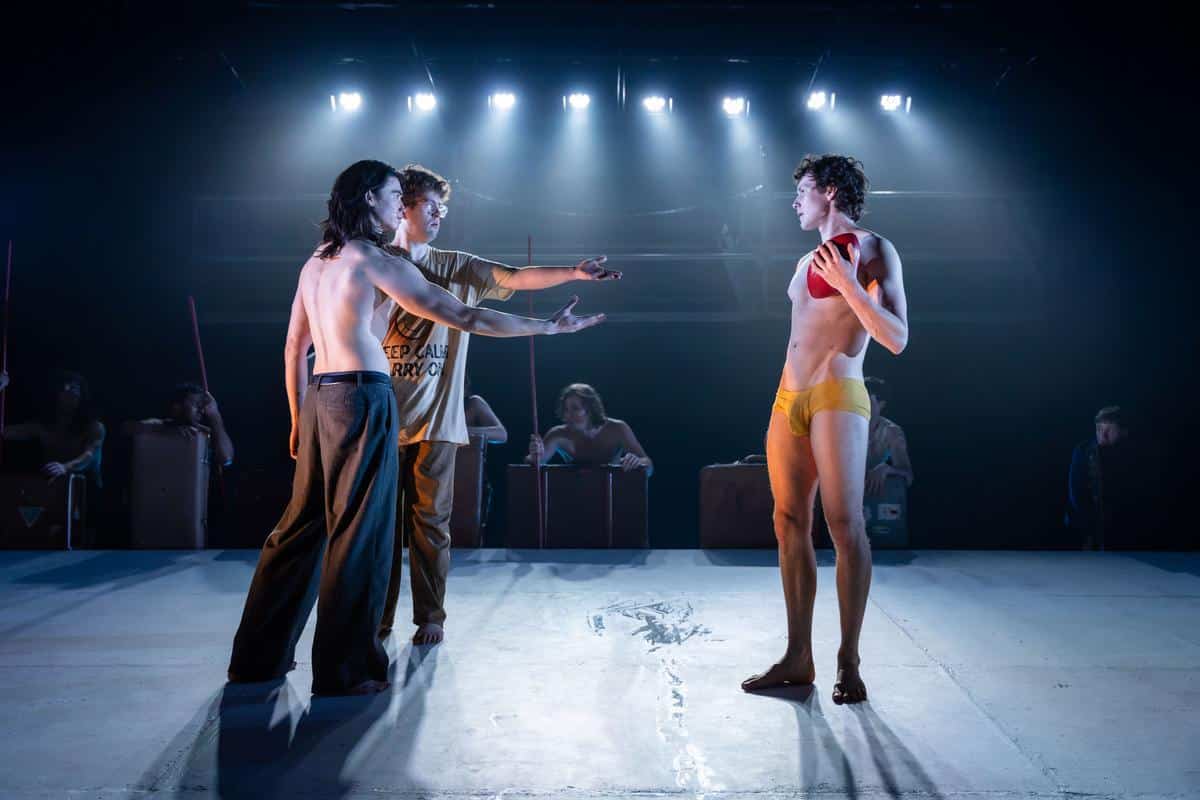
From the moment I enter the theatre, award-winning director Steven Mitchell Wright transports me in a moment of childhood innocence, where a deeply-slanted white stage faces in towards the audience, exemplifying a pure boys-being-boys existence: (played by adolescents and non-gender actors). Boys playing joyful sport together, free as flies, even in an uncertain world.


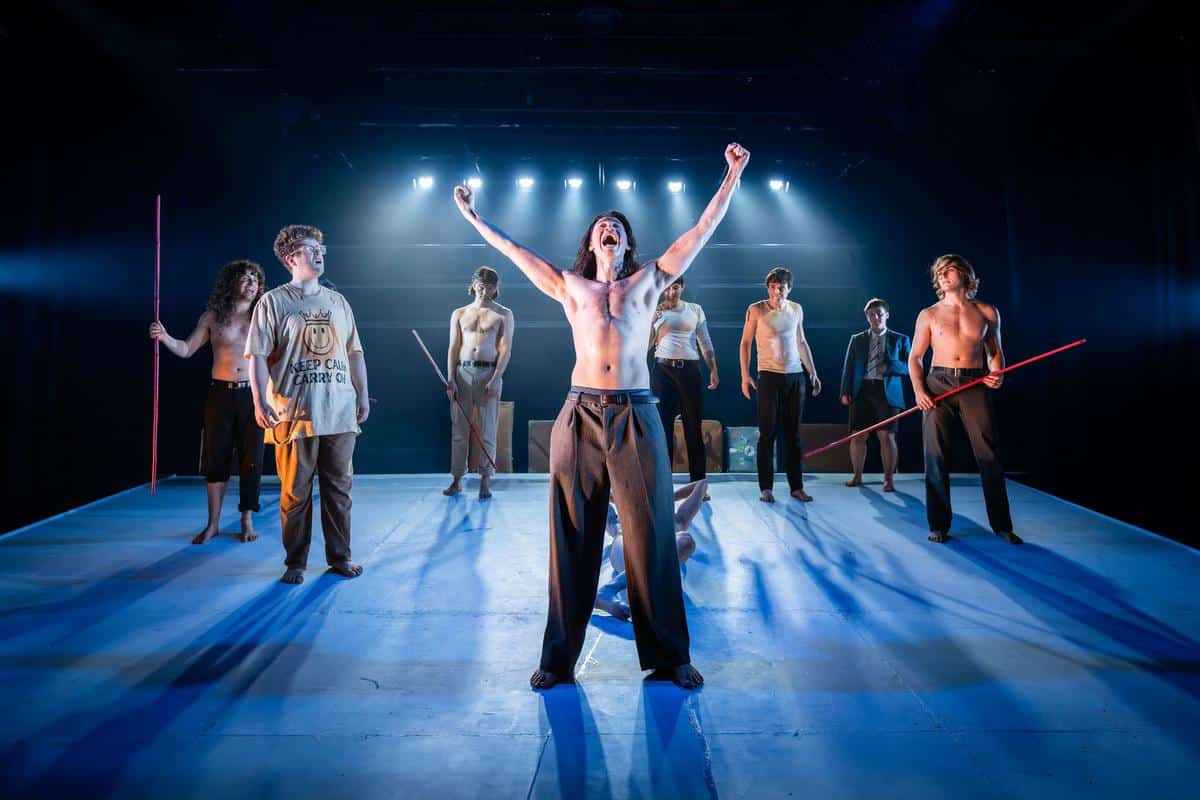
When these boys are put on a plane out of England to escape an atomic war, crash-landing on a remote island, we are witness to a different kind of battle – the survival-of-the-fittest. We are transported to a land where the forces of good are distorted slowly into evil – from innocent boys basking in adventure to descending into tribal warfare. Asking us: if evil is rooted in our nature – or borne from ego-driven madness?

For in this no-holds-barred classically brilliant production, Wright looks at every line in the script and explores the timing of its statements for a new generation. Much like looking into a mirror, he begs us to ponder: Have rules become cloudier? Has leadership lost even more of its meaning? Has the ball of ‘authority’ become so weak and so disposable, that it can be thrown around willy-nilly, like an Aussie rules football, when it comes to our modern survival? Or does it come complete with sharpened spears and a winning-at-all-costs mindset?

Brilliantly played, staged and choreographed, Steven Mitchell Wright’s immersive staging also places modern technology at the forefront of his production to amplify the madness of evil. Actors carry a selfie stick with an iPhone camera projected onto the stage to amplify the terror of savagery. A dance mob forms to symbolise freedom with undertones of carnal desires and the birth of wild savagery. Animalistic chants and wild physical movements intensify the killer instinct of a hunter seeking its prey. Boys in fight-or-flight mode constantly on guard – losing their train of thought in a world without routine, becoming animal-like in nature. The effects of red lights depicting madness, effectively created by lighting designer Ben Hughes and alerting sounds of nature infiltrating our minds, such as tropical thunder and rain pouring down, were effectively created by sound designer Jack Burmeister – inviting us into the fearful world existing even within nature itself.

The cast of this show were no less than exceptional. Angus Leighton as Ralph exemplified the exact leading man energy and machismo required to play a budding showman, a leader in looks, and in bark; with no bite. Yet, watching his character’s ego-crushing demise was both heartbreaking and riveting.

Sean Yuen Halley as Jack commanded the stage immediately with his intense energy of unapologetic arrogance and ferocity, seeking to seize control of everything in his world, yet losing control of himself in the process. Jack’s descent into madness was depicted so methodically and so seamlessly, launching into what appeared to be a devil-like possession that was flawlessly executed.

But in the role of Piggy, my most highest of accolades goes to Oliver Cowen. Wearing his heart on his sleeve, Cowen brought the audience to tears with his angelic presence, beyond the obvious childhood taunts and physiological judgements: to symbolise the moral compass within us all. Cleverly balancing the show out with the hope – that there is good in people. For this alone, I congratulate Cowan as not only embodying the backbone of this production, but the heart and conscience of this show as well.

All in all, this production of ‘Lord Of The Flies’ is a must-see. It is an exceptional production for the 2026 season at Theatreworks that should not be missed.

To book tickets to Lord Of The Flies, please visit https://www.theatreworks.org.au/2026/lord-of-the-flies.

Photographer: Image 1: Oliver Cowen and Angus Leighton Image 2: Sean Yuen Halley, Oliver Cowen, and Angus Leighton Image 3: Blaise Tindale, Oliver Cowen, Charlie Veitch, Sean Yuen Halley, Oliver Gorringe, Declan Magee, Darcy Crawford, William Bastow

Spread the word on your favourite platform!

Subscribe to What's The Show

Reviews, show news and what is on, straight to your inbox.